


Bread is a staple food in many countries. It is one of the most ancient forms of food prepared by humans. Despite its popularity worldwide, some criticize bread as an unhealthy food for the following reasons:
A. Nutritional issues of bread
1- High in carbohydrates and calories
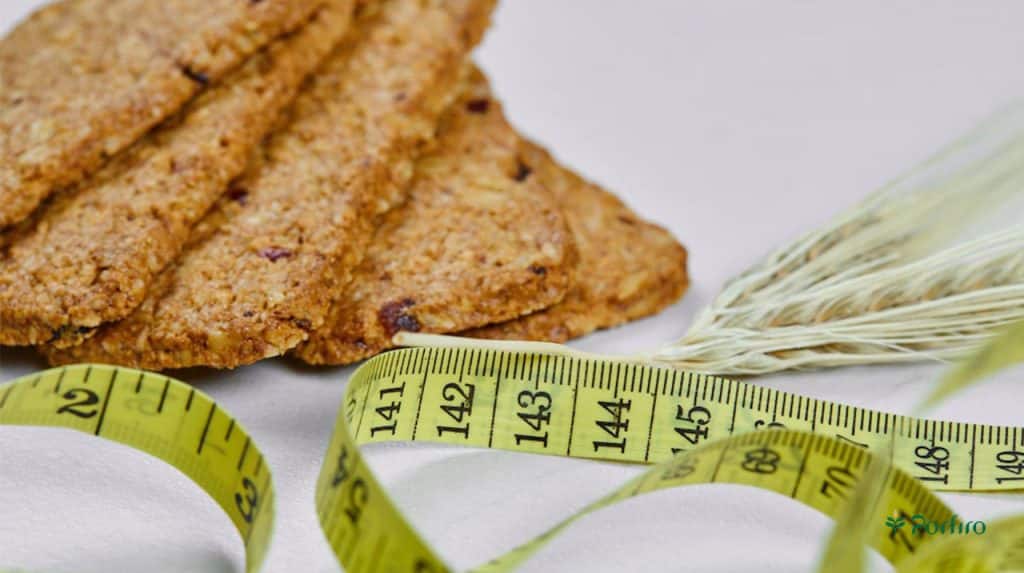
Bread is high in carbohydrates and calories. However, it is relatively low in essential nutrients compared to other foods like fruits and vegetables. Therefore, it may have a fundamental role in weight gain, especially in societies where bread is the main energy source.
2- High glycemic index
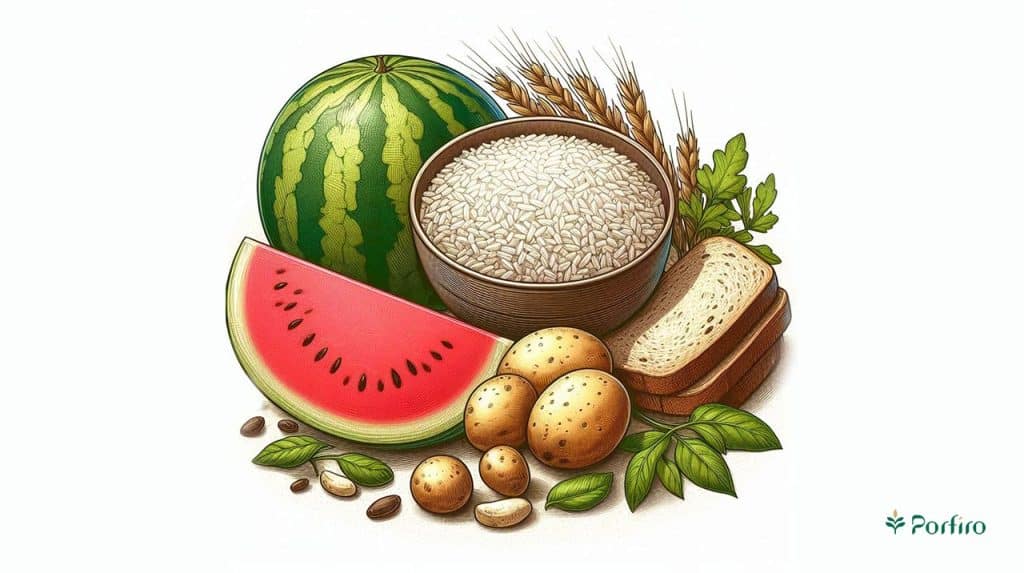
Some breads have high glycemic index (GI). Carbohydrates are broken down into glucose by the body, leading to an increase in levels of blood sugar. GI is a measure of how quickly foods increase blood sugar levels. According to recent studies, high-GI foods increase hunger and lead to a greater risk of overeating and increased body weight.
3- Type 2 diabetes and metabolic syndrome

Bread is a high-carbohydrate food. The risk of type 2 diabetes and metabolic syndrome can be associated with high-carb foods like bread. Metabolic syndrome is a combination of health conditions that increases heart disease risk.
4- Anti-nutrients
Grains including wheat, rice, and barely typically are high in phytic acid. The phytic acid binds to iron, zinc, magnesium, and calcium and inhibits their absorption. Whole-grain breads are more nutritious than lower-fiber, refined grains like white bread, however, they are more likely to be higher in components that block minerals.
It should be kept in mind that for most people who follow a healthy diet, nutrient-blockers or anti-nutrients are of little concern. However, vegans and those who are mainly dependent on grains and legumes due to high concentrations of antinutrients can be at risk of serious nutritional deficiencies.
5- Coeliac disease
Gluten the protein found in wheat, rye, and barley may produce Coeliac disease. Though most people digest gluten easily, some cannot tolerate it. In the disease, the immune system attacks one’s tissues when one eats gluten. This damages the small intestine so the body cannot properly absorb nutrients. Coeliac disease can cause a range of symptoms, including diarrhea, abdominal pain, and bloating. In such conditions, wheat bread should be avoided. For these individuals, gluten-free breads made from tapioca, brown rice, or potato flour are available.
Despite all mentioned above, bread is still a popular food in various cultures, and across different types of bread, the nutrient profile can vary widely. Apart from being convenient and delicious, whole grain breads are nutritious and can be good for our health.
B. Health benefits of whole grain bread
1- Dietary fiber:

Certain varieties such as whole-grain bread that is made from whole wheat flour are packed with dietary fiber. High-fiber bread can slow the absorption of sugar in the bloodstream and help stabilize blood sugar levels which is very essential for diabetic patients. Eating whole-grain bread may lower your risk of heart disease, diabetes, obesity, and even colorectal cancer.
Whole-wheat bread is higher in fiber, protein, and micronutrients like selenium and manganese than white bread, making it a better choice for those who are looking to improve their health. In addition, consumption of whole bread causes a longer stay of food in the digestive tract and prolongs the feeling of satiety which makes it an ideal food for losing weight.
2- Prebiotic properties:
Dietary fiber in whole grain breads acts as prebiotics. Prebiotics are found in high-fiber foods such as whole grains, soybeans, bananas, onions, garlic, and greens, that act as food for human microflora. Probiotics (in foods such as yogurt) are foods or supplements that contain live microorganisms that maintain or improve normal microflora or beneficial bacteria in the body.
Therefore, whole-grain breads can enhance the growth and performance of friendly bacteria in the gut. Changes in gut microbiota composition have been related to essential functions namely immunity, satiety regulation, body weight gain, and improving mood and sleep. Furthermore, when resistant starch found in whole grains is fermented in the colon short-chain fatty acids are produced that strengthen the immune response.
3- Long-lasting fuel
Complex carbohydrates in breads made of whole grains provide energy that is available for a longer time. Consuming whole breads causes steady release of glucose into the blood and it is essential for athletes who seek endurance.
Since complex carbohydrates stimulate serotonin production their elimination from the diet makes people touchy. To feel energized and cheerful it is recommended to have complex carbs every three to four hours.
4- Fight cancer:
Whole grain breads contain dietary fiber and phytochemicals that have anti-cancer properties.
C. How to increase nutritional benefits of bread?
1- Let grains sproute
Selecting bread made from sprouted grains (e.g. wheat germ) maximizes its nutritional benefits. To reduce the anti-nutrient content of grains, soaking and sprouting them before baking is an effective way to enhance nutrient absorption. The process of sprouting involves repeatedly soaking and rinsing grains for several days which enhances the digestibility and nutritional value of the final product. According to studies, sprouted bread contains fewer antinutrients but more vitamin E, vitamin C, beta-carotene, fiber, and folate.
2-Fermentation
Fermentation is a process that converts sugars and starches in food into simpler substances in the absence of oxygen. In baking, fermentation is done by yeast and bacteria. These microorganisms consume simple sugars in the flour and in this way, CO2 and other compounds that create the flavor and texture of bread are produced. Fermentation starts with adding yeast/bacteria to the mixture of flour and water and continues until the microorganisms are inactivated by heat.
The fermentation time has an inverse relationship with the amount of phytic acid in the dough. Phytic acid is a substance that binds to ions like iron, copper, zinc, calcium, and magnesium. Since many complexes of the phytate with minerals are insoluble they cannot be absorbed. Phytic acid is abundant in our diet. It is estimated that the intake of phytic acid daily is up to 800 mg in industrial countries and about 2000 mg in developing countries.
The mineral-binding ability of phytic acid is a nutritional concern because it blocks the absorption of essential nutrients like iron and zinc. Due to the essential role of the nutrients namely calcium, iron, and so on in different age groups the inhibitory impact of phytic acid on nutrient absorption is noteworthy. As mentioned earlier, adding the fermentation time in baking can reduce the amount of phytic acid significantly and bread prepared from such dough has high nutritional value.
3-Enrichment With Vitamins and Minerals
Although bread is generally low in protein, fiber, vitamins, and minerals, enriching it with extra micronutrients enhances its nutritional value. Iron, riboflavin, thiamine, and niacin are common compounds added to bread. Whole-wheat bread is also richer in some nutrients including manganese and selenium.
D. Some tips on adding bran to bread
- Avoid animal bran that is sometimes used in baking bread because it may contain toxins, heavy metals, and chemical residues that are harmful to our health.
- Some bakeries in Iran add bran to bread and advertise it as one of the additional features of bread to sell it more expensively. Pay attention that bran should be added to the flour before fermentation, otherwise the phytic acid does not degrade. Do not buy whole meal bread from bakeries that add bran to flour after fermentation.
E. People who should be careful in consuming whole bread
- Since the phosphorus and potassium content of whole breads is high, people with different degrees of renal failure should be careful in consuming it. Additionally, some breads are a surprising source of salt and sodium.
- During prolonged diarrhea, it is recommended not to use whole breads until recovery.
- Since whole breads may worsen cramping, bloating, gas, and abdominal pain people with digestive diseases should be careful when consuming them.
F. Conclusion
Bread is a popular food in many countries including Iran. Bread is criticized as an unhealthy food for reasons such as its high content of carbohydrates, high glycemic index, nutrient-blocker, and being harmful for people with coeliac. However, apart from being convenient and delicious, whole grain bread can be assumed a healthy food because it contains nutrients and dietary fiber, acts as prebiotics, and causes steady release of glucose into the blood so is essential for activities that need endurance.
Sprouting grains, fermenting flour, and enriching bread with vitamins and minerals are ways that increase its nutritional benefits. Although whole bread is a healthy food, adding bran to the flour to make it more nutritious does not always bring the desired result. It is recommended not to use animal bran. In addition, the bran should be added to the flour at the time of fermentation. Despite the health benefits of whole breads, they should be consumed with caution in people with different degrees of renal failure, during prolonged diarrhea, and in people with digestive diseases.
10118