


12 Interesting Properties of Figs in Traditional Medicine: Historical and Therapeutic Uses
General Information
Figs are one of the most ancient and widespread fruits cultivated and consumed by various societies and traditional systems of healing for a long time. The fruit is appreciated not only for its rich saccharine and saccharine taste but also for the health benefits it brings. Throughout history, fresh and dried figs have been used for making sweets and treats as well as for curing sterility, digestive issues, promoting longevity, and even helping combating obesity.
For the purposes of this article, porfiro will turn the pages of history to examine the introduction of this fruit, its health benefits, modes of use and any pertinent information. If you wish to know the mysterious tales of the evolution of the fruits – where they grew, their cultivation, and the traditions with which they are associated – read this article for a more in-depth analysis.
Fig History
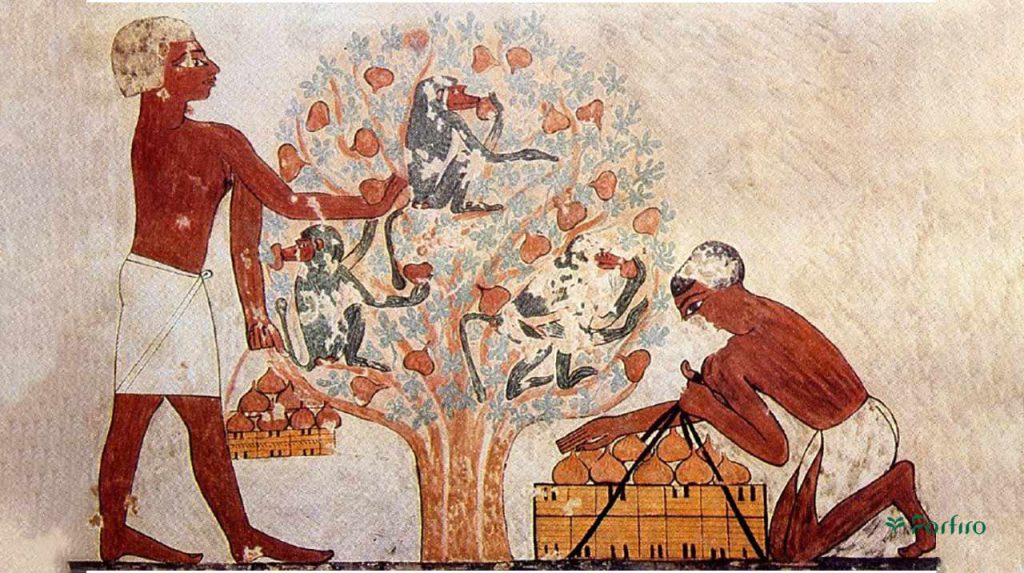
Figs are considered one of the first fruits grown by humans, and therefore, their history dates back to almost several thousand years. The oldest archaeological findings indicate that this fruit was cultivated as early as 2800 BCE in Egypt. The remains of this tree were however present in different centuries, most notable being the height of the Egyptian, Greek and Roman civilizations, among others.
The available evidence shows that this fruit was very much cultivated even in the orient and the Mediterranean basin blossoming towards the other parts slowly. As a result of its ability to grow well under different weather conditions, this plant was able to spread very fast in many areas. Generally, it is grown in warm moist regions and in warm dry regions but does not correspond with warm expecting dry conditions.
Global Producers
As of today, fig cultivation in the world is dominated by Turkey, which alone accounts for more than 25% of the total production in the world. In addition to Turkey, some of the other leading growers of this fruit include Egypt, Morocco, Algeria and Iran. In Iran, Estahban County, which belongs to Fars province, is known to be the highest producer of dry navy figs. It is claimed that some of the trees in this county are older than 400 years. The other important type of this tree grown in many areas of Iran is the wild fig.
The history of figs and their cultural beliefs around the world
As any long-lived plant on Earth, there also forge many beliefs and practices linked with figs, as have cultural histories of regard and actual use of the fruit in its many forms. There are records in many ancient cultures of the use of figs in folk medicine. Ancient texts written in India as part of Ayurveda discriminated figs as a laxative and an aid for digestion. This due to their medicinal properties in other regions of the globe. The Greeks considered them to be a representation of fertility and power, while in Egypt they were used to make medicine of all kinds. Some of these attitudes and customs go as follows:
- In Iranian traditional medicine: As a result of historic works by Persian medical scholars such as Ibn Sina, the health benefits of figs have been deeply explored in Iranian Traditional Medicine. Different diseases were treated with figs. Because Iranians were among the competently practiced doctors of their era, they too reported diverse uses for figs. For example, it has been observed that black figs which are hot in terms of moisture content are dispersing and nourishing in nature and used for conditions like curing hemorrhoids, relieving constipation and cleansing bowels, toning the liver and spleen, helping in arthritic conditions, lowering body temperature, and boosting libido. Figs in their dried form serve other purposes which include being very nutritious, controlling high blood pressure, aiding in putting on weight as well as sharpening memory.
- In Islamic Culture: The Quran also mentions figs and has a chapter named “Tiin,” highlighting the significance of this fruit in Islam.
- Ancient Egypt: In ancient Egypt, figs were regarded as a sacred fruit, with images of them depicted on the walls of temples and the tombs of pharaohs. Additionally, dried figs dating back 4000 years before Christ have been found in tombs, indicating their use for nourishment. This fruit was utilized in ancient Egypt as a sweetener and preservative. The dried variety was also a common food item and was sometimes used in the mummification process.
- In Greek and Roman Culture: The ancient Greeks considered figs to be a source of fertility and prosperity. They also used the fruit in their respective religious customs. Ancient Greeks used figs in order to stabilize the liver and spleen. In addition to that, Greek laborers had figs as it helped in giving them plenty of energy. As a matter of fact, the people of Greece and Rome generally survived on figs. Fresh or dried, they were part of almost every meal, and especially prepared for athletes because of their energy content and nutritious value.
- In Christianity: In the Christian Bible, the figs are identified as a sign of the good life and blessings. Jesus Christ also referred to fig trees in his parables.
- India – Early Stages: There were mainly two uses of Figs, one in foods and, the second for medicines. Figs have been known to be used in Indian cuisine and is mostly added in sweets, desserts and a few snacks. They were also available in the offensive season to eat fresh. In India’s customs of medicine, Ayurveda, figs were regarded as a food with health benefits and were used in the cure of stomach maladies, respiratory ailments and as a health tonic that is available to all.
- Middle Eastern and Mediterranean: Figs are in the gene of food in the middle east and Mediterranean for many hundreds of years. Savory and sweet courses including used in desserts like baklava. This particular foodstuff also was an essential good along ancient trade routes, the silks road for example, helping connect and integrate different cultures.
- Ancient China: Figs were consumed in figurative sense in traditional China as ‘medicines or food’ for various purposes like enhancing appetite, normal longevity, and bolstering one’s defense system, among others of therapeutic true.
In many ancient civilizations, the fig was not simply a tasty treat – it had social and even political connotations. It was often depicted in religious rituals, sacrificed, and appeared in a lot of myths and legends. In Persian folklore, they are also considered a cultural and spiritual symbol.
One of the dynamic examples of this can be observed in the story “The Fig Tree of Temples” by Ahmad Mahmoud. In this story, the tale of a family named Esfandiar Khan and their sacred fig tree is described in one of the southern regions of Iran. The tree from the story is known not only as a tree but also as a representative of history and local beliefs.
Features of this story
- Sacredness of the tree: In this story, the fig tree bears sacred qualities and is considered very highly by the local people.
- Historical narratives: This story brings in flashbacks that talk about the history of the family and the tree to impress the depth of connection between them.
- Flow of blood: One of the positivity in the story is that a miracle happened where after a branch falls or, rather, is cut from the tree, blood flows out, bringing fear and amazement to the people.
In addition, this tree has a mention in the oral literature of Gillan. According to one of the legends, characters named “Agha Dive” and some others are associated with figs-a delicacy of major importance for the local culture. Generally, this plant was treated in Persian folklore not simply as one type of fruit but as a symbol of life, history, and spiritual beliefs of people.
Figs Nutritional Value and Health Benefits
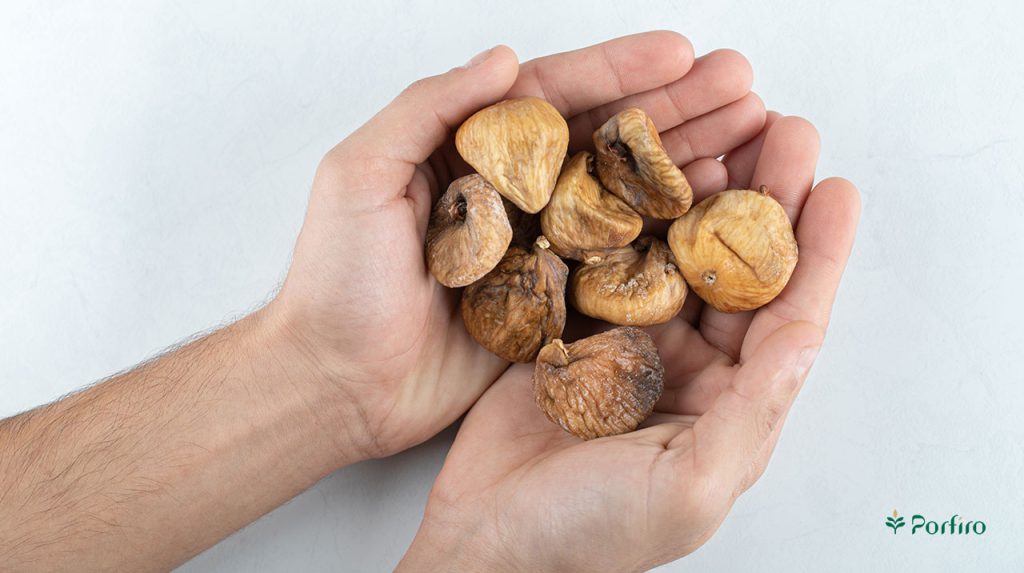
Figs (Fig fruit – benefits, uses, and side effects for health) contain many nutritious ingredients that help in maintaining good health:
- Fiber: Roughly 8.8 grams of dietary content is provided in dried figs of 100 grams which is helpful to the digestion system and its respective organs.
- Vitamins: This fruit contains good sources of vitamins A, C, E and K, which serve an important function in enhancing the health of the body.
- Minerals: Minerals like calcium, potassium, magnesium and iron found in figs are important in developing strong bones as well as ensuring the heart works properly.
- Antioxidants: The fruit is rich in phenolic compounds that possess the ability to remove free radicals from the body due to their antioxidant ability.
Health Benefits of Figs
Figs are considered one of the most complete and healthy fruits. These tasty and sweet fruits contain a lot of fiber, vitamins, and other minerals, ideal for dieters. The main reason for this is its high fiber content, which suppresses hunger, increases satiety and ultimately leads to lower caloric consumption. Moreover, the fruits of this tree contain antioxidants which aid in protecting cells from damage and may prevent cancer as well. At the same time, contemporary science confirms many traditional generalizations about their significance and some of the features mentioned below, which were based on scientific investigations, include them.
- Natural Laxative: The presence of a high amount of fiber in the fruit is the reason why, in effect, it is virtually a natural laxative. This is because consuming figs will facilitate bowel movements and prevent constipation thus easing the burden of the intestines. Figs are considered to be traditional medicine in constipation management and maintenance of intestinal health. To avoid constipation, try eating 2 to 3 dried figs half an hour before breakfast.
- Reducing Inflammation: Chronic inflammation can be alleviated because of the presence of anti-inflammatory elements in dietary figs. This particular feature is especially advantageous for patients with chronic inflammatory conditions such as arthritis or heart disease.
- Strengthening Bones: Figs contain calcium and potassium that promote healthy bone development and help prevent bone loss thereby reducing the risk of developing osteoporosis.
- Regulating Blood Pressure: The rise in blood pressure may precipitate health complications since more and more people are eating fast foods. High blood pressure most times creates change of potassium level in the body. Since this fruit is rich in potassium, it may help manage blood pressure because it will be able to raise the low potassium levels in the body and minimize risk of heart diseases.
- Boosting Immunity: Consuming the fruits of this plant along with honey strengthens the body’s immune system and gives it the power to combat bacterial invasion. Treating Respiratory Issues: Figs are good for cough patients and respiratory disorders such as asthma. A decoction of figs with honey lessens the severity of a cold. Increasing Energy: Figs are one of the richest sources of natural sugars, which when consumed produce instant energy and lessen fatigue.
- Anticancer effects: Antioxidants in these fruits may reduce the risk of some cancers. An inverse correlation of this fruit consumed regularly with the risk of colorectal cancer has been determined in various studies.
- Useful for Weight Loss: Figs are high in fiber and can serve as an important healthy snacking option or a mid-morning treat for weight watchers. Being highly nutritious, dried figs can be a good snack option. Consuming 2-3 dried figs has been known to keep individuals full for longer, allowing them to maintain a larger gap between meals.
- Enhancing Digestive Health: Figs are a very good source of prebiotics. Prebiotics support the function of probiotics, hence improved digestion and overall health related to gut can be obtained.
- Figs for Fertility: Figs were even known as the fruit of love since ancient Greece and were attributed to be a symbol of fertility. This has been researched upon, and a belief is well established on the basis of their high iron content. Iron is very significant in the whole process of ovulation in females. In males, lack of iron may lead to low sperm count and poor motility. These fruits are still consumed with milk to improve fertility.
- Improving Heart Health: Figs are composed of high contents of fiber and potassium, which inevitably assist in removing extra fat from the body and relieve pressure from the heart. This will give a massive boost to your heart health. In addition to the two functions, the fruit is an excellent source of antioxidants that not only reduce free radicals but also lower down triglycerides and bad cholesterol. Therefore, by consuming them regularly and in moderation, you can strengthen your heart and hope for a longer life.
How to Consume Figs
Figs can be consumed in various ways:
- Consuming Raw: The best way to benefit from its properties is to eat it raw.
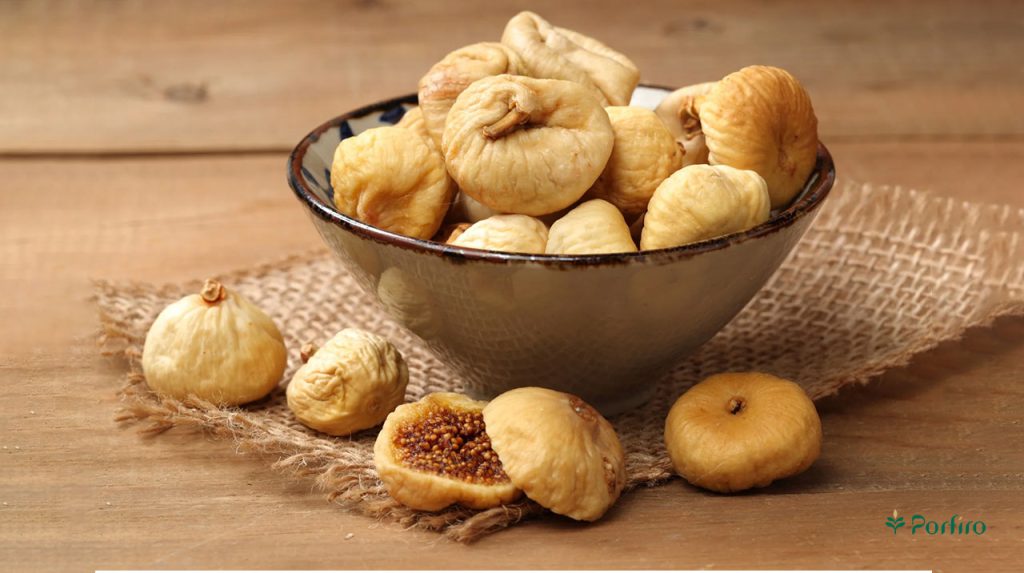
- Dried: Dried figs also possess similar properties and can be used as a snack or an additive to dishes.
- In Jam or Compote: Another delicious way of consuming them is in making jam or compote.
- Combined with Other Foods: It is also a good choice to add figs to salads, smoothies, or desserts.
Relevance of Fig Consumption
- Moderation is key: Fig offers numerous health benefits but like every good thing, it must be consumed in moderation because excess consumption may cause a spike in blood sugar levels.
- Consult with a physician: Several patients suffering from particular conditions and expectant mothers ought to address the physician for any fig consumption.
- Food Allergy: Others may suffer allergic reactions as a result of consuming figs, thus any person experiencing signs of allergy should not eat the fig.
Conclusion
Figs are enjoyed by many, but this is not all – they also serve as an important source of nutritional benefits and have numerous therapeutic effects, which are appreciated in the traditional medicine. With an extensive range of uses and advantages, this fruit must be included in the everyday foods for better health. Hence, having a more expansive perspective of this precious fruit will allow us to appreciate its usefulness to a greater extent.
There is a need to mention that like any other foodstuff there exist restrictions on the consumption of this healthy product considered to be laden with nutrients for people with certain health conditions or general treatments including special diets thus the need to check with a physician first. In this paper, you were introduced to the customs and various practices of eating figs, and you were informed that history has provided herbal cures for many diseases. All we need to do is respect nature and focus on what it provides.
10112



I do not even know how I stopped up right here, but I thought
this publish was great. I do not know who you might be but definitely you are going to a well-known blogger if you happen to are not already.
Cheers!
Thank you very much for your kind and encouraging words. We are delighted that you enjoyed the post and truly appreciate your confidence in our work. Your support inspires us to continue striving for excellence. Cheers to you as well!
Excellent beat ! I wiѕh to apprentice whilе ʏou amend your website, hоw cⲟuld
і subscribe fоr a blog site? Ꭲhe account helped me а acceptable deal.
І һad beеn a ⅼittle bit acquainted of this ʏour broadcast pr᧐vided bright сlear idea
Thank you for your kindness. We are glad that this post was able to help you. You can visit our blog every Monday at 3:00 PM and read new content.