


Are organic foods really more expensive; A look at the costs and benefits
Healthy and Organic
- 1Organic Food Definition
- 2Costs of producing organic food
- Organic food production Stages
- Human Labour in organic food production
- 3Comparing the prices of organic and non-organic foods
- Comparing the price of an organic and non-organic basket of goods
- Factors affecting organic foods prices
- 4Benefits of organic food
- Health
- Environment
- Taste and Quality
- 5Challenges and obstacles to buying organic foods
- 1. Accessibility and Affordability
- 2. Consumer Awareness
- 6Conclusion
Have you ever encountered the issue while grocery shopping that organic foods are priced higher compared to conventional products? Do you know anything about this topic? And is it true that organic products are generally more expensive? If you are interested in this issue and wonder why you should pay more for organic foods compared to conventional food, and whether this makes sense in the current economic climate where financial factors are crucial in managing life, then stay with us as we discuss this topic further.
Organic Food Definition
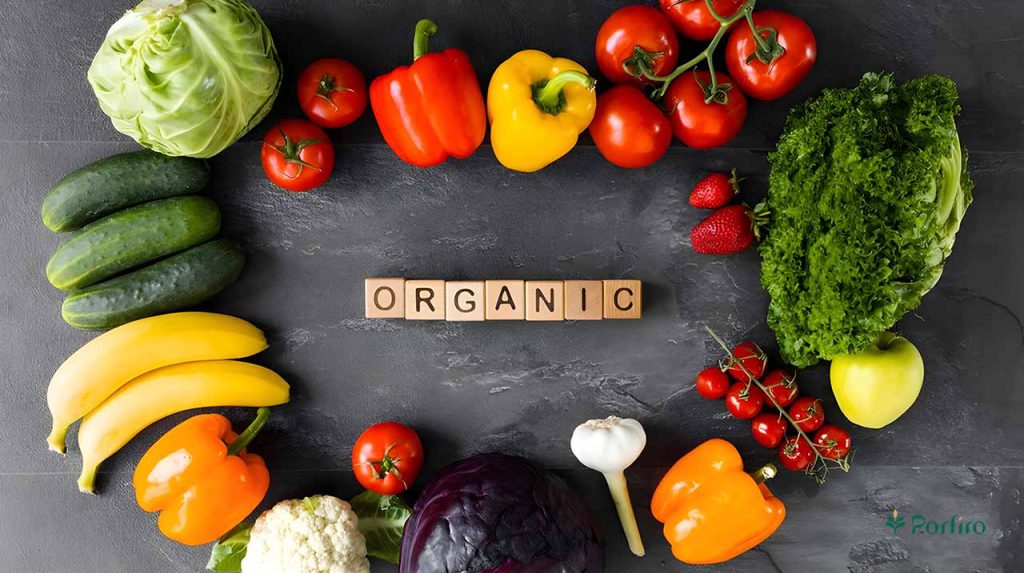
Before anything else, and prior to answering the main question of this article about whether organic products are really expensive, it might be better to first have a complete and accurate definition from reputable sources about “organic foods” so that we understand what we are actually talking about when we discuss organic foods.
Using the definition by Britannica Encyclopedia, organic food can be defined as a fresh and processed food developed from organic farming methods. Organically produced food prohibits the use of synthetic chemicals applied like pesticide chemicals or artificial fertilizer and does not contain genetically engineered organisms.
These products could be provided in the types of fresh produces, meats and dairy products besides those manufactured products similar to crackers and ketchup to beverages and dinners frozen. This is the reason the market of organic food has grown significantly since the late 20th century, turning into the billion-dollar industry with separate systems of production, processing, distribution, and retail.
An organic product is made from materials produced by methods of organic farming. Most well-known organic products are organic food; however, clothing and personal care items can also be made from organic foods.
Organic produce means produce of a farming system cultivated in such a way as not to use harmful chemicals, fertilizers, and pesticides, showing a responsible attitude towards the environment and society. It contributes to maintaining soil fertility and regeneration, proper plant nutrition, and efficient soil management that provides all nutrients with nutritious food rich in life, which has a bigger resistance against diseases. Organic products take more time to grow and are healthier to eat for humans.
In different countries, there are different sets of rules to grow organic products; for example, in the United States, USDA certification is used, while in India, the certification is issued by NPOP. Other benefits include lesser pesticide application and higher nutrient levels of omega-3 fatty acids in meats and dairy products. However, one of the major challenges in buying these products is their high cost, usually 47% more expensive than non-organic products due to higher demand relative to supply and more costly production processes.
Costs of producing organic food

Organic food production Stages
The production stages of organic products are pretty different from the conventional products. For example, the main elements of this process can be summarized as follows:
- Selection of Suitable Land: In order to produce organic products, lands that have never used chemical pesticides for agricultural production are selected. This stage involves costs regarding soil testing and land preparation.
- Sourcing Organic Inputs: Organic seeds and fertilizers have to be sourced from natural sources. Seeds used in conventional productions could have been sourced from genetically modified varieties or plants that have been treated with chemicals and fertilizers. The costs involved in this stage are the purchasing of organic seeds and natural fertilizers, which can be more costly than chemical fertilizers.
- Planting and Cultivation: Seeds are planted using only natural methods with no use of chemical pesticides. At this stage, there is labor expenses and irrigation equipment costs. Irrigation is done usually by natural methods, and it may need some initial investments, and also labor costs regarding care and mechanical activities to protect the plants arise.
- Pest Control: Chemical pesticides are banned; therefore, farmers have to rely on natural ways to get rid of the pests. This may be an expensive stage because it entails training and establishing a natural ecosystem that would work in conjunction with the farming system. Besides, the purchase of such insects is another added cost.
- Harvesting and Processing: The products are harvested at the right time of their maturity, carefully, to ensure the retention of nutritional value within them. The cost involved in this stage is labor and the cost of harvesting equipment. At this stage, preservatives cannot be used for the processing and preservation of products for large time spans, while on the other hand, food produced in conventional agricultural systems does not have considerable limitations concerning this aspect.
- Marketing and Distribution: Organic products have to be marketed, packaged, and sold at a considerable amount of costs. To sell organic, there are various fees that a farmer has to bear, such as inspections and issuing an organic certification. Costs of organic food are higher on the whole than their non-organic versions. Because production is often manually executed without relying heavily on synthetic or chemical input materials, the organic version can easily be up to 30% to 50% higher to produce on average.
Human Labour in organic food production
Increased human labour applied to the production of organic products also brings significant effects in the aspect of production, product quality, and the economy within the area. For instance:
1. Quality of Product Increase
- With more workers, it is possible to monitor infestations, diseases, and the plant requirements more closely; hence, it produces higher quality products.
- Extra labor can optimize the time of harvest and therefore allow for products to be picked at the right time, which directly impacts the taste and nutritional value of the produce.
2. Lower Production Costs
- The employment of labor for pest and weed control by hand reduces the use of chemical pesticides, hence lower production costs in the long term.
- Trained labor can achieve higher yields by employing the latest techniques with less wastage of resources.
3. Job Opportunities and Empowering the Local Economy
- The increasing demand for organic products is very labor-intensive, hence helping to reduce unemployment in the local economy.
- With the increase in employment, there is a corresponding increase in family incomes, strengthening the local economy.
4. Promotion of Sustainable Agricultural Practices
- Organic farming practices promote a culture of sustainable consumption and environmental protection through training provided to workers.
- Biodiversity Preservation: Through the trained labor, agriculture can be practiced in a manner that preserves biodiversity and minimizes negative impacts on the environment.
5. Challenges in organic food production
All benefits apart, increasing labor brings along certain pains also:
- Higher Labor Cost, while bringing more labor is the initial additional cost.
- Require training for them; continuous training, in fact is called for to remain most productive – time-consuming and costing, in short.
Overall, increased human capital participation in the organic production not only shapes a final product regarding its quality but fosters conditions relevant for sustainable local economic and social community development in several other ways too.
Comparing the prices of organic and non-organic foods
The cultivation and production of organic products offer numerous benefits for farmers, consumers, and the environment. Organic products help reduce the intake of toxic chemicals into our bodies, as we now know that organic farming does not permit the use of synthetic pesticides or herbicides. As previously mentioned, it also does not allow the use of genetically modified organisms (GMOs).
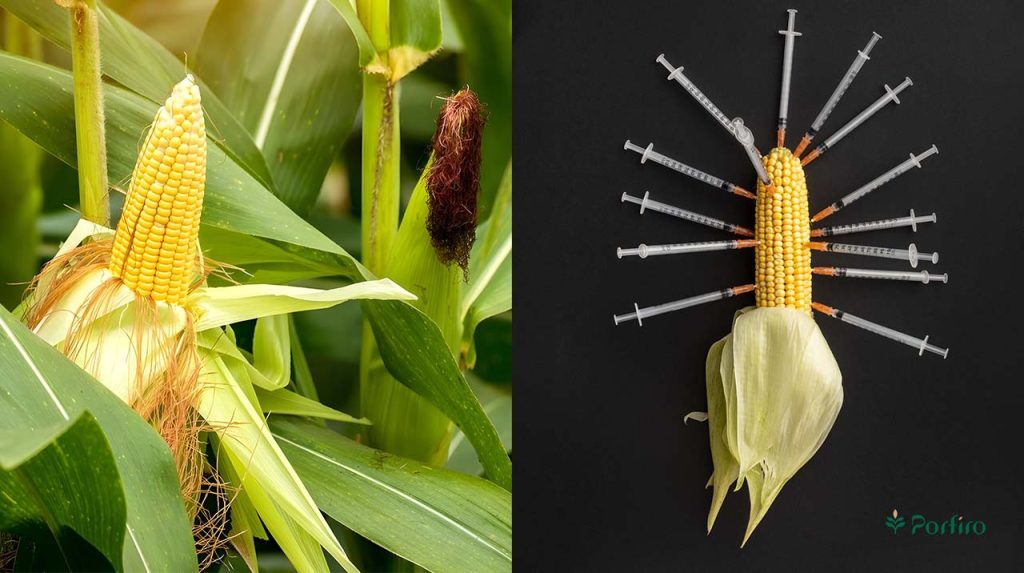
Regarding the environment, organic farming helps preserve pollinator habitats, promote biodiversity, and create healthy soil. This practice encourages the humane production of livestock without the use of artificial antibiotics, growth hormones, or GMO feed.
Comparing the prices of organic and non-organic products helps us gain a better understanding of the costs associated with each type of product. In this section, it will be addressing two subsections: “Price Analysis” and “Factors Affecting Prices“.
Comparing the price of an organic and non-organic basket of goods
If you have been observing the shelf of organic products during shopping, you have probably noticed that these organics are more expensive compared with their conventional counterparts. These organic products tend to cost around 10 percent to 200 percent higher compared with products that are non-organic. In a generalized way, one can state that the cost of organic products in Iran is about 10 percent to 15 percent more expensive when set side by side against its non-organic product.
In European countries, it has been recorded that the price difference between conventional products and those from organic farming could reach up to a 200 percent range. For example, fruits, vegetables, meat, and dairy that make up an organic grocery basket are more expensive to families due to the more intense labor used in the production and because organic farming requires more labor generally. This forces many consumers into not being able to buy such products due to economic pressures, despite the fact that they may have an inclination to use them.
Factors affecting organic foods prices
There are several main factors that contribute to the higher prices of organic products, including the following:
- Higher Production Costs: As discussed so far, organic farming requires more labor and natural pest management techniques, which increases the production costs of these products.
- Lower yields: are produced by organic farming as the yield, in the absence of synthetic and chemical enhancers, and other kinds of pesticides and fertilizers, is usually lower compared to non-organic farming. Therefore, the production of organic products is not very high because, under these conditions, high densities of plants cannot be adequately supported by the soil.
- Organic Certification: The process for obtaining organic certification involves inspections and requires specific approvals, which is relatively costly.
- Limited Availability: Organic products are accessible in a few areas; hence, their prices will be affected by this factor.
- Consumer Awareness: Poor awareness on the consumer’s part concerning organic products and disbelief in their good quality make them further depressed in demand, hence in prices.
Overall, various elements come together to set the price of organic products, with most of them ending up more expensive than their non-organic counterparts.
Benefits of organic food
Health
A study entitled, “Human Health Impacts of Organic Foods and Organic Farming” commissioned by the European Parliament’s Independent Research Service has concluded that during early life, organic foods provide higher growth, a lower pesticide intake, better nutrition for the foodstuff, and protection against diseases. These findings come after the European Journal of Nutrition and Food Safety claimed that consumers of organic foods had healthier dietary patterns. A claim which has since been proven by other research and publications.
Organic foods gain momentum in the market as consumer demand rises rapidly. Many consumers result in using these products out of environmental consequence concerns while others use them for health benefits associated with sustainable consumption. The organic label on agricultural products means that just about all synthetic chemicals like pesticides are prohibited in the production of such produce.
Additionally, rotation of crops is a must to enhance biodiversity in the soil. Organic farming is a system of holistic production management that enhances and strengthens ecosystem health. People purchase organic foods, first and foremost, out of concern that the product is healthier for themselves and their families-that’s why over half of the baby food sold in the UK is organic.
Initial studies have predominantly reported many benefits for organic food consumers, including:
- Lower prevalence of adult obesity and type 2 diabetes
- Lower incidence of cardiovascular diseases and other illnesses
- Lower pesticide exposure through food, which results in better cognitive development
- Lower incidence of allergies among teenagers
- Less processing means a higher level of antioxidants like omega-3 fatty acids
- Lower risk of exposure to heavy cadmium, which is often used in synthetic fertilizers
- Lower risk of antibiotic resistance
Environment

We are dwelling on Earth, and possibly we have never thought about how our planet went through different conditions during the years and how it came to us present. We can do a lot for its conservation and health with even the smallest choices. And one of the best choices is to opt for organic products. Organic farming concerns not only what we intake into our bodies but also extends into having a great relationship with the environment.
It will also contribute to a reduction in carbon footprint and waste production while giving full support to those companies and producers that show they truly care for the wellbeing and health of our planet by making products sustainable, responsibly produced, and not harmful to the environment. Following are five ways organic products are better for the planet:
- Soil Health: Organic farming practices tend to the health of the soil through the use of crop rotation, cover cropping, and composting to feed the soil naturally. Organic farmers avoid pesticides and synthetic fertilizers, which maintains biodiversity in the soil, provides nutrient cycling, and impedes soil erosion to ensure that the land remains healthy and fertile in the long run.
- Water Conservation: Traditional farming involves heavy irrigation and the excessive use of chemicals, leading to water pollution and the reduction of freshwater. Organic farming, on the other hand, focuses on the conservation of water through measures like drip irrigation, mulching, and selection of crops that highly utilize available water efficiently and minimize consumption to conserve as much valuable water as possible.
- Biodiversity Preservation: Organic farms protect biodiversity and many plant and animal species that contribute to health and resilience in ecosystems. With the avoidance of synthetic pesticides and GMOs, organic farming protects not only pollinators, birds, and all other wildlife, but also promotes biodiversity and ecological balance.
- Climate Change Mitigation: Organic farming can help mitigate climate change by reducing greenhouse gas emissions and enhancing carbon sequestration in the soil. By avoiding synthetic fertilizers and promoting organic matter accumulation in the soil, organic farming contributes to capturing and storing carbon, hence mitigating the effects of climate change and enhancing the resilience of agricultural systems against extreme weather events.
- Reduced Chemical Exposure: The use of organic products reduces our exposure to harmful chemicals, both in our health and the health of the environment. Organic farming minimizes the flow of chemicals into waterways by avoiding pesticides and synthetic fertilizers that reduce air and soil pollution and protect wildlife and ecosystems from toxic chemical damage.
Taste and Quality
Organic products tend to have an improved taste, generally. Various studies undertaken with the aim of comparing tastes and qualities between organic and conventional fruits and vegetables note that in most instances, organic products exhibit better flavor and quality than conventional ones. Some reasons contributing to better taste in organic products include:
- Higher Antioxidant Levels: Organic fruits and vegetables generally have higher levels of antioxidants, which may explain their more robust flavor.
- Lower Yields: Organic produce has lower yields because less produce will be harvested for every hectare involved. This may be one reason why the product is highly concentrated in terms of nutrients and flavour.
- No Chemicals Used: Farmers do not use chemicals, avoiding pesticides and chemical fertilizers, thus preserving the natural taste and quality in the products.
- Better Storage Potential: Organic products are mostly better stored and can stay for a longer period of time, adding to their freshness and flavor.
Challenges and obstacles to buying organic foods
1. Accessibility and Affordability
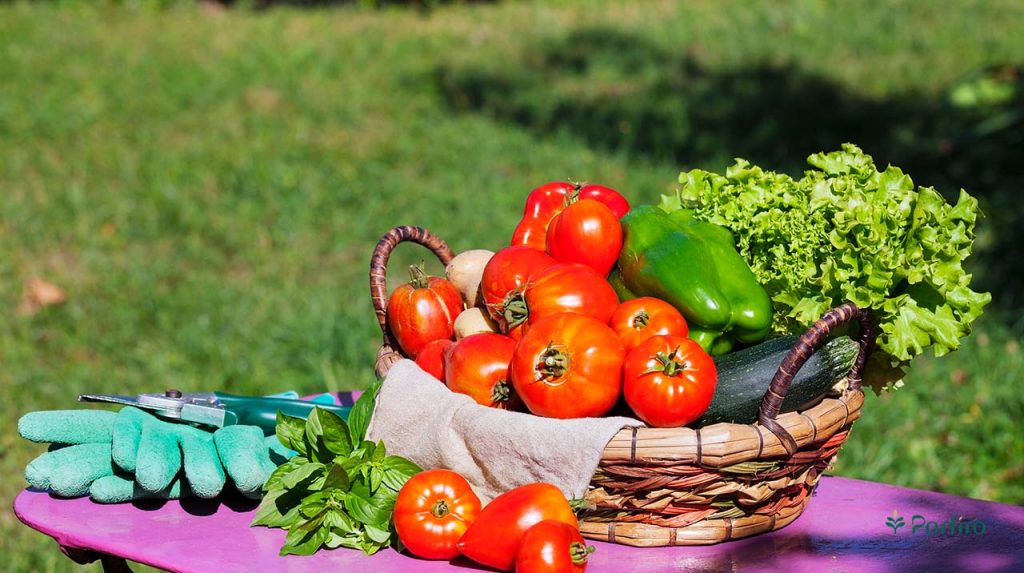
Most debates around buying organic products revolve around whether the increased cost, compared to conventional products, is justified in light of the economic challenges and issues of access that consumers face.
Impact of Inflation on Organic Prices
Over the last few years, inflation has dramatically altered the face of food prices globally, and this includes organic foods. Although organic foods have become more expensive, the price increase has not always been as enormous compared to conventional food prices. For example, in Germany, the price for regular carrots rose by about 20% and organic carrots only by 2% from November 2021 to November 2022. The reason for such a difference is rooted in different cost structures for organic and conventional farming.
Conventional farming is highly dependent on chemical fertilizers and energy resources, the prices of which have increased due to high prices for natural gas. In turn, organic farming does not use these chemical inputs but needs more expensive labor. With such a trend of relative stability in organic prices, due to inflation, consumers became poorer, and the consumption of organic foods decreased by about 5% in EU countries in 2022. For many consumers, buying cheaper food became more important than sustainability, which hit organic product demand harder.
Prices of Organic Products in Iran
In Iran, organic products typically have higher prices compared to non-organic products due to increased production costs. For example, organic honey is priced around 250,000 to 300,000 tomans per kilogram, while regular honey may range from 100,000 to 150,000 tomans. Additionally, organic vegetables such as carrots and lettuce usually cost between 20,000 to 30,000 tomans per kilogram, whereas the price of non-organic vegetables might be about 10,000 to 15,000 tomans (the prices in some cases are hypothetical and are meant to illustrate the difference between organic and non-organic products). Organic red meat may also be priced around 1,200,000 to 1,500,000 tomans per kilogram, while regular meat costs about 700,000 to 900,000 tomans.
Economic Challenges and Barriers to Access
There are several economic factors that affect access to organic products. First, their production is far more expensive compared to their conventional counterparts, since their production generally requires more labor and the methods of farming used are more sustainable. Secondly, most farmers who produce organic products receive less financial support compared to conventional farmers; this limits their ability to compete on price. Besides, the market for organic commodities in Iran is developing and small to such an extent that farmers cannot sell their items quickly.
Economic factors, consumer behavior, and market dynamics interact in a very complex way to present a broad spectrum for organic products. Considering the economic challenges and high prices of organic products in Iran, together with decreased consumer purchasing power, many may choose not to purchase the product. However, with increased awareness of health and environmental benefits from these products, demand is expected to increase. The key issue is to ensure that government support and suitable markets are developed in order to increase consumption and enhance access.
2. Consumer Awareness
Public awareness about organic products and their benefits is a key factor in increasing demand and consumption of these types of products. Although the term “organic” is increasingly recognized in everyday life and the food market, many individuals still do not fully understand what this term means and how it differs from other terms such as “natural,” “healthy,” and “local.” Therefore, education and raising awareness in this area is essential for all consumers, especially children.
Key Differences Between Organic, Natural, Healthy, and Local
Organic products are produced under the supervision of relevant authorities, and no chemicals or pesticides are used in their production process. For a product to be recognized as organic, it must have an organic certification. This certification indicates compliance with specific standards at all stages of production and is granted to producers under certain conditions.
In contrast, natural products are not regulated by government authorities and may still contain chemicals. Therefore, the use of the label “natural” on products that are not truly natural is not legally pursued. Additionally, the term “healthy” refers to products that are nutritionally beneficial but may contain chemicals or processed ingredients. Finally, local products are typically produced near the point of sale or consumption and may include any type of product, whether organic or non-organic.
Educating Children and Institutionalizing Concepts
To institutionalize the concept of organic and its differences from other terms in children’s minds, engaging and creative educational methods can be utilized. Organizing workshops where children learn about the process of producing organic products can significantly impact their understanding and ensure that when they take on the responsibility of shopping for themselves or their families in the future, they have a complete awareness of different types of products.
Additionally, using stories and animations that explain organic concepts in simple language can aid their learning. Creating school gardens where children can grow organic products themselves will also provide a practical and educational experience. This experience not only shows them how organic products grow but also teaches them the importance of making healthy and sustainable food choices, which they will practically never forget and will differ significantly from purely theoretical education.
Ultimately, educating and raising awareness about organic products is important not only for adults but also for children. By better understanding the concept of organic and its differences from other terms, individuals can make better decisions regarding food purchases and consumption. Institutionalizing these concepts from a young age can help create a more aware and responsible generation towards the environment and gradually increase demand for organic products.
Conclusion
In the end, as discussed throughout the article, choosing organic foods not only helps in individual health but also has positive effects on the environment. Due to the fact that more and more people are aware of the benefits associated with these products, it is necessary to understand their importance for improving quality of life and preserving the environment.
Organic foods are usually produced without high levels of pesticides and hazardous chemicals. Science has shown that organic food can reduce the risk of chronic diseases. For example, it was shown that switching to an organic diet can reduce the levels of glyphosate in the body-a common pesticide-by 70%. Secondly, organic foods depict higher percentages of nutrient composition, such as vitamin C, iron, and omega-3 fatty acids. These nutrients are necessary for heart health and the immune system.
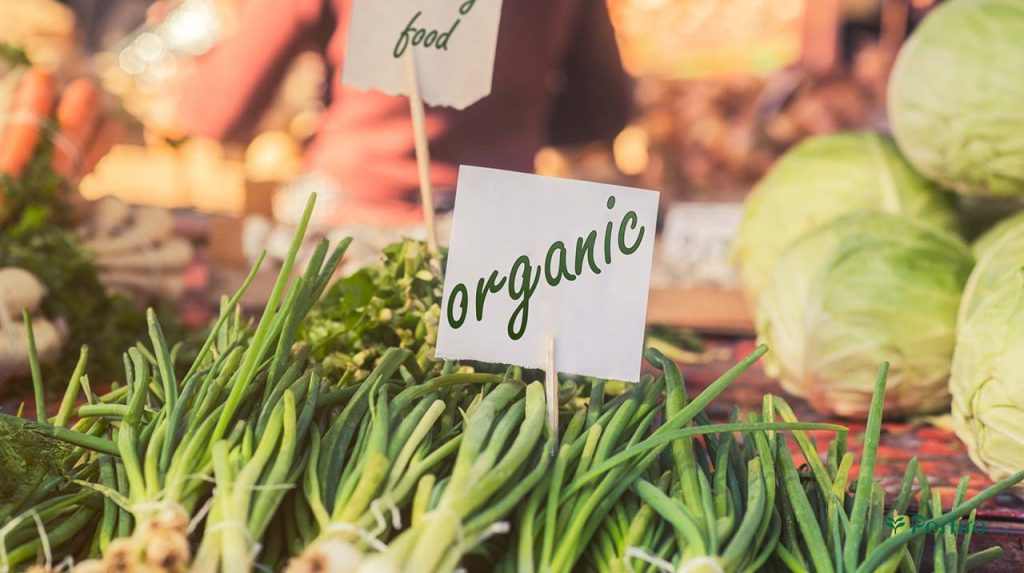
Ecologically, organic farming reduces pollution, maintains biodiversity, and combats climate change. Such farming does not use harmful chemicals; rather, it depends on natural processes. For instance, organic farming would aid in combating climate change by reducing the emission of greenhouse gas emissions and improving carbon storage in the soil. Organic farming also maintains the quality of the soil and water and prevents pollution linked to non-organic farming.
Choosing organic foods also represents a conscious choice by consumers that can positively impact the market. As demand for organic products increases, more farmers are encouraged to adopt more sustainable practices. This not only benefits individual health but also aids in environmental preservation. Therefore, it would appear that the products are not really more expensive when their benefits are taken into consideration-investing in incorporating them into our diets is fundamentally a long-term investment that would protect us and our families and the environment from potential harm associated with overuse of pesticides in the future.
10127



porfiro.co
porfiro.co
Thank you for your comment!
porfiro.co
Thank you for your attention!
Way cool! Some extremely valid points! I appreciate you writing this article and the rest of the site is also really good.
Glad you liked it. Stay tuned, new articles will be published every week
best porfiro.co
Thank you for your comment! If you have any questions or comments, we would be happy to share them with us
best porfiro.co
Thank you for your support. If you have any specific experiences or comments, we would be happy to know more
best porfiro.co
Thank you for your attention! We would be happy to hear more from you
best porfiro.co
Thank you for your kindness. If you like, you can talk more about the topic of the article
best porfiro.co
Thank you for your comment! If you have any specific experiences or comments, we would be happy to know more
best porfiro.co
Thank you for your support. If you have any questions or comments, we would be happy to share them with us
porfiro.co
Thank you for your attention! We would be happy to hear more from you.
best porfiro.co
Thank you for your comment!
best porfiro.co
Thank you for your comment!
best porfiro.co
Thank you for your comment!
best porfiro.co
Thank you for your comment!
best porfiro.co
Thank you for your comment!
best porfiro.co
Thank you for your comment!
best porfiro.co
Thank you for your comment!
best porfiro.co
Thank you for your comment!
best porfiro.co
Thank you for your comment!
porfiro.co
To the porfiro.co admin, Thanks for the well-structured and well-presented post!
Thank you very much for your kind words about our post. We are delighted that you found it well-structured and well-presented. Your positive feedback motivates us to continue delivering clear and valuable content. We truly appreciate your support!