


Everything about the Mediterranean diet
General Information- 1. Vegetables, Fruits, and Nuts in Abundance
- 2. Whole grains
- 3. Fish
- 4. Cheese and yogurt-just a little bit
- 5. Dates
- 6. Beans, lentils, and chickpeas are various types of legumes
- 7. Minimal consumption of meat
- 8. No desserts, sweet beverages, or low-fat forms
- 1What are the benefits of the Mediterranean diet?
- 1. Reducing the risk of cardiovascular diseases
- 2. Control of body weight within the normal range
- 3. Balancing blood sugar and blood pressure
- 4. Reducing the risk of metabolic syndrome
- 2Why is the Mediterranean Diet Good for Us?
- 1. Limiting saturated and trans-fat intake
- 2. Increased intake of healthy unsaturated fats
- 3. Reduced intake of sodium
- 4. Reducing refined carbohydrates, including sugars
- 5. Dietary preference for food containing fiber and antioxidants
- 3What is the Mediterranean Diet and What does it Include?
- 4How to Get Started with the Mediterranean Diet?
- Can vegetarians do the Mediterranean diet?
- Can the Mediterranean diet be gluten-free?
- Will regular olive oil work, or do I really need extra virgin olive oil?
- Can I eat fast food and pizza on the Mediterranean diet?
- Can I include foods from other, non-Mediterranean cultures?
- What does the lifestyle have to do with the Mediterranean Diet?
- 5When Was the Mediterranean Diet First Established?
- 6Mediterranean Diet in Spain
- Northern Spain
- Central Spain
- 7Conclusion
The Mediterranean diet, better known as the MedDiet, was initially defined by Ancel Keys as a diet low in saturated fats and high in vegetable oils, observed in Greece and Southern Italy during the 1960s. Although several changes have been seen in this definition over the last few decades, that is beside the point. The so-called Mediterranean lifestyle recalls certain joie de vivre: warm, newly baked bread dunked into fragrant olive oils.
The Mediterranean diet focuses on consumption of plant-based foods and a ratio of healthy fats. In this dietary pattern, you consume more vegetables, fruits, and whole grains. Olive oil is the major fat source in the diet. Research has been able to confirm that this pattern of eating reduces the risk for cardiovascular diseases, among other chronic illnesses. While nutritionists can help you do that on an individual basis, Porfiro in this article will give some general principles for following this style of eating.
The Mediterranean diet is characterized by higher consumption of the following foods:
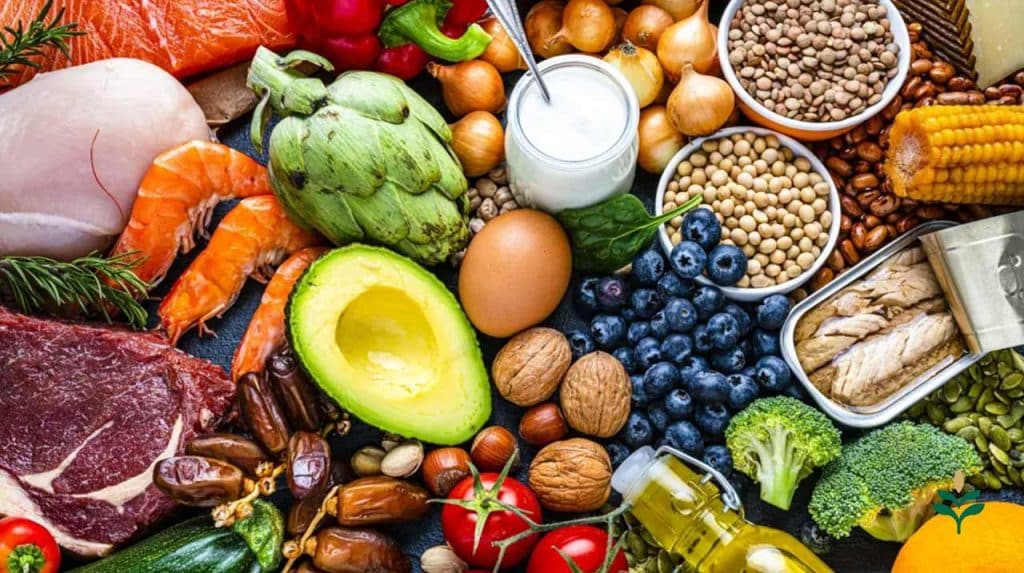
1. Vegetables, Fruits, and Nuts in Abundance
In the diet, nuts are generally recommended; walnuts are rated to be very nutrient-dense. Walnuts are considered to be the most nutritious common nut, though it contains antioxidant activities and omega-3 nutrients, it is proven to be good for fighting off free radical damage, reduction of inflammation, and promotion of vascular variations. It is these antioxidants and omega-3s that are very vital to the brain and cardiovascular health. Many studies have established a relationship that directly links walnut consumption with reduced risks in cancer and other chronic diseases.
2. Whole grains
including bread and rice along with a source of healthy fat such as extra virgin olive oil (EVOO): There are hundreds of varieties of olives. Flavor profile may vary based on time of year olives are picked and the processing method used to extract the oil. Extra virgin olive oil is among the least processed olive oils and provides one of the maximum health benefits. One major characteristic of olives and olive oil is the extremely high percentage of unsaturated fats contained within, with coupled fat-soluble vitamin E.
While unsaturated fats replace the saturated and trans-fats in a patient’s diet, in which immediate improvement can be observed in cholesterol and cardiovascular health. Large amounts of powerful antioxidants called polyphenols are found in olive oil, which are anti-cancerous in nature, besides being anti-clogging and anti-inflammatory in nature. The extra virgin olive oil, due to its relative stability along with resistance to oxidation diminishes the chance of the formation of carcinogenic product. Add whole olives to your salad or use olive oil in salads and dishes for this highly valued ingredient in your diet.
3. Fish
especially those high in omega-3 fatty acids, in moderation: Salmon is just one of those oily fish that are within the Mediterranean diet recommendation. A 100-gram portion of salmon contains about 24 grams of high-quality protein; it is also an excellent source of several B vitamins-especially niacin, B6, and B12. The same 100 grams of salmon is an excellent source of selenium and a good source of potassium. Besides its content of micronutrients, salmon contains essential omega-3 fatty acids that provide perfect health to the brain and cardiovascular system.
4. Cheese and yogurt-just a little bit
Besides the extremely high-quality protein and low levels of fat, there are probiotic properties in the bacteria that ferment yogurt to help maintain gut health. Naturally, for those who are lactose intolerant, yogurt has less lactose than other products because of fermentation. There is a great deal of nutritional variety among the different types of yogurts available in the market. The healthiest yogurts are low-fat and unsweetened.
Typically, flavored and sweetened yogurts include added sugars. It’s always better to get plain yogurt and add fruits or toppings according to your taste. The type of yogurt consumed, be it non-fat or low-fat, adding probiotics and protein to your body, besides being a good source of micronutrients like B vitamins and calcium.
5. Dates
form one of the ancient staple foods that can be enjoyed raw or combined with a few ingenious recipes that come under the Mediterranean diet. The intrinsic sweetness in dates now acts as a low-glycemic sugar substitute in baking. Actually, dates are small nutritional powerhouses! They offer a great source of antioxidants, fiber, and a wide gamut of micronutrients. Of the best varieties, Piarom dates are a good source of potassium, copper, vitamins C and D.
6. Beans, lentils, and chickpeas are various types of legumes
Chickpeas are one of the popular ingredients within the vegetarian and vegan circles because they contain complete plant protein. In one serving, a serving size of one cup or 240 ml contains as much as 14.5 grams of complete protein and 12.5 grams of fiber. It is a very nutrient-dense food, and it is a good source of thiamine, vitamin B6, potassium, and zinc, whereas an excellent source of folate, iron, magnesium, phosphorus, copper, and manganese. Chickpeas are also common in appetizer courses as the base ingredient in hummus. Such a nutrient-dense combination represents an ideal way to provide for daily recommendations on legumes; best if combined with vegetables or whole grains.
7. Minimal consumption of meat
Minimal or no consumption of meat at all, replacing it with poultry instead of red meat.
8. No desserts, sweet beverages, or low-fat forms
They can be consumed, or it can be taken in minimal amount.
This diet may be personalized by a nutritionist as per the client’s history, underlying conditions, allergies, or other food preferences, if necessary, when one wants to eat such foods.
There is no single definition of the Mediterranean diet, and based on your purpose for following the Mediterranean diet, you can use one of these definitions or others. Dietary guidelines should focus on overall eating patterns rather than specific nutrients or food items and should not emphasize rigid formulas or calculations. The model of Mediterranean diet will also differ according to the eating patterns in most of the Mediterranean countries. Because there is not a single “correct” way to define a dietary pattern, the Mediterranean diet can be somewhat flexible, allowing one to make a few adaptations based on individual needs.
What are the benefits of the Mediterranean diet?
Adopting this dietary pattern has several advantageous effects for multiple groups of individuals including:
1. Reducing the risk of cardiovascular diseases
Cardiovascular diseases involve your heart and blood vessels. Official statistics in Iran put the deaths due to cardiovascular diseases between 33% and 39.3% of the country’s death toll, according to the Ministry of Health, Treatment and Medical Education. Management of cardiovascular disease can be done either through certain life modifications or through medications. The earlier cardiovascular diseases are detected, the easier they are to treat.
2. Control of body weight within the normal range
It helps to attain and maintain a desirable weight that is defined as normal for a person.
3. Balancing blood sugar and blood pressure
Blood pressure is the force that blood exerts to flow through your vessels. As the heart pumps, it forces oxygenated blood into the vessels, using this force to deliver the blood to the cells and tissues. If the blood pressure is too high, then it will cause health problems. The measurement is a must in diagnosing blood pressure. Cholesterol is one type of substance that helps the body in many ways; it is a building block of the cell membranes, which further helps in making the bile, hormones, and vitamin D. While the body needs cholesterol, too much of it in the blood increases the risk for heart disease; therefore, it should be consumed in moderation.
4. Reducing the risk of metabolic syndrome
Metabolic syndrome, or syndrome X, refers to a cluster of risk factors that predispose someone to the development of cardiovascular diseases, stroke, and diabetes. Weight loss, exercise, and dietary modification can prevent or reverse metabolic syndrome. It does this by exerting the following effects:
- Maintaining healthy gut microbiota–a balance between bacteria and other microorganisms living within the intestines.
- Lowering the risk of certain cancers.
- Preventing cognitive decline with older age.
- Promoting longevity.
The cardiologists indeed recommend the Mediterranean diet because much research has documented its benefits pertaining to the health of the heart. A study in 2018 had placed under observation high-risk subjects for cardiovascular diseases over a period of five years. The individuals were divided into two groups: one following a Mediterranean diet and the other adhering to a low-fat diet. Accordingly, the Mediterranean diet had a 30% lesser relative risk of cardiovascular events compared with the low-fat diet group, ranging from heart attacks and strokes to deaths related to cardiovascular causes. Researchers say that partial protection benefits emanate from healthy fats taken in through the diet, contained in olive oil, nuts, and fish.
Why is the Mediterranean Diet Good for Us?
As already mentioned, Mediterranean dieting pattern includes a wide range of nutrients interacting within the body. This mix of food stuffs forms a rhythm of flavors and nutrients within the body that act together to produce the ultimate effect of health. Some of the reasons behind which the Mediterranean diet has been found to be so beneficial include the following:
1. Limiting saturated and trans-fat intake
While the body does need some fat, you only need a small amount of saturated fat. If you eat too much saturated fat, your LDL, or bad cholesterol, will increase. If your LDL is high, you will be at a greater risk for atherosclerosis, a clogging of the arteries that could cause a heart attack or stroke. Atherosclerosis is a slow progressive condition and could only be diagnosed once serious complications arise. Trans fats do not provide any health benefits, and both saturated and trans-fat can induce inflammatory processes in the body.
2. Increased intake of healthy unsaturated fats
These include the omega-3 fatty acids that raise good cholesterol levels, boost brain function, and even work to counteract a few effects of inflammation. In addition to that, a diet rich in unsaturated and low in saturated fat ensures good blood sugar regulation.
3. Reduced intake of sodium
High intake of sodium increases your blood pressure and exposes you to an increased risk for heart attacks or strokes.
4. Reducing refined carbohydrates, including sugars
Foods made with refined carbohydrates cause a leap in blood sugar. Refined carbohydrates also add extra calories without significant nutritional benefits; for example, such foods often have little to no fiber.
5. Dietary preference for food containing fiber and antioxidants
These nutrients will help you to have less inflammation in your body. Fiber helps in making sure that all wastes are moving within your large intestine. Antioxidants will also protect you from cancer because they clean your system of free radicals.
Generally speaking, the more whole foods laden with nutrients are emphasized, a major factor that makes the Mediterranean diet so practical and hence sustainable for longevity.
What is the Mediterranean Diet and What does it Include?
As mentioned above, the Mediterranean diet does not look the same for every individual and typically consists of large quantities of whole grains, vegetables, and fruits, besides moderate amounts of fish, legumes, and nuts. Some of the goals and tips nutritionists often recommend are outlined in the following table. It is highly recommended to consult a nutritionist before starting any new kind of diet for a certain aim, in order to build up the best dietary pattern by your own needs and goals. However, the general components can be introduced as follows:
| Food | Purpose of Consumption | Portion Size | Notes |
| Fresh fruits and vegetables | Fruits: 3 servings per day Vegetables: at least 3 servings per day | Fruits: ½ to 1 cup Vegetables: ½ cup cooked or 1 cup raw | Include at least 1 serving of vegetables in every meal. Choose fruit as a snack. |
| Whole grains and starchy vegetables (potatoes, peas, and corn) | 3 to 6 servings per day | ½ cup cooked grains, pasta, or cereals; 1 slice of bread; 1 cup dry cereal | Choose oats, barley, quinoa, or brown rice. Bake or sauté red-skinned potatoes or sweet potatoes. Select whole grain bread, cereals, couscous, and pasta. Limit or avoid refined carbohydrates. |
| Extra virgin olive oil (EVOO) | 1 to 4 servings per day | 1 tablespoon | Use instead of vegetable oils and animal fats (butter, sour cream, mayonnaise). Drizzle on salads, cooked vegetables, or pasta. Use as a dip for bread. |
| Legumes (beans and lentils) | 3 servings per week | ½ cup | Add to salads, soups, and pasta dishes. Try hummus or bean dip with raw vegetables. Choose veggie or bean burgers. |
| Fish | 3 servings per week | 90 to 120 grams | Choose omega-3 rich fish like salmon, sardines, mackerel, tuna, and trout. |
| Nuts | At least 3 servings per week | ¼ cup nuts or 2 tablespoons nut butter | Ideally choose walnuts, almonds, and hazelnuts. Add to cereals, salads, and yogurt. Select raw, unsalted varieties. Eat as a snack alone or with dried fruits. |
| Poultry (chicken or turkey) | Maximum once a day (less may be better) | 3 ounces | Choose white meat over dark meat. Eat this type of meat instead of red meat. Select skinless chicken or remove the skin before cooking. Cook it baked, boiled, or grilled. |
| Dairy | No more than once a day (less may be better) | 1 cup milk or yogurt; 15 grams natural cheese | Choose low-fat natural cheese. Opt for fat-free or 1% milk, yogurt, and cheese. Avoid whole milk, cream, and creamy sauces and dressings. |
| Eggs | Limit egg yolks | Up to 1 yolk per day 1 egg (yolk + white) No limit on egg whites | If you have high cholesterol, do not consume more than 4 yolks per week. |
| Red meat (beef, veal, and lamb) | None or maximum 1 serving per week | 90 grams | Limit to lean cuts like fillet and tenderloin. |
| Sweets and desserts | Avoid baked goods and ready-made desserts | Varies based on type | Instead choose fruit yogurt without fat. Bake with liquid oils instead of solid fats; use whole grain flour instead of white flour; use egg whites instead of whole eggs. |
How to Get Started with the Mediterranean Diet?
In the onsets of a new dieting program, the dieter might get showered with lots of questions. It is recommended in most of the literature that one should first consult with a doctor or nutritionist before making such drastic changes to your diet or trying any new way of eating. They will also ensure that your aspired program is for your specific needs and will work best for you after performing all necessary tests.
They will introduce you to meal plans and guidelines that are feasible for you. You may be surprised at how easily you can adapt the Mediterranean diet to your tastes without losing its benefits as you institute these changes. Remember, the Mediterranean diet is a whole approach to eating. It isn’t a dietary pattern with lots of dos and don’ts. As a result, you are allowed to tailor it to your needs-in fact, it’s ideal with a nutritionist. Below are answers to some common questions that you may have with regard to how to institute these changes.
Can vegetarians do the Mediterranean diet?
Yes, if you are more into a vegetarian diet; it would be easy to adapt the Mediterranean diet by simply avoiding meat and fish. You would, in that case, source your protein from plant sources such as nuts and beans alone. Consult with a nutritionist for more information.
Can the Mediterranean diet be gluten-free?
Yes, you can make adaptations to recipes to accommodate gluten-free products. For some recipe suggestions, and for tips on how to make the necessary substitutions, see a nutritionist.
Will regular olive oil work, or do I really need extra virgin olive oil?
Regular olive oil is a good substitute for oils high in saturated fat, such as palm oil. But if you want to reap the most benefit from this diet, then you will need to use extra virgin olive oil-EVOO. One helpful thing to learn before beginning the Mediterranean diet is that olive oils are not all created equal. The Mediterranean diet necessitates extra virgin olive oil due to the higher ratio of healthy fat. To explain more simply, EVOO contains much more healthy-unsaturated-fat compared to unhealthy-saturated-fat. In addition to the fat ratio, one of the many reasons EVOO has been considered a healthy product is because it possesses an incredibly high amount of antioxidants. Antioxidants help protect the heart and reduce inflammation throughout the body. Since regular olive oil is processed differently from extra virgin olive oil, it does not contain these antioxidants.
Can I eat fast food and pizza on the Mediterranean diet?
That depends on what ingredients are put into preparing them. Most pizzas are high in sodium, saturated fat, and calories, which is not a fit for the goals of the Mediterranean diet. However, if you still have to indulge, try making healthy homemade pizza rather than ordering takeout to benefit from greater nutritional value.
Can I include foods from other, non-Mediterranean cultures?
The Mediterranean diet defines eating patterns in a specific part of the world, but that doesn’t mean you should exclude foods and recipes from other cultural traditions. What’s important is to develop an eating plan that is physically, emotionally, and socially healthy for you. To that point, the Mediterranean diet represents a style of eating that research has proven can promote many aspects of health. In fact, this is the diet of general eating habits, and you are not obliged to closely pay attention to every option of food or to exclude some sorts of food; thus, keeping a Mediterranean pattern, you are allowed to follow your culturally favorite foods and customs, enjoying those things which are familiar and appealing for you. Sometimes, depending on the ingredients or an item that is most frequently restricted in your diet, some substitutions may be advisable. Indeed, in some cases, recipes can turn out even more tasty and special with some substitutions, such as substituting olive oil or butter, or herbs for salt. A nutritionist can provide further information that will help you decide if and when substitutions in your usual pattern of eating are to be made, and how.
What does the lifestyle have to do with the Mediterranean Diet?
To get the full benefit from your diet program, do your best to:
_ regularly exercise-ideally with others
_ not smoke or use any tobacco products
_ prepare meals and enjoy doing so with family and friends
_ cook a lot rather than dine out frequently
_ use local foods whenever possible
When Was the Mediterranean Diet First Established?

This concept of the Mediterranean diet began in the 1950s, when an American researcher named Ancel Keys initiated his Seven Countries Study on diet and cardiovascular diseases of the world. He researched eating patterns in Greece and Italy during the 1950s and 1960s. These dietary patterns were associated with a low rate of coronary heart disease compared to dietary patterns in the United States and Northern Europe; hence, the heart-healthy Mediterranean diet was born.
So, if you are living in the present day and are consuming a Mediterranean diet it is nice to know that people in some Mediterranean countries were eating this way back in the mid-20th century. Although, of course, these were general trends and since then research showed that these have altered over time and in fact, nowadays many of these countries no longer represent these patterns.
Mediterranean Diet in Spain
The Mediterranean region includes countries bordering the Mediterranean Sea belonging to three different continents: Europe, Asia, and Africa, in total 25 countries. Such a country in Europe is Spain. Like many other countries, there are different foods, spices, and recipes peculiar to different regions-which is quite normal, considering the size of the country is almost Alaska at some 195,000 square miles.
From the Iberian Peninsula, Spain has a long and ancient history, divided into three distinct regions. While today its foods and recipes are not localized as in times past, there are yet some subtle differences among dishes from this area compared to others. The Mediterranean diet, so rich in seafood, healthy fats, legumes, fruits, and vegetables, is one of the core constituents of Spanish gastronomy.
It is often called “Mediterranean Spain,” which has a hot summer and mild winter with rain showers from time to time. The rich gastronomic history of Andalusia, Balearic Islands, Catalonia, Murcia, and Valencia is closely related to other Mediterranean countries, especially southern France, Italy, and Morocco. Catalonia is one of the most famous regions for creating and developing this country’s special culinary culture.
People in Catalonia, a self-sufficient region in northeastern Spain, pride themselves on their independence and strong creative spirit. This province has its own language, Catalan, and a decided sense of style in architecture, fashion, and industrial design. Catalan cuisine is firmly rooted in the staple Old-World ingredients of the Mediterranean coast: fresh vegetables including garlic, tomatoes, eggplant, red peppers, mushrooms, and artichokes. Also widely consumed are bread, different types of cheese, legumes, olive oil and pasta. Poultry such as chicken, lamb and fish like cod and tuna, are common meats consumed in this region. There are five different cooking sauces that are characteristic to Catalonia and thus form the basis of so many dishes in Spain.
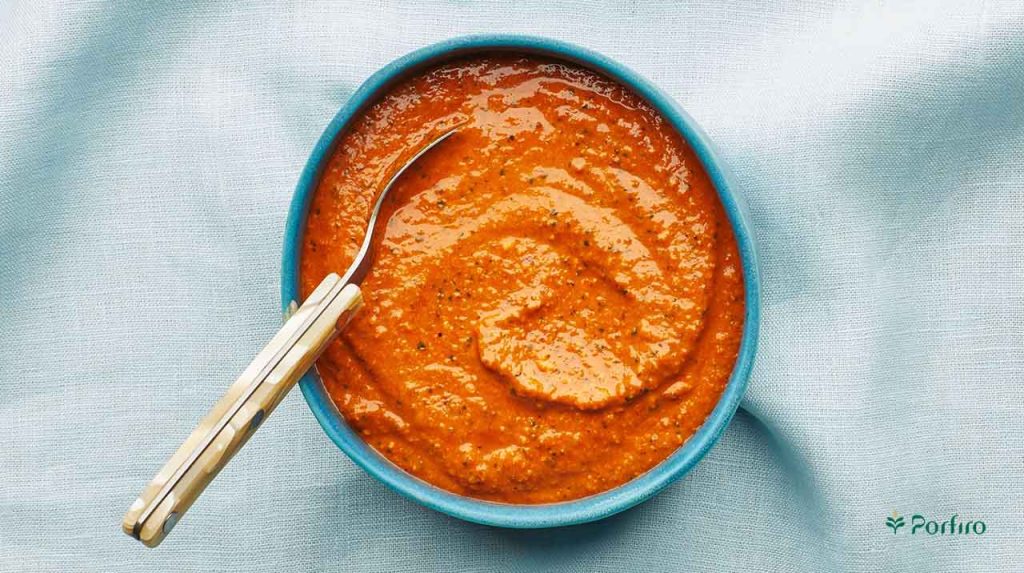
The best known is romesco. This pepper and nut sauce imparts an earthy and smoky flavor and is usually served with fish. In Catalonian cuisine, vegetables are playing a vital role and appear most of the time as main courses in this country. Other main spices like saffron and sweet-smoked paprika give big layers to fish or meat dishes by adding flavor and complexity. Olive oil is one of the essential ingredients for cooking, generally used in many dishes to give delicacy to these dishes.
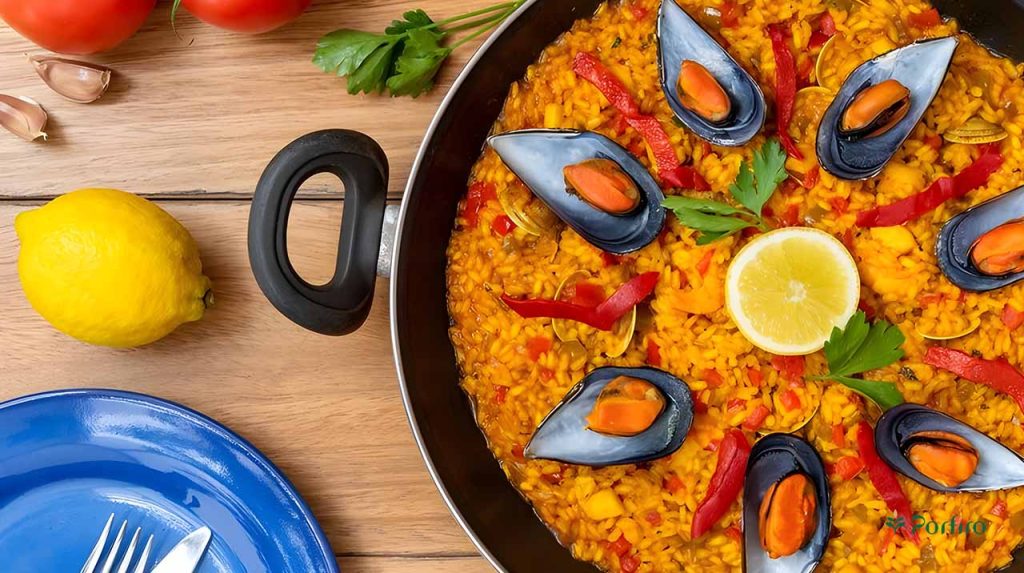
The olive oil is very common in Spain in grilling, marinating, and frying. One of the most famous Spanish dishes is paella; the preparation of paella, even paella competitions at country festivals-especially around Valencia-are extremely common. Whereas seafood is now an accepted primary meat ingredient in paella dishes, it was in fact a peasant dish cooked over an open flame for laborers on farms using wooden spoons and eaten out of the pan. Since this dish was cooked on the farms of Valencia, other alternatives to cook like chicken, rabbit, duck, or even snails were available.
Andalusia is located in southern Spain but is still a neighbor of the Mediterranean Sea. It is also one of the biggest provinces in the country; its cuisine is considered one of the healthiest in the world. Andalusian cuisine has its roots more than 800 years ago, during the times of Moorish rule, which left its mark on the cuisine through refined flavors of the East: abundant use of almonds, fruits, herbs, and spices in their dishes. Andalusia is also the world’s largest olive oil producer.
Northern Spain
The northern part of Spain-to which the Atlantic Ocean and Cantabrian Sea are bordering-is fairly green, humid, with their vast pastures and mountainous landscape full of forests. Apples and chestnuts, pears, and walnuts grow in the area. Its mountainous forests are full of birds, deer, rabbits, and wild boars. The rivers are noted for trout and salmon, as well as the coast, lined with numerous fishing villages that prepare many varieties of fish and seafood, including what many describe as some of the finest shellfish in Europe.
The Bay of Biscay encloses the Basque Country on all sides-waters teeming with fish and seafood that form the backbone of Basque cuisine. Basque dishes reflect culture and heritage with a peculiar combination of the sea, rich pastures, and rugged mountains. Such cuisine would include local ingredients with fresh seafood, using recipes passed down from generation to generation. At the same time, the Basque region has become one of the most extolled gastronomic destinations in the world, with more Michelin-starred restaurants per head than anywhere in the world. Very often, this rating goes to dishes made from locally sourced high-quality ingredients.
Traditional Basque cooking makes minimal use of spices. Instead, fresh ingredients, garlic, olive oil, and salt provide many of the dishes with flavor. Basque culinary masters intuitively seem to know at exactly what point food has been cooked to its “optimal point” and for no longer than a second more. In this region you are also more likely to find rabbit as a preferred meat choice rather than chicken.
Central Spain
This high and dry plateau covers an extensive area that comprises some of its better-known areas: La Mancha, Madrid, and Extremadura. Such a large area this is, it doesn’t have much variation in food. The very name Extremadura itself is due to the extremely harsh conditions during winters in that area. This region produces some of the best cheese and meat products throughout all of Spain.
La Mancha is also famous for producing Spain’s most renowned cheese, Manchego, which is generally cut in thin slices and served on top of a bed of jamón serrano. This region is also a producer of saffron. Main dishes range from simple stews like warm garlic soup to complex winter meals such as cocido madrileño. This region of Spain may be better known for its roasted meats: goat, lamb, or beef. These are all slow-roasted in wood-fired ovens to an incredible flavor and texture, so if you want to dive deeper into healthy and delicious Mediterranean foods, do not pass over Spain because it has a lot to offer, too.
Conclusion
Finally, amidst the array of diets out there in the market, making the right choice for yourself can get pretty tricky. An overwhelming amount of research in Mediterranean dietary patterns proves it for and to be highly effective for most people, especially in cases where a risk of heart diseases exists. Apart from protecting the heart, the Mediterranean diet can also prevent or manage many other diseases. Like all diet programs, this too needs to have consultations with a nutritionist prior to application.
Seeking professional help will help you determine if this way of eating is right for you and make changes if needed. Also, discuss this eating pattern with your family and friends. Invite them to join you in preparing food, or ask them about their experiences if they, too, are following the same eating pattern. In the long run, it is easier to adhere to a dietary program when you are with a companion group traveling on the road. Lastly, allow me to drive home that health can be attained sans obligation to any diet. A Mediterranean lifestyle could be a different and pleasurable experience in balance with happiness and health.
10125