


The Ketogenic Diet: A Step-by-Step Guide to Getting Started
General Information- 1What are the basic rules of the ketogenic diet?
- 2Variations in ketogenic diets
- 3What is ketosis?
- 4Is it possible to use the ketogenic diet to shed off some few pounds?
- 5What are the other advantages of the ketogenic diet?
- 6What foods are to be limited or banned when on a ketogenic meal plan?
- 7What component of foods is allowed as per keto cuisine?
- Eggs and Meats
- Seafood
- Vegetables
- Fruits
- Nuts and Seeds
- Dairy
- Fats and Oils
- Beverages
- Other Foods
- 8Complete sample plan for ketogenic diet in 1 week
- Saturday
- Sunday
- Monday
- Tuesday
- Wednesday
- Thursday
- Friday
- 9Keto Diet Tips and Tricks
- 10Dining Out on a Keto Diet
- 11Side Effects of Following a Ketogenic Diet and How to Minimize Them
- 12Are there any risks in following the keto diet?
- 13Are There Supplements for the Keto Diet?
- Will I ever eat carbohydrates again?
- Will I lose muscle if I go on a keto diet?
- Can I build muscle on a ketogenic diet?
- How much protein can I consume?
- What if I am always feeling tired, weak, or low-energy?
- My urine smells fruity. Is that normal?
- My breath smells. What can I do?
- I have heard that ketosis is dangerous. Is it?
- I have digestive issues and diarrhea. What can I do?
- What is the difference between keto and ketogenic diet?
- How much weight can I lose on keto in one week?
- Is the keto diet healthy for you?
The ketogenic (or keto for short) is a style of eating that includes very low amount of carbohydrates and primarily relies on fat for energy. There are a lot of advantages related to the ways of eating which include, weight loss and decreasing the risk of other health related problems. The ketogenic diet – or keto for short – is another example of a healthy low carbohydrate high fat diet.
In addition, many studies have shown the success of the diet in achieving weight loss as well as health improvement. Ketogenic diets can also be effective in managing subjects with diabetes and cancer, epilepsy or Alzheimer’s disease, and so forth. In this article, Porfiro will guide you step by step into this way of eating and help you in ensuring that you have everything which is helpful for you to embark on a new diet.
What are the basic rules of the ketogenic diet?
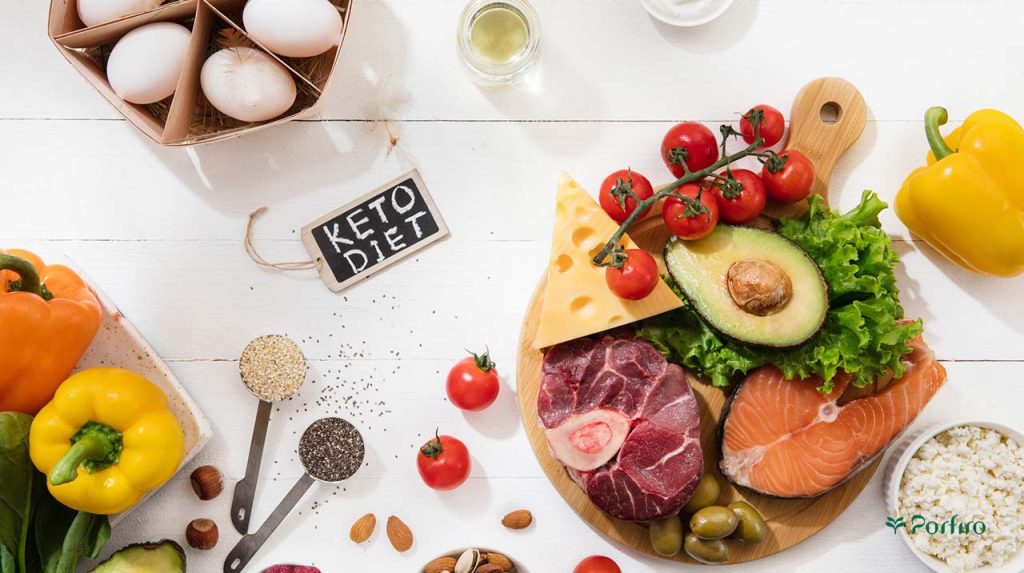
The ketogenic diet-with its low carbohydrate and high content of fat-is quite similar to Atkins and other low-carbohydrate diets. The fundamental basis of the diet is a drastic cut in carbohydrate intake, replaced by fat. This drastic cut in carbohydrate intake pushes your body into a metabolic condition called ketosis.
Throughout this process, the human body is incredibly effective at oxidizing fat for energy. Additionally, it changes fat in the liver into ketones and feeds the brain with power. Some ketogenic diets sharply reduce blood sugar and insulin levels. This state, combined with increased ketones, can have health added advantages.
Variations in ketogenic diets
There are a variety of ketogenic diets, and what you are going to eat would depend on the type, which includes the following:
- Standard Ketogenic Diet: Very low carbohydrate, moderate protein, high fat; typically, it is 70% fat, 20% protein, and only 10% carbohydrate.
- Cyclical Ketogenic Diet: It includes periods of higher carbohydrate refeed, such as 5 days of ketogenic eating followed by 2 days of high carbohydrates.
- Targeted Ketogenic Diet (TKD): You can add carbohydrates around workouts in this diet.
- High-Protein Ketogenic Diet: This one is similar to the standard ketogenic diet but contains more protein. The ratio is often as follows: 60% fat, 35% protein, and 5% carbohydrates.
However, out of this list, only the standard and high-protein ketogenic diets have extensively been researched upon. The cyclical and targeted ketogenic diets are considered to be much more advanced and are mainly applied by bodybuilders or athletes. Most of the information in the article pertains to SKD, but a great deal of the same principles applies to other types, too.
What is ketosis?
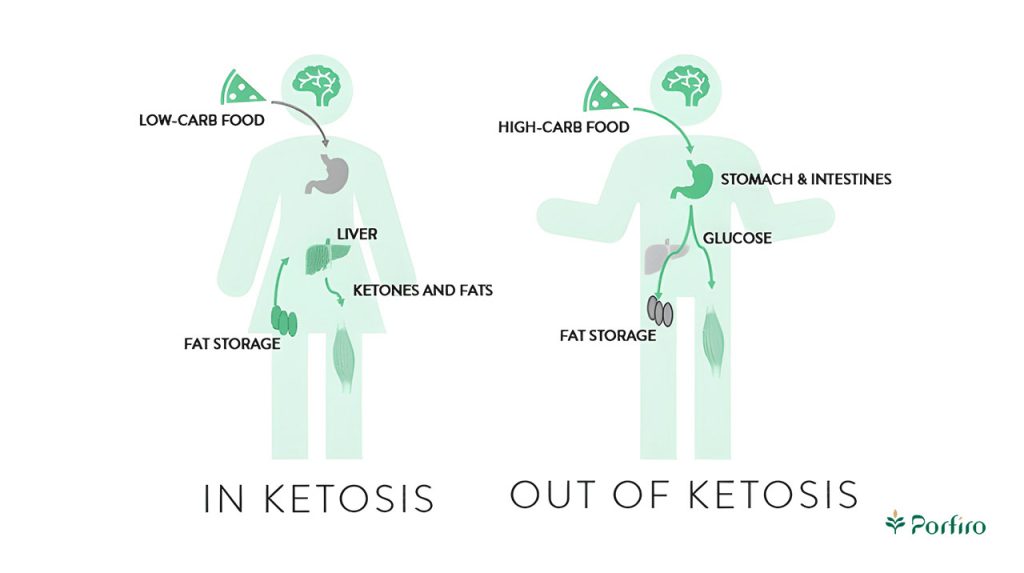
Ketosis is a metabolic state in which your body uses fat instead of carbohydrates for fuel. Ketosis occurs when you drastically reduce the intake of carbohydrates and, by doing so, are providing your body with a very limited supply of glucose-the main sugar serving as the source of energy for your cells. The most efficient way to get into ketosis is by following a ketogenic diet. That includes, most of the time, maintaining carbohydrate consumption to about 20-50 grams each day-or even a lot less for some-and devouring plenty of fats, such as meat, fish, eggs, nuts, and healthy oils. In this diet, too, you have to maintain a balanced mood with proteins.
Conclusion: One can say that the state of ketosis is one that allows the body to utilize fat instead of carbohydrates as the energy source. Modifying the diet or nursing intermittent fasting is one of the ways to assist you in the fast states of ketosis.
Is it possible to use the ketogenic diet to shed off some few pounds?
Nutritionally therapeutically ketogenic diets have always helped in weight reduction and minimizing the factors that predispose to diseases. Evidence supports that a ketogenic diet is not less effective than a low-fat-residue diet in cure obesity. Furthermore, this diet is so filling such that a person can lose weight without following any calorie counting or food intake restrictions. Studies suggest that an average very low carbohydrate ketogenic diet is more beneficial for maintaining weight loss over an extended time than low fat diets.
In another study, participants who adhered to a ketogenic regimen were able to shed off an excess of 0.9-kilogram s more than their counterparts on a low-fat regime. Also, the keto treatment decreased the diastolic blood pressure and blood triglyceride levels. A different project involving 34 aged participants indicated that those on a ketogenic regimen for 8 weeks, lost nearly five hundred percent more fat as compared to a group that ate low fat.
It may also be important events include elevated ketones, low blood glucose levels, and increased insulin sensitivity in the body. Read this article to find out more about how they can assist in weight loss. Hence, weight reduction is a bit more achieved with the ketogenic diet rather than a low-fat diet. Hunger is generally tolerable in such a state.
What are the other advantages of the ketogenic diet?
The ketogenic diet, originally, was developed as an instrument to deal with neurological conditions such as epilepsy. Now, studies have shown that this diet can confer benefits in many other various forms of health:
- Heart diseases: the ketogenic diet may enhance risk factors such as body fat, HDL or good cholesterol levels, blood pressure, and blood sugar.
- Cancer: Under investigation currently as an adjunct therapy for cancer; it may inhibit tumor growth.
- Alzheimer’s disease: The ketogenic diet seems promising for the mitigation of symptoms related to Alzheimer’s disease, not necessarily as a cure, but it helps slow down its development.
- Epilepsy: Various studies have shown significant seizure reductions in children on ketogenic diets.
- Parkinson’s Disease: While more research is needed, there have been a few studies that indicate the keto diet may aid in improving the symptoms of Parkinson’s disease.
- Polycystic Ovary Syndrome (PCOS): The ketogenic diet reduces insulin levels and perhaps should be an essential part of the treatment process.
- Brain Injuries: Some studies seem to indicate that a ketogenic diet may improve the results of a traumatic brain injury.
However, remember that most of the studies on many of those areas are not absolute and may require a doctor’s advice in order to achieve the benefits of its advantages in disease management.
Summary: The use of a ketogenic diet will have broad applications for health-related issues-mostly metabolic, neurological, and insulin-based diseases.
What foods are to be limited or banned when on a ketogenic meal plan?
To begin with, any food that fits in the high carbohydrate category must be controlled on this diet. Some of the foods that should be restricted or eliminated on the ketogenic diet include the following:
- Sugary products: Soda, soft drinks, fruit juices, smoothies, cakes, ice creams, pastries, sweets etc.
- Wheat and gluten starches: which include bread, rice, macaroni’s, cereals in general.
- Vegetables: with an exception of little amounts of a few berries naked to the sun such as strawberry.
- Cooked dry cereals: are edible seeds or beans which are within this contention: peanuts, field peas, black-eyed peas, lentils, etc.
- Underground and above-ground edible saprophytes: Common potato, yam, sweet yam, orange carrots, parsnip and others.
- Fat free food or reductionist food items range: Less fat mayonnaise, beck and cream and other sauces.
- Certain types of dips or dressings: sweet sauces, barbecue souse, honey souse mustard, teriyaki soy sauce, catsup and so on.
- Fats that are not recommended: Heating of processed edible oils, low fat mayonnaise etc.
- Foods for weight reduction purposes that do not contain sugar: Candies, sugar free sauces, puddings, sweeteners, desserts and the like.
Summary: Eliminate all carbohydrate type foods such as grain, sugar, legumes, rice, potato, candy, juices, and even nearly all fruits.
What component of foods is allowed as per keto cuisine?
Meals are to be constituted predominantly from the following food classes:
- Meat: Red meat, steaks, hams, sausages, bacons, pullets and pigeons, turkeys.
- Oily varieties of fish: Pacific salmon, brook trout, tuna fish.
- Eggs: Fatted and organic omega 3 rich eggs.
- Dairy products: thick cream, and butter that has not been diluted.
- Cheese: Following raw milk artisan made cheeses; Cheddar, goat, creamage, blue and mozzarella cheese.
- Nuts and seeds: All the season’s nuts and seeds; almonds (Porfiro organic elite), pistachios (Porfiro organic elite), english walnuts, linseeds, gorogoa seeds, chia seeds etc.
- Natural oils: Olive oil of the first cold press and Avocado’s oil.
- Avocados: Fresh avocados or ready to be served guacamole. Guacamole is an Aztec dip made from avocados, which is popular in Mexican food as dips, salads and sauces, and as a condiment issued with food.
- Vegetables with few carbohydrates: Tabbouleh, lettuce, zucchini, tomatoes, onion caps, all kinds of pepper, and like vegetables.
- Condiments: Spacing, combing, and cramming herbs and spices along with pickles and preserving bags.
The reason is that excess amino acids can give rise to glucose which could potentially hinder the state of ketosis from being achieved by the body. Also, intermittent fasting is recommended for those who would want to get into ketosis faster. Intermittent fasting is of many types but the most extensively practiced form is consuming food for around 8 hours a day and fast for the remaining 16 hours. With regards to the statement that one is in ketosis, there are present blood, urine and breath specimens that can quantify the produced particularly values of ketones.
Summary: Limit other foods and build your diet around foods such as meat, fish, and eggs, butter, nuts, healthy oils, avocados, and lots of non-starchy vegetables.
The following is a list of healthy low-carb foods to make your choices easier:
Eggs and Meats
- Eggs contain a very low amount of carbohydrates while carrying a heavy load of nutrients that are very beneficial for our body. Eggs have been associated with improved memory in older age and reduced chances of vision loss.
- Beef is considered highly satiating and a source of numerous beneficial micronutrients, such as iron and vitamin B12. There are more than two dozen different types of beef, ranging from steak and ground beef to burgers.
- like beef, lamb is a good source of several nutrients, including a number of B vitamins and the minerals iron and zinc. Linoleic acid and other conjugated linoleic acids have been shown to have various health benefits.
- Chicken is probably one of the most consumed meats worldwide, as it is such a good source of beneficial nutrients such as proteins.
- Other such examples of meats that are low in carbohydrates include turkey and veal.
Seafood
Edible fish and other similar aquatic animals possess many health benefits and are a good source of nutrition. They are especially high in vitamin B12, iodine, and omega-3 fatty acids – all of which are essential nutrients that are deficient in a majority of people. There is very little carbohydrate present in fishes and seafoods also, unless meat most of the varieties are meat free.
- Salmon, a fatty and oily fish packed with heart-promoting omega and omega three fish oil, is among the most cooked and consumed fish by health enthusiast. Also packed within salmon is vitamin B12, iodine and a moderate amount of vitamin D3.
- Like salmon, trout is a fatty fish with omega-3 fish oil along with other health benefits.
- Sardines are fatty last fish which are usually taken whole including their bones as they are eaten. Sardines are nutritious fish give loaded calcium, selenium and vitamin B12.
- Most shelled edible marine animals are very few carbohydrates and high values of many nutrients.
- Other kinds of seafood are shrimp, crab, mackerel and also tuna.
Vegetables
Green, Orange, and red vegetables Most vegetables are not only associated with good health, but they also contain less carbohydrates. Carbs more complex in nature are found in leafy greens and cruciferous vegetables however most of the carbs in such veggies consist of fiber. In contrast to the starchy root vegetables depicted above, tubers such sweet potatoes and potatoes are higher in carbs. Nutritional information presented in this subsection applies to unprocessed, uncooked, raw states of vegetables, be it root or non-root.
- Broccoli is one of those vegetables that belongs to the family of cruciferous vegetables and can be prepared in different ways whether cooked or eaten raw. It is a powerhouse of vitamin C, K, fibers and contains compounds which help in fighting cancer.
- Though tomatoes are scientifically classified as fruits or berries, majority of the people regard them as a vegetable product. Supplementation incorporates Hyaluronic acid within Tomato fruit extracts for Clinically & Cosmetically Mushrooms contain targeted C and K ingredients and are rich in calcium.
- Hardly a meal is complete without the use of onions in their preparation and they indeed serve to enhance the taste of any culinary creation. Cooking onions aid in bringing anti-inflammatory benefits and fiber, and rich in antioxidants.
- Like broccoli and kale, brussels sprouts are edible vegetables which are also from the cruciferous family and are quite healthy. They are sources of vitamins C and K and some other useful phytochemicals.
- There are many creative ways to incorporate Cauliflower, a healthy edible flower into your cuisine. It is rich in vitamin C, vitamin K as well as Folate.
- Kale is a widely consumed leafy green vegetable that comes with a lot of health advantages for those who care about their wellbeing. It has a high fiber content and is a good source of vitamins C and K as well as carotenoid antioxidants.
- Eggplant is another fruit that is used as a vegetable by most people. It has a very high fiber content and is quite versatile in many ways.
- Cucumbers are a widely known edible plant that tends to have a neutral taste. They contain a high percentage of water and a small percent of vitamin K.
- a bell pepper is a fruit/vegetable which is bright in color and has a unique taste. They have a lot of fiber nutrients and vitamin c along with carotenoids antioxidants.
- Asparagus is a spring vegetable that most people find delightful. It is rich in many nutrients such as, dietary fiber, ascorbic acid, folate, Vitamin K, and carotenoid antioxidants. In addition, it contains more protein when compared to most other dishes.
- Green beans are commonly considered vegetables but they belong to the legume family. They are low in calorie content and loaded with vitamins, minerals, and micro-nutrients such as protein, fiber, vitamin c, vitamin K, magnesium, and potassium.
- Vegetables classification in many instances excludes edible mushrooms, which some people do vice-versa. They are a rich source of potassium as well as vitamin B.
- Additional low carb vegetables include kale, spinach, celery, zbms.es zucchini, and up cabbage.
With the exception of starchy root vegetables, many vegetables are low in carbohydrates. Therefore, one can consume a lot of these vegetables and remain within a prescribed limit on carbohydrates.
Fruits
While fruits are nutritious, they tend to be somewhat of a contentious food among low-carb dieters. This is because, for the most part, fruits are higher in carbohydrates than vegetables. Thus, depending on how low you want those carbohydrates to go, you can only have 1 or 2 fruits daily. This does not include avocados and olives, which are considered fattier rather than a fruit. A good choice, as well, includes berries that are low in sugar, such as strawberries.
- avocado is an odd type of fruit because, instead of packing a load of carbohydrates, it contains a massive amount of fat. It is also very high in fiber and potassium and has good amounts of other nutrients. The main carbohydrate component in avocado, as a matter of fact, is fiber. Thus, the amount of net digestible carbs in it is basically zero.
- Olives are another delicious high-fat fruit. They have extremely high levels of iron and copper and a fairly good dose of vitamin E.
- Strawberries are one of the lowest carbohydrate, nutrient-dense fruits you can eat. They are exceptionally high in vitamin C, manganese, and various antioxidants.
- Grapefruits are a type of citrus fruits that resemble small oranges. They are half ascorbic acid and carotenoid antioxidants.
- Apricot is a very tasty fruit. One apricot has a minimal quantity of carbs but tons of vitamin C and potassium.
- Other fruits with low carbs: lemons/ kiwis/ oranges/ berries/ raspberries.
Nuts and Seeds
Nuts and seeds are extensively consumed in carbohydrate-controlled diets. they are rich in protein, fat, fiber and several vitamins and minerals, but they are low in carbohydrates. Nuts are usually taken as a snack, whereas seeds can be eaten with salads or cooked dishes. In addition, one can use nut flours and seed flours such as that of almonds coconut flax seeds to prepare low carb bread and baked products.
- Almonds are also a great source of magnesium, fiber and vitamin E. In addition to this, almonds are quite filling; it has been studied that they can be useful in managing obesity.
- Further, walnuts are another rich variety of nuts that can be added in the diet. Its nuts have many nutrients including high alpha linoleic acid (ALA) which is an omega 3 fatty acid.
- Similar to nuts, peanuts help us in many ways although belonging to the family of legumes. users however treat them as nuts and consume them frequently. Peanuts are good carris and contains high amounts of fiber content, magnesium, vitamins E, along with other minerals and vitamins.
- Chia seeds are one of those foods that are healthy, and in use. They are rich in a lot of helpful nutrients and they are utilized in many low carb foods. Moreover, they also have good dietary fiber content. Considering the carbohydrate content for these seeds as well, note that roughly 86% of Chia seed carbohydrate content is fiber. Thus, they have net digestible carbohydrates which is very low.
- Additionally, to low carb oil seeds and nuts: filberts/ macadamia nuts/ cashew nuts/ coconut/ pistachio nuts/ flax/ pumpkin/sunflower seeds.
Dairy
Full-fat dairy products are also great low-carb foods, but be sure to read the label since some may contain added sugars.
- Cheese is one of the common low-carb foods. Cheese may be eaten in its pure form or prepared according to one or another delicious recipe. Cheese is a highly nutritious product as well: a thick slice of cheese provides the amount of nutrients contained in a full glass of milk.
- Heavy cream has very few carbohydrates, and while having a low protein content, it is high in dairy fat. Some people on low carbohydrate diets especially enjoy it in their coffee, or use it in their recipes. A bowl of berries with whipped cream can make a delicious low-carbohydrate dessert.
- It so happens that full-fat yogurt is a very healthy food, and most of the nutrients present in whole milk are found within it. Enriched varieties with probiotics confer added benefits upon the body.
- Greek yogurt, on the other hand, is thicker compared to ordinary yogurt and highly rich in a number of beneficial nutrients, especially proteins.
Fats and Oils
There are many healthy fats and oils that are allowed within a low-carb diet.
- Butter is also used liberally across everything from sandwiches to curries.
- Olive oil, extra virgin is the staple of the Mediterranean diet and for an interesting read on the key tenets of the Mediterranean diet refer the blog at Porfiro. It is good for the heart, too as well as loaded with antioxidants and anti-inflammatories.
Beverages
Most sugar-free drinks are just fine on a low-carb diet. Note that fruit juices are very sugary, and therefore very carby, so dieters who want to limit carbs need to pay attention to these.
- Water is the best drink for everyone, no matter what else your diet consists of.
- It is possible to incorporate coffee into a healthy diet. It is also included in the list of rich sources of dietary antioxidants.
- Tea- especially green tea- has been researched countless times. Green tea naturally includes a very high amount of antioxidants and can even slightly affect fat burning.
- Soda is completely acceptable with a low-carb diet so long as it is sugar free.
Other Foods
- Although it might sound strange, high-quality dark chocolate makes for a fantastic low-carb food. Opt for real dark chocolate containing at least 70 to 85% cocoa. This percentage gives you an actual assurance that it is going to contain very little sugar. Dark chocolate comes with numerous benefits such as improved brain function and blood pressure.
- There are so many delicious herbs, spices, and seasonings. Most of them contain only a few carbohydrates but are highly rich in strong nutrients and improve the flavor of your meals. The list is not limited to items such as salt, pepper, garlic, ginger, cinnamon, mustard, and oregano.
Complete sample plan for ketogenic diet in 1 week

To help get you started on this diet, here’s a sample ketogenic meal plan for one week:
Saturday
- Breakfast: Cream cheese pancakes with blueberries and a side of grilled mushrooms
- Lunch: Zucchini and beet “noodle” salad
- Dinner: White fish cooked in olive oil with kale and roasted pine nuts
Sunday
- Breakfast: Fried eggs with mushrooms
- Lunch: Sesame chicken, low-carb, with broccoli
- Dinner: Spaghetti squash Bolognese
Monday
- Breakfast: Veggie and egg muffin with tomatoes
- Lunch: Chicken salad with olive oil and feta cheese, olives, and a side salad
- Dinner: Salmon asparagus cooked in butter
Tuesday
- Breakfast: Omelet with eggs, tomatoes, basil, and spinach
- Lunch: Almond milk, peanut butter, spinach, cocoa powder, stevia milkshake; sliced strawberries on the side
- Dinner: Cheesy tacos with salsa
Wednesday
- Breakfast: Nut milk chia pudding with coconut and blackberries
- Lunch: Avocado and shrimp salad
- Dinner: Red meat, Parmesan cheese, broccoli, salad
Thursday
- Breakfast – Omelet stuffed with avocado, salsa, peppers, onions, spices, and pickles
- Lunch – A handful of nuts, celery sticks with guacamole, salsa
- Dinner – Chicken stuffed with pesto and cream cheese; Grilled zucchini
Friday
- Breakfast: Greek yogurt without sugar, whole milk with peanut butter, cocoa powder and berries
- Lunch: Chopped lettuce and tacos with diced bell peppers
- Dinner: Stuffed cauliflower and mixed vegetables
Always try to vary between vegetables and meats because each one provides the body with different kinds of nutrition.
Summary: Obviously, you can see the great meals one can have while following the ketogenic diet, which is not all about meat and fat, as many think. Vegetables play a great part in this diet.
Keto Diet Tips and Tricks
While a ketogenic diet is, by nature, tough to live with, there are a lot of different tips and tricks that make it easier in general.
- First and foremost, learn what you need to know about food labels: know grams of fat, carbs, and fiber to incorporate your favorite foods into your diet.
- Other advantages would involve preparing meals in advance, thus saving more time during the week.
- You could opt to use keto-friendly recipes and meal ideas from numerous websites, food blogs, apps, and cookbooks to make your personal menu.
- If you are also short on time, healthy frozen keto meals are also an option.
- You may also want to bring your own food when you would attend any social gatherings or visit any of your family and friends, which will make it much easier to curb cravings and stick with your meal plan.
Summary: Reading food labels, planning your meals ahead, and bringing your own foods when visiting family and friends can make it much easier to stick to the ketogenic diet.
Dining Out on a Keto Diet
- In most case scenarios, foods in many restaurants can be altered to suit the ketogenic diet. There are also usually meat or fish items included in the menus in most of the restaurants. In this case, one can choose such and omit the high carb side dishes and ask for more vegetables instead.
- Dishes that are rich in eggs can also be good such as egg omelets, fried eggs and many other similar dishes.
- Bunless burgers also fit the bill very well. There is also the possibility of switching hey out and using veggies instead. If you would like to gain more calories, you may consider extra avocado, cheese, bacon or eggs on it.
- All these are available provided that you go to a Mexican standard restaurant because different types of meat with lots of cheese, guacamoles, salsas and sour creams are also available.
- When it comes to desserts, just ask for a slice of cheese or some berries with cream on it.
Summary: When going out to eat, fish, meat or egg meals can be taken. Starchy foods or carbohydrates may be substituted by ordering additional vegetables and cheesecake may be served after.
Side Effects of Following a Ketogenic Diet and How to Minimize Them
While in the majority of healthy individuals, a ketogenic diet is usually safe, there will likely be some mild and temporary side effects during the process of adjustment by the body. These effects would seem to disappear in a few days. Symptoms attributed to the commencement or continuation of a ketogenic diet include diarrhea, constipation, and vomiting. Others, happening sometimes, include:
- Poor energy and mental performance
- Increased hunger
- Sleep disturbances
- Nausea
- Bloating
- Reduced exercise performance.
So, take a daily low-carbohydrate diet for the first few weeks if feasible. It will likely provide a working environment where your body learns to burn more fat than carbohydrates, bringing that light transition into a full ketogenic diet.
The ketogenic diet may influence your body’s water and mineral balance; thus, you may add some extra salt to your meals or consider taking mineral supplements. Talk to your physician regarding your nutritional needs.
For the time being, eat until you are completely satisfied, with no calorie restriction. The ketogenic diet tends to produce weight loss without deliberate calorie restriction.
Summary: The side effects most common to starting the ketogenic diet are mostly recommended to be minimized. Ease into the diet and take mineral supplements, if necessary.
Are there any risks in following the keto diet?
The ketogenic diet does offer some benefits, but continuing it for long periods could be potentially detrimental:
- Low protein levels in the blood
- Excess fat in the liver
- Kidney stones
- Micronutrient deficiencies
Some medications, such as sodium-glucose inhibitors for type 2 diabetes, actually increase their users’ risk of deteriorating health into diabetic ketoacidosis, a condition generally associated with excess acidity of the blood. The ketogenic diet should be avoided by those using these medications. As with any other dietary alteration, seeking the advice of a physician is prudent before starting the ketogenic diet. Research is ongoing to ascertain the long-term safety of the ketogenic diet. Keep your physician informed about your nutrition to enable them in guiding the decisions you will be making.
Summary: One ought to consider several side effects associated with long-term staying on the ketogenic diet and consult with a doctor about it.
Are There Supplements for the Keto Diet?
As already stated, there is no need for the use of supplements, yet there are others that may be of great benefit.
- Minerals: Extra salt and other minerals are a must at the beginning of the ketogenic dietary regimen for proper water-and-mineral balance.
- Caffeine: This supplement helps with energy and increases performance intensity, while also enhancing fat loss.
- Creatine: This supplement has numerous health and performance benefits and may be helpful with exercise on the ketogenic diet.
- Whey Protein: Use only half a scoop of whey into shakes or yogurt to further increase protein intake.
Will I ever eat carbohydrates again?
Yes, you can! However, very much in the beginning, you must restrict excessive consumption of carbohydrates. After 2 to 3 months, you can eat carbohydrates on a special occasion-simply ensure you return on your diet right afterwards.
Will I lose muscle if I go on a keto diet?
There always exists the possibility of losing muscle on any diet. However, an adequate intake of proteins and elevated ketone levels may minimize muscle loss, especially if you engage in resistance training.
Can I build muscle on a ketogenic diet?
Yes, though it will likely be less effective than a more-moderate-carbohydrate diet.
How much protein can I consume?
Protein should be moderate because high intake can drive up insulin levels and decrease ketosis. Something around 35% of total calorie intake is likely a maximum allowable limit for protein consumption.
What if I am always feeling tired, weak, or low-energy?
You are not in ketosis completely, or you are not burning the fats and ketones effectively. To correct this, decrease your carbohydrate intake and re-read the hints above.
My urine smells fruity. Is that normal?
No need to be alarmed, this is only due to the excretion of byproducts generated in ketosis.
My breath smells. What can I do?
This is quite a common side effect. Water or sugar-free gum.
I have heard that ketosis is dangerous. Is it?
People often confuse ketosis with ketoacidosis. Ketoacidosis is dangerous; however, ketosis resulting from a ketogenic diet is generally not a problem for otherwise healthy individuals. Always consult your doctor before beginning any new diet.
I have digestive issues and diarrhea. What can I do?
This common side effect will normally resolve after 3 to 4 weeks. If it continues beyond that, you may want to try increasing the vegetables that are rich in fiber.
What is the difference between keto and ketogenic diet?
Keto is a colloquialism used to refer to a ketogenic diet; hence, these terms will mean the exact same thing.
How much weight can I lose on keto in one week?
The weight lost during the first week of commencement of a ketogenic diet is usually water weight. A common report by people in the first week is about half a kilogram to over 5 kgs.
Is the keto diet healthy for you?
The ketogenic diet can be very effective for overweight, diabetic, or even those who simply want to normalize metabolic health. It will be less effective, on the other hand, for professional athletes or people desiring to put on a lot of muscle and weight. It might not be suitable for longer periods with some people’s lifestyle and personal taste. Because of that, discuss with your physician what the best dietary plan would be in order to conclude if the keto diet is for you.
10135