

Vegetarian Diet: A Beginner’s Guide and Meal Plan
General Information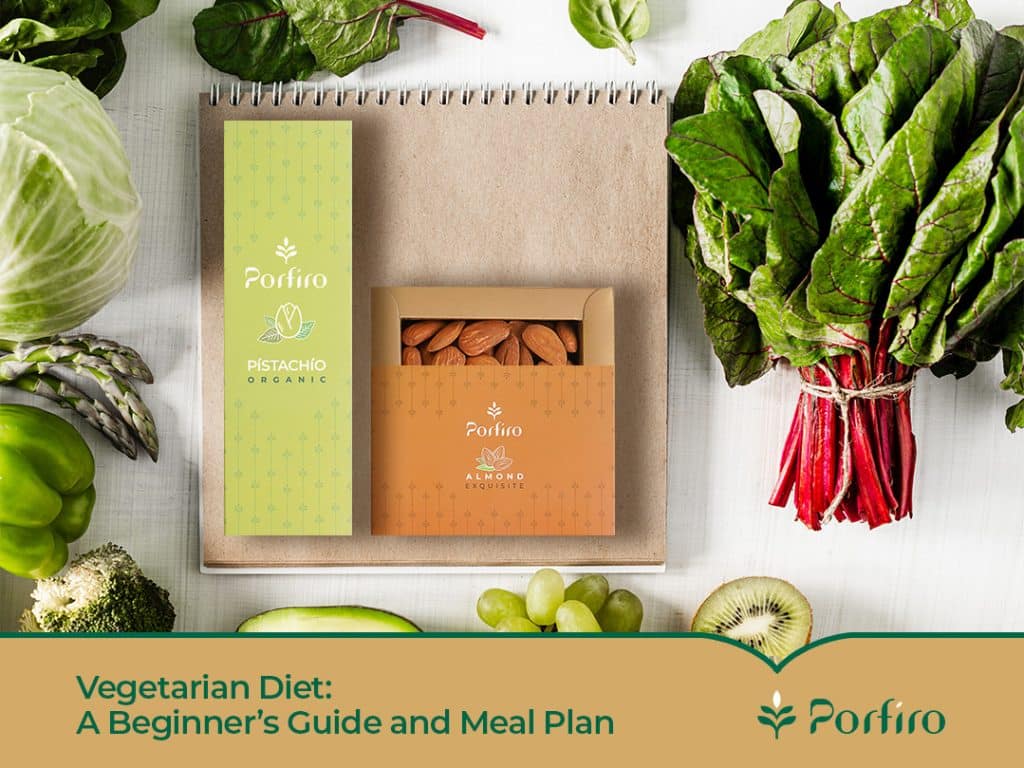
- 1What is Vegetarian Diet?
- 2Health benefits of a vegetarian diet
- 1. Weight loss potential
- 2. It may reduce the risk for cancer
- 3. It may help stabilize blood sugar levels
- 4. Encourages heart health
- 5. Reduces asthma symptoms
- 6. Supports bone health
- 3Cons of a vegetarian diet
- 4Is a vegetarian diet safe?
- 5Vegetarian diet for pregnancy and children
- 6How to become a vegetarian
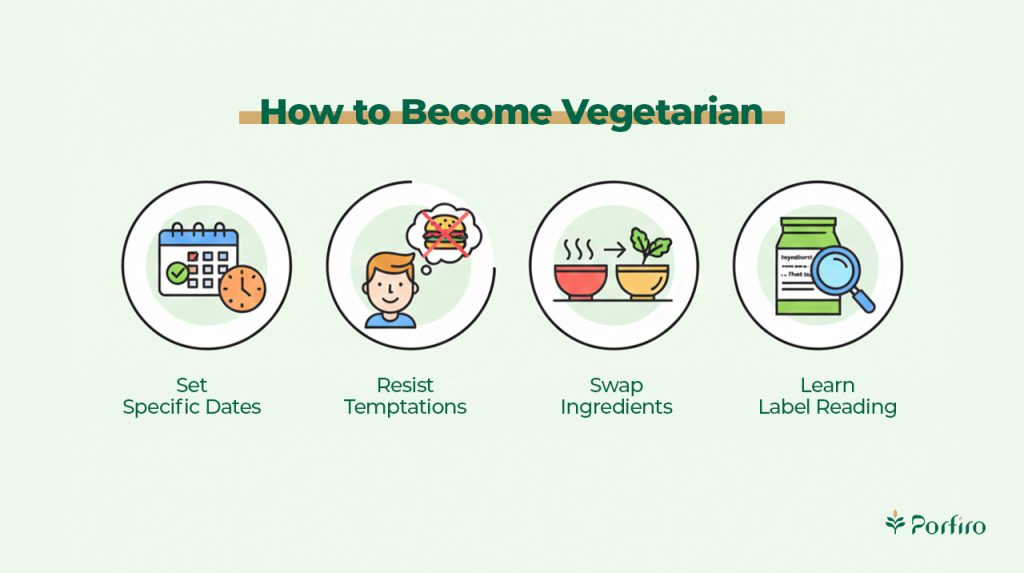
- Set specific days to be vegetarian
- Don't give in to temptations
- Swap ingredients
- Get to know label reading
- 7Foods allowed in vegetarian diet
- Meatless protein sources
- How Much Protein Does One Need?
- Obtaining Vitamin B-12
- How much vitamin B-12 do you need?
- How to Get Omega-3
- How much omega-3 fatty acids do you need?
- Do Not Eat Meat When Dining Out
- Forbidden foods for vegetarians
- 8Sample Vegetarian Meal Plan
- Saturday
- Sunday
- Monday
- Tuesday
- Wednesday
- Thursday
- Friday
- 9How to eat fewer carbs as a vegetarian or vegan?
- Plant-Based Low-Carb Foods (Vegetarian-Friendly)
- How Many Carbs Should You Eat?
- 10Sample menu for a low-carb vegetarian diet
- Saturday
- Sunday
- Monday
- Tuesday
- Wednesday
- Thursday
- Friday
- 11Frequently questions
- Are vegan or plant-based products healthier by default?
- Are vegetarian’s vitamin B12 deficient?
- Does cheese replace meat?
- Do vegetarians consume significantly fewer calories than others?
- Why is drinking enough water especially important for plant-based eaters?
- Do vegetarians have lower iron levels?
In recent years, Vegetarian Diet has gained interest through popularity. According to some research approximately 6% of people in North America and 5% in Europe are vegetarians, compared to 19% of people in Asia.
Aside from ethical and environmental reasons for eliminating meat from the diet, a balanced vegetarian diet may also reduce the risk following development of chronic disease, help people manage their weight, and improve diet quality.
In this article, Porfiro presents an overview of vegetarianism with a sample one-week meal plan. If this is of interest to you, it would be worthwhile to continue on to read about a new and thorough approach of taking on this interesting lifestyle.
What is Vegetarian Diet?
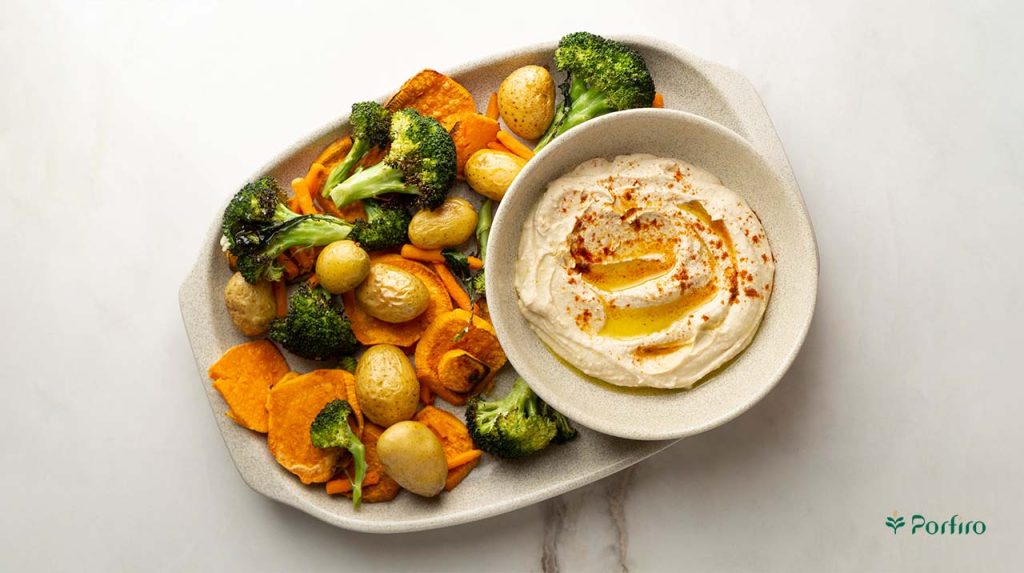
A vegetarian diet is the avoidance of meat, poultry, and fish. People adopt vegetarianism because of religious and personal grounds and moral issues such as animals’ rights. Some people adopt it for environmental grounds as the breeding of livestock has increased greenhouse gases, accelerated global warming, and used vast volumes of water, energy, and natural resources. There are various vegetarian diets each of which has its own restrictions. For others, vegetarianism is a way of being healthier or steering clear of hormones in animal products. Most of the common ones are:
- Lacto-ovo vegetarian: does not include meat, fish, and poultry but eggs and dairy.
- Lacto vegetarian: does not include meat, fish, poultry, and eggs but dairy.
- Ovo vegetarian: does not include meat, fish, poultry, and dairy but eggs.
- Pescatarian: does not include meat and poultry but fish and sometimes eggs and dairy.
- Vegan (What is veganism and what do vegans eat?): no meat, poultry, fish, eggs, dairy, and other animal foods like honey.
- Flexitarian: primarily follows a plant-based diet with additions of small amounts of meat, dairy, eggs, poultry, and fish.
Health benefits of a vegetarian diet
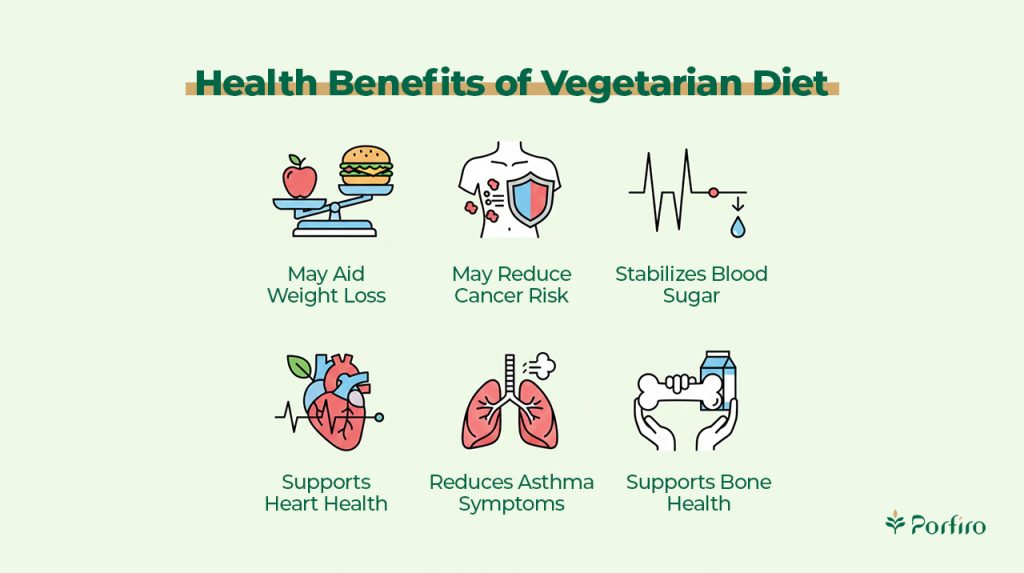
There is many health benefits associated with a vegetarian diet. For instance, studies have indicated that vegetarians typically have better diet quality than meat eaters, with vegetarians usually consuming more of several nutrients in their diet including fiber, vitamin C, vitamin E, and magnesium. However, the vegetarian diet may also have other health benefits that include the following:
1. Weight loss potential
If you are wanting to lose weight, a vegetarian diet can be an excellent tool. On average, vegetarians lose about 2 kilograms more than non-vegetarians over 18 weeks. For people with type 2 diabetes, vegetarian diets have been shown to be almost double the weight reduction effectiveness of low-calorie diets. In addition, vegetarians have BMI’s that are lower than omnivores. However, it is still unclear which component of the vegetarian diet or vegetarian way of life is responsible for this association.
2. It may reduce the risk for cancer
Some research has found that vegetarian diets may be associated with a reduced risk of some types of cancer including breast, colon, and rectal cancer. However, the evidence we have today is only observational evidence, and not causal evidence. Therefore, further research is needed to know if vegetarianism has a causal effect on cancer risk, or merely lowered risk for other reasons.
read more:
Diet and Breast Cancer: 10 Causes and 12 Foods That Help Reduce the Risk
3. It may help stabilize blood sugar levels
An array of studies points to vegetarian diets generally supporting healthy blood sugar control. For instance, findings indicate blood sugar control in people with type 2 diabetes is improved with vegetarianism. Vegetarian diets can also help long-term blood sugar stabilization, thereby preventing diabetes. In one study of 2,918 subjects, just a change from eating animal products to a vegetarian diet produced an average decrease of 53% in diabetes risk over a period of five years.
4. Encourages heart health
Vegetarian diets decrease several heart disease risk factors – taking steps to support your heart health and strength. A recent review of research showed that vegan diets may produce modest reductions in total cholesterol and bad (LDL) cholesterol, both major contributors to heart disease. However, that same review noted vegetarian diets produce increased triglycerides and lower good (HDL) cholesterol (compared to other dietary strategies).
Likewise, low-calorie vegetarian diet has been shown to produce greater reductions in LDL cholesterol than the Mediterranean diet (see more on the Mediterranean diet). On the flip side, the Mediterranean diet resulted in greater reductions in triglycerides. Other studies suggest vegetarianism may also associate with lower blood pressure, another primary risk factor for heart disease.
Vegetarians can have up to a one-third lower risk of dying or being hospitalized with heart disease. Of course, it does matter which plant foods you consume with heart health benefits; the following plant-based foods would be beneficial in your heart plan:
- High fiber whole grains
- Legumes
- Nuts
- Vegetables & fruits
- Other low-glycemic foods, such as Persian dates
read more:
Heart Health and the Foods Suitable for It
5. Reduces asthma symptoms
A vegetarian diet has been found to mitigate symptoms of asthma. In one study, 22 out of 24 subjects who followed a vegetarian diet for 1 year felt it improved their condition, reporting a decrease in the use of medications to alleviate symptoms. It is supposed that the ingestion of some animal foods may elicit allergic or inflammatory responses, and avoiding these foods may thereby reduce such reactions.
6. Supports bone health
Osteoporosis is less common in those populations that are predominantly vegetarian. Animal products have been suggested to cause loss of calcium from the body, resulting in thinning of bones and osteoporosis. One study revealed that those who had followed a lacto-ovo vegetarian diet for 20 years and longer had a reduction of bone mineral density of just 18% at 80 years of age.
read more:
What is Osteoporosis and bone density
Cons of a vegetarian diet
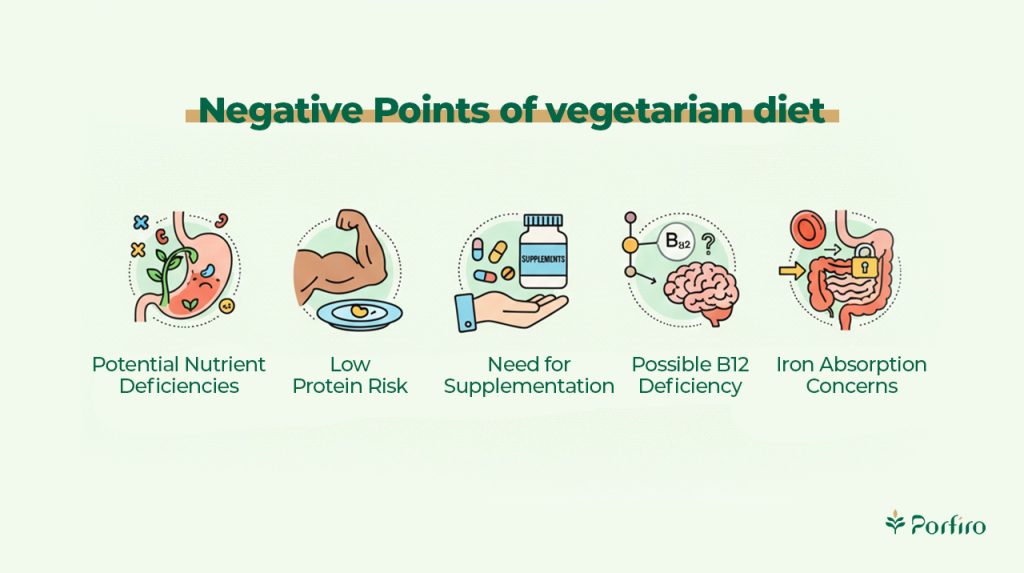
A vegetarian diet can be good for you! But it could also lead to some nutritional deficiencies. Meat, poultry, and fish provide protein and omega-3 fatty acids and micronutrients (often essential) including zinc, selenium, iron and vitamin B12. Eggs and dairy are a source of vitamin D, calcium and B vitamins.
When you remove meat or other animal foods from your intake, be sure you are getting adequate sources of nutrients from alternative foods. The literature suggests that vegetarians are at greater risk of protein, calcium, iron, iodine and vitamin B12 deficiency. The absence of these nutrients can lead to weakness, fatigue, anemia, osteoporosis, and thyroid disease.
Eating a variety of fruits and vegetables, whole grains, protein foods and fortified foods is a straightforward way to obtain adequate amounts of proper nutrients. A multivitamin and supplements also offer an option to rapidly increase, while some publications cite “plugging the holes” for what is seen as shortfalls. However, studies continue to be drawn with largely inconclusive findings, and Christian hope is pursued through further studies that state vegetarian diets really diminish heart disease and heart disease-related mortality.
Is a vegetarian diet safe?
The risks of the vegetarian diet come primarily from vitamin and mineral deficiencies; e.g. vitamin B12 and omega-3 fatty acids, which are typically lacking in most vegetarian diets. It all depends on what foods you include.
Technically, you could be vegetarian and eat a diet exactly made up of cake, French fries, and milkshakes— food items that provide little in the way of nutritional value. As such, that type of diet wouldn’t provide a lot of health benefits to your body at all. So, whether or not the vegetarian diet is fundamentally safe is largely based on where you source the foods for the meals you eat.
Vegetarian diet for pregnancy and children
Pregnant and breastfeeding women are able to obtain all the nutrients they need from a vegetarian diet, as are children. If you’re on a vegetarian diet and pregnant, breastfeeding or raising a child, you may need supplements such as vitamin B12 and additional vitamin D. Additional iron, folic acid, and omega-3 fatty acids may be beneficial.
But vegetarians consume more folic acid than meat-eaters. You will need to discuss your diet and any supplements you might need with your doctor if you are on a vegetarian diet so that you and your baby can be protected. Such careful planning has been supported by a large body of work which indicates that an appropriately planned vegetarian diet, in the care of a doctor, can meet all nutritional needs during pregnancy and lactation.
How to become a vegetarian
Set specific days to be vegetarian
You can put a date on the calendar for when you would start your vegetarian diet. Or you may want to even take a step-by-step approach, starting with avoiding red meat first, then chicken, and finally fish. Or you can think about some days of the week being vegetarian days, like trying a “Meatless Monday”. As you all adjust to this lifestyle, you can work towards more vegetarian days each week.
Don’t give in to temptations
There are many vegetarian diets so this is not always a take-it or-leave-it proposition. If you are avoiding certain foods for particular reasons, you might find yourself in the grocery store looking for tasty substitutes. Plant-based burgers, “chicken” nuggets, and all types of meat substitutes are plenty in grocery stores.
Keep it in mind that some of these products, if overly processed before coming to market, might not always be the best choices for the frequency of your meals. Or instead of being disappointed for what you are taking pencil across in your food journey, you can do the opposite and look for new plant-based food options. Try new vegetables, new cooking styles, and new meat alternatives, and you may even find new flavors that you never knew you loved.
Swap ingredients
You can often adapt many of your favorite recipes to be plant-based or vegan. Frequently, you can replace the main protein with a plant source like tofu or tempeh. If a recipe calls for animal broth, vegetable broth works perfectly well. For dairy avoidance, try non-dairy milks such as almond or soy milk. Here are a few common swaps:
| Typical Ingredient | Plant-based Substitute |
| Meat, poultry, or fish | Tofu, tempeh, seitan, lentils, textured vegetable protein, jackfruit, mushrooms |
| Cheese | Soy, cashews, other nuts, aquafaba-based “cheeses,” nutritional yeast |
| Beef, chicken broth, or stock | Vegetable broth or extract |
| Dairy milk | Soy milk, almond milk, coconut milk, hemp milk, rice milk, flax milk |
| Eggs (for baking) | Tablespoon ground flaxseed or chia seeds + 3 tablespoons warm water, ¼ cup pureed silken tofu, mashed banana, sweet potato, or applesauce |
Get to know label reading
Animal-based ingredients can often be hidden in processed foods or listed as part of a menu item that seems vegetarian. It is really important to read labels closely and familiarize yourself with commonly hidden animal products. Here are a few examples to look for:
- Gelatin is derived from animal-based collagen and is often included in processed snacks such as fruit gels, jelly, and marshmallow.
- Honey is animal-based, as it is produced by bees and some vegetarians avoid honey. Honey can also be found in some beauty products, baked goods, and flavored teas.
- Casein is a protein that comes from either cow or sheep milk. Casein is usually found in nearly all cheeses, but it has also been identified in some plant-based cheese products, and also found in soy cheeses and food items like non-dairy creamers.
- Whey, like casein, is a by-part of cheese making and specifically comes from the liquid portion of milk. Some breads and candy may contain whey.
- L-cysteine is produced from either human hair or feathers. It is an amino acid used as a dough conditioner in packaged bread products and commercially baked foods.
read more:
Foods allowed in vegetarian diet
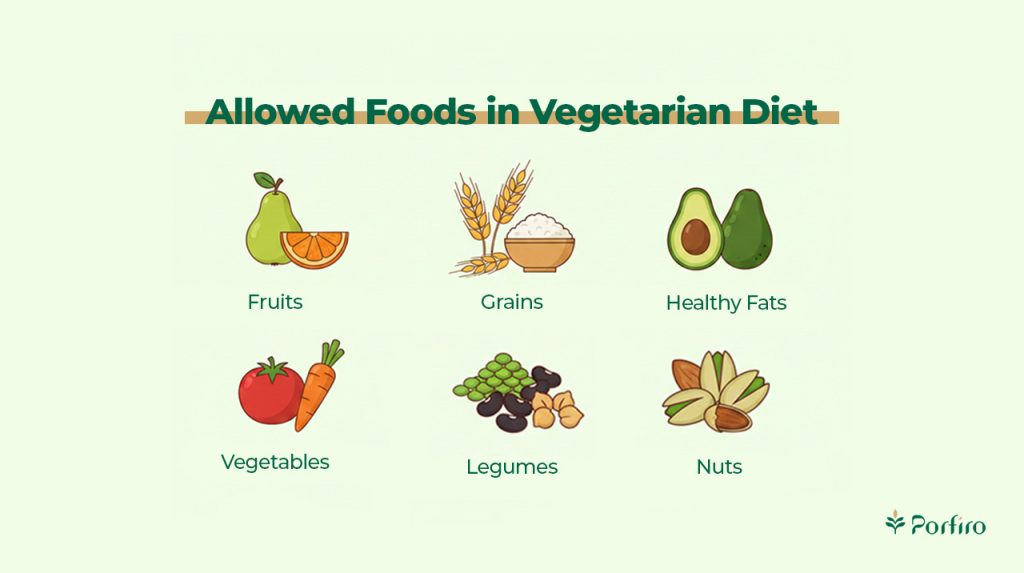
A vegetarian diet should be a well-balanced mix of fruits, vegetables, whole grains, healthy fat, and proteins. Instead of the protein provided by meat in your diet, add a mix of protein-rich plant foods such as whole grains, legumes, tempeh, tofu, and seitan.
Eggs and milk can be added in a lacto-ovo-vegetarian diet to boost your protein intake. Intake of whole, nutritious foods like fruits, vegetables, and whole grains contributes a great deal to filling the gap in any nutritional deficiency by supplying an array of all the essential vitamins and minerals. The following are healthy foods to take on a vegetarian diet:
- Fruits: apples, bananas, berries, oranges, melon, pears, peaches
- Vegetables: leafy greens, asparagus, broccoli, tomatoes, carrots
- Grains: quinoa, barley, buckwheat, rice, oats
- Legumes: lentils, beans, chickpeas, peas
- Nuts: almonds (health advantages of almonds), walnuts, cashews, chestnuts, pistachios (health advantages of pistachios)
- Seeds: flaxseeds, chia seeds, hemp seeds
- Healthy Fats: olive oil, avocado
- Proteins: tempeh, tofu, seitan, natto, nutritional yeast, spirulina, eggs, dairy items
Meatless protein sources
Protein is important for healthy weight maintenance and muscle growth, as well as the development of everything from blood to connective tissue. It is also critical for the production of antibodies and enzymes. While you might think of meat first for protein, there are plenty of great plant sources as well.
| Amount | Source |
| 17 grams | 6 ounces of plain Greek yogurt |
| 14 grams | half a cup of cottage cheese |
| 12 grams | half a cup of cooked lentils |
| 8 grams | half a cup of cooked beans |
| 8 grams | 1 cup of milk |
| 8 grams | 1 cup of cooked whole wheat pasta |
| 7 grams | a quarter cup of nuts (most types, especially almonds) |
| 6 grams | per egg* |
| 4 grams | half a cup of cooked quinoa |
* Vegans and lacto-vegetarians do not eat eggs, but lacto-ovo vegetarians and partial vegetarians might include them.
How Much Protein Does One Need?
The general orientation for protein intake is about 0.8 grams into every kilogram (or 0.36 ounces per pound) of body weight for most healthy adults. So, a person of 135 pounds would require almost 49 grams of protein every day. Though, that can range according to age and activity level.
Obtaining Vitamin B-12
Vitamin B-12 is a vital nutrient that allows the body to create red blood cells and helps prevent anemia. Since B-12 is rarely found in plant-based foods, animal foods will be an important source of B-12 for anyone avoiding deficiency. Lacto-ovo vegetarians will receive plenty of B-12 from dairy products and eggs, however, getting enough B-12 may be difficult for someone following a vegan lifestyle, and fortified foods and supplements may be necessary. Here are some meat-free sources of B-12:
| Amount (micrograms) | Source |
| 1.5–1.6 µg | 2 cooked eggs |
| 0.4–0.5 µg | 1 cup of milk (various fat percentages) |
| 1.1–1.5 µg | 1 cup cottage cheese |
| 1.7 µg | 50 grams Swiss cheese |
| 0.7–0.9 µg | 50 grams of feta, gouda, edam, gruyere, brie, cheddar, fontina, mozzarella, provolone |
| 1.0 µg | 1 cup fortified soy, rice, oat, or almond milk |
| 1.8 µg | 75 grams soy burger |
| 3.0 µg | 75 grams meatless lunch slices |
How much vitamin B-12 do you need?
The RDA for vitamin B-12 is 2.4 micrograms for most adults. In children and adolescents, the quantities range according to their age, from as low as0.09 micrograms up to 2.4 micrograms. Pregnant or lactating women require higher intakes because of an increase in their metabolic weight, ranging from 2.6-2.8 micrograms a day. Please discuss these numbers with your practitioner to decide what is appropriate for you.
How to Get Omega-3
Omega-3 fatty acids are essential nutrients in your diet and go on to help control inflammatory-related issues such as heart disease and immune-based disorders such as eczema. Deliquate oil of omega-3 ought to come from water. Below are some plant-based omega-3 food sources.
| Amount | Source |
| 7.2 grams | 1 tablespoon flaxseed oil |
| 5.1 grams | 1 ounce chia seeds |
| 1.6 grams | 1 tablespoon ground flaxseeds |
| 0.9 grams | 1 tablespoon hulled hemp seeds |
| 1.3 grams | 1 tablespoon canola oil |
| 2.5 grams | 1 ounce walnuts |
How much omega-3 fatty acids do you need?
The DHA and eicosatetraenoic acid (EPA) ranges between 1.1 and 1.6 grams per day, suitable for the needs of healthy adults. More are required for pregnant and lactating women, with amounts ranging from 3.1 to 4.1 grams of these fatty acids per day. Requirements vary with age among children and generally range from 0.5 to 1.6 grams a day depending on developmental status.
Do Not Eat Meat When Dining Out
Most restaurants do serve vegetarian food or food that can be made into vegan food, and some may even make a different preparation of these dishes as vegetable dishes. For example, if there is bacon in the salad or omelet, then one can ask for the bacon to be taken away, or maybe ask for a fruit or vegetable substitute for the meat which comes with breakfast.
Other advice
to follow when dining out or attending a gathering includes:
- Look up restaurants beforehand; many will post menus on their websites and often will designate vegetarian dishes with a “V” or a similar symbol.
- Ask whether an item is vegetarian if the ingredients are not clear. Soups and other dishes may hide animal ingredients such as broths or milk, or even eggs and honey.
- On-road trips, plan ahead and bring your own plant-based ready snacks and light meals as it might be harder to find them at the rest stops or certain fast-food chains.
- If attending a dinner party, inform the host ahead of time about your vegetarian preferences and consider bringing a suitable dish to share.
Forbidden foods for vegetarians
Different types of vegetarianism exist with different restrictions within each. Vegetarianism or more specifically lacto-ovo vegetarianism is the most commonly practicing vegetarianism as it restricts foods such as meats, meats from animal carcasses, such as poultry and fish. Other vegetarianism or more specifically, vegetarians can restrict foods even where eggs or dairy may be allowed.
A more restrictive vegetarianism is veganism as it restricts all forms of animals as being meat, foods that can be categorized as meats or animal products, based on preference, need, or foods the individual could eliminate when following a vegetarian eating pattern might include:
- Meat: Beef (regular & veal), and pork
- Poultry: Chicken and turkey
- Fish and Shellfish: excludes fish and shellfish with variability for pescatarians.
- Meat-derived Ingredient: can mean anything specified as a gelatin (pork), pork products, or food that is classified as being carmine, isinglass, oleic acid or suet.
- Eggs: since eggs means eggs with respect to vegetarians and lacto-vegetarians.
- Dairy Products: milk, yogurt or cheese for vegetarians or ovo-vegetarians
- Other Animal Products: for vegetarians would mean avoiding honey, beeswax, pollen.
Sample Vegetarian Meal Plan
If you would prefer to start a vegetarian diet, Perplexity offers the following comprehensive sample to help you. This one-week meal plan is designed for a lacto-ovo vegetarian diet.
Saturday
- Breakfast: Mixed berry, banana, nut butter, almond milk, and plant-based protein powder scoop kale smoothie
- Lunch: Whole-grain bun black bean veggie burger and avocado salad
- Dinner: Spicy lentils over whole wheat bread topped with grilled garden vegetables and pesto
Sunday
- Breakfast: Sweet potato and kale hash
- Lunch: Stuffed bell peppers with tempeh and sautéed zucchini
- Dinner: Rice, black bean tacos, and cauliflower
Monday
- Breakfast: Glass of soy milk with oatmeal, fruit, nut butter, and flaxseeds
- Lunch: Lentil salad with hummus, grilled vegetables, and whole wheat tortilla
- Dinner: Pickled salad Bahn Mi tofu sandwich
Tuesday
- Breakfast: Scrambled eggs with tomato, garlic, and mushrooms
- Lunch: Stuffed zucchini with vegetables, feta cheese, and spicy lentils, served with tomato soup
- Dinner: Basmati rice served with chickpea curry
Wednesday
- Breakfast: Greek yogurt topped with chia seeds and mixed berries
- Lunch: Farro salad with cucumber, tomato, and feta cheese, served with spicy lentil soup
- Dinner: Side salad with Grilled seitan and Eggplant Parmesan
Thursday
- Breakfast: Spinach, onions, and roasted bell peppers tofu scramble
- Lunch: Burrito bowl with brown rice, beans, avocado, salsa, and vegetables
- Dinner: Vegetable paella with cooked tempeh and a side salad
Friday
- Breakfast: Whole wheat toast with avocado, chickpeas, and nutritional yeast
- Lunch: Tofu pita pocket with pickles and Greek salad
- Dinner: Quinoa-black bean patties with zucchini noodles
How to eat fewer carbs as a vegetarian or vegan?
Cutting down on carbohydrates is not difficult. It just requires substituting vegetables, meat, fish, eggs, nuts, and fats for sugars and starches in your diet. This method looks simply—except for vegetarians and vegans. Low-carb diets tend to depend heavily on meat, and this creates a problem for vegetarians and vegans. Fortunately, it’s possible to get around this problem. Anyone, including vegetarians and vegans, can be on a low-carb diet. Here in this post, Perplexity will walk you through it.
Plant-Based Low-Carb Foods (Vegetarian-Friendly)
Actually, there are so many plant-based low-carb foods that have a lot of protein and good fats in them:
- Vegetables: The majority of vegetables are low in carbs and include tomatoes, onions, cauliflower, eggplant, bell peppers, broccoli, and Brussels sprouts.
- Fruits: Berries like blueberries and strawberries are perfect for a low-carb diet. Other fruits can be consumed based on the amount of carbs that you desire.
- Fatty fruits: Avocados and olives have very few carbs but a lot of fat.
- Nuts and seeds: Nuts and seeds have very few carbs but lots of protein and fats. They comprise almonds, pistachios, walnuts, macadamia nuts, peanuts, and pumpkin seeds.
- Soy: Both tempeh and tofu contain high amounts of protein and fat but are low in carbohydrates, so they are perfect for a plant-based or vegan low-carb diet.
- Legumes: Some legumes like green beans and chickpeas can be eaten in small amounts.
- Healthy fats: Avocado oil, coconut oil, and extra virgin olive oil are perfect.
- Chia seeds: The prevailing provider of carb content in chia seeds is fiber, and as such virtually all available calories are comprised of protein and fat.
- Dark chocolate: Choose dark chocolate with a high percentage of cocoa (70–85%) that has less carbs and more fat.
How Many Carbs Should You Eat?
There isn’t a hard and fast definition of what constitutes “low-carb”. Experiment and find an amount of carbs that will be optimal for your tastes and needs. That said, the following are some general guidelines to serve as a useful guide:
- 100–150 grams per day: A healthy maintenance level, best suited to very active people.
- 50–100 grams per day: Should yield easy weight loss, best suited to less active people.
- 20–50 grams per day: With this low rate of carb consumption, you’ll be losing weight rapidly with minimal hunger. This amount of carbs should also get you into ketosis.
Vegetarians can usually reach the lower ranges fairly easily, but such a diet may be impractical for vegans. For vegans, the 100–150 grams range tends to be more realistic. It’s recommended to use a nutrition tracker for a few days or weeks while adjusting your carb intake to ensure you’re getting enough protein and fat.
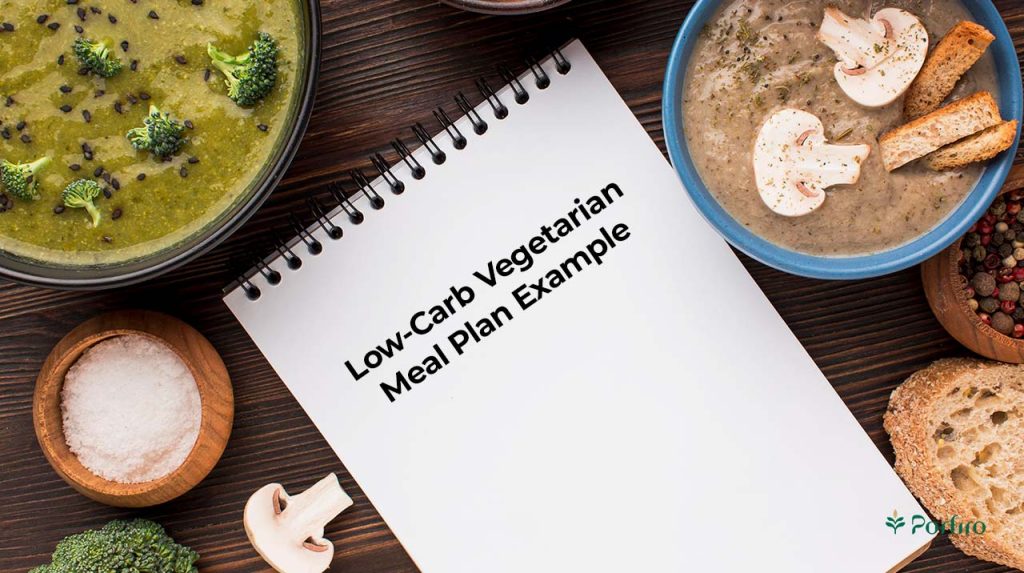
Sample menu for a low-carb vegetarian diet
Saturday
- Breakfast: Fried eggs and baked beans, and avocado
- Lunch: Handful of carrots and nuts with hummus dip
- Dinner: Eggplant moussaka
Sunday
- Breakfast: Strawberry smoothie with nuts and full-fat yogurt
- Lunch: Leftover moussaka from last night
- Dinner: Asparagus, spinach and feta quiche (with or without eggs)
Monday
- Breakfast: Eggs with other vegetables and olive oil sauté
- Lunch: Handful of nuts and bean salad with olive oil
- Dinner: Cheesy baked cauliflower gratin using broccoli or tofu
Tuesday
- Breakfast: Smoothie of coconut milk and blueberries
- Lunch: Hummus dip with carrot and cucumber and handful of nuts
- Dinner: Scrambled tempeh with vegetables and cashews
Wednesday
- Breakfast: Mixed berries with full-fat yogurt
- Lunch: Leftover cauliflower from previous night
- Dinner: Grilled portobello mushrooms with buttery vegetables and avocado
Thursday
- Breakfast: Mixed berries with full-fat yogurt
- Lunch: Boiled egg and leafy greens tossed in olive oil and some nuts
- Dinner: Macadamia nuts and pumpkin seeds over feta cheese salad and olive oil
Friday
- Breakfast: Olive oil vegetable omelet
- Lunch: Leftover dinner from previous night
- Dinner: Chili beans topped with salsa, cheese and sour cream
Frequently questions
Are vegan or plant-based products healthier by default?
Unfortunately, not all plant or selection products labelled as “vegetarian” or “vegan” are necessarily healthier than their standard alternatives. For instance, let’s look at almond milk—almond milk is a fashionable plant-based milk product that is often part of most vegan diets. Almond milk may be low in calories and fortified with some key vitamins and minerals, but it is not necessarily healthier than cow’s milk. One cup (240 ml) of low-fat cow’s milk, for example, has 8 g of protein compared to 1 g in one cup of unsweetened almond milk. Sweetened almond milk also can have quite a lot of sugar with 16g of sugar in one cup. There are also many plant-based products such as soy-based veggie burgers, nuggets, and meat substitutes that are processed highly and include long lists of artificial ingredients. These plant-based products are not any healthier than other non-plant-based processed foods that are often high in calories but lack enough protein, fiber, and nutrients to make a meal. Plant-based products are a great way to ease into a vegetarian or plant-based diet, but you should be having plant-based products in moderation to accompany a diet high in whole nutritious foods.
Are vegetarian’s vitamin B12 deficient?
Vitamin B12 is involved in numerous crucial roles in the body, including red blood cell development and DNA development. Unfortunately for us, animal-derived foods such as meat, poultry, shellfish, eggs, and milk contain the richest amounts of vitamin B12. Vegetarians are therefore susceptible to a deficiency in vitamin B12. It leads to weakness, memory loss, numbness, and megaloblastic anemia, characterized by low abnormal red blood cell count. Abuse of folate also masks B12 deficiency, leading to late diagnosis once damage is permanent. There are fortified foods as well as supplements that vegetarians can use to meet their requirements for B12. Edible algae contain B12. Vegetarians should retain vitamin B12 in their diet and discuss supplementation with a doctor if dietary intake is lacking.
Does cheese replace meat?
One of the easiest methods of preparing essentially any vegetarian dish is by substituting meat with cheese. Taste-wise, such substitution is acceptable in sandwiches, salads, pasta, pasta dishes, and many others. And while cheese is rich in protein, vitamins, and minerals, it does not have the wide array of nutrients that meat has. For instance, 28 grams of beef contain four times more iron and twice as much zinc as 28 grams of cheddar cheese. Meat contains less gram of protein but more calories per gram than cheese. In fact, gram for gram, cheese contains roughly 80% of chicken’s protein but roughly 2.5 times as many calories. As a contrast to simply replacing meat with cheese, there is a need to consume an amount of plant food that varies so as to gain nutrients. Chickpeas, quinoa, tempeh, lentils, beans, and nuts are all healthy foods that are capable of sustaining a vegetarian diet.
Do vegetarians consume significantly fewer calories than others?
Since vegan and vegetarian dietary patterns eliminate many foods and food groups, it’s difficult to meet calorie requirements. Vegan and vegetarian diets typically provide in ample fewer calories than those who consume animal products or omnivores; calories are the body’s energy source, and it is important for the body’s proper function that it has an adequate number of calories. As mentioned in the section above, caloric restriction is associated with a variety of negative side effects, and over-restriction can cause nutrient deficiencies, lethargy, and a decreased metabolism.
Why is drinking enough water especially important for plant-based eaters?
Adequate hydration is important for everyone, but it may be especially vital for those who consume a high-fiber diet—like vegetarians and vegans. Plant-based diets typically include fiber-rich foods like legumes, vegetables, and whole grains. One study found that omnivores consume about 27 grams of fiber per day, while vegetarians and vegans consume roughly 41 and 34 grams respectively. Drinking water alongside fiber helps move it through the digestive system and prevents issues such as gas, bloating, and constipation. Fiber is crucial for health and is linked to reduced risks of heart disease, stroke, diabetes, and obesity. Current guidelines recommend women consume at least 25 grams and men at least 38 grams of fiber daily. To stay properly hydrated, drink water when thirsty and spread your intake throughout the day.
Do vegetarians have lower iron levels?
Meat can be an excellent source for many vitamins and minerals that are essential for your diet including iron. For example, ground beef contains 14% of daily value of iron in an 85gram serving. Meat also contains heme iron which is more usable to the body. The irony sources from plants are non-heme iron, which is not as usable. Many fruits, vegetables, grains, and legumes have non-heme iron. Hence, vegetarians have a higher risk of getting iron-deficiency anemia (a condition that does not have enough red blood cells to transport sufficiently oxygen and leads to symptoms of weakness, fatigue, shortness of breath, and faintness). Nevertheless, a proper vegetarian diet that has sufficient iron-rich plant sources can meet daily needs. Vegetarians and vegans must have an abundance of great sources of iron such as lentils, beans, cereals or grains, nuts, seeds, oats, and green leafy vegetables. Combining vitamin C with iron containing foods will improve the absorption of non-heme iron. Since many vegetables and fruit contain vitamin C the development of a salad or fruit as part of the side dish in meals may also increase the absorption of iron.
10236
REFRENCES
- https://www.healthline.com/nutrition/vegetarian-diet-plan
- https://www.healthline.com/health/becoming-vegetarian
- https://globalexcellenceonline.com/vegetarian-diets-may-be-better-for-us-than-we-thought/
- https://www.healthline.com/nutrition/vegetarian-and-vegan-mistakes?utm_source=ReadNext#TOC_TITLE_HDR_10