

Heart Health and the Foods Suitable for It
General Information- 1Types of Heart Diseases
- Coronary Artery Disease
- Congenital Heart Defects
- Arrhythmia
- Dilated Cardiomyopathy
- Myocardial Infarction
- Heart Failure
- 2How to improve your heart health
- Heart-Healthy Diet
- Exercise to Keep Heart Healthy
- Lifestyle changes for healthy hearth
- Supplements for Heart Health
- 3How fast can you make strides to improve your heart health?
- 415 Super Healthy Foods for Heart
- 1. Leafy greens
- 2. Whole Grains
- 3. Berries
- 4. Avocados
- 5. Fish and Fish Oil
- 6. Walnuts
- 7. Legumes
- 8. Dark chocolate
- 9. Tomatoes
- 10. Almonds
- 11. Seeds (Chia, Flax, and hemp)
- 12. Garlic
- 13. Olive oil
- 14. Edamame
- 15. Green Tea
- 5Frequently Asked Questions
- Foods For Heart Health
- What Foods Avoid Heart Attacks?
- Which fruit is best for your heart?
- How can I improve my heart health quickly?
- 6Misconceptions about heart health
- Younger folks don’t need to be concerned about heart disease:
- Should people with heart disease avoid exercise?
- I'm on Cholesterol-Lowering Medicine, So I Can Eat Anything I Please
- Heart Disease Runs in My Family, So There's Nothing I Can Do to Prevent It
- Vitamins Can Prevent Heart Disease
- Heart Disease Only Affects Men
- Cardiac Arrest and Heart Attack Are the Same
- People with Heart Disease Should Avoid All Fats
- People With Heart Disease Should Avoid All Fats
Any disorder that involves the heart is known as heart disease, such as coronary heart disease, arrhythmia, and heart failure. In this article, you will learn more about some of the heart health, diseases, along with complete information about how important diet and lifestyle are for maintaining a healthy heart.
As with all articles of the same category on the Porfiro blog, this information is provided for awareness alone, and diagnosis, treatment, or intervention necessarily must be carried out by a specialist physician. The focus in this article is mainly on introducing a diet and lifestyle that can improve the quality of life in the patient.
Types of Heart Diseases

Heart disease is a blanket term that includes all diseases of the cardiovascular system. Different types of heart disease will affect the heart and blood vessels in different ways. The following sections will discuss in more detail the various different types of heart disease.
Coronary Artery Disease
It is the most common type of heart disease. The arteries can become clogged with plaque, hardening and narrowing the arteries. The plaque consists of cholesterol and other substances. Over time, this will mean a decreased blood flow, and the heart will be getting less oxygen and nutrients. Overtime, the decrease in blood flow will weaken the heart muscle and lead can lead to an increased risk of arrhythmias and heart failure.
Plaque leads to clogged arteries, which is called atherosclerosis when more than one or two plaques are present, and this leads to the rupture of plaques, mixtures with normal blood, the formation of a thrombus (clot), blocking the artery and stopping blood flow. This may lead to myocardial infarction (MI or heart attack).
Congenital Heart Defects
Having a congenital heart defect means the patient is born with a cardiovascular abnormality that ranges from mild to severe. Types of congenital heart defects vary:
- Valve abnormalities whereby it does either not open correctly or allows blood to leak from it.
- A septal defect – or hole – in either the wall of the lower heart chambers (ventricles) or the walls of the upper chambers (atria).
- Absence of one of the valves.
Congenital heart disease may pose major structural problems, like absence of one of the ventricles (the heart has a left and a right ventricle) or an unidentifiable connection to the arteries exiting the heart. Most congenital heart defects do not manifest with symptoms and shall be detected only during routine medical examinations. According to the American Heart Association (AHA), murmurs are common in children, but there are very few congenital heart defects.
Arrhythmia
Arrhythmia is a condition of having an irregular heartbeat. Arrhythmia refers to a disorder of the electrical impulses which trigger a heartbeat to occur in a desired manner. An example of arrhythmia might be a heartbeat that is faster than usual, slower than usual, or simply irregular. Arrhythmias include these types:
- Tachycardia: fast heartbeat.
- Bradycardia: slow heart rate.
- Premature contractions: early heartbeat.
- Atrial fibrillation: an abnormal rhythm. It can feel like a rapid flutter or palpitations. Some types of arrhythmias can potentially be life-threatening or lead to other serious complications.
Dilated Cardiomyopathy
In dilated cardiomyopathy, the heart chambers can enlarge and the muscle narrows and stretches. The cause of dilated cardiomyopathy can be from prior myocardial infarcts, arrhythmias, toxins or as a result of genetics. Therefore, the heart is impaired and no longer pumps blood effectively through the body. This an illness that can commonly lead to arrhythmias, clots in the heart, and ultimately heart failure. According to the AHA, it tends to affect people aged 20-60 years of age.
Myocardial Infarction
Myocardial infarction, also known as a “heart attack,” is an abrupt block in the blood supply to the heart. The heart muscle itself could be damaged, or even killed, but without blood supply it could. Most commonly, the reasons for a heart attack are plaque and/or blood clot in the coronary artery, or due to a sudden spasm or narrowing of an artery.
Heart Failure
Heart failure, a heart that still works but ineffectively; congestive heart failure is a heart failure caused by a problem with pumping, or relaxing. Heart failure can be caused by many things including untreated coronary artery disease, high blood pressure, arrhythmias, and other issues. Accordingly, all of these ultimately affect the heart’s ability to pumping and/or relaxing effectively. While heart failure can be deadly, complications from heart failure can be avoided with early treatment of the heart’s lasting issues.
Other heart disease include:
- Hypertrophic cardiomyopathy
- Mitral valve insufficiency
- Mitral valve prolapses
- Aortic stenosis
Clearly, there are many forms of heart disease and vascular disease. Some heart disease is inherited and genetic, but the bulk of heart diseases are a product of the sedentary, industrialized lifestyle we live, which we must address seriously.
To overcome these challenges, all individuals can sustain cardiovascular health and well-being. Anyone can keep his or her heart and vasculature healthy well into old age by paying a little attention, taking care of himself or herself, and modifying his or her life and diet. That is why Porfiro will continue to discuss these important matters.
How to improve your heart health
Heart diseases are among the top public health challenges in most countries across the world. Besides taking the prescribed drugs by a doctor, one can take a range of initiatives to ensure heart wellness. Some of these include taking healthy foods, exercises, and the abstention from habits such as smoking. In the following article, we shall talk about measures through which one can increase heart wellness.
Heart-Healthy Diet
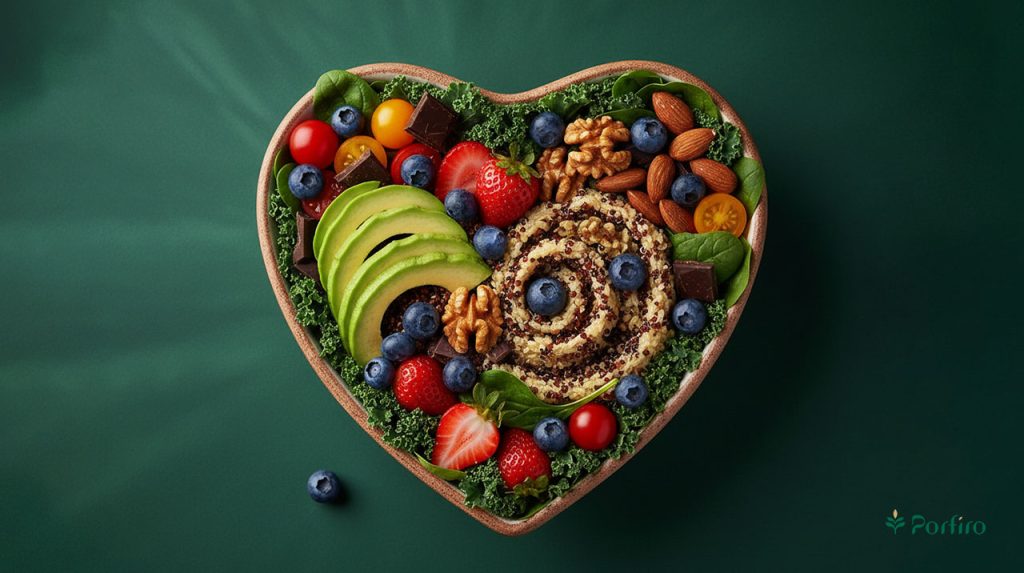
Many recommendations for improving heart health focus on diet. The American Heart Association (AHA) recommends that people eat more of the following:
- A variety of vegetables and fruits
- Whole grains
- Lean proteins, such as seafood and plant-based proteins from tofu and other sources
- Liquid, non-tropical oils, such as olive oil or avocado
- Minimally processed foods
- No added sugar
- Limited salt
- No alcohol
There are some specific diets that have these features, including:
- Mediterranean diet: The Mediterranean diet is based on vegetables, whole grains, lean protein, and regular use of olive oil. It discourages dairy and red meat consumption and also recommends avoiding added sugar. In a 2019 review of research in Circulation Research made strong to claim that the Mediterranean diet is effective in preventing heart disease. The more you follow this diet, the lower your risk of heart disease. (All about the Mediterranean Diet: From 0-100).
- DASH diet: The DASH diet is similar to the Mediterranean diet, but it includes more protein as part of low-fat dairy, meat, and poultry. In a review published in 2019, the previously published research delineates the benefits of the DASH diet with lower risk of cardiovascular disease, blood pressure benefit, and other heart health benefits.
Exercise to Keep Heart Healthy
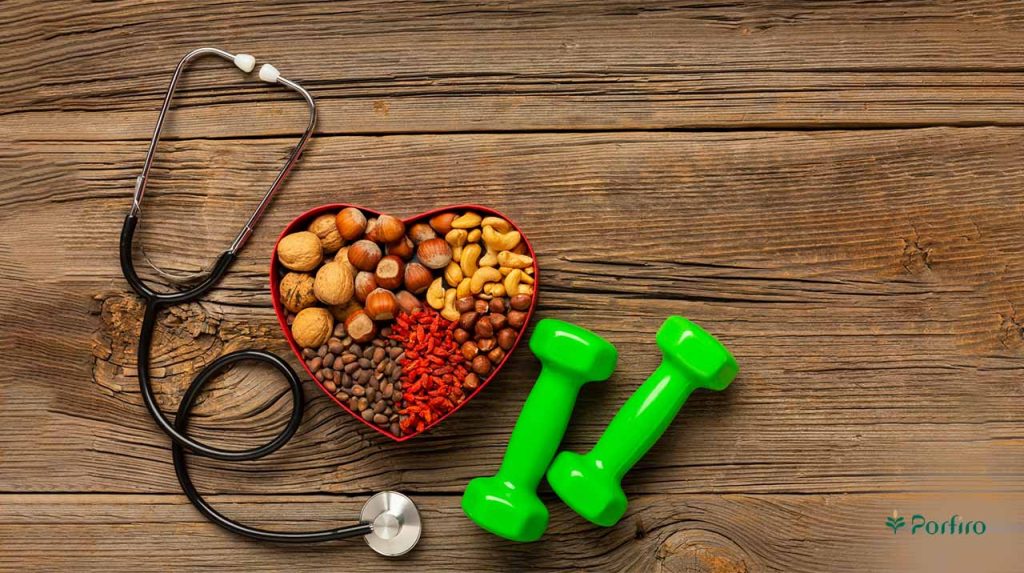
Physical fitness is essential to heart health. Exercise can help an individual maintain a healthy weight (weight control; How to get fit easily?), especially when combined with an optimal diet. Exercise of moderate and vigorous intensity has been shown to enhance cardiac performance in patients with heart failure. Several kinds and volumes of exercise make important contributions to heart health and include:
1. Aerobic exercise
Aerobic exercise or cardio refers to any type of activity your body engages that’s strenuous enough to increase your heart rate and make you sweat. Body-level moderate activity is capable of reducing a person’s risk of heart disease by increasing blood pressure (high blood pressure and healthy eating) and cholesterol (high cholesterol and healthy eating). A person should get a minimum of 150 minutes of aerobic exercise per week, if possible. Some examples of moderate-intensity aerobic exercise are:
- Brisk walking
- Water aerobics
- Level cycling on relatively flat ground
- Doubles tennis
- Mowing the lawn
Examples of vigorous-intensity aerobic exercise are:
- Running
- Swimming laps
- Cycling at a high intensity or on hills
- Singles tennis
- Basketball
2. Strength training
Aerobic exercise is not the only type of exercise that is healthy for your heart. Scientists have found that combining aerobic exercise with resistance training is healthier for people who suffer from coronary artery disease than aerobic exercise alone. The scientists stated that strength training improves a person’s exercise capacity and quality of life.
Strength training must also be performed in addition to aerobic exercise. One should attempt strength train at least 2 days a week. They can do it by utilizing their body weight, such as doing pull-ups, or with resistance machines or dumbbells in the gym. The goal should be to work all of the major muscle groups, which are:
- Legs
- Hips
- Back
- Abdominals
- Chest
- Shoulders
- Arms
3. Stretching exercises
A study conducted in the Journal of Strength and Respiratory Research suggests that stretching can be a useful therapy to strengthen the regulatory control of the nervous system over the heart. Additionally, without flexibility, the body may not be able to perform some strength or aerobic exercises. The American College of Sports Medicine recommends stretching up to the point of stiffness or a little pain at least two or three times a week, or every day for the best benefits.
Individuals are able to interchange between moderate-intensity and vigorous-intensity physical activity. This way, individuals are able to conserve time in exercising for 1 minute of vigorous activity equals 2 minutes of moderate-intensity activity.
Lifestyle changes for healthy hearth
Other than diet and exercise, certain lifestyle changes can also lead to improved heart health. The following are suggested:
- Quitting smoking
- Stress reduction
- Avoiding alcohol
A person should also consider sleep because it supports overall health and wellbeing as well as cardiovascular health.
Supplements for Heart Health
Some use supplements to keep their heart healthy. Most of the so-called heart health supplements, though, have conflicting evidence supporting their use. In some cases, there is no compelling evidence that they are wholly effective. Some heart health supplements are:
- Coenzyme Q10: must be supplemented by patients of cardiovascular disease because there are some good scientific trials which have been effective in establishing the fact that Co-Q10 can reduce morbidity and mortality in situations of metabolic as well as cardiac illness.
- Vitamin D: deficiency has been associated with a number of cardiovascular disease risk factors, such as high blood pressure and inflammation. Sun exposure or supplementing vitamin D might help individuals who are deficient in vitamin D. Supplementation with vitamin D can ward off cardiovascular disease.
- Niacin: Researchers have examined whether or not niacin might protect the heart. While niacin was linked to lower blood levels of total cholesterol and triglycerides, they found no suggestion that supplement consumption lowered deaths, heart attack, or strokes. In addition, 18 percent of the people experienced side effects and were unable to continue supplements.
How fast can you make strides to improve your heart health?
What fast strategies like diet and exercise will improve your heart health will depend on your personal circumstances and goals. For instance, a person who quits smoking will see the benefits of quitting once they stop smoking – within as few as 2 weeks their circulation and lung function will begin to improve along with a 50% reduction in the risk of coronary heart disease by 1 year after quitting. Reducing cholesterol can be more variable. For patients with elevated cholesterol who use diet and lifestyle alone to lower cholesterol, doctors will sometimes allow up to 3 months for them to see if the diet and lifestyle changes work.
15 Super Healthy Foods for Heart
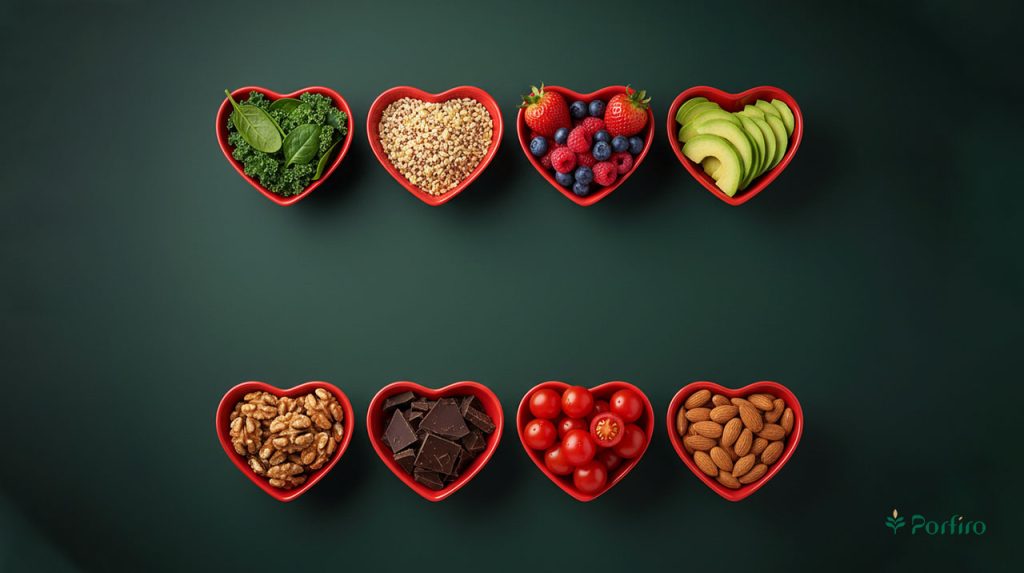
Diet plays a big role in heart health and can affect your risk of heart disease, the leading cause of death for adults in the United States. The food you eat can affect heart disease risk factors, including:
- Blood pressure
- Triglycerides
- Cholesterol levels
- Inflammation
Here are 17 foods you should eat to maximize your heart health. Some foods, including leafy greens, whole grains, and fatty fish, can be good for your heart health and reduce your risk of heart disease. We’ll go into more detail about each one below:
1. Leafy greens
Leafy greens like spinach, kale, and collard greens are known for being rich in vitamins, minerals, and antioxidants. In particular, they are an excellent source of vitamin K, which helps protect arteries and promote proper blood clotting.
These plants are also rich in dietary nitrates, which have been shown to lower blood pressure, reduce arterial stiffness, and improve the function of the cells that line blood vessels. The American Heart Association (AHA) notes that increasing your intake of leafy greens is associated with significant cardiovascular health benefits and a lower risk of heart disease compared to other fruits and vegetables.
2. Whole Grains
Whole grains include all three nutrient-rich parts:
- Germ
- Endosperm
- Bran
Some of the common whole grains are:
- Whole wheat
- Brown rice
- Oats
- Rye
- Barley
- Buckwheat
- Quinoa
Refined carbohydrates raise the risk of coronary heart disease. But whole grains are protective. Having an additional 1 or 2 servings daily of these foods can raise or lower the risk by about 10-20%. There are a variety of studies that have confirmed that consuming more whole grains is beneficial for your heart health. The AHA suggests that consuming whole grains daily instead of refined grains may reduce the risk of:
- Cardiovascular disease
- Coronary heart disease
- Stroke
- Metabolic syndrome
A diet high in plant foods, whole grains, low fat dairy products, and sodium in moderation reduce the incidence and management of hypertension. Be careful to read the ingredient panel on whole grains. A product labeled “whole grain” or “100% whole wheat” is a whole grain product, but many labels such as “wheat flour” and “multigrain” may lead you to accept them as whole grain.
3. Berries
provide plenty of nutrients with no downsides to heart health. Berries also have anthocyanin antioxidants for protection from oxidative stress and inflammation that could contribute to heart disease. Moreover, more anthocyanins imply a lower risk of coronary artery disease; heart attack and high blood pressure included.
Regularly eating blueberries improves endothelial function – the cells in the blood vessel lining that regulate blood pressure and blood clotting. In a study review, researchers discovered evidence that berry consumption is a good treatment for metabolic syndrome by reducing oxidative stress and inflammation, and enhancing vascular function. Berries are great for snacking or sweetening desserts. Try finding new and exciting ways to include them into your diet to achieve their health benefits.
4. Avocados
Avocados are a good source of unsaturated fat which are heart-healthy fats. Research indicates that unsaturated fat appears to arrive lower bad cholesterol levels and lower risk of heart disease. The more avocado one eats, the bigger the benefits. Two servings of avocado a week was also associated with 16 percent lower risk of cardiovascular disease and 21 percent lower risk of coronary heart disease. A systematic review of studies demonstrated avocado impacts:
- LDL (bad) cholesterol levels – including small, dense LDL cholesterol levels
- Triglyceride levels
- Vascular function
Avocados also are a source of potassium – which is also a heart-healthy nutrient. A serving of avocado (150 grams) has 725 mg potassium, or about 21 percent of daily value based on daily intake recommendations for an adult male.
5. Fish and Fish Oil
Fatty fish, such as salmon, mackerel, sardines and tuna are rich dietary sources of omega-3 fatty acids. Omega-3 fatty acids have been reviewed thoroughly for their potential benefits with respect to cardiovascular health and widely represented in fatty fish may offer a protective effect with risk of heart disease and reduce cardiovascular disease and arrhythmia risk slightly. There may be some evidence that long-term consumption of fish is associated with lower levels of:
- Total Cholesterol
- Blood Triglycerides
- Fasting blood glucose
- Systolic blood pressure
There is credible scientific evidence that fish consumption is related to less risk of cardiovascular disease, depression, and mortality. As long as that you are not excessively consuming seafood, fish oil can also be a way of getting in the necessary daily amount of omega-3 fatty acids. Fish oil supplements were shown to reduce mortality (from all causes), cardiac mortality, sudden deaths and stroke. Another type of omega-3 supplement is krill oil or algal oil.
6. Walnuts
: The walnut is a rich source of fiber, micronutrients (magnesium, copper, manganese), and studies have shown that including a few servings of walnuts may lower your risk of heart disease; there is strong evidence for the prevention of cardiovascular disease for some types of tree nuts, mainly walnuts. Diets with high amounts of walnuts may decrease LDL (bad) and TOTAL cholesterol. Some research has also shown that eating nuts, such as walnuts, may be linked to a lower risk of heart disease.
7. Legumes
Beans contain resistant starch, which resists digestion and is fermented by the beneficial bacteria in your gut. Resistant starch can potentially have a healthy impact on your gut and certain members of its resident microbiota. Several studies have also shown that eating beans can reduce some risk factors for heart disease. In one study of 73 adults with high LDL cholesterol, eating canned beans significantly reduced total cholesterol and LDL cholesterol. The study found that eating beans and legumes can lower LDL cholesterol, control blood sugar and improve blood pressure, and may reduce the risk of cardiovascular disease, especially in people with diabetes.
8. Dark chocolate
Dark chocolate has always been known for being high in antioxidants, particularly flavonoids, which might help keep your heart healthy. Eating chocolate (six or fewer servings in a week) could bring down your chances of getting coronary heart disease, stroke, and diabetes. Again, while some studies credit a link, they may or may not be accounting for other factors, including what might be true when tested in live populations as to what this means. Likewise, chocolate can also be high in sugar and calories, which can generally outweigh its health benefits. Making sure to eat high-quality dark chocolate (70 percent cocoa or more) in moderation means you can enjoy the benefits of eating dark chocolate for heart health.
9. Tomatoes
Tomatoes contain the plant pigment, lycopene, which has strong antioxidant properties. Antioxidants neutralize free radicals; oxidative damage and inflammation are two factors contributing to heart disease. The levels of blood lycopene are lower for those experiencing a heart attack or stroke. An increase in tomato product consumption, and the increase in lycopene supplements, has a favorable effect on blood lipids, blood pressure and endothelial function.
In a review of studies, it was reported eating raw tomatoes, tomato sauce or tomato sauce with extra virgin olive oil, is associated with lowering blood cholesterol and triglycerides, while raising the HDL cholesterol. The body is also better able to absorb lycopene from cooked tomatoes and tomato products than raw tomato. The HDL (good) cholesterol, removes excess cholesterol and plaque from your arteries, keeps your heart working properly, and allows for protection against heart disease and stroke.
10. Almonds
Almonds are an astounding source of nutrition full of healthy vitamins and minerals which help in heart health (Almond Health Benefits). They are full of a healthy dietary fat when monounsaturated fats, and fiber, which nourish the two nutrients that prevent heart disease. Studies show the effective impact of eating almonds on cholesterol.
One study with 48 high cholesterol often hypertensive subjects looked at the amount of belly fat and LDL, or bad cholesterol, lowered in subjects eating 43 grams of almonds over six weeks. Those subjects eating almonds experienced a reduced belly fat and reduced LDL, both risk factors of heart disease, compared to those eating the control. Research has also shown that eating almonds is linked to HDL or good cholesterol.
Moreover, eating almonds has been shown to reduce plaque build-up which is helpful for keeping arteries clear. Almonds are typically very high in caloric density and nutrient dense; therefore, it is worth noting if this is a factor for you. If you are trying to lose weight, the caloric value may be significant in keeping track of your daily intake and amount of almonds you consume.
11. Seeds (Chia, Flax, and hemp)
These three seeds contain numerous heart-friendly nutrients such as fiber and omega-3 fatty acids. In research, eating these seeds in the diet was associated with improved risk factors of heart disease. Chia seeds and flax seeds were also studied showing that it can lower several cardiovascular disease risk factors such as, inflammation, blood pressure, cholesterol, and triglycerides.
All of the research associated with hemp seeds mentions that it is very rich in arginine. Arginine is an amino acid which bears a relationship with reducing levels of certain blood markers of inflammation. Including ground flax seeds in your diet can assist you in maximizing your heart-health and reducing the risk of developing cardiovascular disease or cancer, it can also help on other fronts like, digestive health and diabetes as well!
Chia seeds are also good for the heart since they are packed with dietary fiber, antioxidants, and omega-3 fatty acids. Chia seeds on a diet plan can lower blood pressure and can reduce your risk of blood clots and LDL cholesterol.
12. Garlic
Garlic with its highly medicinal properties, may be a boon for heart health. A specific compound called allicin is responsible for many therapeutic effects. Studies have shown that garlic supplements reduce both systolic and diastolic blood pressure and can work as well as common medications prescribed to lower blood pressure. Garlic inhibits platelets from aggregating, which may slow and prevent clotting and strokes. Garlic may be consumed raw, but I recommend crushing and letting it sit for a few minutes before cooking so the allicin can mature and provide the greatest health benefit.
13. Olive oil
Being highly anti-oxidants oil, it may prevent or mediate inflammation in the body, resulting in a protection from chronic diseases. Olive oil also contains monounsaturated fats-a type of fat that majorly affect cardiovascular health positively, as widely studied. According to a study conducted in 2014, 7216 adults were observed who were at greater risk for heart disease, in which the highest consumers of olive oil had a reduced risk of developing heart disease by 35%.
Thus, olive oil prevention against heart disease is said to reduce mortality by 48%. The oleic acid and antioxidants in olive oil help prevent and reduce high blood pressure. Olive oil can be drizzled over hot dishes or used to flavor sauces and vinaigrettes. Olive oil is also very rich in Vitamin E.
14. Edamame
Edamame, a young green soybean served in Asian cuisine, is healthy like all soy foods because edamame contains soy isoflavones, a flavonoid that might be helpful in lowering cholesterol and heart function. Consuming more soy protein could help reduce your risk for heart disease. Even modest reductions in cholesterol plus other dietary and lifestyle changes can reduce much risk for heart disease.
In one trial, scientists discovered that taking an additional 30 grams of soy protein on a low-fat diet, with improvements in blood lipid profiles reducing the risk for cardiovascular disease. Edamame and other soy foods have numerous other heart-healthy constituents, such as dietary fiber and antioxidants.
15. Green Tea
Green tea may have a number of health benefits, including increased fat burning, improved insulin sensitivity, and even possible cancer prevention. Polyphenols and catechins, the components of green tea, work as antioxidants protecting your cells from harm, reducing inflammation, and supporting heart health. Many studies have indicated that green tea may increase leptin levels (hormone that decreases appetite) and lower LDL= “bad” cholesterol. Green tea extract may also improve blood pressure and control blood sugar.
A review of studies found that three months of green tea extract consumption resulted in lower blood pressure, triglyceride levels, lower LDL cholesterol and lower total cholesterol vs placebo. In supplement form or matcha made from powdered green tea leaves, green tea may be a great addition to heart healthy stomach.
Frequently Asked Questions
Foods For Heart Health
The National Heart, Lung, and Blood Institute’s expert guidelines say the following foods are heart-friendly:
Vegetables such as broccoli, leafy greens, and carrots.
Fruits such as bananas, apples, and oranges.
Whole grains such as whole-grain bread or tortillas, brown rice, or plain oatmeal.
Dairy foods, such as fat-free or low-fat milk, cheese, and yogurt.
Protein from lean meats, fish, eggs, legumes, and nuts.
Oils that contain polyunsaturated or monounsaturated fats, such as canola, corn, olive, safflower, sesame, sunflower, and soybean oils.
Healthy foods for healthy fats in this diet are fish and/or salmon, tofu, avocado, nut butter, and nuts and seeds.
What Foods Avoid Heart Attacks?
According to the National Health Service (NHS), a balanced and healthy diet is a part of reducing heart attack risk. They advise sticking to the type of Mediterranean diet that involves eating more of the following:
Whole-grain bread, rice, and pasta
Vegetables
Fruit
Fish
In doing so, it involves cutting down on meat and reducing foods with saturated fats.
Which fruit is best for your heart?
Some of the best fruits for your heart health include:
Blueberries
Red grapes
Pomegranates
Apples
Avocados
Mangoes
Berries
Cherries
Kiwi
How can I improve my heart health quickly?
7 of the best steps to improve your heart health are:
Follow a heart-healthy diet
Get exercise
Maintain a healthy weight
If you smoke, quit and avoid secondhand smoke
Control your cholesterol and blood pressure
Don’t drink alcohol
Manage your stress
Misconceptions about heart health
Younger folks don’t need to be concerned about heart disease:
Yes, heart disease predominantly affects individuals over age 65, but somewhere between 4% and 10% of heart attacks occur in younger folks (men in particular) age 45 or younger. What actually establishes our heart health as we grow older is how we live, first as a child, then as a teenager, up to and throughout adulthood. For example, smoking or eating a diet high in trans and saturated fat will gradually raise your risk of heart disease. Making healthy lifestyle choices today will lay the groundwork for better heart health down the road.
Should people with heart disease avoid exercise?
There is a myth about exercise and heart disease. Exercise will actually strengthen the heart muscle and improve blood circulation throughout the body. In August 2020, the European Society of Cardiology released guidelines for exercising safely with cardiovascular disease. Professor Sanjay Sharma was one of the authors of the guidelines and he said:
“The likelihood of exercise inducing a cardiac arrest or a heart attack is very low.”
However, he cautioned:
“Individuals who have been in a completely sedentary state or have advanced heart disease will want to consult with a doctor prior to commencing exercise.”
I’m on Cholesterol-Lowering Medicine, So I Can Eat Anything I Please
Medications like statins do lower blood cholesterol, though that is no licensed right to consume high-saturated-fat foods at will. Cholesterol in your body either comes from the food you eat or is made by your liver. Statins block a liver enzyme needed to produce cholesterol, which subsequently lowers blood cholesterol. Cholesterol from what you eat, though, can find its way into your blood. Fundamentally, statins might help neutralize some of the negative effect of an unhealthy diet, yet a diet pattern of poor diet still raises other risks of heart disease like obesity, high blood pressure, and diabetes.
Heart Disease Runs in My Family, So There’s Nothing I Can Do to Prevent It
If you have heart disease in close family members, you might be more likely to get it. Family history is no guaranteed ticket to developing it, though. There are several ways to lower your risk even if you have a genetic risk factor. A healthy diet, quitting smoking, keeping your blood pressure under control, and exercise are all good choices.
Vitamins Can Prevent Heart Disease
Although all but the most absurd amounts of most vitamins ingested in recommended quantities are not likely to threaten heart health, there is no firm evidence that vitamin supplements ward off heart disease. They absolutely cannot replace a nourishing diet and exercise.
Heart Disease Only Affects Men
This is false. Death caused by heart disease leads both men and women. In 2017 in the United States, 24.2 percent of men and 21.8 percent of women died from heart disease. Many believe heart disease affects only men. Cardiovascular problems tend to arise in early ages in men, who are at a higher risk for coronary artery disease; however, women carry a greater risk for stroke. One study goes on to explain:
“Although cardiovascular disease rates are generally lower in women, they experience higher mortality and worse outcomes after acute cardiovascular events.”
Cardiac Arrest and Heart Attack Are the Same
They are not. A heart attack is a circulation problem that occurs when a coronary artery that delivers oxygen-rich blood to the heart muscle gets blocked. Cardiac arrest is an “electrical” problem where the heart suddenly stops pumping blood effectively. Cardiac arrest often occurs as a result of a heart attack. During a heart attack, the victim is usually conscious; during cardiac arrest, they are almost always unconscious. Both require emergency medical attention.
People with Heart Disease Should Avoid All Fats
They are not. A heart attack is the result of a circulation problem, which occurs if a coronary artery that supplies oxygen-rich blood to the heart muscle becomes blocked. Cardiac arrest is an “electrical” problem which occurs when the heart suddenly fails to pump enough blood. A heart attack can cause cardiac arrest. During a heart attack a person is usually conscious, while during cardiac arrest they are almost always unconscious. Both events require emergency medical services.
People With Heart Disease Should Avoid All Fats
People with heart disease should definitely reduce their consumption of, saturated fats -such as what is found in butter, biscuits, bacon, and sausages- as well as hydrogenated and trans fats which are commonly found in baked goods and frozen pizzas. Unsaturated fats on the other hand, may be good for you. For example, omega-3 fatty acids, are a type of polyunsaturated fat, that may protect the heart. According to the American Heart Association:
“All adults eat fish, particularly oily fish, at least twice weekly.”
Fish (which is a lean source of protein) has a low saturated fat content. Oily fish such as trout, lake salmon, mackerel, sardines, albacore tuna, and salmon have excellent amounts of two omega-3 fatty acids, that we know support heart health. They also point out to eat plant-based sources of omega-3 found in tofu, soy products, walnuts and flaxseed (and flaxseed oil.).
References:
- https://www.healthline.com/nutrition/heart-healthy-foods
- https://www.medicalnewstoday.com/articles/medical-myths-all-about-heart-disease
- https://www.medicalnewstoday.com/articles/237191#causes-and-risk-factors
- https://www.healthline.com/nutrition/heart-healthy-foods
10220