


Definition of weight management and ingeniously ways to use it
General Information- 1what is weight management
- 2Basic concepts about weight management
- Obesity and overweight
- Thinness and lack of weight
- 3Facts about weight management
- 4How can people use their BMI to assess their body?
- 5How should people assess their weight?
- 6Other factors
- 7What factors are useful for weight management?
- 8How do people successfully maintain their weight?
- 9What are the benefits of weight loss?
- 10Weight loss challenges: Why can't we lose weight?
- 11Easy methods of weight loss and management
- 12Tips for eating out
- 13What are the problems associated with being underweight?
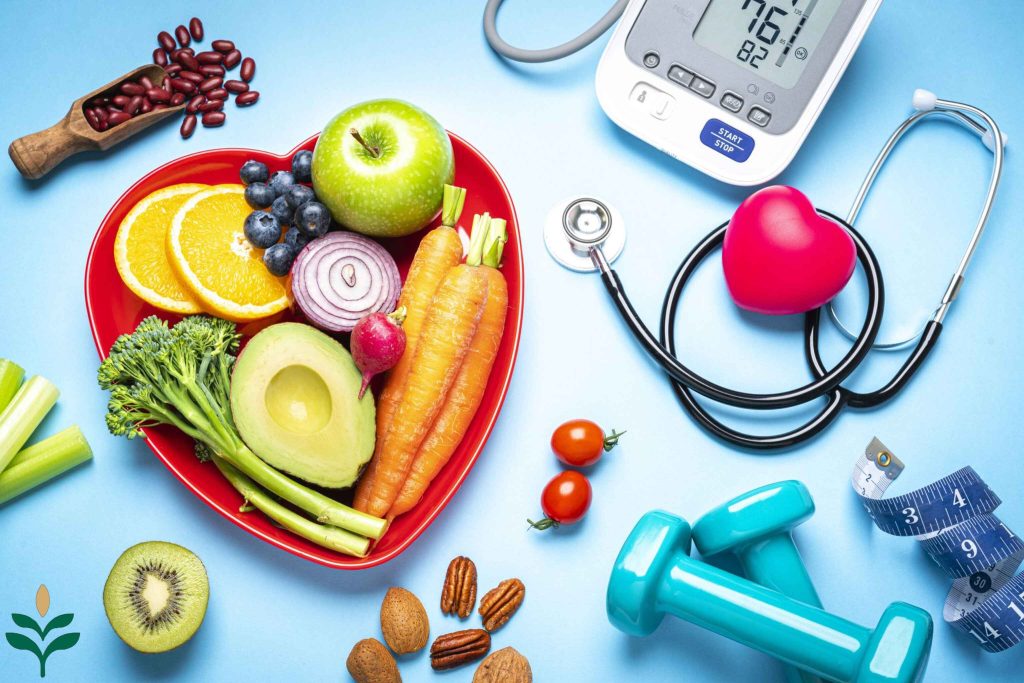
Genes affect obesity or thinness, so weight management is considered important in people who have obesity genes. The possibility of weight gain is more when there is plenty of food and when using equipment and vehicles to save time and energy. Abundant food and lifestyle can make the process of preventing weight gain very difficult, but it is also possible to manage your weight through food choices and physical activity.
what is weight management
First of all, we need to answer the question, what is the “definition of weight management”? Weight management refers to long-term lifestyle decisions to achieve and maintain a healthy body weight, based on a person’s age, sex, and height. These decisions involve a combination of dietary changes and increased physical activity levels with the goal of achieving a balance between a person’s caloric intake and energy expenditure. Effective weight control behavior is likely to focus on balanced eating, activity, and stress reduction techniques included to ensure long-term results. The underlying premise of weight control is the energy balance concept wherein one seeks a neutral or negative energy balance for weight loss or weight stability, and is individually specific.
Basic concepts about weight management
Obesity and overweight
the definition of obesity is different depending on different people. In general, overweight and obesity indicate a weight greater than a healthy weight. Obesity is a chronic disease defined by excess body fat and lack of weight management. Although a certain amount of body fat is necessary for energy storage, shock absorption, and other functions, excess body fat is considered obesity.
Body Mass Index (BMI) is the best parameter for defining obesity, which is determined based on a person’s height and weight. BMI is equal to a person’s weight in kilograms divided by the square of their height in meters. Because BMI describes body weight relative to height, it is highly correlated with total body fat content and weight management in adults. The corresponding numbers are as follows:
| Normal | 18.5 to 24.9 |
| Overweight | 25 to 29.9 |
| Fat | Over 30 |
| Morbid obesity | Over 40 |
Thinness and lack of weight
It is said that a person has about 15-20% less weight compared to his peers and those who have the same height as him. Underweight can sometimes be dangerous if it falls far below the prescribed limits. This complication of not managing weight may be caused by several reasons such as genetics, improper nutrition, systemic diseases, psychological reasons, anemia or type 1 diabetes. A BMI below 18 for adults is generally considered underweight.
Facts about weight management
A lifestyle that combines sensible eating with regular physical activity is the key to good health. In order for adults to be at their best, they need to avoid being overweight. Many people need to lose weight and some are underweight. Being overweight or obese increases a person’s risk of high blood pressure, heart disease, stroke, diabetes, certain types of cancer, arthritis, and respiratory problems. Having a weight in a healthy range and being able to manage your weight is the main factor for a long and quality life along with health.
How can people use their BMI to assess their body?
Different methods are used to know whether the weight of adults and children is approximately appropriate for their height. Adults should know their BMI well. Of course, not all adults with a BMI in the “healthy” range are in the healthiest state of weight management.
- Some may have a lot of fat and little muscle.
- The higher a person’s BMI is above the healthy range, the greater the risks associated with being overweight. In this case, the person may find a suitable condition by losing weight.
- A BMI slightly below the healthy range can still be healthy; Unless this deficiency is due to illness.
There is no exact body size for children, so we cannot talk about weight management definitively. However, many children today are overweight. If people are concerned about their child’s body size, it’s best to talk to a healthcare professional. In this case, you can regularly measure your or your child’s weight and waist circumference and take the necessary measures if any of them increase.
If a person’s BMI is greater than 25, they should avoid gaining more weight. In middle-aged or elderly people, if the waist size increases, the person is probably increasing fat and losing muscle; In this case, it is necessary to take measures to reduce the volume of your food, manage your weight and be more active.
How should people assess their weight?
- Calculate your weight and height and determine your BMI category. The higher the BMI category, the more at risk your health is.
- Measure the waist circumference in a standing position. If your pelvic bones measure more than 89 cm for women or 102 cm for men, you probably have excess belly fat. This extra fat may put a person at greater risk for health problems; Even if the BMI is almost ideal; So it is necessary to take weight management seriously.
Other factors
- Is there a personal or family history of heart disease?
- Is an individual man older than 45 or a menopausal woman?
- Does the person smoke?
- Does the person have a sedentary lifestyle and lack of weight management?
- Does the person have high blood pressure, abnormal blood lipids (high LDL cholesterol, low HDL cholesterol, high triglycerides) or diabetes?
What factors are useful for weight management?
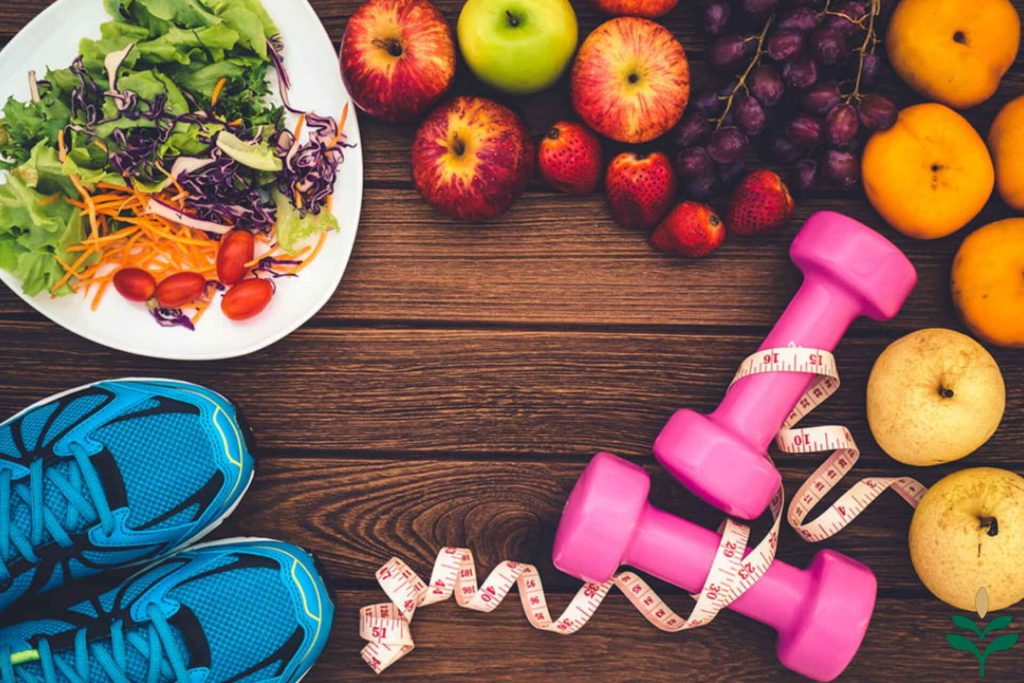
While some diet programs may be effective for weight loss and weight management, these programs will only be successful if long-term changes are made in a person’s eating habits; Therefore, instead of following a restricted diet that will be impossible or difficult to maintain forever, it is better to rethink your eating habits in order to maintain a healthy weight in addition to losing weight. To facilitate weight management, it is important to make long-term changes in eating behavior and physical activity. Here are some tips to do this:
- Build a healthy belief and make sensible choices to achieve weight management.
- Choose a healthy variety of foods that include vegetables, fruits, grains (especially whole grains), fat-free milk, and fish, lean meat, poultry, or beans.
- Most of the time, choose foods that are low in fat and do not have added sugar.
- Eating vegetables, fruits and grains helps a person feel full, achieve health and manage their weight.
- To manage weight, try to eat a reasonable meal.
- Try to be more active during the day.
- To maintain a healthy weight after losing weight, adults should do at least 45 minutes of moderate physical activity daily (at least 60 minutes a day for children).
- Over time, even a small decrease in calorie intake and a small increase in physical activity can prevent weight gain or help you lose weight.
- If you fail to maintain this practice for a while, never despair and do it again. Don’t let this derail your healthy eating plan, but own up to your mistake and continue to make good weight management choices as much as possible.
How do people successfully maintain their weight?
Weight management requires long-term changes. No matter how successful the diet is. If a person goes back to their pre-diet eating habits, the extra weight will come back. As mentioned above, a “no-diet” approach to healthy eating based on modifying eating habits has a higher chance of success than following a very restrictive diet for a short period of time.
What are the benefits of weight loss?
Being overweight carries health risks, and obesity (usually defined as having a body mass index, or BMI, above 30) is even more dangerous. Some of the health risks associated with obesity and poor weight management include:
- Type 2 diabetes and insulin resistance: Insulin resistance means that the pancreas has to produce an increasing amount of insulin so that glucose enters the cells and is used for metabolism. Because fat cells are more resistant to insulin than muscle cells, people who lack weight management tend to produce more insulin to keep blood glucose levels stable. When the pancreas can no longer meet this increased demand, blood glucose levels rise, leading to type 2 diabetes.
- Cancers: Obesity is associated with an increased risk of certain cancers, including colon cancer, prostate cancer, endometrial cancer (cancer of the lining of the uterus), gallbladder cancer, and breast cancer in postmenopausal women.
- Heart attack and stroke.
- Blood pressure.
- Arthritis: Osteoarthritis (OA) is a type of arthritis that is associated with fracture and eventual loss of cartilage in one or more joints. Cartilage is a protein material that acts as a “cushion” between the bones of the joints. Among more than 100 different types of arthritis, osteoarthritis is the most common joint disease.
- Gout: Gout is a type of arthritis that causes sudden joint inflammation, usually in one joint. Severe gout can sometimes affect many joints at once. This condition is known as multi-articular gout.
- Sleep apnea and other breathing problems, including increased susceptibility to respiratory infections and asthma.
- Heart failure: the inability or failure of the heart to meet the needs of organs and tissues for oxygen and nutrients. In this decrease in cardiac output, the amount of blood pumped by the heart is not enough to circulate the blood that returns to the heart from the body and lungs, and causes fluid (mainly water) to leak from the capillary blood vessels. This condition leads to symptoms in people who are managing weight, which may include shortness of breath, weakness, and swelling.
- Gallbladder stones.
- Stillbirth and pregnancy blood pressure.
- Increased risk of post-surgical infection and other surgical complications.
- Infertility.
- Varicose veins.
- Esophagitis reflex: Esophagitis describes inflammation of the esophagus. The esophagus is the tube that connects the throat to the stomach. Esophagitis can be caused by infection, irritation of the esophagus or inflammation of the lining of the esophagus. Losing weight and maintaining a normal body weight can reduce many of these risks.
Weight loss challenges: Why can’t we lose weight?
- Too much or too little sleep: Lack of sleep may contribute to the obesity epidemic. The reason for this can be related to hormones. Hormones related to appetite and calorie burning—leptin and ghrelin—are affected by sleep patterns; Therefore, people who sleep less feel tired, and this makes exercise less and weight management more difficult. For any reason, if you are having trouble losing weight, sleep hygiene may be one of the factors that should be taken into account.
- Over-reliance on water: Drinking water is good for your body, but drinking more water than you need will be a magic trick for weight management; Especially drinking eight or more glasses a day. However, there is little evidence to support this. Drinking water—either cold or room temperature—appears to burn only a small number of calories; Therefore, relying on this plan for weight loss will not be very effective. On the other hand, people sometimes eat instead when they are really hungry; So it’s not a bad idea to quench your thirst before starting the meal. It is also better to drink a glass of water instead of drinking soda or caramel latte; Because any drink containing calories will affect your diet, but with water there is no need to worry.
- Very small meals: You may have heard that eating lots of small meals throughout the day will make you feel full without extra calories, but there is no scientific evidence to support this. Not only is preparing small and frequent meals problematic for you, it can also be counterproductive for weight management and cause you to eat more; Because once you start eating, it’s hard to stop. It is important to have a balanced diet with the right number of calories.
- High use of restaurant food: If you have a busy life or are not interested in cooking, you will actually eat according to the taste of restaurants and you will face the problem of weight management. Even foods advertised as “light” can have more calories than what you cook yourself. Many restaurants, especially smaller establishments, don’t give you their nutritional information so you can see what you’re actually eating. There is even evidence to show that people who dine out at restaurants weigh an average of 2kg more than those who dine at home.
- Sitting in a chair all day: Does this picture represent you? You get in the car to go to work, then drive to the office where you work most of the day. When you get home, you’re exhausted and you just want to sit back and maybe watch some TV. All that sitting means your body isn’t moving the way it should be for health and weight management. Studies have shown that people who spend more time sitting are more overweight, but some studies say that more weight makes people tend to sit more.
- Eating snacks when you’re stressed: When you’re stressed, eating is an attempt to fill an emotional void in your life. This often means snacking on high-calorie foods that lead to weight gain. Studies show that there is a significant relationship between waist size and high body mass index (BMI) with long-term stress symptoms. In this situation, exercise can be a great way to reduce stress and also manage weight. On the other hand, relaxation techniques such as meditation, yoga, deep breathing, and massage can bring relaxation to your life without the need for calories.
- Lack of meal eating plan: Ready meals are tempting for any busy adult, and most of us fall into this category. When your family and career take up all of your time and attention, it’s easy to overeat. Worse are fast foods that have little fiber. Fiber is a key nutrient that keeps you fuller for longer. The solution is to plan ahead for weight management. Start by making comfort foods ahead of time. Look for easy, high-fiber options like beans and salads. As you follow this rule more, your waist size will decrease as well as your food expenses.
- Thyroid problems: Sometimes weight gain is related to hypothyroidism. Hypothyroidism occurs when the thyroid gland produces too little thyroid hormone. This disease is more common in women. Symptoms of hypothyroidism can be subtle and may include a slow heart rate, thinning hair, puffy face, hoarse voice, fatigue, depression, muscle pain, and feeling cold when others don’t. This disease is treated with medicine.
- During pregnancy: Women gain weight during pregnancy and weight management will be very difficult for them. A healthy pregnant woman is expected to gain about 11 to 16 kg. If you are overweight or obese, these numbers should be lower. If you are overweight during pregnancy, try to walk after eating. Eat fresh, whole foods like lean proteins, whole grains, fruits, and vegetables that are good for both you and your baby. Also, there are many exercises that are useful for pregnant mothers, and of course some of them should be avoided; So, talk to your doctor before starting a new routine.
- Medicines can cause weight gain: sometimes prescription drugs to treat a disease have side effects; For example, steroids can hinder weight loss and management; Because they disrupt the body’s metabolism and make you feel hungrier. Antihistamines are another factor. This class of drugs may also increase appetite.
- Menopause and weight gain: Menopause and the resulting hormonal changes affect women’s bodies in many ways, and one of these aspects is the increase in fat accumulated in women’s bodies and lack of weight management. Menopause slows down the metabolism; This means that women gain an average of 4 kg during this period. Menopause also changes the way body fat is distributed. During this period, fat is stored more around the abdomen, and this has consequences for cardiovascular health, but does menopause mean that you are doomed to gain weight? no Diet and exercise can still help maintain a healthy weight or lose weight.
- Relying on weights: You can build muscle by doing resistance training, but if your weight loss and management strategy relies on weights, you may be a little disappointed. There are basically two types of sports. One of them is aerobic and includes activities that are designed to keep the heart rate up for a longer period of time; Such as cycling, walking, rowing, running and jumping rope. The other is anaerobic, where you exercise at a high intensity for a short period of time, getting your heart rate up. These activities make your body perform better in short periods and include weight lifting. Studies show that aerobic exercise works better for fat burning and weight management. They keep your heart rate up for longer, which leads to more energy being burned, which equals weight loss. Anaerobic exercise is also beneficial, but not as much as aerobic exercise.
- Don’t be fooled by fake health foods: Sometimes unhealthy foods appear under the guise of healthy ingredients. You need to be able to identify materials like Juices and Smoothies: Just because it’s made from fruits and vegetables doesn’t make it healthy. These apparently healthy foods eliminate one of the biggest benefits of fruits and vegetables, namely fiber, and most of the time, they are left with a lot of sugar. Smoothies may also contain ice cream or full-fat yogurt, so check the ingredients list carefully and Protein snacks and granola bars: Generally, these items often have as much sugar as candy.
Easy methods of weight loss and management
Use a timer to remind you of meals: Slowing down eating is a good habit for those concerned about overeating and weight management. Many people find it helpful to set a timer and extend the meal for a certain amount of time, such as 20 minutes per meal. Doing this helps release hormones that tell your body you’re full. You can also learn to taste and enjoy food, which can be helpful.
More sleep helps in weight loss: Research has shown that sleep can be beneficial for weight loss and management, and on the other hand, lack of sleep can increase appetite and overeating.
Eat more vegetables: Try to serve a variety of vegetables instead of just one type of vegetable in your meal. Having a variety of choices means you might eat more of them. Meanwhile, eating more vegetables is one step closer to weight management. Vegetables contain water and fiber that fill you up with fewer calories. Just make sure you prepare and serve the vegetables without added sources of fat, such as butter sauces or high-fat sauces.
Fill in the calorie void with soup: Soup is a great choice both as an appetizer and as a main course. At the beginning of the meal, a broth-based soup (avoid creamy soups!) can slow down your eating and make you full faster; Weight management will be easier. You can start an easy soup with low-salt broth. Also, add your desired vegetables and protein to it and boil until the vegetables are soft.
Choose whole grains: Eating whole grains whenever possible is another weight management strategy. Whole grains include brown rice, barley, oats, buckwheat, and whole wheat. Substituting whole grains whenever possible can help you feel full faster. These healthy carbohydrates can be found in many convenience foods such as waffles, English muffins, and pasta.
Display your skimpy clothes: Hanging a ‘skimpy’ outfit where you can see it will help you stay focused on your weight loss and management goals. Do not be unreasonable and do not choose a dress that is too small. Choose something that you can wear after only a short time of eating healthy. Once this goal is achieved, choose your next “goal” outfit.
Skip the bacon: This ingredient is also found in sandwiches and salads and can easily be skipped. Regardless of two slices of bacon in breakfast or in a sandwich, it will save you about 100 calories. Doing this every day can mean weight management for a year. There are many healthy sandwich and salad ingredients that can be substituted without the fat or calories. Roasted peppers, tomatoes, mustard and banana peppers are just a few examples.
Make a healthier pizza: Replacing slices of meat with vegetables can save you up to 100 calories per meal. You can also use lighter or lower-fat cheese for weight management.
Cut down on sugary drinks: If you want to be successful in weight management, ban soda for yourself. If you replace regular soda with water, you’ll get about 10 teaspoons less sugar. You can add citrus or mint to cold or plain water for flavor.
Drink smart with a thin and tall glass: Choose a tall and thin glass instead of a short and wide one. This visual cue can trick you into drinking 25-30% less. Research has shown that people unconsciously pour more volume into a short, wide glass than into a tall glass.
Drink green tea: Some studies have shown that green tea can increase the body’s metabolism, possibly through the action of plant chemicals called catechins. In any case, green tea (unsweetened) is a healthy and refreshing drink that is low in calories and good for weight management.
Practice yoga for mindful eating: A study in the Journal of the American Dietetic Association found that women who practice yoga weigh less. Researchers believe this is due to the level of self-awareness and mindfulness that yoga practitioners develop (see Porfiro’s Conscious Eating article). Those who practice yoga may pay more attention to their body’s signals, such as eating until they feel full.
Eat home-cooked meals: People who are successful in weight management often eat home-cooked meals. Try to eat home-cooked meals at least five times a week. Grilled salmon or pre-seasoned chicken, greens, pre-made salads and canned beans are good foods that can help cut down on meal prep time.
Chew strong mint-flavored gum: Cooking dinner after work, attending a party, watching TV, or surfing the Internet are major risks for sudden snacking. Chewing strong flavored sugar-free gum can help overpower the taste of other foods and make them tasteless. This can be a useful strategy to prevent mindless eating and manage weight.
Use smaller plates: Studies show that more food is consumed when larger dishes are used. Try to start with the salad plate to serve the main course. With this method, between 100 and 200 calories are saved per day. This amount is about 4 to 8 kilos of weight loss per year.
Know the size of your food: People who are underweight are good at controlling their food size. Always try to take moderate portions of every food you eat. If you start measuring the amount of food, you will soon recognize the right amount. Keeping utensils away from the table during meals can be a useful way to manage weight.
Use the 80-20 Rule: Okinawans have an interesting rule called Hara Hachi Bo. They eat up to 80% and then stop. In contrast, Americans tend to eat until they feel full. You can practice this rule by eating 20% less food. Studies have shown that people don’t even lose that amount.
Choose a tomato-based sauce: Be careful about the sauce you choose to pour over your pasta. Choosing tomato sauce instead of Alfredo sauce is a wise choice. In general, tomato sauces have less calories and fat compared to cream sauces.
Eat more plant-based meals: Choose plant-based foods for weight management. Vegetarians tend to weigh less than those who eat meat products. The cause may be related to the consumption of fiber in foods containing legumes such as bean burgers and lentil soup. Fiber fills you up with relatively few calories.
Burn an extra 100 calories a day: Even if your eating habits don’t change, burning an extra 100 calories a day can lead to a weight loss of 4.5 kilos over a year. The number of calories burned depends on your weight. Some good activities that burn around 100 calories are:
- 10 minutes of light running
- 20 minutes walk
- 30 minutes of house cleaning
Celebrate!
Celebrate your successful weight loss management changes. Whenever you complete a new step in your weight management program, give yourself a small (non-food!) reward, such as time with a friend or a pedicure. Reward yourself for making a slimming lifestyle change without a complicated or restrictive diet plan.
Tips for eating out
Follow these tips at restaurants to keep portion sizes and calorie counts under control for weight management:
- Share large meals with a friend and be sure to order a salad to fill your stomach with vegetables.
- Order an appetizer or kid’s plate as a meal.
- Before starting the meal, pour half of your meal into another container and take it home with you.
What are the problems associated with being underweight?
Obesity (underweight, often defined as having a BMI of less than 18.5) can occur with anorexia nervosa, other eating disorders, or loss of appetite. Many chronic diseases, cancers and infections can also lead to weight loss. Underweight is associated with menstrual irregularities (which can lead to infertility) and osteoporosis in women, and an increased risk of early death in both men and women.
Many people, especially women, worry about their weight, even when their weight is actually within the normal range.
Excessive concern about weight may lead to unhealthy behaviors such as excessive exercise, self-induced vomiting, and abuse of laxatives or other medications. These actions only make weight anxiety worse. Unexplained weight loss is sometimes an early sign of a health problem. If a person experiences sudden weight loss for unknown reasons, they should see a doctor to determine if it is due to a medical condition.
It is important to have medical supervision when trying to regain a significant amount of weight. Just as weight loss involves taking in fewer calories compared to calories burned through daily activities, weight gain also involves consuming more calories than needed to maintain body functions and activities.
Even those trying to get extra calories should pay attention to the nutritional content of their meals and limit high-fat foods, refined sugars, and other unhealthy food choices. Some experts also recommend weight training or other exercises to promote muscle growth while trying to gain and manage weight. If a person needs to gain weight, the doctor can help to do this in the best way by using a diet and exercise plan.
For those who are severely underweight and trying to gain weight, a condition called “refeeding” syndrome may occur as a complication of trying to regain weight in a short period of time. This syndrome is characterized by a number of metabolic abnormalities and imbalances in electrolyte levels that may lead to serious or even fatal complications.
Refeeding syndrome often occurs in people who are severely underweight, such as those suffering from severe anorexia nervosa (those below 75% of their normal body weight). Sometimes severe underweight requires hospitalization in the initial weight gain phase to control the overall nutritional and metabolic status of the person. Finally, it is necessary to observe moderation in all activities, even eating or not eating and weight management, and according to Saadi Shirazi:
Keep your limits, for moderation is commendable
It deserves both an enemy and a friend
10041



Ernestopro.com offers an excellent approach to weight management by providing practical and tailored solutions that fit individual needs. Their resources and guidance support sustained healthy habits, making it easier to maintain an ideal weight and enhance overall well-being. I highly recommend ernestopro.com for anyone seeking effective tools and expert advice on achieving and managing their weight goals.