


Diet and Breast Cancer: 10 Causes and 12 Foods That Help Reduce the Risk
General Information- 1Symptoms of Breast Cancer
- 2Is Breast Cancer Painful?
- 3Causes of Breast Cancer
- 4Stages of Breast Cancer Development
- 5Breast Cancer Risk Factors
- 6Types of Breast Cancer
- 7Breast cancer diagnosis
- Examination of the breasts
- Several imaging techniques
- 8Breast Cancer Treatment
- Surgical intervention
- Radiation therapy
- Chemotherapeutic treatments
- Hormone blocking treatment
- Biologic Treatment
- 9Breast Cancer Prevention
- 10Breast Cancer Screening
- 11Survival Rate from Breast Cancer
- 12Foods for breast cancer prevention
- Foods That Might Help Lower the Risk of Breast Cancer
- Foods and drinks to limit or avoid
- 13Other lifestyle considerations
- 14Breast cancer diet
- 15Helpful Foods When You Have Breast Cancer
- 16Guide to Diet for Breast Cancer Patients
- Phytochemicals
- 17Types of diets suitable for breast cancer
- 18Tips for healthy eating when breast cancer symptoms appear
Breast cancer, being a highly aggressive neoplasm, presents with numerous gene mutations as its root cause, injuries to an individual’s DNA. Screening and treatment modalities for breast cancer have improved survival rates considerably. Overall, breast cancer incidence decreased by about 40 percent from 1989 to 2017. However, findings released in 2019 suggest that the incidence rates of breast cancer may now be leveling off among women aged 20 to 39 years in the United States, the American Cancer Society (ACS) points out:
- More than 3.8 million breast cancer survivors exist in the United States.
- A death rate from breast cancer is approximately 1 in 38 (2.6%).
In Iran, depending on the urban area, breast cancer incidence can be anything between 15 and 36.6 per 100,000. This rate also varies from about 18.1, 19.1, and 19.7 in the west, north, and east of Iran to about 29.3 and 29.7 in the south and center.
Recognition of symptoms and the importance of screening does much to reduce mortality. Very rarely can breast cancer also develop in men. This article, however, largely focuses on breast cancer in females.
Just like in all other Porfiro Health articles, the information shared in this article is purely for awareness, and any sort of diagnostic procedure, treatment, medication application, or changes to lifestyle must be attended by a professional specialist physician.
Symptoms of Breast Cancer
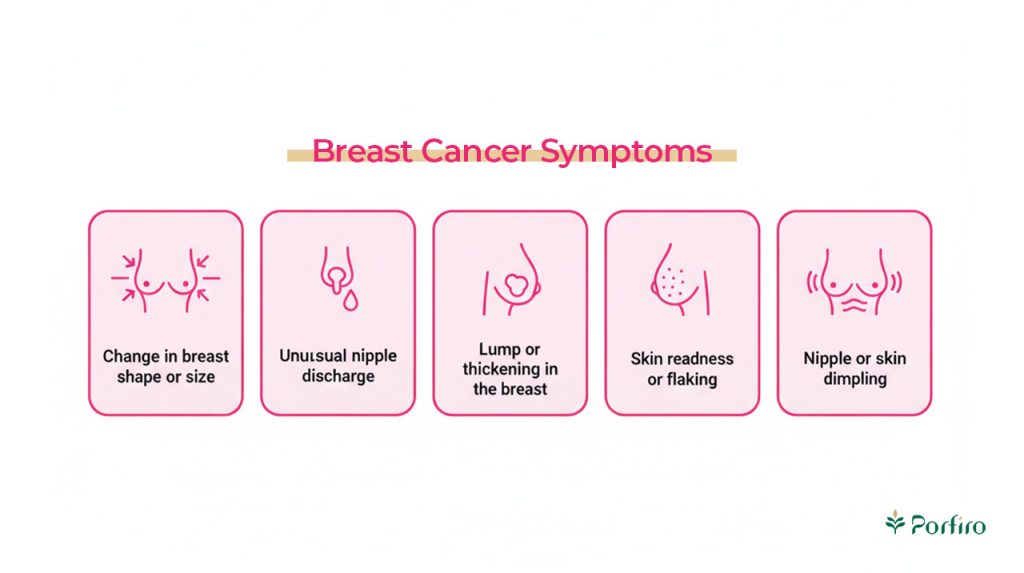
The first and foremost sign of breast cancer usually is the formation of thickened tissue in the breast or in the underarm area. Other symptoms might include:
- Pain in the underarm or breast, unrelated to the monthly cycle, or
- Dimpling on the surface of the skin-the same as an orange peel skin, or redness on the breast skin
- Rashes around the nipple or on the nipple itself
- Nipple discharge, sometimes bloody
- Inversion or retraction of the nipple
- Increase or decrease in breast size or change in shape
- Peeling or scaling of the skin in the breast or nipple
Most lumps are not cancerous; however, anyone who finds a lump should get it checked at least once.
Is Breast Cancer Painful?
One of the earliest indicators of breast cancer is sometimes a lump in the breast. Often, these tumors cause no pain. A person might notice breast or nipple discomfort that appears to follow their menstrual cycle. Usually progressive, breast cancer pain is brought on. Anyone with breast discomfort, particularly if it is intense or chronic, should see a medical practitioner.
Causes of Breast Cancer
A woman’s breasts consist of fatty tissue along with connective tissue and multiple milk-producing lobes after reaching puberty. A small gland produces milk when it forms in a woman’s chest. The milk flows through narrow ducts which lead to the nipple. DNA mutations and genetic damage become the root causes of breast cancer development. Exposure to estrogen alongside inherited genetic defects or cancer-causing genes like BRCA1 and BRCA2 lead to these changes. A person with good health benefits from their immune system which destroys any abnormal DNA together with growth.
Cancer patients experience the absence of this defense mechanism. The breast tissue starts to grow uncontrollably while failing to complete its normal cell death process. The fast-growing cells develop into a mass which disrupts vital resources for cells in the surrounding area. The origin of breast cancer typically occurs within the milk ducts’ inner lining and milk-producing lobules before it extends to distant parts of the body.
Stages of Breast Cancer Development
The physician stages the cancer according on the size of the tumor and its degree of spread to lymph nodes or other body areas. Staging breast cancer comes in several varieties. With subcategories inside each level, one typical approach is stages 0 through 4. The major phases are described below: Substages might point to certain tumor characteristics, including HER2 receptor level.
- Stage 0: Called ductal carcinoma in situ as well, occurs when the cancer cells are contained within the ducts and have not spread to nearby tissues.
- Stage 1: The tumor is 2 centimeters in size at this stage. It has either not attacked lymph nodes or there are minute groupings of malignant cells in those.
- Stage 2: Measuring between 2 and 5 centimeters without lymph node involvement, stage 2 tumors 2 centimeters broad has started extending to adjacent lymph nodes.
- Stage 3: Either the tumor is over 5 centimeters and has spread to several lymph nodes or it is up to 5 centimeters and has invaded many lymph nodes.
- Stage 4: Usually involving bones, liver, brain, or lungs, cancer has spread to far-off organs.
Breast Cancer Risk Factors
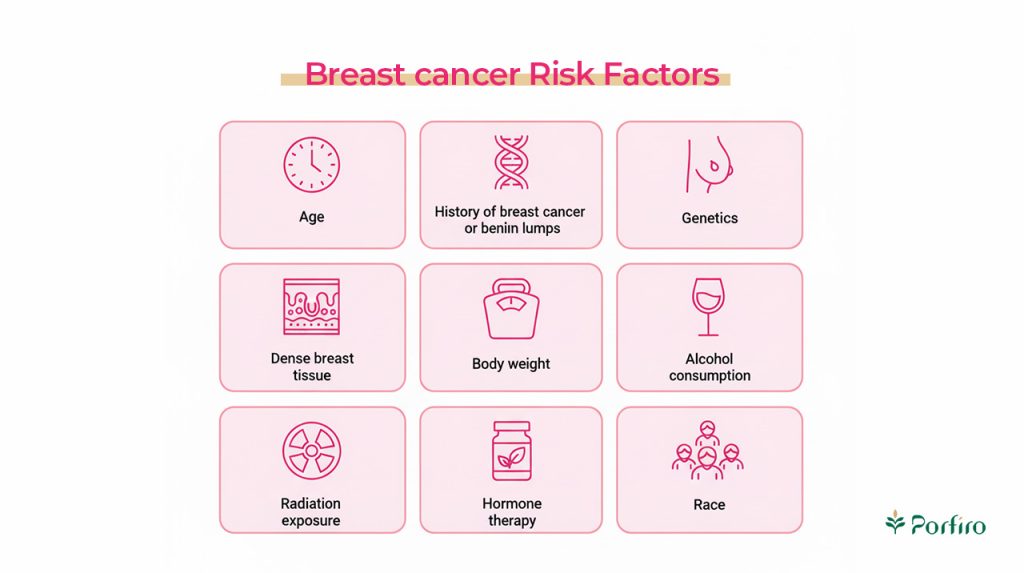
The following elements raise one’s risk of getting breast cancer; some of them could be avoided:
- Age: Breast cancer risk increases with age. The likelihood of getting breast cancer in the following ten years is 0. 06% at 20. By age 70, this number climbs to 3. 84%.
- Genetics: Those with particular BRCA1 and BRCA2 gene mutations run a greater chance of getting either ovarian cancer or breast cancer. These genes come from inheritance. An elevated breast cancer risk has also been related to mutations in the TP53 gene. You have greater risk if a close relative has had or now has breast cancer. Individuals with a family history of breast, ovarian, fallopian tube, or peritoneal cancer are now advised to undergo genetic testing. The rules further say that if the family history includes BRCA1 or BRCA2 gene mutations, screening is warranted.
- Breast cancer recurring in someone who has had breast cancer: a person with a history of breast cancer is more likely to get it again than someone without such a background. In addition, your future breast cancer risk is increased if you have specific kinds of non-cancerous breast lumps. Examples include lobular carcinoma in situ or atypical ductal hyperplasia. People with a history of breast, ovarian, fallopian tube, or peritoneal cancer should see their doctor regarding genetic testing.
- Detecting breast cancer more strongly correlates with dense breast tissue.
- Long-term exposure to estrogen seems to raise breast cancer risk. Early onset of menstruation or late menopause, when estrogen levels are greater, can also be this exposure. Especially for more than one year, breastfeeding appears to lower breast cancer risk. Declining estrogen exposure after pregnancy and nursing could explain this.
- Body Weight: Higher levels of oestrogen may make obesity after menopause raise the likelihood of breast cancer. Another possible contributor is high sugar consumption.
- Alcohol intake: Development of breast cancer seems to be influenced by regular use of large quantities of alcohol. Studies repeatedly reveal that women who drink alcohol have a greater risk of breast cancer than those who do not, according to the National Cancer Institute (NCI).
- Receiving radiation therapy for different malignancies may raise the likelihood of breast cancer later in life.
- Research have found that oral contraceptives may marginally raise the risk of breast cancer. Especially combined estrogen-progesterone treatment, hormone replacement therapy is also connected with an increased risk.
- Race: According to the Centers for Disease Control and Prevention (CDC), Black women’s breast cancer death rates are almost 40% more than those of White women. Among all groups, studies indicate that African-American women have the highest breast cancer death risk. The causes are probably both socioeconomic and biological. For instance, a study from 2021 found that aggressive breast tumors may be more common among Black women. Other studies suggest elements including lower socioeconomic level helping to explain racial differences in cancer outcomes.
Types of Breast Cancer
There are varieties of breast cancer. The most common form is ductal carcinoma, which begins in a milk duct. Another is lobular carcinoma, beginning in a lobule, a small gland that makes milk. “Invasive” breast cancer means that cancer cells have spread into nearby tissue. This raises the risk that the cancer will spread to other parts of the body. “Non-invasive” breast cancer does not leave the spot where it began. These cells might ultimately become invasive.
Breast cancer diagnosis
Regular screening or when a patient presents symptoms will often lead a doctor to diagnose breast cancer. The tests and procedures that might assist a doctor to diagnose and corroborate it are described below.
Examination of the breasts
seeks to discover any tumors or other possible indications of cancer. The individual could have to sit or stand and hold their arms in various postures during the exam, either overhead or at their sides.
Several imaging techniques
enable detection of breast cancer, include:
- Mammography: These are X-rays that doctors use to screen for breast cancer in its early stages. It creates images that can show lumps or other abnormalities. If there’s any sign that something might be wrong, the doctor typically recommends additional tests.
- Ultrasound: This test uses sound waves to assist the doctor in determining whether a mass is solid or fluid-filled.
- MRI: Several breast images are added together to help the doctor spot cancer or other issues. An MRI may be recommended by a doctor as a follow-up to mammography or ultrasound. Doctors also may use MRI to screen women at higher risk for breast cancer.
- Biopsy: A procedure in which a sample of tissue is removed for examination under a microscope in a laboratory. The results show whether the cells are cancerous and, if cancerous, what type of cancer has formed. The results also can indicate whether the cancer is sensitive to hormones. The doctor will then stage the cancer to find out:
- The size of the tumor
- How far it has spread
- Either invasively or non-invasively
This estimation can be used together with other data to estimate prognosis and optimal treatment decision.
Breast Cancer Treatment
The most effective approach depends on various factors, including:
- The type and stage of cancer
- Hormone sensitivity
- Age, overall health, and individual preferences
The main treatment options include:
- Radiation therapy
- Surgery
- Biological or targeted drug therapy
- Hormone therapy
- Chemotherapy
Surgical intervention
If surgical intervention is an option, then one of the best and most effective methods, and what type of surgery will be based on the diagnosis, and choices of the individual. Types of surgery include:
- Lumpectomy: This is a form of surgical intervention which includes surgically removing the tumor and some normal tissue surrounding the mass of healthy tissue. A lumpectomy, if determined that it is helpful in a prevention model. If the tumor is small, and the tissue surrounding it, separates readily from the tumor, this forms an option to treat breast cancer.
- Mastectomy: A simple or uncomplicated mastectomy is to surgically remove the lobules, ducts and fatty tissue, along with the nipple, areola and also a portion of skin. In some of the mastectomy options, the surgeon also removes lymph nodes and/or any chest wall muscles.
- Sentinel Lymphnode Biopsy: Once breast cancer has reached the sentinel lymph nodes. These are the first nodes it can spread. When the cancer gets past these initial nodes, it can, through the lymphatic system, spread to other parts of the human body system. If the doctor does not detect cancer in the sentinel nodes, there is usually no need or option to remove other nodes.
- Axillary Lymph Node Dissection: If the sentinel nodes contain cancer cells or malignant tumors, the doctor may recommend the removal of a few of the lymph nodes (5-10) under the arm. An option which may assist in preventing the cancer from spreading.
- Reconstruction: A surgeon may reconstruct the breast site after the mastectomy surgery in an effort to provide a more natural appearance. They may use a breast implant or tissue from another part of the body.
Radiation therapy
Around one month following surgery, a person could have radiation therapy. This therapy uses carefully calibrated radiation beams targeted at the tumor to eliminate any residual cancer cells.
Chemotherapeutic treatments
The doctor could prescribe cytotoxic chemotherapy medications to eliminate cancer cells if there is a considerable likelihood of recurrence or dissemination. Doctors refer to adjuvant chemotherapy when a patient gets chemotherapy following surgery. Sometimes, the doctor could advise chemotherapy prior to surgery to reduce the tumor and simplify excision. This approach of chemotherapy is known as neoadjuvant.
Hormone blocking treatment
Once treatment is complete, your doctor will likely prescribe hormone blocker medication to reduce the risk of hormone-sensitive breast cancer coming back. Hormone blocker therapy can be used to treat progesterone receptor-positive and estrogen receptor-positive tumors. Although this can also be given prior to surgery to decrease the size of the tumor, doctors usually will offer it after surgery. In those patients who are not suitable for surgery, chemotherapy, or radiation, the hormone blocking medication may be the only option available to them. Hormone blocking medications include:
- Tamoxifen
- Aromatase blockers
- Ovarian suppression or ablation
- Goserelin
This kind of treatment may affect your fertility.
Biologic Treatment
Targeted medications can kill particular types of breast cancer. These include:
- Trastuzumab (Herceptin)
- Lapatinib (Tykerb)
- Bevacizumab (Avastin)
Treatment for breast and other cancers can have its own side effects. If you choose certain treatment, discuss the risks and choices in treatment with your doctor to reduce the number of side effects your experience.
Breast Cancer Prevention
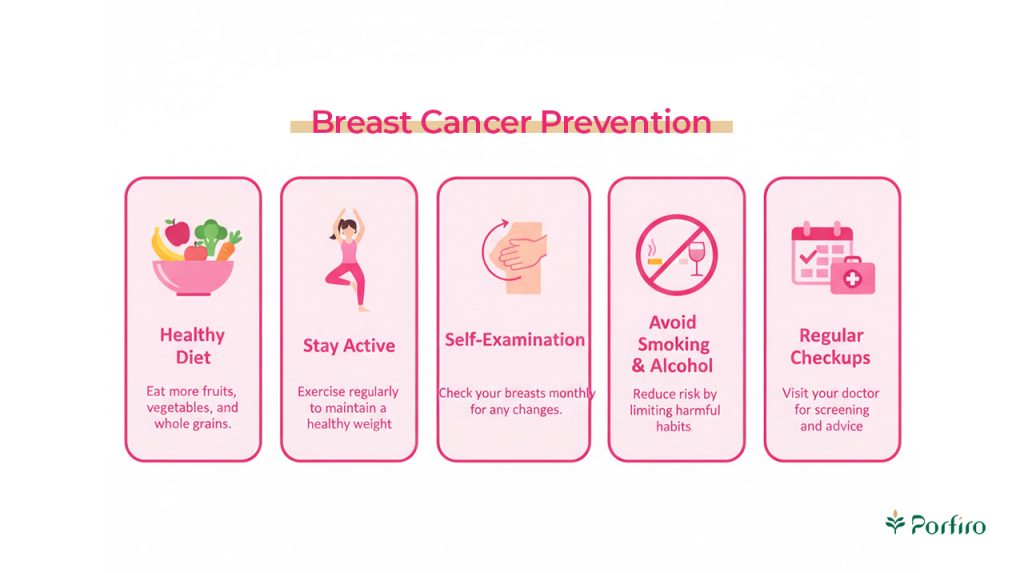
There is no guaranteed way to prevent breast cancer. But there are things a person can do to greatly minimize his or her risk. These steps include:
- Alcohol restrictions for consumers who drink
- Eating a healthy diet, that include fresh product of the soil
- Getting enough exercise
- A lean body mass index (BMI) and a moderate BMI
Anyone who is thinking about hormone replacement therapy after menopause should speak to a healthcare professional about this. Preventative surgery is also available for those at high risk of breast cancer.
Breast Cancer Screening
There are different recommendations from specialists on how often to screen for breast cancer. The American College of Physicians states that women 40 to 49 years old at average risk of breast cancer should review the benefits and harms of screening with their physician. They recommend screening women at average risk aged 50 to 74 years every 2 years. Women aged 75 years and older should continue to participate in screening if they are expected to live at least 10 more years. The American Cancer Society (ACS) recommends that women at average risk have the choice to start annual screening starting at 40.
Annual regular screening is suggested starting at 45 years of age, and at 55 years of age, the woman should be able to choose whether to change screening to every other year. The American College of Radiology suggested starting yearly screening at age 40. While they differ on what ages screenings should begin and how often they should be performed, most experts would agree that women should discuss breast cancer screening with their doctors starting at age 40.
Survival Rate from Breast Cancer
The survival rate shows the life expectancy of a breast cancer patient as opposed to someone who is not affected by the disease. According to NCI, currently, almost 90% of women with breast cancer have a probability of surviving not less than five years from the diagnosis point. It should be remembered that survival rates are employed by researchers to measure large quantities of people and to disregard any deaths from other causes. Besides, they have fewer survival rates to predict a person’s future. Each of the persons might or might not react to a particular treatment.
Foods for breast cancer prevention
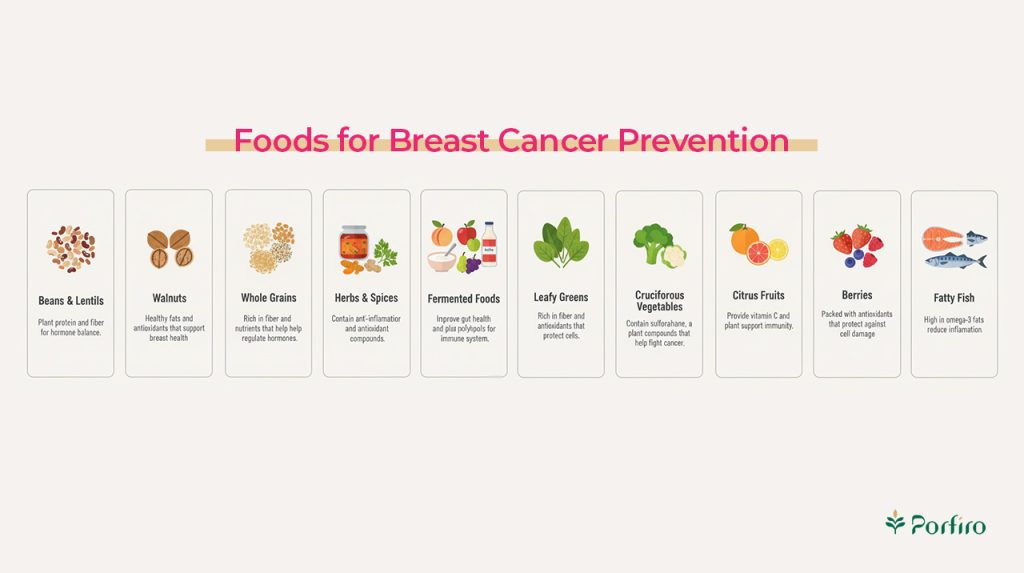
There are some foods that the medical community suggests will safeguard or lessen the risk of breast cancer. Fresh fruits and vegetables, fatty fish, fermented foods, beans, herbs and spices, pickled foods, whole grains, and walnuts all have been found to be potential breast cancer fighters through scientific research. The unhealthy food that we should avoid in this regard includes alcohol, fast food, fried foods, processed meats, added sugars, and refined carbohydrates.
One of the ways that DNA damage and genetic mutations are associated with is breast cancer. Successive mutations in certain genes such as BRCA1 and BRCA2 are also another factor that may have an effect on the risk of breast cancer.
The evidence also clearly shows that our way of life has a great say in this situation. Many of the investigations carried out have shown that smoking, estrogen exposure, alcohol consumption, and certain eating habits (such as a Western diet where much of the food is processed) are some of the risk factors for breast cancer.
Besides, there are studies that have linked dietary habits like the Mediterranean diet to a reduction of the breast cancer risk. Furthermore, there are certain specific foods that can actually contribute to protection against breast cancer. At the end of the list are 12 different kinds of food that would help prevent breast cancer and also a few to run away from.
Foods That Might Help Lower the Risk of Breast Cancer
It is important to remember that many factors are linked to breast cancer risk. Improving your diet will improve your health and lower your risk of generally getting cancer, but it is only one aspect. While a diet of healthy foods that are rich in nutrients can help, a regular monitoring of breast cancer with mammograms and doctor’s physical exam are still needed. As early detection and treatment improves the survival rate for this disease, a conversation with your healthcare professional about breast cancer screening is still necessary. That said, research has shown the following foods could help lower the risk of breast cancer:
1. Leafy Green Vegetables
Some leafy green vegetables may have sickle cell disease (SCD)—related cancer-fighting potentials:
- Kale
- Arugula
- Spinach
- Mustard greens
- Beet greens
Leafy greens have carotenoid antioxidants like beta-carotene, lutein, and zeaxanthin. Higher amounts of carotenoids in circulating blood have been documented to be associated with a reduced risk of breast cancer. Older (2012) meta-analysis of eight studies and 7,011 women found that higher levels of carotenoids were associated with a lower risk to develop breast cancer vs women with low levels.
A large (2015) prospective study similarly demonstrated an 18 to 28 percent (depending on carotenoid) decreased risk of breast cancer in women with higher blood carotenoid levels vs women with low levels; even lower risk of recurrence and death in those with prior breast cancer. This 2015 study followed 32,826 women for 20 years.
Some research shows that folate (a B vitamin abundant in leafy greens) may also potentially decrease breast cancer risk. Overall, studies examining whether folate intake has a significantly positive/negative effect on breast cancer risk are mixed.
2. Cruciferous vegetables
Cruciferous vegetables, including cauliflower, cabbage, and broccoli, may help reduce the risk of breast cancer. These vegetables contain compounds called glucosinolates, which your body can convert into molecules known as isothiocyanates. These have significant anti-cancer potential. Notably, a study involving 1,493 South Chinese women found that higher intake of total cruciferous vegetables was associated with a lower risk of breast cancer.
3. Allium vegetables
Garlic, onions, and leeks are part of the allium family of vegetables. Allium vegetables contain several beneficial nutrients. They include organosulfur compounds, flavonoid antioxidants, and Vitamin C – all of which can have powerful anti-cancer potential. In a 2020 study of 660 women in Puerto Rico, high garlic and onion consumption was related to reduced breast cancer risk.
Also, a study of 285 Iranian women found that high intake of garlic and leeks may ward off breast cancer risk. Eating very large amounts of raw onion can also give slight protection. The study also showed high intake of cooked onion was related to increased breast cancer risk. Additional research on onions and breast cancer is warranted.
4. Citrus fruits
The following fruits are classified as citrus fruits:
- Oranges
- Grapefruit
- Lemons
- Limes
- Tangerines
Citrus fruits and their peels are full of compounds associated with lower breast cancer rates:
- Folate
- Vitamin C
- Carotenoids, including beta-cryptoxanthin and beta-carotene
- Flavonoid antioxidants, such as quercetin, hesperetin, and naringenin
The above nutrients have antioxidant, anticancer, and anti-inflammatory properties. There is evidence that having more citrus in your diet corresponds to a reduced risk of some cancers. A 2013 review of six studies with 8,393 participants found that the highest citrus intake was associated with a 10% lower risk of breast cancer.
5. Berries
If you have berries regularly, you may lower the risk of some cancers, e.g. the breast cancer. The bioactive compounds in different berry types, like flavonoids and anthocyanins, are able to counteract oxidative stress and leave your cells healthy by preventing their multiplication and spread as cancer cells. Well, a study from 2013 supports that statement as it says that the higher consumption of these fruits among 75,929 women, with cranberries in particular, can lead to the lower risk of estrogen receptor-positive breast cancer.
6. Peaches, Apples, Pears and Grapes
Fruits – especially peaches, apples, pears, and grapes – have been shown to help protect against breast cancer. In the 2013 study referred to earlier, women who ate at least two servings of peaches each week had a risk reduction of up to 41% for estrogen receptor-positive breast cancer. It’s also interesting to note that a previous study in 2014 found that polyphenol antioxidants with peaches halted the growth and spread of human breast cancer cell lines implanted into animals.
Large studies involving hundreds of thousands of women found a risk reduction for breast cancer in those eating apples or pears. Some in vitro studies also suggest that compounds in grapes, including flavonoids and anthocyanins, might help protect breast cancer cells. But more studies in humans are definitely needed.
7. Fatty Fish
Fatty fish, such as salmon, sardines, and trout, are well-known for their many health advantages. Omega-3 fatty acids, selenium, and antioxidants like astaxanthin may help protect against cancer. Some evidence shows that eating fatty fish specifically lowers the risk of breast cancer. Findings of experimental data in 21 studies of 883,585 participants showed that those with the greatest intake of sea omega-3 had up to a 14% reduced risk of breast cancer compared to those with the least intake.
Other research on fish and fatty acids also reveals the same findings. To alter the ratio of omega-3 to omega-6 by eating more fatty fish and fewer ultra-processed foods and refined oils could decrease the risk of breast cancer.
8. Fermented Foods
Here’s the lowdown: yogurt, kimchi, miso, sauerkraut—all those funky fermented bites—aren’t just tangy and delicious. Apparently, they’re stuffed with probiotics and other good-for-you bits that could help shield you from breast cancer. There was this review back in 2015—27 studies, which, wow, that’s a lot—where folks who ate more dairy (yes, your precious Greek yogurt counts) wound up with a lower risk for breast cancer, no matter if they lived in the West or over in Asia. Scientists think it’s the immune-boost from those friendly bacteria doing the heavy lifting, not just some fluke. Lab rats and petri dishes seem to back that up, at least for now.
9. Beans
beans are packed with fiber, vitamins, minerals—the whole shebang. The fiber bit’s especially interesting here since it might help keep breast cancer at bay. Case in point: a study in 2018 looked at over 4,700 women and voilà—the ones who ate tons of beans saw up to a 20% drop in breast cancer risk compared to the low-bean crowd. And not just there—another study in Nigeria (2020, so it’s pretty recent) spotted a 28% lower risk among the top bean eaters. So next time your plate looks a little boring, maybe scoop on some beans and call it cancer prevention. Or just enjoy the chili.
10. Herbs, Spices and Pickles
Herbs and spices have plant compounds that might help prevent breast cancer. These are vitamins, fatty acids, and polyphenol antioxidants. Thyme, for example, is packed with antioxidants, such as carvacrol and rosmarinic acid. These antioxidants have demonstrated strong anti-cancer effects in aggressive breast cancer cell lines.
The primary bioactive chemical in turmeric, curcumin, has even shown significant anti-cancer activity, as has apigenin, a flavonoid found in high concentrations in parsley, the herb daughter of one of those celery clunckers. As quite a number of other herbs and seasonings also display powerful anti-cancer effects, using a variety such as thyme, curry blends and ginger is a smart part of your diet.
11. Whole Grains
Essential elements including fiber, vitamins, minerals, and antioxidants abound in whole grains such wheat, brown rice, oats, quinoa, and rye. They could also have strong qualities for combating cancer. Indeed, women who eat more than seven servings of whole grains each week show a marked decrease in breast cancer risk.
Over a 12-year period, middle-aged women with a higher consumption of good carbs—including whole grains—also show reduced breast cancer risk. Furthermore, other studies indicate that including whole grains in the diet could provide defense against several more kinds of cancer including pancreatic, colorectal, stomach, and esophageal malignancies.
12. Walnuts
Walnuts have multiple benefits and they provide ample heart-healthy fats, including alpha-linolenic acid. Some studies suggest including walnuts and other forms of nuts in your diet may even assist in the prevention of breast cancer. In fact, a study found that participants who consumed the most walnuts, peanuts, and almonds per week had a 2 to 3 times less chance of developing breast cancer than individuals who consumed no nuts.
Studies also revealed that 2 ounces (57 grams) of walnuts per day for 2 to 3 weeks caused changes in the levels of certain genes that regulate the growth and spread of breast cancer cells. Further, some isolated compounds from walnuts could inhibit the growth of breast cancer cells up to 63%.
Foods and drinks to limit or avoid
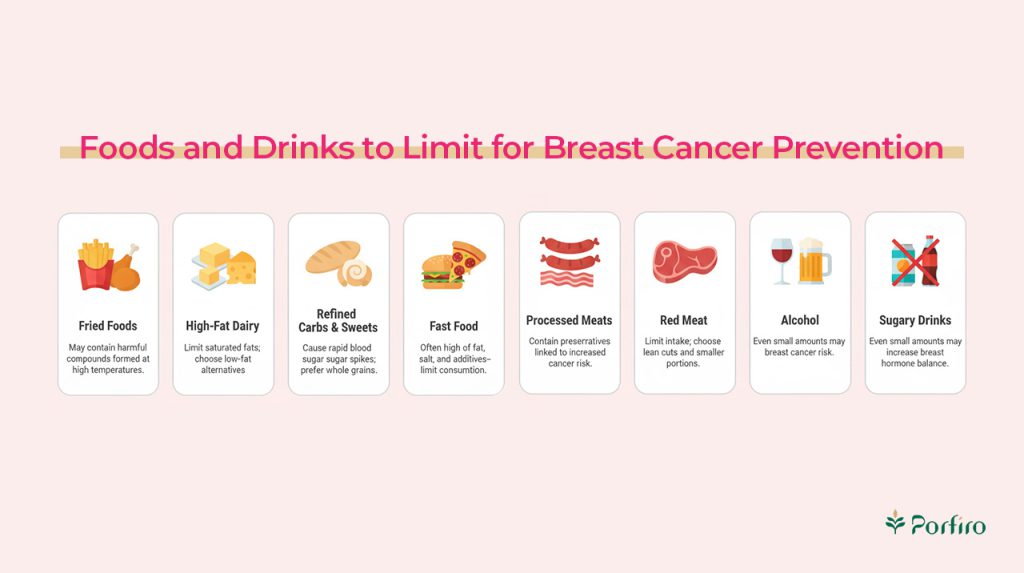
These food and beverage types might be more likely to absolutely categorize themselves as agents for reducing the chances of breast cancer while tying on the other end as agents for increasing risk. It would really do some people good to either minimize or completely stop using the following consumables:
- Alcohol: Drinking is usually not that bad; however, heavy drinking eventually causes increased risk for breast cancer.
- Fast food: The health consequences of eating fast food regularly are terrible indeed, such as susceptibility to heart disease, diabetes, obesity, and breast cancer.
- Fried Foods: Epidemiologic studies suggested that having a fried food-rich diet may substantially enhance the risk of developing breast cancer. Actually, in a study involving 620 Iranian females under 50, fried food consumption was found as the most significant risk factor for breast cancer.
- Processed Meats: Processed meats like bacon and sausage may raise the risk of developing breast cancer. A meta-analysis of 2018 involved eighteen studies that reported highly consumed processed meat in which patients were noted to have a 9% higher breast cancer risk.
- Added Sugar: An increased risk of breast cancer is believed to be brought about by a high intake of added sugars through mechanisms inducing inflammation and the action of some enzymes involved in cancer growth and metastasis.
- Refined Carbohydrates: Refined carbohydrates-oriented diets typically found with a standard Western diet may increase the possibility of developing breast cancer. White bread and other sugary products would be best balanced with whole grain products and nutrient-rich vegetables.
Other lifestyle considerations
No doubt your diet can halt chronic diseases, like breast cancer. But many other lifestyle habits have some influence on your risk for cancer too. For example, exercising regularly, getting enough sleep, and avoiding smoking can be very protective against breast cancer. Maintaining a healthy body weight might lower your risk too.
Also, there have been some studies that showed that certain skin care products have the risk of triggering breast cancer. For instance, the majority of moisturizers, cosmetics, and shampoos consist of parabens—a group of chemicals which may be a part of breast cancer causation. Parabens are endocrine disruptors, i.e., they may damage your hormones.
Exposure to pesticides and endocrine disruptors, like bisphenol A (BPA), used in products like plastic, may also raise the risk of breast cancer. Then again, the use of natural face care products, garden products, and cleaning products may reduce your risk of breast cancer.
Breast cancer diet
Maintaining a balanced diet is especially important when you have breast cancer. Good nutrition can play a supportive role in cancer treatment, which often comes with multiple side effects such as mouth sores, loss of appetite, nausea, and vomiting. A healthy diet can help you in the following ways:
- Keep your body weight within a healthy range
- Maintain healthy tissues
- Reduce cancer symptoms and treatment side effects
- Support a strong immune system
- Preserve your strength and decrease fatigue
- Improve your quality of life
If you’re having trouble eating enough, use these tips to help add more nutrients to your daily diet.
Helpful Foods When You Have Breast Cancer
If you have breast cancer, it is likely you are undergoing chemotherapy, hormone therapy, or HER2-targeted therapy. Your treatment will depend on the subtype and stage of breast cancer you have, and you may also have to have radiation. With any type of cancer, you may experience some side effects, and one of these is a loss of appetite. On top of that, your treatments and changes to your physical body are difficult and cause problems. Studies show that up to 50 percent of individuals with breast cancer will experience depression or anxiety.
Because breast cancer is likely to change your physical and emotional health at the same time, it will have an effect on your appetite. Even if it will be difficult, it is possible to make the right choice of food that will nourish both your brain and body in addition to the fight against the disease. We have developed this resource to help eating fresh and healthy be easier for you.
Guide to Diet for Breast Cancer Patients
An individual with breast cancer is not given a particular diet. A person’s nutrient needs may vary according to several elements, including other medical conditions, weight, nutrient shortages, drugs now being used, and the symptoms they are experiencing. Together with a dietitian focusing on oncology nutrition, your care team would be able to develop a food plan fitting your personal needs and health condition. Generally speaking, these foods are advised to help one live breast cancer with maintain general well-being:
- Whole foods include nutrient-rich fruits and vegetables, whole grains, legumes, and protein sources including chicken and turkey, fatty fishlike salmon or trout, and plant proteins like lentils and nuts.
- If you have to maintain or increase weight, pick healthy fat sources like nuts and seeds, avocado, and olive oil, or protein sources such eggs, chicken, lentils, and fish. Your muscle mass depends much on protein.
- For days when all you can tolerate is liquid food, use milkshakes, smoothies, fruit juices, or soups.
- Whole grains, flaxseed, legumes, vegetables, and fruits are among high-fiber foods that assist to reduce constipation.
Phytochemicals
Eating foods with certain compounds called phytochemicals may help your body defend against cancer. These chemicals are found primarily in plant-based foods. That said, with regard to the earlier notes of caution, some studies have indicated these compounds may help reduce the risk or recurrence of cancer; more study is needed to better understand the impact of phytochemicals on existing cancers, and the potential to reduce cancer risk.
Refer to this summary of what vegetables and fruit to eat, and the chemicals in the vegetables and fruits.
| Type of food | What does it do | What foods is it found in |
| Carotenoids or beta-carotene | May help prevent the growth of malignant tumors. It may also minimize the negative effects of chemotherapy drugs without reducing the effect of the treatment on cancer cells. | Most fruits and vegetables |
| Isothiocyanates | May play a role in helping to stop the growth of breast cancer cells They may also help prevent tumor cell growth and metastasis. | Cruciferous vegetables like broccoli or cabbage |
| Polyphenols | It includes five classes: flavonoids, phenolic acids, lignans, stilbenes, and other polyphenols. Of these five categories, flavonoids and phenolic acids are the most common classes, accounting for about 60 and 30 percent, respectively. | They are found in various foods, such as fruits, berries, grains, etc., depending on their type. |
Types of diets suitable for breast cancer
Overall, it is said that modifiers of a balanced diet that includes plenty of fruits and vegetables, whole grains, poultry, and low-fat dairy products can have a beneficial effect on cancer. In contrast, processed foods and foods that are high in sugar or fried may have a detrimental effect. So, any diet, such as Mediterranean, that encourages this kind of eating may be helpful during cancer treatment. If you are contemplating any of the diets below, bear in mind the following cautions:
- The Keto Diet: This popular recent eating plan emphasizes high-fat and low-carb necessities. Carbohydrates are restricted to the extent that the body enters a state of ketosis wherein it begins to burn its stored fat for energy. Though there are some promising studies with respect to certain types of cancer, keto has so far not been proven effective for breast cancer. It may, in fact, alter your body chemicals and thereby be quite risky.
- Plant-Based Diet: Plant-based diet means mostly eating food items like fruits, vegetables, grains, legumes, nuts, and seeds. It is akin to vegetarianism or veganism, yet many who follow the plant-based diets still indulge in animal products albeit infrequently. The American Institute for Cancer Research advises adopting a diet heavy in plants for cancer prevention., Research suggests that this technique can also help cancer survivors. A plant-based diet lets you get fiber, vitamins, minerals, and phytochemicals from plant foods; protein and nutrients from animal products.
- Mediterranean diet: Following a Mediterranean diet means consuming lots of fruits and vegetables, grains, nuts, and seeds, peanuts, and peanuts. In little quantities, this diet also comprises olive oil, beans, dairy, and proteins such as chicken, eggs, and fish. The meals you consume with this diet are usually very unprocessed. The Mediterranean diet avoids a lot of processed meats and low sugar, salt, and saturated fat. Several studies reveal that breast cancer risk may be reduced and breast cancer mortality may be positively impacted by following a Mediterranean diet.
Moreover, studies indicate that this kind of diet might enhance general well-being, lower discomfort, and improve sleep quality. Any diet you attempt should ultimately offer a sensible mix of protein, calories, healthy fats, and nutrients. Going to extremes in any direction runs risk Discuss with your nutritionist and doctor before beginning a new diet to confirm it is safe for you.
Tips for healthy eating when breast cancer symptoms appear
Sometimes the symptoms of breast cancer and the side effects of treatment make you uneasy about cooking, meal planning, or eating as usual. These suggestions will help to simplify good meal preparation somewhat:
- Control your servings: Constipation, bloating, and nausea might interfere with three large daily meal consumption. Aim for smaller meals five or six times a day to obtain enough calories. Include snacks like peanut butter on crackers or apple slices, yogurt with berries, or hard-boiled eggs.
- Meet with a dietitian: With your food preferences and nutritional demands in mind, a dietitian can assist you in developing a healthy meal plan. They can also help you to control treatment side effects like nausea so you may keep a good diet. Wherever it is feasible, collaborate with a dietitian experienced in helping breast cancer survivors.
- Utilize several cutleries: Chemotherapy might occasionally leave a nasty flavor in your mouth or cause food to taste offensive. Some foods—especially meat—might develop a metallic taste. Avoid employing metal utensils and cookware to assist enhance the flavor of your food. Cook using glass pots and pans; try plastic forks and knives instead.
- Raise your fluid intake: Get your nutrition from liquids like smoothies or nutrient-rich drinks if your mouth is too sore for solid food. Vomiting and diarrhea from treatment side effects can also dehydrate you. Strive to consume fluids daily totaling at least 8 to 12 cups. If you are receiving treatment, some of those liquids might be milk, juice, or low-sodium broth. Limit caffeine and aim to consume foods with great water content, such fruits.
10214
References