

What is Osteoporosis and bone density, everything about the health of the bones of the body
General Information- 1What is Bone Density?
- 2The Interplay between Osteoporosis and Bone Density
- 3Signs and Symptoms of Illness
- 4Common Signs of Osteoporosis That Emerge Early
- 5Latter Symptoms
- 6Risk Factors for Osteoporosis
- 7Bone density evaluation
- 8T and Z Scores for Osteoporosis
- 9Treatment Goals
- 10How to Have Dense Bones
- 11Restoring bone density—Is that even possible?
- 12Prognosis of Osteoporosis and Life Expectancy
- 13What Factors Are Important for Predicting Osteoporosis?
- 14Life Expectancy and Osteoporosis
- 15Is Osteoporosis a Cause of Death?
- 16Stages of Osteoporosis
- Stage One
- Stage Two
- Stage Three
- Stage Four
- 17A Comprehensive Guide on Living Healthily with Osteoporosis
- 18Interventions to avert development of Osteoporosis
- Dietary Measure
- Changes in Mode of Living
- Increasing Physical Activity
- 19Mitigating the Risk of Falls
- 20Precision Nutrition in Osteoporosis
- 21Nutrition and its Effect on Bone Density
- Calcium
- Vitamin D
- Protein
- Micronutrients and Antioxidants in Fruits and Vegetables
- 22Foods which are Bad for Bone Health
- 23Osteoporosis Following the Menopause
- Symptoms:
- Causes:
- Diagnosis:
- Approach to Management:
An illness that renders the bones fragile or porous is referred to as osteoporosis. In essence, it’s the reduction in the bone mass that causes this ailment. At a certain age, the bones begin to deteriorate because despite the natural body process of producing new bones, the body loses old bone faster. Naturally, that results in breakages. This is usually a disease without symptoms, and yes, it is often called a disease without symptoms.
Most individuals remain oblivious of the situation until it becomes too late when a limb is fractured. Hip fractures, breaks in the vertebrate of the spine, even to the fracture of some peripheral joints are not rare occurrences. There exists a simple and a non-invasive method that can measure an individual’s bone density known as DEXA which is a related form of X-ray.
Men over the age of fifty or in the case of women who are post-menopausal, it instead gives T-score results which are denoted as the difference in the bone density of the patient being examined and that of a young person. In the case of women who have not undergone the menopause or people less than 50 years old, the codenamed Z-score is used, which indicates the density of a patient who is of the same age, gender, and racial group as the patient being examined.
Thus, since most bone density-related benefits of intake of calcium containing products are focused on dense bone development, the reader shall also elaborate on aspects like bone density and osteoporosis, cause and treatment of osteoporosis, and medical professions’ approach towards this disease including what sort of tests are carried out, how the results are assessed and other relevant aspects of the subject.
What is Bone Density?
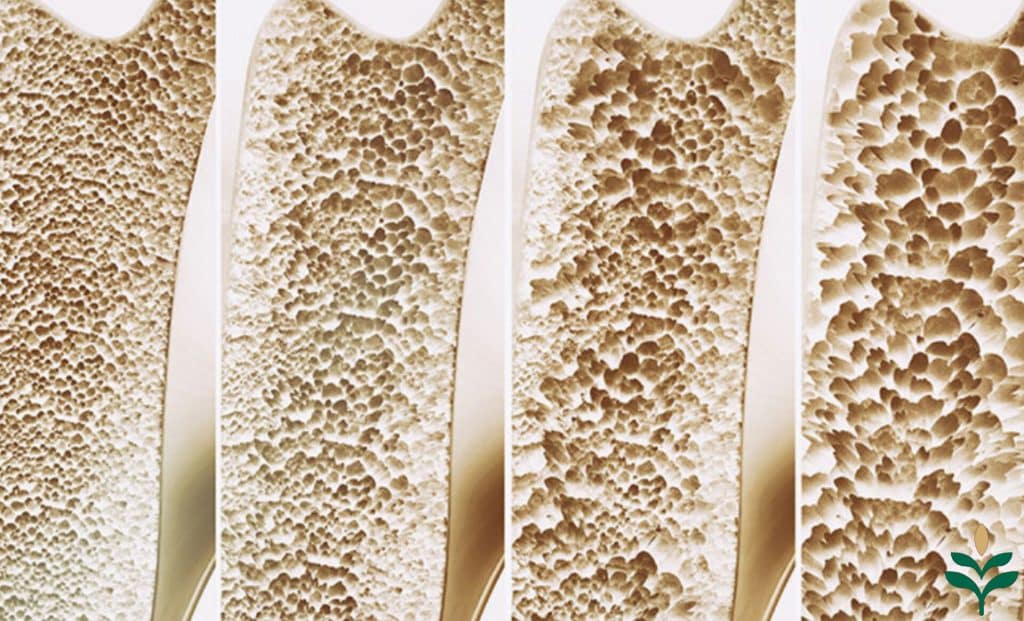
A bone density test is performed to measure the strength of the bones of a person. Bones are porous by nature and they have small cavities in them. The bones that are strong have lesser cavities as they have more of the mineral calcium embedded in them. Weaker bones on the other hand have more cavities and less of the minerals.
All cells in the body grow, mature and die, and bones are no exception. Therefore, the body will make new cells to replace the old ones. In childhood and adolescence, bones grow at a rate that exceeds the rate of bone resorption, thus increasing bone mass and strength with age. In young adults, this process bends towards equilibrium resulting in bone density maintenance. This is however not the case in the elderly as the rate of turnover of the existing bone tissues becomes slower making the person experience a gradual decrease in bone mineral density with time.
The Interplay between Osteoporosis and Bone Density
Bone density diminishes with age, and thus can lead to osteoporosis It is a disease in which sufferers experience more than usual weakening of their bones. There is an imbalance in the mechanisms of bone remodeling in osteoporosis patients. There is increased activity of osteoclasts, which are cells responsible for destroying bones, leading to lowered bone formation. On the other hand, osteoblasts, bone forming cells, become hypoactive. The ultimate effect of this process is bone resorption and loss of bone density, as well as mass.
Osteoporosis related fractures occur commonly on the spinal region, the hip region and wrist area. Such fractures can lead to extreme suffering, loss of functionality and decrease in one’s general life satisfaction. Other causes of low bone mineral density (osteopenia) may include:
- Ageing
- Decrease in physical activity
- Varied diseases
- Lack of adequate nutrition
- Menopause and other times of hormonal alterations
Signs and Symptoms of Illness
The development of osteoporosis is gradual; thus, a person may be suffering from the condition without even knowing it until a minor accident like a fall result into a fracture or a bone break. Even a simple action such as a cough or a sneeze can result in the bones fracturing due to osteoporosis. People suffering from osteoporosis will mostly have a fracture of their hip, wrist or the vertebrae. A fracture in the vertebral body will lead to complications such as postural changes and excessive hunching or arching of the back. Some people may begin to experience a reduction in height or may find their clothes do not fit the same way as they used to.
Common Signs of Osteoporosis That Emerge Early
There are generally no early signs of osteoporosis, so they usually do not affect the state of health of the patient. A person does not feel that they are losing bone mass unless there is some fracture. That said there are instances when an individual may exhibit signs of other illness that may lead to osteoporosis. As a case in point, calcium deficiency may lead to the following effects on an individual:
- Weakness
- Nails that break easily
- Lack of moisture in the skin
- Loss of hair
- Pain in the muscles
- Shivering and tingling sensations
Nevertheless, the actual signs and symptoms manifesting vary with the underlying cause for that predominant reduction in bone density.
Latter Symptoms
With time, the bones lose their mass and become lighter and more fragile in a person suffering from osteoporosis. The slightest impact, such as getting hit, or even a more ordinary movement like a cough, or a sneeze could lead to a bone fracture. In cases where the patient suffers a fracture in the spine, there are numerous complications such as excruciating pain, as well as abnormal adaptation of the body into new ways of functioning. A person could develop a hunched back commonly known as kyphosis and they may also experience a reduction in their height.
Risk Factors for Osteoporosis
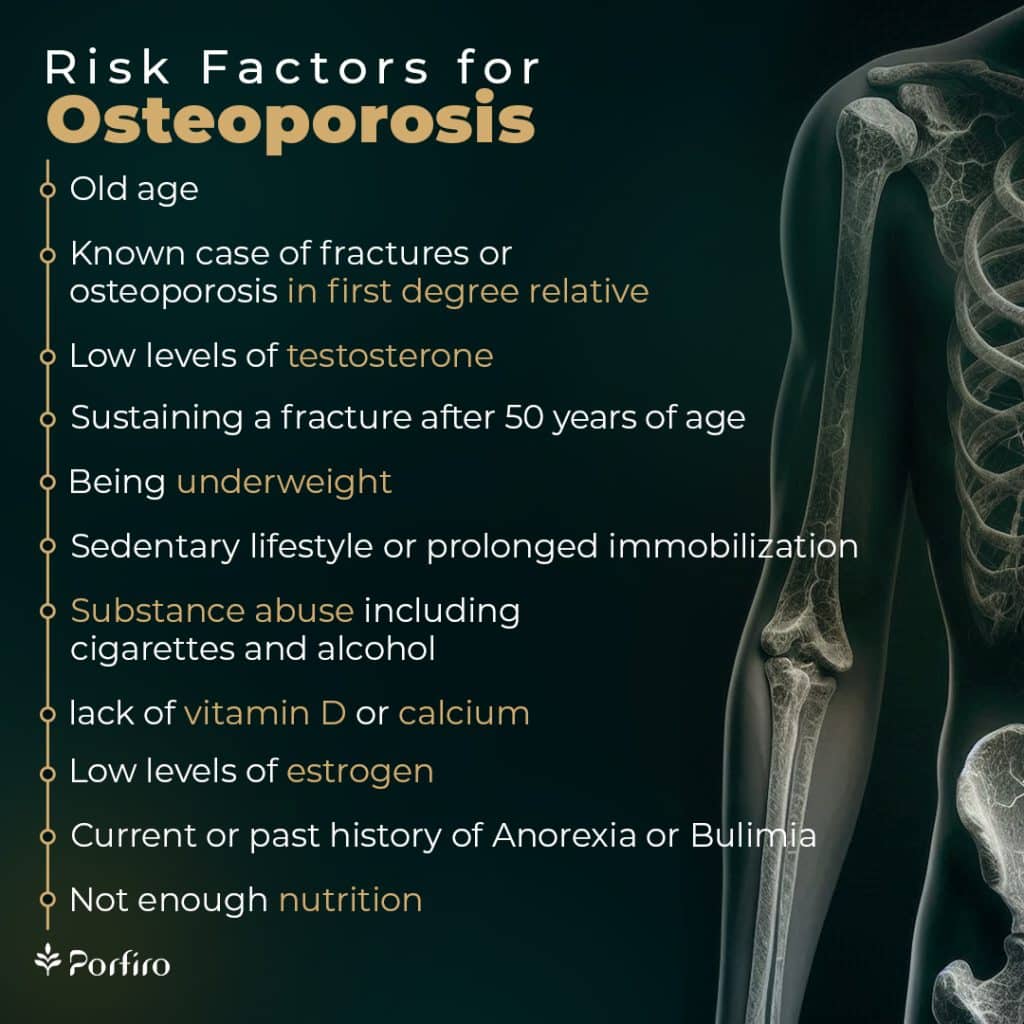
Skelton is dynamic in nature. There is constant loss, and repair; especially in children and young adults, new bone cells are formed at a faster speed than the aged ones are lost. As a result, bones grow with time. The peak bone mass is attained between the age of 20 years and 30 years.
As the masquerade gathers more years, the loss of the bone cells does not get replaced, thus diminishing the density of the bones. It is true that especially for women who have a greater risk of developing it will not all of them become osteoporotic with age. But there are plenty of comorbidities, medications, and risk factors that elevates the individual’s chances of developing osteoporosis. Some of these include:
Bone density evaluation
Bone density evaluation is vital for the assessment of osteopenia or osteoporosis. The most frequently employed method of testing is that based on dual-energy X-ray absorptiometry (DEXA). In the DEXA scan, a special x-ray machine delivers low-energy x rays to specific sites of the body such as the hip, spine, and forearm. It then assesses the intensity of x-ray energy which passes through the bone in order to accurately evaluate the status of the bones on that particular scan.
In addition to bone density scans to diagnose osteoporosis, the physician also evaluates clinical risk factors of which the following are some:
- Age
- Gender
- Medical history including previous bone fractures
- Hereditary factors, such as having a family member diagnosed with osteoporosis
Routine screening for osteoporosis is recommended:
- For women who are 65 years and older
- For men who are 70 years and older
- For women ages 50-64 years with specific risk factors, such as having a parent who has sustained a hip fracture
- For men ages 50-69 who have any risk factors
T and Z Scores for Osteoporosis
Modern imaging techniques such as DEXA scans are capable of yielding two types of measurements known as T-scores or Z-scores. A T-score measures the bone mass of an individual in relation to a particular reference point of a healthy young adult. This measurement is used in men over 50 years and women in whom the menopause has occurred. Below are the meanings of the results:
- 1 or above: Normal bone density
- Any figure between -1 and -2.5: This is called Osteopenia- low bone density
- -2.5 and below: Osteoporosis- very low bone density
Conversely, in Z-score, bone density is measured in relation to age, sex, and race matched subjects. This type of measurement is supplemented among younger adults to describe bone density which is not accounted for normal skeletal aging. A measurement of -2 or less may be interpreted as likely possible osteoporosis. Such a state may be for example because of some medical conditions or as a result of taking specific medications.
Treatment Goals
- Slow down or prevent the progression of osteoporosis
- Maintain healthy bone mineral density and bone mass
- Prevent fractures
- Reduce pain
- Maximize the individual’s ability to continue daily life
How to Have Dense Bones
Individuals at risk for osteoporosis and fractures can use lifestyle preventive measures, supplements, and certain medications to achieve these goals.
Brittle or brittle bones can be help or managed by an individual by taking the following steps.
- Ensuring the intake of calcium and protein rich foods.
- Getting enough vitamin D from the sun, foods or supplements.
- Doing regular exercises especially strength training.
- Reducing and stopping alcohol intake.
- Smoking cessation.
In addition, it may also prove useful to manage any medical conditions that are likely to interfere with bone density, in order to bone density preventive measures from developing further. In the cases of women with low levels of estrogen for example, hormone replacement therapy may be helpful. A person also has to be educated on the implications or side effects of using such drugs. If the person has to take drugs known to depress the bone density or the strength of bones, the person should check with the doctor the dangers presented in so doing and the ways out.
Restoring bone density—Is that even possible?
Osteoporosis cannot be cured, but there are behavioral modifications that can help slow down, or even stop, the bone thinning process. This is a combination of certain strategies, and may incorporate the following elements:
- Nutrition: Proper calcium, vitamin D, or any other vitamin intake is important to maintain bone density. Calcium is found in most dairy products, green leafy vegetables, and a number of cereals or breads that are calcium fortified. Vitamin D is available through the sun and also, foods such as oily fish.
- Exercise: There is a positive correlation between physical activity, most especially weight-bearing physical activity and the bone density. Exercises that enhance balance such as tai chi and yoga may also be useful in reducing falls.
- Modifications in Existing Behaviors: Termination of smoking by a person is likely to lead to an increase in the bone density. Emphasis on Alcohol intake should equally be discouraged.
- Drugs: Drugs like bisphosphonates may further assist in the improvement of bone density by limiting the extent of bone loss. Such medications inhibit bone loss by either rescinding the process of bone resorption or promoting the synthesis of bone. Other drugs that are of help include hormone replacement therapy, estrogen receptor antagonists and calcitonin.
Although these methods are beneficial on bone density, it cannot be normalized through them even if, to some extent, it will be increased. There are different factors influencing the enhancement in bone density and they include:
- Osteoporosis grading.
- Patient’s treatment compliance.
- The response of the patient to bone density treatment
Prognosis of Osteoporosis and Life Expectancy
The prognosis of osteoporosis is largely determined by the timeliness of seeking medical attention and adherence to because treatment does not stop malaise but rather slows its progression.
Osteoporosis is not considered a disease that cannot be controlled, but is one that often deteriorates in its course, especially in the absence of therapy. This condition does not have an effect on the life span of people, however, those who suffer from an osteoporosis related fracture may have a decreased life expectancy. Prognosis of other diagnoses may also be influenced negatively by osteoporosis. If properly treated a person may sustain no fractures, pain, or handicaps.
What Factors Are Important for Predicting Osteoporosis?
When considering the risk of osteoporosis, seeking treatment plays the greatest role. Patients can benefit greatly from medications called bisphosphonates; however, they might be quite costly for some individuals, hard to obtain or be associated with many adverse effects.
In addition, other considerations might alter the probability of getting osteoporosis:
- Sex: The female body is naturally more prone to bone mineral density loss than the male body which is one of the contributing factors of the increased prevalence of osteoporosis in women compared to men. However, it is important to highlight that despite the fact that women are the ones who are more likely to have osteoporosis, more complications are faced by men who have the disease and sustain fractures.
- Risk Factors for Falls: Anyone who is more active than others in activities such as climbing stairs may be a Falls High risk for complications and fractures due to osteoporosis.
- Modifiable Risk Factors and Prevention: There are also strategies, such as those involving exercise and the consumption of calcium that help reduce the chances of one getting the disease. In the absence of these, the person is more likely to suffer from the condition.
- Previous Fractures: It becomes more likely the person will have osteoporosis, if that person previously suffered from injuries or if the condition was diagnosed only when bones were fractured due to the disease.
- Increased Chance of Having Osteoporosis: Suffering from certain illnesses predisposes an individual to suffering from osteoporosis. For instance, patients suffering from bronchiectasis a type of infection in the walls of the bronchi have higher chances of developing osteoporosis. Some diseases will also interfere in the attempts of modifying one’s lifestyle in such a way as to prevent osteoporosis. For instance, patients suffering from severe arthritis will have challenges in doing strength training exercises.
Life Expectancy and Osteoporosis
The majority of patients suffering from this condition have a life expectancy that is nearly normal. Medical studies conducted with attention to the psychological effects of osteoporosis in women aged 50-60 and men aged 50-70 who are diagnosed with the condition revealed that:
- The immediate onset after diagnosis increased the rates of death in men below the age of eighty and in women below sixty years of age, though this risk reduced significantly afterwards.
- The average remaining life out of an expected 18.2 years of a 50-year-old male entering treatment for osteoporosis is reduced to 7.5 years for a 75-year-old male.
- A 50-year-old female patient of osteoporosis treatment had a life expectancy of 26.4 years, which declined to 13.5 years when the same woman was 75 years of age.
Osteoporosis can as well have an indirect effect on life expectancy.
Is Osteoporosis a Cause of Death?
While Osteoporosis is not a fatal disease per se and does not take the title of progressive illness, one can say that any extreme injury season risk osteoporotic fractures, which leads to extreme pain, incapacitates the person and weakness. It is also worth noting that some traumas can be lethal because they facilitate processes that incorporate systemic changes of the body. For example, studies have presented evidence indicating that hip-fractured patients aged 65 years or above are more likely to die almost three to four-fold within 12 months after surgical procedures compared to healthy individuals of the same demographic. This has several explanations. A fracture could:
- Cause further trauma, for instance, a hip fracture could instigate a fall for the patient and cause further injury or defend prompting a surgical intervention with its sequelae.
- Cause other problems—certain injuries especially involving the spine or vertebrae can predispose individuals to death by pneumonia or other respiratory issues.
Stages of Osteoporosis
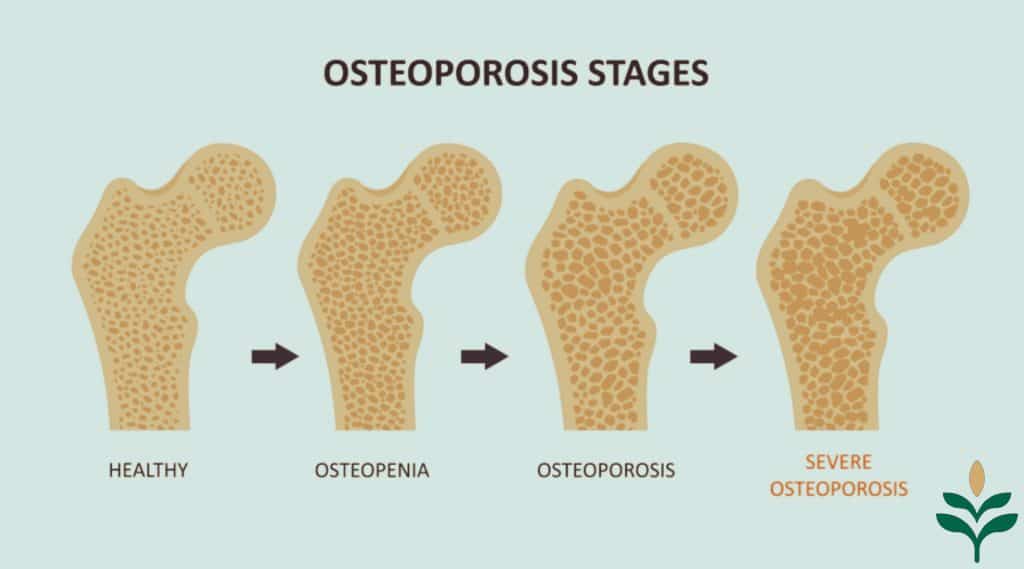
The evolution of Osteoporosis is classified into four different phases where the bones continue to deteriorate and become more susceptible to the occurrence of fractures. Nevertheless, health practitioners regard the first two phases as risk factors for the entire condition.
Stage One
In this case, old bone cells are resorbed and new bone cells are formed. So that in Stage 1 the processes of bone loss and bone formation are equal. It means that people basically stopped growing more bones than are being lost. A physician may diagnose this ailment for the patient as Stage 1 osteoporosis in cases when new bones are not formed in surplus of those lost. This stage is asymptomatic.
Stage Two
In this stage, the individual has not been diagnosed yet with osteoporosis. The individual, at this stage, has less bone mass or density than would be expected for their age. This stage is referred to as osteopenia by health practitioners, meaning that bone tissue is resorbed to a greater extant than is produced. The said individual may however show no clinical signs and so that their bones are still intact and unlikely to break, even though these bone structures have not undergone significant degenerative changes. The Stage of osteopenia does not necessarily lead to osteoporosis. There is still scope of prevention from developing osteoporosis.
Stage Three
A doctor confirms a diagnosis of osteoporosis in a patient who has reached Stage Three. At this stage, they may still show no symptoms but bone loss is likely greater than bone formation thereby making the patient more susceptible to fractures. On occasions, patients may sustain a fracture due to a minor fall which would have previously not resulted in any broken bones.
Stage Four
4 out of 4 is the highest classification of osteoporotic. There is an increased fracture risk, and the patient may have some symptoms. The vertebrae are at risk of severe bone density loss and alterations of the spine such as reduced height or curved leaning back position will most likely be experienced by the patient.
A Comprehensive Guide on Living Healthily with Osteoporosis
There are factors out there that enable people to live longer, that is adopt a behavior that promotes healthy bone growth and overall health. All these factors provide a better prognosis for osteoporosis:
- Adequate nutrition: Ensuring there is an adequate intake of vitamins and minerals and especially proteins such as vitamin D and calcium is very essential in increasing or enhancing bone durability. In case it is hard to achieve these nutrients through the diet and sunlight, he or she can always see the doctor for the necessary pills.
- Exercise: Maintain regular bodily activity. Weight training is the most useful for the bones and the muscles’ cohesiveness. Consider physical or exercise therapy in case the person has movement disabilities.
- Fall prevention: Implementing safety precautions at home or work, like installing a grab bar in the shower and putting a robust railing by the stairs, may lower the chances of sustaining an injury. Also, people at risk of osteoporosis or those that have it may need to avoid certain position or how they engage their bodies, for instance, there is a stance known as spine osteoporosis which should not entail anyone doing completed action such as – throwing back their body after striking a golf ball.
Interventions to avert development of Osteoporosis
Individuals can adopt a variety of techniques to help in retaining their bone mass and avoid falling or suffering fractures. For example, medical treatment and changing ideas on lifestyle may involve slowing down the rate of loss of the skeletal mass. Often these sustainance practices tend to prevent any further loss; and some specific drugs even allow some people to gain back lost mass. Treatment variation is determined by requirement of an individual and their health status. It is advisable to consult a medical professional in order to be advised on which drug or combination of drugs is effective for you. However, the following measures may be useful:
Dietary Measure
It is recommended that the afflicted individuals eat more of the foods listed below in order to avoid and promote bone health and bone loss. Calcium enriched foods for example:
- Yogurt and other low fat dairy products
- Leafy vegetables
- Seafood
- Juices that have been high-calcium added
- Cow milk
- Nuts
- Sources of vitamin D Ration
- Meat Products
Over-the-counter Calcium and Vitamin D supplementation is also available to help individuals achieve the recommended amount through their diet.
Changes in Mode of Living
In addition, it is advised that people should incorporate certain changes in the way they live, such as cutting down on smoking or preferably abstaining from it entirely and avoiding or reducing alcohol intake.
Increasing Physical Activity
People can cut down their chances of getting osteoporosis by doing some form of strength training exercises. These exercises assist in building and strengthening the bones. Some of the examples are:
- Jogging
- Fast walking
- Weights lifting
- Using the stairs
- Playing tennis
- Aerobics
Mitigating the Risk of Falls
A person at risk for falling can take certain precautions in order to mitigate the risk. Some of these include:
- Utilizing a walking stick or a walker for balance when required.
- Using walking shoes that have no slippery surfaces for the wearers.
- Staying away from wet surfaces such as wet pavements in the streets.
- Clearing any objects in the living area that may cause tripping or falling.
- Placing non slips mats in the bath/shower room or the bath tub.
- Wearing none that would include socks, slippers or loose socks that would slide off,
- More light in the rooms so that people do not trip over other things.
Precision Nutrition in Osteoporosis
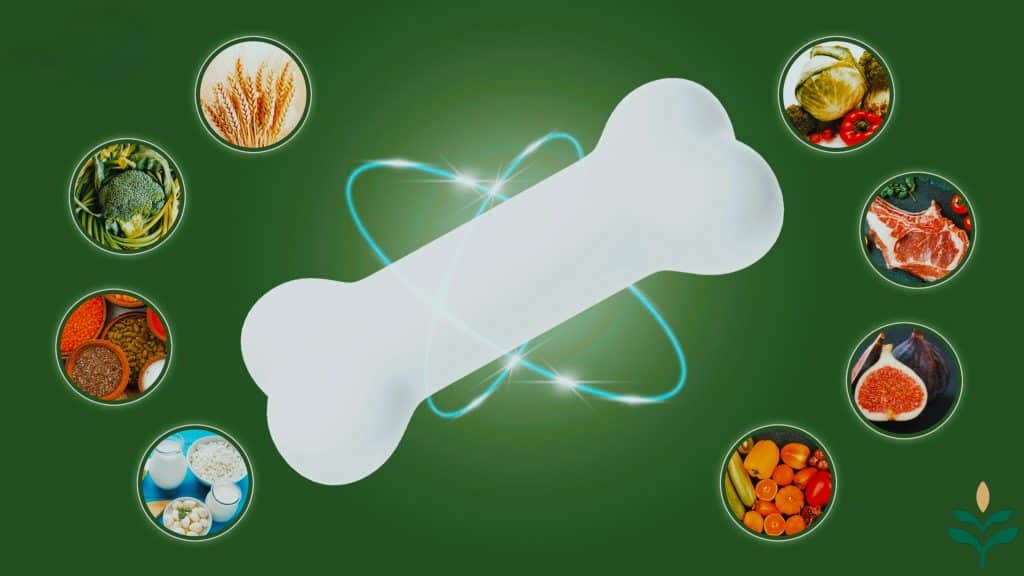
Although earlier it was explained what is a proper diet for the prevention of osteoporosis, the following will particularly elaborate on what individuals with osteoporosis should eat or avoid. Therefore, if you or someone close to you suffers from this condition, read the paper to the end without skipping:
A healthy well-balanced diet containing adequate amounts of calcium, vitamin D, and protein is often encouraged as an effective preventive measure against the development of osteoporosis in later years. Moreover, restricting neither caffeine nor alcoholic beverages may also play a positive role with regard to bone health, particularly for the older population.
Osteoporosis-related fractures are reported to occur in 1 out of 3 females and 1 out of 5 males people over the age of 50 in the general population, and there is a significant proportion of population in every country that suffers from low bone mass or osteoporosis. Nutrition is known to play a role in bone health and therefore it is crucial for individuals to appreciate the role of healthy diet in preventing loss of their bone mass. The article will explain the possible nutrient effects on the bone and recommend the foods which are good and bad to bones. But before all that, diffuse bone health and diet will be oriented.
Nutrition and its Effect on Bone Density

Bone structure changes all through an individuals’ life— it is not static; rather, the tissues present in the bones are constantly undergoing resorption and formation as part of the body’s natural processes. This process relies vitally on two main cell types called osteoblasts and osteoclasts Osteoblasts are responsible for new bone formation while the process of osteolysis, where old bones get absorbed and remodeled by osteoclasts occurs.
Involves irreversible changes in bone metabolism, especially if there is an imbalance between bone formation and resorption, will encourage the degradation of bone density hence, weakening, and making the bone porous. Thus, a physician may pronounce a low bone mass or even an advanced osteoporosis. A decrease in bone mass can be seen due to age, menopause, and some drugs causing increased bone resorption. Moreover, the dietary intake of certain essential nutrients plays an important role in the prevention of fractures to the elderly and contributes to bone development and health maintenance. The people should make sure that the following nutrients and food are present in their meals in order to take care of their bones:
Calcium
It is thought by researchers that insufficient calcium intake across the lifespan results in low bone density, thus putting one at a greater risk of developing fractures later on. Post 51 years, the recommended daily intake of calcium in women is 1200 mg whereas for men it is 1000 mg. A proper diet with dairy or soy products, fish with bones, and green leafy vegetables can help ensure calcium intake. The following lists the calcium content of some common foods.
| Food Item | Calcium (mg) |
| Packaged enriched oatmeal | 350 |
| Sardines, canned in oil, with bones (per 3 oz) | 324 |
| Cheddar cheese, shredded (1.5 oz) | 306 |
| Skim milk (1 cup) | 302 |
| Firm tofu with calcium (½ cup) | 204 |
| Calcium-fortified orange juice (6 oz) | 200-260 |
| Cooked beans (1 cup) | 142 |
Vitamin D
To facilitate the intake of calcium in the body, vitamin D is highly essential in its usage; therefore, in its absence, the body is more likely to develop weak bones and skeletal structure. It has been suggested that all individuals aged 70 years and below be asked to intake 600 international units (IU) of vitamin D every day. For those who are above 70 years, it is also recommended that the daily vitamin D intake be increased to 800 IU, which is available in supplements as well. Dietary sources and sunlight are two of the ways that people can take vitamin D. The following is a list of food products that contain a lot of vitamin D:
- Yellow portion of eggs
- Oily varieties of fish such as salmon, trout, mackerel and tuna
- Organ meat (beef liver)
- Dairy product made from the pressed curds and whey of milk
- Edible fungi
- Vitamin D enriched milk, margarine, canned orange juice and certain breakfast cereals.
Protein
It has been shown in research that protein can promote bone health and contribute negatively to it. This is because there have been studies where authors provided different results on the role of protein in bone health. However, most recent studies indicate a link between protein deficiency and bone loss, as well as hip fractures among elderly persons. Thus, it seems that enough proteins and calcium is wholesome for BMD. Consequently, it is recommended to follow a diet with adequate proportions of proteins and calcium. Sources of protein include the following:
- Meat
- Fish
- Eggs
- Dairy
- Beans & lentils & legumes
- Soy foods
- Nuts & seeds
Micronutrients and Antioxidants in Fruits and Vegetables
Experts say that individuals who take lots of fruits and vegetables have better bone density and less bone loss. The specific vitamins and minerals present in fruits and vegetables that contribute to bone wellbeing include:
- C Vitamin
- K Vitamin
- Magnesium
- Potassium
- Folate
- Carotenoids
An epidemiological study in China was conducted on participants aged 40 to 75 and showed that everyday consumption of vegetables and fruits correlates with higher bone mineral density (BMD) values and lower chances of getting osteoporosis. Furthermore, it implies that in addition to the current diet, the body’s prevailing index of fruits and vegetables consumed should be increased by one serving per day, reducing the prevalence of body fractures.
Foods which are Bad for Bone Health
Besides consuming the right meals that promote optimal bone health, a person must also look out for certain foods and drinks that can be harmful. Here are some of these substances:
- Salt: The National Institute of Arthritis and Musculoskeletal and Skin Diseases reveals that there is a risk of loss of calcium in the kidneys when salt is taken in high amounts. Therefore, individuals who do not take much calcium should not add salt to foods and should also avoid too many processed foods that may contain added salt.
- Foods Rich in Oxalates and Phytates: The Bone Health and Osteoporosis Foundation states that some phyto take compounds in food which are found in beans, wheat bran and legumes, and oxalates found in spinach and beets prevent calcium from being absorbed by the body. These foods are usually brought down by soaking and cooking them.
- Alcohol: Experts have stated that alcohol has detrimental effects on bone health among others. First, intake of alcohol can impair the organism’s ability to absorb calcium and vitamin D, which is crucial for the health of bones. Furthermore, the chronic use of alcohol has been shown to affect levels of certain hormones such as raised levels of the hormone cortisol, which causes bone resorption rates to be higher than bone formation rates. In men, alcohol abuse may be correlated with reduced levels of testosterone, which plays a role in bone development as well. In women, this is compounded by the fact that many of them tend to have irregularities with their monthly cycles. Normally, these cycles are associated with a certain amount of estrogen produced in the body. If the cycles are infrequent, the levels of estrogen are bound to drop in the body, making one prone to osteoporosis. In addition to the consumption of alcohol, such individuals suffer falls and bone fractures more often than others.
- Caffeine: Caffeine-induced calcium elimination through the kidneys has been demonstrated to be around 77% after the ingestion of 800 mg of caffeine within a span of 6 hours. Individuals with more than three cups of coffee due to the possibility of increased urinary calcium should consider their age since coffee also promotes urinary calcium excretion. Analyses also reveal that sodas containing cola where caffeine is found in one of the ingredients should be limited.
Osteoporosis Following the Menopause
Once a woman attains menopause which eventually leads to the cessation of period, there is a remarkable drop in the levels of two female hormones which are progesterone and more of estrogen. It has been established that these reproductive hormones determined the health of the bones and thus a drop of the levels would mean weakening of the bones. In addition to that, lowered density of bones also means higher chances of osteoporosis which is especially prone to the women after their menopause. On this page, we present information regarding postmenopausal osteoporosis, its symptoms, treatment, and more.
Menopause is associated with the loss of bone mass and women are more prone to osteoporotic fractures during this stage. The decrease in the bone mineral density (BMD) following menopause is related to a fall in levels of oestrogen. This hormone is very important in the metabolism physiology of the human body and regulates other hormones directly involved in bone cells activities such as osteoclasts, osteoblasts, and osteocytes. This decline in the levels of estrogen leads to a bone cell production decline reversal. Hence, an individual’s skeletal system produces bone cells at a slower rate than absorption, which decreases bone density.
Symptoms:
During menopause, in addition to bone fractures, other symptoms may occur. These may include:
- Hot flashes
- Vaginal dryness
- Headaches
- Night sweats
- Decreased libido
- Stiff joints
- Mood changes
- Anxiety
- Palpitations
Causes:
The onset of menopause plays a crucial role in the changes in the women’s skeleton which are associated with the development of osteoporosis. Bones consist of a protein and mineral matrix which provides a structure that allows movement. Bones are also home to specialized cell types such as osteocytes which assist in keeping that network intact.
One of the biological agents that modify the shape of bones is etrogen. While it is established that estrogen is associated with stronger bones, the exact mechanism of action is yet unknown. As the experts suppose, osteocytes provide bodily tissues with the protein that forms the bone matrix. It is thought that when people grow older and the level of estrogens drops, osteocytes die out and so structural integrity of bones is not maintained.
Diagnosis:
In this case, the doctor may recommend performing a bone density scan, also known as DEXA scan, to the patient. This test is actually very easy and painless, lasting around take 10 – 20 minutes. The patient is then placed supine on an X-ray table and the scan is taken. After the test is performed, the doctor has to assess the results in order to determine the patient’s bone density. This is usually done by measuring the bone density of the subject in question and that of a healthy young adult and calculating the difference as a standard deviation (SD).
Approach to Management:
When it comes to the treatment of osteoporosis, the most important aim of the doctors is to lower the probability of bone fractures. In addition, they will provide some medications intended for the bone strengthening. his is based on their assessment and the bone density scan results. There are several treatment alternatives that may apply:
- Selective Estrogen Receptor Modulators (SERMs): These drugs work in the bones like estrogen and may lower the chance of sustaining a fracture.
- Calcium and vitamin D supplementation: as a major organic component of bones, calcium is useful alongside with vitamin d that enhances absorption of calcium in the body. Doses of prudent calcium intake for adults is suggested to not be lower than 700 mg and 10 micrograms of vitamin D.
- Parathyroid hormone: as a parathyroid hormone, it is involved in the maintenance of calcium homeostasis in bones in the body. Parathyroid therapy, for instance teriparatide, is used to activate the cells involved in bone deposition.
Very Important: Any medication and other interventions focused on elasticity improvement in a patient diagnosed with osteoporosis should only be implemented with a physician’s guidance and bearing a clear diagnosis given by a specialist.
10106