


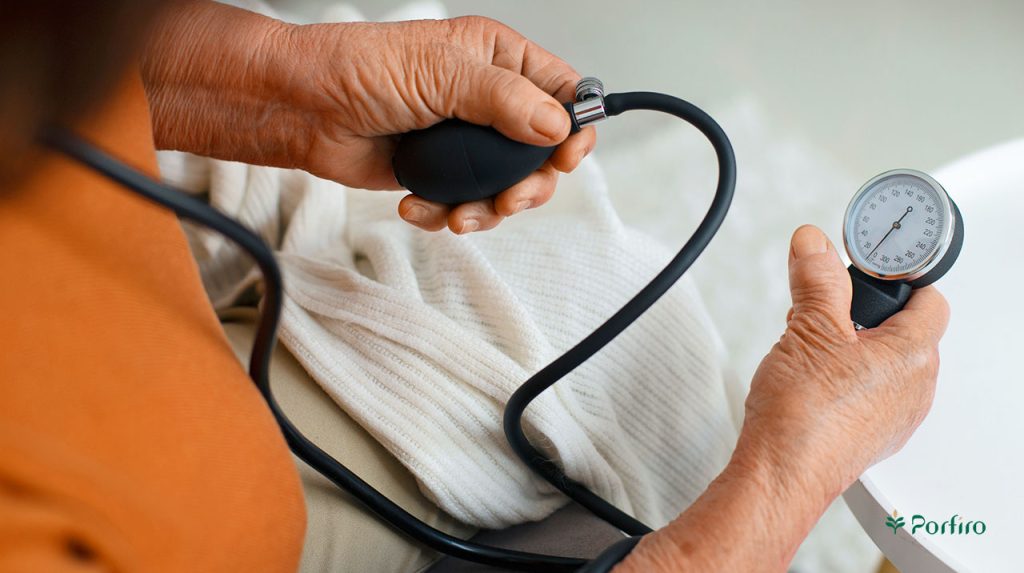
Blood pressure is the pressure exerted by blood on the walls of blood vessels. Normal systolic blood pressure should be under 120 mmHg, while the diastolic reading should be under 80 mmHg. According to the American Heart Association, hypertension is defined as systolic hypertension from 130 to 139 and diastolic hypertension from 80 to 89. Blood vessels could be severely injured when blood pressure remains high for a longer period. This leads to varieties of complications, some of which may be life-threatening. Examples include:
Management of hypertension is available. This condition may not give rise to any symptoms, but regular screenings can assess if anyone needs to take precautionary measures. Current research from Tehran University of Medical Sciences estimates that the prevalence of hypertension in Iran among adults (aged over 50) is at 42%, with a prevalence of 47% of high blood pressure among adult Iranian women and 38% among adult men.
Porfiro, in this article, cites evidence found in credible scientific studies to engage himself in a discussion of the causes of hypertension and methods of treatment. It believes awareness plays a fundamental role within the health of societies wherein organic and health-oriented products can find their true place and earn value. Moreover, they have made it apparent that any diagnosis, treatment, or prescription of medicines, in any arena, must be done under the supervision of a certified physician, and whichever information reaches the layperson is not sufficient for them to take actions.

The heart is a muscle that pumps blood around the body. As it moves, the blood carries oxygen to the body’s vital organs. Sometimes, a problem in the body makes it harder for the heart to pump blood. For example, this can happen if an artery becomes too narrow.
The following charts summarize the definitions of normal and high blood pressures according to the guidelines set by the American Heart Association (AHA). Blood pressure is measured in millimeters of mercury (mmHg) by doctors and comprises two components: systolic pressure which is the top number that takes place also when the heart contracts, and diastolic pressure which refers to the blood pressure taking place between heartbeats. This is a lower measurement and signifies blood pressure when the heart is resting between beats. Thus, a blood pressure reading of 120/80 mmHg means a systolic pressure of 120 mmHg and a diastolic pressure of 80 mmHg.
A sphygmomanometer monitors the blood pressure flow through temporarily halting the flow of blood, usually in the lower arm, then letting it resume function. In the event that a physician is using a manual sphygmomanometer along with a stethoscope, no sound is detected until blood begins flowing through it. It is the first sound that they hear that is equated to systolic pressure. In turn, when this sound disappears again, then it indicates the diastolic pressure. Long-lasting high blood pressure can strain the walls of blood vessels resulting in numerous complications in the health of the affected individual, which in some instances, can be fatal.
| Systolic (mmHg) | Diastolic (mmHg) | |
| Normal | Below 120 | Below 80 |
| Elevated (high blood pressure) | 120-129 | Below 80 |
| Stage 1 High Blood Pressure | 130-139 | 80-90 |
| Stage 2 High Blood Pressure | 140 or above | 90 or above |
| High blood pressure crisis | Above 180 | Above 120 |
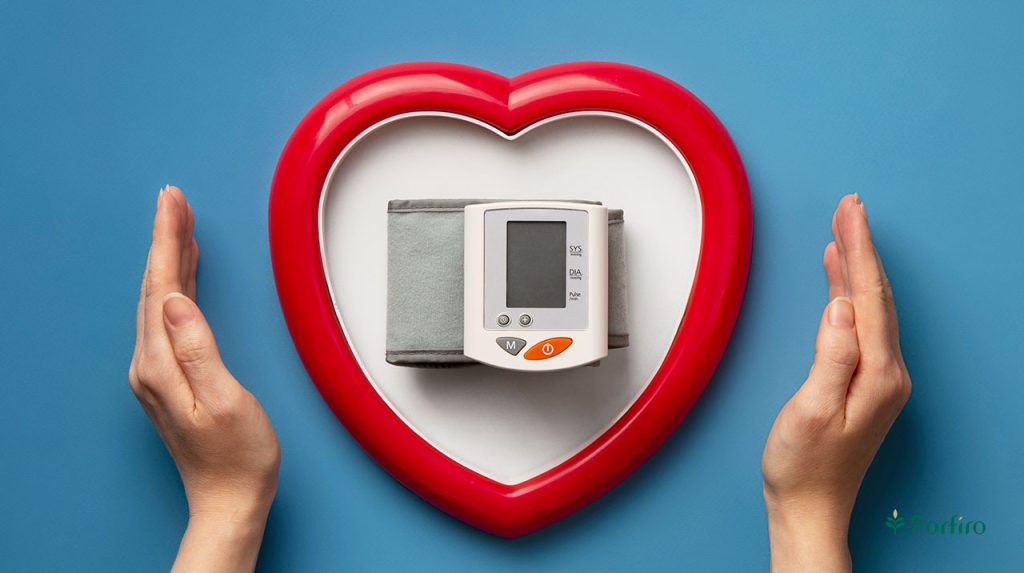
Most individuals with high blood pressure experience no symptoms, which is why it is often called the “silent killer.” However, when blood pressure reaches approximately 180/120 mmHg, it becomes a hypertensive crisis, a medical emergency. At this stage, a person may experience the following symptoms:
If someone experiences these symptoms, they must seek immediate medical attention.
The hormonal factors may also result into difference in the high blood pressure risk factor of the men and the women. There are factors that heighten the possibility high blood pressure among women. They are:
During pregnancy, high blood pressure may suggest the risk of preeclampsia for both the individual and the baby. Preeclampsia may include:
Every individual must be able to follow screening and attend regular health checkups, especially during pregnancy.
Research suggests that men, in the pre-menopausal years, are more prone to hypertension than women, but around the time of menopause, the reverse becomes true. Health experts, however, are divided on whether this change is due to the menopause itself. Some consider that throughout life, hormonal factors-in particular, the presence of estrogen-have been seen as protective at least up until the onset of menopause against high blood pressure.
At menopause, this protective effect is lost, thus marking menopause as foremost among risk factors for cardiovascular disease in women. Others contend that, even if hormonal factors come into play, there are other putative additional risk factors at this time-like increased body mass index, aging, and dietary changes.
In the adolescent population, hypertension can either be due to simple obesity or some medical condition. Those medical causes might include variables like:
Each of these conditions may characterize specific symptoms. The symptoms denoting high blood pressure seen in these groups are similar to what can be seen in older populations. The new findings suggest that while mortality rates from cardiovascular disease have gone down in the older population, the drop in younger populations, those aged 18-39, has not been so steep. The researchers attribute this to lower awareness, treatment rates, and management of high blood pressure among 20-39-year-olds. They therefore call for more attention being paid to the detection of hypertension in these age groups to diminish cardiovascular threats later in life.
High blood pressure can affect children. Obesity and diabetes increase this risk, but other underlying causes include:
Like adults, high blood pressure often does not produce symptoms in children.
Newborns and young infants may occasionally develop high blood pressure due to underlying conditions such as kidney or heart disease. Clinical tests may indicate issues with their blood pressure or cardiopulmonary system. High blood pressure can occur alongside symptoms of other diseases. An infant with high blood pressure might also experience:
Other symptoms depend on the specific condition causing the high blood pressure.
As with any other disease, there are certain conditions that can predispose a person to developing high blood pressure. Some of the biggest ones are:
High blood pressure is said to occur when some changes operate in the body, altering conditions conducive for development of hypertension or when a person is genetically predisposed to develop hypertension, and thus the conditions are aggravated by another disease. The person may have:
Oftentimes there is no cause. Such cases are classified by doctors as primary hypertension. In these cases, alternative care approaches, such as low-fat diets, moderate body weight, avoiding alcohol, and quitting smoking, are believed to be protective against developing high blood pressure.
Pressure health is a very vital cause of wellbeing to maintain numerous body functions for high blood pressure. Then high blood pressure causes seriously to the following:
All these lead to life-threatening situations.
Different factors should be put in the consideration as treatment options vary, especially with how elevated the blood pressure is and with risks for other cardiovascular events or stroke. As blood pressure raises, the directive will differ from one treatment to the other. In susceptible cases, lifestyle adaptation and careful tracking of the blood pressure may be recommended instead.
If hyper tension is higher, medication would be recommended. Treatment options could be changed with the passage of time depending on how severe the hypertension is and whether or not complication such as kidney disease develops. Some other individuals may require a combination of more than one drug.
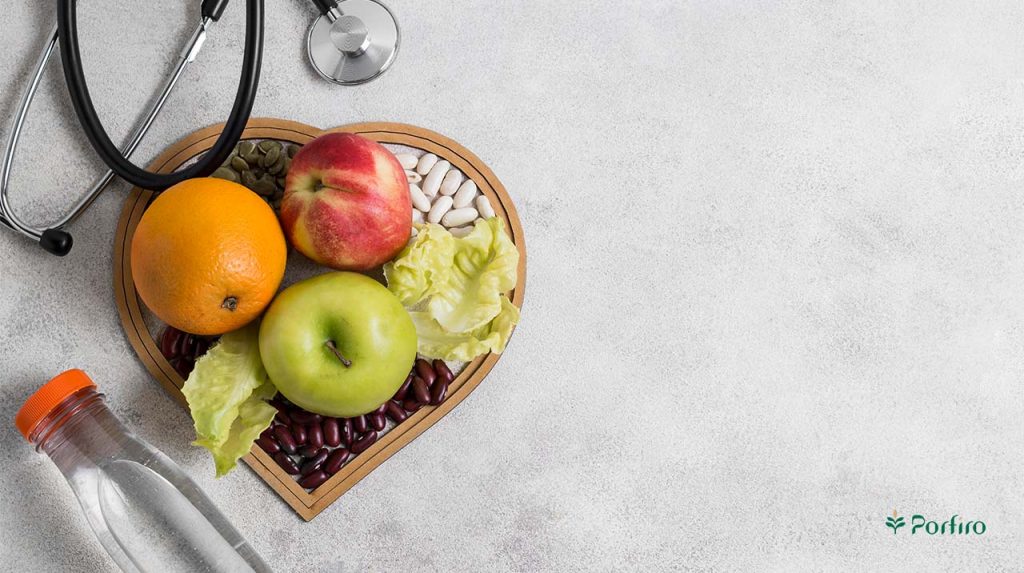
Diet management, along with taking medications prescribed by a specialist, can be an effective way to prevent and treat high blood pressure. Here are some food groups that are suitable for high blood pressure:
Overall, plant-based fat and omega-rich oils make up a highly nutritious and balanced diet along with plenty of fruits and vegetables, and high-quality, unrefined carbohydrates such as whole grains. Fat-free and unprocessed animal products should be included in the diet of individuals consuming animal products.
A healthy and balanced dietary pattern includes lots of fruits and vegetables, plant-based oils and omega, and high-quality unrefined carbohydrates like whole grains. Those who consume animal products should eliminate fat and avoid processed meat all together.
Beneficial fats in moderation can be obtained more from plant sources like avocados, nuts, olive oil, and omega oils. It is best to keep saturated and trans fats from animal foods and processed food to an absolute minimum.
The DASH way of eating has been endorsed by health experts for patients with hypertension. It is based on a dietary plan that gets down to whole grains, fruits, vegetables, nuts, seeds, legumes, and low-fat dairy products.
| Food groups | Number of weekly meals for those eating 1600 to 3100 calories per day | Number of weekly meals for those on a 2000 calorie diet |
| Grains and grain products | 6-12 | 7-8 |
| Fruits | 3-6 | 3-5 |
| Vegetables | 4-6 | 4-5 |
| Most low-fat or fat-free dairy foods | 2-4 | 2-3 |
| Lean meat, fish, or poultry | 1.5-2.5 | 2 |
| Nuts, seeds, and legumes | 3-6 | 4-5 |
| Fats and candy | 2-4 | Limited |
Studies on the relationship between caffeine and blood pressure have yielded conflicting results. Reports have shown that moderate amounts of coffee appear to be safe for people with high blood pressure.
The AHA recommends a series of lifestyle adjustments that can help lower blood pressure, such as:
It’s important to talk to a healthcare professional before introducing any new lifestyle changes or plans.
The AHA recommends healthy people to exercise for approximately 150 minutes a week of moderate-intensity physical activity. You can combine 30 minutes or three 10-minute sessions per day with five of those days a week; and this is also enough for someone with a high blood pressure condition. Those who have been inactive for some time or recently diagnosed should also see a doctor before embarking on any new physical activity program to determine its suitability.
According to recent studies, loss of approximately 2.5-5 kilograms of an individual serves to lower blood pressure. Weight loss enhances blood pressure medication efficacy. Methods to induce and maintain moderate weight range from regular exercise to diets, especially emphasizing plant-based foods. A lesser intake of fats and added sugars would serve these individuals well.
Sleep itself cannot cure high blood pressure; however, lack of quality sleep can aggravate the condition. In individuals sleeping less than five hours at night, the likelihood of high blood pressure increases.
These may contribute to reducing hypertension according to the National Health Center:
However, it must be remembered that for people with high blood pressure, any changes in lifestyle or changes in judgment and diet must be made under the consultation of a specialist physician.
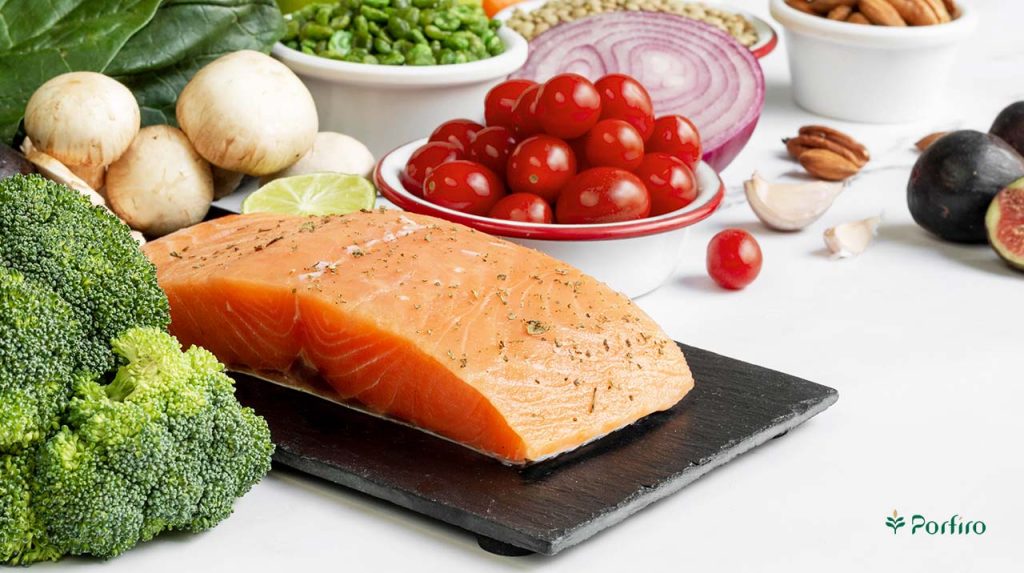
This paper continues research on the possibility of lowering blood pressure with some foods like fruits, vegetables, nuts, and oily fish. Intake of these foods in the diet can contribute to long-term health benefits. Some of these foods might include the following:
This portion of the article presents Porfiro discussing those foods that lower one’s blood pressure scientifically proven.
Blueberries and strawberries are considered berries; they are a rich source of an antioxidant compound called anthocyanins, a specific type of flavonoid. Scientific studies have proven that anthocyanins and anthocyanin-rich berries lower blood pressure. Here are some suggestions for enjoying different ways to eat berries:
One serving of blueberries is about one cup of fresh or frozen berries or half a cup of dried blueberries. One serving of strawberries is considered to be around 7 strawberries. Other foods that are excellent in antioxidants are:
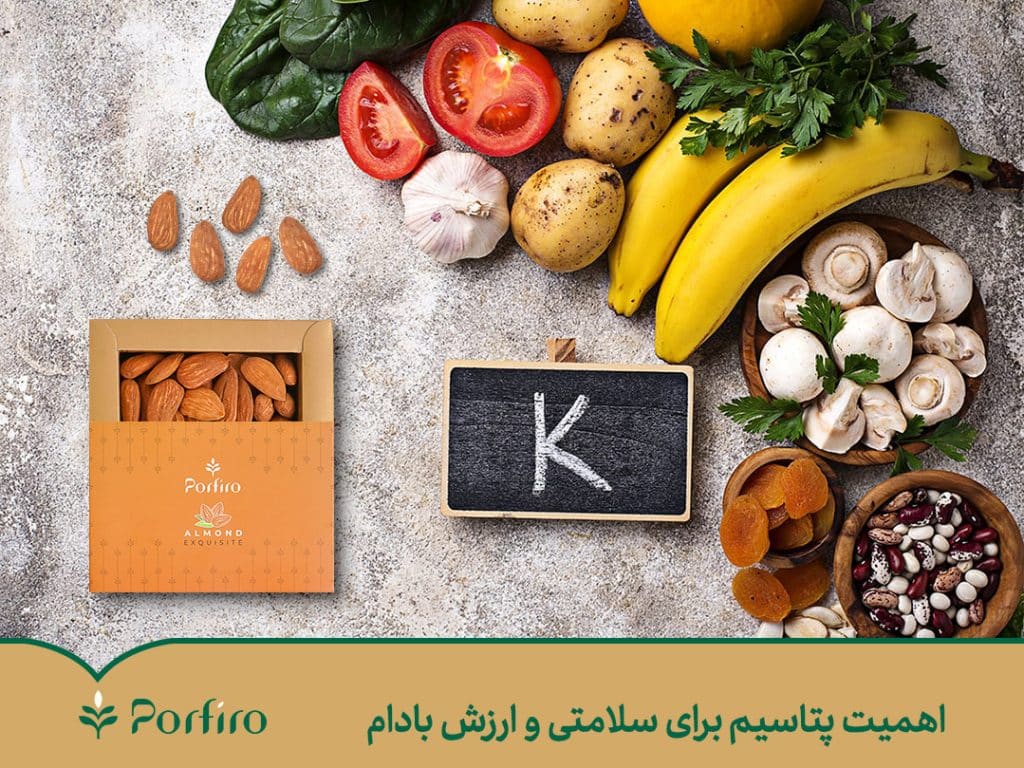
Bananas contain potassium, which can help manage blood pressure. A medium-sized banana contains approximately 422 mg of potassium. A serving includes 1 large banana, 1 cup of sliced bananas, or two-thirds of a cup of mashed bananas. According to the American Heart Association, potassium reduces the effects of sodium and alleviates tension in blood vessel walls. It is recommended that adult men consume 3,400 mg of potassium daily and adult women consume 2,600 mg. Other potassium-rich foods include:
Individuals with kidney disease should consult their doctor before increasing potassium intake, as excessive consumption can be harmful.
Owing to the presence of nitrates, beetroot juice can lower blood pressure in both the short and long term. Studies suggest that nitrates found in beetroot juice reduce systolic blood pressure in people with arterial hypertension but have no effect on diastolic blood pressure. Here are some pointers for usage:
Normal serving portions for beetroot are about 1 cup of raw, cooked, or juiced beetroot.
Cocoa is one of the ingredients used in dark chocolate, which contains flavonoids, a type of antioxidant. Flavonoids may help in lowering blood pressure. However, it has been observed that the amounts of flavonoids eaten from dark chocolate are possibly not enough to exert any considerable effects. Small amounts of chocolate can occasionally form part of a healthy diet.
Kiwi can reduce systolic blood pressure from day one. In a study, people who had 2 kiwis daily before breakfast for 7 weeks had reduced systolic blood pressure compared to the control group. Kiwi is also high in vitamin C. The administration of vitamin C significantly reduced blood pressure in patients suffering from primary hypertension. Kiwi can easily be added to lunch or smoothies. One cup of kiwi, or 2-3 kiwis, is one serving.
Watermelon contains an amino acid called citrulline. The body converts citrulline into arginine, which helps the body produce nitric oxide, a gas that relaxes blood vessels and increases arterial flexibility. These effects can lead to reduced high blood pressure. Watermelon can be consumed in the following ways:
A serving of watermelon is 1 cup of diced fruit or 1 slice approximately 6 centimeters long.
Indicate that oat fiber, known as beta-glucan, can contribute to heart health and beneficial for blood pressure. The findings of research have proved that components in oats can prevent high blood pressure and have other cardiovascular benefits. So, how to include oats in the diet:
Oats have a very special type of fiber which is called beta-glucan and can be very helpful to the health of the heart and blood pressure. The findings from the research indicate complex things together can prevent high blood pressure and even may take part in other cardiovascular protective mechanisms. Here are the ways to use oats:
These vegetables are an excellent source of nitrate, which aids in the control of blood pressure. Consumption of one cup of these leafy greens daily can reduce blood pressure and the risk of cardiovascular diseases and include:
This can be achieved by incorporating leafy greens into daily diet by:
One serving is said to be two cups fresh or one cup cooked leafy vegetable.
Garlic has antibiotic and antifungal ability, which can be largely credited to its principal active ingredient, allicin. Garlic, in general, and Kyolic garlic, in particular, may reduce:
Garlic adds flavor to many savory dishes, from French fries and soups to omelets. It can also be used as a salt substitute to impart flavor.
Such foods contain a variety of probiotics, which are good bacteria that are helpful in controlling blood pressure levels. Research findings have indicated that high fermented soybean food consumption in postmenopausal women is associated with a reduction in risk for high blood pressure; however, this may not be true for males. Sodium provides a risk for developing high blood pressure, and restrictions are set on the intake of salt. Yet there is an exception for pickled, fermented vegetables with salt, with those examined being high in sodium and not participating in hypertension. Below are additional fermented foods to include in the diet:
Probiotics may also be given in supplement form.
These lentils are also rich in protein and fiber. Some experts suggest that they might also be beneficial in addressing blood vessel issues in patients with hypertension. Indeed, scientists claim that consuming over 55 to 70 grams of legumes per day is associated with a reduction in the chances of developing high blood pressure. Such legumes include lentils, chickpeas, beans, etc. Lentils can be used in various ways, such as:
Yogurt is a fermented dairy food. To enjoy yogurt without sweetness:
Contains antioxidants and other substances implicated in providing protection against high blood pressure and various forms of arterial thickening. Studies indicate that administration of pomegranate juice on a daily basis may cause a reduction in systolic and diastolic blood pressure in a diabetic individual; it has further been observed to regularly lower blood pressure. Consume whole pomegranates or as juice. When buying pomegranate juice in packages, check that there is no added sugar.
Cinnamon can lower blood pressure but not very significantly. Daily intake of 2 grams of cinnamon for eight weeks or more has reduced blood pressure among individuals with a body mass index of 30 or more. The various ways in which a person can add cinnamon to their diet include:
Citrus fruits contain hesperidin, an antioxidant that may benefit heart health. People can consume citrus fruits in the following ways:
Two portions-a weeks of oily fish-about 3 ounces each-would prove to be beneficial in reducing cardiovascular diseases. Daily intake of approx. 3 g of omega 3 fatty acids may bring the blood pressure down. They can be consumed through fatty fish varieties like salmon or tuna or can be taken directly in the form of fish oil supplements. Here are some examples of oily fish:
However, most fish contain mercury so please find time to check the recently published guidelines on fish consumption consumption-from the Food and Drug Administration (FDA).
The above is saying that tomatoes have lycopene, which may help heart health in terms of antioxidant activity. When used as tomato extract, it could significantly lower systolic blood pressure levels in hypertensive or non-hypertensive individuals. However, adding other varieties of tomatoes into the diet cannot produce the same effect. Researchers found that very high doses of lycopene would cause a reduction in systolic blood pressure while lower doses would lead to its decrease.
Consuming various types of nuts can help manage blood pressure. For instance, regular walnut consumption reduces systolic blood pressure in elderly individuals with hypertension. Moderate nut intake of 55 to 100 grams daily may also aid in blood pressure management in children. Opt for raw, unsalted nuts and:
Six of the healthiest nuts researched by experts are listed below, detailing their specific benefits. The nuts are ranked by protein content, with nutrient measurements provided per 100 grams of raw nuts for each type:
Peanuts are a great way for people to add protein to their diets. Peanuts not only are readily available anywhere but they also are very nutritious. Though botanically classified as legumes, peanuts are generally considered to be nuts. Peanuts contain a range of polyphenols, antioxidants, flavonoids, and amino acids. Evidence indicates that these constituents have all been beneficial to human health.
Almond has surged in popularity in the recent past and is now readily available almost everywhere. It contains slightly less protein than peanuts, making up with other nutrients. As such, almonds could serve in good stead as a healthy, protein-rich snack option for anyone who wants to steer clear of potato chips or pretzels. The fats in almonds are mostly monounsaturated fat. They are also a source of calcium, iron, magnesium, phosphorus, potassium, and vitamin E.
One of the best types of almonds is Porfiro brand almonds, which are produced and distributed in a healthy manner and are handpicked from the best orchards in Saman. To purchase them, visit the Porfiro website.
Pistachios are rich in proteins and other very important nutrients. They provide healthy fatty acids and antioxidants. In a way, pistachios can improve blood pressure and endothelial function, possibly reducing the risk of heart-related ailments. The fat content of pistachios is mostly made of healthy monounsaturated fatty acids. Compared to other nuts, pistachios are lower in minerals, but out of every 100 g, they carry 1,025 mg of potassium otherwise. Vitamins and minerals worth mentioning concerning pistachios are:
Organic Porfiro pistachios are handpicked from organic orchards in Zarandieh, Saveh, and possess several standard certifications, thus making them a proper selection for you. Akbari Porfiro pistachios are packed in appropriate premium-grade packaging, specifically made for highly nutritious and healthy snacks.
Cashew nuts have a creamy texture and can elevate the taste of a large number of dishes and snacks. The majority of fats in cashew fat are monounsaturated. The following are the important vitamin and mineral constituents of cashew nuts:
Compared to other nuts, walnuts have less carbohydrates, but more calories than many nuts. Their high calories come from this nut very high fat content. While walnuts are a source of beneficial fats, it should be noted that the high fat content includes mainly PUFAs. PUFAs may have several benefits in human nutrition. Walnuts don’t only have beneficial fats, but walnut nuts contain some protein, and other important nutrients. Walnuts have lower amounts of some minerals than some of the other nuts:
A study published in the British Journal of Nutrition reported that walnuts are also a good source of flavonoids and phenolic acid.
Hazelnuts are very beloved by sweet dishes because they have an unmistakable flavor. Less protein than other nuts, it might be said to bring forth other health benefits. One such benefit is reducing cholesterol levels as per a study in the well accredited Journal of Clinical Lipidology, which hints at the healthy constitution of hazelnuts. Hazelnuts proteins and fats more resemble walnuts than any other nuts. Most of the fats in hazelnuts are monounsaturated, but they also have polyunsaturated and saturated fats. Nutrients contained by hazelnuts are:
While some foods may decrease the risk of hypertension, the following exacerbate its probability of developing:
More than simple diet and nutrition, here are some other suggestions regarding how to lower blood pressure:
High blood pressure is regarded as potentially dangerous, with few symptoms but able to cause heart attacks, strokes, and all other life-threatening conditions. Individuals should approach the doctor and request how often blood pressure testing should be done since many factors could influence blood pressure results over time and its efficiency directly toward the individual’s heart.
On one hand, changes in diet and lifestyle are also effective interventions for high blood pressure. A healthy diet-almost moderated amounts of fruits, vegetables, oats, nuts, lentils, herbs, and spices-can manage high blood pressure. Whereas increased salt, alcohol, or other processed foods worsen high blood pressure. Personal-physician consultations have sufficiently worked for people to draft their exercise, food, and other plans with a view to the prevention and control of hypertension and other cardiovascular and other conditions.
10187






دیدگاهی در مورد “High blood pressure and proper nutrition”
I have been exploring for a little for any high-quality articles or blog posts on this kind of area . Exploring in Yahoo I at last stumbled upon this website. Reading this information So i am happy to convey that I have an incredibly good uncanny feeling I discovered just what I needed. I most certainly will make sure to do not forget this site and give it a look on a constant basis.
Thank you so much for your detailed and encouraging comment! We’re truly happy to know that you found exactly what you needed on our site. We look forward to having you visit regularly and promise to keep providing high-quality content you can rely on. Your support means a lot to us!
I have been absent for a while, but now I remember why I used to love this site. Thanks, I?¦ll try and check back more often. How frequently you update your website?
We’re so glad to have you back — your kind words mean a lot! It’s wonderful that you’ve been part of our journey from before. We post new content every Monday at 3 PM, so you can always count on something fresh to look forward to each week. Thanks for staying connected with us!
An impressive share, I just given this onto a colleague who was doing a little analysis on this. And he in fact bought me breakfast because I found it for him.. smile. So let me reword that: Thnx for the treat! But yeah Thnkx for spending the time to discuss this, I feel strongly about it and love reading more on this topic. If possible, as you become expertise, would you mind updating your blog with more details? It is highly helpful for me. Big thumb up for this blog post!
We’re so happy to hear that the post sparked such a great conversation — and breakfast too, that’s a win! Thank you for your kind words and thoughtful encouragement. We truly value your enthusiasm for the topic and will definitely keep sharing more in-depth insights soon. Big thanks back to you for the support and positive energy!
Hello, you used to write fantastic, but the last few posts have been kinda boring… I miss your great writings. Past few posts are just a little out of track! come on!
We really appreciate your honesty and long-term support! It’s so valuable that you’ve been following our work and caring enough to share your thoughts. We welcome your feedback and have some exciting content in the works – we’ll do our best to bring back the spark you’ve lost! It might be a good idea to let us know what you find interesting so we can add it to our schedule.
I have been surfing online greater than 3 hours nowadays, yet I by no means discovered any interesting article like yours. It’s beautiful value sufficient for me. Personally, if all webmasters and bloggers made just right content as you did, the web will be much more helpful than ever before. “Oh, that way madness lies let me shun that.” by William Shakespeare.
We’re truly humbled by your kind words — thank you so much! It’s wonderful to hear that our content resonated with you after such a long search. We couldn’t agree more about the value of meaningful writing, and we’ll keep striving to create content that adds a little more light to the web. Loved the Shakespeare quote, too — a classic touch!
certainly like your website but you need to test the spelling on several of your posts. Many of them are rife with spelling problems and I in finding it very troublesome to inform the reality then again I?¦ll surely come back again.
We really appreciate your honest feedback! Thank you for taking the time to point that out — we’re reviewing our posts and working to improve those details. Your support and willingness to return mean a lot to us, and we hope you’ll enjoy the updates ahead!
I like what you guys are up also. Such intelligent work and reporting! Carry on the excellent works guys I have incorporated you guys to my blogroll. I think it’ll improve the value of my website 🙂
We’re truly grateful for your wonderful feedback and support! It’s so rewarding to know that our work brings value and inspiration. Thank you for adding us to your blogroll — we really appreciate it and look forward to continuing to share high-quality content with you!
As a Newbie, I am constantly searching online for articles that can help me. Thank you
We’re so happy to hear that our content has been helpful to you! It’s wonderful to see your curiosity and eagerness to learn. We’re excited to keep sharing more insights that can support your journey — thank you for being here with us!