



International Farm Workers Day is commemorated annually on June 11th; a day to pay tribute to the hardworking efforts and ceaseless labor of farm workers. The day is a reminder of this hardworking group’s important role in feeding the world and providing global food security. Porfiro, in the continuation of this article, covers this topic and discusses why it is crucial to learn more about this group of society.
Agriculture has been among the oldest and most simple human endeavors dating back around 12,000 years to when early humans transitioned from life as hunter-gatherers to settling down, cultivating the land, and keeping domesticated animals. This basic shift was the foundation of human civilizations and the development of societies. Since then, until the current day, farm laborers, with their tireless efforts, have been the support of food production on the planet.
As the international symbolic day of appreciation for a group whose existence is kept alive by tireless efforts in weathering harsh and now frequently unfavorable weather conditions work in the production of crops and in livestock raising, the day chosen to represent International Farm Workers’ Day is June 11.
The common man, who usually sees only the variety of packaged foods in stores, forgets that behind each of those products is a story of production. Hence this day stands as a reminder to emphasize the importance and value of farm workers-a place where fresh and healthy food would be not possible for one to stand on without them.
Farm workers also plant crops and harvest them; they also tend to livestock and medicinal plants. With the advancement of technology, this work has become more specialized. Yet many other things like difficult working conditions, low wages, lack of proper social security have always remained inseparable elements of this profile.
International Farm Workers’ Day provides the platform to develop an awareness among people about the importance of agriculture and the role farm workers play in our economy and our daily life. This is also the day to honor their efforts and to work for bettering their working and social conditions.
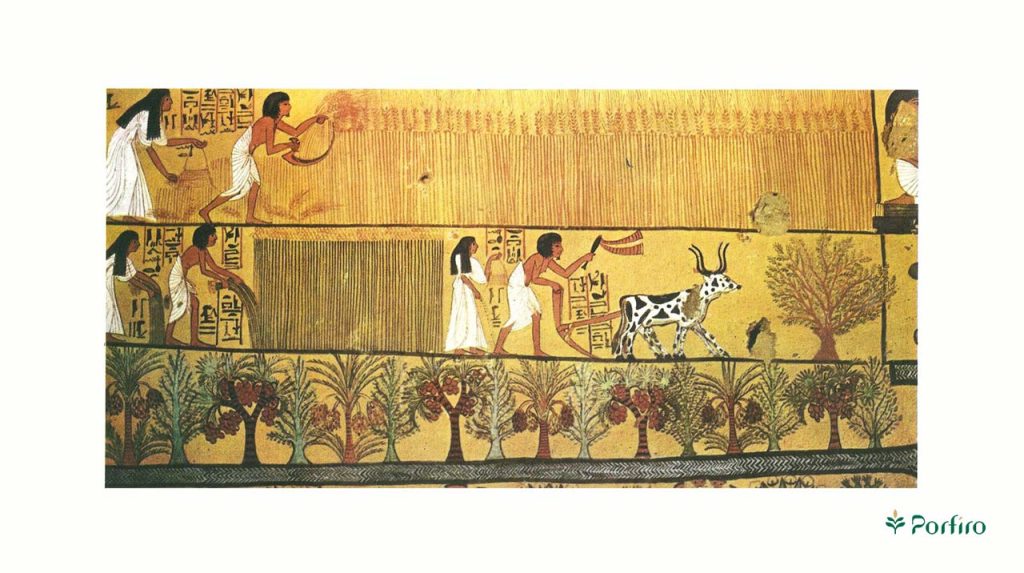
Farming is probably human history’s greatest invention, an innovation that began approximately 12,000 years ago and revolutionized human existence from a settled agriculture to a hunter-gatherer. This transition, or “Neolithic Revolution,” took place in regions such as the Fertile Crescent of the Middle East, now encompassing Iran, Iraq, Syria, and Turkey. The archaeological evidence at the Chogha Golan mound in Iran’s Zagros Mountains shows humans domesticated and milled wheat and barley approximately 11,000 years ago.
Several factors paved the way for this major transition, climate change after the last Ice Age allowed free growth during warming conditions, while a rising population increased demand for safer and sustainable food supplies. Early agriculture began very simply with stone and wooden hoes for cultivation, locality work, and irrigation methods, to which eventually animal husbandry was added.
The agrarian revolution saw humans generating surplus food, leading to a state of growth for cities, specialization of occupations, and hence complex civilizations in Mesopotamia, Egypt, and other areas. In the process, farmers laid down economic and cultural foundations for ancient societies through the cultivation of grains, legumes, fruits, and rearing of animals.
International Farm Workers Day is celebrated every 11 June, with the main emphasis on the field of agriculture, the farm workers, and the global economy in the daily lives of people. The day pushes for legal assistance, better working conditions, and improving the quality of life of farm workers. Celebrations consist of events, speeches, and educational activities aimed at fortifying the rights and social status of these workers in many countries.
Observance of International Farm Workers Day varies by nation depending on historical, cultural, and geographical conditions. In older farming nations such as Iran, India, Mexico, and some African countries, the day is largely seen as an occasion to remember farming heritage and honor farm workers.
The day is observed with rallies and demands for workers’ rights and improved working conditions in certain countries, and cultural events and local festivals in others. In addition, the climatic conditions and the nature of agricultural output in each country decide the character of activity and issues of the farm workers, and this diversity is reflected in the programs conducted on International Farm Workers Day.

Farm workers play a fundamental role in the food production cycle and in maintaining food security for society. By carrying out a wide range of physical and specialized tasks—from planting seeds to harvesting crops and caring for livestock—they are the backbone of agriculture and essential to meeting the food needs of the global population.

Farm laborers toil under various conditions such as open fields, greenhouses, and livestock-raising farms, and they have a variety of tasks to execute. Some of their major tasks are:
In agriculture, farm workers take care of animals on a daily basis, i.e., feeding, examination of health and hygiene, assistance in birth, vaccination, and marking the animals.
They also assist in maintenance and repair of farm equipment, fitting irrigation facilities, and repair and maintenance of farm buildings and structures. Other skilled farm workers, such as agricultural machinery operators, operate and maintain machinery for plowing, planting, and reaping.
Farming, especially manual farming, requires much physical strength and endurance of harsh weather conditions. Farm workers typically spend their working hours outdoors under rugged weather fluctuations, such as sun, cold, rain, and wind. Irregular and long working hours, particularly for planting and harvesting, create enormous physical and mental strains on them.
Apart from such physical afflictions, the economic issues such as low income, lack of insurance and adequate support, and poor access to welfare centers are also serious issues for this group. In addition, exposure to pesticides and chemicals can be unsafe for the health of the laborers, and hence strict enforcement of safety measures is required.
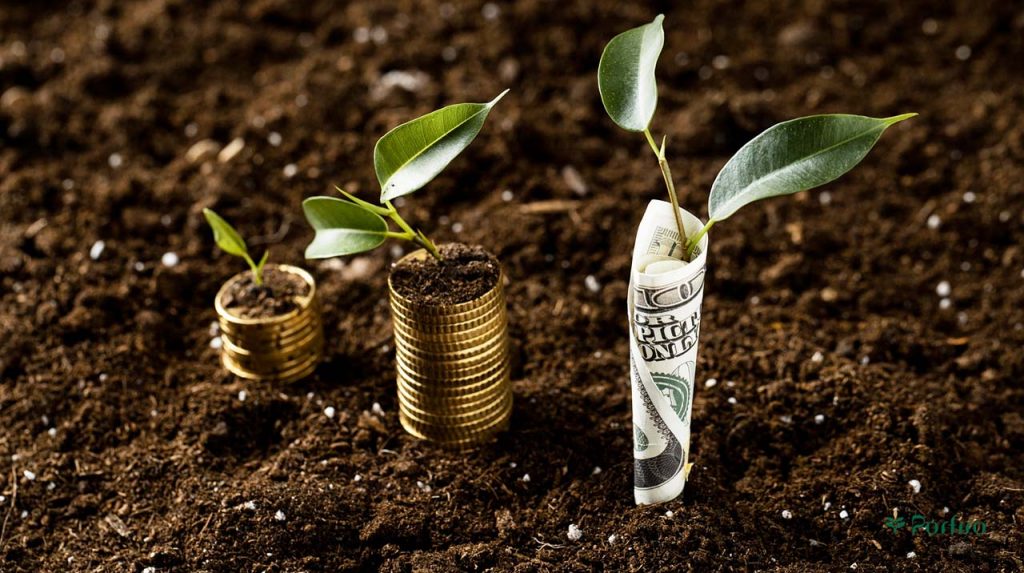
Through their continuous efforts, farmworkers are accountable for producing nutritious and sufficient food for the world’s growing population. Without the precise and continuous work of farmworkers, the cycle of food in agriculture would be disrupted, threatening food security. Not only do they help produce crops, but they also supply protein products by keeping cows.
Economically, farming is a vital sector in the national economy of the majority of countries, and agricultural workers as the main workers in the sector are essential to gross domestic product and the creation of employment opportunities. Improving working conditions can yield better productivity and sustainable agricultural development.
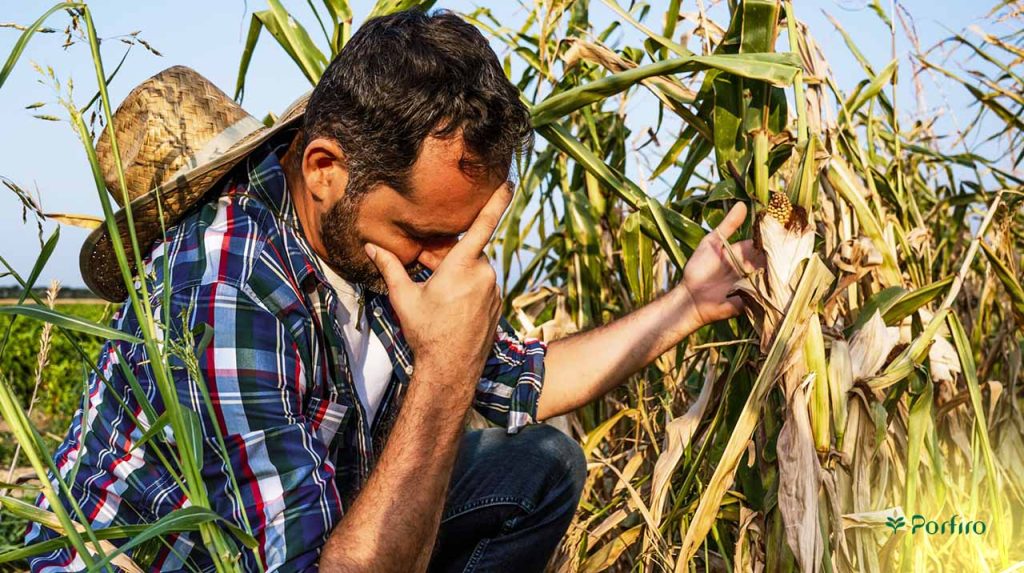
Farm workers face a range of serious problems and challenges that directly affect their quality of life, health, and job security. These issues include livelihood concerns, poor working conditions, and the impacts of climate change and technology, which will be examined in detail below.
The livelihood plight of farm workers is aggravated by low wages. Prices for housing, food, and basic necessities are many times more than what this workforce is able to remit. Statistics reveal that more than 65% of farm laborers are tenants and furnish heavy rent expenses that often exceed 50% of their earnings.
The swelling prices of living coupled with inflation have depleted workers least budgets, and as a result, many now sacrifice on essential items of food. The rise in food insecurity among farm workers and declining health can be seen as consequences of this scenario. A lack of determined and integrated support framework for livelihood and shelter, whether cheap bank facilities for obtaining loans or affordable housing programs for workers, would be worsening these issues.
Working conditions on farms are generally tough and hazardous. Farm workers are exposed to various risks such as adverse weather conditions, the use of agricultural chemicals (fertilizers and pesticides), and performing heavy, repetitive tasks that can lead to physical injuries and occupational illnesses.
Moreover, the lack of adequate welfare facilities at the workplace—such as rest areas, sanitary services, and access to medical care—puts workers’ health and safety at risk. In some areas, workers are not even allowed to have rest rooms, which leads to fatigue and reduced productivity.
Climate changes resulting in droughts, floods, and prolonged periods of temperature fluctuations across the years and decades have a great impact on agriculture earning and therefore, farm workers working conditions. There are fewer water resources available for agricultural production, the climate is erratic, and the droughts are increasing the agricultural working conditions have further deteriorated.
The agricultural production of a region has lessened with reductions in water rights and areas that have decreased produced become dried up fields in a disturbance to the working conditions for farm workers. Their income from these agricultural changes directly declines.
Alternatively, technology is critical on farms, and advancements in farm technology also can be considered as an opportunity in the contemporary agri-food production context. When using advanced machinery reduce was for traditional role, specialty roles were more available such as less workers were needed for greater jobs.
On the one hand, farmers still need people on their farms however few as they are now specialty roles more advancing farming practices. This segmented workforce and the requisite training for these new technologies further put farm workers in vulnerable circumstances.
Farm workers are the backbone of food production; they have a significant and important role in society. Recognizing and supporting this group is not only the right thing to do; it is also a requirement for sustainable agricultural development and food security.
Although many people find farming simple, it is labour, physically demanding, and a complex job that demands skill, patience, and hard work. Farm workers work in challenging economic and environmental situations during all seasons and stages of planting, cultivating, and harvesting. They produce a significant amount of the agricultural value added while working for very low wages with little support. Without farm workers, the cycle of food production could be jeopardized.
Additionally, a number of farm workers are legally insecure because they do not have contracts, insurance, or social protections that support them in their work. Farm workers livelihoods and job security are undermined by these issues. Special attention to farm workers means protecting their basic rights, improving their lives and motivation, and in the end, increasing the quality of production and economic development.

Consumers may also play a decisive role in helping farm workers. Purchasing the right products from farms, advocating for sustainable agriculture, and buying directly from farmers can increase their incomes and working conditions. Creating awareness regarding the necessity of farm workers and their issues also subjects governments and employers to social pressure to improve the rights and working conditions of such workers.
By eating organic and sustainable agriculture, consumers are also promoting the safeguarding of the environment and health of farm workers. Furthermore, the promotion of unions and labor associations that advocate for workers’ rights can be an effective means of enhancing working conditions.
Certain improvements will be needed to enhance the plight of farm workers, some of the more significant improvements include the following:
International Farm Workers Day is celebrated every year on June 11th and serves as an opportunity to honor the efforts of this hardworking group, who are often overlooked. The day is marked by symbols, ceremonies, and special messages that take various forms in different countries, playing an important role in raising public awareness and appreciation for farm workers.
International Farm Workers Day is celebrated in various countries and cultural programs are organized, usually involving local gatherings on local farms, speeches by officials or activists associated with the agricultural industries, displays of agricultural products, and art activities. Large, colorful festivals are held in India and Pakistan during December, which include local dance performances, local foods, and religious rituals.
In some countries, this day is also used to make labor and legal demands for farm workers and people demonstrate, gather and march for improved working conditions. Alternatively, in some developed countries, this day is associated with official ceremonies attended by government officials and media as an opportunity to showcase the role of farm workers in the economy and food security.
Messages celebrating International Farm Workers Day generally express appreciation for their tireless work and remind us of their importance to food production. These messages come from all sorts of organizations – government, actors associated with labor (such as unions), civil institutions, and even companies that farm and grow food, and will take the form of statements, videos, and social media posts.
They also act to remind us that every bite of food on our table is a result of the hard and exhausting work of farm workers – without them, we are all at risk daily. Furthermore, these messages probe for legal and social support for this important community.
The media plays an important role in the need for a culture of appreciation for farmworkers and the ability to develop a greater awareness of farmworkers by the general public through proper news coverage, documentaries, investigative journalism, educational, and public service programming can properly portray this industry’s actual image and potential obstacles, increasing social sensitivity to billions of rights and challenges.
Education is also highly effective; schools and universities can include topics in their programs that relate to agriculture and farmworkers, exposing the next generation to this workforce and enabling them to learn about their significance. Social media educational and awareness campaigns can also help influence changing attitudes in the public towards farmworkers.

The lives and struggles of farm workers and agricultural laborers are an important and incredibly impactful subject matter in global cinema. There are so many examples of both fictional and documentary films that invigorate the lives, struggles, and hopes of these workers and pull back the veil of perception and myth to bring the public awareness to the importance of agriculture and farm workers.
The plot centers on an American farmer who constructs a baseball field on his farm to attract the spirits of legendary baseball players. The film stars Kevin Costner, and poetically and symbolically captures farm life and the connection of human beings to the land while demonstrating how agriculture is a place of dreams and hope.
This film depicts a farming family’s struggles from 1980s America – and it’s the first movie to stop to address how small farms struggle against big capitalism. Country shows, in stark fashion, how economic and social changes impact farm workers’ lives and experiences.
This moving documentary chronicles the real life of farmer John Peterson, a non-traditional farmer from Illinois. It covers the rumors, the economic hardships, and attempts to save his farm through his own particular methods, and provides a genuine, humanistic view of the lives of farm workers.
Directed by Iranian-American filmmaker Ramin Bahrani, this film chronicles the struggles of the farming family as they try to hold onto the farm. The story is fundamentally about the father’s and son’s relationship and about the investment in an agricultural life that is both hard and hopeful.
An Iranian film that tells the story of a farm worker raising ostriches outside of Tehran. However, along the way, it depicts his struggles socially and economically; how he tries to make a living; and the unrecognizable changes left by urban life on his character, and ultimately offers a concrete understanding of the conditions of farm workers living and laboring in Iran.
A film looking at a poultry farm worker and his family and societal concerns. As with Avaz-e Ganjishkha, you see the farmer’s or farm workers role clearly. The example is fishier fish situation than to be found anywhere else in contemporary society and captures the nature of the farm worker’s situation contemporarily.
These films tell not only human and emotional stories but address the socio – economic and environmental issues connected to agriculture. They show us the real-life challenges that both farmers and farm workers face in the day to day; which gives audiences understanding, empathy and reasons to want to support, and value the work done by farmers and farm workers.
International Farm Workers’ Day is a golden opportunity to celebrate and honor the invaluable contribution of these hardworking workers towards food security and the sustainability of our very being. Through their incessant and diligent labor, farm workers ensure pillars of agricultural economies and public health—a contribution that is often overlooked but without which access to proper and wholesome food for the world’s growing population would be unattainable.
Respect and tangible support to farm workers is not only human and moral duty but also the solution to sustainable agricultural progress and improvement of living standards of this crucial section. It should include improvement of working environment, wages, insurance and welfare facilities, and education and empowerment possibilities so that farm workers can restart work in a secured and motivated environment.
Lastly, society and the media are responsible for creating public awareness of the worth of farm workers. With effective coverage by the media, education, and cultural promotion, we can change attitudes and lay the groundwork for broader and more productive action. International Farm Workers Day is a reminder that every mouthful of food we eat is the labor of these powerful hands, and to salute them is an essential step toward building a fairer and more sustainable world.
10221