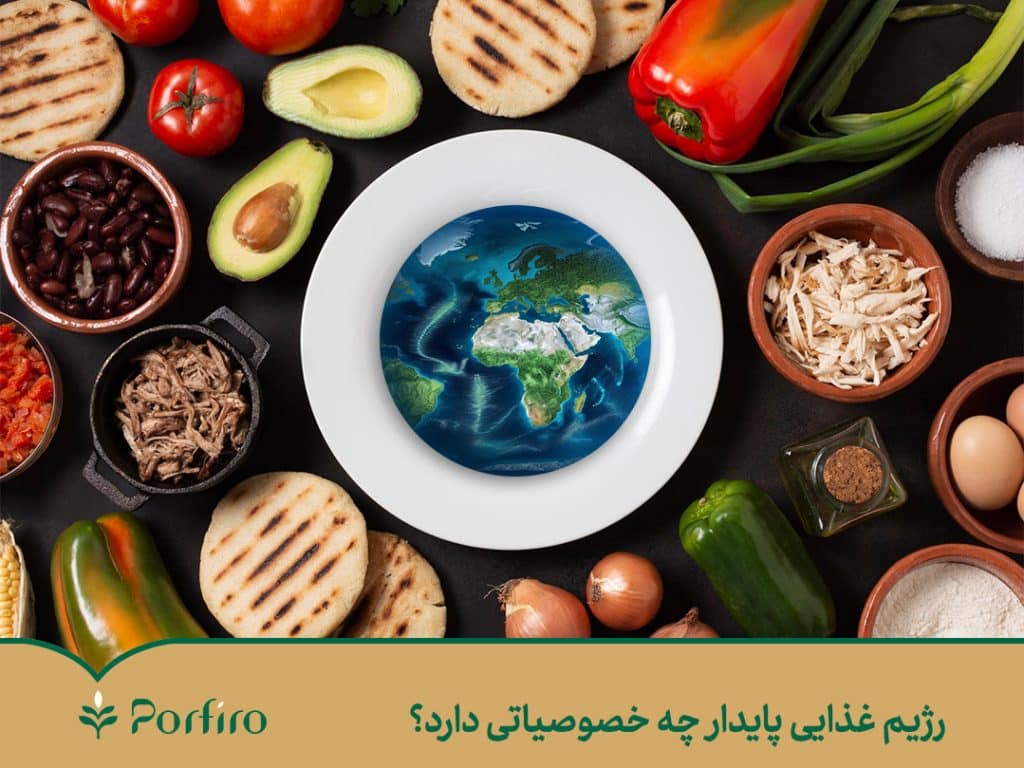




Did you know that the production of healthy food depends on the soil in which your food is grown? The healthier the soil, the more nutrients and the higher the concentration of vitamins and minerals in your food. In fact, what crops “absorb” can affect the nutrients on our plates. The general opinion is that in both conventional and organic agriculture, efforts are made to increase yields on existing land and produce healthy food to feed the growing world population. That being said, regenerative practices include all farming practices on conventional and organic farms and may just be the key to healthier soils and even more nutritious foods.
The soil may seem simple, but the world inside is more diverse than all the species found in the Amazon rainforest. This ecosystem is full of nutrients, minerals, microbiota and fungi. All of these microorganisms work together to produce the nutrients plants need to grow and keep us healthy.
The most famous function of soil is its support for healthy food production. It is the basis of agriculture and the environment in which almost all food-producing plants grow. In fact, it is estimated that 95% of our food is produced directly or indirectly in the soil. Healthy soils provide the essential nutrients, water, oxygen and root support that food-producing plants need to grow and flourish. The soil also protects the delicate roots of plants against extreme temperature fluctuations.
However, according to the United Nations (UN) report, one third of the world’s land is currently degraded; For this reason, it has reduced the quality and quantity of products and food produced. Soil health is critical to healthy food production globally and many other aspects of life on Earth. Soil degradation can have severe environmental consequences such as flooding and mass migration.
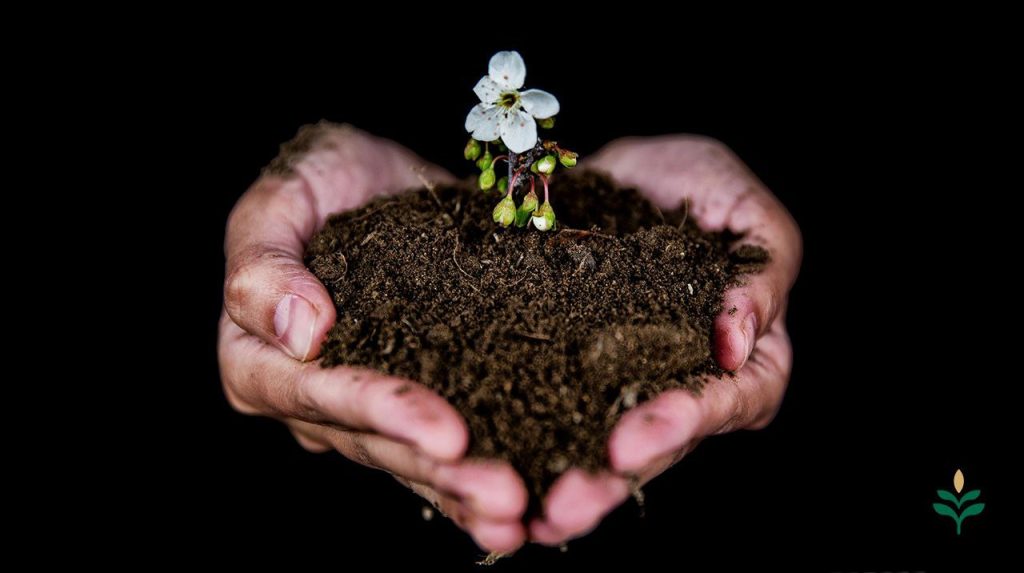
Soil health is actually defined as the soil’s capacity to function as a living system. Healthy soils maintain a diverse community of soil organisms that help control plant diseases, insects, pests, and weeds. They also form beneficial symbiotic bonds with plant roots and recycle essential plant nutrients. On the other hand, the soil structure is strengthened with positive effects to conserve soil water and nutrient storage capacity, and finally, crop production is improved.
Healthy soil also helps reduce climate change by maintaining or increasing its carbon content; Therefore, we must know that the production of healthy food depends on the soil; because nutritious, high-quality food and fodder can only be produced if our soil is healthy; Therefore, a healthy living soil is a support system for food security and nutrition. So, healthy soils are the basis of healthy food production; Therefore, they can be considered as the basis for the food security of the world.
The availability of food depends on the soil. Nutritious and high-quality food as well as animal fodder can only be produced if there are living and healthy soils. Over the past 50 years, advances in agricultural technology and increased demand due to population growth have put soils under increasing pressure. In many countries, intensive crop production depletes the soil, compromising the capacity to produce healthy food and the ability of the soil to meet the needs of future generations; Therefore, maintaining healthy soil requires sustainable land management.
The world population is expected to exceed 9 billion people by 2050; Therefore, there is competition for land, water resources and the impact of climate change. Our current and future food security depends on our ability to increase yields and produce healthy food using the soils that are currently being produced. Holistic production management systems that increase and promote the health of the agricultural ecosystem are socially, ecologically and economically sustainable and are considered essential in order to protect the soil and maintain high production capacities. Farmers have an essential role in this field. In the meantime, numerous and diverse agricultural approaches promote sustainable soil management with the aim of improving productivity and producing healthy food; for example:
uses the principles of ecology to study and manage agricultural systems to be more productive and better at preserving natural resources. This whole approach is an approach to developing agricultural and food systems based on a wide range of technologies, practices and innovations (including local and traditional knowledge as well as modern science). By understanding and working with the interactions between plants, animals, humans and the environment in agricultural systems, agroecology covers several dimensions of the food system, including ecological, economic and social.
agricultural products are produced without the use of industrial chemicals or transgenic (genetically modified) organisms, growth regulators and animal feed additives. It also emphasizes the holistic management approach of the farm; Where rotation and animals play an important role in the agricultural system. Soil fertility is the cornerstone of organic management and healthy food production. Because organic farmers do not use synthetic nutrients to restore degraded soil, they must focus on building and maintaining soil fertility primarily through their basic farming practices.
Conservation agriculture practices significantly improve soil conditions by following three principles. It also reduces land degradation and increases yields in many parts of the world: minimal soil disturbance, permanent soil cover, and crop rotation. For long-term sustainability, organic matter depletion in any agricultural system should never exceed the rate of soil formation. In most agricultural ecosystems, this will not be possible if the soil is mechanically disturbed; Therefore, one of the principles of conservation agriculture is to limit the use of mechanical soil disturbance or tillage in the agricultural process.
Zero tillage or no-till planting is one of the techniques used in conservation agriculture. Permanent or semi-permanent cover (for example, a growing crop or dead mulch) protects the soil and protects it from sunlight. Rain and wind allow soil micro-organisms and animals to balance the solutes and nutrients of the soil. These natural processes are disturbed by mechanical tillage. Minimizing or not using tillage can reduce soil erosion during operation. At the same time, it saves time and money by reducing the annual investment of fuel and labor.
Agroforestry systems include traditional and modern land use systems where trees are managed along with agricultural products and/or livestock production systems in agricultural environments. A combination of trees, crops, and livestock reduces environmental hazards and creates a permanent soil cover against erosion. It also minimizes flood damage, acts as water storage and benefits crops and pastures. In general, a better understanding of the links between soil life and ecosystem performance and the impact of human interventions makes possible the reduction of negative effects and provides the possibility of more effective exploitation of the benefits of soil biological activity for more sustainable and productive agriculture to produce healthy food.
In many ways, besides providing and producing healthy food, soil is vital for life on earth. Minerals and microbes in the soil play a vital role in purifying water and filtering pollutants. Soil helps regulate water movement and prevent flooding by controlling whether rainfall and irrigation water passes over it or enters it. Plants and animals in the soil can destroy harmful bacteria and be used in medicine. Soil also plays a vital role in stabilizing the changing climate; Because it is the largest carbon reservoir after the oceans and helps regulate the concentration of carbon dioxide in the atmosphere.
The increase in demand for agricultural products has caused more grasslands and forests to be converted into fields and pastures for agriculture. Intensive agricultural activities disrupt the soil structure, which causes the loss of organic matter and fertility, disrupts the water cycle, organic carbon and plant nutrients, and accelerates surface runoff and soil erosion. Excessive grazing and the cultivation of only one crop in one area of land (monoculture) can also severely damage the soil.
The absorption of nutrients from the soil over the years effectively leads to soil depletion and creates an ideal environment for pests and diseases that destroy crops. Such changes in the environment threaten food security and healthy food production globally. According to United Nations estimates, more than 800 million people are hungry in the world and by 2050 we need to produce 60% more food to feed more than 9 billion people in the world.
In general, a better understanding of the links between soil life, ecosystem functioning and the impact of human interventions will reduce the negative consequences and enable the production of healthy food from the benefits of soil biological activity for more sustainable and productive agriculture.
There is a complete network of life in the soil that provides the basis for the survival of the ecosystem. Healthy soil allows plants to flourish and has other benefits. This soil benefits plants, people and the environment in general. Here are some benefits of healthy soil:
The benefits of healthy soil for healthy food production are the result of a vibrant ecosystem in the soil. Soil health depends on the delicate balance of living organisms in it that work to break down organic matter, recycle nutrients, and support plant growth. This complex biological system in healthy soils is called “soil food web”. In general, nutrients are being recycled through this network from plants to beneficial microbes to larger organisms such as earthworms and back to the soil. In the soil food web, one organism’s waste is another organism’s treasure. In other words, nothing is wasted; Because nutrients circulate in the network cycle. Each level of the network contributes to the health of the entire system.
Healthy plants depend on the soil food web. They produce sugars through the process of photosynthesis, but they also need other nutrients. However, many of these nutrients are locked up in the soil in forms that plants cannot use directly; Therefore, they enter into exchange with beneficial fungi and bacteria. These microbes break down nutrient-rich organic matter into plant-available forms. Instead, plants provide sugar to microbes; Therefore, plants that are part of the soil food web are considered to be well-nourished and healthy plants.
If the food network of the soil is not in place, plants will have problems getting the nutrients they need; As a result, the production of healthy food for wildlife and humans is challenged. They are also more vulnerable to pests and diseases. When plants are malnourished, they produce fewer phytochemicals and are unable to repel pests. In healthy soil, beneficial fungi and bacteria cover the surface of plant roots and protect pathogenic microbes from reaching root nodules.
Beneficial bacteria in soil release sticky secretions that bind soil particles together. Beneficial fungi also produce secretions that hold most soil grains together. These sticky oozes create soil structure; In this way, the soil sticks together and at the same time, there is a lot of air between the grains. Worms and other insects also improve soil structure; For example, earthworms burrow into the soil and create channels that allow air, water, and roots to penetrate deeper.
As we said, having healthy soil is necessary to produce healthy food; There are many ways to have healthy soil; Including:
Planting diverse plants: diversity of plants creates vibrant ecosystems above and below ground; For example, different types of plants bring different nutrients into the soil for exchange with microbes. Increasing diversity in operations can break disease cycles, stimulate plant growth, and provide habitat for pollinators and soil organisms. for this purpose:
Adding organic matter to the soil: organic matter feeds many members of the soil food web; So amend the soil with compost, composted leaves, perennial wood chip mulch, and more.
Plant root inoculation with mycorrhizae: Annual and perennial plants alike benefit from a symbiotic relationship with fungi, especially mycorrhizal fungi. This practice is called mycorrhizal inoculation, in which the seeds or roots of seedlings are impregnated with mycorrhizae. There are several types of mycorrhiza; For example, ectomycorrhizal fungi enter into symbiosis only with trees. In the meantime, the farmer should do enough research to make sure he is using the right type of inoculum for his plants.
Reduced soil disturbance: Any tillage or soil disturbance (from animal manure to plows) disrupts mycorrhizal networks and soil structure. Although the soil often requires substantial plowing, efforts should be made to avoid disturbing the soil as much as possible. If the farmer has enough time and money, using a variety of mulches to eliminate weeds can be very useful. To minimize soil disturbance and produce healthy food, you can:
Refusing to use plastic mulch: Plastic mulch prevents the penetration of water and air into the soil and also has environmental harm.
Having plants in the field in all seasons: Beneficial microbes, which are the foundation of the soil food web, need plant roots to survive. The absence of plants in the ground for a long period of time causes the destruction of the life cycle in the soil; For this purpose, in addition to agricultural plants, you can also use cover plants. Although these plants are not usually harvested for profit, they provide a valuable service. The roots of cover plants create channels in the soil that improve the ability to absorb water. These plants also build soil organic matter, holding the soil in place and feeding its organisms. To maximize soil cover throughout the year you can:
Use of perennial plants and trees on the edges of the fields: Set perennial plants inside the fields or edges. Beneficial fungal and bacterial networks can spread from perennials to neighboring plants each season! Try planting perennial native flowers or perennial shrubs (such as raspberries) next to your annuals; For this purpose, maximize the number of living roots in the soil. These roots reduce soil erosion and provide food for organisms such as earthworms and microbes that cycle nutrients needed by plants. In these circumstances:
Removal of artificial fertilizers: When plants easily obtain the nutrients they need from artificial fertilizers, they will not enter into a symbiotic relationship with beneficial microbes; As a result, the food web of the soil falls apart and the farmer cannot benefit from the benefits that healthy soil has for him and his crops.
The relationship between soil, crop, healthy food production and human health is more important than we think.
In most cases, consumers do not think about the source of their food and the origin of the ingredients they consume; For example, when eating spinach or kale salad, we pay attention to the health status or the price of the items in the store where we buy them, but do we care about the storage facilities where these ingredients are stored or the transportation company that takes them from the farm to the farm? Carried wholesale, we think? Have you thought about the farm that provides the land and the labor, the seed that gives life to the crop, or all the ways that materials return to their life cycle on Earth after harvest?
We all know the importance of the gut microbiome; One of the vital components of human health, which is as effective as the brain in maintaining body function. The soil microbiome is also an important yet neglected component in determining the nutrient density of our food. Healthy soil contains millions of diverse microbes, including fungi, bacteria and other compounds, and the loss of any of these or their reduction destroys the health of the soil; As a result, soil that is not healthy does not produce a healthy product.
As the most recent study in the journal Peer suggests, our school of thought should be that “one of our greatest levers to combat the modern public health epidemic of chronic disease is to rethink our diets, not just what we eat, but Even about how it grows.”
Finally, producing healthy food and having a healthy society depends on our soil. The importance of this point has been very high among the native peoples of the world. The skills of indigenous knowledge show this, but the industrialized man who has lived through the green revolution and is used to breaking them into smaller parts to solve problems, seems to be oblivious to the fact that all the creatures of the world have a deep connection with each other and for The recognition of each one should be seen in the general context.
Soil is a substrate for life. In the words of Dr. Charles E. Kellogg, soil scientist and head of the Bureau of Chemistry and Soils of the United States Department of Agriculture:
“Essentially, all life depends on soil… Without soil, there is life, and without life there is no soil. The two have evolved together.”
10044