


Our mouths, teeth, and gums are not only tools for eating. The first steps in the digestion process depend on chewing and swallowing. Our mouth is the initial point in which the nutrients we consume contact with. What we put in our mouth impacts our general health in addition to our teeth and gums. In other words, if our nutrition is poor, the first signs often show up in our mouths. If you are interested in this topic, follow Porfiro‘s article.
Diet and nutrition significantly influence oral health, and can affect the development and progression of oral diseases and conditions namely periodontal disease, caries, erosion, and so forth. Macro and micronutrients, pH properties, and the behaviors associated with the consumption of foods can influence oral health. Additionally, factors such as stage of development, specific medical conditions, and socioeconomic status may indicate particular diet and nutritional considerations.
For instance, older adults may experience tooth loss, reduced chewing ability, and decreased appetite, which may, in turn, influence their nutritional status. According to a systematic review, tooth loss in the older population was associated with changes in food intake and nutritional deficiency.
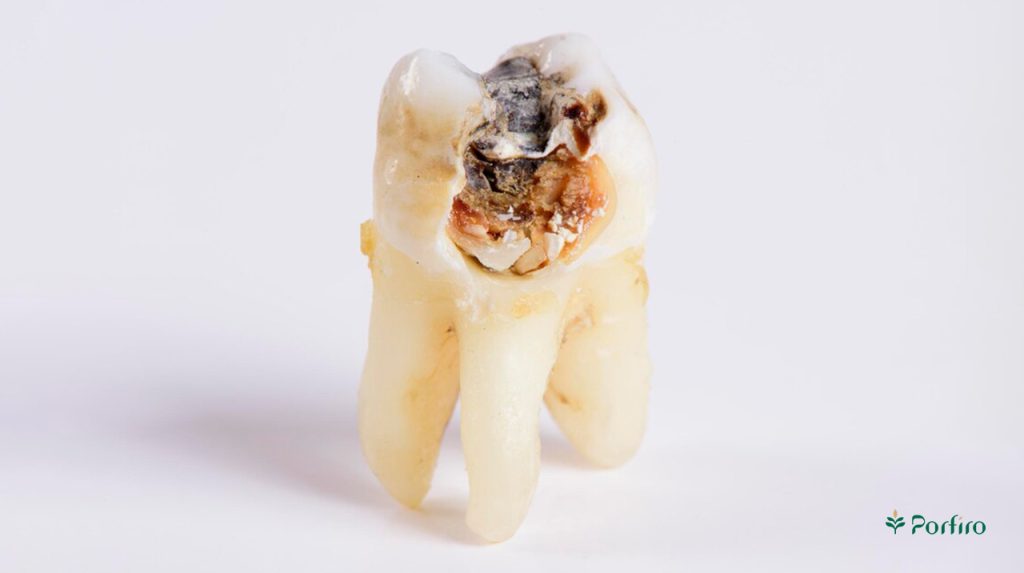
Dental caries is the most common disease worldwide and its process is multifactorial.
The relationship between caries and carbohydrates is well understood. Dental caries are the result of demineralization (the process of reduction in the mineral content in tissue) of the teeth. Bacteria in biofilm or dental plaque produce acidic by-products via fermentation of dietary carbohydrates that in turn cause the dissolution of hard tissue. Dental plaque is a sticky film that forms on our teeth.
Everyone gets plaque. Left on your teeth, plaque can lead to cavities, gingivitis and other oral health conditions. But it’s important to remove it through regular dental cleanings and daily brushing and flossing. More specifically, there is a rapid fall in pH (to 5.5 or below) in tooth biofilm after carbohydrates are ingested. This lower pH can also affect the balance of microbes in the biofilm such that there is a higher proportion of acidic biofilm species, compounding tooth demineralization. Carbohydrate consumption is therefore an important nutritional factor in the development of caries.
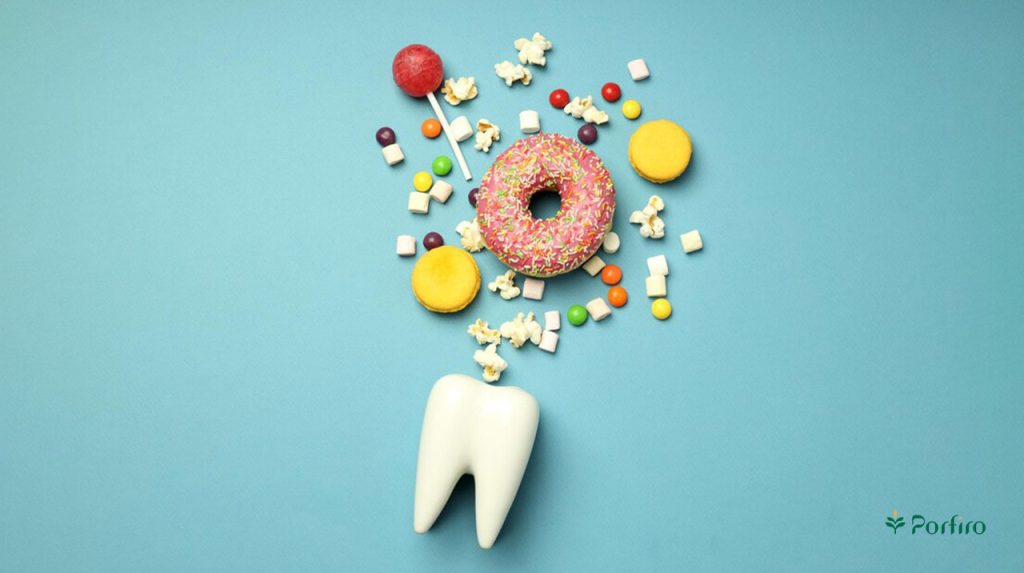
The cariogenic potential (i.e., promoting the development of tooth decay) of carbohydrates is different. The potential of a given carbohydrate for developing tooth decay depends on how efficiently it can be metabolized by the bacteria that ferment it. The relationship between carbohydrates and dental caries depends on the type of carbohydrate.
Sugars, have the most potential for developing dental caries.
Natural sugars (e.g., sucrose, glucose, fructose) are considered the primary necessary factors in the development of caries. Sucrose, a disaccharide of glucose and fructose, is the most cariogenic sugar.
Additionally, dental plaque formed in the presence of sucrose has been shown to have lower concentrations of calcium, inorganic phosphate, and fluoride, which are the ions required to remineralize enamel and dentin. Sucrose and its constituent monosaccharides, glucose and fructose, are also more cariogenic than starches because they enter the glycolytic pathway more rapidly and result in a more pronounced drop in pH. Although lactose is also a sugar, it is less cariogenic than sucrose, fructose, and glucose because its fermentation produces a smaller drop in pH.

In addition to the type, the amount of consumed sugar may affect caries development. It is, however, difficult to determine the relative contribution of amount of sugar and frequency of sugar consumption to dental caries risk, given that the two are highly interrelated.
A systematic review observed a consistent association between free sugar intake and caries development. In populations who had consumed free sugar more than 10% of their total energy intake compared to those with free sugar intake of less than 10% more caries were developed. According to World Health Organization (WHO) guidelines, free sugar intake is suggested to be less than 10% of total energy intake, with a further reduction to less than 5%. Consumption frequency of free sugars may also play a role in caries development.
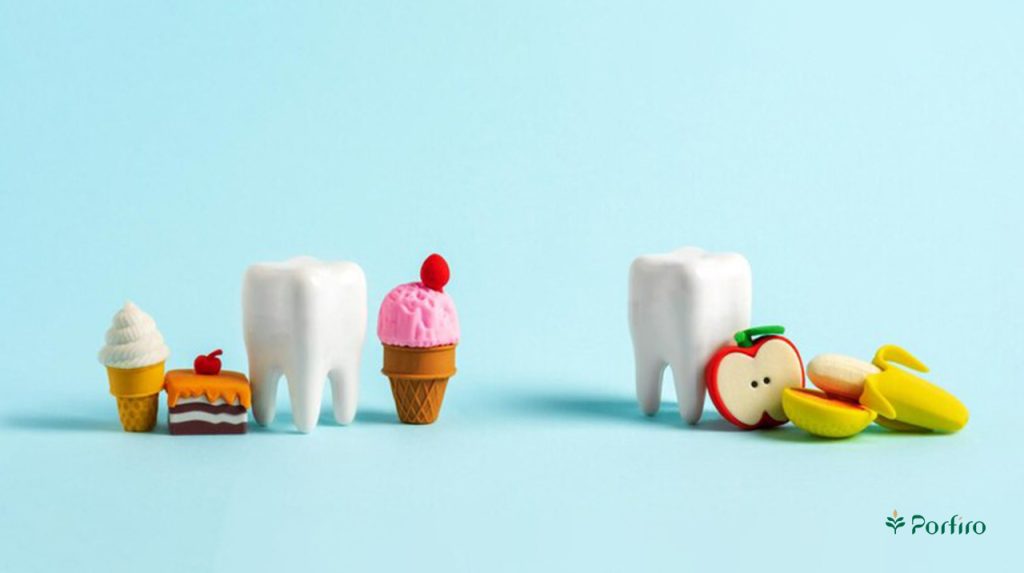
For dental health, it’s recommended that people limit eating and drinking between meals. Increased frequency of sugar consumption and additional snacking between meals has been assumed to be more important in predicting caries risk than total sugar consumption. Although eating between meals is not nutritionally forbidden, some people choose cariogenic foods like sweets and chips for snacks. Plaque bacteria use sugar from these foods to make acid that attacks tooth enamel. The attack can last up to 20 minutes even after you’ve finished eating or drinking.
This is why snacking all day can lead to tooth decay. Excess intake of added sugars leads not only to tooth decay but is also associated with other health problems, including obesity, diabetes, and cardiovascular diseases. Although people may not add that much sugar to their food, they can still eat more sugar than they realize because added sugars are often hidden. It is essential to learn more about where sugar may be hiding and how to identify them. For example, when sugar is added to fruit or vegetable juices or cooked fruits or vegetables to make them sweeter, we may not notice the presence of added sugar in the food.
Time of snacking, make nutritious choices namely dairies, fruits, vegetables or nuts that improve your overall health and the health of your teeth. Sugar-sweetened beverages (SSBs) are a significant contributor to free sugar consumption and their consumption should be decreased.
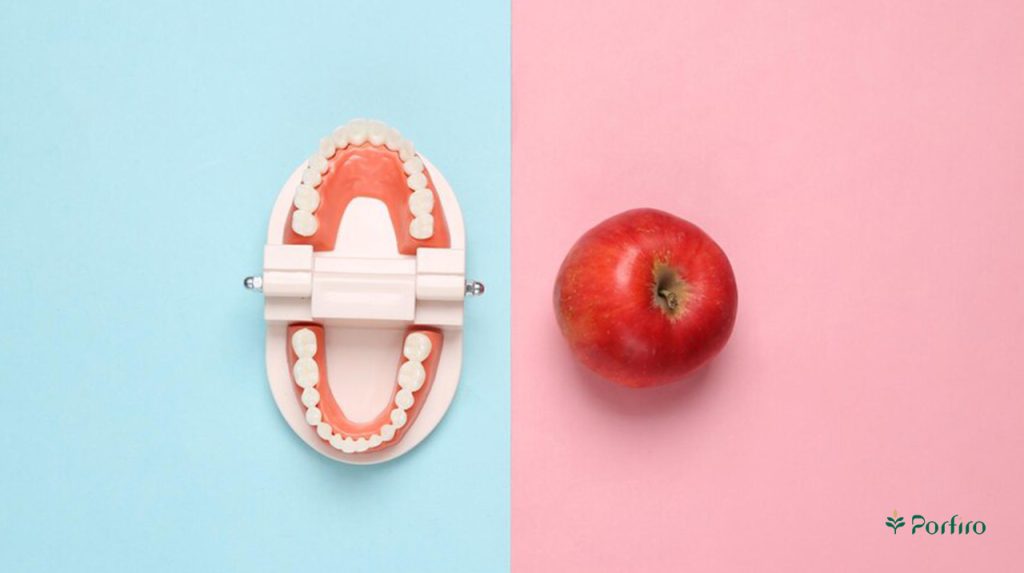
Some foods namely milk and dairy products, some fruits (e.g. apples), tea, and high-fiber foods have been suggested to have cariostatic properties and inhibit the development of caries. It has been supposed that the calcium in dairy products offsets some of the cariogenic properties of lactose. As mentioned above, lactose fermentation also results in a smaller reduction in pH compared with other simple sugars. Data from studies examining the association between milk consumption and caries suggests milk consumption does not increase caries risk and may reduce it.
Sugar alcohols such as xylitol and sorbitol used in chewing gums and as artificial sweeteners may have cariostatic effects. Hypothesized mechanisms by which xylitol may reduce caries risk include reducing the acidogenic potential and inhibiting the growth of plaque bacteria that contribute to tooth demineralization or just increasing salivary flow especially in the case of sugar-free chewing gums.
Vitamin D influences the regulation of calcium and phosphate metabolism. It is documented that higher prenatal intakes of vitamin D and prenatal serum vitamin D levels may be associated with reduced caries risk in children and infants. An association between dental caries and lower serum levels of vitamin D in children has been observed.
Calcium is essential for forming and maintaining healthy bones and teeth and is a mineral found in many foods. Hydroxyapatite, a molecule found in bone and enamel, includes calcium. Dietary calcium from milk and dairy products (e.g., cheese, yogurt), or foods fortified with calcium is absorbed from the intestine into the blood.
Dairy and products to which dairy has been added are the main sources of calcium. Products made with soy, almonds, and nuts are a growing segment of the consumer marketplace for plant-based milk alternatives. Many exist in forms fortified with one or more nutrients, often including calcium. However, according to a report from national health and nutrition organizations, plant milks are not recommended from 0-12 months of age; and non-dairy beverages other than soy milk are not recommended for exclusive consumption in place of dairy milk.
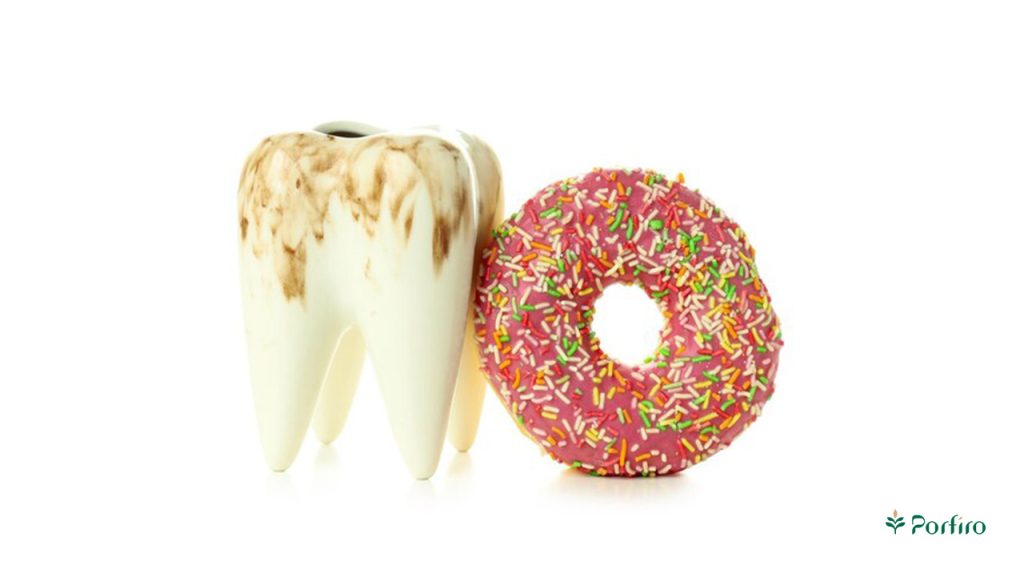
The progressive and irreversible loss of dental hard tissue caused by acid dissolution that does not involve bacteria is clinically defined as dental erosion. While acid reflux and some medications can contribute to erosive tooth wear, the most significant source of acid for tooth erosion is the diet.
Frequency of consumption, patterns of consumption, and time in contact with acidic food or beverage influence erosive tooth wear. The pH and buffering capacity collectively determine how erosive a food or beverage is and pH alone is not the only factor that predicts erosive capabilities. For example, the PH of yogurt is about 4.0, but is not considered erosive because its high content of calcium acts as a buffer. Stomach acid in people with gastroesophageal reflux disease or those who vomit frequently may also cause dental erosion.
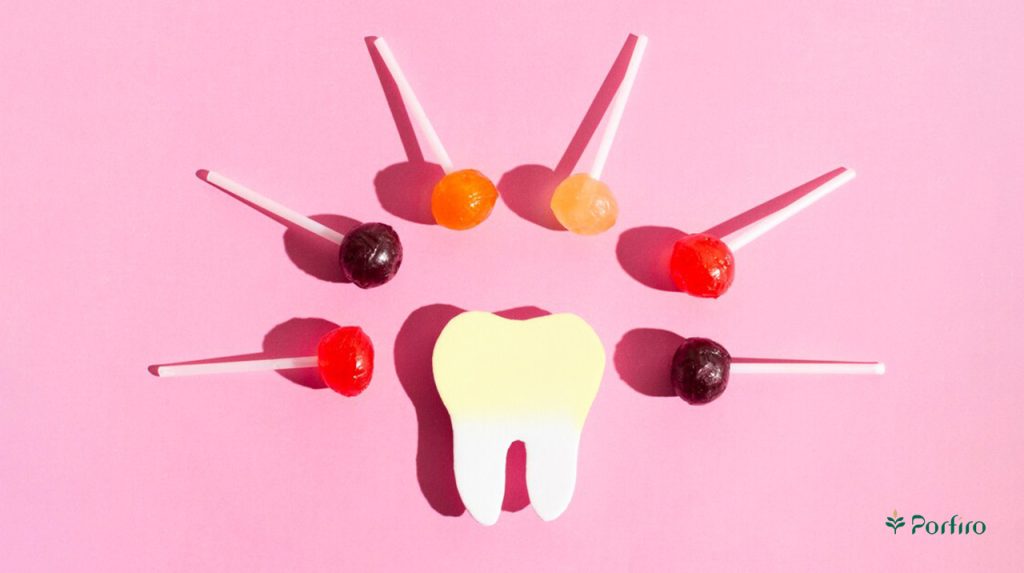
Empty calorie foods such as candy (especially hard or sticky candies), sweets like cookies, cakes, and muffins, and snack foods like chips not only offer no nutritional value but also because of the amount and type of sugar that they contain can stick to teeth. The bacteria in the mouth feed off these sugars and release acids that lead to tooth decay. Drinking sugar-sweetened drinks including soft drinks, lemonade, juices, and sweetened coffee or tea is particularly harmful because they provide a constant sugar cover over teeth, which promotes tooth decay.
Tomatoes and citrus fruits are examples of nutritious foods that can have acidic effects on tooth enamel, too, so eat them only as part of a meal, not by themselves. Although dried fruits (e.g. raisins) are also good options for a healthy diet, since they adhere to teeth, the plaque acids that they produce harm teeth long after we stop eating them. Choose fresh fruits instead.
Dairy products, such as milk, cheese, plain yogurt, calcium-fortified tofu, leafy green vegetables, and almonds, provide calcium and other nutrients that may benefit tooth health. Additionally, protein-rich foods like eggs, fish, meat, poultry, and milk are excellent sources of phosphorus. These minerals protect and rebuild tooth enamel and play a pivotal role in dental health.
Since fruits and vegetables contain water and fiber are good choices for healthy teeth because they balance the sugars they contain and help to clean the teeth.
They also help stimulate saliva production which washes harmful acids and food particles away from teeth and helps neutralize acid, protecting teeth from decay. Furthermore, many of them contain vitamin C which is necessary for healthy gums and fast healing of wounds, and vitamin A which is known as a key nutrient in building enamel. Water especially fluoridated water is the most tooth-friendly beverage.
Taking care of the teeth is not just for having a beautiful smile. Poor oral health is linked to diabetes, heart disease, pregnancy complications, and more, while positive oral health can enhance both mental and overall health. Good oral hygiene, regular visits to the dentist, combined with avoiding risks like intake of excess sugar and smoking keep our smile beautiful and our body healthy.
Diet and nutrition significantly influence oral health, and can affect the development and progression of different oral diseases and conditions. The relationship between caries, the most common disease worldwide, and carbohydrates is well understood. Bacteria in dental plaque produce acidic by-products via fermentation of dietary carbohydrates that in turn cause the dissolution of hard tissue.
The cariogenic potential of carbohydrates is different. Sugars have the most potential for developing dental caries. In addition to the type, the amount of consumed sugar may affect caries development. Some foods like dairy products inhibit the development of caries, however, some like candy, cookies, cakes, and chips harm our dental health. Since overall health is associated with oral health, taking care of teeth is vital.
10114
References