

Nutrition in Pregnancy: Essential Nutritional Considerations You Need to Know
Women and children
- 1How to consume fruit and vegetables in pregnancy
- Fruit Portions for Nutrition in Pregnancy
- Vegetable Portions for Nutrition in Pregnancy
- Juices and smoothies for Nutrition in Pregnancy
- Potatoes in Nutrition in Pregnancy
- Starchy Foods in Potatoes in Nutrition in Pregnancy
- Protein in Potatoes in Nutrition in Pregnancy
- Dairy in Potatoes in Nutrition in Pregnancy
- Foods that are rich in fat, sugar, or both in Potatoes in Nutrition in Pregnancy
- 2Healthy snacks in Nutrition in Pregnancy
- 3Ensure Safe Food Preparation During Pregnancy
- 4Micronutrient Supplementation During Pregnancy
- Folic acid before and during pregnancy
- Vitamin D in pregnancy
- Iron in pregnancy
- Vitamin C in pregnancy
- Calcium during pregnancy
- 5Considerations for food consumption during pregnancy
- Dairy products including cheese and milk in Nutrition in Pregnancy
- Meat, poultry, and eggs in Nutrition in Pregnancy
- Fish in Nutrition in Pregnancy
- Other foods and drinks in Nutrition in Pregnancy
- 6Weight gain in pregnancy
- Gaining too much weight
- Insufficient Weight Gain
- Importance of Physical Activity
- Weight Management Guidance
- Pregnancy and Obesity
- Managing Weight During Pregnancy
- Nutrition and Physical Activity
- Potential Issues Associated with Overweight During Pregnancy
- Potential issues for your baby if you are overweight during pregnancy
Pregnancy is the period when a fetus develops within the uterus. This phase typically lasts around 40 weeks and is divided into three trimesters, each approximately 13 weeks long. Maintaining a healthy diet is crucial for a healthy lifestyle at any stage, but it becomes particularly essential during pregnancy or when planning to conceive.
Consuming a nutritious diet throughout pregnancy supports the development and growth of your baby. There is no need to follow a specific diet; however, it is vital to incorporate a diverse range of foods daily to ensure you and your baby receive the necessary nutrients. While it is preferable to obtain vitamins and minerals from your diet, pregnant individuals should also take a folic acid supplement to ensure adequate intake. You may notice an increase in appetite, but it is unnecessary to “eat for two“—even in the case of expecting twins or triplets.
It is advisable to have a healthy breakfast each day, as this can help mitigate cravings for high-fat and high-sugar snacks. Eating healthily often involves adjusting the quantities of various foods consumed, ensuring a varied diet rather than eliminating all your favorite items. Strive to achieve a balanced diet. While it is not essential to attain this balance at every meal, aim to achieve it over the course of a week.
If the topic of nutrition and its challenges in pregnancy is important to you, read Porfiro‘s guide to nutrition in pregnancy.
How to consume fruit and vegetables in pregnancy
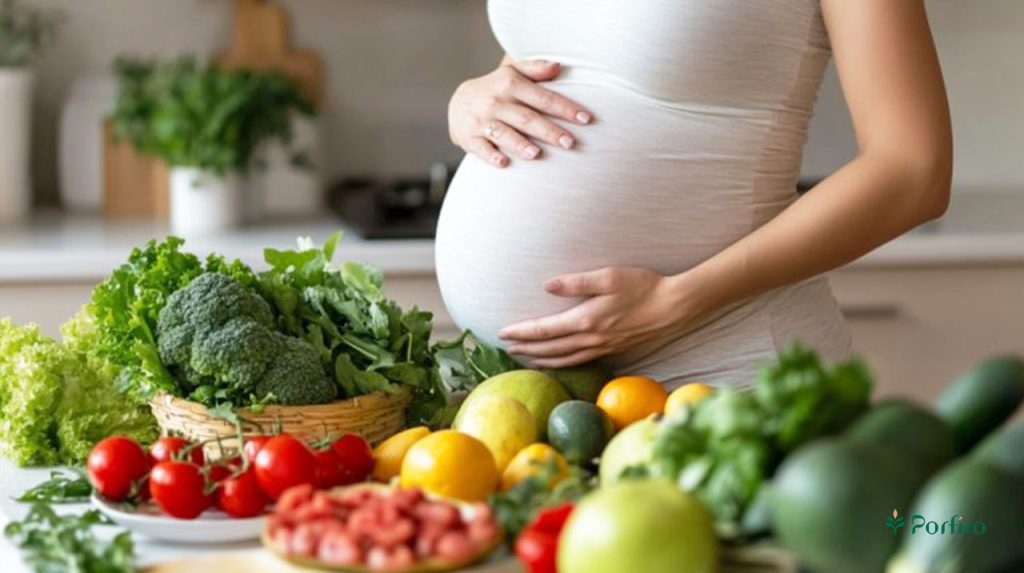
Incorporate a substantial amount of fruits and vegetables into your diet, as they provide essential vitamins, minerals, and fiber, which aids digestion and can help prevent constipation. Nutritional guidelines suggest consuming at least 5 portions of fruits or vegetables daily, commonly referred to as the “5 A Day” initiative.
This includes a variety of fresh, frozen, canned, dried, or juiced fruits and vegetables each day. Always ensure that fresh produce is thoroughly washed. An adult portion of fruit or vegetables is approximately 80g. The following guide will provide an indication of typical portion sizes for adults.
As a general rule, one portion is the amount that can fit in the palm of your hand.
Fruit Portions for Nutrition in Pregnancy
Small fresh fruits are defined as a portion consisting of 2 or more individual fruits. For instance, this includes 2 plums, 2 kiwis, 3 apricots, 7 strawberries, or 14 cherries. Medium fresh fruits are categorized as a portion comprising 1 piece of fruit, such as 1 apple, pear, orange, or nectarine. Large fresh fruits are represented by a portion that includes half a grapefruit, 1 slice of papaya, 1 slice of melon (5 cm slice), 1 large slice of pineapple, or 2 slices of mango (5 cm slices).
1. Dried Fruits
A standard portion of dried fruit is approximately 30 grams, which equates to about 1 heaped tablespoon of raisins, 1 tablespoon of mixed dried fruit, 2 figs, 3 prunes, or 1 handful of dried banana chips. However, it is important to note that dried fruits can be high in sugar and may pose risks to dental health. To mitigate the risk of tooth decay, dried fruits are best consumed as part of a meal, such as a dessert, rather than as a snack between meals.
2. Tinned or Frozen Fruit
A portion of tinned or frozen fruit is approximately equivalent to the quantity of fresh fruit typically consumed, such as 2 halves of pears or peaches, 6 halves of apricots, 8 segments of tinned grapefruit, or 2 handfuls (4 heaped tablespoons) of frozen blueberries. It is recommended to select fruit that is canned in natural juice instead of syrup.
Vegetable Portions for Nutrition in Pregnancy
1. Green Vegetables
A portion of green vegetables consists of 2 spears of broccoli, 2 heaped tablespoons of cooked spinach, or 4 heaped tablespoons of cooked kale, or green beans.
2. Cooked Vegetables
A portion may include 3 heaped tablespoons of cooked vegetables, such as carrots, peas, or sweetcorn, or 8 florets of cauliflower.
3. Salad Vegetables
A portion of salad vegetables is defined as 3 sticks of celery, a 5 cm piece of cucumber, 1 medium tomato, or 7 cherry tomatoes.
4. Tinned and Frozen Vegetables
The portion size for tinned and frozen vegetables mirrors that of fresh vegetables. For instance, 3 heaped tablespoons of tinned or frozen carrots, peas, or sweetcorn each count as 1 portion. When selecting tinned vegetables, it is advisable to choose those canned in water without added salt or sugar.
Juices and smoothies for Nutrition in Pregnancy
Unsweetened 100% fruit juice, vegetable juice, and smoothies can only be counted as a maximum of one portion of your 5 A Day. For instance, if you consume two glasses of fruit juice and one smoothie in a single day, it will still only be considered as one portion. Smoothies encompass any beverage made from a combination of fruit or vegetable juice, purée, or all the edible pulped fruit or vegetable.
Your total intake of drinks from fruit juice, vegetable juice, and smoothies should not exceed 150ml per day, which equates to a small glass. For example, if you drink 150ml of orange juice and 150ml of smoothie in one day, you will have surpassed the recommended limit by 150ml. When fruit is blended or juiced, it releases sugars, which heightens the risk of tooth decay; therefore, it is advisable to consume fruit juice or smoothies during mealtimes.
Whole fruits are less likely to contribute to tooth decay since the sugars are contained within the fruit’s structure. Be cautious of beverages labeled as “juice drink” on the packaging, as they are unlikely to count towards your 5 A Day and may be high in sugar.
Potatoes in Nutrition in Pregnancy
Potatoes do not contribute to your 5 A Day. They are nutritionally classified as starchy foods because, when consumed as part of a meal, they typically replace other starch sources such as bread, rice, or pasta. Although they do not count towards your 5 A Day, potatoes are significant in your diet as a starchy food.
Starchy Foods in Potatoes in Nutrition in Pregnancy
Starchy foods serve as a vital source of energy, certain vitamins, and fiber, and they help you feel satiated without being overly caloric. These foods include bread, potatoes, breakfast cereals, rice, pasta, noodles, maize, millet, oats, and cornmeal. If you are consuming chips, opt for oven chips that are lower in fat and salt.
Instead of refined starchy (white) foods, select wholegrain or higher-fiber alternatives such as whole-wheat pasta, brown rice, or simply keep the skins on potatoes. Pregnant women should eat 7 to 11 servings of bread and grains group each day.
A pregnant woman of average size and activity level should consume approximately 8 servings from this food group daily. Each serving consists of a slice of bread weighing around 30 grams (equivalent to the size of a palm without fingers) or half a cup of cooked rice or pasta.
Protein in Potatoes in Nutrition in Pregnancy
Consume protein-rich foods daily. Protein sources encompass beans, pulses, fish, eggs, meat (excluding liver), poultry, and nuts. Opt for lean meats, remove skin from poultry, and refrain from adding excess fat or oil during cooking. Ensure that poultry, burgers, sausages, and whole cuts of meat such as lamb, and beef are cooked thoroughly until they are steaming throughout.
Verify that there is no pink meat and that the juices are clear of any pink or red coloration. Aim to consume two portions of fish weekly, with one being oily fish like salmon, sardines, or mackerel. Certain fish types should be avoided during pregnancy or when planning to conceive, including shark, swordfish, and marlin.
Pregnant individuals should limit their intake of oily fish to no more than two portions per week, as these may contain pollutants (toxins). It is recommended that pregnant women avoid raw or partially cooked eggs, including those found in mousse, mayonnaise, and soufflé, due to the risk of salmonella. These eggs must be cooked until both the white and yolk are firm.
It is recommended that pregnant women consume 2 to 3 servings of meat group per day. Each serving of this group includes about 60 grams of cooked red meat or fish or chicken/turkey, 2 eggs, half a cup of cooked beans, and about a handful of nuts.
Dairy in Potatoes in Nutrition in Pregnancy
Dairy products such as milk, cheese, and yogurt are vital during pregnancy as they provide calcium and other essential nutrients for both you and your baby. Whenever possible, select low-fat options, such as semi-skimmed, 1 percent fat, or skimmed milk, as well as low-fat and lower-sugar yogurt and reduced-fat hard cheese. If you prefer dairy alternatives like soya drinks and yogurts, choose unsweetened, calcium-fortified varieties.
Certain cheeses should be avoided during pregnancy, particularly unpasteurized cheeses. For a comprehensive list of cheeses to avoid while pregnant, please refer to our page on foods to avoid during pregnancy. Pregnant women need to consume 3 to 4 servings of dairy products per day. Each serving from this group includes 1 glass of milk, 2 glasses of buttermilk, 1 glass of yogurt, or 1 piece of cheese (about two matchboxes).
Foods that are rich in fat, sugar, or both in Potatoes in Nutrition in Pregnancy
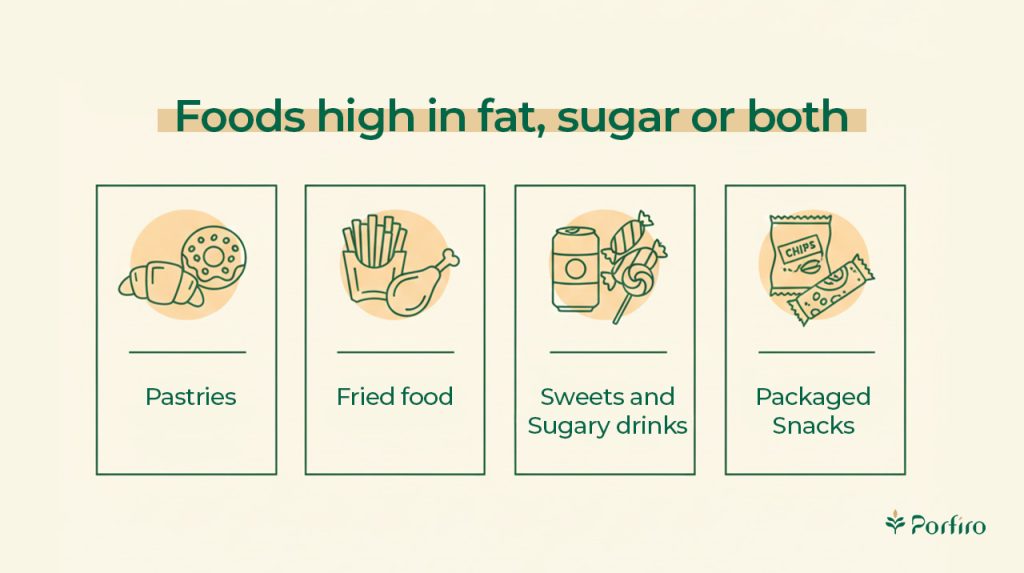
Sugary foods and beverages typically contain a high number of calories, which can lead to weight gain. Consuming sugary foods and drinks may also result in dental issues. Since fat is calorie-dense, excessive consumption of fatty foods, or frequent intake, can contribute to weight gain.
Additionally, an overabundance of saturated fat can elevate cholesterol levels in the bloodstream, thereby increasing the risk of heart disease. Foods that are high in fat, sugar, or both include all types of spreading fats (like butter), oils, salad dressings, cream, chocolate, crisps, biscuits, pastries, ice cream, cake, puddings, and carbonated beverages.
If you consume foods and drinks that are high in fat and sugar, limit their intake and opt for smaller portions. Aim to reduce saturated fat consumption and instead choose small quantities of foods that are high in unsaturated fats, such as vegetable oils.
Healthy snacks in Nutrition in Pregnancy
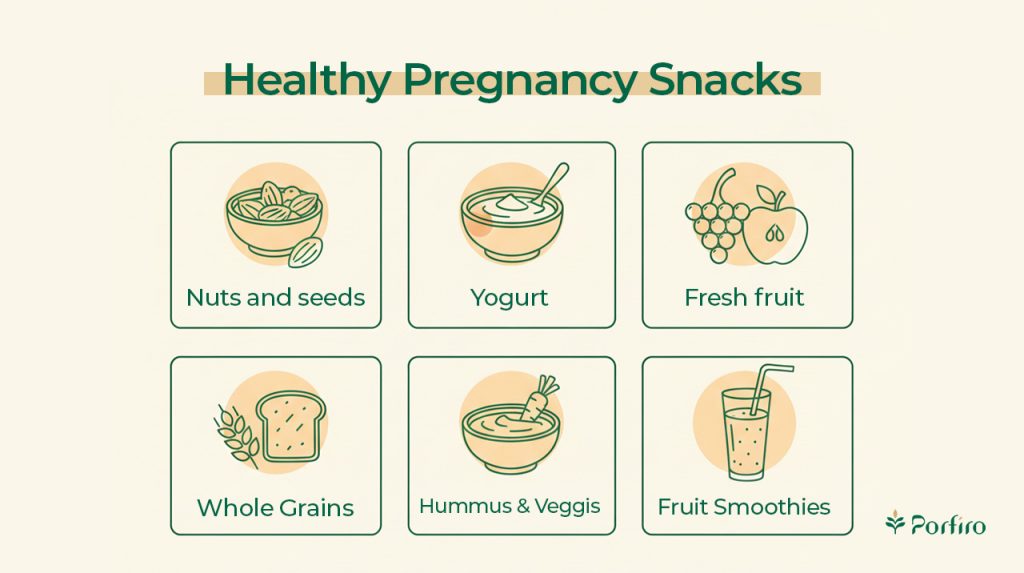
If you find yourself hungry between meals, it is advisable to avoid snacks that are high in fat and/or sugar, such as candies, biscuits, crisps, or chocolate. Instead, select healthier options, such as small sandwiches or pitta bread filled with grated cheese, mashed tuna, salmon, or sardines, accompanied by salad or salad vegetables like carrots, celery, or cucumber.
Other healthy choices include low-fat, lower-sugar fruit yogurt, plain yogurt with fruit, ready-to-eat apricots, figs, or prunes, vegetable and bean soups, a small bowl of unsweetened breakfast cereal, or porridge with milk, milky drinks, fresh fruit, baked beans on toast, or a small baked potato, as well as a small slice of malt loaf, a fruited tea cake, or a slice of toasted fruit bread.
When selecting snacks, consider using food labels for guidance. Discover more about food labeling, including how the “green, amber, red” code can assist you in making healthier choices swiftly.
Ensure Safe Food Preparation During Pregnancy
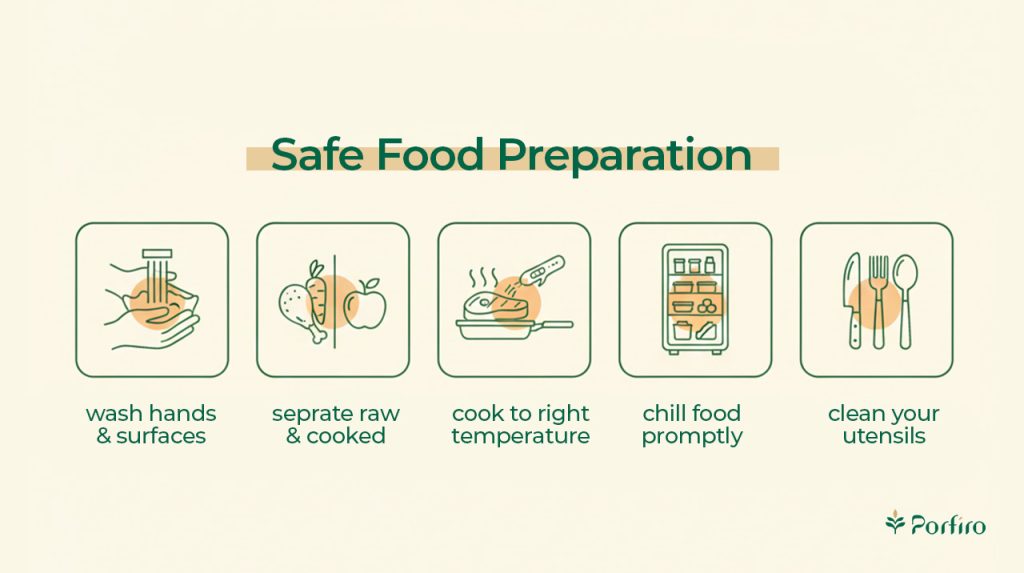
- Thoroughly wash fruits, vegetables, and salads to eliminate any remnants of soil, which may harbor toxoplasma (a parasite that can lead to toxoplasmosis) that poses risks to your unborn child.
- After handling raw foods (including poultry, meat, eggs, fish, shellfish, and raw vegetables), ensure that all surfaces, utensils, and your hands are washed to prevent foodborne illnesses.
- It is crucial to store raw foods separately from ready-to-eat items to mitigate the risk of cross-contamination.
- Utilize a distinct knife and cutting board specifically for raw meats.
- Heat ready-to-eat meals until they are steaming hot throughout, particularly for dishes containing poultry.
- Always verify the use-by date to ensure food safety; do not consume items past this date, even if they appear and smell acceptable.
Additionally, ensure that certain foods, including eggs, poultry, burgers, sausages, and whole cuts of meat such as lamb, and beef are cooked thoroughly until they are steaming all the way through.
Micronutrient Supplementation During Pregnancy
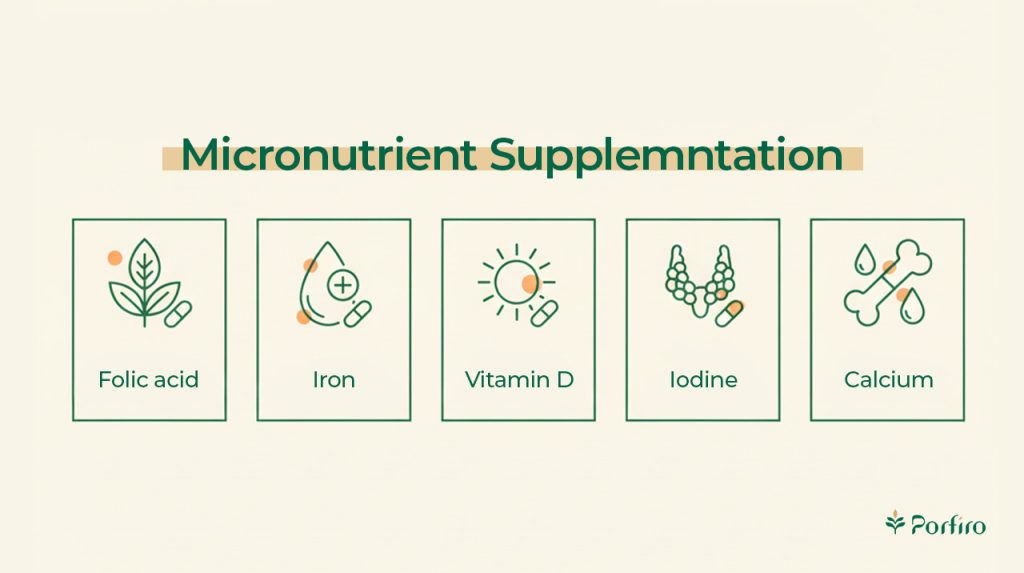
Maintaining a healthy and diverse diet during pregnancy will assist in obtaining the majority of necessary vitamins and minerals. However, if you are pregnant or may become pregnant, it is essential to take a folic acid supplement. It is advised to consume 400 micrograms of folic acid daily, starting before conception and continuing until the 12th week of pregnancy.
This practice aims to lower the risk of developmental issues in the baby during the early stages of pregnancy. Additionally, a daily vitamin D supplement is recommended. Avoid taking cod liver oil or any supplements that contain vitamin A (retinol) during pregnancy, as excessive vitamin A can be detrimental to your baby. Always read the label carefully.
Supplements can be obtained from pharmacies, or your doctor may prescribe them. If you prefer to receive your folic acid through a multivitamin, ensure that it does not include vitamin A (or retinol).
Folic acid before and during pregnancy
It’s essential to consume a 400 microgram folic acid tablet daily prior to conception and until the 12th week of pregnancy. Folic acid plays a crucial role in preventing birth defects known as neural tube defects, such as spina bifida. If you did not take folic acid before conception, it is advisable to begin as soon as you confirm your pregnancy.
Aim to include green leafy vegetables that are rich in folate (the natural form of folic acid), as well as breakfast cereals and fat spreads that have folic acid added. Obtaining the recommended amount of folate solely from food can be challenging, which is why a folic acid supplement is vital. If you are at an increased risk of your pregnancy being impacted by neural tube defects, you will be advised to take a higher dosage of folic acid (5 milligrams) daily until the 12th week of pregnancy.
You may have an elevated risk if you or the baby’s father have a neural tube defect, have a family history of such defects, have previously experienced a pregnancy affected by a neural tube defect, have diabetes, or are taking anti-epileptic or anti-retroviral medications for HIV. If any of these situations apply to you, consult a doctor. They can prescribe a higher dosage of folic acid. Additionally, a doctor may suggest further screening tests during your pregnancy.
Vitamin D in pregnancy
You require 10 micrograms of vitamin D daily. It is recommended that pregnant and breastfeeding women take a daily supplement providing this amount from September to March. Vitamin D is essential for regulating calcium and phosphate levels in the body, which are necessary for maintaining healthy bones, teeth, and muscles.
Our bodies synthesize vitamin D when our skin is exposed to sunlight during the summer months (from late March/early April to the end of September). During the period from September to March, the body cannot produce adequate vitamin D from sunlight alone, which is why supplementation is advised. Vitamin D is present in certain foods, such as oily fish (including salmon, mackerel, herring, and sardines).
During pregnancy, it is recommended to limit consumption to no more than two portions of oily fish per week, along with egg yolks, red meat, fortified foods (like some fat spreads and breakfast cereals), and liver; however, liver should be avoided during pregnancy. Due to the limited number of foods that naturally contain vitamin D or have it added, obtaining sufficient amounts from diet alone can be challenging.
It is advised not to exceed 100 micrograms (4,000 IU) of vitamin D daily, as excessive intake may pose health risks. Individuals with dark skin (for instance, those of African, African Caribbean, or South Asian descent) or those who cover their skin outdoors or spend considerable time indoors may be at a higher risk of vitamin D deficiency. Therefore, considering a daily vitamin D supplement throughout the year may be necessary. Consultation with a doctor is recommended for personalized guidance.
Iron in pregnancy
Insufficient iron intake can lead to fatigue and potentially result in anaemia. Sources of iron include lean meats, green leafy vegetables, dried fruits, and nuts. Pregnant individuals may consume peanuts or peanut-containing products (such as peanut butter) as part of a nutritious diet, unless they have an allergy or have been advised against it by a healthcare professional. Many breakfast cereals are fortified with iron. Should blood iron levels drop, your doctor will recommend iron supplementation.
Vitamin C in pregnancy
Vitamin C plays a crucial role in protecting cells and maintaining their health. It is abundant in a diverse range of fruits and vegetables, and a well-balanced diet typically provides adequate vitamin C. Excellent sources include oranges and orange juice, red and green peppers, strawberries, broccoli, and Brussels sprouts.
Calcium during pregnancy
Calcium plays a crucial role in the development of your baby’s bones and teeth. Key sources of calcium encompass milk, cheese, and yogurt, as well as green leafy vegetables like rocket, watercress, or curly kale, tofu, calcium-fortified soya drinks, bread, and any products made with fortified flour. Additionally, fish that can be consumed with bones, such as sardines are excellent sources.
A diverse and balanced vegetarian diet should supply sufficient nutrients for both you and your baby throughout pregnancy. However, you may encounter challenges in obtaining adequate iron and vitamin B12. It is advisable to consult with a midwife or physician to ensure you are receiving these essential nutrients.
If you adhere to a vegan diet or have dietary restrictions due to food intolerances (for instance, a gluten-free diet for coeliac disease) or religious beliefs, it is important to seek guidance from a doctor. Request a referral to a dietitian for tailored advice on ensuring you and your baby receive all necessary nutrients.
Considerations for food consumption during pregnancy
Dairy products including cheese and milk in Nutrition in Pregnancy
You may consume pasteurized milk, yogurt, cream, and ice cream, as well as pasteurized hard cheeses like cheddar, gruyere, and parmesan. Additionally, pasteurized semi-hard cheeses such as edam, and pasteurized soft cheeses including cottage cheese, mozzarella, feta, cream cheese, paneer, ricotta, halloumi, and goats’ cheese without a rind, along with processed cheese spreads, are permissible. Soft or blue cheeses (whether pasteurized or unpasteurized) should be cooked until steaming hot before consumption.
1. Foods to avoid
Pregnant women should avoid any foods made from unpasteurized milk, including soft ripened goats’ cheese, pasteurized or unpasteurized mold-ripened soft cheeses with a white exterior, such as brie, camembert, and chèvre (unless cooked until steaming hot), as well as pasteurized or unpasteurized soft blue cheeses like Danish blue, gorgonzola, and roquefort (unless cooked until steaming hot). Furthermore, unpasteurized cow’s milk, goat’s milk, sheep’s milk, or cream are prohibited for pregnant women.
2. Why are these foods prohibited?
There exists a minor possibility that unpasteurized or soft-ripened dairy products may harbor Listeria bacteria. This bacterium can lead to an infection known as listeriosis. Listeriosis has the potential to result in miscarriage or stillbirth, or it may severely affect the health of your newborn. Soft cheeses that have a white exterior tend to retain more moisture, which can facilitate bacterial growth. Heating cheese until it is steaming hot effectively eliminates bacteria, thereby diminishing the risk of listeriosis.
Meat, poultry, and eggs in Nutrition in Pregnancy
You may consume meats such as chicken and beef, provided they are thoroughly cooked with no visible pink or blood; particular caution should be exercised with poultry, sausages, and burgers, as well as cold, pre-packaged meats like ham and corned beef. Pregnant women should exercise caution with cold cured meats, including salami, pepperoni, and chorizo (unless they are cooked thoroughly). Additionally, pregnant women can safely consume well-cooked eggs (both white and yolk) from hens, as well as eggs from other birds, such as ducks, geese, or quails.
1. Foods to avoid
Raw or undercooked meat, liver and liver products, all varieties of pâté, including vegetarian pâté, game meats such as goose, partridge, or pheasant, and raw or partially cooked hen eggs, as well as raw or partially cooked duck, goose, or quail eggs.
2. Why are these foods prohibited?
There is a slight risk of contracting toxoplasmosis from consuming raw or undercooked meat, which can lead to miscarriage. Cured meats are not cooked, thus they may contain parasites that can cause toxoplasmosis. Liver and liver products are high in vitamin A, which can be detrimental to an unborn child. Game meats may also contain lead shot. While salmonella in eggs is unlikely to harm your unborn baby, it poses a risk of food poisoning.
Fish in Nutrition in Pregnancy
Cooked fish and seafood, including sushi, provided the fish has been thoroughly cooked, as well as cooked shellfish such as mussels, lobster, crab, prawns, scallops, and clams.
1. What to limit
You should consume no more than 2 servings of oily fish each week, including options such as salmon, trout, mackerel, or herring. Additionally, you should limit your intake to 2 tuna steaks (approximately 140g when cooked or 170g when raw) or 4 medium-sized cans of tuna (around 140g when drained) weekly. It is important to note that tuna is not classified as an oily fish. You may have 2 tuna steaks or 4 medium-sized cans of fish, along with 2 servings of oily fish each week.
2. What to avoid
Avoid swordfish, marlin, shark, raw shellfish, and cold-smoked or cured fish (such as smoked salmon or gravlax, including those used in sushi), unless they have been cooked until steaming hot.
3. Why are these foods forbidden?
It is advisable to steer clear of ready-to-eat cold-smoked or cured fish due to the potential risk of contamination with Listeria bacteria. This bacterium can lead to an infection known as listeriosis, which may result in miscarriage or stillbirth, or could seriously affect your newborn. Cooking smoked or cured fish until it is steaming hot will eliminate any bacteria that might be present. Furthermore, it is recommended to limit tuna consumption because it contains higher levels of mercury compared to other fish. Excessive mercury intake can be detrimental to your unborn child.
Oily fish should also be consumed in moderation due to the possibility of containing pollutants such as dioxins and polychlorinated biphenyls, which can be harmful if ingested in large quantities during pregnancy. Lastly, raw shellfish should be avoided as they may harbor harmful bacteria, viruses, or toxins that can lead to illness and food poisoning.
Other foods and drinks in Nutrition in Pregnancy
- Caffeine: caffeine intake is permissible, but should not exceed 200mg per day. Consistently consuming more than this amount may elevate the risk of pregnancy complications, including low birthweight and miscarriage. A mug of instant coffee contains 100mg of caffeine; a mug of filter coffee has 140mg; a mug of tea contains 75mg (with green tea potentially having similar caffeine levels as regular tea); a can of cola has 40mg; a 250ml can of energy drink contains 80mg; and a 50g bar of plain dark chocolate has less than 25mg, while a 50g bar of plain milk chocolate contains less than 10mg.
- Herbal teas: The caffeine levels in herbal teas can differ significantly among various brands. Some may have no caffeine at all, while others could contain substantial amounts. It is advisable to examine the ingredients label on the packaging to determine the caffeine content of a specific brand. Additionally, certain herbs found in herbal teas may pose risks if consumed in large quantities during pregnancy, particularly in the first trimester (weeks 1 to 12). Generally, consuming no more than 1 to 2 cups of herbal tea daily during pregnancy is considered safe.
- Alcohol: Consuming alcohol during pregnancy can result in lasting harm to your child. If you are pregnant or planning to conceive, the most prudent choice is to abstain from alcohol entirely. This approach minimizes potential risks to your baby.
Weight gain in pregnancy
Weight gain during pregnancy can vary significantly. Typically, most pregnant women gain between 10kg and 12.5kg, with the majority of weight being added after the 20th week. A considerable portion of this weight gain is attributed to the growth of the baby, but the body also accumulates fat in preparation for breastfeeding post-delivery. Gaining either too much or too little weight can lead to health issues for both the mother and the unborn child.
Gaining too much weight
Excessive weight gain can negatively impact your health and elevate your blood pressure. However, pregnancy is not an appropriate time to undertake a diet, as it may jeopardize the health of the developing fetus. It is crucial to maintain a healthy diet. Gaining excessive weight can heighten the risk of complications, one of which is gestational diabetes.
Elevated glucose levels in the blood during pregnancy can lead to gestational diabetes, increasing the likelihood of delivering a larger baby. Another complication associated with pregnancy is pre-eclampsia, characterized by elevated blood pressure. This condition can be an early indicator of pre-eclampsia; while most instances are mild and do not cause significant issues, they can become serious.
Insufficient Weight Gain
Gaining insufficient weight can lead to issues such as premature delivery and a newborn with a low birth weight (under 2.5kg at birth). It may also indicate that your body is not accumulating enough fat. Insufficient weight gain can be associated with your dietary habits and your weight prior to conception. However, some naturally slender women maintain their slimness during pregnancy and still have healthy infants.
Importance of Physical Activity
Maintaining an active lifestyle is crucial during pregnancy, as it prepares your body for labor and delivery. Continue with your regular daily activities or exercise routine, unless your physician has advised against physical activity.
Weight Management Guidance
Your healthcare provider may offer specific recommendations if your body mass index (BMI) is above 30 or below 18.5. If you have concerns regarding your weight or any other health issues during pregnancy, consult your doctor for guidance.
Pregnancy and Obesity
Being obese during pregnancy heightens the risk of certain complications, such as gestational diabetes. Ensure you attend all your prenatal appointments so that your healthcare team can monitor both your health and that of your baby.
Managing Weight During Pregnancy
If you are classified as obese, typically defined as having a body mass index (BMI) of 30 or higher, and are pregnant, do not attempt to lose weight during your pregnancy. This will not decrease the likelihood of complications and may pose safety risks. The most effective way to safeguard your health and that of your baby is to attend all your prenatal appointments. This allows your midwife, doctor, and other healthcare professionals to assist with any challenges you may encounter and to implement measures to prevent or manage them.
Nutrition and Physical Activity
It is essential to maintain a nutritious and well-rounded diet while engaging in daily physical activity. A referral to a dietitian or another health professional should be provided for guidance on healthy eating and exercise. Engaging in physical activity during pregnancy poses no risk to your baby. Aim to consume a healthy diet (including awareness of foods to avoid during pregnancy) and participate in activities such as walking or swimming. If you were not physically active prior to pregnancy, it is advisable to consult your physician before initiating a new exercise regimen during pregnancy.
Potential Issues Associated with Overweight During Pregnancy
Excess weight heightens the risk of complications for both you and your baby. A higher Body Mass Index (BMI) correlates with an increased likelihood of complications. The likelihood of complications such as miscarriage, gestational diabetes, high blood pressure, pre-eclampsia, blood clots, and the baby’s shoulder becoming “stuck” during labor increases. Additionally, there is a greater risk of experiencing heavier bleeding than usual following delivery. You may also find that an instrumental delivery (using forceps or a ventouse) or an emergency caesarean section becomes necessary.
Potential issues for your baby if you are overweight during pregnancy
Your baby may face several risks, including being born prematurely (before 37 weeks) and a heightened risk of stillbirth. Furthermore, there is an increased likelihood of your baby developing a health condition, such as a neural tube defect like spina bifida. While the risks of these complications rise with obesity, it is important to note that the majority of pregnancies will still lead to the birth of a healthy baby.
Summary
Nutrition in Pregnancy emphasize the importance of a balanced diet for both the mother and the developing fetus. A diverse range of foods is essential, with a focus on obtaining nutrients from food rather than relying solely on supplements. Fruits and vegetables are vital sources of essential vitamins, minerals, and fiber, with the “5 A Day” initiative recommending at least five portions daily.
Starchy foods serve as a primary energy source, with wholegrain options recommended over refined varieties. Protein intake is critical, with sources including beans, fish, eggs, and lean meats. Dairy products are important for calcium intake, with low-fat options encouraged, and high-fat and high-sugar foods should be limited to prevent weight gain and dental issues.
Micronutrient supplementation is emphasized, particularly for folic acid and vitamin D. Iron is essential to prevent fatigue and anemia, with sources including lean meats and fortified cereals. Vitamin C, found in various fruits and vegetables, typically suffices in a balanced diet. Calcium is vital for the baby’s bone and teeth development, with key sources being dairy products and fortified foods.
Dairy products should be pasteurized to avoid listeriosis, while meats and eggs must be thoroughly cooked to prevent infections. Fish consumption should be limited to two servings of oily fish per week, avoiding certain types due to contamination risks. Caffeine intake should not exceed 200mg daily, and alcohol should be completely avoided to prevent fetal harm.
Maintaining a healthy diet and physical activity is important, with healthcare providers offering guidance based on individual BMI and health status. Excess weight during pregnancy is associated with increased risks for both the mother and the baby, including complications such as miscarriage, gestational diabetes, and delivery challenges. Maternal overweight can lead to risks such as premature birth and stillbirth, as well as potential health conditions for the baby. Despite these risks, most pregnancies result in the birth of a healthy baby.
10228
References
- https://my.clevelandclinic.org/health/articles/pregnancy
- https://www.nhs.uk/pregnancy/keeping-well/have-a-healthy-diet/
- https://www.nhs.uk/pregnancy/keeping-well/have-a-healthy-diet/
- https://www.nhs.uk/pregnancy/keeping-well/vitamins-supplements-and-nutrition/
- https://www.nhs.uk/pregnancy/keeping-well/overweight/
- https://www.nhs.uk/pregnancy/keeping-well/foods-to-avoid/
- https://cityhealth.arums.ac.ir/file/download/page/1557562688-.pdf