


Phytochemicals and health benefits of figs (fresh and dried)
Healthy and Organic- 1Introducing figs
- 2Uses of figs
- 3Phytochemical properties of figs
- Phytochemical content of figs
- Comparison of figs with others dried fruits with regard to nutrients
- Phytochemical Constituents of Figs
- 4Figs Nutrients
- Nutritional Profile
- Organic acids and sugars
- Minerals
- 5Accessibility and absorbability of phytochemicals from figs
- Bio-accessibility and Bioavailability
- Effect of the Digestion Process
- Factors Affecting Bioavailability
- 6Health benefits of figs
- 7How to use figs in diet
- 8Figs for different people
- 9Conclusion
Fig, being among the world’s oldest food, has an interesting history and health benefits worthy of listening. The phytochemical content and health benefits of consuming fresh or dried figs are especially interesting in terms of cardiovascular diseases, diabetes, digestive system/gut health, brain/cognitive function, obesity, and satiety.
Porfiro, in this paper, provides scientific facts about health benefits of figs, the chemistry of figs and how they can potentially contribute to enhancing health in the diet, as a way of making its readers more familiar with this valuable product, a present from nature’s abundance. As with all the other articles on the Porfiro blog, we want to remind you of this: if you have some specific disease or specific health condition, you should discuss it with your doctor before consuming this or any other food, or changing its consuming quantity.
Introducing figs
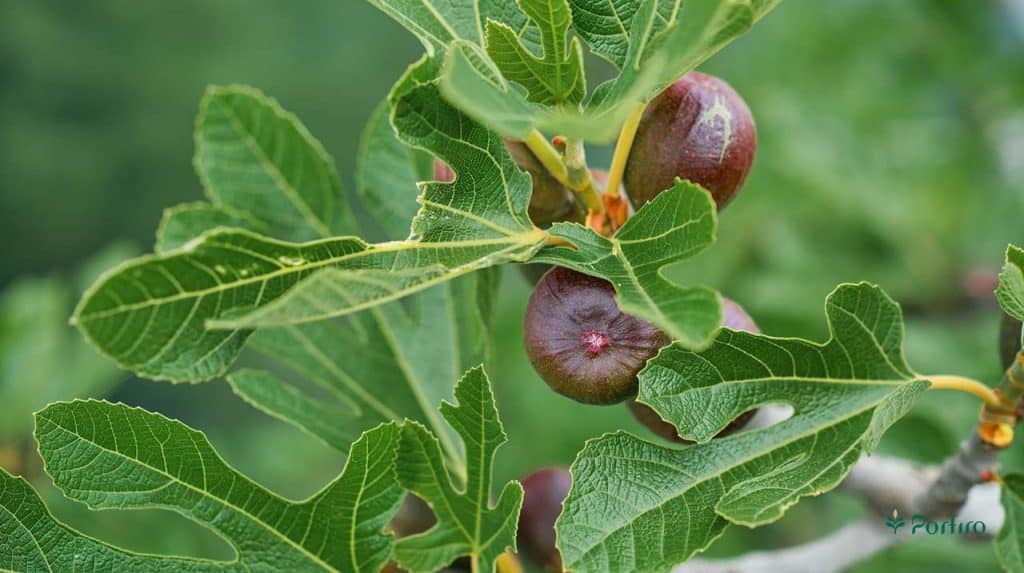
Figs belong to the family Moraceae, and are known as Ficus carica, L. They are deciduous trees or shrubs native to the Middle East and Southwest Asia. It has a Roman history, and its mention can even be found in the Quran and the Bible, which adds a lot to the significance of figs. They are also thought to be among the earliest cultivated plants tied to Mediterranean horticultural origins. They grow today in states with otherwise warm and dry climates throughout the world.
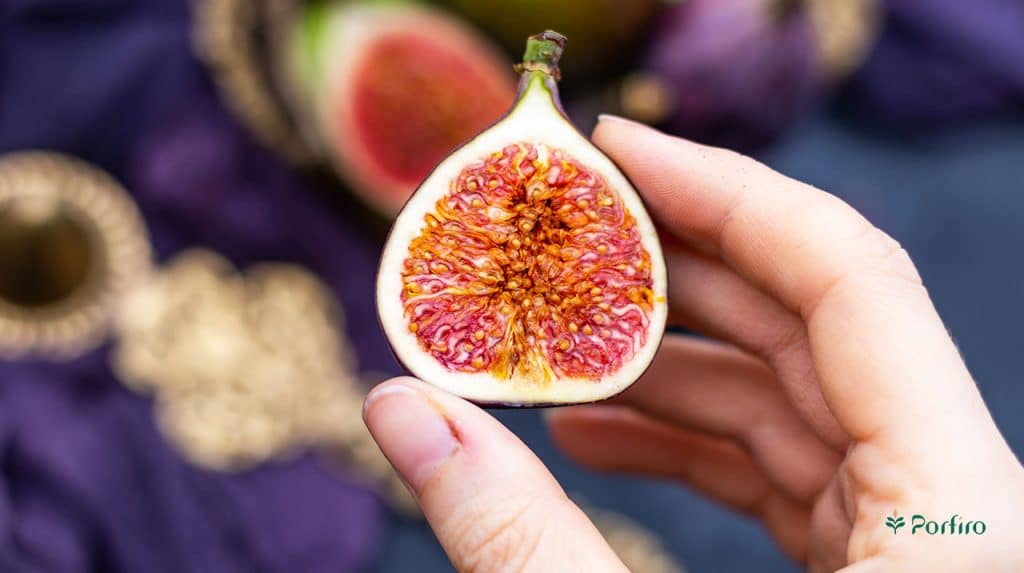
Figs are generally referred to as fruit, but actually they are a special type of flower. The fig fruit comes from a closed cluster in which hundreds of tiny male and female flowers are born. These flowers bloom inside the fig, and the small fruits within the flowers are eaten by man. Therefore, figs are well categorized as multiple fruits made up of several hundred tiny seeds.
There are about 800 different types of figs and are grown all around the world in almost 50 countries, Turkey was at the top producer of figs, producing 320 thousand tons of figs by the end of the year 2021, next to Egypt with 298,498 tons and Morocco with 144,153 tones. Other top producing countries in figs production in 2021 include: Algeria, Iran, Spain, Syria, Uzbekistan, the United States, and Albania.
Uses of figs
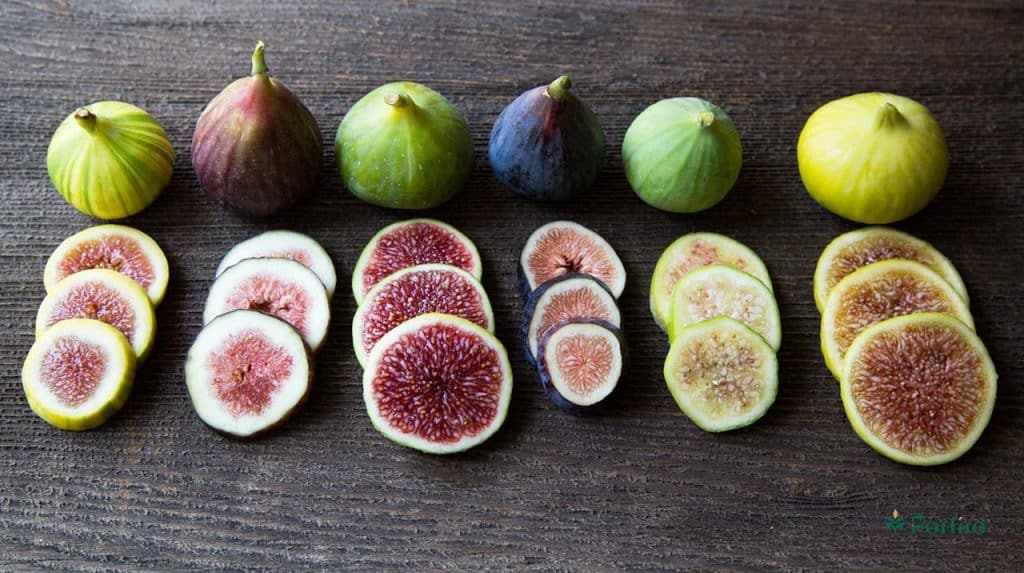
How early or late the harvesting varies according to demand for fresh or dried fruits to human consumption. It is also an important food for wildlife. The ripe edible figs have thick skin covered with sweet flesh with lots of tiny seeds, which are normally unnoticeable but may give a very faint feel when chawed. The skin color of the fig varieties contains pigments that can be from green to black purple.
Fresh figs are eaten, either peeled or unpeeled, and dried, and included in many foods like cakes, pies, pudding, various baked products, jams, and marmalades, to name a few. Figs are gaining popularity in savory assortments these days with sauces for luscious meat dishes, as well as beverage blending and adding on Mediterranean-style pizzas, flatbreads, and salads.
So much the greater culinary versatility there, figs have long been acknowledged for their role in many traditional medicines, including those of the Chinese and Indian traditions (Siddha and Ayurveda). From the time immemorial, it is honored for their usefulness in a variety of health conditions, including digestion, respiration, inflammation, metabolism, and cardiovascular disturbances.
In addition to all the health benefits of figs, they are a high bioactive component type of fruit because they contain an extensive breadth of bioactive elements including vitamins, minerals, organic acids, amino acids, dietary fibers, and a host of phytochemicals; i.e., carotenoids, etc., and polyphenols. There has been less scrutiny in their health benefits over other fruits. The overall phytochemical composition of fruit is a distinguishing characteristic to understand the health benefits of fruit in the diet.
Phytochemical properties of figs
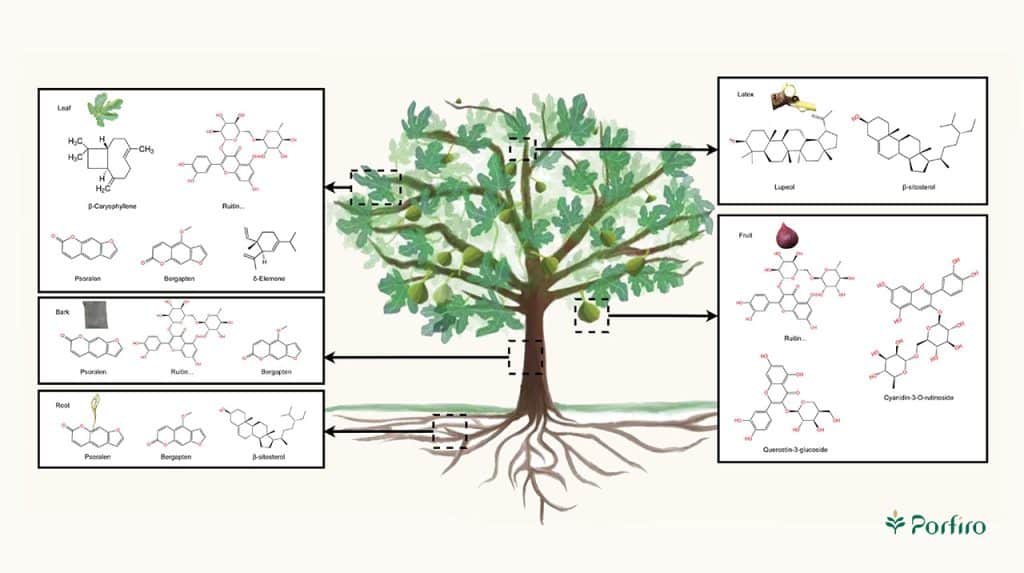
Phytochemical content of figs
Polyphenols and carotenoids are the two dominant groups of phytochemicals that encompasses findings over figs; those include:
- Phenolic acids,
- Flavones,
- Flavonoids,
- Flavonols,
- Anthocyanins,
- Proanthocyanidins.
Comparison of figs with others dried fruits with regard to nutrients
Among dried fruits, figs have more advantages than most.
- Flavonoids: Among all dried fruits, figs have the highest content of flavonoid when compared to other dried fruits such as apricots, plums, and raisins. These compounds have been shown to exert antioxidant properties and influence heart health positively.
- Anthocyanins: Figs may also boast very high concentrations of anthocyanins, many of which are comparable to those in several species of blackberries and strawberries. Such compounds have similar properties to anti-inflammation as well as antioxidants within the human body.
- Phenolics: Total polyphenolic concentration in figs is higher than that in red wine as well as tea, thus demonstrating how rich this fruit is in health-promoting compounds.
- Comparison with others: In comparison with apricots, for instance, figs exhibit higher concentrations of flavonoids as well as anthocyanins, which are likely then to assume greater health benefits.
- Compound diversity: Figs also consist of an array of other compounds such as carotenoids and proanthocyanidins to further bolster health.
Thus, it shows that figs are not just a fruit meant to savor but a powerful source of phytochemicals with diverse health-promoting properties.
Phytochemical Constituents of Figs
Figs are composed of several phytochemicals with remarkable antioxidant activities, which differ according to skin color differences, different parts of the fig (leaves, skin, pulp), and different species.
The difference between dark and light figs
- Dark figs include more (150%-200%) TPC, (up to 15x) TAC, and (up to 2.5x) TFC than light-colored varieties, serving as sources of greater antioxidant capacity than the light varieties.
- Black figs have twice the antioxidant capacity, 15 times higher TAC, and 2.5 TPC than green and yellow figs.
Different parts of the fig
- Skin: Fig skin is richer in phenolic compounds and antioxidants compared to the flesh, regardless of the fig’s color.
- Leaves: Fig leaves exhibit the highest levels of polyphenols and antioxidant capacity, demonstrating the ability to neutralize free radicals such as superoxide.
- Flesh: Fig flesh contains fiber, vitamins, and minerals, but its antioxidant levels are lower than those of the skin.
Identified Principal Compounds
The most major components of figs are rutin, epicatechin, catechin, cyanidin-3-O-rutinoside, and bergapten. Also, gallic acid and ellagic acid have been reported as the most important phenolic acids found in some cultivars of figs.
Pigments
Studies of fig pigment chemistry establishes the three most prominent pigments found in figs: anthocyanins, flavonols, and carotenoids.
Agents Impacting Fig Phytochemicals-Profiling
- Harvest-Time Influence on Polyphenol Levels: Polyphenol levels are greatly influenced by harvest time. During the early harvest, fruits usually had higher concentrations of these compounds than the main crop, although variations have sometimes been reported. The main crop of two Albanian fig varieties showed a greater polyphenol concentration than the early-harvested fruits in one study. The polyphenol content usually changes during fruit maturation by peaking in the very early harvesting stages.
- Processing Effects on the Maintenance of Polyphenols: Due to extreme perishability, figs are processed into dried products, jams, or nectars. The drying methods employed-whether sun-drying or industrial techniques-serve to affect differently their respective phenolic acids and antioxidant scavenging capacity. The phenomenon of sun-drying typically promotes substantial losses in the levels of these constituents, while controlled industrial methods appraise the nutrition preservation. Processing methods minimizing phytochemical degradations shall be preferred.
Figs Nutrients
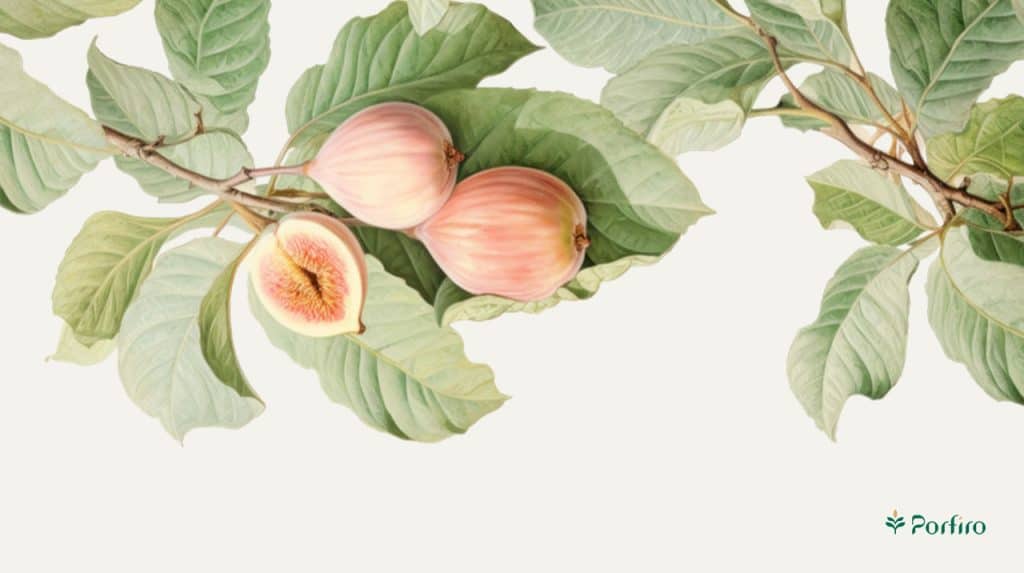
The health benefits of figs have been known since ancient times. Figs are a real source of nutrients and contain a wide range of micronutrients and macronutrients, including carbohydrates, vitamins, organic acids, dietary fiber, and minerals.
Nutritional Profile
- Proteins and fibers: Figs are sources of protein (5.31 grams in 100 grams of dry weight) and source of fiber (17.81 grams in 100 grams of dry weight).
- Fat: Fats were recorded in figs as weighing from 0.02 to 2.71 grams; of this raw weight, the average was obtained.
- Carbohydrates: Figs are also a source of carbohydrates, containing a large amount (26.02 grams/100g fresh weight) and among others amino acids such as leucine, lysine, and arginine.
Organic acids and sugars
Figs consist of free sugars such as glucose, fructose and sucrose together with organic acids like malic, citric and oxalic acid. Fruit dry has higher sugar as compared to fresh fruits.
Minerals
Figs have the highest mineral content of any fruit and are a good source of potassium, calcium, sodium, magnesium, and phosphorus. They also contain trace elements such as iron, manganese, and zinc.
Accessibility and absorbability of phytochemicals from figs
Bio-accessibility and Bioavailability
Bioavailability is that fraction of nutrients in food which becomes accessible for direct absorption or biological transformation by the gut microbiota during digestion. Absorption refers to the proportion of ingested nutrients which in turn gets absorbed and reaches the bloodstream or specific tissues of the body. This means the phenolic compounds present in figs are hardly bioavailable, as studies have established that these compounds undergo degradation at distinct stages in the digestion process.
Effect of the Digestion Process
The research indicates the effect of digestion on figs is rather profound with respect to phenolic content and antioxidant capacity. For example, some studies show that drying under the sun enhances the bioavailability of some compounds, while that of anthocyanins in fresh figs is quite low.
Factors Affecting Bioavailability
Various factors such as fig variety, processing methods, interactions with other food components, and individual differences stemming from host genes and gut microbiome composition can influence nutrient accessibility and absorption.
Despite existing evidence regarding the biological activity of phenolic compounds in figs, further research is needed on the absorption and metabolism of these compounds in humans. Overall, figs are a rich source of phytochemicals, but their bioavailability and absorption are influenced by multiple factors.
Health benefits of figs
The previous section we examined health benefits of figs, which include the impact of various fig components: flesh, juice, skin, extracts, fresh/dried figs-on health-risk conditions such as cardiovascular diseases, diabetes, obesity, cognitive function, and gut health.
That part discussed various phytochemical properties, nutritional constituents, bioavailability, and absorption of figs in detail. The research indicates that phytochemicals and bioactives from fruits and vegetables exert a salutary effect on human health after ingestion.
- Figs and Their Health Benefits Regarding Heart Well-Being: Cardiovascular disease is a broad term that includes any disease that affects the heart or blood vessels. These diseases often have risk factors that are attached to lifestyle choices such as unhealthy diets and sedentary behavior, causing increases in blood pressure, blood sugar, and lipid levels. The relationship between figs and heart disease has been studied to a minimal extent; actually, most experiments are still on animals. The limited human experiments have focused on fig diets and their effects on people who are overweight and cholesterol-laden. In one case, for instance, body weight and blood lipids in patients consuming ¾ cup dried fruit daily showed no significant difference. However, animal studies indicate that fig fruit and leaf extracts can lower blood pressure. In this sense, fig leaves have also been found to result in increased HDL levels while decreasing the risk of cardiovascular disease. However, these claims are not well substantiated in humans, warranting more research into them as well.
- Figs for Diabetes: for the improvement of diabetes, figs have been taken since antiquity as herbal medicine, as they possess active principles that help to control blood sugar levels. Studies have demonstrated that the ingestion of figs and leaf extract lowers blood glucose levels. Namely, in one study, extract from the leaves of the fig was highly effective in lowering serum glucose postprandially in individuals with type 2 diabetes, reducing about 50% serum blood sugar levels compared to control metformin. Figs also contain abscisic acid (ABA), which assists with blood sugar regulation, and this type of fig fruit extract containing ABA reduces post-meal blood sugar and regulates insulin levels. This characteristic may be beneficial for individuals with insulin resistance or people at risk of type 2 diabetes. In addition, the studies conducted in animals showed that fig constituents, especially “ficusin” from the leaves, have other actions besides lowering glucose, namely, improving lipid profiles and protecting beta cells. Fig leaf extract also inhibits enzymes that control carbohydrate metabolism. Lastly, dried figs are chipped in their anti-diabetic properties; however, they should be taken with caution because of the high concentration of natural sugar, whereas fresh figs, being high in water content, are a better option for diabetes. More work, however, ought to be conducted to determine the holistic effects of figs on diabetes in humans and give precise guidelines on their consumption.
- Advantages of Figs for Weight Gain and Satiety: Figs, as a nutritious fruit, can positively impact weight management and satiety; studies have shown that figs may be beneficial in weight loss, particularly in studies based on mice. Studies of this nature show a positive impact of figs on weight loss and body fat % change. However, little-to-no information exists on observations in humans and most studies have been on other areas of studies. Some of the studies suggest that figs consumption can substitute other foods, such as desserts and grains, thereby decreasing caloric intake based on discretionary calories from compounds such as figs. Some observational data from NHANES provides evidence that dried fruit including figs correlated with lower body mass index and waist circumference. Though figs are high in fiber to improve satiety, provide more satiety, and help manage appetite. In addition to regulating appetite and satiation, as a food of sweet compounds figs can help improve the natural craving for sweets to end the craving for added sugars. Regular moderate consumption of figs can also improve weight regulation and increases satiety in a balanced healthy diet.
- Usefulness of Figs for Alzheimer’s Disease: Alzheimer’s Disease is one of the most common types of dementia observed in older individuals and results partly from increased oxidative stress and inflammation present in the body. Since figs, due to their fiber content and micronutrients including copper, iron, manganese, magnesium, potassium, calcium, vitamin K, and their polyphenolic compounds comprised of antioxidants and anti-inflammation can safeguard against this disease, figs represent a natural prevention option. Some of the polyphenolic metabolites can penetrate the blood-brain barrier and regulate inflammation and oxidative stress. Studies are beginning to show that fig intake can affect brain activity, especially fig species with darker fruit. For example, figs in studied that grew in Oman were able to find that if you humans daily consumed 4% figs, memory retention was positively enhanced and properties resembling anxiety were minimized that resulted in increased memory and cognitive behavior. Interestingly, figs aided the prevention of severe spatial learning abilities along with motor coordination. These findings suggest considerable evidence for, if an individual may consume figs on a daily basis, then the possibility of improved cognitive and behavioral deficits from Alzheimer’s disease would be noticeable. Therefore, with the overwhelming supporting literature establishing figs as fruits with powerful antioxidants and influence on the brain, figs represent a reasonable fruit to include in a diet for individuals interested in preventing neurodegenerative disease and for their improved memory.
- Figs for Digestive Health: Fruits that benefit digestive health have merit and were known back in antiquity. Two studies to date have been performed on figs and digestive health: one on humans and the other on animals. The human trial was a randomized controlled one on sufferers of irritable bowel syndrome, in which predominant constipation symptoms improved dramatically through the consumption of 45 grams of dried figs due to a significant decrease in pain and frequency of bowel movement. In another study involving mice, the administration of aqueous fig extract resulted positively in the amelioration of colitis-induced constipation while speeding up gastrointestinal transit time. These findings lend credence to the view that figs may constitute a natural remedy for digestive problems, specifically constipation and irritable bowel syndrome. In addition, the fiber content of figs ensures the formation of soft, bulky stools, easing their passage through the digestive tract. At the same time, their anti-inflammatory and antioxidant properties help to counter gut inflammation and avert gastric ulcers. In conclusion, the consumption of figs might enhance digestion and counteract related problems; however, these effects need further verification through research.
- Healthy Skin with Figs: The fig juice is an excellent skin healer and its antioxidants and vitamins nourish skin. Figs help mostly by vitamin C that plays a vital role in collagen formation that is responsible for keeping skin firm, smooth, and youthful. Daily intake of fig juice fights wrinkles, fine lines, and texture. The flavonoids and antioxidant substances in the fig juice are the ones that kill free radicals, hence stopping premature aging as well as skin damage caused by environmental factors such as pollution and sunshine. If you want a natural solution that will make your skin look radiant, then you should consider taking fig juice as it will surely earn a top spot in your list of beauty ingredients.
- Boosting Your Immunity: Having a good immune system is very important to your health and wellbeing, and fig juice can help! Figs are full of vitamins and minerals and lots of antioxidants which all support your immune system. Vitamin C specifically, is well known for its immune-enhancing effect, and fig juice can give you a natural and healthy way to get your vitamin C in. If you buy and drink fig juice regularly, you could essentially prepare your body to protect itself against colds, flu, and bacteria through the seasons. Figs have such high levels of anti-infective, antibacterial and anti-inflammatory benefits that will also help fight the infection against bad bacteria and viruses, and help your immune system stay functioning at its best.
- Bone Health: Figs are an excellent source of calcium, magnesium, and vitamin K – three nutrients essential for maintaining strong and healthy bones. Regularly drinking fig water can help improve your bone density and reduce the risk of bone-related diseases such as osteoporosis. Calcium is crucial for bone strength, while magnesium plays a role in calcium absorption. Vitamin K is also vital for bone health as it aids in the formation of bone proteins. By incorporating figs into your daily routine, you can ensure your bones receive the nutrients they need to stay healthy and robust.
How to use figs in diet

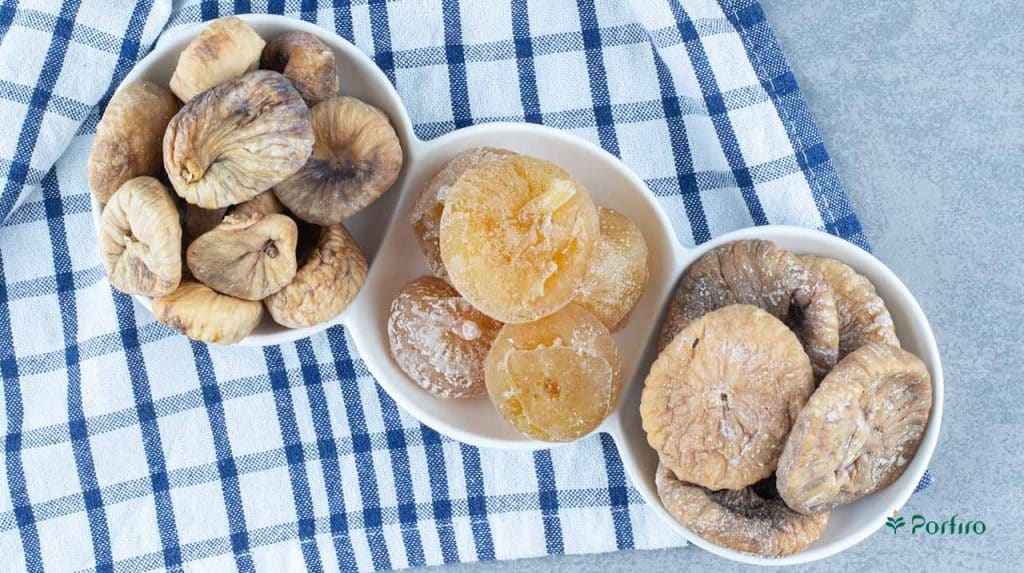
To reap the health benefits of figs, you have several options for consuming fresh figs. You can eat them raw as a snack, add them to salads, or use them in desserts. Fig juice is also a great way to add this fruit to your diet. Fresh fig juice can be drunk alone or combined with other juice. Dried figs are also popular, because they are sweet and have a long shelf life.
You can eat dried figs as is and enjoy them as a snack or eat them with your breakfast. Dried figs are more beneficial when soaked in water overnight and eaten on an empty stomach in the morning. Soaking the dried figs in water will soften them and aid in nutrient absorption.
To show some ways to use figs while still reaping the health benefits of figs in various diets such as the Mediterranean diet, keto diet, etc.:
- Mediterranean Diet: Figs are a very healthy snack or an addition to salads and desserts in this diet plan. They can be combined with nuts and seeds to further improve the meal.
- Keto Diet: Somewhat on the south side for sugar content, figs should be used in moderation. A small number of dried figs can work as a good source of nutrition and energy as a pre-workout snack.
- Other Diets: In a weight-loss plan, dried figs make one feel satiety and lessen hunger. Eating them sometimes, for instance in the early mornings or in-between meals, works better.
Figs can also be used in the making of sauces and preserves. An amazing flavor option in fig sauce is blending fresh or dried figs with grape syrup along with some butter: this works wonders when dribbled onto cakes or pancakes. The other wonderful variety is fig jam best slathered on breakfast bread or yogurt. Figs, in short, are wonderfully diverse in diet – absolutely delicious and really healthy for you.
Figs for different people
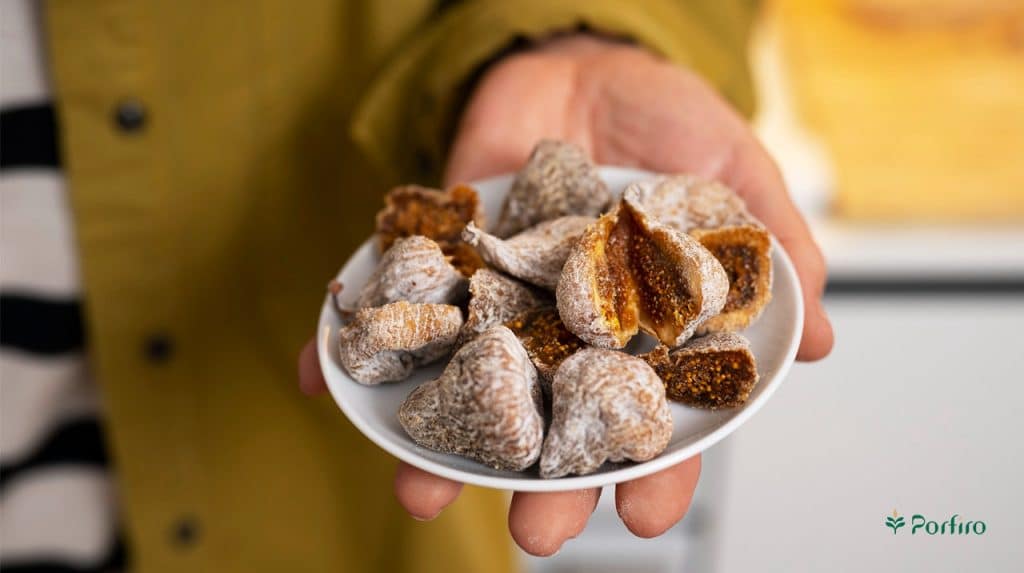
Figs, as a healthy and beneficial fruit, can be included in the diet of different age groups and some physical conditions such as pregnancy and childhood. In children, for whom the health benefits of figs are also important, dried figs can be useful as a source of vitamins and minerals such as calcium and magnesium, for the development of bones and teeth. In addition, fig fiber is a natural laxative and therefore relieves digestive discomforts such as constipation. Dried figs are suitable as a healthy snack, especially for children who are very physically active.
In pregnant females, dried figs can avoid constipation, maintain anemia at a distance, and provide bone strength. Antioxidants present in them may also develop the immune system and provide protection against disease in pregnancy. Pregnant women must, however, be moderate in consumption.
Figs can also do wonderful things for the elderly. Fiber in figs can help to improve digestion and alleviate constipation. The antioxidants in figs can help promote brain health and help with many dementias related illnesses.
On a general note, adults should only eat 2 to 4 dried figs a day. Less is definitely ok for children. To get the full benefits of dried figs, you can have a pre-soaked dried fig, by soaking in unfiltered water or rosewater, but it may be more difficult to find.
All in all, given all the benefits figs offer across ages and certain physical conditions, figs could be part of an overall balanced and healthy diet.
Conclusion

Figs (Ficus carica L.) are among the oldest fruit trees with high nutritional value. In addition to the health benefits of figs, this ancient fruit also contains a variety of phytochemicals that are beneficial for health. These trees are bioactive compounds with high levels of flavonoids, anthocyanins, pectin, and phytosterols, whose activities include acting as antioxidants and antidiabetic agents. Figs (Ficus carica L.) are among the oldest of fruit trees, with high nutritional value and diverse phytochemicals acting for better health. They are bioactive compounds with high flavonoids, anthocyanins, pectin, phytosterols, whose activities include acting as antioxidants and antidiabetic agents.
The vitamins, minerals, healthy fats, and carbohydrates it contains ensure the health benefits of figs. Fresh figs’ nutritional value, as calculated from different analysis sources, yields 100 grams of 74 calories, 19 grams carbohydrates, 0.8 grams proteins, and 2.9 grams fiber. Dried figs, on the other hand, have higher calorie content (approximately 249 calories per 100 grams) and are denser in nutrients with 63.9 grams carbohydrates and 8.9 grams fiber. Figs thus meet the criteria of a healthy and wholesome snack.
These also have anticancer, anti-inflammatory, bone-strengthening activity, and therapeutic potential in diabetes and Alzheimer’s. The whole plant—from skin to flesh, leaves, seeds, and latex—is used in the preparation of pharmaceuticals and cosmetics. Figs are also important sources of natural color and preservatives in the food industry. Figs, thus, are great dietary ingredients with an appeal not only in taste but also towards the health benefits of them.
10184