


Snack or Main Meal? Make Best Decision Now for a Healthier Tomorrow
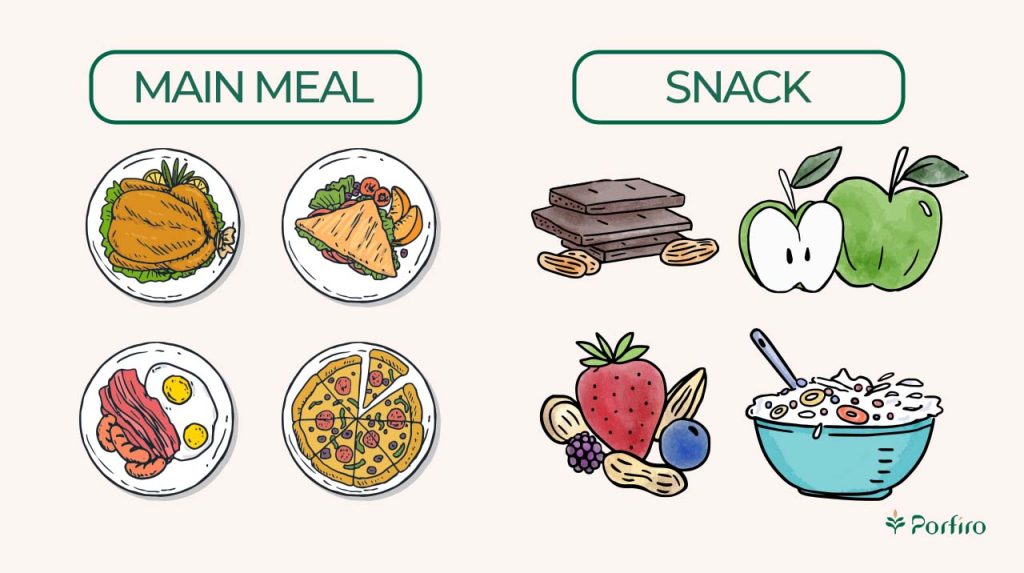
Healthy LifestyleGenerally, a snack is any food consumed between the main meals. Most people snack at least once a day. Why do we need snacks?
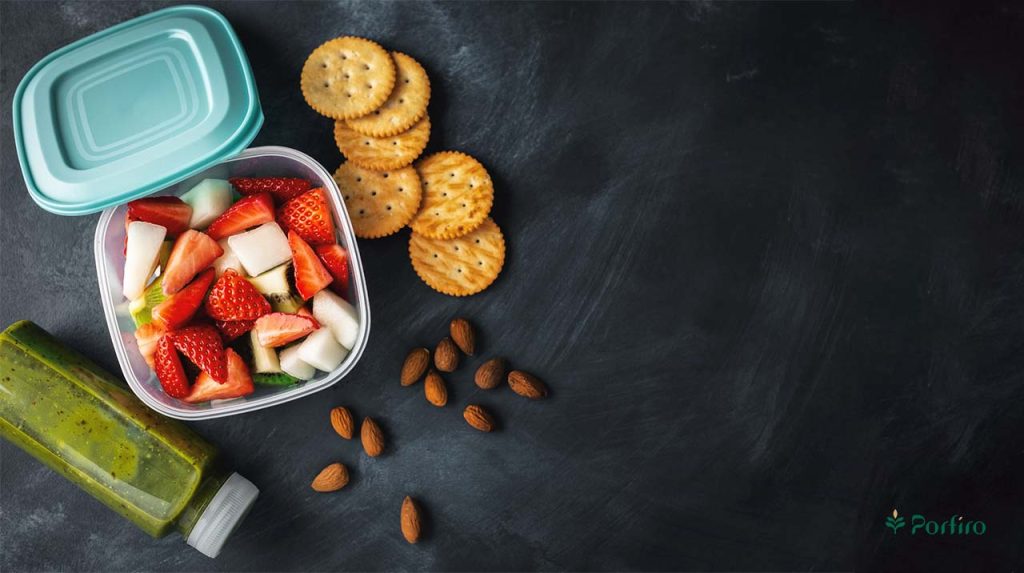
Most people snack simply because their stomach needs food a few hours after the last meal. Another probable reason for snacking could be the drop in energy levels, which a small bite can remedy. Perhaps, the peculiar taste of some snacks drives us to repeat their consumption. For many people, snacking is not only about satisfying hunger. It can be one of the ways to share the traditions of childhood and culture; it is one of the ways to communicate with people.
Snacking during the day may buy some time to refuel, slow down, be more present, and stop thinking about social media, put smartphones aside, and, for many parents, an opportunity to connect with kids. Snacks makeup 20 to 25 percent of total energy intake, despite the fact that very few were published on snacking. In this article, Porfio tried to explain this aspect of human life in current conditions briefly but usefully; therefore, for learning about the importance of snacks’ consumption, their size and frequency, and their advantages and disadvantages, read this article to the end.
The common snacks consumed include fruits, cookies, chips, ice cream, candy, popcorn, soda, crackers, cake, milk, nuts and seeds, tea, and yogurt. Snacking has various purposes, from weight gain to weight maintenance, and snacking quality also varies. As much as snacking can be a frequent and significant part of a healthy diet, if done inappropriately, it may bring problems related to health. Snack foods have varying effects on an individual’s health, depending on the type and motive of consumption, frequency of use, and how snack foods fit into your overall eating plan.
Why Snacking is Necessary?
The need to snack is usually not because of hunger but rather for the sake of pleasure or convenience of accessing such foods. It is important to note that emotional people and those who are psychologically stressed will eat more energy-dense snacks, which are often high in sugar and fat.
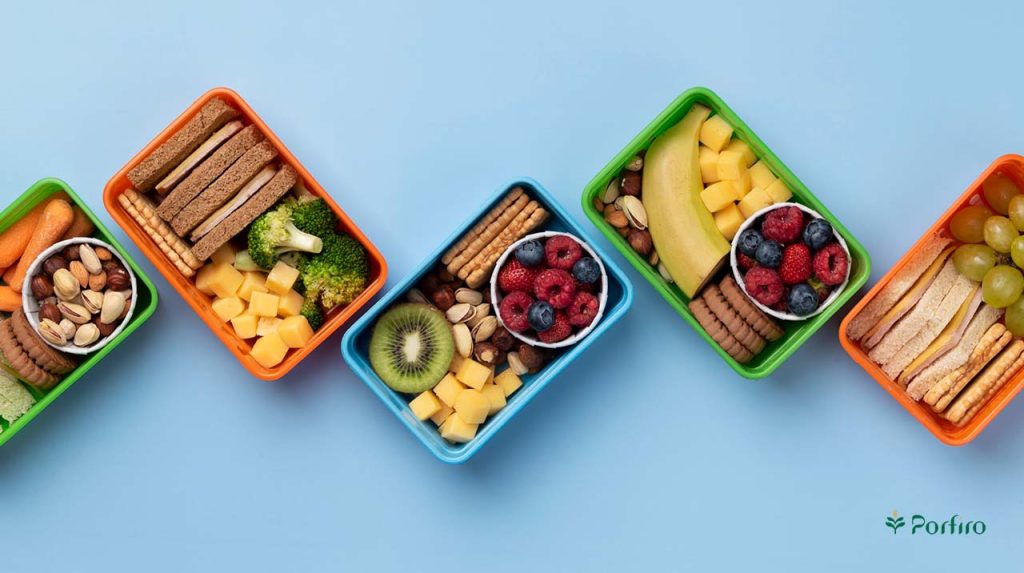
The definition of what is a snack does not exist uniformly, so far, hence the benefits or harms regarding snacking remain to be defined. Therefore, for snacks to be beneficial, we should limit our foods that are low in nutrients but high in saturated fats, sugars, and sodium. Snacks will be better if they supply at least 10% between two main meals every day. Healthy snacking with nutrient-dense food items, such as raw vegetables, fresh and dried fruits, nuts, and plain yogurt, is recommended.
Benefits of Snacking
- Snacking assists in raising energy levels within the body when the blood glucose levels fall some time after the consumption of meals.
- It helps reduce appetite and inhibits overeating during the next meal.
- Snacking may help meet a part of the additional nutrient requirements of the body with certain snacking items, such as fresh fruit, dried fruit, or nuts.
- If one is suffering from loss of appetite and cannot take a complete meal-as in adults due to sickness or as in children due to playing-snacking helps provide them with adequate nutrition.
Snacking Disadvantages
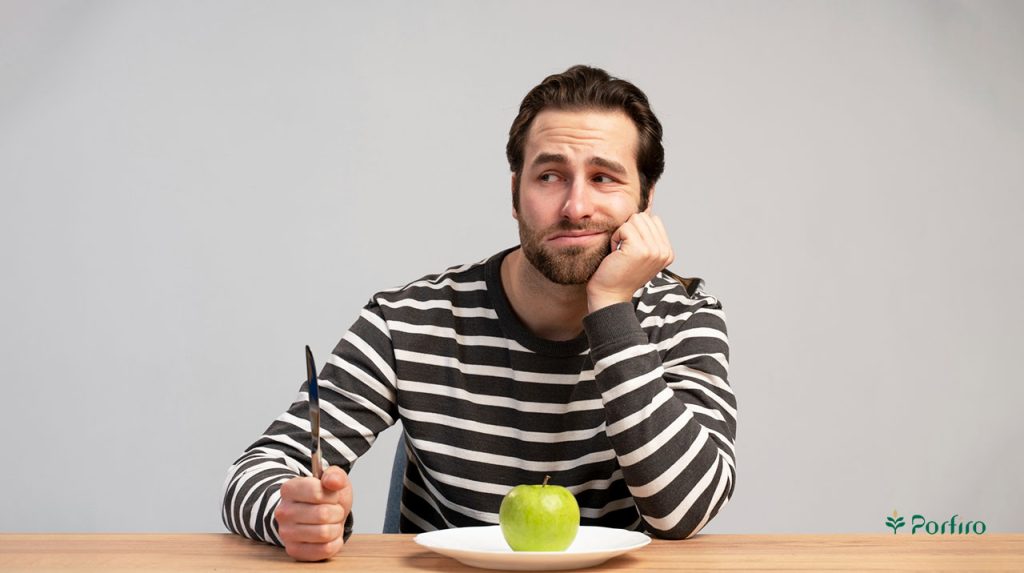
- Unwanted Weight Gain: This may be caused by excessive intake of meals or snack frequencies or extra calories within them.
- Loss of Hunger During Meals: Excessive snacking can make one feel less hungry at meal times, or may even cause one to completely skip a meal altogether, which increases the potential for missing crucial nutrients.
- Increased Consumption of Junk Snacks: Constant consumption of junk snacks, which are high in salt, sugar, and added fats but low in nutrient value and have more calories, demands an increase in the consumption of such a food category, changing eating patterns and dietary quality.
How to Make Best Use of Snacks?
Planning for snacking makes its advantages outweigh the disadvantages. But how can you make the most out of snacks? Below are answers to some of the questions that you may have about snacking.
When Should I Snack?
The best time to have a snack is 3 to 4 hours after having lunch.
Why Should I Snack?
If you always feel like munching on something, check with your body if you are hungry or if you are eating due to an emotion: boredom, stress, tiredness, anger, etc. If you are hungry, proceed with the next step. However, by your consideration, if you come to realize that you have been eating based on emotions, make use of mindfulness strategies before snacking.
What is a Suitable Snack?

You shall know what type of snack you like. A healthy snack curbs hunger, is filling, and puts a damper on over-desire for food when your next meal approaches! Now, think about the last time you snacked. Are you still hungry now? Or do you tend to get hungry again within a short time after having had a snack? Whole food snacks that include protein, fiber, and whole grains-especially nuts, yogurt, and popcorn-increase your feeling of fullness, researchers learned. It’s also important to stop and think before selecting a snack about what will really hit the spot. If you’re craving a salty flavor, for example, or a creamy texture, reaching for an apple to hold you over until dinner may not be satisfying and may make you eat more later. If you are not craving anything in particular but just trying to fill your empty stomach, have something with high content of fiber and water to make it full very quickly. Following are the healthy snacking possibilities according to your wish:
• Crunchy: Raw vegetable sticks, nuts, seeds, whole grain crackers, apple
• Creamy: Yogurt, hummus, avocado
• Sweet: Dates, fresh fruit slices, dark chocolate
• Saltiness: Cheese chunks, roasted chickpeas, a handful of nuts, peanut butter.
How Much Snacking is Too Much Snacking?
A snack should be big enough to take care of your hunger but not so big as to interfere with the appetite of a succeeding meal nor too high in calories. A very good guideline is to aim for between 150 to 250 calories per snack. This is about one apple with a tablespoon of peanut butter or a slice of cheese with six whole grain crackers. When at all possible, avoid prepackaged and highly processed snacks.
Snacks for Kids
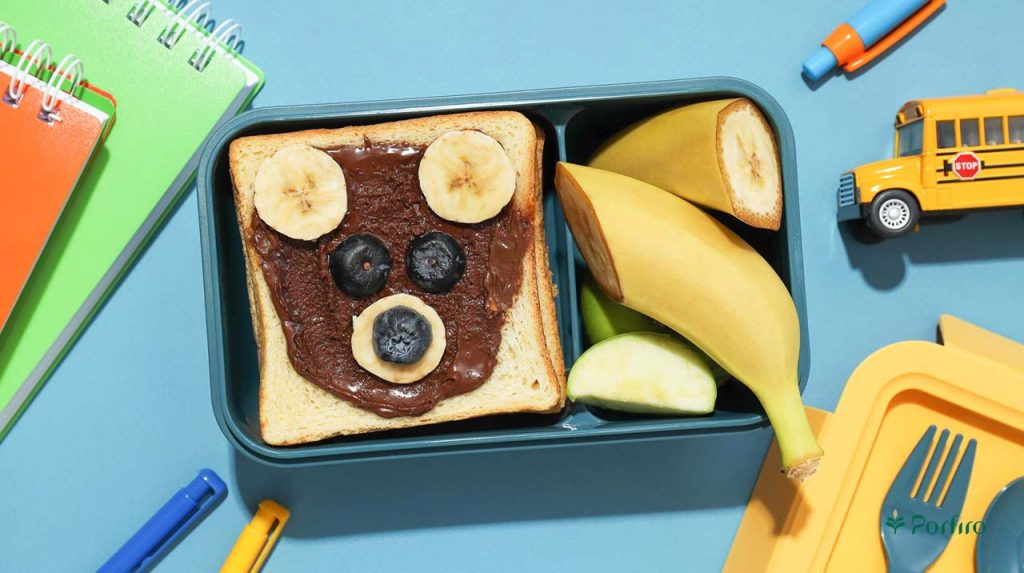
A delicious snack can destroy a child’s appetite for the upcoming meal. Let it be small in portion and the food should be nutritious, healthy. Depending on age and activity level, young children may need from one to two snacks per day. Here are some examples of satisfying, easy snacks for kids:
- One-quarter cup nuts; 1 cup whole grain cereal, no sugar added
- Apple slices; half a cup of roasted chickpeas in olive oil and spices
- One-quarter cup of seeds or nuts;
- one-quarter cup of dried apricots, cherries, or raisins, no added sugar
- Cheese; 1 cup grapes
- Half a cup blueberries or strawberries; small bowl of plain Greek yogurt
- A small slice of whole grain toast with peanut butter, almond or sunflower spread. Carrot sticks or sliced vegetables served with hummus.
Quality or Quantity: How Should Snacks Be Balanced?
Another important topic is the quality of snacks compared to their quantity or frequency of consumption. Over 70% of people snack at least twice a day. A recent study by Kate Bermingham, PhD, postdoctoral fellow, King’s College London involving more than 1,000 participants investigated whether snacks affect health and whether the quality of snack foods is significant. The results indicated that the quality of snacks is more important than their quantity or frequency; thus, choosing high-quality snacks over processed ones is likely to be more beneficial.
Timing also matters, as late-night snacking is considered unfavorable for health. Some studies have examined the relationship between quantity, quality, and timing of snacks with blood fats and insulin levels, both indicators of cardiovascular health. The conclusion is that higher-quality snacks and foods containing significant amounts of nutrients relative to calories are associated with better blood fat and insulin responses.
10137