

Why Growing Children Should Eat Pistachios?
Products- 1About Pistachios
- 2Benefits of Pistachios to Children and Adolescents
- Strong Muscles
- Healthy Weight
- Cognitive Brain Development
- Improvement of the Immune System
- Beneficial to Eyesight
- Digestive Health
- Improved Sleep
- Good Source of Energy
- Rich in Vitamins
- Rich in Phosphorus
- Adequate Potassium
- 3Is Pistachio a Common Allergen?
- 4Infants Cannot Have Pistachio Milk
- 5What Are Some Pistachio Recipe Ideas?
- 6Use of Pistachios in the Diet of Different Age Groups Under 4 Years
- 6 to 12 Months
- 12 to 36 Months
- 36 Months and Up
- 7Example of a Dish for Children with Pistachios
- Pistachio and Lamb Meatballs
Below are some of the key concerns that were listed by parents in surveys, which can be soothed by just having a serving of pistachios! The good news is that 15 to 40 pistachios for children between the ages of 3 and 15 contribute to daily nutrition, and this is one of the reasons that shows how daily consumption of pistachios will help your child.
Additionally, pistachios have a number of health benefits, including maintaining a healthy weight, building strong muscles, improving eyesight, and regulating sleep. Thus, for the age group of children and adolescents in general, who need energy but also the development factors that will help in cognitive development, pistachios may be a suitable snack for them.
As you well know, antioxidants in pistachios are very important in neutralizing free radicals and hugely effective in boosting the immune system. In the sequel of this article, Porfiro tries to prove through scientific research how important it is for children and adolescents to consume pistachios.
About Pistachios
Pistachios are a common snack today and are used in various dishes. Their consumption became popular after World War II. This plant grew in the Middle East thousands of years before its arrival in Europe and Asia, with Iran being its origin, where it has been present for about 3,000 years. Pistachio trees originated thousands of years ago in Central and Southwestern Asia, where the nut was a royal delicacy in the Persian Empire and grew in the Hanging Gardens of Babylon.
Pistachios are not actually one of the types of nuts; rather, they are seeds from the pistachio tree and are considered one of the oldest seeds in the world. Much has been said about the health benefits of pistachios, and the most significant and comprehensive information can be found in the article “Health Benefits of Pistachios” on the Porfiro blog.
Many researchers believe that wherever pistachios have been abundant, the local people have also had a significant number of scholars and scientists, linking pistachio consumption to enhanced cognitive abilities and brain function. This topic and the story of the pistachio plant’s origin are thoroughly discussed in the article “30 Heavenly Branches: The Story of the Pistachio Plant“.
Benefits of Pistachios to Children and Adolescents
Some of the advantages that make pistachios a suitable and nutritious snack for children and adolescents include:
Strong Muscles
Basically, our bodies require proteins, which are very important in building, maintaining, and replacing tissues. Proteins are contained in such foods as meat, nuts, eggs, beans, seafood, and seeds. Proteins basically act as the building blocks for bones, muscles, cartilage, skin, and blood. They are also the building blocks of enzymes, hormones, and vitamins.
Moreover, muscle is important for each and every one of us, especially children and youngsters who are in initial as well as significant stages of their lives; we need our muscles for survival. The heart is the most powerful muscle of our body and always tries to get stronger. Our muscles allow us to be mobile and do exercises.
Strength is related to our muscles and how much we use them. In that respect, pistachios will surely be one of the most viable ways to healthily acquire protein. One serving size-a handful-already consists of 7 grams of protein.
Pistachios are considered one of the nuts best consumed in large amounts because they have a low-calorie count while possessing a high level of healthy fats. Moreover, pistachios contain quite enough protein-21% of the weight of the seed-and may be an excellent source for children, vegetarians, and vegans.
This is yet another benefit of pistachios. A small handful of pistachios can contain around 20 grams of protein, a huge amount because it’s tough to get that much protein even from eggs or chicken.
Healthy Weight
Excessive sugar intake has many disadvantages, which are equally important to children and adolescents. For instance, sugar depresses your child’s immune system and their resistance to infectious diseases.
Sugar causes an adrenaline rush in children within a very short time, which is directly linked to hyperactivity, anxiety, lack of concentration, and irritability. Excessive intake of sugar by your children increases their blood sugar, since the lens of the eye inflates. This inflation changes the way they view things.
The acidic digestion of sugar in the stomach causes indigestion and malabsorption of essential minerals and vitamins. It interferes with feelings while at school and the capability to learn, understand, and absorb.
These children take in too much sugar, which depresses their sensitivity to insulin. This keeps insulin levels abnormal and leads to diabetes. Keeping in mind these side effects of sugar on the bodies of children, another advantage of pistachio is that it contains a negligible amount of sugar and is helpful in saving your child from taking in excess sugar.
Because they contain a high amount of fiber in them, they digest slowly and help keep your child feeling full for an extended period; hence, they are one of the healthy weight gain foods for children. For instance, in one research, those who consumed 87.1 ounces of pistachios over a 12-week period experienced twice the reduction in body mass index compared to those who had pretzels instead of pistachios. Both the groups received roughly equal calorie input.
Cognitive Brain Development
Pistachios are rich in vitamin E, B6, and healthy fats, contributing to cognitive brain development. Cognitive growth refers to the enhancement of a child’s thinking and reasoning abilities. This development varies between the ages of 6 to 12 years and 12 to 18 years. Children aged 6 to 12 develop specific thinking skills, which include knowing how to perform:
- Combining (Addition)
- Separating (Subtraction or Division)
- Ordering (Alphabetizing and Sorting)
- Changing Objects and Actions (Transforming items, such as 5 pennies = 1 nickel)
The age range of 12 to 18 is referred to as adolescence. Children and adolescents in this age group engage in more complex thinking. This type of thinking is also known as formal logical operations, which includes the ability to:
- Engage in Abstract Thinking: This means thinking about possibilities.
- Reason from Established Principles: This refers to generating new ideas or questions.
- Consider Multiple Perspectives: This involves comparing or discussing ideas or opinions.
- Reflect on the Thinking Process: This means being aware of one’s cognitive processes.
Given the importance of these aspects, research conducted on various nuts has shown that pistachio consumption elicits the highest gamma wave response, which is essential for learning, memory, and cognition in the brain.
Improvement of the Immune System
Antioxidants are health-related chemical substances. Therefore, through the protection of the body cells from being damaged and against free radicals, they reduce disease incidence. Antioxidants also play a significant role in the protection against oxidative stress and management of childhood disorders.
They have also been studied as a way of strengthening the immune system and reducing the incidence and severity of infectious diseases. Amongst all nuts and seeds, pistachios contain one of the highest antioxidants and, as such, are particularly helpful in strengthening the immune system of children.
Beneficial to Eyesight
Pistachios have proved beneficial to the eyes. Studies have documented the fact that pistachio consumption improves plasma levels of the eye antioxidants lutein and gamma-tocopherol. Pistachios are one of the highest sources of both antioxidants’ lutein and zeaxanthin, which are known for promoting clear vision and protecting against any future loss of vision.
These are pigments found in green leafy vegetables, and other colorful foods are antioxidants. They are vital in maintaining the macula, that part of the eye giving us our central vision and most detailed.
Digestive Health
A number of health benefits have been attributed to dietary fiber intake in humans. Although the benefits may not be apparent until later in life, much of the chronic diseases of adulthood could be prevented if adequate fiber is taken during childhood and adolescence.
In fact, good intake of fiber may help lower serum cholesterol, lipid levels, and blood pressure and decrease chronic inflammation often associated with obesity, cardiovascular disease, diabetes, or kidney disease.
It lowers the risk of type 2 diabetes by improving blood sugar control. It protects against cancers, particularly those of the stomach and colorectal area. It is treatment for and prevention against several types of digestive disorders, such as chronic constipation and irritable bowel syndrome. It reduces the risk of overweight and obesity.
Pistachios are rich in fiber that aids in the development of healthy bacteria in the gut. The fiber in pistachios ensures improvement in the bowels and avoids constipation in kids. There are 10 grams of fiber in every 100 grams of pistachios.
Improved Sleep
Sleeping disorders can give rise to physical and behavioral symptoms which might be mistakenly diagnosed as more serious psychological and behavioral disorders. Children who are sleep-deprived may not always appear to be sleepy.
In fact, they tend to be inattentive and hyperactive and can often be found acting aggressively or destructively. Pistachios are rich in protein, vitamin B6, and magnesium, making them a great snack to consume before bed to induce better sleep. The nut is a natural source of melatonin-a sleep-promoting amino acid. It helps children and adults to sleep well just by taking a few pistachios before sleep.
Good Source of Energy
As children need a healthy and balanced diet, intake of various foods is necessary. As healthy childhood habits are the gateway to healthy life decisions and actions. Children have a normal weight when their energy intake-through food and drinks-is balanced by the energy they expend on their body metabolism, growth, and physical activity.
Pistachios are an excellent source of energy. You can give pistachios to your child as a heavy and energetic snack for day-to-day activities to help eliminate any feelings of weakness. Whereas in 100 grams of pistachio there is around 600 kilocalories of energy, giving a fistful of pistachios to kids in the morning might keep them healthy and energetic for far longer than usual.
Rich in Vitamins
Your child needs a significant amount of essential vitamins and minerals for growth, development, as well as health. These include:
- Vitamins A, B, C, D, E, K, and folate
- Minerals such as calcium, iodine, iron, and zinc
Pistachio nuts are made up of vitamins such as vitamin C, thiamine, riboflavin, niacin, pantothenic acid, vitamin B-6, folate, and vitamin A. Your child will, consequently, be very healthy due to the pistachios. For example, vitamin B-6 helps your body in various ways such as digestion and improving your children’s brain functions.
Vitamin C fortifies your immune system, riboflavin helps body in producing energy, while thiamin supports the body in decomposing fats and proteins. It also helps to maintain your immune, muscular, and nervous systems. The best way for your child to get enough vitamins and minerals is to eat a variety of foods from six healthy food groups:
- Vegetables and legumes
- Fruits
- Grains and grain products
- Protein-rich foods, including meat and meat substitutes
- Dairy or dairy alternatives
- Nuts, particularly pistachios
Pistachios are rich in vitamins including A, C, B-6, niacin, thiamine, and more, each playing an important role in maintaining body health. Vitamins improve digestive function and strengthen the immune and nervous systems of the body; they are effective not only for children but also for adults.
Rich in Phosphorus
Nutrition is one of the most crucial factors that help in the development and growth of intelligence in a child. The very high phosphorus content available in pistachios is highly useful for the intellectual growth of the children.
Pistachios contain vitamin B-6, which enhances the functioning of the nervous system in the body. For this reason, pistachios enhance brain functions in the children; hence, pistachios are considered one of the most significant food elements for children.
Adequate Potassium
Potassium is highly necessary in a child’s development as it facilitates several physiological activities, which include muscle contraction, the conduction of nerve impulses, and electrical activity of the myocardium.
Furthermore, extreme potassium imbalance may have overwhelming outcomes wherein hyperkalemia or hypokalemia may equally threaten the health of a child. Hyperkalemia, or high levels of potassium, can be fatal, whereas hypokalemia, or low levels of potassium can occur in children with renal tubular disorders or on intensive dialysis regimens.
In addition, high sodium intakes and low potassium intakes can promote high blood pressure (high blood pressure and proper nutrition) and increase the risk for cardiovascular disease well into adulthood in children and adolescents. For the overall health and wellbeing of the kids, it is very important to maintain potassium homeostasis and include enough food rich in potassium in their diet.
Furthermore, one should be aware that pistachios and their derived products are a very rich source of potassium, an electrolyte highly helpful in many ways. Therefore, pistachios contain a very high level of potassium, making them exceptional in any diet.
Is Pistachio a Common Allergen?
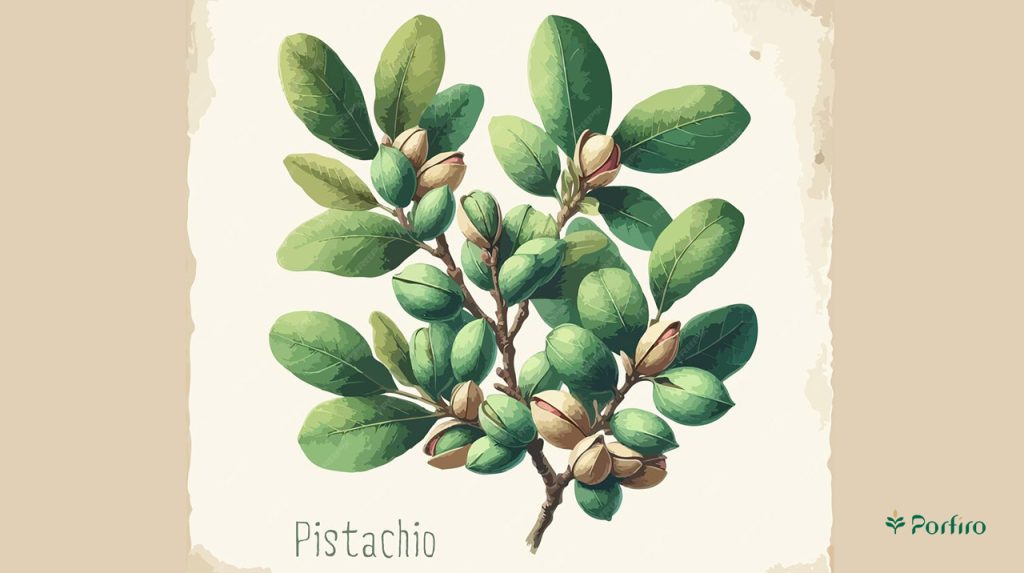
Yes, pistachios are one of the global priority allergens according to the World Health Organization. The pistachio is a tree nut; although it is technically a seed. Because the protein in pistachios and cashews is so similar in structure, many children have allergies to both these particular types of tree nuts-in fact, over 95% of children who have an allergy to pistachio are also allergic to cashew.
Though only 0.5 to 1.2 percent of the public has a tree nut allergy, most people are allergic for their lifetime. The spices sumac and pink peppercorns are botanically related to pistachios, both belonging to the Anacardiaceae family. Some people with a pistachio allergy experience symptoms after consuming these spices.
Mango is also a member of this family; however, most are still able to tolerate mango. While having an allergy to one tree nut can increase the risk to another, sensitivity to one nut does not preclude all nuts necessarily from the diet. Food allergy restrictions are important for the nutrition and quality of life in children. If your child is allergic to pistachio nuts, consult with an allergist regarding the safety of other nuts in their diet.
Most babies can have tree nuts added to their diet without the need for allergy testing, even if there is a family history of food allergies. However, in cases of severe eczema or children who have ever had an allergic reaction, and for whom one suspicion may be a nut allergy, an appointment should be made with the primary care physician or a pediatric allergist prior to allowing any introduction of pistachios home.
The physician can rule in or out whether pistachio nuts can be safe to expose within the home environment. Also remember that there is some evidence that early introduction may be preventative of food allergens, especially in infants with eczema.
When it is time to introduce nuts, begin with a small amount of finely ground nuts or one-eighth teaspoon of smooth pistachio butter, thinned with water, breast milk, or formula and given to the infant. You can increase it gradually in later servings if that is not the case. You mustn’t make them full with nuts, but allow them to get all varieties of nutrition during the day.
The regular exposure to common food allergens like tree nut in the diet, preferable twice a week, after initial consumption is especially important. Do not stop offering nuts to infants or toddlers unless your child seems to be reacting.
Infants Cannot Have Pistachio Milk
No. Before 12 months, the only liquids that need to be given to a baby are breast milk or formula; if the child is over 6 months, very small quantities (less than 2-4 ounces per day) can be given in an open cup. If pistachio milk is consumed as a complementary solid food-say, in oatmeal-then consumption before 12 months is alright.
Unsweetened pistachio milk can be given as a drink if you’d like, after initial introduction, but keep in mind that most nut milks are low in calories, fat, and protein for toddlers, so not the best usually; enriched soy or pea milk is more nutritious.
What Are Some Pistachio Recipe Ideas?
Pistachios are great on their own or combined into a mix of nuts and seeds, but if you’re looking to incorporate them into cooking, there are a lot of options. The pistachios blend well with the creamy nut butter to spread on toast or eat with fresh fruit. You can also make pistachios into a topping for vegetables or pasta, serving as a good substitute for breadcrumbs or Parmesan cheese.
Try using ground pistachios to add flavor to dishes like lamb meatballs or your favorite meatballs, or use them as a crunchy coating for homemade chicken nuggets, fish fillets, or tofu strips. You can also grind and soak the nuts for making pistachio milk, to add creaminess and a load of nutritious value to your cereals, porridge, and smoothies.
They are very tasty in a mix with grains and spices in dishes like Morasa Polo, a colorful rice full of barberries, orange peel, pistachio, and saffron, served with yogurt and made in Iran for New Year’s.
Use of Pistachios in the Diet of Different Age Groups Under 4 Years
6 to 12 Months
Grind pistachios in a food processor until they are finely chopped, ensuring no large pieces remain. If you don’t have a food processor, you can crush the nuts in a cloth using a hammer, mortar, or the end of a sturdy glass bottle. To serve the nuts, sprinkle a small amount on yogurt, rice, quinoa, squash, or warm cereals.
You can also roll slippery foods like chopped fruits in the ground nuts to make them easier for the child to pick up. If you want to prepare a suitable food for your baby, keep processing the nuts until they turn into a paste, then add water, yogurt, or an appropriate liquid for infants to make it smooth and non-sticky without lumps.
In this form, pistachios can be spread very thinly over other age-appropriate foods. Keep in mind that adding even a thin layer of nut butter to food can make managing that food more challenging for the child. Toast with nut butter can be particularly challenging for infants at early stages of eating, which may increase the risk of choking.
12 to 36 Months
By this age, continue to finely chop pistachios and sprinkle them on fruits and vegetables or incorporate pistachio butter into other foods like yogurt and warm cereals. When serving nut butter on toast, ensure that it is spread thinly and pour milk or water into an open cup to help wash down any sticky food pieces.
36 Months and Up
Continue serving finely chopped shelled pistachios and use pistachio butter as desired. If your child has developed mature eating skills (such as taking small bites with their teeth, maneuvering food to the side of their mouth while chewing, fully chewing before swallowing, not stuffing their mouth with food, and ultimately being able to recognize and spit out foods that are not well chewed), they may be ready to learn how to eat whole pistachios.
Just remember that nuts and nut pieces are considered choking hazards by all governing medical authorities until age 4 and even beyond; thus, they require our attention until they are fully consumed.
Pistachios are particularly dangerous and challenging to eat because they are hard, difficult to bite into, have a tough outer shell, and are small and round. Removing the pistachio kernel is also a relatively advanced skill. This task can serve as a good identification test to determine whether your toddler is ready to chew these resilient nuts.
If your toddler cannot independently open a half-shell pistachio after you show them once, it may be better to avoid serving them. The shells pose a definite choking hazard; therefore, never allow an infant or toddler to suck on or chew pistachio shells. It is important to keep your child engaged in this process; part of this modeling involves chewing safely when we are not talking, singing, etc.
To model safe eating of pistachios, start by saying this phrase to your child: “This is a hard job. Watch me.” Then show your child how to place a pistachio between their front teeth. Hold the pistachio kernel between your teeth and then transfer it to your molars. Chew with your mouth open (you can even demonstrate by opening and closing your hands simultaneously).
Once you have chewed the nut well, open your mouth to show your child how it has been broken down. Say: “I moved it to my strong big teeth for chewing. It takes a lot of chewing.” Before giving the child pistachios so they can do the same thing, practice this a few times with them until they learn it well.
Example of a Dish for Children with Pistachios
Pistachio and Lamb Meatballs
| Quantity | Cooking Time | Suitable Age for Consumption |
| 10-12 meatballs | 30 minutes | 6 months and up |
Ingredients
- 450 grams minced lamb
- ½ cup or 56 grams unsalted pistachios
- 1 small onion or 1 teaspoon or 3 grams onion powder
- 1 teaspoon ground cumin optional
- 2 tablespoons or 30 grams labneh, unsweetened whole milk yogurt, or preferred yogurt optional
Note: This recipe contains allergens: dairy labneh, yogurt and tree nuts pistachios. Serve to your child only after these allergens have been safely introduced into their diet.
Instructions:
- If frozen, let the meat thaw in the fridge. Put the meat into a mixing bowl.
- Heat the oven to 400°F (205°C). Line a baking sheet with parchment paper.
- Grind the pistachios to a fine powder. Put them into the mixing bowl with the ground meat.
- Skin and finely dice the onion. If using spices, add them in to the mixture in the mixing bowl.
- With a fork, mash and mix all the ingredients together until they form a paste. Shape into meatballs about 5 centimeters wide, then set them evenly spaced on the baking sheet.
- Bake for 10 minutes, then remove the baking sheet from the oven. Flip the meatballs, then return the baking sheet to the oven and bake until the meatballs are cooked through with no pink remaining in the center, about another 10 minutes. If desired, check that the internal temperature of a meatball reaches 145°F (63°C). Remove the baking sheet from the oven.
- Place two meatballs in your child’s portion. The amount per child is up to the child’s taste and appetite. Let your child’s appetite decide how much they will eat of this.
- For finger food, if desired, give your child a side of labneh yogurt to dip the meatballs in. To encourage the use of utensils, place a child-sized fork next to the food so your child can try to pick it up.
Storage: You can store pistachio and lamb meatballs in the refrigerator, wrapped in an airtight container, for up to 4 days, or freeze for 2 months.
Note: Like most nuts from trees, pistachios can become rancid, so refrigerate raw nuts and opened jars of pistachio butter. To assure extra freshness, purchase unsalted and unroasted pistachios or take unsalted raw pistachios and roast them yourself. Pistachios can remain fresh for as long as 1 year in the refrigerator and up to 2 years in the freezer. Porfiro’s pistachios have all the above qualities listed and can be ordered by using the following link: pistachio
10123



This work feels like a quiet meditation — the kind that invites the reader to slow down and reflect on the deeper meaning behind the words.
We truly appreciate your thoughtful and kind words. It means a lot to us that our work creates a space for quiet reflection and deeper meaning for you. Your positive feedback inspires us greatly and motivates us to continue sharing meaningful content. We hope our future posts will continue to resonate with you.