


Different skin types
General Information- 1How many types of skin are there?
- 2How to find out your skin type
- 3Dry skin type
- 4Oily skin type
- 5Combination skin type
- 6Sensitive skin type
- 7Normal skin type
- 8Why is it important to know your skin type?
- 9Skincare for all skin types
- 10Caring for Dry Skin
- 11Caring for Oily Skin
- 12Caring for Combination Skin
- 13Caring for Sensitive Skin
- 14Does skin type change?
- 15How skin tone affects skincare
- 16Skincare tips from experts in the field
Skin types are categories that individuals use to describe the oiliness, dryness, or sensitivity of their skin. When someone knows what type of skin they have, they can learn how to care for it. Skin type can change over time. For example, younger individuals are more likely to have normal skin compared to older individuals. What are the differences between skin types? Your skin type depends on the following factors:
- How much water is in your skin, which affects its comfort and elasticity.
- How oily it is, which influences its softness.
- How sensitive it is.
Porfiro in this article examines the different skin types, their characteristics, and how to identify your skin type. It also provides skincare tips for each type.
How many types of skin are there?
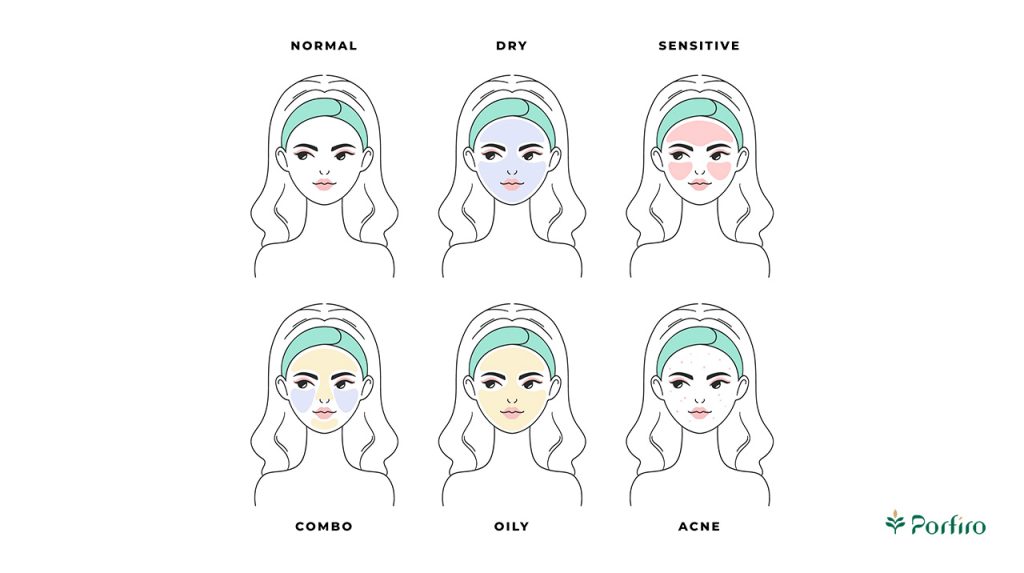
Skin type is basically defined as the quantity of oil or sebum that is produced in an individual’s skin. Sebum is a substance produced in the skin in order to retain its moisture. The AAD categorizes five major skin types:
- Dry
- Oily
- Combination
- Sensitive
- Normal
How to find out your skin type
To determine your skin type:
- Wash your face with a mild cleanser.
- Dry it with a clean towel.
- Observe how your skin looks and feels immediately after washing.
- Note how these conditions change over the next few hours.
Based on skin types, the following conditions occur:
- Dry skin feels dry or tight shortly after washing. It may also appear dull, rough, or flaky.
- Oily skin appears dull immediately following washing but becomes shiny or greasy with several hours. If one were to wipe their nose with a tissue, visible oil would be apparent.
- The combination skin usually consists of an oily T-zone and ordinary or dry cheeks. This T-zone encompasses the forehead, nose, and chin. With time, this area will become shiny or greasy while the remainder of your cheeks will not.
- Normal skin is clear in color and texture, does not feel tight or irritated after washing, and will not be greatly changed during the course of a day.
- Sensitive skin may sting, burn, or itch after washing.
Now, each of these skin types will be further introduced, along with their care tips.
Dry skin type
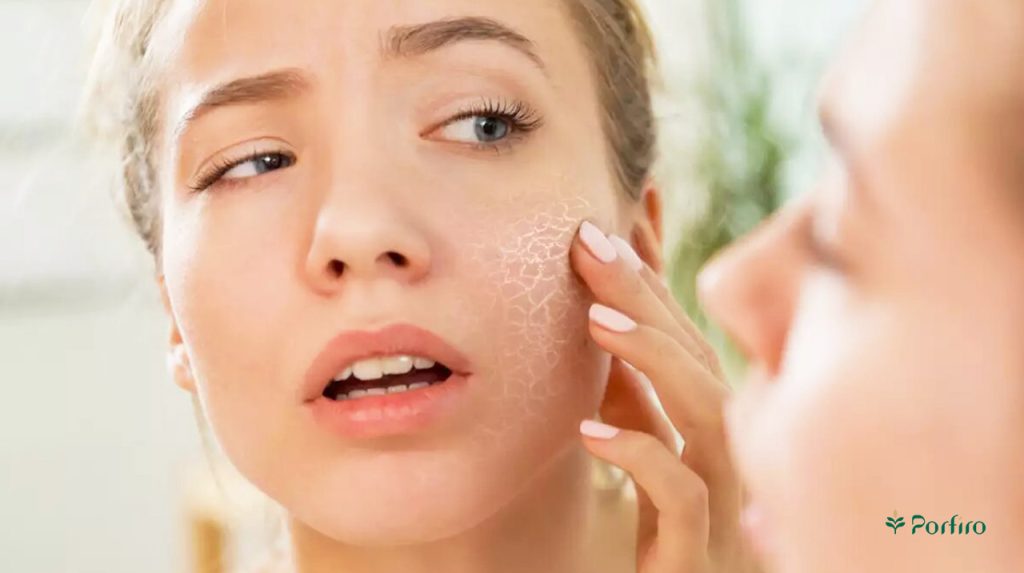
If an individual has dry skin, their skin produces less sebum than it needs. These individuals may notice the following on their skin:
- A feeling of tightness or dryness, especially after bathing or swimming.
- A dull, rough, or gray appearance.
- Almost invisible pores.
- A dull and rough complexion.
- Red patches.
- Less elasticity in the skin.
- More visible lines.
- Your skin may crack, peel, or feel itchy, irritated, or inflamed. If it is very dry, it can become rough and flaky, especially on the backs of the hands, arms, and legs.
Dry skin may be caused by or worsened by the following factors:
- Your genes.
- Aging or hormonal changes.
- Weather conditions such as wind, sun, or cold air.
- Ultraviolet (UV) rays from tanning beds.
- Indoor heating.
- Long, hot baths and showers.
- Ingredients in soaps, cosmetics, or cleansers.
- The use of certain medications.
Oily skin type
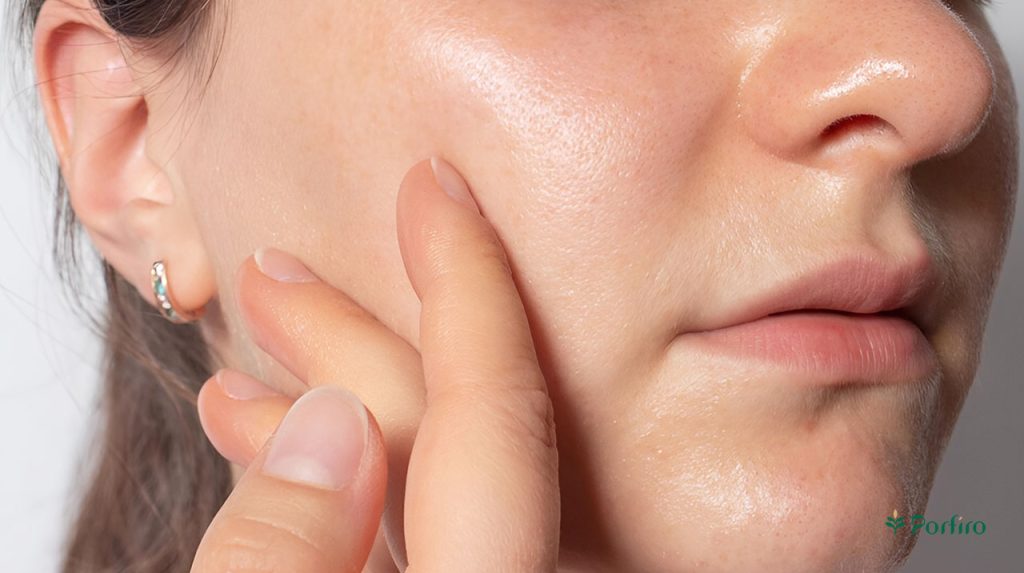
If an individual has oily skin, their skin produces more sebum than it needs. They may notice the following symptoms on their skin:
- A feeling of greasiness.
- A shiny appearance, especially around the nose and forehead.
- Large pores that can easily become clogged.
- A dull or shiny and thick complexion.
- Blackheads, pimples, or other blemishes.
Depending on the time of year or weather conditions, the amount of oil may vary. Factors that can contribute to or worsen this condition include:
- Puberty or other hormonal imbalances.
- Stress and tension.
- Excessive heat or humidity.
Combination skin type
In individuals with combination skin, some areas of their skin are oily while others may feel dry. The oily areas include the forehead, nose, and chin, collectively known as the T-zone. Cheeks or other areas may appear normal or dry. Many people have this skin type, which may require slightly different care in various regions. Combination skin can exhibit:
- Pores that appear larger than normal due to being more open.
- Blackheads.
- Shiny skin.
Sensitive skin type
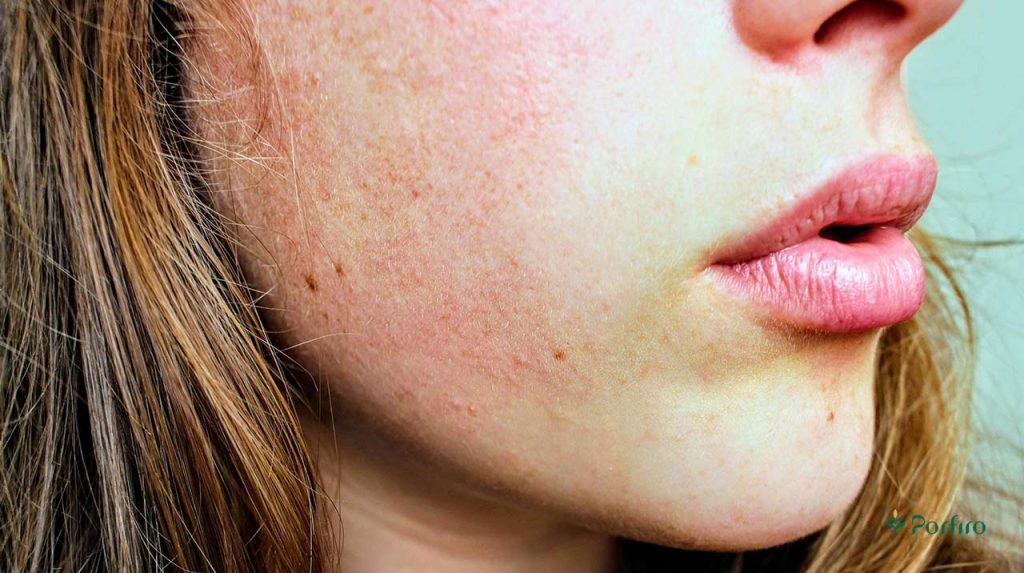
Sensitive skin can easily become irritated or inflamed. An individual with this skin type may notice:
Their skin burns, becomes inflamed, or feels itchy when using products.
Observable reactions to substances, presenting as bumps, hives, or peeling.
It may manifest in the following ways:
- Redness
- Itching
- Burning
- Dryness
Unlike other skin types, sensitive skin is not determined by the amount of sebum produced. Individuals with dry or oily skin can also have sensitive skin, although this type is often associated with dry skin. In some cases, sensitivity is related to skin conditions such as eczema or rosacea. If your skin is sensitive, try to identify your triggers so you can avoid them. There can be many possible causes, but it often responds to specific skincare products.
Normal skin type
People use the term normal skin to describe skin that is not significantly oily, dry, or sensitive. This skin type produces enough sebum to keep the skin evenly hydrated without becoming greasy. Individuals with normal skin have a uniform complexion with few blemishes. This type of skin is neither too dry nor too oily:
- Clear or with minimal imperfections.
- No severe sensitivity.
- Pores that are hardly visible.
- A radiant complexion.
Why is it important to know your skin type?
Before buying any skincare products, it is always good to know a thing or two about your skin type and other factors that are contributing to the appearance and feel of your skin, including:
- Your skin color: Does your skin burn easily, rarely, or never?
- Your skincare goals: Do you want to avoid premature aging? Is there any particular skin condition that’s bothering you, such as acne or rosacea, or other concerns like dark circles under the eyes or fine lines?
- Your personal habits: Do you smoke? Are you out in the sun for long periods of time? Do you take your vitamins every day? Do you eat a balanced diet? Each one of these things plays into how you will take care of your skin.
This will help you to choose the skincare products in accordance with what is suitable for you. If you still feel that your dermatologist’s advice is needed in regard to this, by all means attend consultations with him or her. In other cases, the tips described further in this article might turn out very practical for your skin routine.
Skincare for all skin types
For many individuals, keeping the skin clean, hydrated, and protected from ultraviolet (UV) rays is sufficient to maintain the appearance and health of the skin. A basic skincare routine may include the following steps:
- Gently washing the face.
- Using a moisturizer if the skin feels dry or tight.
- Applying a sunscreen with SPF 30 or higher before going outside.
At the end of the day, an individual can remove sunscreen and makeup with a gentle cleanser that is pH-balanced. They may also add moisturizer if needed. If individuals have specific concerns, they can take additional steps to care for their skin and seek further guidance from a doctor or dermatologist.
Caring for Dry Skin
Individuals with dry skin may need a very gentle cleanser and a heavier moisturizer than other skin types. The AAD recommends that people look for products containing the following ingredients:
- Moisturizers, such as glycerin or hyaluronic acid, which attract moisture to the skin.
- Oils and butters that retain moisture, including jojoba, lanolin, or shea butter.
- Products containing alcohol, retinoids, alpha hydroxy acids, or fragrances can dry out the skin, so it’s best to avoid them.
Those with dry skin may need to reapply moisturizer throughout the day, especially after showering, bathing, or washing their hands. Generally, using warm water instead of hot water for washing and keeping shower times short while limiting them to once a day is advisable.
- For individuals indoors, a humidifier may help increase humidity in dry air.
- Sometimes, overusing moisturizer can confuse the skin and cause it to stop producing the oils needed to stay hydrated.
- Use gentle soaps or cleansers. Avoid deodorant soaps.
- Do not scrub while bathing or drying off.
- Immediately after bathing, apply a rich moisturizer. Ointments and creams may work better than lotions for dry skin but are often messier. Reapply as needed throughout the day.
- Use a moisturizer and do not let the indoor temperature get too warm.
- Wear gloves when using detergents, solvents, or household cleaners.
Caring for Oily Skin
- While anyone can develop acne, a person is generally more apt to develop breakout due to their oily skin. “It’s why dermatologists advise people with oily skin to use non-comedogenic products. Non-comedogenic is a term that indicates that the ingredients in the product do not clog pores or lead to breakout.
- Individuals with oily skin can also consider using lighter moisturizers compared to other skin types to avoid adding extra oil to the skin. An oil-free moisturizer may feel more comfortable on your skin throughout the day. Some moisturizers contain additional ingredients that help absorb oil, including:
Starches, such as corn or rice starch.
Clays, like kaolin or bentonite.
Silicones, for instance, dimethicone. - Oil-free sunscreens containing zinc oxide or titanium dioxide will also help control oiliness and breakouts.
- The oily skin type should avoid using acrid cleansers and products prepared with alcohol. Though these can mattify oily skin temporarily, they dry out the skin, which secretes more oil to balance the lost amount. One should also try to use water-based cosmetics rather than oil-based ones.
- One can manage the problem of excess oil throughout the day by using blotting sheets. However, if the oiliness is excessive, then one may want to consult a doctor.
- Wash oily skin no more than twice a day and after heavy sweating.
- Use a gentle cleanser and do not scrub.
- Do not pick, pop, or squeeze blemishes. This can prolong their healing time.
Caring for Combination Skin
Individuals with combination skin can follow many of the same steps as those with oily skin, using gentle cleansers and lightweight or oil-free products to reduce oil in the T-zone. For the dry areas, individuals can use heavier moisturizers specifically for those regions.
Caring for Sensitive Skin
A person with sensitive skin should carefully consider the types of products they use. The following tips can be beneficial for them:
• Use hypoallergenic and fragrance-free products with simple ingredients.
• Opt for mineral sunscreens containing zinc oxide or titanium dioxide instead of chemical sunscreens like oxybenzone.
• Test new products on a small area of skin to assess tolerance before applying them elsewhere.
If an individual experiences persistent rashes without a known cause, they should discuss them with a doctor, as they may indicate an underlying condition.
Does skin type change?
The skin type of people may be altered at some point in their lives because of changes in their bodies. Most children who are below 11 years old have normal skin. However, Children’s Hospital Los Angeles estimates that approximately 75% of all people in the United States who are between 11 and 30 years old have acne. This is because during puberty, a person’s sebaceous glands enlarge and produce more oil. In adolescence, skin is oilier than in childhood and at times remains the same during adulthood. The following are other factors that may alter your skin type: Pregnancy Menopause Medications Aging Relocation to a different climate Exposure to pollutants and irritants.
How skin tone affects skincare
How oily, dry, or sensitive skin is can determine many aspects of skincare. Skin color also determines a lot, though. Dermatologists classify skin color using the Fitzpatrick scale, ranking from light to dark. Where someone stands on this scale determines their potential sunburn and skin cancer risk. Exercising outdoors without protection increases skin cancer risk for people of all skin types, although the risk is greatest for those with lighter skin. The American Cancer Society lists the following as characteristics increasing one’s risk for UV damage:
- Light skin
- Freckles
- Natural blonde or red hair
- Blue or green eyes
People with lighter skin should apply a higher SPF sunscreen or stay out of the sun. Although people with lighter skin have a much higher risk for developing cancer, those with darkly pigmented skin are more likely to die from skin cancer because of delayed diagnosis and lack of awareness by health care providers. It is thus very important that darker-skinned individuals take precautions in protecting their skin from UV light through appropriate skincare and sunscreen.
Skincare tips from experts in the field

To maintain healthy skin, dermatologists recommend the following tips:
- Use sunscreen daily: Sunscreen is one of the most important things you can do for your skin. When applied correctly, it protects your skin from harmful ultraviolet (UV) rays from the sun, which can cause sunburn, skin cancer, and premature aging such as wrinkles and age spots. For optimal protection, apply a broad-spectrum, water-resistant sunscreen with an SPF of 30 or higher to all exposed skin and reapply every two hours or after swimming or sweating. To save time in your skincare routine, you can use a moisturizer that also contains sunscreen. However, while cosmetics with sunscreen are suitable, remember to reapply them for the best sun protection. Keep in mind that since no sunscreen can block 100% of the sun’s UV rays, it is also important to seek shade outdoors and wear protective clothing against the sun, including lightweight long-sleeve shirts, long pants, wide-brimmed hats, and UV-protective sunglasses when possible. For more effective sun protection, choose clothing that has a UV Protection Factor (UPF) label. Over time, exposure to UV rays from the sun can lead to significant changes in your skin:
• Age spots
• Benign (non-cancerous) growths like seborrheic keratosis
• Discoloration
• Freckles
• Precancerous or cancerous growths such as basal cell carcinoma, squamous cell carcinoma, and melanoma
• Wrinkles
By using sunscreens, you can avoid these issues. - Avoid tanning beds: Tanning beds emit UVR, just like the sun does. It was mentioned that a single course of indoor tanning can increase your risk for melanoma by 20%, squamous cell carcinoma by 67%, and basal cell carcinoma by 29%. If you want to make your skin take on that golden glow, try self-tanning products instead. When done properly, self-tanners appear natural and do not leave orange skin, streaks, or spots.
- Streamline your skincare routine: When it comes to skincare, less is often more. Using too many products, especially anti-aging products containing active ingredients, can be irritating to the skin. Instead, stick to the basics such as a gentle cleanser, sunscreen, and moisturizer. Develop both a morning and nighttime skincare routine that works for your skin and maintain it.
- Also, choose skincare products that suit your skin type; knowing your skin type informs you on how to take care of it and end up selecting appropriate skincare products to use. As mentioned above, here’s how one will identify and understand the type of skin they are made of:
Sensitive skin: stings or burns after using a product.
Normal skin: clear and nonsensitive.
Dry skin: flakes, itchiness, or roughness.
Combination skin: dry in some areas and oily in others.
Oily skin is shiny and greasy. - Take care of your lips: Since skin cancer can occur on the lips, use a lip balm or lipstick containing sunscreen with an SPF of 30 or higher before going outdoors. If you feel your lips are cracked or dry, use petroleum jelly for added moisture.
- Keep your hands away from your face: Whenever you touch your face, you transfer dirt, bacteria, and oil from your hands to your skin. Try to minimize touching your face throughout the day. Avoid picking, popping, or squeezing blemishes, as this can lead to scarring.
- Regularly check your skin: Skin cancer is the most common cancer in the United States, affecting one in five Americans during their lifetime. Additionally, nearly 20 Americans die each day from melanoma, the deadliest form of skin cancer. However, when skin cancer—including melanoma—is detected early, it is highly treatable. In fact, the five-year survival rate for individuals whose melanoma is identified and treated before it spreads to lymph nodes is 98%. It is important to regularly check your skin for new spots, spots that differ from others on your body, or moles that itch, bleed, or change color, as these are often early warning signs of skin cancer. If you notice any suspicious spots, schedule an appointment with a board-certified dermatologist.
- Keep your skin clean: Wash your face twice a day—once in the morning and once at night before bed. After cleansing your skin, use a toner and moisturizer. Toners help remove traces of oil, dirt, and makeup that may remain on the skin after cleansing. Look for a moisturizer suitable for your skin type—dry, normal, or oily. Yes, even oily skin can benefit from moisturizing.
Your skin is the largest organ of your body, so taking care of it is very important. If you have questions about your skin type or how to care for your skin, consult a dermatologist. As many people face issues with dry and oily skin, we will delve deeper into each of these skin types, their causes, and home remedies for treating them in the following sections.
10165



Thank you for every other informative web site. Where else could I am getting that type of information written in such an ideal method? I have a mission that I am simply now working on, and I’ve been on the glance out for such info.
We’re honored that you find our content helpful for your mission. Please feel free to explore our blog further, as we have more articles on this topic that might provide additional insights. Thank you for your kind words, and we wish you great success with your project!