




Today everybody is aware of the key role of nutrition on physical health and mood. However, studies also show that nutrition directly affects on our mental and emotional health. Having a healthy and balanced diet can help us think clearly and be more aware. It can also improves concentration and attention extent. On the contrary, an inadequate diet can leads to fatigue, impaired decision-making, and reducing reaction time. Studies show that in the context of current changes, urbanization, globalization, including the food industry and some changes in people’s lifestyle and their eating habits, the correlation between these phenomena and their impact on the mental state becomes important.
Being aware of these correlations creates high potential opportunities to interventions effective diet, pharmaceutical, medicinal and, the most important, preventive interventions. Dr. Deborah Fernandez-Turner, Associate Chief Psychiatry Director at Aetna Group, states that: It is logical to believe that what we put into our body as food, also affects on our mental health. Good health can be considered as a type of favorable welfare condition. It means that the body and mind work in a harmony together. When defining your health path, both are equally important.
The connection between your diet and your emotions consequents the close relationship between your brain and your digestive system, which is often called the “second brain.” The operation of these two sections is as follows: Your digestive system is the host of billions of bacteria that influence the production of chemicals and constantly transmit messages from the gut to the brain. Two common samples of these chemicals are dopamine and serotonin.
Eating enough nutrients causes the growth of “good” bacteria, which in turn have a positive effect on the production of these chemicals. When the production of these substances is sufficient, your brain will receive these positive messages loud and clear and change your state of mind in a way that will clearly reflect this favorable situation.
On the other hand, when the production of these two substances is insufficient or disturbed, your character can also be affected by these shortages. This deficiency provides an opportunity for “bad” bacteria in the digestive system. These bacteria can also cause a temporary increase in “feeling good” chemicals such as dopamine. The substance, raise the blood sugar temporarily and quickly, then the body faces a severe lack of sugar.
Diets which containing more and useful nutrients, reduce mood swings and increase the person’s ability to concentrate. Studies have also shown that healthy diets that include mainly full and unprocessed foods, can help reduce symptoms of depression and anxiety. However, unhealthy diets are associated with an increased risk of dementia or apoplexy.
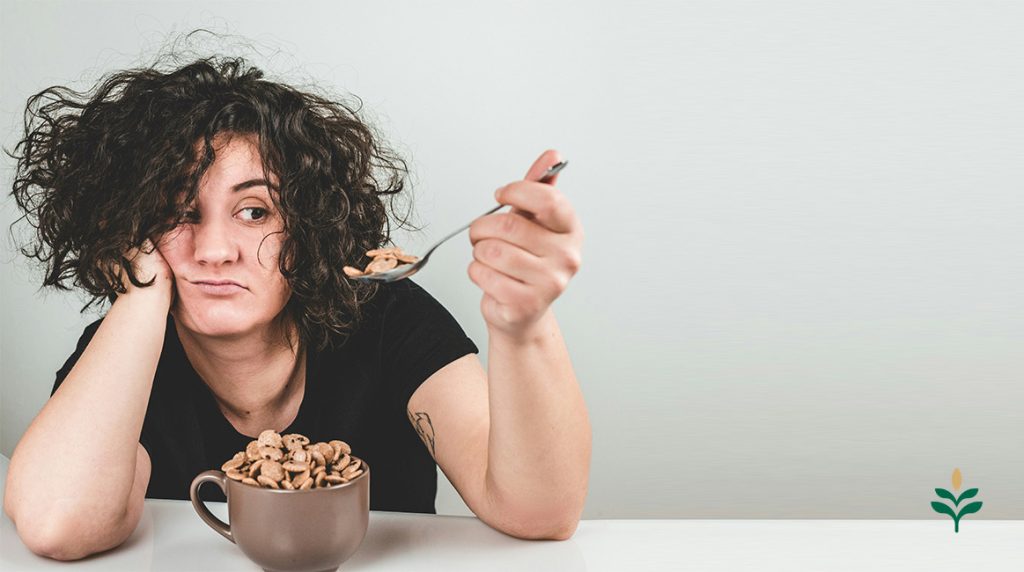
Now, the question arises, what should we put in our shopping carts and on our plates? Here is a clear list of what to look for the next time you are at the grocery store:
Some studies show that preservatives, food colors and other additives, may cause hyperactivity and depression or make worse these conditions. Sarah Jacobs, senior nutrition consultant and co-founder of “The Health Project”, states: “If you can only remember one thing, this should be to eat the real food or food that has minimal processed ingredients and more and different healthy ingredients; For this purpose, remember fresh fruits and vegetables in different colors.” The rich nutrients produced by colorful products have many benefits for the mind and body. Their nutritional properties are often in the colors themselves.
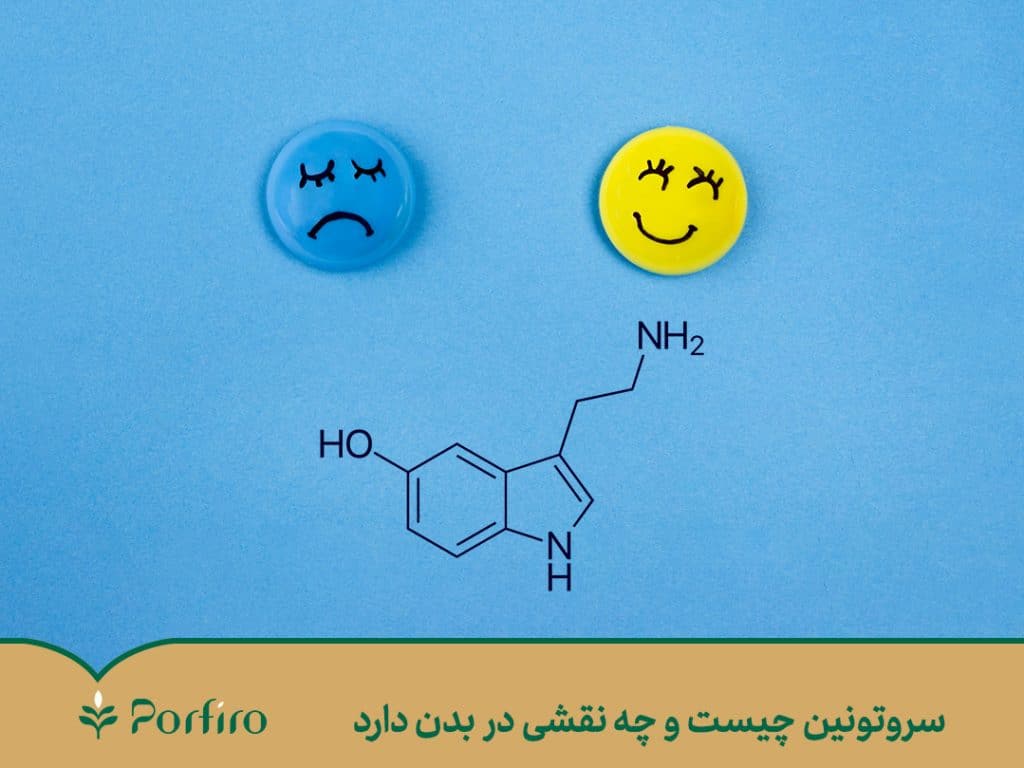
Herbal foods are overfilled by fiber, which helps your body absorb glucose (food sugars) more slowly. Fiber-rich foods include fruits, vegetables, and carbohydrates such as whole grains and beans. Today, scientists have presented several hypotheses on how getting more fiber can affect human health and they are still studying on them. For example, fiber fuels your gut bacteria and some of these gut bacteria produce neurotransmitters-compounds that send messages through your nervous system. Some gut bacteria produce serotonin, which plays the main role in depression. In fact, 95% of the serotonin in your body is produced in the gut.
On the other hand, the most common antidepressants – selective inhibitors by reabsorption serotonin or SSRIs – target this neurotransmitter and help to increase its level in the brain. Increasing fiber intake may feed your gut microbiome, which then affects the serotonin system, potentially reducing symptoms of depression. Increasing fiber intake may feed your gut microbiome, then affects on the serotonin system, potentially reducing symptoms of depression. When you eat certain types of fiber, your gut bacteria produce short-chain fatty acids (SCFAs) while fermenting the fiber. Some researches show that these compounds reduce inflammation, which may help reduce symptoms of depression.
This anti-inflammatory is especially abundant in berries, green leave vegetables, turmeric, and the foods which containing omega-3 fatty acids, including salmon and black chia seeds. Also, dark chocolate contains antioxidants –and sugar– so it should be consumed in moderation. Because of this observation of dark chocolate, it is suggested to use Piarom dates as a rich source of antioxidants. In compared with fruits such as figs, peaches, grapes and plums, Piarom has the highest amount of antioxidants. This valuable substance also contains antioxidants such as anthocyanin, phenolic and carotenoid. Each of these substances has significant effects on our body’s health.
Herbal anthocyanins have been widely studied for their medicinal values. Anthocyanins have anti-diabetic, anti-cancer, anti-inflammatory, anti-microbial and anti-obesity effects sand also, prevention of cardiovascular diseases (CVDs). Phenolic acids which are easily absorbed through the intestinal tract walls, and prevent cell damage caused by free radical oxidation reactions. The benefits of carotenoids include reducing inflammation, promoting the healthy growth and development, maintaining eyes and vision health, boosting immunity, and protecting the skin damage.
Folate is a kind of natural B vitamin, and requires in the brain for the synthesis of norepinephrine, serotonin, and dopamine. Folate supplementation would help reduce symptoms of depression. Studies indicate that about one-third of people with depression were deficient in folate. Paying attention to that depression is often associated with decreased appetite and weight loss, the high incidence of folate deficiency in depressed patients is not surprising! However, there is some evidence, although not conclusive, that folate deficiency may be involved in the cause of depression in a small number of patients.
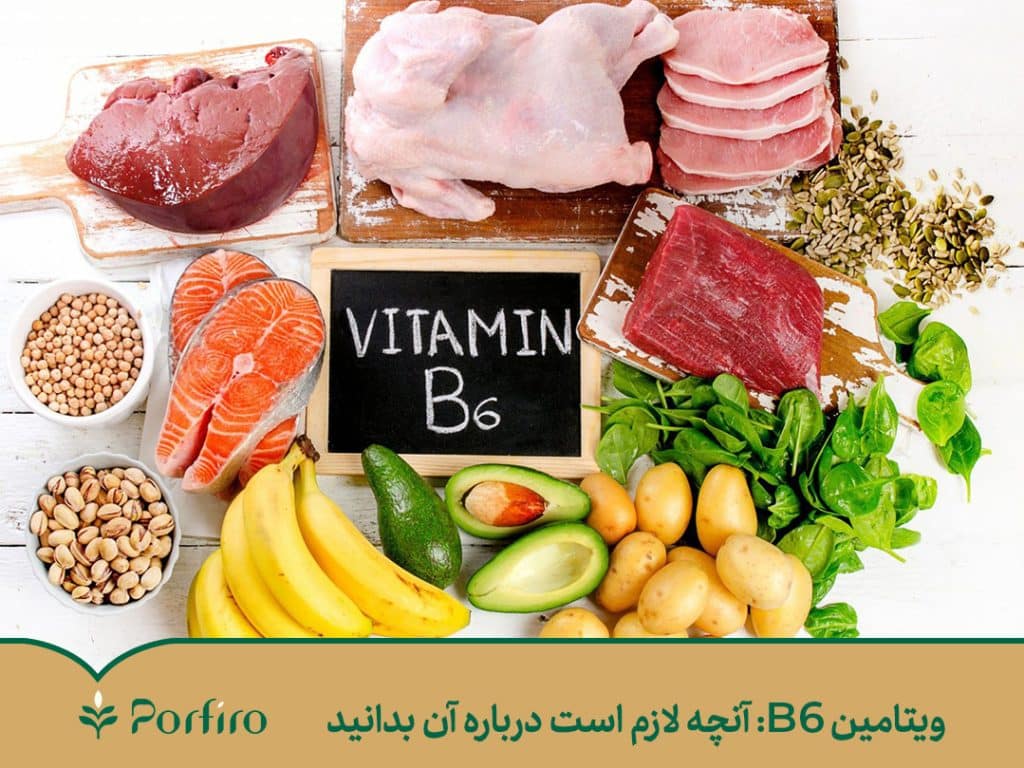
Alternatively, depressed mood would reduce appetite, lower folate levels, and thereby assist preventing recovery from depression. A recent review and meta-analysis of results from a limited number of studies examining the effect of folate administration in depressed patients, concluded that “there is a evidence that augmenting antidepressant treatment with folate may improve patient signs.” Its function is completely different from sugars, which cause a very sudden and rapid increase in dopamine and then its sharp drop. You can find this substance in leafy vegetables, lentils and cantaloupe.
Research has shown that vitamin D would play an important role in the regulating mood and reducing the risk of depression. A review of 7,534 people shows that those experiencing negative emotions who received vitamin D supplements, noticed improvements in symptoms. Vitamin D supplementation would help people with depression who are also vitamin D deficient. Another study identified low vitamin D levels as a risk factor for more severe fibromyalgia symptoms, anxiety, and depression. Muscles, heart, brain, and immune system have vitamin D receptors.
The body transfers the vitamin to the kidneys and liver, and there is where, it becomes an active hormone. In this way, it helps the body absorb calcium. Vitamin D helps producing serotonin and we usually get it through the direct exposure sunlight. But eatable mushrooms are another good source of this substance. If you are deficient in vitamin D, your doctor may also recommend taking a vitamin D supplement.
Magnesium is responsible for the activation of more than 300 enzymes in our body. It helps to maintain the function of muscles and nerves in the human body. This essential mineral is effective in practically all parts of the body, from nerve and muscle function to keeping the heart rate stable. People with magnesium deficiency are always tired, irritable, nervous, stiff in muscles and have trouble of concentrating.
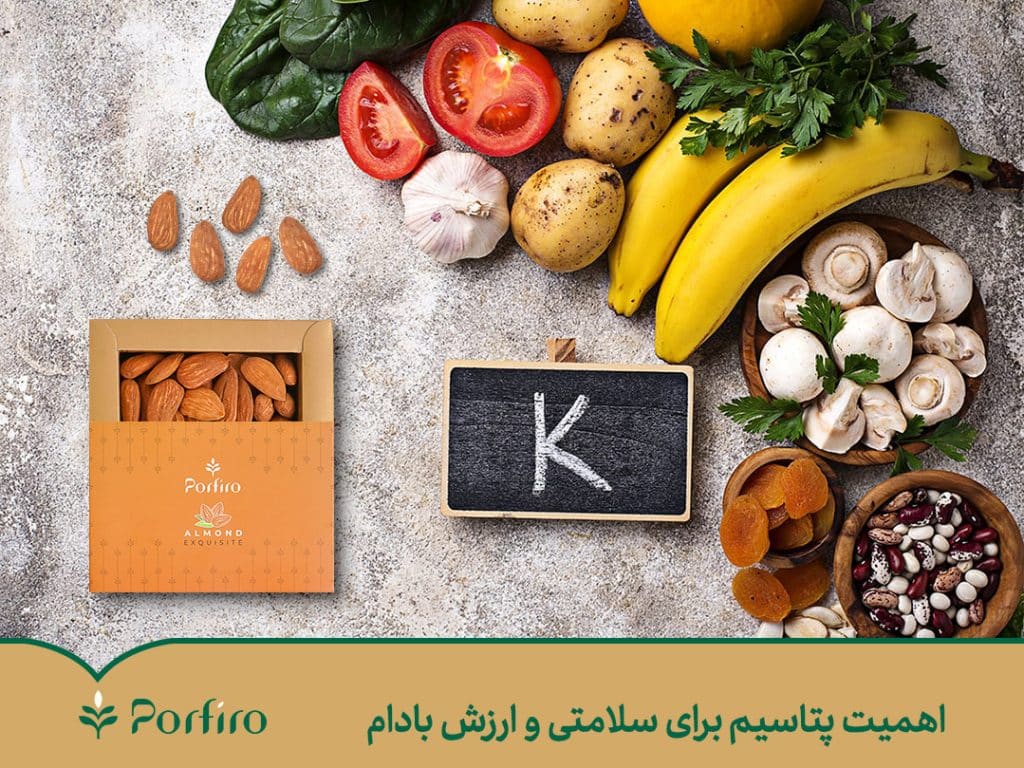
This substance also plays a vital role in the relationship between food and character. Therefore, magnesium deficiency causes disturbances in the biochemical function of the human body, especially in the nervous system. Lack of this mineral can damage your gut bacteria and cause depression and symptoms like anxiety. To get magnesium, use natural sources such as Piarom dates, almonds and cashews, spinach and other dark leaf vegetables, bananas and beans. For example, 100 grams of Piarom dates per day can provide 13% of your daily magnesium requirement.
Fermented foods are full of probiotics. This group is a special live bacteria that are useful for your digestive system. For example, we can mention sauerkraut, kimchi, miso, tempeh, all kinds of Persian pickles, all kinds of dairy products (yogurt, buttermilk, cheese, kefir and curd) containing probiotics and various breads that are prepared based on sourdough. These substances are also high in sodium, so if you have high blood pressure, it is necessary to consume it in a balanced way or avoid to use it at all.
At the beginning of using a healthy lifestyle, it may be difficult for you to prepare meals. However, it won’t take long to get used to this new lifestyle. For example, you can prepare and chop the vegetables needed for a week in advance or soak and cook the beans in advance, so that they are easily available whenever you need them.
Being aware of that part of the food is already prepared probably increases our desire to consume it. You can also replace items such as white rice, pasta and bread with varieties of these products that are produced with whole grains. This helps to increase good fiber in your body and leads to easier digestion of food. Or, for example, instead of a pack of chips, you can choose a ready-made salad containing nuts, seeds and colorful vegetables for more flavor.
Definitely, other general rules of nutrition should still be applied. This means staying hydrated, not skipping any meals, and watching your caffeine intake. It should be noted that if you have been away from this lifestyle until now, you do not need to enter it with great strictness. Each of these changes can be one of your actions during a week or even a month. For example, one week you can replace processed sugar with fresh fruit, and the next week you can add more vegetables and lean protein to your daily diet. It is important to remember that there is no the sane version prescription.
Every person should be his own doctor in the first step. We should pay attention to the signs and signals of our body, one of the methods that brings us to this skill is “mindfulness skill”. Mindfulness is a type of psychological awareness and is defined by the experiences of the moment, without judgment. Mindfulness is the ability to control the will, instinct and opportunity to correct unconscious mistakes. In the other word, cultivating awareness and alertness by relying on care and observing your behavior, attention and experiences in the present without judgment. The short definition of mindfulness is the awareness of the moment.
Mindfulness is associated with increased well-being as well as decreased cognitive reactivity and behavioral avoidance. It seems that it helps to strengthen immune functions, reduce inflammation, reduce reactivity of the autonomic nervous system, increase telomerase activity, and leads to higher plasma levels of melatonin and serotonin. It seems that this operation leads to symptoms improvement in irritable bowel syndrome, chronic fatigue syndrome, hot flashes, insomnia, and hyperphagia related to the stress.
Mindfulness is based on increasing metacognitive awareness, intersubjective exposure, experiential acceptance, self-management, attention control, memory, and relaxation. Different methods such as meditation can be used for mindfulness. In the recent decades, using the basics of mindfulness, various treatment methods have been developed in clinical psychology and clinical psychology to cure depression, anxiety, addiction, and stress reduction. In these methods, an effort is made to make a person pay attention only to the moment he lives in, regardless of the past and the future time.
For example, if someone is eating food, he should pay attention to the components of that food and the effect that they will have on his health, pay attention to the smell and taste of the food, and in this way he can even overcome the overeating that sometimes happens unconsciously, and pay attention to how nutritious snacks and meals make him feel. Try to look carefully at the colors and subtle details of every phenomenon, and in this way, get rid of the mental ruminations that are mostly the result of the current lifestyle of human societies, even for a few moments.
And finally, like any other change, changing the lifestyle and diet to achieve a better character, is a time-consuming process. It may take several days or weeks for you to feel the character-enhancing effects of a better diet. It depends on how many changes you make and with which aims. Sustainable transformation doesn’t happen overnight, but the healthy choices you make every day build on each other as the bricks of a building and build the whole structure of your existence. Over time, you will see positive results in both your mind and your body.
10039






دیدگاهی در مورد “Food for your mood”
I’m pretty pleased to find this site. I want to to thank you ffor your
time due to this fantastic read!! I definitely liked every lottle
bit of it and i also haave you saved to fav to look at new information on your website. https://Lvivforum.pp.ua/