


Cholesterol is a type of essential substance produced by the liver. High cholesterol, also known as hypercholesterolemia, refers to elevated levels of LDL or total cholesterol in the body. This condition may occur if an individual has a high-fat diet. Other causes of high cholesterol include genetic disorders, such as familial hypercholesterolemia, stress, a sedentary lifestyle, medications, and certain health conditions. Porfiro discusses the main causes of high cholesterol, healthy cholesterol levels in adults, and how to prevent elevated blood cholesterol and the appropriate diet in this article.
As with any other article on Porfiro, the information provided is intended for informational purposes only, and any diagnosis, treatment, or medication should be conducted by medical professionals. However, being aware of these matters can help prevent issues from arising in the first place.
First, it is necessary to explain cholesterol so that we know exactly what we are talking about. Cholesterol is present in all cells of the body. The body produces cholesterol, but people also obtain it through food consumption. It is oil-based and does not mix with water-based blood. Cholesterol has four main functions in the body:
Cholesterol moves throughout the body in lipoproteins. There are two types of lipoproteins that carry cholesterol packages:
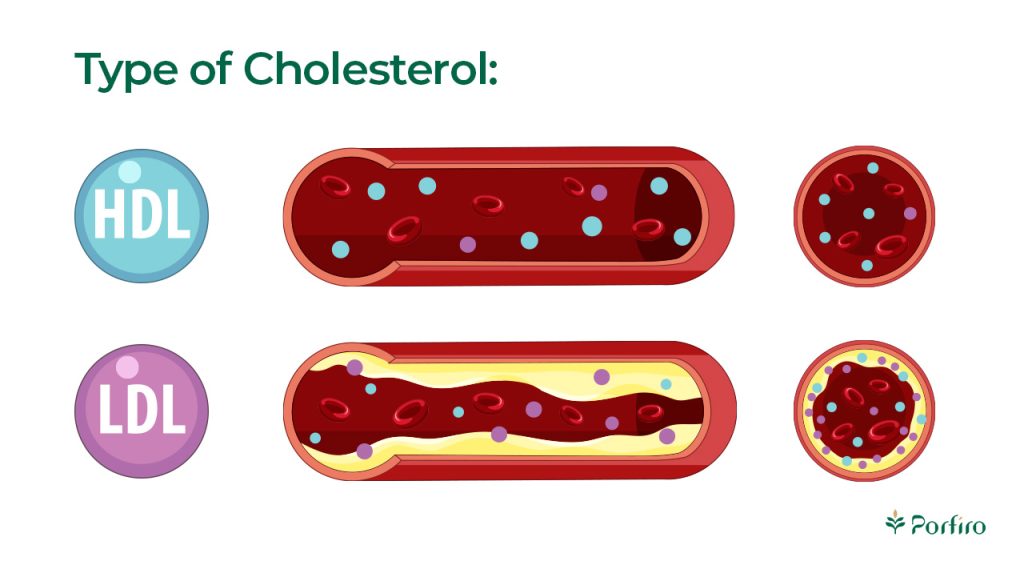
It is also important to recognize triglycerides and total cholesterol:
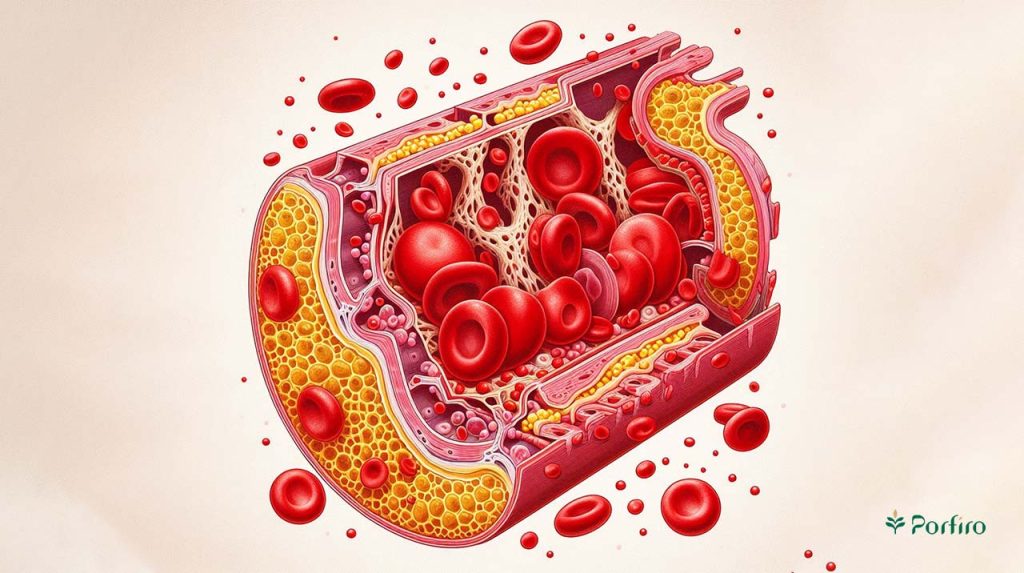
Cholesterol in the body is mainly derived from the liver. However, all cells of the body can synthesize it. There are many factors responsible for high levels of LDL. A few of these are as follows:
Some people have cholesterol on account of their genetic history. Familial hypercholesterolemia is a genetically determined disorder where people affected with it have very high levels of LDL cholesterol circulating in the blood.
High cholesterol could be from a diet containing too much fat. To control blood cholesterol, it’s helpful to reduce fat intake in the diet. Specifically, it is very useful to limit foods containing:
Stress can raise the cholesterol level in the blood. In fact, high levels of stress are associated with the increase in LDL and total cholesterol levels.
A sedentary lifestyle also predisposes an individual to high cholesterol. Lean people who sit longer and use screens more often have higher levels of bad LDL cholesterol and total cholesterol while those who are more active tend to have higher good HDL levels.
Some medications can cause increased total cholesterol and LDL and decreased HDL. Generally accepted drugs that adversely affect lipid levels include:
Certain health conditions can increase the likelihood of high cholesterol. These include:
Having certain risk factors can increase the chances of developing high cholesterol, such as:
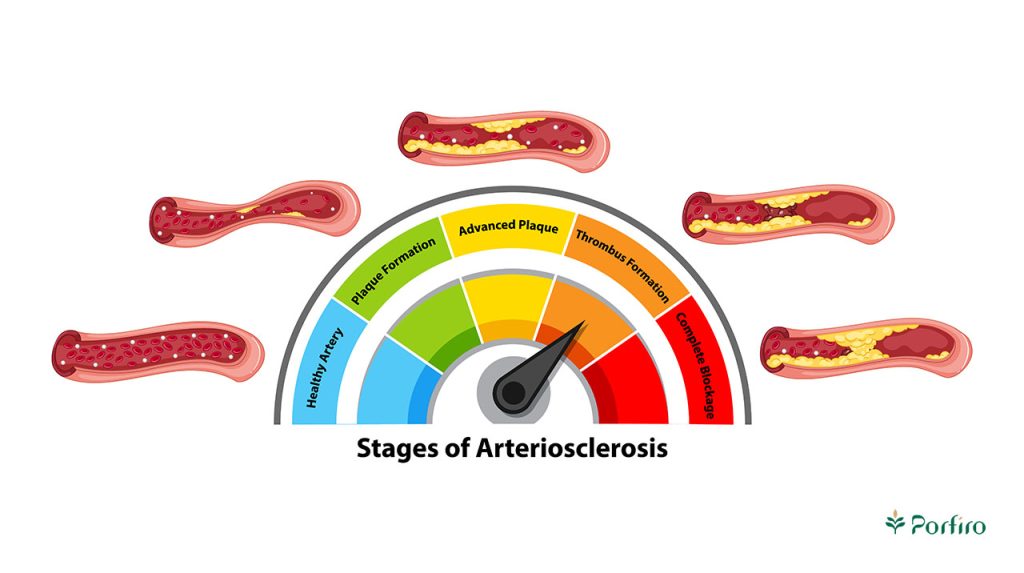
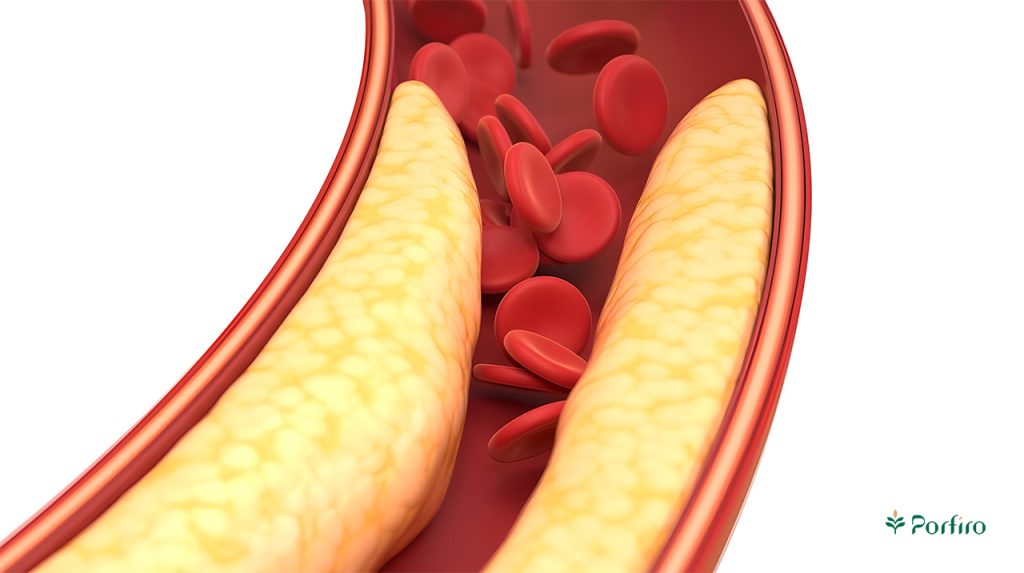
High cholesterol is a major risk factor for coronary heart disease and heart attack. Cholesterol buildup is part of a process that narrows the arteries, called atherosclerosis. In atherosclerosis, plaque builds up and restricts blood flow. For this reason, doctors recommend keeping your total and LDL cholesterol levels within certain ranges. The table below shows optimal blood cholesterol levels, according to the Centers for Disease Control and Prevention (CDC).
| Optimal Cholesterol | Type of Cholesterol |
| Approximately 100 mg/dL | “Bad” LDL Cholesterol |
| At least 40 mg/dL in men and 50 mg/dL in women | “Good” HDL Cholesterol |
| Approximately 150 mg/dL | Total Cholesterol |
Knowing what causes high cholesterol can help people reduce or control their blood cholesterol levels, including:
Since 2018, new guidelines have recommended that doctors have a conversation about the following factors that may raise risk with patients, including:
These factors taken into consideration give a more personalized approach to the treatment and prevention of high blood cholesterol levels. Among the most useful tools for maintaining the blood cholesterol level, appropriate nutrition plays an important role. Further detail will be discussed by Porfiro.
Cholesterol is an essential building block for cell membranes. Alongside its role in cell structure, cholesterol is necessary for the production of hormones, vitamin D, and substances required for digesting fatty foods. However, an individual’s lifestyle and genetics can cause the body to produce excess cholesterol. Following a nutritious and balanced diet is one way to help reduce cholesterol levels. We will explore the relationship between cholesterol and fats, examine which foods are high in cholesterol, and discuss some dietary changes that individuals can make to lower their cholesterol levels.
In general, individuals should have a diet that increases low levels of LDL cholesterol and high levels of HDL cholesterol. However, fat intake affects this balance, as fatty acids attach to liver cells and regulate cholesterol production. Therefore, individuals should not only pay attention to the overall amount of fat in their diet but also consider the source of that fat.
Experts suggest limiting saturated fat intake to no more than 6 percent of total daily calories. To do this people can limit their intake of many of the following foods:
It is also very critical to avoid trans fats. Foods containing much of this include:

The bloodstream absorbs small amounts of dietary cholesterol, and after a few hours it has little effect on blood cholesterol levels. It is best to avoid the following foods because of their saturated fat and sodium content:
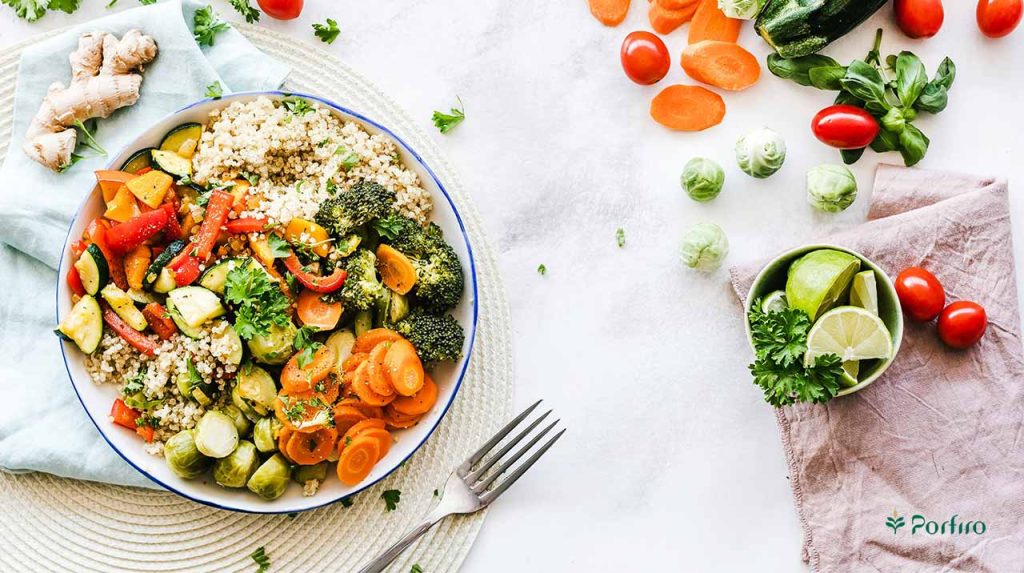
It is essential to note that following a completely fat-free diet may have harmful effects. For example, eliminating fats can disrupt the growth and functioning of a child’s brain. Therefore, choosing healthy fats can help individuals lower their LDL cholesterol levels while managing their HDL cholesterol levels.
Fiber intake is important for maintaining a healthy heart and exists in two main forms: soluble fiber and insoluble fiber.
Some cholesterol-friendly fiber options to consider including in your diet are:
Natural non-tropical vegetable oils are also cholesterol-friendly due to their unsaturated fatty acid content. These oils include olive oil, avocado oil, canola oil, and sunflower oil. Additionally, choosing leaner cuts of meat, opting for smaller portions, and selecting low-fat or non-fat milk and yogurt can also be beneficial choices. Below is a selection of foods that may help reduce cholesterol as part of a varied diet:
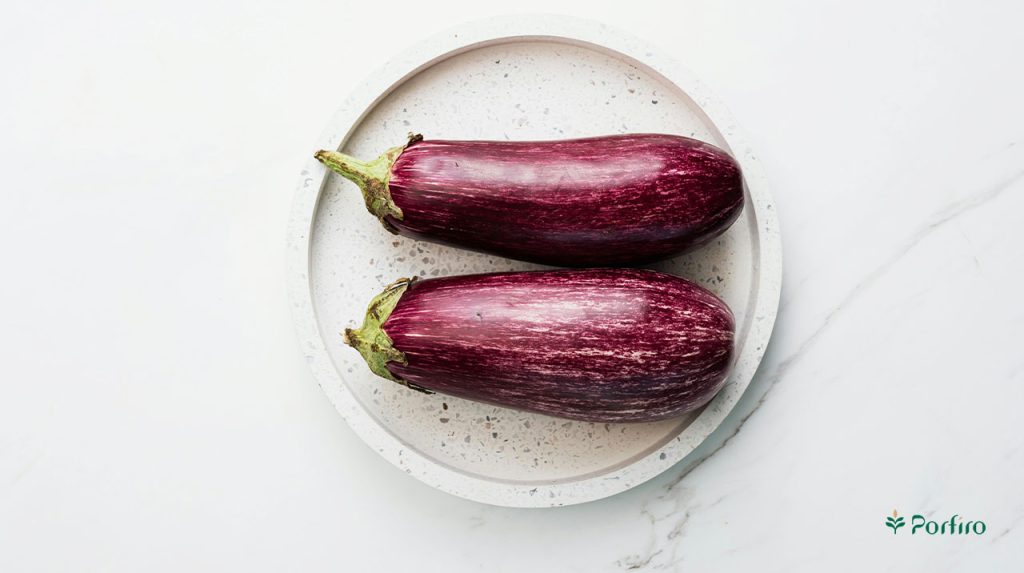
Eggplant is rich in dietary fiber, with 1 cup containing 2.4 grams of fiber. As noted by the American Heart Association, fiber improves blood cholesterol levels and reduces the risk of:
Okra is a warm-season vegetable grown worldwide. Researchers have found that the gel in okra, called mucilage, can help lower blood cholesterol by binding to cholesterol during digestion, leading to its elimination from the body through feces.
Eating two apples a day can reduce total cholesterol and LDL levels. It also lowers triglyceride levels, a type of fat that enters the bloodstream after meals. An apple can contain between 3 to 7 grams of dietary fiber, depending on its size. Additionally, apples contain compounds called polyphenols that may positively impact high cholesterol levels.
Avocado is rich in heart-healthy nutrients. Researchers have concluded that eating one avocado a day as part of a fat-rich diet can improve cardiovascular disease risk by reducing LDL cholesterol without lowering HDL cholesterol. One cup of avocado contains 14.7 grams of monounsaturated fats, which can lower LDL cholesterol levels and reduce the risk of heart disease and stroke.
Omega-3 fatty acids are essential polyunsaturated fats found in fish such as salmon, mackerel, and sardines. These fats have anti-inflammatory properties and promote heart health by reducing triglyceride levels, helping protect blood vessels and the heart from disease. This is one way to prevent atherosclerosis and reduce the risk of cardiovascular diseases.
Oats significantly improve high blood cholesterol levels over a 4-week period. Soluble fiber in oats has been shown to lower LDL cholesterol and can improve cardiovascular diseases as part of a heart-healthy diet. Individuals can add oats to their diet by having oatmeal or oat-based cereals for breakfast. Other health benefits for the heart include preventing the formation of cholesterol crystals in blood vessels, reducing inflammation, and improving HDL cholesterol function.
Barley is a nutritious grain containing vitamins, minerals, and fiber. The soluble fiber in barley, beta-glucan, lowers LDL cholesterol because the bile acids bind to the fiber and limit how much cholesterol is absorbed into the bloodstream during digestion. The body then uses cholesterol to make more bile acids, thereby reducing the amount of cholesterol in the body. Barley also has beta-glucan, which exerts a positive effect on gut microbiome and blood sugar control, hence very beneficial for heart health.
Nuts are a good source of unsaturated fats, which can help lower LDL cholesterol levels, especially when they replace saturated fats in the diet. Nuts also contain fiber, which helps the body prevent the absorption of cholesterol and promotes its excretion. All types of nuts are suitable for a heart-healthy diet and cholesterol reduction, including:
Soybeans and soy products like tofu, soy milk, and soy yogurt are good options for a cholesterol-lowering diet. Studies done on the effects of soy on LDL cholesterol have concluded that consuming an average of 25 grams of soy protein per day over 6 weeks reduces LDL cholesterol by about 4.76 mg/dL. In summary, these findings suggest that soy protein has the potential to reduce LDL cholesterol levels by approximately 3 to 4 percent overall in adults, positioning its place in a healthy diet to help lower cholesterol levels in the heart.
Dark chocolate contains cocoa, a substance rich in flavonoids, a class of compounds also found in fruits and vegetables. Flavonoids have antioxidant and anti-inflammatory properties that may provide many health benefits. One 2015 study had participants drinking a cocoa flavanol beverage twice a day for one month. By the end of the period, their LDL cholesterol levels and blood pressure had gone down, while their HDL cholesterol had gone up. However, people should consume dark chocolate products in moderation since they may be high in saturated fats and sugar.
Lentil is enriched with fiber as it contains 8.7 grams per half cup. Fiber can reduce the rate at which cholesterol can be absorbed into the bloodstream.
Garlic has been employed in many forms of cuisines, and it proves to have several health benefits. For instance, researchers have pointed out that garlic can actually regulate blood cholesterol. In addition, garlic has also been found useful for blood pressure patients.
Extra virgin olive oil is taken in the Mediterranean diet rather routinely, which is considered quite effective for heart health. The use of this substance can be as a cooking oil. It has antioxidants and anti-inflammatory activities and thus is good not only for cardiovascular health but for health in general.
Kale is an excellent source of fiber and several other nutrients. One cup of cooked kale contains 7.4 grams of fiber. A higher intake of dietary fiber lowers total cholesterol and LDL or “bad” cholesterol. Kale is also rich in heart-healthy antioxidants and reduces inflammation.
Dates are full of dietary fibers that help decrease the level of low-density lipoprotein or “bad” cholesterol. Dietary fibers often bind with cholesterol and prevent their absorption into the bloodstream. So, they prevent the chances of fat deposition in blood vessels, reducing the risks of heart diseases. How many dates should you eat daily and when? One of the best varieties of dates is Piarom, and it has several health benefits.
Piarom dates from the organic farms of Porfiro in Hajiabad are the best one can get, sourced out with beautifully packaged forms under tight quality standards for the customers. This valued product can be purchased through various purchasing ways it offers to its customers via the website:
https://porfiro.co/ of this company.
Many different types of beverages, including green tea, oat drinks, soy drinks, and plant-based smoothies, contain compounds that may help reduce or manage cholesterol levels. Below, we will explore drinks that may assist in controlling cholesterol levels, beverages to avoid, and alternative methods for managing high cholesterol.
Many types of beverages can help reduce or control blood cholesterol levels, including:
Green Tea: Green tea contains catechins and other antioxidant compounds that seem to help lower LDL and total cholesterol levels. Researchers associate higher green tea consumption with lower LDL cholesterol levels. Studies have shown that black tea may also have positive effects on cholesterol.
Soy Drinks: Soy has low saturated fat content. Replacing saturated fats with soy products may help reduce or manage cholesterol levels. The FDA recommends consuming 25 grams of soy protein as part of a low-saturated-fat and low-cholesterol diet to help reduce the risk of heart disease. Additionally, it is preferable to consume soy in its whole and minimally processed forms without added sugars, salt, or fats. For this purpose, a daily intake of 2 to 3 servings of soy-based foods or drinks is recommended, ideally with one serving being 250 milliliters of soy milk.
Oat-Based Drinks: Oats contain beta-glucan, which forms a gel-like substance in the gut and interacts with bile salts. These soluble fibers may inhibit cholesterol absorption and help reduce cholesterol levels. Oat-based drinks, such as oat milk, may be more effective at lowering cholesterol than their semi-solid or solid counterparts. A 250-milliliter glass of oat milk can contain 1 gram of beta-glucan.
Tomato Juice: Tomatoes are rich in a compound called lycopene, which may improve lipid levels and reduce LDL cholesterol. Research shows that processing tomatoes into juice increases their lycopene content. Tomato juice is also high in fiber that lowers cholesterol and niacin.
Berry Smoothies: Many types of berries are rich in antioxidants and fiber that may help lower cholesterol levels. Specifically, anthocyanins, a powerful antioxidant found in berries, can improve cholesterol levels. Berries are also low in calories and fat. To incorporate various berries into your diet, you can make a berry smoothie by blending two handfuls—about 80 grams—of any berry with half a cup of low-fat milk or yogurt and half a cup of cold water. Examples of berry types include:
Beverages Containing Sterols and Stanols: Sterols and stanols are plant chemicals that resemble cholesterol in structure and size and block the absorption of some cholesterol. However, vegetables and nuts contain low levels of sterols and stanols that cannot significantly lower cholesterol. Companies may add these substances to beverages such as:
These sterols and stanols can be consumed alongside meals containing saturated fats for greater effectiveness.
Cocoa Drinks: Cocoa is the main ingredient in dark chocolate and contains antioxidants known as flavanols that can improve blood cholesterol levels. However, beverages containing processed chocolate may have high levels of saturated fats.
Plant-Based Milk Smoothies: Many types of plant-based milks contain substances that may help reduce or control cholesterol levels. Individuals can use soy milk or oat milk as a base for smoothies. For example, blend 250 milliliters of soy or oat milk with cholesterol-lowering fruits or vegetables such as:
Individuals looking to improve their high cholesterol levels or maintain them at a moderate level should avoid beverages high in saturated fats, including:
Drinking more than 12 ounces of sweetened beverages per day may lower HDL levels and increase triglyceride levels or the amount of fat in the bloodstream.
Specific cooking methods can alter the saturated fat content in a meal. Some easy adjustments to cooking routines include:
It is also recommended to look for the “Heart Check” symbol when shopping at a grocery store. This symbol indicates products that meet the association’s recommendations for healthy eating.
Combining these cholesterol-lowering methods with a balanced, plant-based diet and a sustainable exercise program can reduce the risk of heart disease and promote a healthier life.
A typical diet for high cholesterol sufferers includes a diet abundant in foods containing fiber, including a wide variety of vegetables, fruits, legumes, and whole grains. The foods containing saturated fat and cholesterol feature in the list in limited numbers in such diets. Further ahead, we will see how diet can influence cholesterol and what type of dieting can help people suffering from high cholesterol.
One way that people control high cholesterol is by maintaining a healthy diet. Evidence-based dietary guidelines are set that include substituting saturated fats with unsaturated fats, reducing dietary cholesterol, basing the diet on fruits, vegetables, low-fat dairy, poultry, whole grains, beans, fish, and nuts, and avoiding sugar, sweetened beverages, and red meat.
American Heart Association accordingly advises that instead of keeping count of the dietary cholesterol, the emphasis should be on a healthy diet and has named DASH, Mediterranean diets among the diets that are low in cholesterol and contain less saturated fat.
The following are prescribed as the constituent foods of the diet to reduce high levels of cholesterol:
It is also recommended that the following foods be consumed in limited amounts to reduce blood cholesterol:
Limiting foods, however, does not mean one can never consume them. For instance, if a person has high cholesterol, he may want to eat fewer eggs or complement an egg breakfast with fiber-rich foods, such as vegetables or fruits.
The American Heart Association recommends the following lifestyle changes to reduce blood cholesterol levels:
Doctors may also prescribe medications such as statins to help keep cholesterol levels healthy.
The AHA recommends that most adults have their cholesterol levels and other risk factors for heart disease checked approximately every 4 to 6 years. As long as their risk is low, they can continue with these intervals for checking. Individuals can consult with a healthcare professional to determine whether they should check their cholesterol levels more or less frequently. A doctor can check an individual’s cholesterol level with a simple blood test.
If an individual has high cholesterol, the doctor may suggest lifestyle changes. If these methods do not sufficiently lower blood cholesterol levels, the doctor may also prescribe medications such as statins. Additionally, maintaining a balanced diet and keeping weight within a healthy range are beneficial activities for reducing blood cholesterol levels.
There is no drink that can instantly drop cholesterol levels. But doctors recommend a few dietary modifications, like substituting soy for full-fat dairy products, which help to reduce cholesterol. Such modifications may take weeks to effect, but as everyone has a different timeline, so does the degree of life modifications and the time at which effects start to show up in some individuals.
There is some research showing that lemon juice decreases LDL cholesterol and also raises HDL cholesterol in animal models; though the same in vivo studies would be required for such a response among human subjects.
Some juices, including tomato juice, can reduce cholesterol levels as part of a low-fat diet. Others might include ingredients like sugar in them. Continued consumption of sweetened drinks could negate the positive effects on cholesterol levels.
The fastest diet way to bring down cholesterol is by consuming less saturated fats and processed foods, and increasing fiber intake.
The best way to lower cholesterol is by having a diet rich in high-fiber foods, whole fruits and vegetables, whole grains, and healthy fats. Lifestyle and dietary changes can rapidly reduce cholesterol levels. For example:
Limit saturated fats in the diet.
Increase physical activity levels.
Avoid alcohol.
Quit smoking if necessary.
It has also been suggested that bananas are a valuable source of both soluble fiber and potassium. Both of these may also positively affect digestion time, lower cholesterol, and reduce blood pressure when included as part of a healthy diet.
While water intake is an important daily requirement, cholesterol is not a water-soluble element and drinking large volumes of it will not reduce high cholesterol levels.
10162