


Exploring 10 Key Drawbacks and How to Maintain Balance
Youth mental health and social media are deeply intertwined in today’s digital age, raising important questions and concerns. Penélope Cruz recently just told CBS that her children aren’t allowed to be on the internet until the age of 16. She stated, “I really feel bad for those who are teenagers now.” The world is kinda experimenting with them: “Let’s see what happens if we put a 12-year-old in front of all this tech.” Cruz may be correct and there may be a big issue in what she said.
As per the American Academy of Child and Adolescent Psychiatry, 90% of the U.S. teens between 13 and 17 years are using or exposed to social media. Their pattern of use is also on the rise. Among Iranian children, a survey regarding their online use shows that 97% of Iranian teens are mobile phone users, and use of VPN among adults and kids is the same.
According to 2020 statistics from Statista, 63% of American parents said that the adolescents in their homes use social media more than ever before the pre-pandemic period. Growth in child social media usage occurs simultaneously with increased worries about mental health, where most experts refer to it as a second pandemic. For instance, 206,000 more adolescents had a major depressive episode in 2021 compared to the preceding year, according to Mental Health America (MHA).
Centers for Disease Control and Prevention (CDC) also recorded a 31% rise in U.S. teen suicide attempts between 2019 and 2020, and visits to emergency rooms resulting from suspected suicide attempts among girls between 12 and 17 years old in 2021 were around 51% more than the same period in 2019. But where does this all connect to social media? Porfirio continues to explain what the experts say about how social media influences the well-being and mental health of teenagers.
Jacqueline Halpern, a psychologist and director of the SOAR program at Washington Behavioral Medicine Associates, illustrates, “Social media usage rose for a lot of young people during the pandemic.” For the most part, it was the main way of socializing for teenagers and young adults who could not otherwise socialize with their buddies. To some extent, social media functioned for youth by linking them with their actual-world social connections when they were out of circulation.
In the realm of youth mental health and social media, isolation has been shown to affect physical, emotional, and mental health profoundly. In 2017, studies revealed a strong relationship between social isolation and loneliness, which are associated with adverse cardiovascular, dietary, and mental health outcomes. Many experts believe that social media use has its benefits, especially as these platforms can reduce feelings of social isolation and allow teens to feel more connected with others.
Social media was the sole means of staying in touch with friends and maintaining a social network for most teenagers during the pandemic, serving as a lifeline to emotions and minds in this case. In the context of youth mental health and social media, these platforms provided crucial support by helping young people feel connected when physical interaction was limited. Social media can also be said to provide several advantages for teenagers, all of which can be empowering, pleasurable, and social. Some of the advantages are:
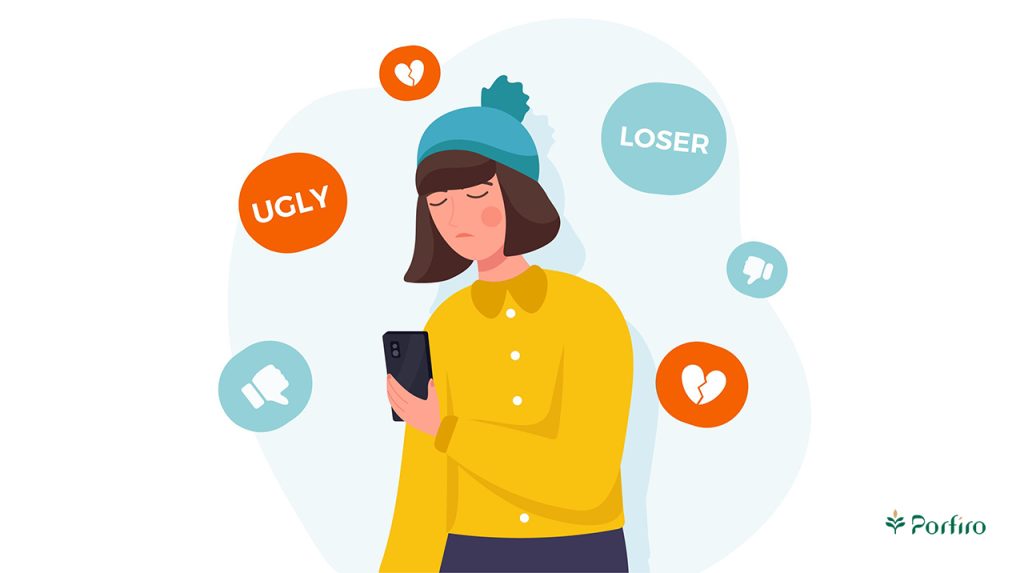
By the way, as useful as social media use can be, it can also have negative effects, especially in the context of youth mental health and social media. While these sites may have given many young people an alternative to complete isolation, increased social media use could lead to worsening mental and physical health outcomes. Research shows that even before the pandemic, social media use was associated with mental health impacts. For instance, a 2015 study found that British children who spent three hours or more on social media sites on a school day were twice as likely to have high or very high scores for mental health issues. Studies conducted during the pandemic paint a more nuanced picture.
A study involving 8,557,123 English language tweets in 2020 showed a significant increase in activity on social media (N= 65.456 million) in April 2020, when the stay-at-home orders were invoked. The implications of this research suggest that social media was used to help cope with the feeling of loneliness due to extended physical distancing. Were they effective, however? Although individuals might use their phones to deal with unpleasant emotions in the short term, the study showed that social media use could actually increase negative emotions.
This does not seem to be just particular to social media itself but also to what degree and how it is being utilized. In an international online survey from 2022 from the United States, the UK, Australia and Norway found that use of social media for entertainment or to help with feelings of being lonely during the pandemic was associated with worse mental health. But, the use of social media for private contact and personal relationships was associated with good mental health.
This study correlates time on social media with declines in mental health while presenting the possibility that many people, especially young people, are turning to those sites for relief when going through difficult times. But that social media may sometimes worsen a tough time very much depends on how and how much one uses it. Social media brings along many risks, including:
Having a presence on social media also presents an ideal self, and this generates a demand for the same. Adolescents might need to consider what everyone else can see because, as is presented, is popular, and thus they might take a lot of pictures and be obsessed with appearances and fashion to show themselves in some manner. A survey of 1,500 Americans found that 86% of 16- to 24-year-olds reported that social media had a negative impact on their happiness levels. The other results were:
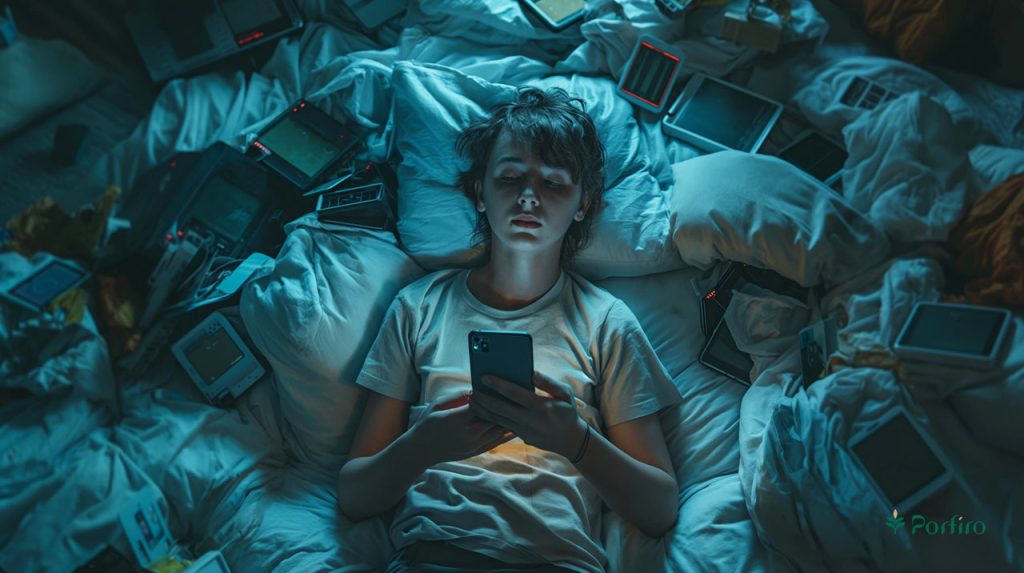
The use of social media can be for reconnecting with friends and family, watching videos, or “killing time”; all of this shows that this activity has increased in popularity enormously in the last decade, especially with children, teenagers, and young and middle-aged adults. However, in the context of youth mental health and social media, it is important to recognize how this seemingly innocent hobby can develop into an addiction.
Social media addiction can have similar negative impacts on the brain as other behavioral addictions. Individuals might develop a compulsion to spend excessive amounts of time using social media, with habits like endlessly scrolling through posts, images, and videos overriding other life functions.
Given the widespread use, the actual number of people addicted may be higher than statistics suggest. Not everyone who uses social media becomes addicted, but easy access increases the likelihood that more people—especially young users—may experience addiction at some point in their lives.
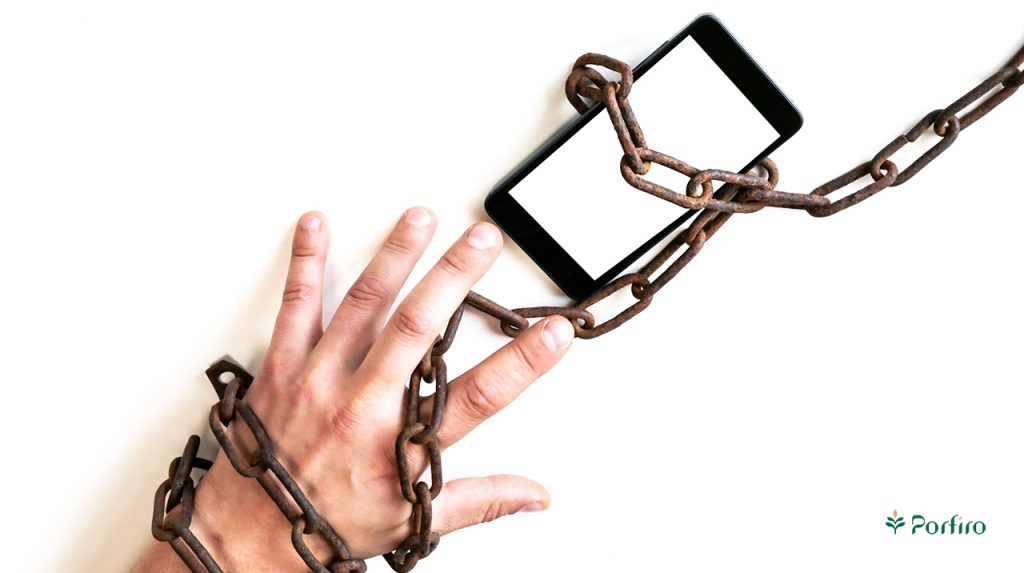
Dopamine signals in your brain spike each time you log into your favorite social media apps., a neurotransmitter related to pleasure. The more dopamine you experience from social media, the more your brain wants to duplicate that activity since the sensation arose from some sort of reward. In more intense ways, that type of reaction can occur when you post something and then get liked for it. What short-lived thrill positive reinforcement may spell with social media does offer some similarities with other addictions:
Saturated with dopamine from euphoric an experience, you search for more information from that source again, once the pleasurable sensation starts to fade. In some cases, when work or an illness puts you in isolation, social media can take that place you invariably hit to occupy your time. The longer your investment goes on, the more your brain assures you that this indeed is the technique to ease your loneliness (although this may not necessarily be true).
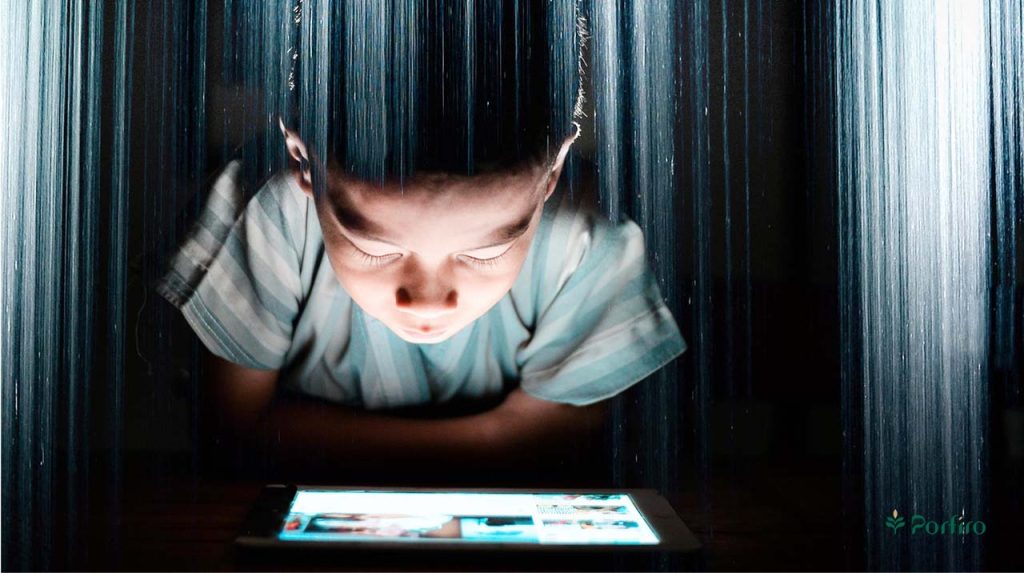
On certain occasions, average use of social media is not so bad after all. But it is in its overuse that one has to seek negative implications. Some of the ill effects of social media include:
Mental health practitioners can help you to determine whether you’re truly addicted to social media or simply enjoy using it. However, here are some of the basic differences between social media addiction and a hobby you enjoy:
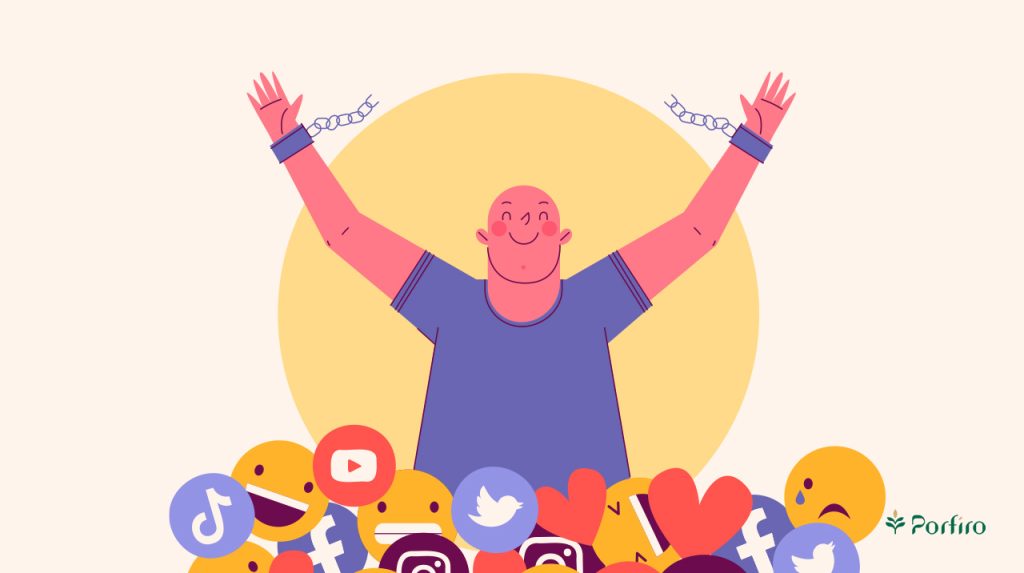
Whether you are suffering from social media addiction or spending more time on your apps than you should, the good news is there are ways to help reduce your overall usage. See the following tips to help you return to a healthier balance with social media:
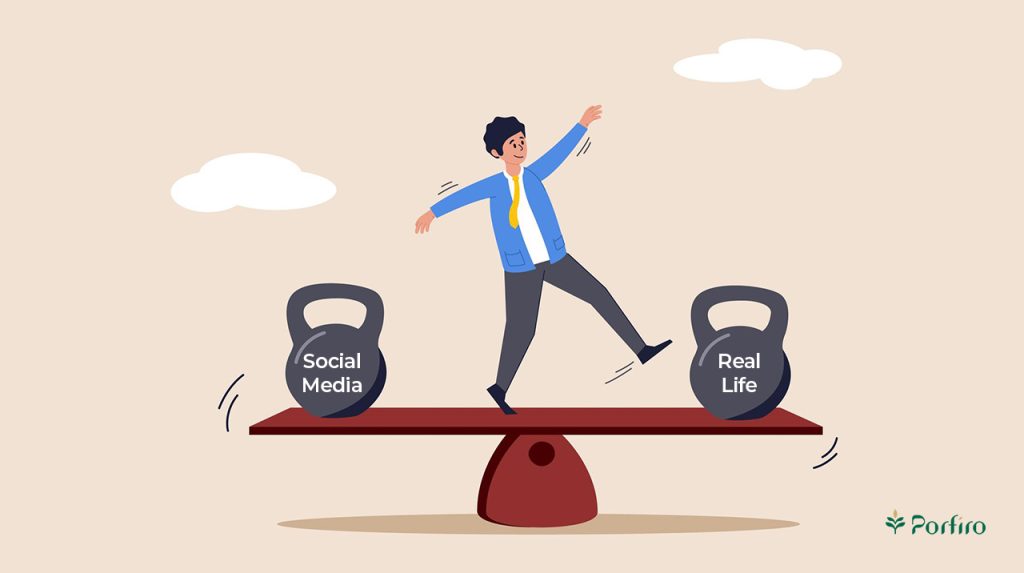
Over the past two years of relative solitude, social media consumption among young people has reached an all-time peak. For them, and for teenagers and youth too, social media is a part of life that other people can’t imagine existing without on a peer group belonging sense. Although it is maybe impossible to close social media forever for such children, the necessity of establishing a balanced and healthy relationship between them and the phone can be promoted.
In real life, this is work that ought to be done by caregivers in an attempt to assist these young adults and young people. Caregivers ought to discuss the advantages and disadvantages of social media use with children. Caregivers ought to indicate the deceit space of social media to children. Whatever is uploaded most of the time is selected from among what is actually present and does not even approach reality. Awareness of this will reduce FOMO and peer pressure to stay close to perfection on the surface. Beneath all this, what is needed most is to have an imaginative balance between the virtual world and the real world, where parents become good role models to them.
Naturally, this could mean modification around the lifestyles they’ve now gotten used to during the pandemic. In fact, it must speak in favor of assisting youths in allowing time for doing sports and breathing fresh air. You can also be an example of an appropriate screen time and social media usage. Encourage children and teenagers to go have family and friends’ activities in real life. They can go watch a movie, visit a local park, swim, or even make video calls with distant friends and family.
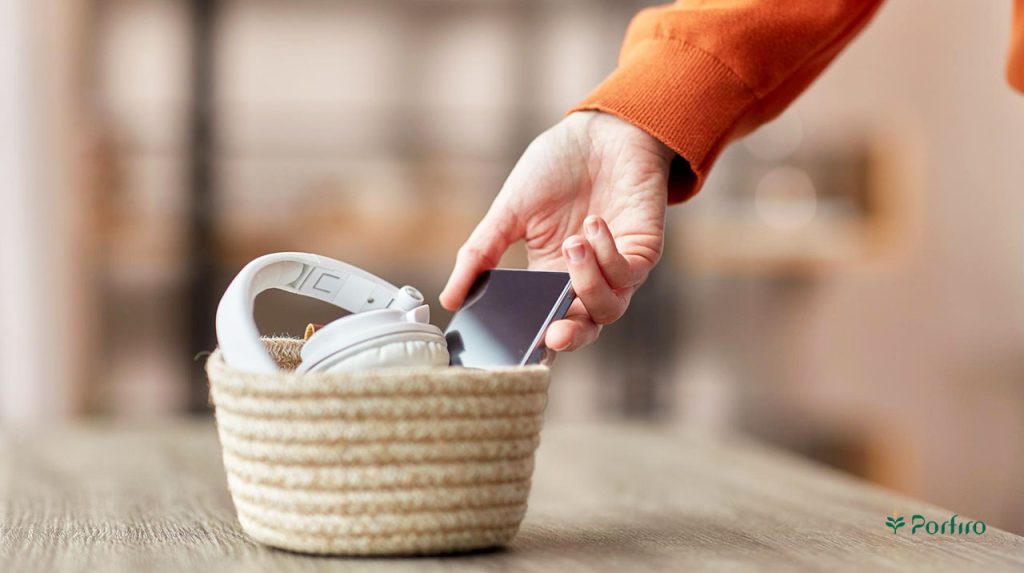
Do you want specific ideas for managing your family’s social media usage? It may take some effort, but it is possible. Researchers explain that caregivers “can help their children establish a balanced lifestyle by monitoring social media use and setting realistic limits.”
Schools have never had a role confined to teaching history, English, or math. They are an integral part of the communities they serve and an important part of the lives of the children they serve. It is because of this that schools have long taught life skills along with useful academic skills to children.
One set of life skills that is especially crucial today is something called social and emotional learning. Although the idea is not new, social and emotional learning (SEL) is something that will be more useful than ever as children return to classrooms after COVID-19 and at this juncture in the global pandemic.
Social and emotional learning (SEL) is a learning strategy that helps children learn skills in important areas other than math, reading, and other basic school subjects. SEL helps children learn to identify their emotions, understand and connect with others, build healthy relationships, and make good, compassionate decisions. SEL deals with a set of life skills that children need to learn about themselves and how to get along with others. For example, SEL teaches children to cultivate the following:
Through SEL, kids can understand emotions of themselves and others. They can learn and develop skills and knowledge to comprehend emotions, develop identity, and set goals. In a seminal study in 2011, researchers carried out one of the largest and most comprehensive reviews of SEL. They examined 213 studies involving over 270,000 students and found that getting SEL programs led to students performing better in their studies. It also has a lasting impact on the students and school communities.
Emotional quotient, also expressed as emotional intelligence (EQ), is the capacity to monitor your own emotions and other people’s emotions. People with high EQ are good communicators. They can do something positive about being stressed or annoyed. They can likewise work with other people and build long-lasting relationships grounded on perception and empathy. Four are the cornerstones of emotional intelligence:
Emotional intelligence is required in every sphere of life. Providing EQ-improving tools and training benefits children in numerous ways. Some other benefits of SEL include the enhancement of:
Read more:
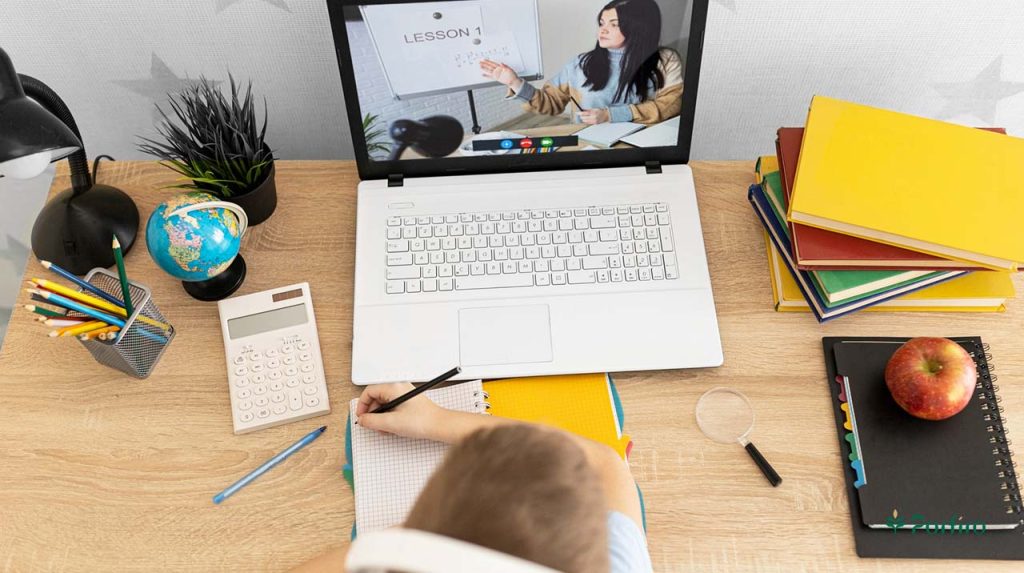
The COVID-19 pandemic has changed life across the globe. While we all faced disruptions in our daily lives, children encountered some of the most significant changes. Remote learning made schooling possible during the pandemic. Children with specific learning styles benefited from online education; however, for many other children and teenagers, this disruption was extraordinarily challenging.
The pandemic did not just mean a loss of classroom learning and adapting to a day of remote school. Schools provide social services that go far beyond academics. For example, children lost the social structure that attending school provides. Daily interactions with peers, sports activities, arts and crafts, field trips, school celebrations, graduations, and other events were simply not available.
Children who had unsafe and unstable home lives could not escape to a safe school during the day. Additionally, many children rely on free school meal programs. Many of these children faced increased food insecurity during the pandemic without access to school meals. Children also faced stress from the pandemic.
Many children lost a parent, grandparent, or caregiver to COVID-19. Many other kids witnessed their relatives battling the virus. Other children may have lived in constant fear of contracting COVID-19 themselves. Job losses for parents, quarantines, and the unpredictability of the pandemic are just a few more factors that many children have struggled with over the past few years. It is no surprise that we are now witnessing a mental health crisis among youth worldwide.
As children return to school, SEL programs have become especially important. Kids have gone through tough years. Many will need additional support. SEL programs are ideal for providing this support. SEL programs can help children manage severe stress and the emotional impact of COVID-19 and assist them in adjusting to the school environment.
Ultimately, it seems undeniable that the prominent presence of social media today occupies all segments of society and age groups. In discussions about youth mental health and social media, it is important to remember that, amidst the noise of these media and social networks, the use of social networks should be limited and should not disrupt our real-life connections. This is especially required for children and the young, who are at the best part of their lives. Hence, it is paramount to understand both how to use social media and to be aware of its pros and cons in detail.
10179