


Mental health being a factor, incidents of daily life, relationships, and physical dimensions are disrupted and influenced; however, on another hand, it does operate vice versa also. A myriad of outward-situational factors and interpersonal issues and physical conditions can bring about or energized mental illness and so forth.
Taking care of mental health preserves the capability of a person to enjoy life. For this to happen, a good balance between daily activities, responsibilities, and is maintained alongside working on strengthening the state of mind. Sometimes, depression, anxiety, or some stress might interfere with the flow of normality with an individual.
Even if usually, the term “mental health” would be used for the situation of health, many doctors believe numerous of these “mental” illnesses exist due to physical grounds. In this article, Porfiro tries to approach mental health from many viewpoints while concentrating on pistachios with the latest scientific research for the benefit of our esteemed readers.

Mental health, as defined by the World Health Organization (WHO), is a state of well-being that enables one to cope effectively with the vicissitudes of life, understand his/her strengths and limitations, learn effectively, work well, and contribute meaningfully to society. The WHO again emphasizes that mental health is a great deal more than the absence of mental disability or disorder.
True mental health involves not only managing immediate problems but also maintaining overall day-to-day health and happiness. They also stress the importance of maintaining and repairing mental health at the level of the individual and society as a whole.
In the given country, America, worldwide estimates by the National Alliance on Mental Illness place nearly one in five adults experiencing a mental illness each year. The National Institute of Mental Health (NIMH) says that in 2020, nearly 14.2 million adults, almost 5.6% of the adult population, had a serious mental illness.
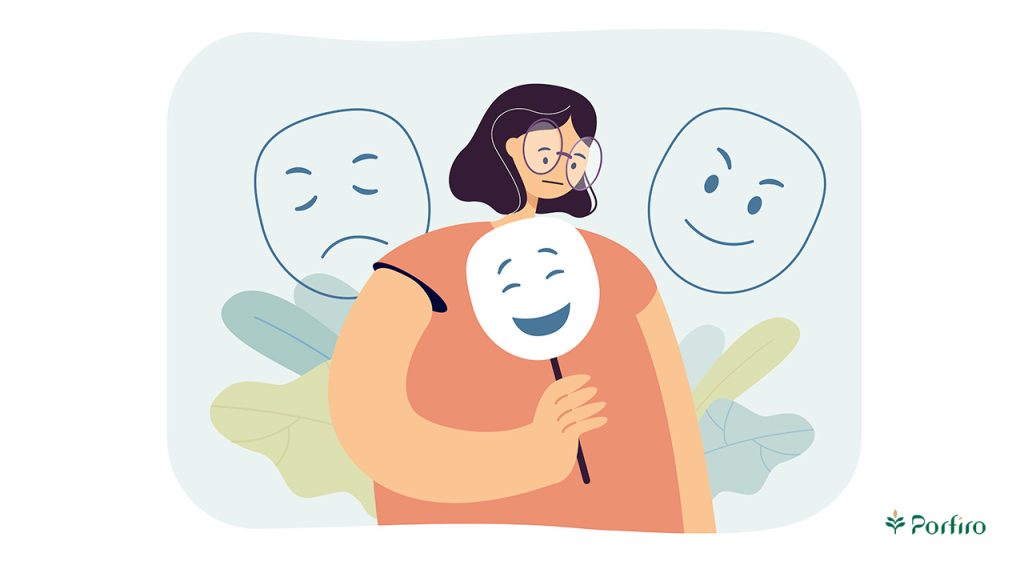
Any person, whether they be old or young, male or female, rich or poor, white or black, has in some way an element of risk for developing a mental health disorder. In the United States and in most developed countries, mental disorders are among the leading causes of disability. The factors impacting an individual’s mental well-being include social and economic conditions, adverse childhood experiences, biological factors, and lifespan medical illnesses.
Co-morbidity with other disorders is often a reality for persons with mental health disorders. One must realize that the very delicate balancing of these forces maintains the good health of the mind and that more than one factor may cause the evolution of these disorders. Some particular factors perhaps bringing on problems with mental health are enumerated below.
Limited financial resources or belonging to a marginalized or persecuted ethnic group can increase the risk of developing mental health disorders. A 2015 Iranian study outlined several socioeconomic factors influencing mental health conditions, including poverty and living in the outskirts of a major city. The researchers also identified both changeable and unchangeable factors that affect the availability and quality of mental health treatment for specific groups. Changeable factors related to mental health disorders include:
Unchangeable factors include:
The study found that being female increased the risk of poor mental health nearly fourfold. Additionally, individuals classified as having a “weak economic status” scored highest for mental health difficulties in this research.
Many data demonstrate that adverse childhood experiences – such as abuse, parental death, parental separation, and parental illness – negatively impact the mental and physical health of a developing child. Similarly, there is a wealth of literature demonstrating a relationship between childhood abuse and subsequent psychotic disorders and complications. These experiences also predispose an individual to post- traumatic stress disorder (PTSD).
The National Institute of Mental Health (NIMH) found that a family history of mental illness could increase the chances of developing a mental health disorder suggesting that our genes and variations of genes may put our health at risk. However, genetics are just one reason. There are many factors that could determine whether or not you would get a mental health disorder, and just because you inherited a gene that may be associated with a mental health disorder does not guarantee you would develop the disorder.
Similarly, just because you do not have a genetic variation or family history of a mental health illness does not exclude you from developing a mental illness. A range of physical health conditions such as cancer, diabetes, or chronic pain can all cause chronic stress and result in mental health conditions (such as anxiety or depression).
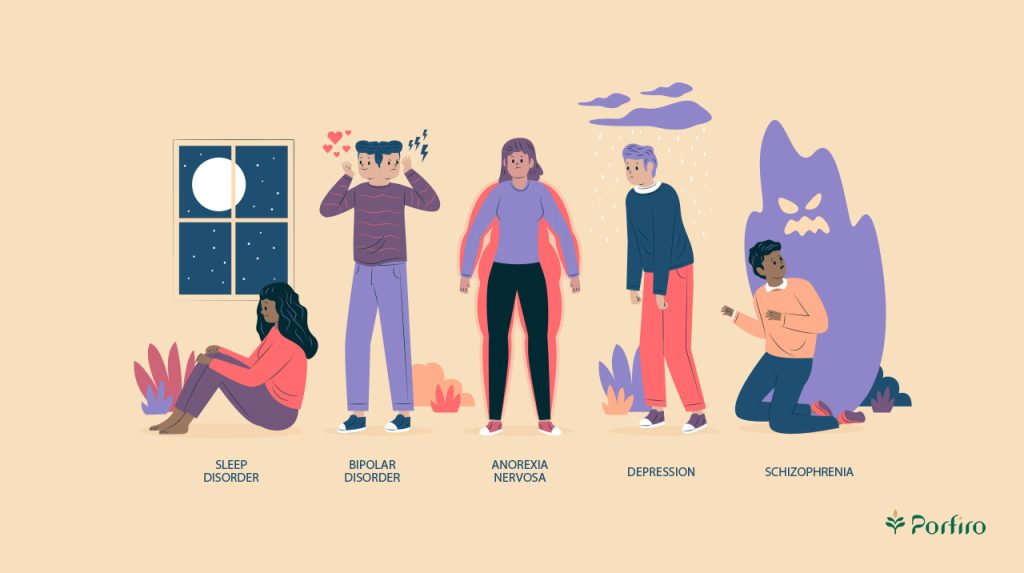
Certain mental disorders are grouped together because of the characteristics they share. Some types of mental illnesses include:
According to the Anxiety and Depression Association of America, anxiety disorders represent the most common mental health conditions. Individuals living with the disorder may experience panic or intense anxiety when faced with certain objects or situations. People who suffer from an anxiety disorder end up trying to resist anything that triggers their anxiety. Some examples are:
1. Generalized Anxiety Disorder (GAD): In this condition, excessive worry or fear interferes with daily life. Physical symptoms that GAD sufferers might experience include:
Unlike in many other anxiety disorders, panic or anxiety attacks in GAD are not always induced by an identifiable trigger. People can be stricken with crushing anxiety even in response to a very normal day situation that does not pose a direct real threat, such as doing household chores or going to appointments. There are times when a person with GAD will just randomly start worrying.
2. Panic disorder: People with panic disorder experience regular panic attacks that involve sudden, intense fear or feelings of impending doom and death.
3. Phobias: come in several forms and can influence people differently:
Phobias are personal, and doctors may not know every type. There can be thousands of types of phobias and something that seems a little strange to one person can be a major issue that takes over someone learning’s whole life.
4. OCD: Obsessive-Compulsive Disorder (OCD) sufferers have chronic, upsetting thoughts (obsessions) and a strong need to conduct repetitive actions (compulsions), such as repeated hand washing, in order to lower their anxiety.
5. PTSD: is a disorder that can result from someone experiencing or seeing a very demanding or distressing event. The individual frequently feels during these times that either their own life or that of someone else is in jeopardy. They could feel either extreme anxiety or a feeling of losing power over what is going on.
sometimes called emotional disorders or depressive disorders—are psychological states that have an impact on people’s feelings and emotional experience. Individuals suffering from these disorders usually experience extreme mood fluctuations from feelings of deep sadness or despair to experiencing extreme levels of energy and elevate mood (mania). Among mood disorder, several common instances are:
Often used to describe a spectrum of diseases with psychotic symptoms and other major features is schizophrenia. These circumstances involve great complexity. Symptoms of schizophrenia usually first appear between the ages of 16 and 30, say the National Institute of Mental Health (NIMH). People might have disjointed ideas and struggle to properly process information.
Schizophrenia manifests positive as well as negative symptoms. Positive symptoms include delusions, disorganized thinking, hallucinations. Negative symptoms, on the other hand, include social withdrawal, lack of drive, and flat or unsuitable emotional reactions.

No one mental disease can be reliably identified by a single test or physical scan. However, some indicators could point to a mental health problem; therefore, the following should be noted:
Diagnosing a mental health condition calls for a multi-step procedure. Usually starting a doctor reviews the person’s medical history and do a comprehensive physical examination to rule out any physiological problems or conditions perhaps causing the symptoms. Remember that no medical test can definitively identify a mental disorder. Doctors may order a variety of laboratory tests—blood tests or imaging scans—to look for other plausible underlying causes.
Apart from these measures, a psychological assessment is performed. This entails inquiring about symptoms, personal experiences, and how these influence the person’s everyday life. The doctor may occasionally ask the patient to finish mental health surveys to get a better sense of their thoughts, emotions, and behavioral patterns.

There are various approaches to managing mental health challenges. Treatment is highly individualized, and what works well for one person may not be effective for another. Often, combining different strategies or therapies leads to better outcomes. Someone living with a chronic mental health condition might explore different options at different stages of their life. It’s important for the individual to work closely with a healthcare professional who can help identify their needs and recommend the most appropriate treatment. Below are some of the treatment options available for people dealing with mental illness:
This type of treatment is a psychological approach when treating a mental health problem. These types would include Cognitive Behavioral Therapy (CBT), exposure therapy, and Dialectical Behavior Therapy (DBT) therapies. Psychiatrists and psychologists, and therapists, and some primary care physicians will impart after using this type of therapy. These therapies help people with awareness of their mental health issues, and guiding them to begin to change their thought structure to help them with their daily living, avoid social isolation and self-harm.
Some individuals consume prescription medications including antidepressants, antipsychotic agents, and anxiety medications. Though these medications do not cure mental health problems, some of them can aid people to get back to their daily activities and social contacts while they strive to improve their mental state by lessening symptoms. Many of these medications work by increasing brain levels of “feel-good” neurotransmitters like serotonin. Others aid to maintain a better chemical balance by halting the breakdown of these substances or raising the overall quantity of them.
Making changes to lifestyle can be an effective strategy in enhancing the quality of life for someone experiencing mental health concerns. This can be reducing alcohol use, increasing time spent sleeping, and following a whole food, vegetarian, or balanced diet (to be elaborated on later). At times, a person may need to put their job on hold or fix relationships that are bringing about or contributing to mental health problems.
A person with conditions like anxiety or depression can also participate in relaxation processes; for example: deep-breathing, meditation, or mindfulness. Having access to and a support system; whether self-help groups, good friends or family, is a crucial aspect of the recovery journey.
There are several common beliefs and misconceptions about mental health. Here are a few examples that you may also be questioning:
Reality: Mental illness is real health problem, just like any other health problems that we face. These medications can be a critical element in a person’s recovery, helping them function normally, minimize their symptoms, and improve their quality of lives. They are not harmful and not an “excuse” for one to avoid their personal difficulties.
Reality: Bipolar cycles typically last weeks or months, not moments.
Reality: Mental health conditions don’t just happen as a result of choices; while willpower can be important, anybody can develop a mental illness.
Reality: All sorts of experiences and adverse conditions affect a person’s mental health and well-being; a teenager’s relationship with their parents/family is just one influence among many. Two children raised in very different family circumstances – supportive loving family and group home with loving, supporting caregivers- could face the same challenges with mental health as adolescents.
Reality: People with mental health conditions do succeed in their careers, particularly when they work in a workplace that treats them the way they should be treated, and emphasizes and prioritizes mental wellbeing at work!

Self-care can be an essential ingredient in supporting mental well-being by decreasing the likelihood of illness, enhancing vitality, and assisting in reducing stress. The following may assist in acquiring a self-care routine:
Many groups of researchers are studying the relationship between diet, nutrition, and mental health. An increased number of researchers have shown that individuals who consume a typical western diet (highly processed foods, added sugars) experience a higher risk of developing anxiety and depression. Although studies performed thus far have primarily examined the benefits of the Mediterranean diet, there may be other dietary patterns that could benefit mental health.
In the next sections, we will examine some of the evidence indicating that consuming a healthy diet could help enhance mental health and support treating or even preventing certain conditions. We will also review how the foods we eat can impact our mood.
Psychiatric nutrition, or psychnutrition, is an emerging area of study that examines the relationship between diet and mental health. Most published research has focused on the apparent links between the Western diet and the Mediterranean diet. Published peer-reviewed articles on this subject have synthesized the literature on diet, nutrition, and mental health, and the evidence indicates that the greater degree of a Western diet (often represented by highly processed foods) consumed by an individual, the greater his or her chances of becoming depressed and anxious, and conversely less chance of developing mental illness following Mediterranean guidelines of consumption.
Researchers at King’s College in London, Institute of Psychiatry, Psychology, and Neuroscience have taken a more detailed examination of how diet is likely to affect mental health and, specifically, the diet and its possible effect on hippocampal neurogenesis. Hippocampal neurogenesis has been linked with mood and cognitive processing with experiments. Stressful experiences decrease neurogenesis in this area, while antidepressant medications increase it.
Numerous causes exist to impair neurogenesis in adults and they are as follows:
It seems that there are several foods and health habits influence neurogenesis. These include:

Numerous studies have shown that people who follow the western diet (highly processed food) are more likely to have major depression or chronic mild depression. Women consuming unhealthy western style diets have more psychological symptoms. The common food which these women are consuming are:
Unhealthy dietary patterns, such as those contributing to obesity, diabetes, and other physical health problems, are also linked to poorer mental health.

Given the importance of nutrition in all aspects of human life, we will also address this topic in more detail in relation to mental health. There is no specific diet that is best for mental health, but some eating patterns seem to be better than others. Here are some of them:
Of all the popular diets, the Mediterranean diet has the strongest evidence available and can reduce symptoms of depression. Nevertheless, this remains the most commonly recommended diet by experts for general health and well-being. The nutrients in this diet associated with lower levels of depression include:
They eat the Mediterranean diet mainly consisting of:
There is some scientific evidence for the positive impact of intermittent fasting on mood and mental health. Physicians have sometimes noticed that fasting supports people in the improvement of their emotional health, increasing alertness, calmness and in some cases happiness. A very small in 2013 study across men over 50 years indicated that intermittent fasting was associated with reduced anger, tension, confusion and mood disturbance compared to controls.
For reasons mentioned above, as with any form of caloric restriction, fasting may not be safe or appropriate for everyone. Fasting should not be attempted without medical supervision for those with a history of eating disorders or blood sugar disturbances such as hypoglycemia.
Short-term reduction of calories has been found to be beneficial in reducing the symptoms of depression. Researchers use the term calorie restriction to refer to the consumption of much fewer calories than you usually burn daily. You calculate the amount to reduce according to your individual needs. One study looking at diet and depression defined calorie restriction as the slashing of 30 to 40 percent of daily calories while still receiving enough protein, vitamins, minerals, and water to be properly nourished.
So, if someone typically eats around 2,000 calories in a day, with calorie restriction they’d only consume 1,200 to 1,400 calories instead. That being said, not everyone needs to cut calories that drastically. In fact, healthy people who reduced their calorie consumption by 25 percent for six months also saw improvements in depression symptoms.
Be careful, though—calorie restriction can also lead to eating disorders and isn’t safe for those who already have disordered eating or disordered eating-related behaviors. If you’re thinking about lowering your calorie intake, it’s best to talk with a doctor or nutritionist to make sure you’re still getting all the nutrients your body needs. Also, avoid long-term calorie restriction or very low-calorie diets, as they can harm brain cells and actually make depression worse.

A separate study associated polyphenols with both preventing the onset of depression, as well as alleviating depression symptoms. The polyphenols that the researchers examined were sourced from coffee, tea, citrus fruits, soy, grapes, legumes, spices, and nuts. Pistachios were one of the nuts in the study. Here are some mental health advantages of eating pistachios:
Resources:
10190