



Food as one of the basic human needs has always been more than a source of energy and nutrients; food also has cultural, social, and psychological functions. Eating habits from one society to another illustrate history, geography, beliefs, traditions, and economic state. As such, food has emerged to become one of the vital references of cultural identity. From the vibrantly decorated tables of Iran to the strictly adhered of traditional Japanese cuisine, every food culture carries its own unique story about their people and way of life. The cultural wealth and diversity of food has made eating habits recognized as not only a biological necessity, but a culture to be shared as a common cultural language across the globe.
In the contemporary world, in the era of mass media, it is still recognized that media is also an important part of the current food and eating habits. Within these different media, cinema, as a very effective art and non-educational medium, will have a significant effect on the lives of people. Cinema has its own abilities, as a visual fiction, it has the ability to simultaneously convey the story of a culture, its ways of living, behaviors and attitudes, as well through storytelling it has endless possibilities.
Food in movies as an element of attraction not only acts as a spectacle to be seen or depicted but is also used as a cultural or social symbol, meaningfully conveying complex messages of identity, family, social.
Food in movies is present in many and varied ways, from the classic examples of films like The Godfather, that use Italian food to express family values and family tradition to the modern films like Ratatouille where food is presented as an imaginative escape from soft social barriers. Food can be a fantastic storytelling medium.
Films such as Julie & Julia and Chef exceptional examined the cooking culture and a specific food’s popularity, their impact has increased the viewers’ interest in doing food-related and a specific food-related activity that eventually leads to changes in people’s lifestyles and dietary habits. These film examples show how cinema has influenced food selection and eating behaviors directly and indirectly.
Likewise, cinema, as a global medium, is a major factor in introducing the dietary food customs of different cultural groups to audiences all over the world. Amongst the globalization of cinema, and the world’s increasing access to film, food and dietary customs can become familiar to viewers with little previous knowledge, resulting in individuals changing their dietary habits and reducing food reliance with better food variety. For example, films from India, Japan, Mexico – that feature their cuisines – not only introduced these food cultures to the world, they built worldwide interest and demand for these cuisines.
Conversely cinema has negative effects. The portrayal of fast foods and unhealthy snacks in films (and advertising plus product placement) may lead to increased consumption of unhealthy foods (i.e., fast foods, snacks) amongst its viewers, especially children, and adolescents. In addition to the opportunity to eat large amounts of snacks and high-carb/high-calorie foods while watching films often leads to same eating habits that can produce obesity and eating disorders as well. Hence, cinema, as one of the most powerful communication tools, must take its role seriously in providing messages associated with healthy and balanced eating.
The aim of this article is to analyze as completely and totally as possible the worldwide impact of cinema on changes in eating habits. This article will examine cinema’s role in depicting food and eating habits, how the cinema affects what it eats, eating behavior employed when viewing films, how cultural attitudes toward food have changed, with analysis of diverse examples in both Iranian and international films. Lastly, the report will document the relationship between cinema, the food system, and the food economy in order to draw as complete and accurate a portrait as possible of the complex and powerful interconnection involved.
As we can see, it is important to better understand the association between healthy food culture and media, because knowing more about this relationship can help public policy makers, health advocates, and the film industry implement effective plans that strengthen the beneficial effects of cinema-based eating and mitigate the harmful effects. Ultimately, the goal of this article was to open a new window onto the culture and social forces of cinema on one of the most vital aspects of human behavior each day: food and nutrition. So, if you are interested in these sorts of topics and about Food in movies, you should definitely keep in touch with Porfiro.

Food in cinema serves beyond a biological need. It serves an important narratological function and cultural and social signifier. Cinema, as such a visual medium, uses scenes connected to food and eating to not just inform audiences about characters, but additionally to understand them as people, as relationships, social standing, and political and cultural messages. In this section, we aim to analyze the importance of food in cinematic narratives and character, its role in relation to cultural and social symbolism, and to provide examples of Iranian and international cinema that uses food and the dining table as the focal point of their respective stories.
read more:
Youth Mental Health and Social Media
Among the most impressive roles of food in film is contributing to character development and story advancement. Meals or cooking scenes offer a means of visually depicting relationships, suppressed feelings, and even inner turmoil. For example, in Francis Ford Coppola’s classic, The Godfather, like food, Italian food (sausage, pasta) represents family connections, heritage, and Italian-American culture. The restaurant scenes build an ambiance that serves as a stark contrast to the visuals of violence and aggression within the film’s storyline and also establish traditions and warriors who value family.
In Orson Welles’ Citizen Kane, food isn’t as much employed as a cultural symbol, but scenes portraying the loneliness and isolation of the protagonist are reasonably well represented in his eating life. Citizen Kane is one such example of using food as a tool to depict a character’s psychological and social condition.
Food and dining also emerge as a decisive feature of Iranian film within the frame of narrative and character development. For example, out of a Separation by Asghar Farhadi engages with scenes of eating and family dining tables as metaphors for reading the tensions and conflicts among characters. In this case, food and the dinner table are not simply spaces of family gathering but are also sites of social conflict by class and culture. Abbas Kiarostami’s Taste of Cherry uses simple and natural scenes of eating food in nature to explore the connection between humans and nature and the meaning of life.
Food has often conjured notions of culture, identity, and social class in cinema, and these indices have the potential to trigger potent messages regarding society and its values. For example, Pixar’s Ratatouille employs food to represent creativity, artistry, and transcending limitations on one’s class. The narrative follows a rat, Remy, who aims to be a chef, and employs food to represent that pair of concepts: that once you have talent or passion, you can transcend limits. Similarly, Julie & Julia tells the tale of food and cooking as symbolizing self-discovery, success, happiness, and fulfilling dreams. The stories in this film could demonstrate food as an object to facilitate a transformative life and human connection.
In Iranian cinema, food also conveys ideas about hospitality, family, and social ties. Dariush Mehrjui’s film Mom’s Guest, has scenes with elaborate dining tables sets and traditional Iranian dishes, each dish prepared with all kinds of difficulty, where everything on the table came from another table, emphasizing the moral obligation of upholding a culture, national identity, and family. Also, in Asghar Farhadi’s About Elly, eating scenes and family gatherings create a space for expressing emotions and human relationships.
Film, being one of the most widely used media across the world, directly affects people’s behaviors and food habits. The deployment of some foods, product placement and advertisements in films, and the globalization impacts of films on the food and lifestyle choices of their audiences are among the direct ways that films influence viewers. Here in this chapter, we regard these direct effects and, through some examples of world and Iranian movies, enlighten different aspects of the topic.
Perhaps one of the most salient ways in which cinemas influence consumption habits in food is through advertising and product placement. In this particular way, many different food brands are represented explicitly or implicitly in films and they became familiar and accessible and therefore stimulate a desire to eat the products offered. Advertising of this type appears to be even more salient in popular films and well-watched series.
For example, in the movie The Founder, which reflects on the establishment and expansion of the global fast-food chain McDonald’s, the McDonald’s brand is positioned and offered as a prominent image. This film offers the history of the brand yet it also increases familiarity and desire in the audience, for eating fast food are also shaped. The product placement of the film offers an example of how cinema can be influential of specific food and brand choices.
In the context of Iran, to some degree, product placement in cinema and series contexts has slowly become common. Many food brands are utilizing the opportunity to showcase the products within the context of a cinematic or television narrative as a means to also shape eating habits.
The worldisation of the film industry has led to non-indigenous foods, especially fast foods, taking a fast leap into different food cultures. The Hollywood film industry and television programs, showcasing Western lifestyles, play an important role in bringing about and disseminating fast and convenience foods. This has led to significant changes in food habits in developing countries as well as food-environment saturated societies.
The film Burnt, which follows the story of a famous chef, and emphasizes culinary arts, shows scenes in modern restaurants and different foods that open people to international and modern cuisine. The film is symbolic of the potential of the film to introduce foods originating from other locations and shift people’s tastes.
In Iran too, with increased exposure to foreign films and television shows, the consumption of fast food and Western food is on the rise. Though it has social and economic implications, the movement has raised eyebrows regarding the health of the citizens and also about the erosion of the country’s food culture.
It can therefore be implied that cinema, as a powerful medium, has a direct and concrete impact on people’s eating habits. Exposing individual foods can activate interest in the preparation and use of novel foods, advertising and food placement in films directs consumers to particular brands and food types, and film internationalization allows non-native foods and fast-food penetration into a range of cultures. Perception of these forces helps healthcare professionals, cultural caretakers, and the food industry to come up with informed strategies for subsistence and food culture preservation.
Cinema viewing or in-home viewing of films is one of the world’s most popular pastimes and is generally accompanied by the ingestion of various forms of snack foods and sweets. This eating behavior, especially as it exists within the cinema context, has very significant consequences for individuals’ eating habits, both positive and negative. We deal here with eating habits of viewers of films while at the cinema and how cinema viewing interacts with overeating or eating regardless of hunger.
The most common activity during movie viewing is the consumption of various snacks and treats. Popcorn consumption is a phenomenon in most cultures that is recognized to be the optimal film snack and almost the emblem of the movie experience. This simple and tasty snack, which goes together with soft beverages, is a fundamental part of going to the cinema. However, the list of snacks people bring to the cinema is rather broad and differs across geography and culture.
For example, in Iran and in most countries, potato chips and popcorn are the most popular snacks. Cheese spice sandwiches are among the popular snacks that audiences carry with them in India. Roasted chestnuts in South Korea, “Iwashi Shimbi” (small fried fish sprinkled with sugar and soy sauce) in Japan are common cinema snacks. In addition, Thai individuals carry “Tom Yam,” popcorn-like food, to the movies. Even in Moscow’s upscale movie theaters, Beluga caviar is served as a special snack for VIP movie patrons.
Although the food behaviors during movie time are enjoyable, they can lead to excessive calorie consumption and an unbalanced diet. Most of these snacks are rich in salt, fat, and sugar content, and frequent overconsumption may lead to problems such as obesity and lifestyle disorders.
This is also a factor that could be considered by the owners of the industry and snack makers so that they can produce their products appropriately in sizes and portions for serving in cinemas.
One common situation while watching movies is eating without regard to real hunger. The full focus on the event, and the tantalizing nature of the narrative contribute to individual listeners being less tuned into natural hunger and fullness cues, causing one to unthinkingly eat large quantities of food. This behavior is referred to as “distracted eating” and it can lead to overeating, and excess weight gain.
Research shows that people tend to consume far more snacks and treats while watching film, thereby, making them less aware of how much they have eaten solely based on the visual and auditory engagement happening in front of them. In addition, the movie theater environment combined with the culture surrounding bringing a range of delicious and identifiable snacks all support this phenomenon.
It is obvious this resonates in Iran, However, in the meantime, this behavior can bother other people in the audience, such as crinkling and rustling sounds of packaging containers or smelling food that alters the ambiance of the hall. This type of overeating to view films is seen in both cinema halls and the home environment as well, especially with the number of online viewing platforms offering watching and eating film snacks in parallel. In time, this will aid in the formation of bad eating and food habits which will occasionally result in health concerns.
Therefore, it seems clear that cinema and movies are associated with eating behaviors of humans. Eating snacks and other treats in the context of watching movies is habitual in many cultures, especially with the go-to movie snacks of popcorn, chips, and soft drinks. This behavior can also contribute to the intake of excess calories and include unhealthy foods. Furthermore, in watching the content of film, people can also subconsciously eat too much when they are not paying attention to their real hunger and this can lead to nutritional and health issues. The recognition of the described effects can provide an awareness for audiences to make better choices that will lead to a better, healthier, and happier cinema experience.
read more:
Definition of weight management and ingeniously ways to use it
Movies are a powerful form of culture that can provide entertainment but also have the potential to affect attitudes and behavior towards food and nutrition. Films can tell stories and can depict a variety of lifestyles. Films shape food culture and shift cultural views on healthy and unhealthy foods. In this part, we elaborate on cinema’s huge contribution—spanning from revealing foods of another culture to affecting lifestyle and dietary norms.
One of the main functions of cinema is raising public awareness and changing people’s perceptions of proper nutrition. In this way, cinema can promote more healthy diets and lifestyles by conveying positive narratives about the importance of eating healthy food, eating food in the form of real food and not eating processed, unhealthy food.
The documentary Fed Up is a great example of this kind of impact. The documentary about obesity in the US and by revealing what food companies do to produce higher-calorie unhealthy foods, it changes people’s perceptions of healthy eating behaviors. These films have potential to make the public more aware of food related dangers, unhealthy eating and the need for a proper balance of nutrition.
Super-Size Me by Morgan Spurlock, where the director eats McDonald’s exemplifies the negative effects of fast food on the human body and raises awareness of why we eat processed food.
Film serves an important function in exposing audiences to food cultures and raising the awareness of audiences to food diversity. When films depict traditional and native foods, they familiarize audiences with wide-ranging food cultures that hopefully lead to a greater interest in healthy, natural foods.
Film, through presentation of varying lifestyles, also contributes a lot to setting food norms and reforming lifestyles. Films can transform habits, eating habits, and even social attitudes towards food, thereby influencing food culture in societies.
In Iranian cinema, Kambuzia Partovi’s Cafe Transit is one notable example of film’s role in representing food and changing cultural attitudes. Reyhan is a woman who runs a roadside café, after her husband passes away. Symbolically, it addresses the tradition of hospitality, encounters between individuals, and the utilization of food and beverages in establishing social relations.
By its representation of cafe atmosphere and preparation and presentation of food and drinks, Cafe Transit creates a picture of regional lifestyle and food culture that introduces viewers to food culture and social and cultural values. The film is a best practice of the role of cinema in the preservation and promotion of local food cultures and the building of positive attitudes towards nutrition and lifestyle.
Overall, film as an influential medium significantly helps to shape cultural attitudes toward food and nutrition. Films have the ability to influence food norms and change dietary habits by providing education and raising awareness of healthy eating, exposing foods from other cultures, and showing alternative lifestyles. These cinematic effects on culture provide a golden opportunity to enhance public health and preserve global food cultural diversity.
Cinema and the food industry are two major and influential sectors in human life that have a deep and mutual connection. Films act not only as a cultural and artistic medium but also as an effective tool in the food market and food tourism. In this section, we examine the relationship between cinema, the food market, and food tourism, as well as the impact of films on the prosperity of certain foods and restaurants to make the subject more tangible:
Cinema can significantly influence the food market and food tourism. Showing foods and food cultures in films encourages audiences to seek real experiences of these foods and cultures. This is especially important in food tourism, where travelers journey to different destinations to taste local and traditional dishes.
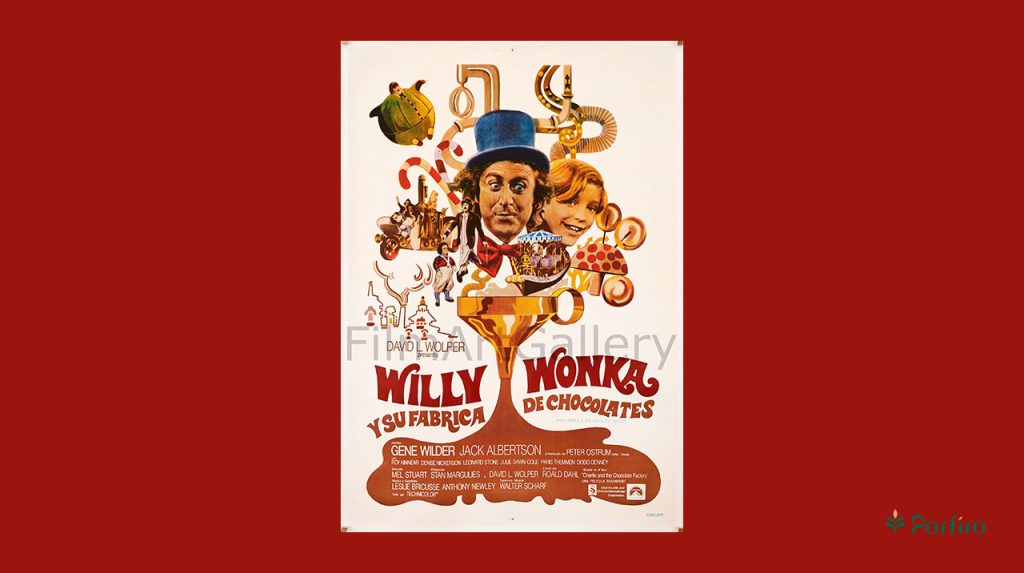
Movies can also have a direct effect on restaurant and food popularity, making them more in demand and further stimulating economic growth for them. How foods are presented in films, especially with an engaging story and good characters, can help make those foods even more popular.
Film, both as art and as a medium of culture, is an important player in the food industry and the food economy. Its connection with the food market and food tourism attracts visitors and spurs demand for local and traditional foods. Moreover, films, through their dynamically styled images of restaurants and food, can spur economic growth in this sector. Understanding such interrelations would help food and tourism industry stakeholders use cinema to expand their market and preserve and promote food culture.
Production budget: approx 60 million
Approx worldwide box office: 200 million
Based on Elizabeth Gilbert’s popular book (which tells the story of a woman’s trip to three countries – Italy, India and Indonesia) the movie presents how she travels in search of unique spiritual and food experiences in each country. The Italy section of the film, which portrays several enticing and authentic Italian food dishes, left viewers a solid drive to be adventurous in Italian cooking and food. It is certainly one of the top-grossing food films to date, and influences many people’s food culture.
Production budget: approximately $40 million
Worldwide box office revenue: approximately $130 million
This film tells the parallel stories of two women: Julia Child, the famous French chef, and Julie Powell, a food blogger who decides to cook all of Julia’s recipes within one year. Starring Meryl Streep and Amy Adams, the movie attracted many cooking and French cuisine enthusiasts and achieved high box office success.
Production budget: $28 million
Worldwide box office: $80 million
The storyline of this movie revolves around the clash between two restaurants offering differing food cultures, in a very small village in France. The focus of the movie on Indian Cuisine and French cuisine raised significant interest in food culture and was commercially very successful. Its impact on food tourism and continued interest in local foods is very much appreciated.
Production price: $150 million
Worldwide box office total: $623.7 million
This Pixar animated film is about a rat chef in Paris with aspirations to become a great cook. Ratatouille is known to be one of the most liked and highest-grossing food-oriented animated films that is not only appealing to children but adults too. The film has increased awareness of French cuisine and the culinary landscape.
Production budget: roughly $11 million
Worldwide box office revenue: about $45 million
The film is about a chef, after leaving a major restaurant, who finds freedom and creativity by starting a food truck. Chef inspired many viewers to cook and try street food, with the interesting examples it covered, in addition to having moderate commercial success.
The cinema industry has a powerful influence and broad and dual impacts on the eating habits of individuals and the nutritional culture of societies. Films have the power to motivate viewers to be interested in healthy foods, different food cultures, and wish for balanced lifestyles, through the many different foods (and eating habits) that they portray. The potential positive impact that films can have on people offers a very rare and positive opportunity to promote a healthy food culture globally.
However, films also portray unhealthy foods and eating habits almost constantly. It is also common for films to depict fast food or unhealthy foods via placement in films or advertising, which can subsequently change the food choices people make and increase their consumption of high-calorie, unhealthy foods. Not addressing these problems threatens public health.
Because of the potential positive and negative impacts of films on food choices, it is important that we investigate food messages in films and hold the cinema industry accountable. The cinema industry (filmmakers and content producers) must realize the level of influence that they have, which relates to the positive or responsible messages they provide about healthy nutrition in a balanced, scientific, and culturally appropriate way that is not advertising unreliably. Sometimes collaborating with health professionals or cultural and cinema professionals can help pave the way for the promotion of meaningful and responsible work in this area.
To optimize the use of cinema to promote a healthy food culture worldwide, it is recommended to:
Food in Movies can serve as a connector between culture, art, and public health; a connector that, if facilitated properly, can serve a function in communities beyond entertainment and potentially play an effective role in enhancing quality of life and healthy eating. It requires the collective efforts and responsibilities of cinema and health advocates to weave positive and constructive food information inside Food in Movies stories and ultimately, promotes a healthy food culture globally.