


Diet for athletes and the importance of pistachios
General Information- 1Importance of Nutrition
- 2Macronutrients and athletes
- 1. Carbohydrates
- 2. Protein
- 3. Fats
- 3Importance of Micronutrients, Supplements and Hydration for the Athlete
- 4Caloric Needs of Athletes
- 5Meal Timing
- 6Proper Nutrition for Each Sport
- 7Sample Meal Plan
- 8Best Diet Plans for Athletes
- 1. Mediterranean Diet: The Best Diet for an Athlete
- 2. The Flexible Diet: The Best Diet for Male Athletes
- 3. The Optimal Diet for Female Athletes: The DASH Diet
- 4. Diet for Muscle Gain: The Paleo Diet
- 9How to Opt for the Best Diet for Athletes
- 10All About Sports Nutrition in Diet for athletes
- 11Fundamental Sports Nutrition Recommendations
- 12High-Performance Sport Nutrition Plan in Diet for athletes
- 13Meal Timing and Nutrient Intake in Diet for athletes
- 14Hydration Needs for Athletes
- 15Healthy Sports Snacks in Diet for athletes
- 16Supplements in Sports
- 1. Protein Powder
- 2. Carbohydrate Powder
- 3. Vitamins and Minerals
- 4. Caffeine
- 5. Fish Oil
- 6. Creatine
- 7. Beta-Alanine (β-Alanine)
- 17Misconceptions About Sports Nutrition
- Myth 1: Taking protein supplements will make you big and bulky.
- Myth 2: Eating before Bed Causes Weight Gain
- Myth 3: Caffeine consumed before workout dehydrates the person
- 18The Role of Pistachios in Athlete Nutrition
- Pistachio Protein
- Antioxidants in Pistachios
- Vitamins in Pistachios
- 19Pistachio for Weight Management
- 20Pistachios for Blood Glucose Regulation
In addition to consuming adequate amounts of calories and macronutrients, it maybe need for additional vitamins, minerals, and other nutrients in diet for athletes to improve their performance. Moreover, they have to eat at times which are different from the usual, and hydration is especially crucial for them.
In this article, from Porfiro, the needs of macronutrients and micronutrients will be put into discussion by the athlete, observing the intake of calories, meal times, and how to adjust to the needs according to modalities. Examples of meals for breakfast, lunch, and dinner shall also be given. Moreover, we would like to introduce specific dietary plans for athletes, describing in a detailed manner the importance of pistachios.
Importance of Nutrition
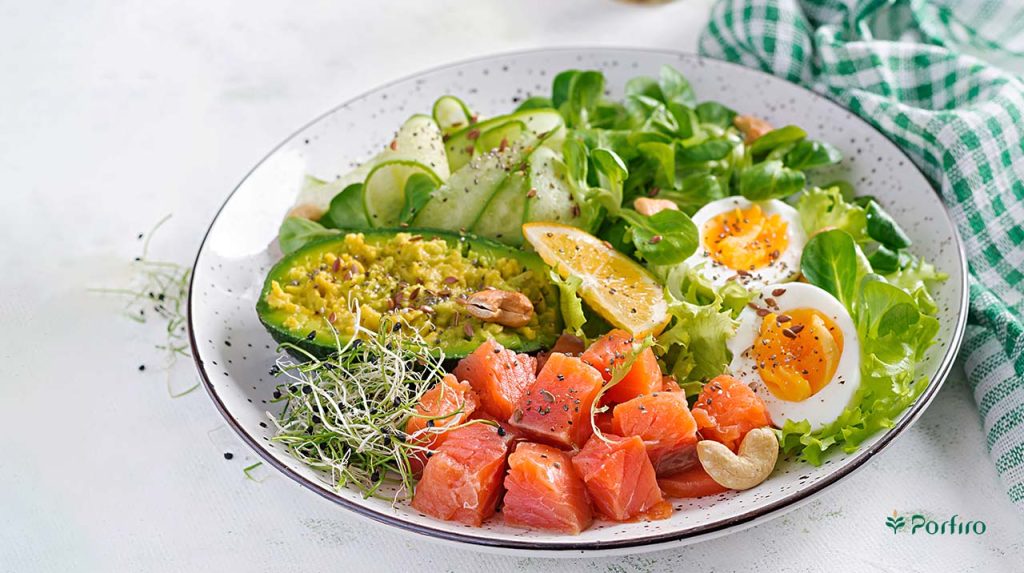
Nutrition is important in keeping the athlete healthy and helping them with their training. Proper nutrition allows the body to have all it needs in terms of energy and nutrients that put up with the demands of training and working out. This is very useful in the delivery of excellent performance, enhancing recovery after exercise. To achieve this, athletes are encouraged to pay attention to the following:
- Their calorie needs
- The amounts and ratios of macronutrients
- Meal and snack timing
- Vitamins and minerals for recuperation and performance
- Hydration
Hence, matching these considerations with an athlete’s weight and body composition, the length of time they train, and the type of sport they play will improve performance.
Macronutrients and athletes
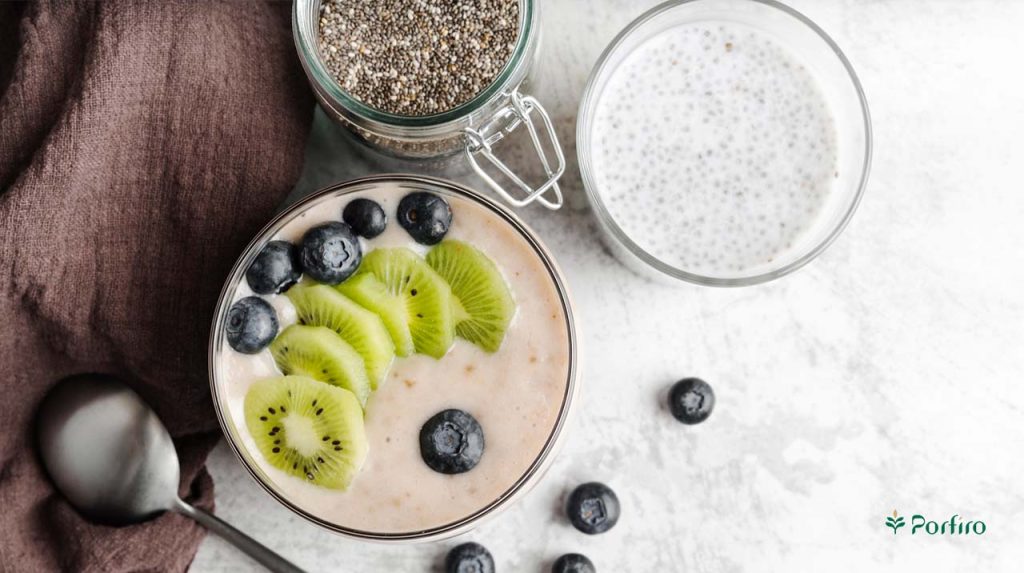
Trustworthy dietary guidelines suggest the following optimal macronutrient ranges for adults:
- Carbohydrates: 45 to 65 percent of calories
- Protein: 10 to 35 percent of calories
- Fat: 20 to 35 percent of calories
ISSA reports that these ratios can be manipulated according to the desired physical activity of the individuals. A good example is an endurance athlete increasing their carbohydrate intake, while the strength athlete increases his intake of protein. Standard macronutrient ratios of athletes are as follows:
1. Carbohydrates
Generally, carbohydrates play an important role in sports nutrition because they are critical in athletic performance. To many athletes, carbohydrate foods are normally the favorite fuel foods as they result in more intense and longer performances compared to other types of food.
This is because they provide enough glycogen stores and blood glucose that can meet exercise demands. Amounts of carbohydrate intake by athletes to maintain liver and muscle glycogen stores vary depending on the volume of training.
For moderate to high-intensity training-as described by 2 to 3 hours of intense exercise, 5 to 6 days a week-the ISSN proposes 5 to 8 grams per kilogram of body weight, or 250 to 1200 grams of carbohydrates per day for a 50-to-150-kilogram athlete.
For very heavy training, defined as 3 to 6 hours of intense exercise in 1 to 2 daily sessions, 5 to 6 days a week, the ISSN recommends 8 to 10 grams per kilogram of body weight, or 400 to 1500 grams of carbohydrates per day for athletes weighing between 50 to 150 kilograms.
For example, an athlete weighing 150 kilograms who engages in high-volume intense training would have a carbohydrate intake of approximately 1,200 to 1,500 grams. Healthy carbohydrate food sources for athletes include:
- Brown rice
- Whole grain bread
- Bread made from unrefined flour
- Legumes
- Quinoa
- Sweet potatoes
- Whole grain pasta
- Oats
- Low sugar cereals
- Rice cakes
- Fruits
- Vegetables that are non-starchy: broccoli, sprouts, beans, carrots, cucumbers
2. Protein
Another important component of sports nutrition, protein provides the amino acids needed to help build up and repair muscles and tissues. Those training vigorously may need more than over twice the RDA for protein in their diet. While the RDI is 46 grams for women and 56 grams for men, this may be the reason why a protein intake of roughly 92 grams for women and 112 grams for men can be very helpful to the athletes.
As explained by ISSA, many athletes can safely take up to 2 grams of protein per kilogram of body weight daily. It also provides that the optimum intake may range from 1.2 to 2 grams per kilogram of body weight every day. Greater amounts of protein could prevent protein catabolism and slow recovery, which impairs injury prevention and helps an athlete lose muscle over a certain period of time.
In simple terms, an athlete should take in 1.2 to 2 grams per kilogram of body weight of protein for moderate intense training, which, in real terms, is 60 to 300 grams per day for an athlete weighing between 50 to 150 kilograms. For high-volume intense training, 1.7 to 2.2 grams of protein per kilogram of body weight daily has been recommended, or 85 to 330 grams of protein for an athlete weighing between 50 to 150 kilograms. Healthy protein sources include:
- Lean meats and poultry
- Fish and seafood
- Eggs and dairy products
- Beans and lentils
- Nuts and seeds
- Lean turkey
- Lean cuts of beef
- Other high-protein sources of meat alternatives include soy products, such as tofu and tempeh
- Some grains contain complete proteins; these include quinoa.
- Great protein sources include low-fat cheese and cottage cheese.
- Whole eggs and egg whites
3. Fats
Fats (Fats and Health) are an important part of the diet to maintain body processes such as hormone metabolism and neurotransmitter function. Diets rich in healthy fats also promote satiety and can provide a concentrated source of energy for athletes who have high energy requirements. The ISSN suggests that athletes get no more than 30 percent of total daily calories from fat. However, they can safely consume up to 50% of their daily calories as fat for higher training demands.
Some athletes who desire to lose body fat will decrease their fat intake to 20 percent of total daily calories. Still other athletes will follow a ketogenic diet (diet that is extremely high in fat). However, it is the position of the ISSN that until more research is available there is not sufficient evidence to recommend such diets. Healthy fat sources include:
- Olive oil
- Avocado
- Seeds: sunflower, chia seed, hemp, flax
- Nuts and nut butters
- Fatty fish
- Whole eggs
Importance of Micronutrients, Supplements and Hydration for the Athlete
Athletes should focus on getting essential vitamins and minerals for overall health as well as optimal athletic functioning. Individuals can find many of these essential vitamins and minerals in the foods they eat from a well-balanced diet. Sometimes Athlete’s supplement their diets with vitamin or mineral supplements, or take substances like creatine.
The ISSN also recommends that consumers research the validity of manufactures’ claims with regard to scientific evidence about dietary supplements. Scientific reviews have found little or no evidence for any benefit from some popular supplements, including:
- ATP
- BCAAs
- PA
- Glycine
- Arginine
However, other aids like caffeine and creatine monohydrate have been proven safe and effective by scientists for athletes. Another key issue to be taken into concern is that some sports federations ban the use of certain nutritional supplements. It is also a recommendation for an athlete to take the full number of fluids.
The ISSN, as well as other expert in sport nutrition, declare that once an individual loses 2 percent or more of their body weight through the process of sweating, performance greatly suffers. Since the composition of sweat loss is composed of a mix of fluids and electrolytes, such as sodium and potassium, athletes may consider the use of sport drinks, milk, or a combination thereof to meet part of their hydration needs.
Caloric Needs of Athletes

Athletes need adequate calories to balance their output through exercise. Those who undergo rigorous training with 2 to 6 hours daily sessions, 5 to 6 days a week, can have an expenditure of over 600 to 1200 calories per hour of exercise. Due to this fact, athletes competing at this level of activity can require from 40 to 70 calories per kilogram of body weight per day, while the average sedentary individual requires from 25 to 35 calories per kilogram of body weight per day.
It is estimated that athletes weighing between 50 to 100 kg can require anything from 2000 to 7000 calories per day. It is also suggested that athletes who fall within the weight range of 100 to 150 kg can have a daily requirement ranging from 6000 to 12000 calories to meet the demands of training.
Meal Timing

Timing of meals and snacks can be critical for the athlete. Timing and content of meals can support training goals, reduce fatigue, and optimize body composition. Nutritional timing and quantity guidelines will vary depending on the type of athlete. For example, the ISSN suggests that strength athletes consume carbohydrates and protein or protein alone up to 4 hours before and up to 2 hours after exercise.
The American College of Sports Medicine also recommends that for strength athletes, protein before and after exercise is paramount, while for endurance athletes, pre-exercise carbohydrate intake with a small amount of protein should be given 1 to 4 hours before exercise. Another important role that meal timing plays is in the optimization of recovery and performance. Hence, nutrition and calorie needs are spread out evenly throughout the day by consuming nutrients every 3 to 4 hours for optimal results. Some find that eating meals too close to the beginning of exercise can cause gastrointestinal discomfort. Eating an appropriate amount and not exercising too soon after eating are also tips that work accordingly.
Proper Nutrition for Each Sport
Athletes participating in various sports have different nutritional needs. At times getting proper nutrition to meet energy needs without GI distress may be challenging during heavy training or competition, or even especially before big workouts or events. For instance, hydration and carbohydrate loading may be emphasized for the competitive swimmer.
Meanwhile, easily digested carbohydrates, like bananas and pasta, are highlighted pre-event to prevent gastrointestinal distress. An athlete would want to work with a sports nutritionist, preferably a registered dietitian, to ensure calorie and nutrient needs are met to maintain body weight, optimize performance recovery, and develop a timing strategy that works for them, their sport, and schedule.
Sample Meal Plan
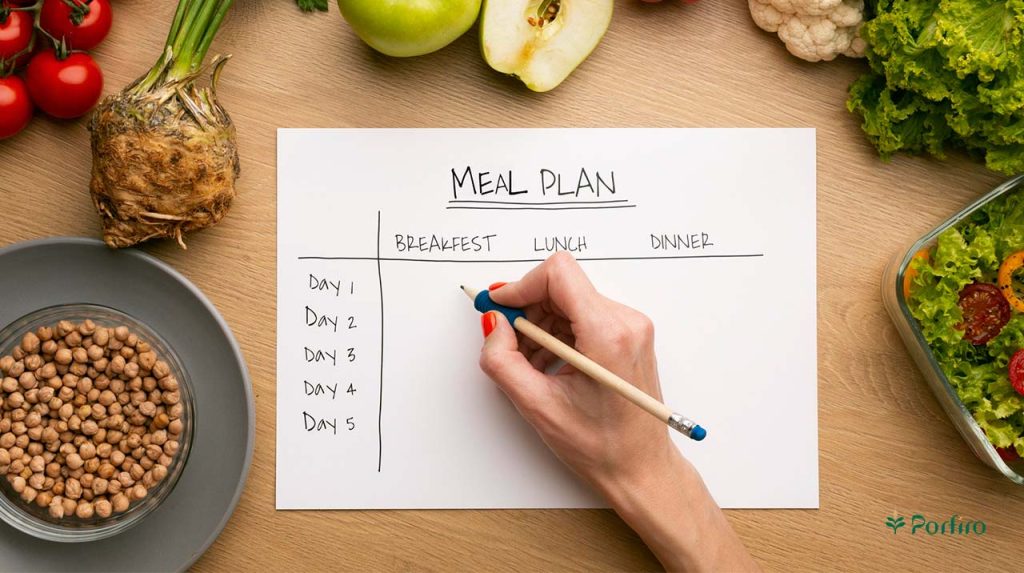
Healthy and balanced diets are necessary for the athletes to fulfill all the nutrition requirements. The food selection is necessary to enhance the nutritional quality by incorporating more whole food over the refined and processed foods. In general, the promotion of health is enhanced by the habit of selecting whole grains and other fiber-rich carbohydrates as part of the daily diet.
However, immediately pre- and during strenuous exercise and competition, some athletes may want to ingest fewer fiber-dense, simpler carbohydrates to supply the rapid energy needed without gastrointestinal discomfort. Following is an example of what an athlete may eat in a day, at meal and snack times, to meet nutritional needs. Portion sizes and calories vary depending on gender, weight, and activity level:
- Breakfast: Boiled or scrambled egg with smoked salmon, fresh spinach, and whole grain toast or muffins.
- Lunch: Grilled chicken breast with cubed tofu or over brown rice, steamed broccoli, green beans, and tomatoes lightly sautéed in oil.
- Dinner: Baked sweet potato topped with sliced turkey, chili beans, or both, served with a salad of arugula, peppers, and avocado drizzled with olive oil and topped with flaxseeds.
Snacks are an integral part of how athletes meet the requirements for calories and nutrition and sustain energy throughout the day. Examples include:
- Carrot sticks with whole grain pita and hummus for dipping
- Smoothie made with protein powder and fruit
- Whole grain crackers with cheese or canned tuna
- Greek yogurt with mixed berries, nuts, or granola
- An apple or banana spread with almond butter or peanut butter
Best Diet Plans for Athletes
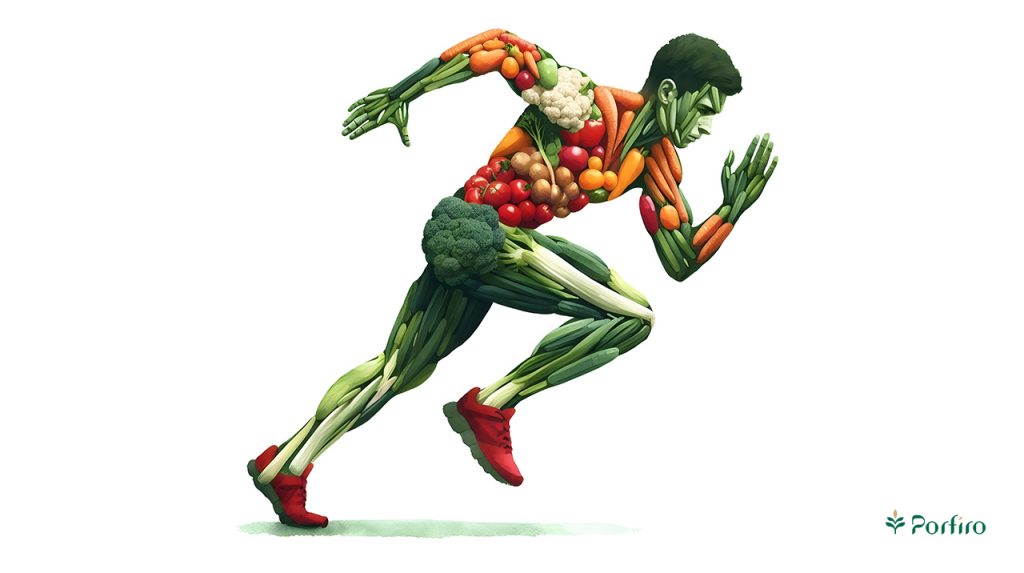
It is tricky to find a diet plan that is safe and effective, let alone for athletes. This is because what you put on your plate can make an immense difference in your physical performance; therefore, you need to work in tandem with your goals of fitness. Fortunately, numerous diet plans and recipes exist that showcase suitable options for every athlete. The diets below meet the following criteria:
- Healthy overall: These diets are well rounded and provide a lot of nutrients, hence being quite helpful to the athletes.
- Sustainable: It’s safe for one to follow these diets for longer periods of time. They do not constrain the people on them too much.
- Effective: Their effectiveness and certain benefits that they can have with athletes have been observed in studies on these diets or aspects of the same.
- Easy to follow: They boast relatively simple rules, which are easy to follow.
1. Mediterranean Diet: The Best Diet for an Athlete

The Mediterranean diet draws inspiration from traditional eating patterns of countries such as Italy, Spain, and Greece. Processed foods are limited, while a generous intake of fruits, vegetables, and whole grains is recommended, along with healthy fats-inspiring foods for the heart (heart health and suitable foods for it), such as olive oil, nuts, and seeds. These foods are rich in many nutrients, including iron, magnesium, and calcium, which are particularly useful for athletes. Further, several studies have found an association between adherence to the Mediterranean diet and athletic performance and fitness. For more details regarding the Mediterranean Diet, including menus and recipes, here:
Everything about the Mediterranean diet
2. The Flexible Diet: The Best Diet for Male Athletes

Sometimes also referred to as semi-vegetarianism, this type of diet is focused on plant-based foods. Fruits, vegetables, whole grains, legumes, nuts, and seeds are common in a flexible diet; however, unlike vegetarian diets-what is vegetarianism and what do vegetarians eat? -or vegan diets-what is veganism and what do vegans eat? -it allows the inclusion of moderate amounts of animal products like meat, fish, and poultry.
A review noted that vegetarian diets probably have very positive effects on body composition, blood flow, inflammation reduction, and glycogen storage-a complex carbohydrate stored in the muscles and that’s quickly used for energy. Because it is less restrictive compared to more common vegetarian diets, you may more easily achieve your protein needs for muscle building in conjunction with resistance exercise. It can also aid in reducing many risk factors for heart diseases. This takes on an added significance for men due to the potential of heart problems being more prevalent in them.
3. The Optimal Diet for Female Athletes: The DASH Diet
The Dietary Approaches to Stop Hypertension, or more widely known as DASH, has been recognized as a heart-healthy eating plan that was originally developed by the National Institutes of Health. This diet is full of whole nutrients such as fruits, vegetables, lean proteins-the importance of protein for the body; best, worst, and all about it-whole grains, and low-fat dairy products.
Besides being full and complete, the DASH diet can be most specifically and uniquely valuable to female athletes as women are often highly vulnerable to bone disorders such as osteopenia and osteoporosis, which is a loss in bone density. As a matter of fact, the DASH diet encourages its followers to include calcium-rich foods such as low-fat dairy products in their diet in order to facilitate bone health. Surprisingly, some studies prove that a DASH may actually increase bone density.
4. Diet for Muscle Gain: The Paleo Diet
The Paleo diet is based on the apparent dietary lifestyle of paleolithic hunter-gatherers. While it is full of animal proteins, fruits, vegetables, and healthy fats, there are no processed foods, grains, legumes, sugars, or most dairy products in it. Because the typical makeup of this kind of diet is so high in proteins, it might be of great benefit as a muscle-enhancing diet, provided one engages in dynamic strength training at the same time.
In fact, many studies have shown that high protein intake can even lower fat mass and enhance body composition. There are a couple of ways to modify the Paleo diet if one finds it too restrictive or hard to follow: Paleo modifications include those that add gluten-free grains and butter.
How to Opt for the Best Diet for Athletes
With all the diet plans and recipes available, a choice of which may work for you can easily be overwhelming. When you decide which type of program to pursue, consider whether you want a more flexible option or one that is quite structured and specific about which foods are allowed and not allowed. It is also important to find a plan that suits your food preferences and dietary restrictions. Be sure that your diet will also fit your athletic needs.
As an example, endurance athletes may require higher carbohydrate intakes, while higher protein intakes would favorably promote the development of muscle mass in conjunction with resistance training. Finally, avoid programs that are too restrictive. Besides making it more difficult to meet your nutrient requirements, adhering to them is also more cumbersome and less maintainable for longer periods.
All About Sports Nutrition in Diet for athletes
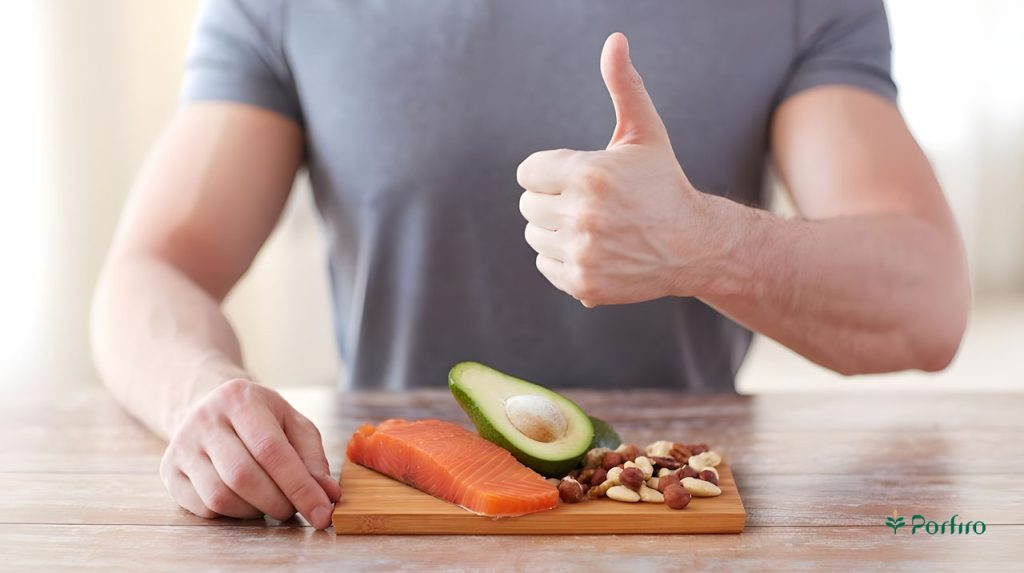
Sports nutrition is both the study and application of how nutrition can help support all elements of athletic performance. This will involve educating you on proper foods, nutrients, hydration protocols, and supplements in an effort to help you excel in sports. A key factor that distinguishes sports nutrition from general nutrition is that athletes may have different needs for certain nutrients at different times compared to the non-athlete. Sports nutrition is closely related to the athletic development areas of training and can greatly improve performance.
Fundamental Sports Nutrition Recommendations
General recommendations for sports nutrition are fairly specific and rely on a number of factors: sport, position, training experience, and season/off-season. However, a lot of sports nutrition recommendations can be generalized to apply in most athletes, regardless of sport type. To help fuel high-level training or competition, base your diet on a range of nutrient-dense foods from the five main food groups:
- Fruits
- Vegetables
- Grains
- Low-fat dairy and alternatives such as almond milk
In general, foods chosen should be minimally processed to maximize nutritional values. You also don’t want to add too many preservatives or take in too much sodium in the form of salt. Having foods labeled “convenience” foods is fine every once in a while, just make sure the macronutrients fall into your goals.
High-Performance Sport Nutrition Plan in Diet for athletes
- High intake of a wide variety of fruits and vegetables to provide the essential vitamins and minerals and major phytochemicals.
- Shift towards whole grains away from refined grains and make at least half of your grain’s whole grains.
- Do include lean protein sources such as chicken, fish, turkey, eggs, soy products, and meat alternatives in your diet.
- Increase intake of low-fat dairy or dairy alternative.
- Instead, use above-mentioned oils like olive oil instead of butter and margarine to increase your intake of healthy fats. Increase the intake of wild fatty fish like salmon to keep the intake of omega-3 proper; if you are not consuming fish, then find plant-based sources of omega-3, such as chia seeds and walnuts.
- Emphasize potassium-rich foods, fiber, calcium, and vitamin D, as these are the nutrients that tend to be less abundant in typical diets.
- Mastery of these nutrition fundamentals goes a long way toward creating a high-performance diet that will help you power your training with nutrition.
Meal Timing and Nutrient Intake in Diet for athletes
Other major variables that you would want to optimize in your sports nutrition are timing, or at what time you are ingesting a meal or a nutrient relative to training or competition. Timing of your meals around training or competition may help support recovery and tissue repair, enhance muscle building, and support a good mood Food for your mood: how what you eat affects your mental health after high-intensity exercise. For optimal muscle protein synthesis, the International Society of Sports Nutrition ISSN recommends a meal containing 20 to 40 grams of protein every 3 to 4 hours throughout the day.
This is because protein consumption is necessary up to 2 hours after a hard training session, when the rate of protein synthesis is significantly raised. Another thing you may want to do is replenish carbohydrates after a hard exercise. You may want a 30- to 60-gram dose of some simple carbohydrate source within 30 minutes post-exercise. For some endurance athletes practicing for more than 60 minutes in the training sessions or competitions, ISSN suggests taking 30 to 60 grams of carbohydrates during every hour of the exercise session for maximum energy. However, in case your hard work out is less than 1 hour, you may just wait until the end of your session for replenishing your carbohydrate stores.
Hydration Needs for Athletes

Hydration status is one of the most critical aspects of sports nutrition where a difference can be made in performance. During exercise, you lose fluids and electrolytes through the form of sweat, for this is how your body regulates its temperature. In high-intensity exercise, fluids and electrolytes need to be replaced to avoid mild to possibly severe forms of dehydration.
Special attention should be given to hydration status by athletes when training or competing in hot conditions, as high temperatures easily deplete body fluids along with electrolytes. To help avoid dehydration, it is best to pre-empt and drink at least 16 ounces-half a liter-within 2 hours before the intense training session or competition. Athletes should drink 6 to 8 ounces of fluid every 15 minutes during a rigorous training session to keep the fluid balance in their bodies.
How Much to Drink: A general way to estimate fluid intake needs is to simply weigh oneself before and after exercise. Each pound (0.45 kg) of body weight lost equals 16 ounces (half a liter) of fluid loss. You should drink an equal amount of fluid for rehydration prior to your next exercise. It is also necessary to take in some electrolytes during and after a prolonged exercise in order to avoid dehydration.
You can replace electrolytes by taking sports drinks and consuming food with high levels of sodium and potassium. Many sports drinks do not have enough electrolytes; thus, some people prefer other options. Many companies also manufacture electrolyte tablets, which you can put in water to give you the right amount of electrolytes to be hydrated.
Healthy Sports Snacks in Diet for athletes

There literally are hundreds of snacks that will replenish your energy stores without leaving you full and lethargic. A good snack is one that is balanced and has a good macronutrient profile. Here are some examples of pre- and post-event snacks:
- Whole grain bread sandwich (e.g., turkey, egg salad, tuna, nut butter and jelly or low-fat grilled cheese)
- Apple slices with nut butter
- Toast with hard-boiled eggs
- Pita chips and bell pepper with hummus
- Greek yogurt with granola
- Whey protein bars Chia pudding
- Low sugar cereal mixed with protein powder and milk
- A salad with a form of protein, such as chicken
- A protein smoothie
- A piece of fruit and a stick of low-fat cheese
For snacking before working out, stick with low-fat foods because these are digested faster, and will not make a person feel as full. After exercise, it’s important to have a snack with an appropriate dose of protein and carbohydrates for glycogen replacement and muscle protein synthesis.
Supplements in Sports
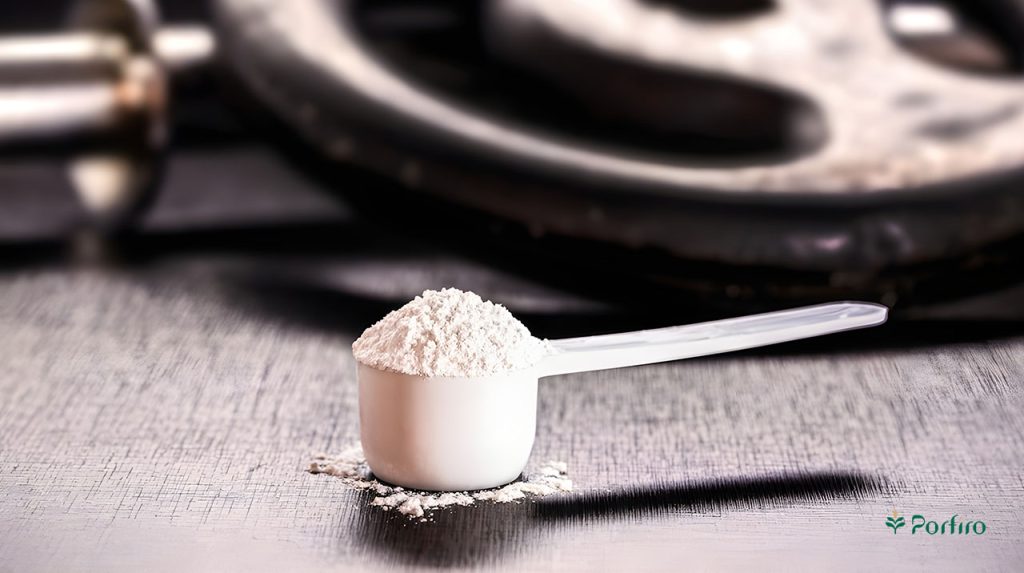
It is usually recommended that the bulk in diet for athletes consist of whole foods. They provide the proper balance of energy, nutrients, and other bioactive compounds present in foods, commonly not available in supplement form. That said, since athletes have much greater nutritional needs than most people, supplements can be used to help meet those needs when such shortfall is present in the diet. Following are some of the best scientifically supported supplements common among recommendations by sports nutrition professionals:
1. Protein Powder
Some isolated forms of proteins include whey, egg white, pea, brown rice, and soy, among others. Generally, a serving size could provide up to 10 – 25 grams of protein. This is a good dosage of protein that one could easily consume. According to evidence, supplementation of protein during training enables recovery and lean mass increase. Addition of protein powder to oatmeal is a good way to slightly increase the protein content according to some personal preferences.
2. Carbohydrate Powder
Carbohydrate supplements will help keep your energy levels high, especially if you are doing endurance sports that exceed more than an hour long. These concentrated forms of carbohydrates contain about 25 grams per serving of simple carbohydrates, while some contain added ingredients such as caffeine and vitamins. They come as gels or as a powder.
Gels must not be diluted with water. For many endurance athletes competing over long distances, the goal is to consume 1 carbohydrate energy gel with 25 grams of carbohydrates every 30-45 minutes during an over 1 hour-long session. Sports drinks may also contain up to an adequate amount of carbohydrates to maintain energy, but some athletes favor gels since it does not develop too much fluid intake during training and competitiveness – this can lead to gastrointestinal discomfort.
3. Vitamins and Minerals
Many athletes take a high-quality multivitamin that contains all essential vitamins and minerals as a precaution to ensure that nutritional deficiencies never occur. Doing so is probably a good idea for most people as the potential benefits of supplementation with a multivitamin outweigh the risks. Vitamin D is one vitamin that athletes are susceptible to deficiency and frequently choose to supplement, especially during winter months where availability of the sun is at a minimum.
This is commonly supplemented because low levels of vitamin D may impact athletic performance. Still, it is always best to first consult with a qualified healthcare professional and have laboratory tests done to verify that you actually need any certain vitamin or mineral.
4. Caffeine
Some studies indicate that caffeine increases strength and endurance for a large number of sporting activities such as running, jumping, throwing, and weightlifting. This is an effect attributed to the stimulating effects of caffeine on the brain, whereby a person perceives that less effort is used or the level of difficulty in work is lower.
So, most athletes take one strong cup of coffee before training in order to enhance performance. Others use supplements with artificially synthesized caffeine, such as those offered in pre-workout products. However, not everyone is for caffeine, and it can be damaging if taken in very large doses, particularly for people younger than 18 years of age. Whichever variety you decide to take, just make sure you start taking small doses. Providing your body tolerates it rather well, you can gradually increase the dosage.
5. Fish Oil
Omega-3 fats are a type of polyunsaturated fat promoted for their anti-inflammatory effects. Supplements of these healthy fats, often as fish oil, promote both exercise performance and recovery after high-intensity exercise. Clearly you can get omega-3s from foods, particularly from fatty fish, flaxseeds, chia seeds, nuts, and soybeans, but unless you are regularly eating these foods there is sense in supplementing with fish oil. Also available are plant-based omega-3 supplements for vegetarians and vegans.
6. Creatine
Creatine is a chemical your body manufactures from amino acids. It is also found in meat and fish but in lesser amounts. It assists in energy production during short sprints of high-intensity activity. The daily supplement at 5 grams of creatine monohydrate-the most common form-has proven to enhance strength and power output during resistance training and can even translate into athletic performance. This is the reason why most sports federations do not classify creatine as a banned substance-the effect is rather low compared to other compounds. Given its low price and thus wide availability, along with high research support, creatine supplements might be worth trying for some athletes.
7. Beta-Alanine (β-Alanine)
Beta-alanine is another amino acid-based ingredient, obtained by diet from animal sources such as beef and chicken. In the human body, beta-alanine is a rate-limiting amino acid for the synthesis of carnosine, an acid buffering agent in working muscles during intense exercise.
The best-known benefit of beta-alanine supplementation is for exercise performances lasting from 1 to 10 minutes. It can, for example, help athletes like middle-distance runners and swimmers. Recommended dosages according to reliable research sources are as high as 2.3 to 6.4 grams per day.
Others prefer to limit themselves to lesser doses of this supplement only as an attempt to prevent the adverse effect known as paresthesia, which in simple words can be explained as a tingling sensation in the limbs. In many aspects similar to creatine, beta-alanine also normally is not included into the list of banned substances and for most individuals is okay to consume, thus it might serve as a nutritional supplement for sportsmen.
Misconceptions About Sports Nutrition
And one of their responsibilities is to eradicate these misconceptions and provide the right information to the athletes. Three of the best myths about sports nutrition—and the actual facts behind them—are described as follows:
Myth 1: Taking protein supplements will make you big and bulky.
While protein intake is one of the most important factors concerning muscle building, taking a protein supplement by itself won’t yield massive gains in muscles. Instead, to achieve significant muscle hypertrophy, one needs to adhere to a resistance-training program for an extended period along with proper nutrition. Even so, keeping in mind a host of determining factors, like genetic predisposition, sex, and body size, you probably won’t appear muscular.
Myth 2: Eating before Bed Causes Weight Gain
The other most common myth in sports nutrition is that food intake near bedtime leads to fat accumulation because people believe that since they are lying down, the body requires less calories and this automatically makes the body deposit the food as fat. While that is true, and your body does burn fewer calories at rest, that doesn’t mean food will automatically be stored as fat. Rather, there are a great deal of metabolic processes running, even when you’re sleeping. If you want to keep fat gain at bay, you should pay closer attention to the type of foods you consume close to bedtime. For instance, taking two slices of pizza before bed will probably lead to more fat accumulation, as compared to having a cup of cottage cheese or Greek yogurt.
Myth 3: Caffeine consumed before workout dehydrates the person
The potential for coffee to cause dehydration is much maligned. Based on the current evidence, it shouldn’t be. It’s understandable for athletes to pay close attention to their hydration state because the loss of body water and salts through sweat can certainly impact fluid balance. But unless you fail to pay attention to other fluid intake, having a cup of coffee before your workout won’t cause a problem.
The Role of Pistachios in Athlete Nutrition
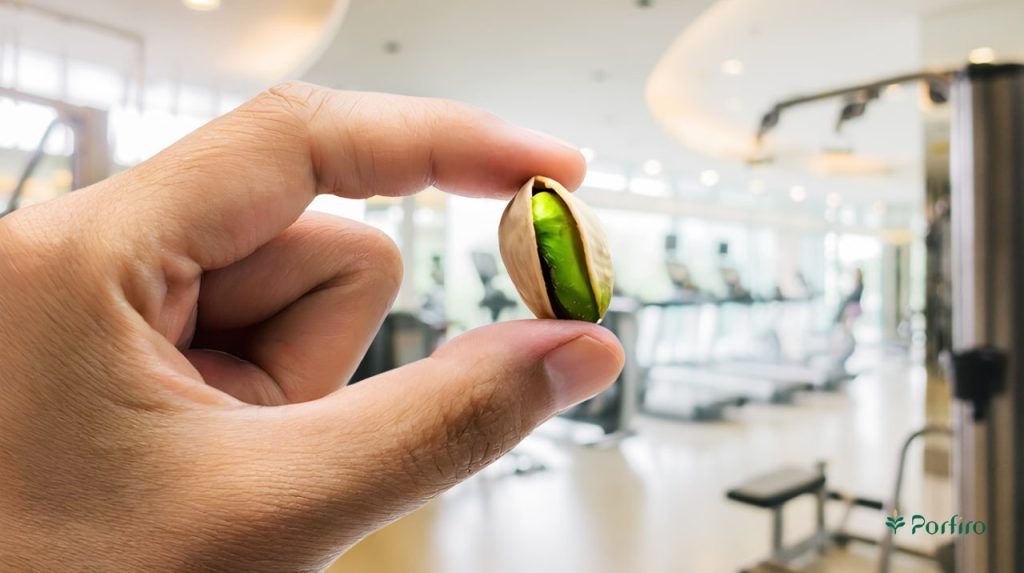
Planned dietary practices help athletes train hard, stay healthy and injury-free, and maximize their performance. As previously mentioned, an ideal sports diet should include balanced portions of macronutrients (proteins, carbohydrates, and fats), micronutrients (vitamins and minerals), and fluids. Nuts and seeds are health-promoting foods that also play an important role in nutrition. These incredibly crunchy and satisfying snacks are sources of fiber, protein, high-quality fats, and antioxidants. They are rich in essential vitamins and minerals.
Nuts and seeds are portable, versatile, and environmentally friendly. As a good source of plant-based protein, nuts and seeds are suitable for vegetarian athletes to meet their nutritional needs. Adding nuts like pistachios to salads, smoothies, desserts, or any food preparation brings a wide range of heart-protective properties, blood sugar reduction (everything about diabetes; the easiest way to manage this disease), anti-aging (what is natural aging?), gut health (beneficial gut bacteria and pistachios), anti-inflammatory, and anti-cancer (breast cancer and nutrition principles) benefits to the body.
Pistachios are edible seeds from the tree species Pistacia vera (30 Heavenly Branches: The Story of the Pistachio Plant) that contain a wealth of nutrients that promote heart and gut health, control blood sugar (men and type 2 diabetes), blood pressure, and cholesterol (high cholesterol and proper nutrition) levels, and are beneficial for weight loss (weight loss challenges, suitable foods for it, and everything you need to know). These green nuts contain protein, antioxidants, and fiber. Pistachios have been consumed by humans since 6000 BC.
Here are some reasons why these nuts make a healthy snack choice for athletes:
Pistachio Protein
Pistachios are a good source of plant-based protein (21 grams per 100 grams). They also contain a relatively higher amount of essential amino acids compared to other nuts. L-arginine, one of the amino acids found in this nut, plays a key role in dilating blood vessels by converting into nitric oxide, which improves blood circulation in athletes. The combined intake of carbohydrates and protein along with antioxidants aids in the repair and recovery of muscles from exercise-induced damage. Consuming a handful of pistachios along with any other “carbohydrate-rich” meal 15 to 20 minutes after exercise makes for an ideal snack for athletes.
Antioxidants in Pistachios
Oxidative stress and inflammation are the main reasons for performance decline among athletes, leading to reduced muscle activity and delayed recovery. Antioxidants are known to assist in muscle recovery. Pistachios contain a significant number of antioxidants such as gamma-tocopherol (a type of Vitamin E), polyphenols, and carotenoids lutein and zeaxanthin. Lutein and zeaxanthin give nuts their green color and promote eye health by reducing the risk of age-related macular degeneration (what you need to know about vision loss). The good news is that about 90% of antioxidants like lutein, beta-carotene, and γ-tocopherol found in pistachios are well absorbed in the intestine.
Vitamins in Pistachios
Pistachios are a source of vitamins A, B (except B12), E, and minerals potassium, copper, magnesium, and phosphorus. B vitamins play a key role in energy metabolism and hemoglobin formation (what do you know about anemia? The benefits of dates, pistachios, and almonds), facilitating oxygen transport during exercise, which is beneficial for athletes.
Potassium (K) (the importance of potassium for health and the value of almonds) is an important electrolyte for athletes that regulates total body water and muscle contractions. During intense exercise, potassium is lost through sweating, leading to fatigue and muscle weakness. An ounce of pistachios contains as much potassium as half a banana, helping to replenish potassium stores in the body when paired with proper hydration. Magnesium and phosphorus, also minerals found in pistachios, enhance bone mineralization, muscle relaxation after contraction, and improve aerobic capacity among athletes. Pistachios also contain zinc and selenium, powerful antioxidants important for muscle repair and recovery (the power of pistachios).
Pistachio for Weight Management
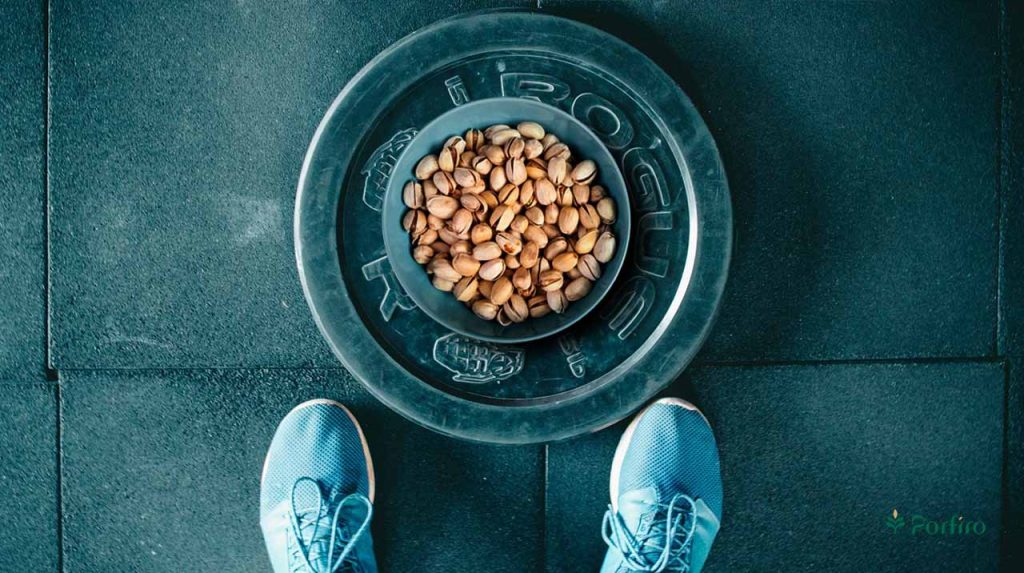
Nuts are the most energy-dense foods on Earth, but pistachios fall at the lower calorie end. Many promising studies have indicated that pistachios can play a substantial role in body weight management-that is, weight loss, excluding falling prey to fad diets-for athletes and active individuals. One such 12-week weight loss program demonstrated that afternoon snacking with 53 grams of pistachios gave a BMI reduction twice that caused by afternoon snacking with 56 grams of pretzels amongst the participants of the weight management program.
Pistachios are packed with proteins and fiber, which generate a feeling of fullness to avoid excessive eating. In addition, there is more thermogenic effect produced by MUFA and PUFA in pistachios, which leads to less accumulation of fat in the body. More proof indicates that nut fats are not well digested; therefore, calories from pistachios are comparatively much lower than expected.
Pistachios for Blood Glucose Regulation
Consuming a low GI (glycemic index) carbohydrate food before exercise has been recorded to prevent early fatigue in athletes and positively affect performance. Low GI meals (what is glycemic index and how to use it) improved carbohydrate availability and increased the endurance of cyclists performing moderate-intensity exercise. Because of its great protein, fats, and fiber, pistachio nuts avoid severe rises in blood glucose levels and allow for sustained energy during the exercise session. When pistachios are eaten with high carbohydrate foods-like pasta, rice, or white bread-the extent of blood glucose post-meals is considerably lowered.
Generally speaking, pistachios can be one of the best recovery snacks pre- and post-exercise. The various ways through which pistachios can be well enjoyed include as a topping in salads, as a snack, topping of pizza, and as desserts or even during baking. This nut can also be used to make nut butter or added in smoothies, porridge, breakfast cereals, granola, or eaten as shelled pistachios. Organic pistachios from the Porfiro brand are free of pesticide and toxin residues; hence, they are very suitable for athletes.
The nutritional demands for athletes differ from the general population. They may require more calories and macronutrients to foster strength and energy for competing at the best of their capacity.
10139