


Food Poisoning: Hidden Secrets and Simple Prevention Tips
General Information- 1Common causes of food poisoning and their duration
- Norovirus
- Non-typhoidal Salmonella
- Clostridium perfringens
- Campylobacter species
- Parasites
- Listeria monocytogenes
- Escherichia coli (E. coli)
- 2Preventing food poisoning
- 36 Foods That Can Cause Food Poisoning
- Eggs
- Meat
- Food Preparation
- Fermented Foods
- Seafood
- Unpasteurized milk and cheese
- 4Treatment of food poisoning
- 5Preventing food poisoning
- 6The difference between a stomach virus and food poisoning
- Stomach Virus vs. Food Poisoning
- Comparison Of Symptoms
- Diagnosis
- Treatment of Each
- Prevention of Each Stomach Virus:
- 7Food poisoning during pregnancy
- Symptoms of Food Poisoning in Pregnancy
- Food poisoning or stomach viruses?
- Food poisoning versus morning sickness?
- Risks
- Home Treatment of Food Poisoning
- Preventing Food Poisoning
- When To Call A Doctor
- 8Food Safety Tips
- Cleanliness:
- Separate:
- Chill:
Food poisoning occurs when one consumes food that contains bacteria, viruses, or other germs that have the potential to make them sick. There are a couple of dozen microbes that can cause food poisoning; however, some of the most common ones are salmonella and norovirus. E. coli is less common but tends to have worse symptoms. Any food that is contaminated will result in food poisoning, but there are certain foods more prone to contamination than others.
Porfiro has attempted here in this article to provide full information on this topic so that by learning about every specific thing, you can protect yourself from the side effects of contaminated foods. However, Porfiro strongly recommends final diagnosis and treatment by medical experts and the purpose of this article is merely educational so that you are aware of issues and symptoms you need to look out for.
Common causes of food poisoning and their duration
Common causes of food poisoning include:
Norovirus
Norovirus is a viral disease found in fecal contaminated food and water. It is spread by contact with infected individuals or contaminated surfaces. Noroviruses account for 26% of foodborne hospitalization, often in food service institutions like restaurants where the infected individuals consume raw foods. Norovirus has no cure but will improve if the patient receives rest, plenty of fluids, and vitamins and minerals supplements. Symptoms of norovirus infection typically develop within 12 to 48 hours after becoming exposed and most times recover in a few days. Common symptoms include:
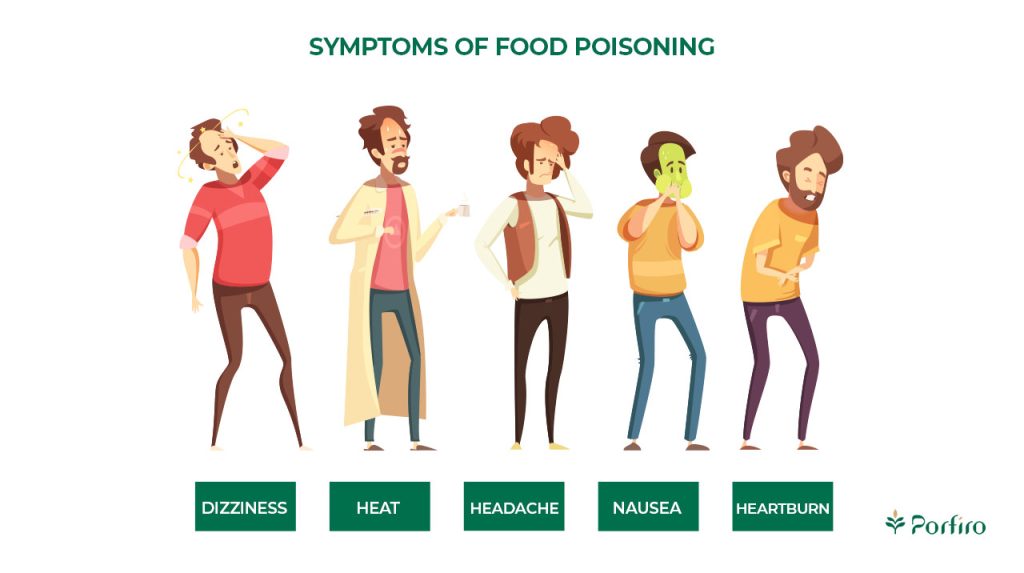
- Nausea
- Vomiting
- Diarrhea, usually prolonged and heavy
- Chest pain (albeit rarely included among the common symptoms but perhaps can be interpreted as generalized discomfort)
- Abdominal cramps
- Fever
- Chills
- Headache
- Fatigue or weakness
- Body or muscle ache
In its severe manifestation, norovirus can lead to severe dehydration. Untreated severe dehydration can lead to death. Symptoms of severe dehydration are:
- Dizziness on standing.
- Weakness.
- Severe tiredness.
- Dry mouth and throat.
- Reduced amount of urine passed.
- Muscle pain or weakness.
- Sore or sensitive dry eyes.
- Drowsiness, confusion, fewer tears in children
Non-typhoidal Salmonella
Non-typhoidal Salmonella is a major cause of bacterial diarrhea globally and is responsible for an estimated 94 million cases and 115,000 deaths annually. Salmonella is spread by fecal-contaminated food and water. Person-to-person and animal-to-person contact with infected individuals or animals also spreads the infection. Salmonella infections typically result in infectious diarrhea (gastroenteritis). Fever and cramps are the other typical symptoms. The symptoms can begin anywhere between 6 to 72 hours after exposure but usually between 12 to 36 hours.
Diagnosis is typically made from a stool specimen. In most cases, the only treatment recommended is sufficient fluid and rest. Most of the infections resolve in four to seven days. Severe infection or infection in high-risk patients such as infants, elderly, and immunocompromised patients can be treated with antimicrobial therapy.
Clostridium perfringens
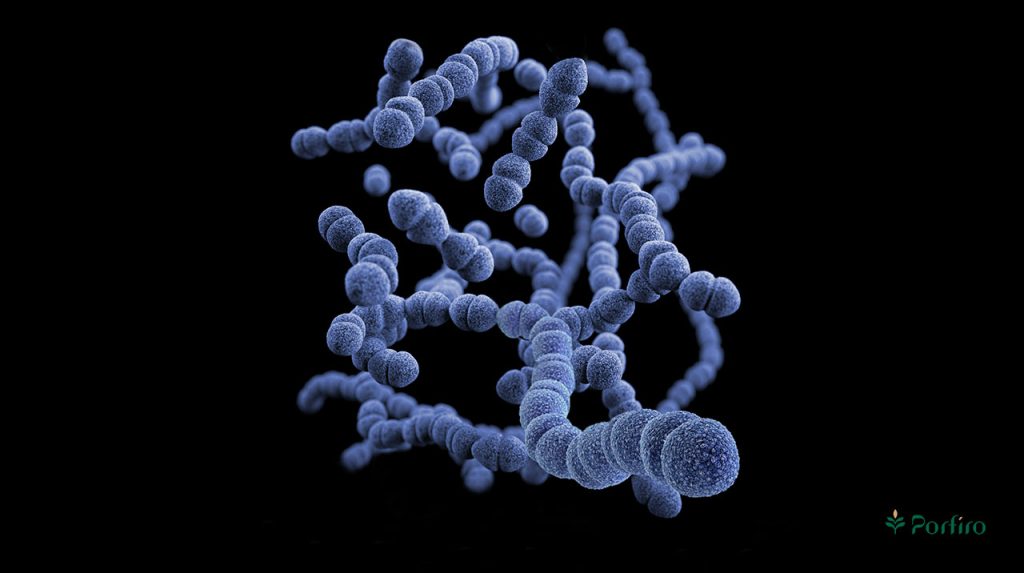
Clostridium perfringens is an organism that causes infection of human and animal guts. If one consumes a big amount, then it leads to illness. It is not transferred by touching the infected person as infection only comes from the eating of infected foods. Clostridium perfringens naturally occurs on raw meat and poultry products; it is transferred by pre-cooked foods which are not delivered at proper hotness.
Infection can be anywhere from six to twenty-four hours after exposure but typically takes eight to twelve hours. Abdominal cramps and diarrhea are symptoms; the majority do not develop fever or vomiting upon infection with this agent. Symptoms tend to come on suddenly and disappear within twenty-four hours. Rest and fluids are the treatment in the majority; intravenous repletion of electrolytes may be necessary for severe illness to prevent significant dehydration.
Campylobacter species
They are the leading cause of bacterial gastroenteritis, or stomach and small intestine inflammation, worldwide. They live in the intestines of warm-blooded animals, especially cattle and poultry, and are spread by the eating of meat and poultry products. They can also be spread by direct contact with infected animals. Infection occurs 1 to 10 days after contact. Infections are generally not severe and spontaneously resolve in 3 to 6 days. Most frequent are:
- Diarrhea
- Nausea
- Vomiting
- Fever
- Abdominal cramps or pain
- Headache
- Fatigue
- Dehydration
Treatment is rest and hydration. Children, older adults, and people with weakened immune systems may need medical attention.
Parasites
There are numerous parasites that can be transmitted via tainted food. Foodborne parasites with the highest frequencies are:
- Protozoa like Cryptosporidium species and Toxoplasma gondii
- Roundworms like Trichinella species
- Tapeworms like Diphyllobothrium
These parasites may be transmitted via feces from undercooked flesh and fish and raw vegetables harboring the parasite. The diseases vary with the parasite. Majority of them manifest through gastrointestinal syndromes, while others bring coughing, skin rashes, and nervous disorders.
Listeria monocytogenes
Less common than other foodborne diseases, Listeria monocytogenes infections are severe and usually require hospitalization. Approximately 1,600 people become infected with Listeria annually, and one in five people dies from the infection. Listeria infects babies, pregnant women, the elderly, and people with weak immune systems most frequently. Diarrhea is the first symptom of Listeria infection, as it is for most foodborne diseases. Symptoms typically occur within 1 to 4 hours after consuming food that is contaminated. If Listeria does spread, it can cause an invasive infection. Symptoms of invasive infection include:
- Fever
- Muscle aches
- Stiffness of muscles or joints, especially the neck
- Loss of balance
- Confusion
- Seizures
Listeria is diagnosed by a stool sample and treated with antibiotics.
Escherichia coli (E. coli)
The bacterium E. coli resides in the intestines of healthy human beings by default. Most strains of E. coli are harmless but some cause infection. Feces in food and water spread the bacteria as well as direct skin contact with carriers. The species E. coli initiates many types of symptoms:
- Diarrhea and hemorrhagic diarrhea
- Stomach cramps
- Low-graded fever
- Dehydration
- Urinary infections
- Respiratory infections
Most of the symptoms develop within 3 to 4 days of infection and resolve after 5 to 7 days. Treatment with recommended hydration and rest is usually sufficient; however, certain types of E. coli can lead to severe bloody diarrhea and dehydration that might need hospitalization or urgent medical care.
Preventing food poisoning
Food poisoning is preventable for the most part. Having good hygiene and cooking foods thoroughly are the simplest and best ways to prevent food poisoning. The minimum internal safe temperature to cook is the following (temperatures in Fahrenheit):
- Ground meat: 160
- Fresh beef, veal, and lamb: 145 (let stand 3 minutes)
- Chicken: 165
- Eggs: 160; cook eggs until the whites set
- Leftovers and casseroles: 165
- Fish: 145 or until flaky with a fork
- Shellfish: Heat until shells crack open by themselves
Prevention of food poisoning can be obtained through some of the following:
- Frequent hand washing
- Refrigeration of perishables within one hour and cooked ones within two hours
- Reheating food to the recommended temperatures of cooking
- Not touching mouth or face
- Washing fruits and vegetables before cooking and consumption
- Avoidance of cross-contaminating meats, poultry, milk products, fruits, and vegetables.
- Keeping diapers, dog waste bags, and cat feces away from preparation areas.
- Avoid small pools of standing water such as small ponds, lakes, or kiddie wading pools.
- Hand washing as frequently as possible around petting zoo animals.
6 Foods That Can Cause Food Poisoning
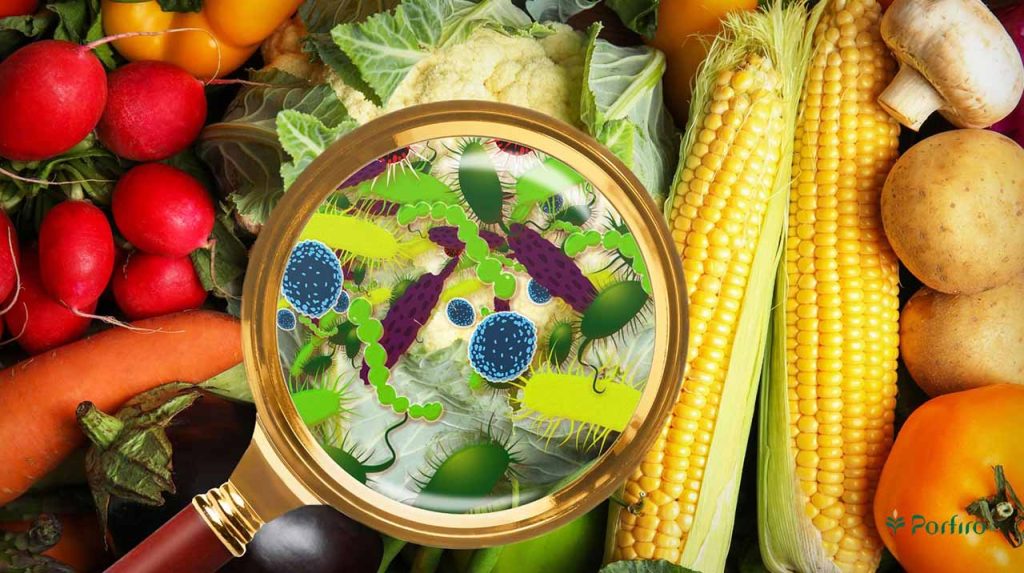
Scientists have isolated more than 250 foodborne illnesses. Bacteria causing the illnesses do well on some of the food. Handling food in certain manners is also very dangerous when it comes to food poisoning, such as when one is handling vegetables using a cutting board that has never been cleaned following the chopping of meat. Food with a high risk of food poisoning includes:
Eggs
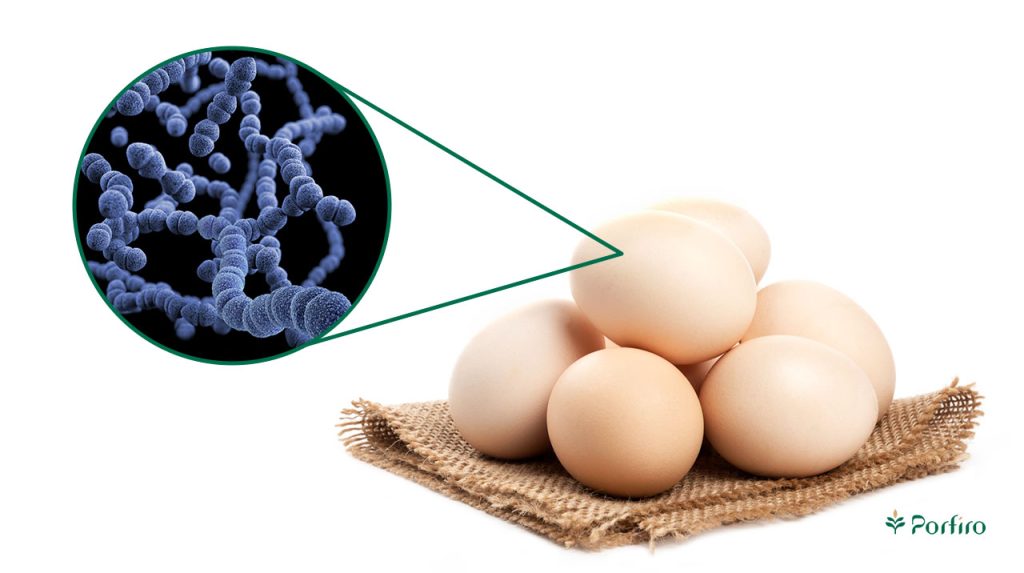
Salmonella, one of the microorganisms that commonly cause food poisoning, can contaminate eggs. The risk of contamination increases when someone consumes raw or undercooked eggs. Salmonella can infect eggs as they are laid from the body of birds. This infection can also contaminate the inside of eggs during their formation in the bird’s body.
Feces from infected birds can also affect eggs. Staphylococcus aureus (Staph aureus) is a bacterium that produces toxins in foods stored for extended periods in refrigerators. Although cooking food can eliminate most bacteria, Staph aureus toxins remain and may still cause illness. To reduce infection risk, store eggs at 40°F (4°C) or below in refrigerators. Do not use cracked or damaged eggs and cook them thoroughly until yolks are set hard. For dishes requiring semi-cooked eggs, use only pasteurized eggs. Any meal containing raw egg or mayonnaise-based sauces should be refrigerated within two hours after preparation.
Meat
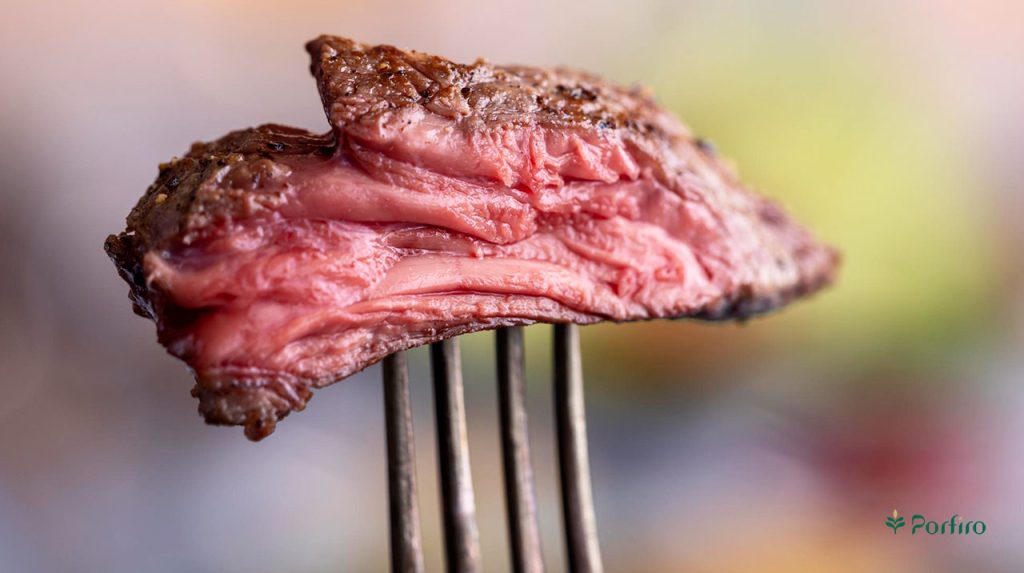
Meat, especially raw or undercooked meat, can carry a wide range of foodborne diseases such as Salmonella, E. coli, Clostridium perfringens, and Yersinia. Contaminated meat can also cross-contaminate other foods. To reduce cross-contamination risks:
- Wash your hands after handling raw or undercooked meat.
- Do not store raw meat near other foods.
- Thoroughly wash utensils used for preparing meat.
- Cook meat to completion using a thermometer.
- Refrigerate leftovers promptly.
Cooking meat at high internal temperatures eliminates most pathogens; however, required temperatures vary by type of meat.
Ensure that cooked meats are refrigerated within two hours after preparation and keep them cool if consumed outside to prevent Staph aureus infections.
Food Preparation
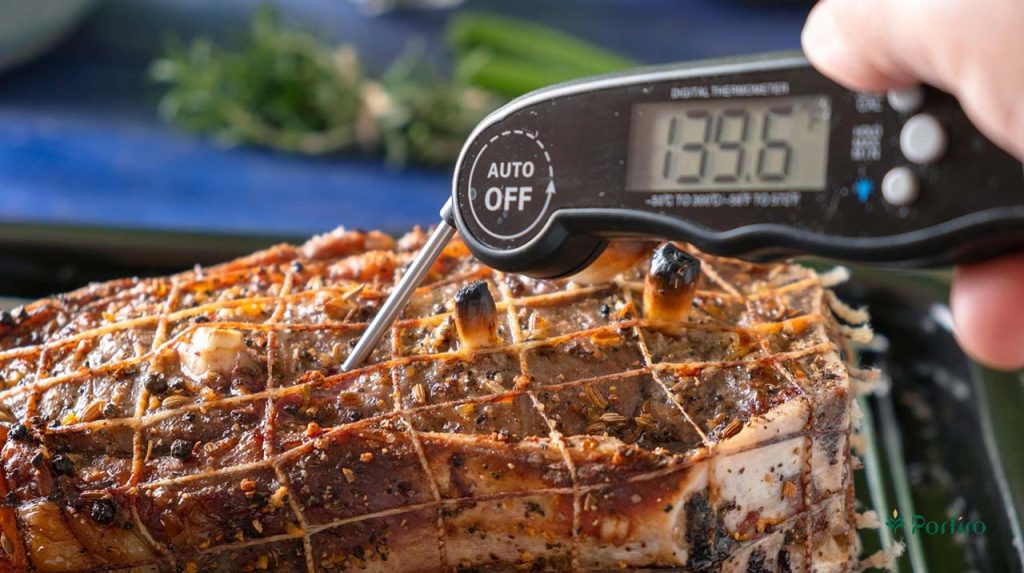
Some products responsible for food poisoning are infected during the process of food production. Leafy greens, fruits, and sprouts can carry pathogens such as Listeria, E. coli, and Salmonella. Sprouts are a frequent source of illness themselves because they are grown in warm and moist environments-the kind of environment conducive to the growth of bacteria and most other microorganisms.
Sprouts may pose a health concern for pregnant women and others susceptible to severe foodborne illnesses. To minimize chances of foodborne illness:
- Wash all fruits and vegetables.
- Keep peeled or cut products in the fridge within two hours of cutting, or one hour under conditions of 90°F (32°C) or higher.
- Keep fruits and vegetables separate from raw foods, especially raw meat.
Fermented Foods
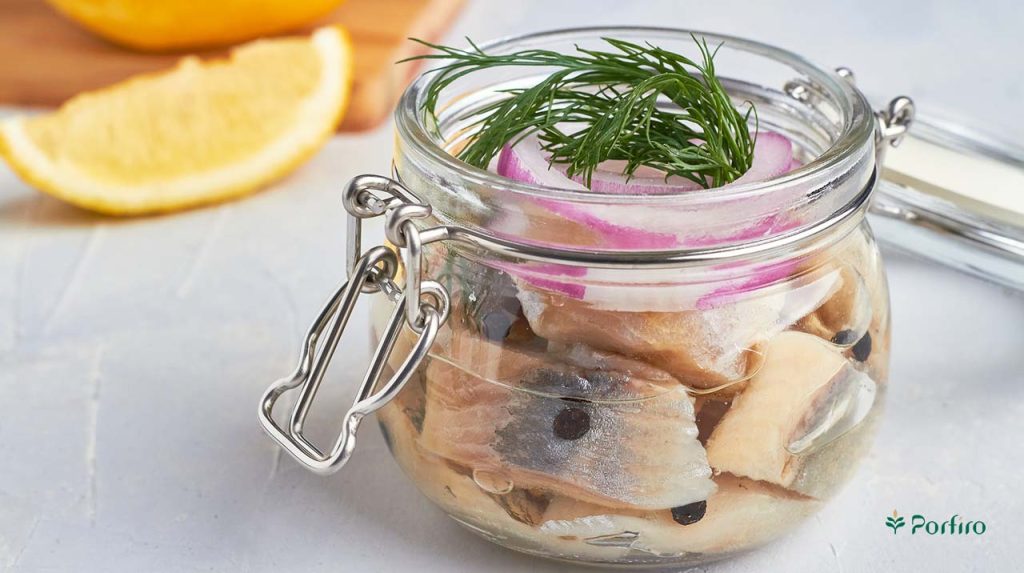
Fermented foods include beneficial different strains of bacteria to flavor various cooking components. Fermented foods are generally good for consumption, but issues with the fermentation process could lead to the entrance of harmful bacteria in the food. Unfortunately, one of the worst problems linked to fermented foods is infection with botulism. The effect of botulinum toxin is paralysis of the nervous system and can kill if it is untreated.
Most botulinum outbreaks have resulted from the consumption of very little acid home-canned foods, namely:
- Green beans
- Asparagus
- Corn
- Beets
- Potatoes
Fermented fish and seafood are a common cause of botulism outbreaks in Alaska.
Thus, avoidance of these fermented foods can decrease food poisoning risks. When you can homemade oils, be sure to store the leftover canned oils in your refrigerator.
Seafood
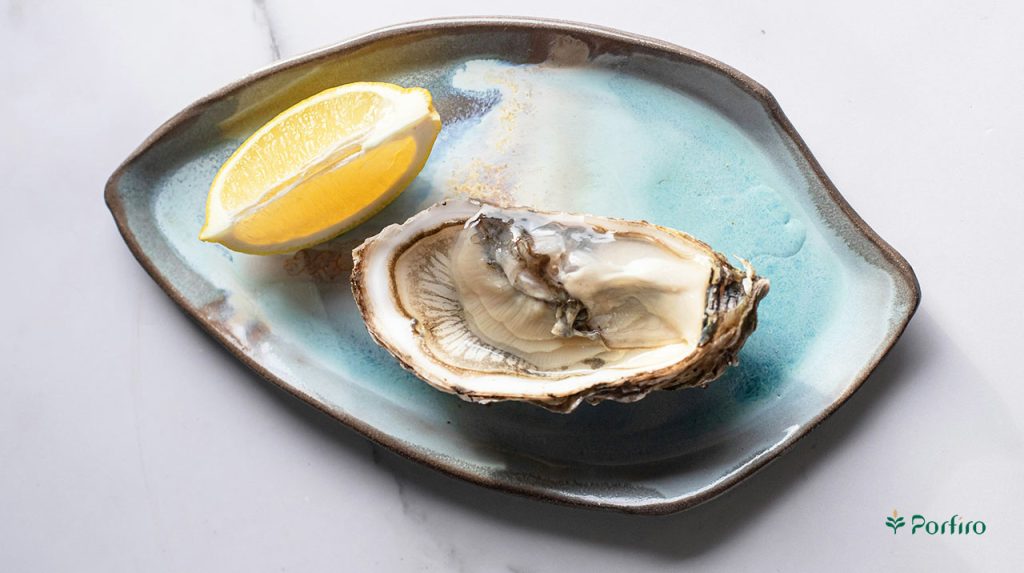
Seafood can cause many types of food poisoning, including Listeria and Salmonella disease, especially those served raw or undercooked shellfish. The other foodborne illnesses flowing from shellfish consumption include an infection called Vibrio or vibriosis. Some of these infections end up causing severe, potentially life-threatening wounds; some people have termed Vibrio vulnificus the “flesh-eating bacterium” because it kills tissue surrounding wounds.
To reduce the risk of V. vulnificus, one should wash their hands when handling seafood. Persons at high risk for foodborne diseases should completely avoid raw or undercooked seafood. For safety reasons, resolve not to partake of seafood harvested from locations that have recently experienced Vibrio vulnificus outbreaks.
Though it is possible to get vibriosis from eating raw shellfish at any time of the year, most cases of infection seem to occur in warm months ranging from May to September.
Unpasteurized milk and cheese
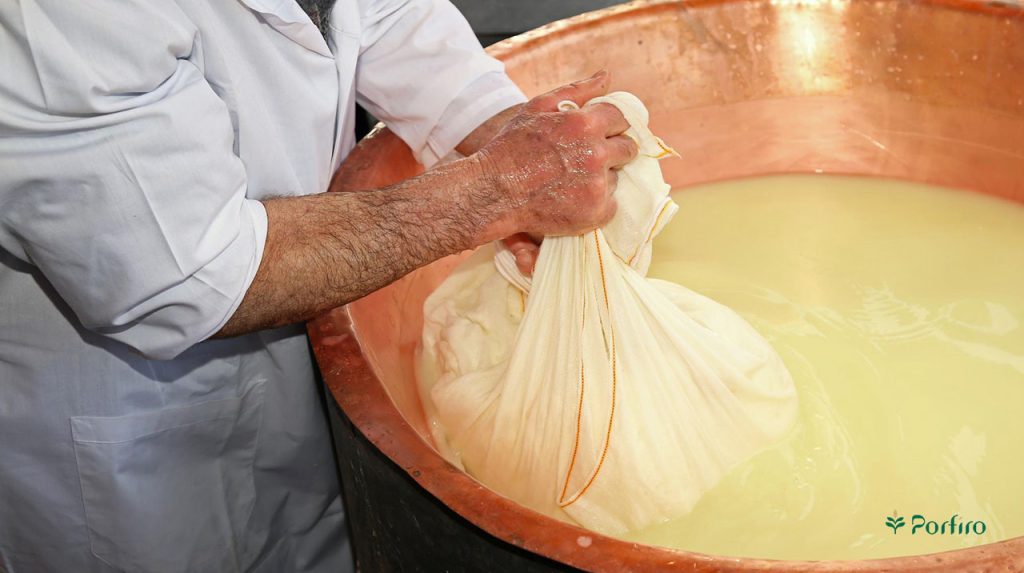
Soft cheeses and raw or unrefrigerated milk are all sources of organisms such as Listeria. Women in pregnancy and other persons at risk for foodborne illnesses should completely abstain from higher-risk foods. Washing hands before and after consuming non-pasteurized foods would mitigate the effect of exposure, just as eating soft cheeses made of pasteurized milk would greatly reduce the risk of infection.
As homemade products are sold at farmers’ markets, these might not have been properly pasteurized or stored. Hence, be cautious when buying such products and inquire about food safety. Dairy products and other meals with dairy, preserved at room temperature, could also prove conducive to the growth of Staph aureus and lead to foodborne illnesses.
Make sure to refrigerate perishable foods and dairy-containing meals within two hours of preparation in temperatures ranging from 35F (1.6C) to 40F (4.4C).
Treatment of food poisoning

Therapies for food poisoning depend upon the infection type. Softer forms of food poisoning may heal on their own, mostly in otherwise healthy adults. Children, seniors, and pregnant women may be prone to a more severe illness and should always see a physician at the onset of symptoms suspected to be due to food poisoning.
Most of the treatments are primarily geared towards controlling symptoms and preventing dehydration. At hospitals, doctors generally treat with IV fluids and medications to control vomiting.
Most of the time, the people at home drink electrolyte solutions, drink lots of water, and get lots of rest. Sports drinks cannot replace electrolytes lost; rather, they should not be used in treating food poisoning.
Preventing food poisoning
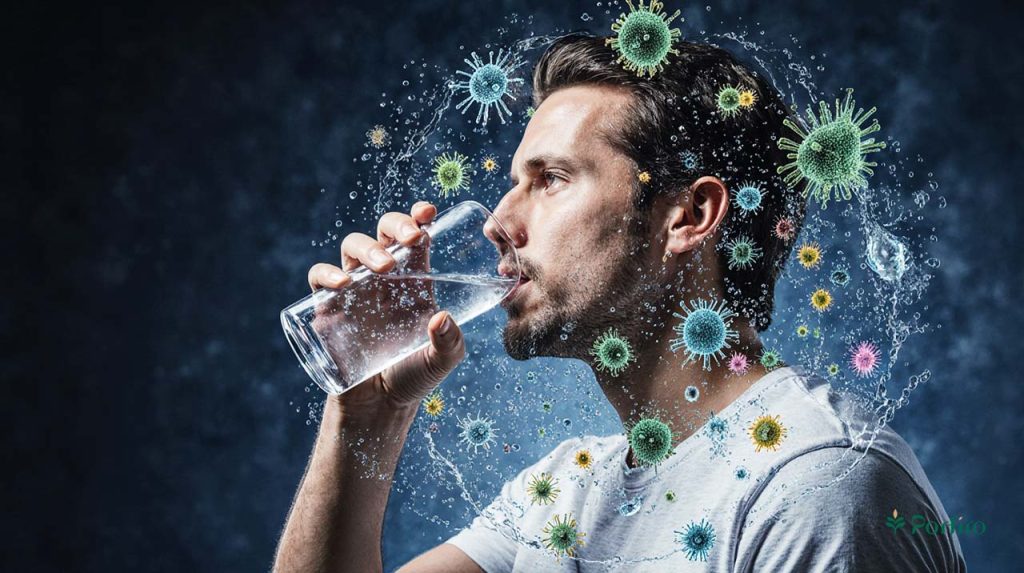
It is safe to work with food in a way that prevents food poisoning. For the purpose of minimizing risks, people should:
- Cook foods that are most likely to be subject to food poisoning and have more potential to lead to illness if eaten raw.
- Avoid eating foods that have the potential to hold food poisoning risk. This should be noted if a person has a weak immune system or if a person tends to get ill.
- When washing all cutting boards and surfaces, use a separate one for different foods so that there would be no cross-contamination.
- Clean and sanitize surfaces where food is handled.
- Wash hands before cooking, before consumption, and when changing from one food to another.
- Prepared foods must be refrigerated at 35 to 40°F (1-4°C) within two hours of preparation.
- Don’t leave food out for more than two hours.
The difference between a stomach virus and food poisoning
A stomach virus, or what people wrongly refer to as the stomach flu, is actually a viral infection of the digestive tract, while food poisoning denotes a bacterial infection from consuming food. They may cause abdominal symptoms.
Bacterial and viral infections exhibit symptoms such as nausea, vomiting, and crying diarrhea, among others, and stool tests may differentiate between them.
Stomach Virus vs. Food Poisoning
The largest diverse family of viruses that infect the digestive system is popularly referred to as the stomach virus. Some people will refer to this as stomach flu, although this is a rather misleading name since influenza attacks the respiratory system. Instead, the more appropriate name for this condition is viral gastroenteritis. Viruses of many kinds are involved. Stomach viruses can be transmitted through various methods:
- Consuming food or drinks contaminated with the virus.
- Direct or indirect contact between the mouth and an infected person or a surface containing the virus.
This virus is also present in the vomit and feces of those who are infected.
Food poisoning, on the other hand, is the act of eating contaminated food. The bacteria, viruses, or less frequently parasites may get into the body via spoiled or improperly prepared foods and may cause the symptoms of gastroenteritis. Below, we shall compare certain features and enter into more details on these two conditions.
Comparison Of Symptoms
The symptoms of stomach viruses and food poisoning are very similar but may differ in some ways.
Stomach viruses:
The stomach virus can result in one or several of the following symptoms:
- Diarrhea watery or bloody (the latter is rare)
- Loss of appetite
- Nausea and vomiting
- Abdominal cramps and pain in the muscles, with weakness
- Low-grade fever
- Headache
- Dizziness or lightheadedness
Usually, stomach viruses do not lead to bloody stools. Blood in the stool could mean a serious infection. The average duration of these symptoms ranges from 3 to 4 days but lasts up to 14 days.
Food poisoning
is characterized by symptoms that may develop within hours to a day or two after eating. These include:
- Watery or bloody diarrhea
- Nausea
- Vomiting
- Cramps and abdominal pain
- Fever with chills and body aches
- Lightheadedness or dizziness due to dehydration
The illness may range anywhere from several hours to several days.
Food poisoning will have some suspicion if the patient has taken food that has not been properly refrigerated or if other people who have eaten the same food also have symptoms alike.
The major risk foods for food poisoning include salads, poorly or uncooked chicken, eggs, seafood, and dairy products.
Diagnosis
A singular way to diagnose a stomach virus doesn’t exist. Since diagnosis rests solely on symptoms, treatment tends to be symptomatic. Testing for rotavirus or norovirus via stool sample will have a quick diagnosis but may not be readily available in most clinics. There are no rapid tests for other viruses. Moreover, stool samples can rule out bacterial or parasitic infections.
Diagnosing food poisoning can also be difficult, especially when you’re unable to pinpoint a certain cause. Stool tests can often identify the disease’s cause.
Treatment of Each
Treatment options vary based on the particular organism responsible for the infection. Generally, for the viral ones, supportive treatment is all that’s needed- the adjustment of fluid intake, rest, and electrolyte replenishment, as well as medications for fever. This is because viruses are not sensitive to antibiotics, and they run the course. If the sickness is suspected of being bacterial (e.g., Salmonella), then antibiotics can be ordered. For parasites, antiparasitic medications are available.
There are steps individuals can take at home to help in recovery from a stomach virus and food poisoning:
- Let your stomach settle; avoid solid foods until you feel better.
- Suck on ice chips or take small sips of water; drink plenty of fluids to avoid dehydration.
- Refrain from consuming fruit juices or any sugary drinks: they are capable of worsening diarrhea.
- Rest and eventually eat only bland foods such as crackers, toast bread (toast), and rice, stopping if nausea returns.
- If your case was a severe one, do avoid any of these substances until you feel better or for several days after symptoms have passed: dairy products, caffeine, alcohol, sugar-rich foods (sweets), fat-rich foods (fatties), and highly spiced dishes.
- Unless advised by a health worker, absolutely don’t self-medicate by taking over-the-counter medicines, as some of these cases could be severe.
Gastroenteritis passes within a few days or less without treatment. However, it is crucial to maintain hydration in order to hasten the recovery and to avert complications. Seek medical help if symptoms include any of the following:
- Stools or vomitus contain blood.
- Inability to hold any fluids for 12-24 hours.
- Dizziness or lightheadedness.
- Fever exceeding 104 degrees Fahrenheit.
- Severe and unrelenting abdominal pain.
Prevention of Each Stomach Virus:
Stomach virus
Norovirus causes 19 to 21 million illnesses annually. The following can prevent one from getting a stomach virus:
- Hand hygiene: Hands should be washed frequently with soap and water, especially after going to the bathroom, after changing diapers, or before eating or food handling.
- Kitchen precautions: Fruits and vegetables should be washed, and all foods should be cooked thoroughly.
- Cleaning possibly contaminated surfaces: One should disinfect and wash after vomiting or diarrhea.
- Properly washing one’s clothing: Stomach viruses are also easily passed from person to person; thus, clothes that are contaminated in vomit or feces should be removed and subjected to a boil wash.
- Keeping distance from infected people: If there is an infected person in the family, he/she must use separate personal items like plates and cups. If that is feasible, they must have their own toilet.
There are vaccines in some countries that can combat some stomach viruses. These vaccines are helpful in preventing severe symptoms if administered to children during their first year of life.
Food Poisoning
Prevent such incidents by properly storing meats, salads, sauces, and other foods at safe temperatures. Never eat food items exposed beyond 2 hours.
People must wash their hands when coming into direct contact with raw meat. Cook it thoroughly. Never eat raw meat, raw eggs, or sauces made from raw eggs. Perishable foods need to be kept in ice during picnics or parties, and some precautions should be taken whenever eating food at restaurants or unknown-decision settings.
Food poisoning during pregnancy
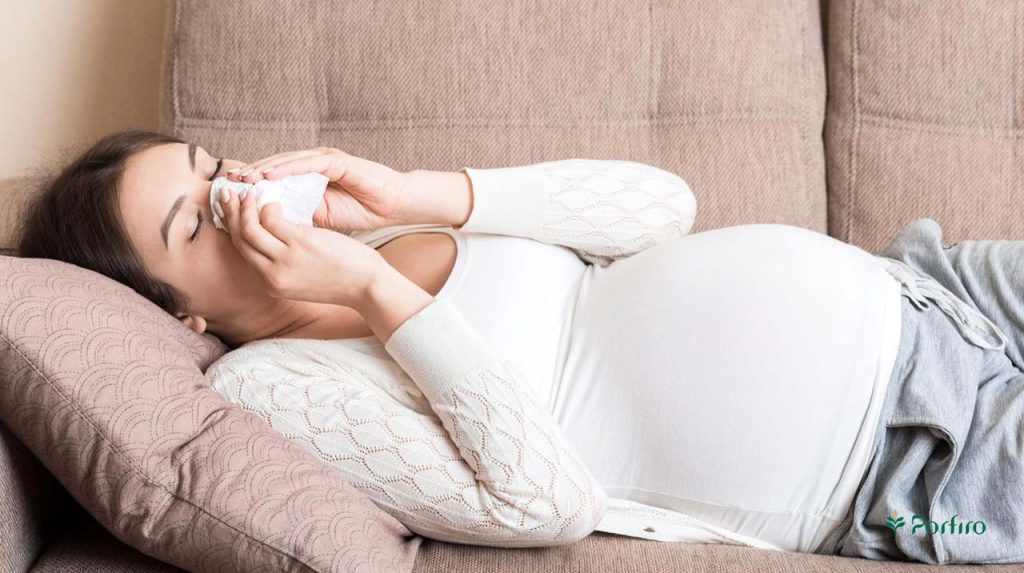
Pregnant women are at a higher risk of food poisoning. Pregnancy is a very frightening experience for pregnant women because it is so dangerous during pregnancy. Pregnancy causes hormonal changes that influence the immune system and make an individual more susceptible to food poisoning. Food poisoning occurs after the consumption of contaminated matter by bacteria, viruses, parasites, or other contaminants.
Onset of this condition during pregnancy can lead to damage of the fetus, preterm labor, miscarriage, or stillbirth. It is preventable or curable in so many ways. In this article section, we are going to discuss symptoms of food poisoning during pregnancy and potential risks as well as prevention and treatment.
Symptoms of Food Poisoning in Pregnancy
Symptoms common in food poisoning also occur in pregnant women:
- Pain in the stomach
- Spasms of the abdomen
- Nausea
- Vomiting
- Diarrhea
- Fever
Symptom time is determined based on when one consumed contaminated food and the nature of food poisoning. The food poisoning itself can also cause symptoms. According to CDC guidelines for various forms of food poisonings:
1. Listeria
The risk of contracting listeria infection is tenfold high for pregnant women compared to the general population. Its incubation time is between one week and one month after exposure. The symptoms may include:
- Fever
- Muscle ache
- Headache
- Tiredness
2. Salmonella:
Salmonella symptoms appear between 6 hours and 6 days after an individual has consumed contaminated food. The symptoms can include:
- Abdominal cramps
- Vomiting
- Diarrhea
- Nausea
3. Norovirus:
Symptoms of norovirus almost always will manifest between 12 and 48 hours after ingesting contaminated food or beverages. Symptoms include:
- Abdominal cramps
- Diarrhea
- Vomiting
- Nausea
4. E. coli (Escherichia coli):
E. coli symptoms may occur 3 to 4 days after that person has consumed contaminated food or drinks. Symptoms may include:
- Abdominal cramps
- Vomiting
- Diarrhea
5. Staph (Staphylococcus aureus):
The symptoms of Staph usually appear fairly quickly within 30 minutes to 8 hours of consuming contaminated food and include:
- Nausea
- Vomiting
- Abdominal cramps
- Diarrhea
Other diseases can also present symptoms in similar manner to that of food poisoning.
Food poisoning or stomach viruses?
The stomach flu, or gastroenteritis, is an infectious agent that can spread rapidly between people. Gastroenteritis may be infectious through relations with other infected persons, but, ultimately, its slant gives it away. Gastroenteritis resulting from contaminated food or water is one possibility, though it is usually a bacterial or viral infection that comes into play.
Food poisoning cannot be infected usually. It can only infect if a group of people eats exactly the same infected food.
Food poisoning versus morning sickness?
Morning sickness does present with the same symptoms with food poisoning. Morning sickness can affect a woman at any given point during pregnancy but usually during the first 12 weeks.
Risks
Food poisoning can be dangerous for both the fetus and the mother. It can cause serious health problems for the child, loss of pregnancy, premature birth, stillbirth, or even maternal death.
Growing fetuses need to receive as many nutrients as possible from their mothers. If mothers cannot retain food in their bodies long enough for it to be absorbed, the fetus may not develop properly. An individual with mild symptoms can transmit contamination to their unborn child during pregnancy without even realizing they have food poisoning.
Newborns can also have health issues and may be born with symptoms of food poisoning if their mother had an infection.
Home Treatment of Food Poisoning
Pregnant women who show evidence of food poisoning should definitely check with their doctor, even though there is a bit they can do at home to help mitigate the illness.
Foods
When one suffers from food poisoning, eating anything could be atrociously tough. For a pregnant woman, however, eating is imperative to sustain oneself and to subsidize herself and her baby-to-be. Soft, bland, and low-fat foods are best, since they will keep the stomach as undisturbed as possible. Some starchy carbs, they can eat:
- Saltine crackers
- Toast
- Apple sauce
- Mashed potatoes
- Plain cooked rice
Read more:
Benefits of Pistachios During Pregnancy
Principles of nutrition during pregnancy and the amazing properties of dates
Drinks
The dehydrate risk from food poisoning is very high. Thus, it is vital that one tends to drinking enough fluids for rehydration. Some easy ways for replacing the lost fluid are:
- Drinking plain water
- Drinking diluted fruit juice (though the general recommendation would be to avoid sugary drinks in cases of dehydration)
- Drinking some form of sport salt drinks (to re-supply lost salt)
- Drinking some problematic broth
Oral rehydration salts or solutions replace electrolytes and glucose that were lost; these are basically water solutions with salt and dextrose added to hydrate the body.
Natural Remedies
For nausea and vomiting, ginger is a remedy. If an antiemetic is necessary, try ginger tea.
Preventing Food Poisoning
Food poisoning can occur with almost all food products. However, some few precautions should be taken to minimize risks. This list of precautions may be frightening whilst pregnant, but can be incorporated whilst maintaining the lowest probability of possibility. Some preventive measures have been discussed below:
- Meat and Poultry: They should be well-cooked so that the chances of food poisoning will be less. Internal temperature of the meat can possibly be checked to be safe with the help of a meat thermometer. Thus, for example, beef, steaks, and ground meats must be cooked above 145 ºF (63 ºC) for at least three minutes of sitting time.
- Vegetables: Raw or unclean vegetables can cause food poisoning. Ensure that all vegetables should be scrubbed hard.
- Eggs: Eating raw or uncooked eggs increases the risk of foodborne disease. Pasteurized eggs should be taken.
- Milk: Unpasteurized milk also contributes to food poisoning during pregnancy; likewise, the unpasteurized dairy products do not fall outside this category.
- Seafood: The pregnant should thus, avoid raw or undercooked fish; an example being raw fish served in the guise of sushi. Seafood and canned fishes could be safer choices.
Other notes for pregnant women include avoidance of eating raw sprouts, pre-packaged deli counter salad, and hot sauce.
Pregnant women should also shun ready-to-eat or processed meats-as hotdogs-unless cooked to an internal temperature of 165 degrees Fahrenheit or higher.
When To Call A Doctor
A pregnant woman who thinks she has food poisoning should call her physician. While most food poisoning cases can resolve without any intervention from a doctor, pregnant women also have to worry about their child. For this reason, the woman who is pregnant should call the doctor if she observes any of these symptoms:
- Body temperature exceeding 102°F
- Bloody stool
- Diarrhea persisting for over three days
- Dizziness
- Dry mouth and throat
- Repeated vomiting
Food Safety Tips
The CDC has some very pertinent tips on food safety concerning the prevention of food poisons:
Cleanliness:
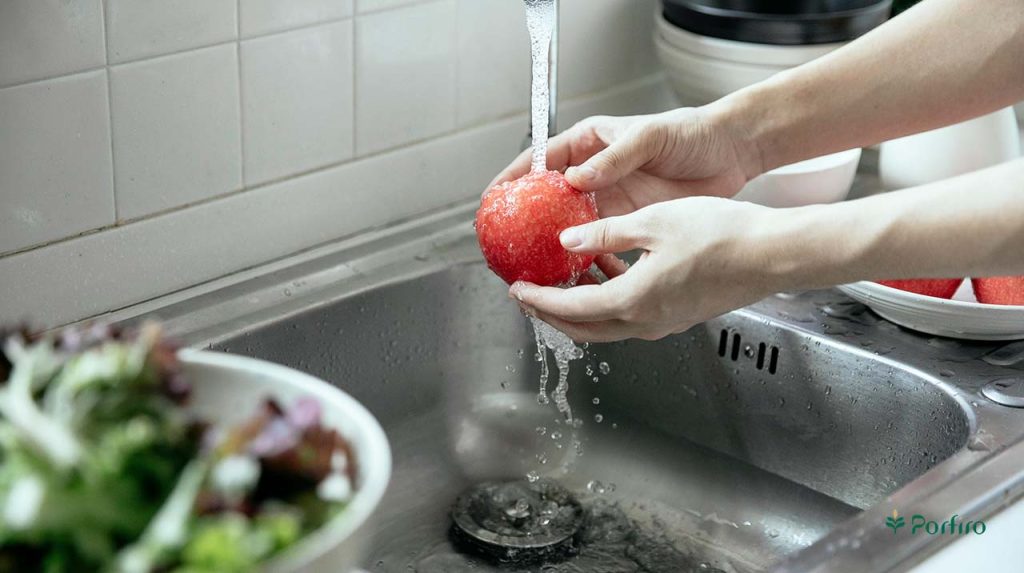
Prepare your food in a clean area and clean your hands first; use a previously cleaned cutting board and utensils on a clean surface. This helps minimize the risk of your food getting contaminated.
Fresh vegetables and fruits seem to be well washed under running water for the removal of food poisoning-causing microorganisms.
Separate:
Always make it a point that the utensils you are using for handling raw foods must not come in contact with cooked or ready-to-eat foods to prevent cross-contamination.
Keep raw meat, poultry, seafood, and eggs separate from other foods and store them apart while shopping and home until such time they are ready to be prepared.
Use a food thermometer to ensure your food has been raised to a safe internal temperature necessary to kill the harmful bacteria that can lead to food-borne illnesses.
Chill:
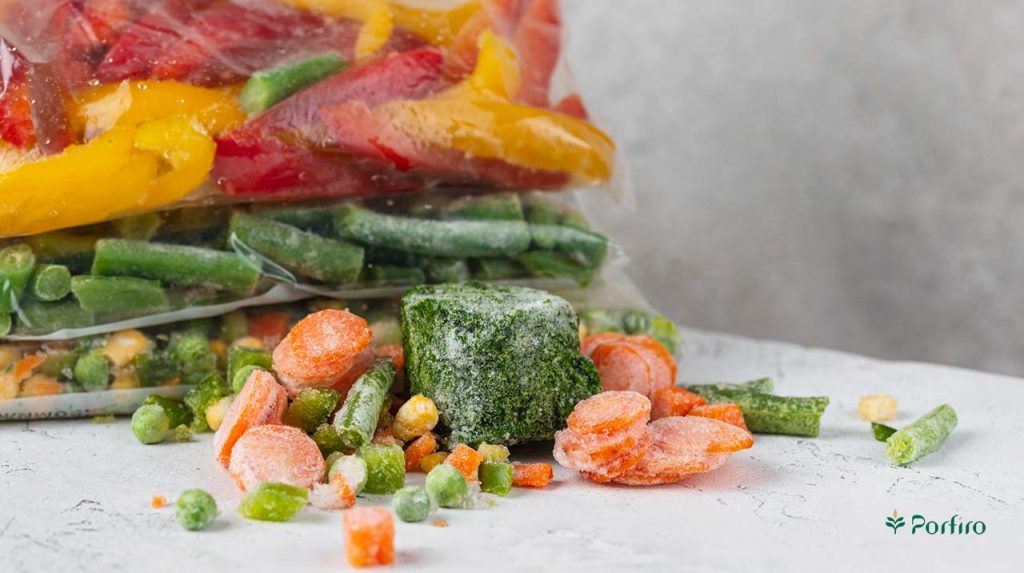
Refrigerate perishables quickly. Keep the refrigerator temperature at or below 40° F. Thaw frozen foods only in the refrigerator, in cold water, or in the microwave. Never thaw on the countertop, as this allows bacteria to multiply rapidly in portions of the food that warm up.
In conclusion, whereas food poisoning typically posits more or less a mere illness, requiring little more than a few days’ absence from work or school, it can occasionally cause hospitalization or even result in death. The CDC reports that about 128,000 people are hospitalized owing to food poisoning in a given year and are approximately 3,000 dying from it.
Any person develops any symptoms of illness from eating contaminated food should go and see a doctor, as immediate treatment can minimize serious complications. Pregnant women are especially liable to suffer the brunt of the serious effects of food poisoning.
Food poisoning typically resolves on its own within days but can be serious for pregnant individuals—potentially life-threatening. Following safe eating protocols helps pregnant women prevent infections like these during pregnancy so they have healthy pregnancies without issues affecting them or their children.
10177



Nice post. I learn something more challenging on different blogs everyday. It will always be stimulating to read content from other writers and practice a little something from their store. I’d prefer to use some with the content on my blog whether you don’t mind. Natually I’ll give you a link on your web blog. Thanks for sharing.
Thank you for your kind words and interest in using some of our content on your blog! We appreciate you doing us a favor by linking to our site. Please use the content you find useful and we ask that you share the link to your post with us after publishing so that we can see it too. This way, we can support each other and foster a great blogging community.