

Principles of nutrition during pregnancy and the amazing properties of dates
Products- 1General recommendations regarding nutrition during pregnancy
- 1. Fruits and Vegetables
- 2. Bread, Rice, Potatoes, Pasta, and Other Starchy Foods
- 3. Milk and Dairy Products
- 4. Meat, Fish, Eggs, Beans, and Other Non-Dairy Protein Sources
- 5. Foods and Drinks Containing a High Amount of Fat and Sugar
- 2Important Vitamins and Minerals
- Folic Acid
- Iron
- Vitamin C
- Vitamin A
- Vitamin D
- 3Snacks during Pregnancy
- 4Benefits of Consuming Dates during Pregnancy
- 5Best Time for Dates Consumption During Pregnancy
- 6Dates for smoother natural labor
- 7Best Dates for Consumption During Pregnancy
- Three Recipes with Date in Snacks During Pregnancy
- Side Effects of Consuming Dates During Pregnancy
Nutrition during pregnancy has a direct impact on the health of the fetus. Pregnancy is called the period of fetal development in the woman’s womb. This period is considered one of the most important stages in a woman’s life because it has profound effects on various aspects of a woman’s life, both physically and mentally. Therefore, nutrition during pregnancy should be based on proper nutrition and a balanced diet, as it not only meets the increased needs of the woman herself, but also provides all the nutrients necessary for the growth and development of the fetus in full.
So if you are interested in the topic of nutrition during pregnancy and the importance of dates in this regard, Porfiro has covered this topic below. But as with all other articles on Porfiro’s blog, it is important to remember that due to allergies and specific conditions during pregnancy, it is definitely necessary to consult your doctor before making any changes to your lifestyle and diet.
General recommendations regarding nutrition during pregnancy
1. Fruits and Vegetables
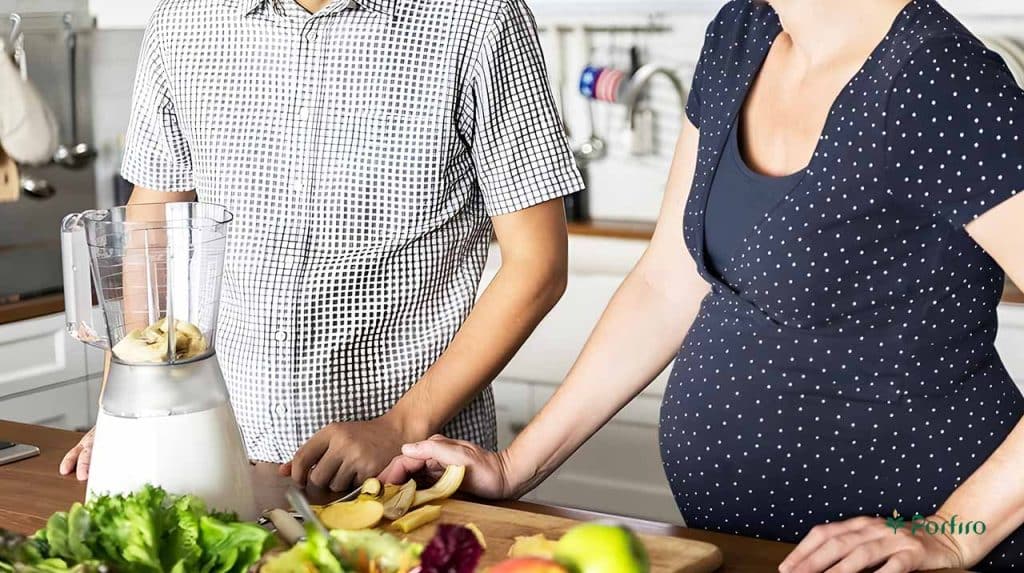
To follow the principles of proper nutrition during pregnancy, try to eat at least five servings of fresh fruits and vegetables daily, which are rich in important vitamins and minerals, including fiber, and prevent constipation. If you consume enough varieties of fruits and vegetables, you can be sure you are receiving a full spectrum of vitamins and minerals because this form of nutrition throughout the pregnancy gives your body so many helpful compounds. Fruits and vegetables of bright colors carry vitamins A, C, and E in them.
Greens such as dark green leafy vegetables are a source of iron and folate too. The fruits and veggies must be washed properly to get rid of the traces of soil as it may contain toxoplasma. It is a parasite that gives rise to infection known as toxoplasmosis. It injures the fetus in your womb.
2. Bread, Rice, Potatoes, Pasta, and Other Starchy Foods
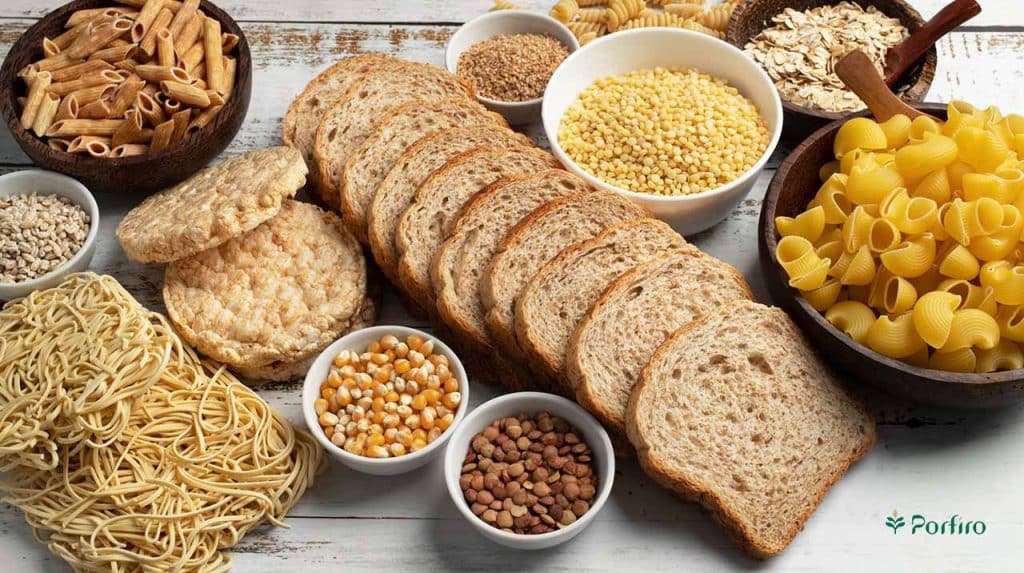
According to the principles of nutrition during pregnancy, carbohydrate foods are a good source of energy, fiber and B vitamins and therefore, they should form the main meals in your diet. Most starchy foods, such as bread, rice or potatoes, are generally very low in fat and the fiber in these foods is beneficial for weight loss because it creates a feeling of fullness while at the same time paying attention to the amount of calories they provide.
Other nutritional benefits from this food group for pregnant individuals are that fiber helps to prevent constipation, to lower the risk for certain cancers and to lower the risk of heart disease. Whole grain breads, rice, and pasta are good sources of fiber; look for whole grain or high-fiber cereals, too. Remember that fiber acts like a sponge and absorbs water; hence, flush your system with plenty of fluids throughout the day with at least 8 to 10 glasses to help it glide smoothly through your body.
3. Milk and Dairy Products
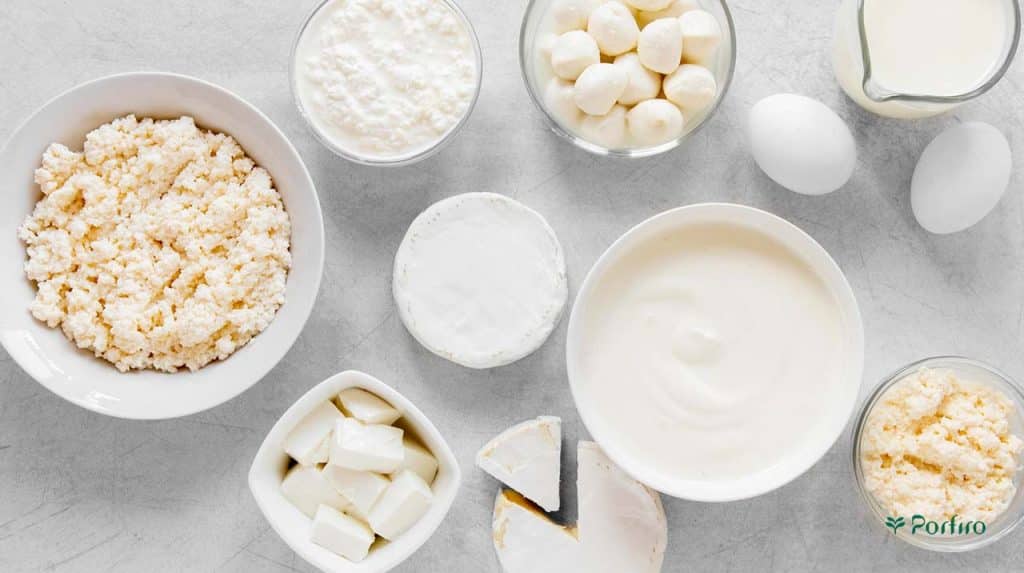
Milk, yogurt, and cheese contain calcium and provide excellent support in the nutrition plan during pregnancy. You can consume semi-skimmed milk types, reduced-fat kinds of cheddar cheese, and low-fat yogurt. Three daily servings of calcium-fortified foods include:
- a glass of milk
- A bowl of yogurt
- 25 grams / 1 ounce of cheese
Milk can also be used in sauces, puddings, and hot dairy drinks, which are also very helpful to get enough calcium during pregnancy. Generally, it is not necessary for women above the age of 18 years to increase their intake of calcium during pregnancy, as it was noted that with increased intake, more will be absorbed into the body.
Young women below the age of 18 years need supplementation with calcium during pregnancy because their bones are still developing. This is reassuring for the fetus since there are no harmful effects if calcium is inadequate in the mother’s diet. However, the mother’s bones will be drawing upon to meet the fetus’s needs for calcium leaving the mother’s bones depleted of some of its calcium.
4. Meat, Fish, Eggs, Beans, and Other Non-Dairy Protein Sources
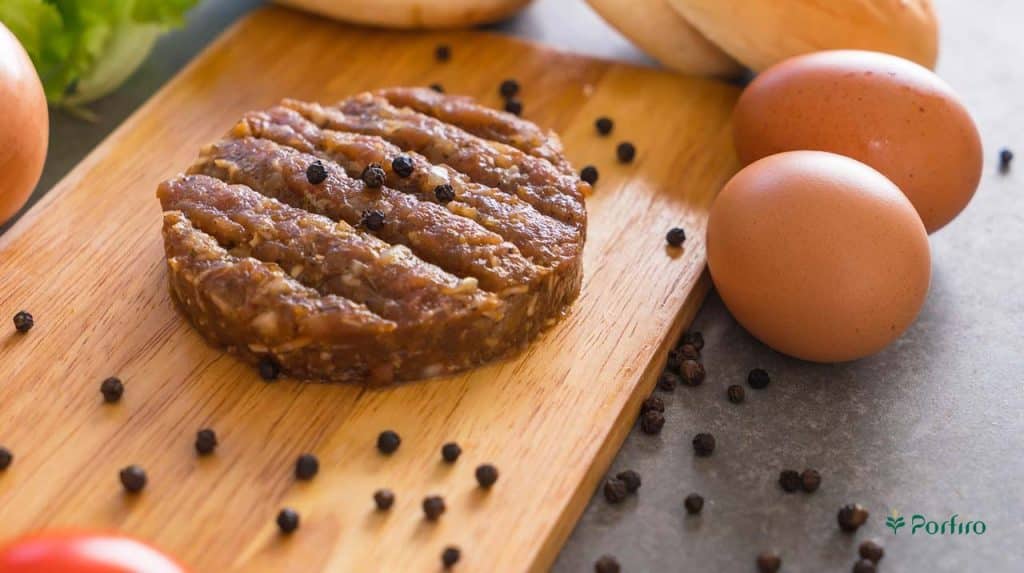
Meat is a very rich source of protein, vitamin B12, and iron during the pregnancy nutrition plan. Iron-rich nutrition helps in preventing iron-deficiency anemia. Care should be taken that the meat must be well-cooked to avoid toxoplasma infection, which may lead to miscarriage.
Fish is also a very good source of protein. In relation to this, it’s recommended that adults have two portions of fish in a week, one portion oily fish. Canned fish is, however, manufactured from salmon, sardines, mackerel, and pilchards, and is equally highly rich in omega-3 fatty acids-good for the heart.
The above-average sources of protein for nutrition at the time of pregnancy include white fish like cod, haddock, and pollock. However, these are low in fat. In a week, the pregnant ladies should not take more than two servings of oily fish. One should also keep away from shellfish because these may be contaminated with viruses and bacteria that may cause food poisoning.
Eggs are, in fact, a very good substitute for meat, which can be prepared very easily and tastefully as scrambled eggs, boiled eggs, or omelets in the pregnant mother’s diet. Care is to be taken that eggs are well-cooked to avoid the risk of salmonella infection. Beans, chickpeas, and lentils are some of the great sources of plant-based proteins. They equally contain fiber, B vitamins, and iron. These foods are inexpensive and can be substituted for some of the meats in the nutrition plan during pregnancy.
Tofu and textured vegetable protein are both made from soybeans and have little flavor of their own; thus, they are to be used with strong tasting dishes. They may be used in curries and stews or may be stir-fried or eaten in salads. Most meat and poultry products are processed to have a high content of fat and salt. Such processed food items should not be consumed more than once a week. Whenever you need to consume such processed meat products, like chicken nuggets or burgers, bake or grill them; do not fry.
5. Foods and Drinks Containing a High Amount of Fat and Sugar

Excessive consumption of this group will lead to weight gain; therefore, it is not recommended during pregnancy since it may lead to high blood pressure. Use butter and cream sparingly and, when possible, avoid fried fatty and sugary food such as cakes, biscuits, chocolate, and ice cream. Instead of sweetened drinks, try to drink water, milk, tea, or coffee. Of course, the intake of coffee can be consumed no more than two cups per day since it contains caffeine and may lead to low birth weight among infants and even miscarriages.
Important Vitamins and Minerals
The following list of recommendations for nutrition during pregnancy is so general. The best dietary plan and supplementation are better discussed with your doctor.
Folic Acid
All women are advised to take supplements of folic acid before becoming pregnant, and at least up until the end of the sixteenth week of pregnancy. However, you could find that you have become pregnant and are not taking supplements; you can still start with folic acid and continue up to the end of the sixteenth week of pregnancy.
Iron
During pregnancy, the body automatically adapts by increasing the absorption of iron from food sources. Thus, most women do not require additional iron during pregnancy. However, younger women do tend to have low intakes of iron, and thus teen pregnancies and women of young ages who become pregnant may be prone to iron deficiency.
Iron deficiency anemia is serious throughout pregnancy because the condition raises the risk of delivering a small and underweight baby. Infants born to a mother with iron-deficiency anemia are at a higher risk for having the condition during the first year or two of life; thus, some women and all teenagers are advised to take an iron supplement, and also to eat plenty of foods containing iron as part of a prenatal nutrition plan.
Vitamin C
It is suggested that you increase your intake by 10 milligrams a day during pregnancy, as vitamin C really aids iron absorption. It can be found in citrus fruits, tomatoes, broccoli, and blackcurrants-start adding some of these to your meals to aid your body in getting its supply of this vitamin.
Vitamin A
This makes high doses of vitamin A during pregnancy potentially damaging to the fetus; cod liver oil or supplements containing high doses of vitamin A should generally be avoided. Liver and liver products should also be avoided by pregnant women since they contain high levels of vitamin A.
Vitamin D
More precisely, pregnant women need an extra 10 micrograms of vitamin D in their diet each day. Vitamin D is helpful to the healthy development of bones. Vitamin D will ensure that bones remain healthy, and after giving birth, it will ensure that the new mother’s vitamin D status is good since she will be breastfeeding her baby, thus enabling her to transfer this critical nutrient to her infant during the first couple of months of her infant’s life.
A deficiency of vitamin D during pregnancy can lead to rickets. Vitamin D is only found in a very few foods and these include margarine, oily fish, and breakfast cereals. Probably the best way to get vitamin D is from skin that is exposed to sunlight. Supplements are also suggested to supplement this.
Snacks during Pregnancy
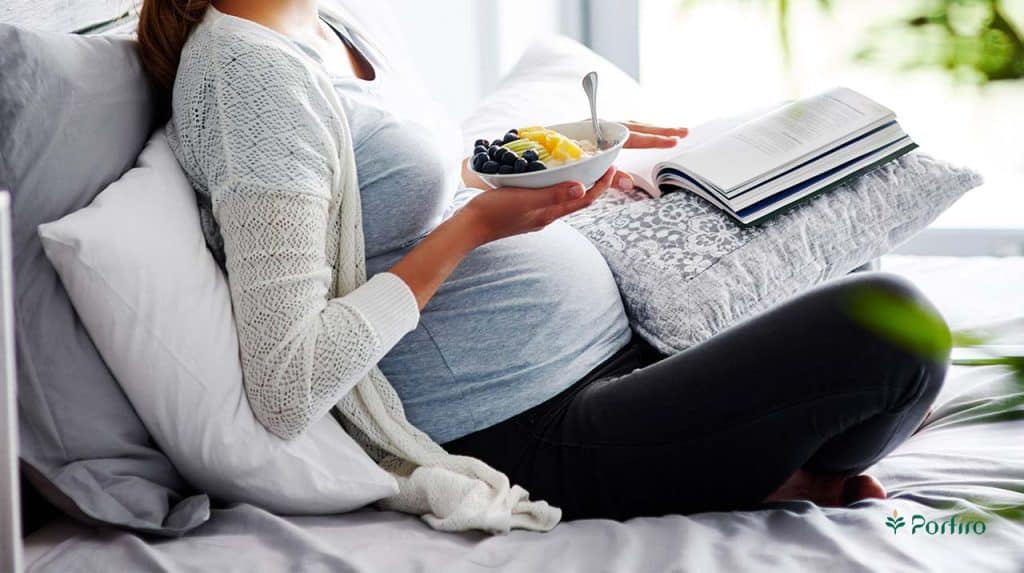
During the third trimester, you need to take an additional 200 calories per day. You only require an additional snack during this stage of pregnancy to meet the burgeoning needs of the pregnant mother. Here are some healthy nutritious snacking options during pregnancy:
A sandwich or pita bread with shredded cheese, lean ham, mashed tuna, salmon, or sardines.
- Vegetables and bread with hummus or low-fat cream cheese
- A bowl of cereal with milk
- Baked beans on toast
- Extra helpings of fresh fruits
- Dried fruits and nuts
- Natural yogurt with fresh fruit
- Biscuits or cookies with milk
- Cheese and crackers
- Yogurt
Of course, pregnancy can literally be a roller coaster for the woman in its whole duration. One day she is full of energy, and the other day she is anxious, even to such an extent that she is not able to get out of her bed. Whereas on one day she may feel discomfort at the sight of food, on another day she experiences cravings for sweet foods which she simply cannot get off her mind. It is thus very important to introduce more nutrients and vitamins necessary in the body during pregnancy to enable the pregnant woman to feel much better both mentally and physically.
With that information, one of the healthier options in dried fruits for pregnancy that should be added to your diet is dates. The fruit is enriched with vitamins and minerals quite helpful for both mother and fetus. It contains antioxidants in quite large amounts, too, which help your body protect itself from any potential cellular damage. In such a case, it is quite necessary that the diet plan during pregnancy is balanced with keen nutrients required for you and your child.
Did you know that four dates can give you 6.7 grams of dietary fiber and satisfy about 25% of the daily intake recommendation of 20 to 35 grams? Here are health benefits of consuming dates.
Benefits of Consuming Dates during Pregnancy
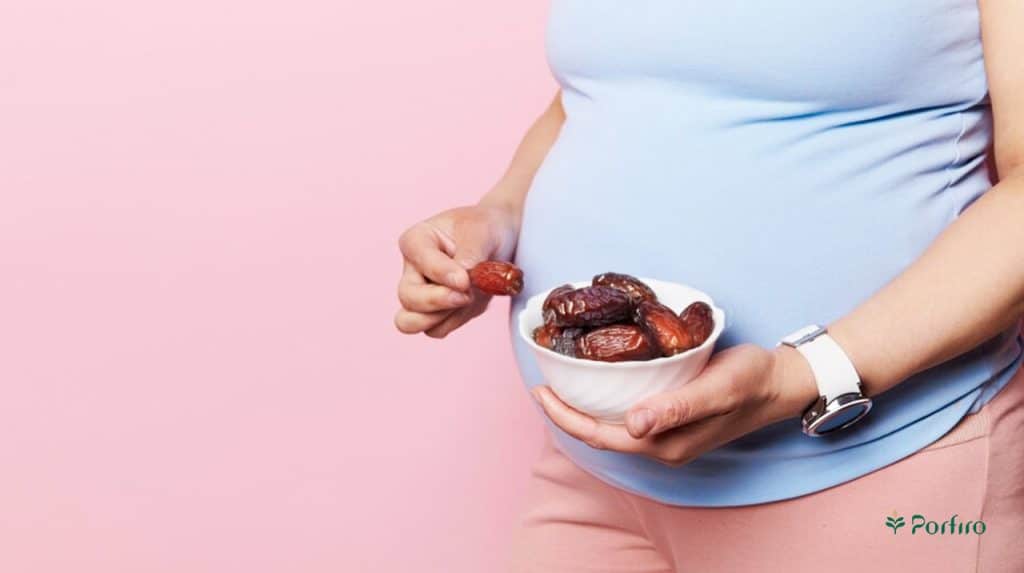
- Relieve Constipation: Many pregnant women suffer from constipation due to hormonal changes that decelerate the motions in the digestive tract. Taking iron supplements, which most pregnant women consume, also increases the chances of having constipation. Since dates are a good source of fiber, which helps in bowel movement, they reduce pregnancy-related constipation. They help maintain weight, too.
- Blood Pressure Control: Dates are rich in potassium, an asset in maintaining blood pressure and thereby avoiding muscle cramps. Lack of this mineral within a pregnancy diet would increase the risk of high blood pressure and cardiovascular diseases.
- Supporting Fetal Growth: Dates provide an adequate amount of magnesium, a significant mineral that helps in the development of teeth and bones of the growing baby. They contain Vitamin K, which develops muscular and nervous functions of the fetus.
- Prevention of Birth Defects: The World Health Organization (WHO) requires that pregnant women take sufficient amounts of folate since it has been found that proper nutrition during this period prevents certain congenital defects/disabilities in babies. Dates are among the best fruits-one can take dried-and are also rich in folate.
- Potassium Supply: Potassium is needed within the human body to achieve normalcy in fluid balance levels and to ensure normal cellular activities. Most women develop quite a surge of nausea and vomiting during the first trimester due to the abrupt change in hormones, which could easily bring down the levels of potassium. A 100-gram serving of dates provides 696 milligrams of potassium; considering that each of the Piarom dates weighs about 10 grams, you know how much to eat of other varieties.
- Energy Boost: Dates are rich in iron; hence, intake of iron-rich food during pregnancy will help raise your energy levels and fight anemia.
- Folate Content: Dates are also a source of folate and vitamin B, which is important during pregnancy, as it reduces the possibility of serious congenital defects such as spina bifida, an open spine congenital defect. Doctors thus advise that pregnant women get the folate from folic acid supplements to achieve the RDI of 600 micrograms per day. One serving of dates, about 100 grams, provides about 15 micrograms of folate.
- Iron Source: Iron deficiency and anemia are common during pregnancy, so they need to consume double the quantity as compared to a woman who is not pregnant. Iron deficiency can lead to the delivery of a premature baby or a low birth-weight baby and may even cause postpartum depression.
- Low GI Food: Dates have low GI; thus, they are digested slowly and cannot cause a sudden increase in blood sugar levels. During pregnancy, around 10% of pregnant women are diagnosed with gestational diabetes, a condition that pertains to high blood sugar levels. This may further result in complications such as increased birth weight and prematurity.
- Sugar Substitute: Dates can be used as a substitute for sugar during pregnancy diet. Date sugar, which is available at some grocery stores and health food shops, is prepared from the ground dried dates and has approximately 30 percent less calories than regular sugar. Note that date sugar tastes quite similar to dates; therefore, it is not always a substitute for sugar.
Best Time for Dates Consumption During Pregnancy
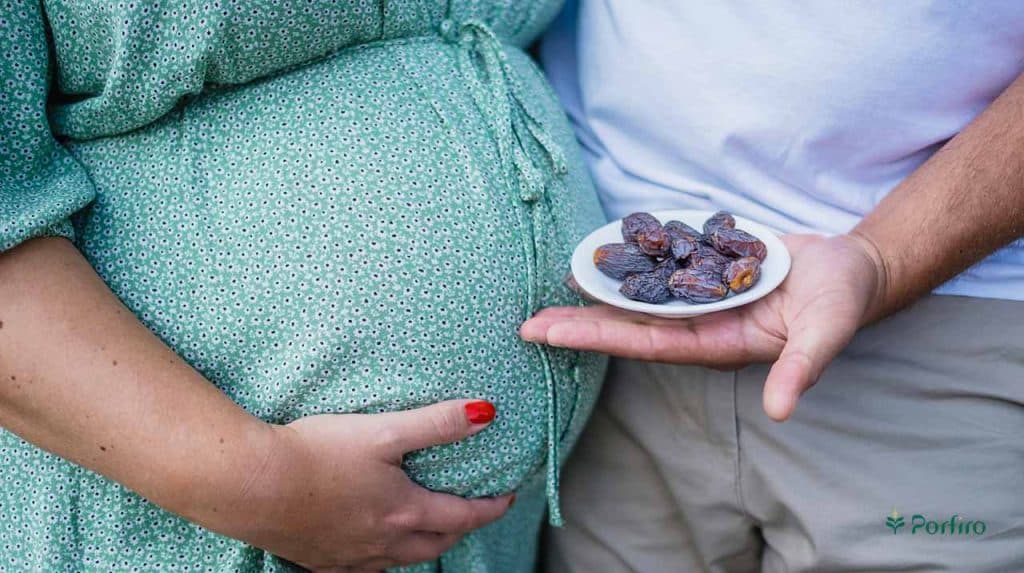
Most pregnant women have no idea when they should take dates in order to receive some benefits from them. Actually, dates can be consumed at any pregnancy stage. During this period, however, moderation to diet is highly required. For constipation, commonly experienced during the first trimester, dates are helpful, though overconsumption is best avoided as it may lead to fluctuating blood sugar levels. Once more, the high content of vitamin B6 in dates helps in lessening nausea and morning sickness that seem to stick like a adamant parasitic companion during the first trimester.
Dates for smoother natural labor
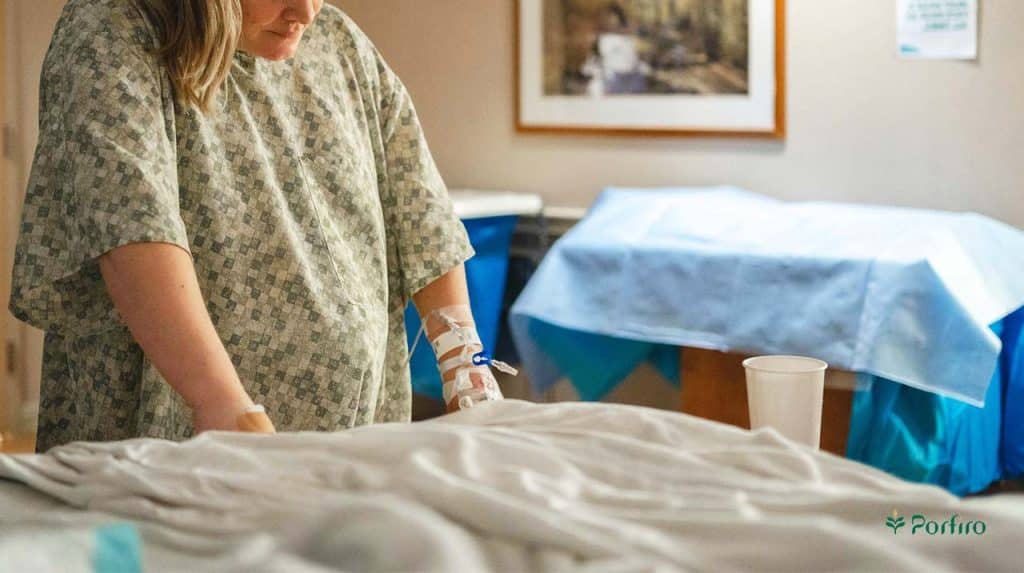
It has always been in the thought of some people that dates taken during the late stages of pregnancy induce labor. In present times, evidence is there supporting the fact that the date consumption may reduce labor time taken but does not necessarily start it. In 2013, research involving over 200 pregnant women showed that consuming dates helps in cervix dilation or completely preparing the cervix for delivery.
As research highlights, dates in the pregnancy diet, especially in the last days of pregnancy, may allow smoother natural labor. It relieves one from the use of prostaglandins and oxytocin for labor induction or augmentation. Dates contain high sugar that can get one energized during labor. Again, the time of labor and postpartum hemorrhage may be cut down by consuming dates.
Best Dates for Consumption During Pregnancy
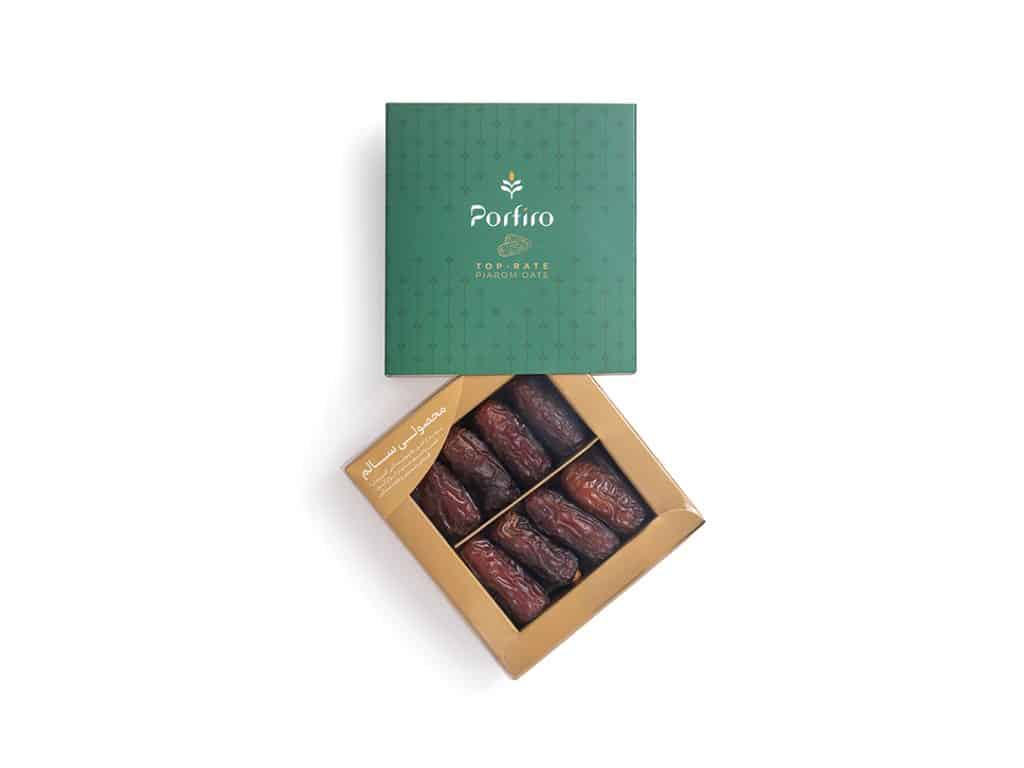
Piarom dates are considered one of the best choices for nutrition during pregnancy, as they contain many of the essential nutrients needed by a pregnant woman. They are low in fat, an excellent source of carbohydrates, and rich in protein and fiber. Folate, niacin, thiamine, and other vitamins such as A, C, and K are all readily found in Piarom dates.
Piarom dates are rich in iron, which helps reduce bad cholesterol and improve heart health. They also help eliminate free radicals and fight cancer with the help of antioxidants. You can buy healthy varieties of these dates from reputable sources.
Read more:
What do you know about anemia? Benefits of dates, pistachios and almonds
Three Recipes with Date in Snacks During Pregnancy
- Fried Dates with Yogurt: Remove the pits from the dates before frying them. Then sauté the dates with a little date syrup. Finally, place the warm dates on Greek yogurt that has been diluted with some olive oil and sprinkle a bit of sea salt on top. This combination can also be enjoyed with baguette bread.
- Stuffed Dates: To make stuffed dates, make a vertical slit in them and remove the pits. You can fill the dates with anything you like; for example, consider using unsweetened peanut butter, various nuts, or cheese.
- Date Shake: This snack is essentially a creamy milkshake made with dates. This recipe hails from Southern California, particularly from Palm Springs where date palms grow abundantly. To prepare this shake, you can use vanilla or banana ice cream.
Frozen bananas serve as a great base for the milkshake and add a bit of natural sweetness. For days when you don’t feel like eating solid food or snacks, this energy-rich shake filled with carbohydrates will provide energy for both you and your baby! To make it, simply blend dates and ½ cup of almond milk in a high-speed blender until the dates are broken down into small pieces. Add frozen banana slices, any remaining almond milk, and ice cubes to the blender and mix until smooth. If necessary, adjust with more almond milk or ice cubes to reach your desired consistency.
Finally, it is important to remember not to overindulge in any type of food or combination and to consult your doctor beforehand about permissible foods during this period.
Side Effects of Consuming Dates During Pregnancy
Consuming dates during pregnancy is highly beneficial for the health of both the mother and the fetus. However, like every other food, it is necessary to consume them in moderation. Overconsumption of dates during pregnancy may result in the following problems:
- Weight Gain: Dates contain a high number of calories, and overconsumption during pregnancy may lead to weight gain, which is not desirable.
- Risk of Gestational Diabetes: As dates contain a high amount of sugar in them, excessive consumption may lead to gestational diabetes among women who are already at risk.
- Increase in Blood Glucose Level: Dates contain high sugar content and can thus be responsible for increasing the blood glucose level, which is quite harmful to pregnant women.
Despite this, dates are extremely nutritious as they possess important nutrients. Dates have long been taken as a light meal since time immemorial for pregnant women due to their proven potential in cholesterol reduction and fetal development. It, therefore, should be perquisite that you consult your doctor before engaging in adding dates to your pregnancy diet to maintain the continuity of the nutritional directives being taken by you in mind.
Proper nutrition during pregnancy will ensure the health and well-being of both mother and baby. A maternal diet rich in nutrients like dates brings to bear vino benefits including the natural energy, healthy digestion, and delivery of essential vitamins and minerals. Dates can be considered, depending on perspective, as helping maintain blood sugar, aiding labor, and supplying antioxidants that offer cellular protection. When dates along with sound nutritional practices are followed, mothers-to-be will allow a working environment for the better growth of the fetus, help themselves along through pregnancy, and smooth the pathway into motherhood.
10149