


Tea and its importance in nutrition
General InformationTea is one of the most important and popular non-alcoholic drinks globally. Tea consumption has a long history and it can be said that after water is the most consumed beverage worldwide. Drinking it began in ancient China, where people used it as a beverage and medicine. Research interest in this plant has increased in recent years due to its potential benefits for human health.
Based on the method of production and special characteristics, several types of tea can be named. However, all types of tea actually belong to an evergreen shrub-like plant whose main origin is Southeast Asia and mostly grows in tropical or subtropical climates. This plant is a major contributor to the economy and is currently cultivated in many countries including China, India, Kenya, Sri Lanka, and Vietnam.
As mentioned, there are different types of this drink, and generally black tea or traditional tea is more popular than other types around the world. After that, green tea, oolong tea, and white tea are the most consumed. The difference between various types of tea is related to their characteristics such as appearance, color, aroma, and taste.
The term herbal tea is used to refer to beverages in which fruits, flowers, seeds, or roots of other plants such as cherry, rose, chamomile, and mint are used rather than tea leaves. Black and oolong type are generally brewed in hot or boiling water for 4-5 minutes, and green tea is brewed at a slightly lower temperature for 4-15 minutes. The longer the leaves are brewed, the stronger and bitter its taste will be.
What is the nutritional value of tea?

This drink has little nutritional value, but it is an important source of caffeine and compounds called polyphenols. Polyphenols are chemicals in plants that give tea its distinctive taste and aroma and some health-giving properties have been attributed to them.
Does it affect health?
Studies show that daily consumption of this drink can reduce the risk of early death, heart disease, stroke, and type 2 diabetes.
Stroke and mortality
Polyphenols in this drink reduce the risk of death from stroke. In a study of Japanese people, it was found that those who drank 2-3 cups of green type per day had a reduced risk of stroke. Black type may also support the health of the heart. Research showed that drinking at least 3 cups of black or green tea daily could reduce the risk of stroke.
High blood pressure
Flavonoids In this plant can help maintain the lining of the blood vessels. According to the results of a study, regular consumption of green and oolong tea for one year reduced the risk of developing high blood pressure. Long-term consumption of black tea has also been shown to lower blood pressure.
Cholesterol
Tea flavonoids have antioxidant properties that may prevent the oxidation of LDL cholesterol particles that can lead to inflammation and hardening of the arteries.
Antioxidants
Polyphenols or flavonoids make it a healthy drink. These compounds act as antioxidants that control the destructive effects of free radicals in the body. Although it is often believed that green type is richer in polyphenols than black or oolong (red), studies indicate that except decaffeinated tea, all of its types have almost similar levels of these chemicals. However, their compositions are different and both can have health benefits. Herbal teas (such as chamomile and mint) also contain polyphenols, but depending on the herbal origin, their composition will be very different.
One of the reasons why this drink studies have conflicting results may be due to the wide variation in flavonoid content among tea types. Where the tea leaves are grown, the way the tea leaves are mixed, the type of processing, and the addition of food such as milk, honey, and lemon juice may change the flavonoid content.
It is interesting to know that some research shows that the protein and possibly the fat in milk may reduce the antioxidant properties of it because flavonoids are deactivated when they bind to proteins. A study that analyzed the effects of adding skim, semi-skimmed, and full-fat milk to this drink concluded that skim milk significantly reduced the antioxidant properties of tea. Kinds of milk with higher fat, however, reduce the antioxidant properties of tea to a lesser extent. However, tea is considered a healthy drink even with milk.
As explained earlier, another component of this drink is caffeine. Although the amount of caffeine in tea is half or even less than that of coffee, some people are allergic to it. Caffeine can affect the nervous system, increase heart rate, and cause unrest. The right option for these people is decaffeinated tea to enjoy the taste of tea and avoid the side effects of caffeine. Most of the research on the health effects of tea has been done on traditional and not decaffeinated tea. Decaffeinated tea may lose some of its health-promoting polyphenols, but it is still a healthy drink.
weight loss
You have probably come across advertisements claiming that green type can speed up weight loss, but research on the effects of green type on fat loss has not been very promising. In addition, bags containing such teas may contain harmful laxatives.
Should we drink tea plain?
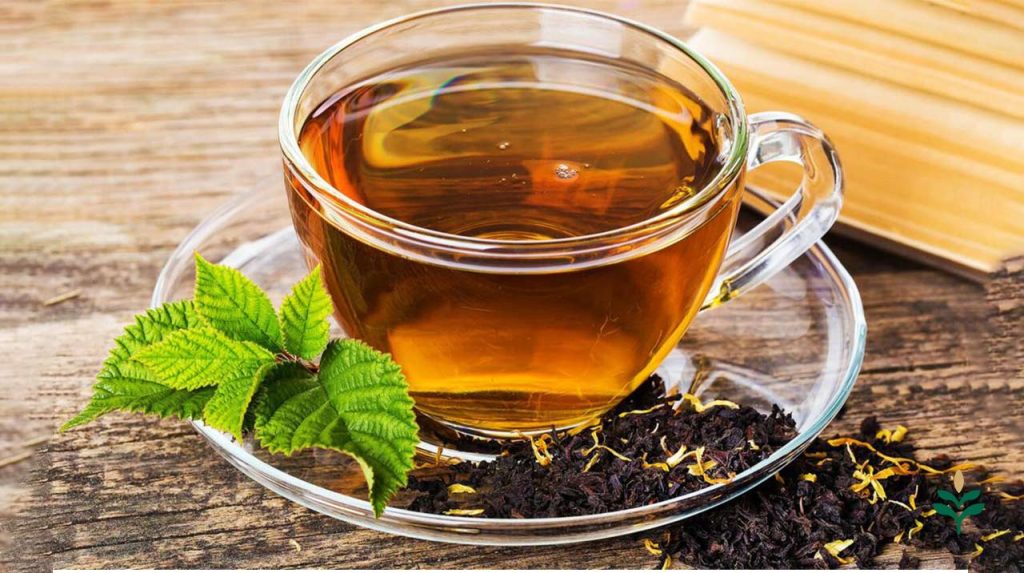
Additives such as sugar, cream, or milk can reduce the polyphenol content of tea. After all, adding sugar and cream to it increases its energy content and can become a factor for overweight. In addition, having sugar, sweets, chocolate, and so on with this drink can cause the same problem. To get the maximum benefits of tea, try to drink it plain or without additives. Adding cinnamon can create a sweet sensation. Some fruit-flavored herbal teas evoke a sweet taste without adding sugar. Very thick tea also increases the desire to consume sugar and sweets due to its bitter taste. So try to drink light tea.
Is drinking too much tea harmful to the body?
Although moderate consumption of this drink is not a problem for most people, consumption of tea with or immediately after meals and more than 3 to 4 cups per day can have negative side effects.
- Reduction of iron absorption: Drinking it with or immediately after a meal reduces iron absorption. Tea is a rich source of polyphenol compounds called tannins. Tannins can bind to iron in food and prevent its absorption. Iron is present in foods in two forms, heme and non-heme. While non-heme iron is found in a wide variety of foods, heme iron is only found in meat sources. Although the general belief is that tannins only affect the absorption of non-heme iron, recent research on human intestinal cells has shown that dietary polyphenol compounds can affect the absorption of both heme and non-heme iron in the cells and interfere with and inhibit its absorption.The higher the amount of polyphenols in the food, the greater this effect. To put it simply, due to the high content of polyphenols, this drink will harm iron absorption if it is drunk with or immediately after foods. Therefore, the habit of drinking tea with breakfast or immediately after meals can cause iron deficiency. Drink tea between meals and not with them if you are iron deficient.
- Insomnia: The caffeine in in the leaves of this plant, can cause insomnia. Melatonin, the hormone that signals the brain that it’s time to sleep, may be inhibited by caffeine consumption, thereby reducing the quality of sleep. Since people metabolize caffeine at different rates, it is impossible to say exactly how much caffeine will affect sleep quality. If you regularly drink caffeinated tea and have symptoms related to insomnia, it is better to reduce its consumption.
- Increased anxiety and restlessness: An increase in anxiety, stress, and restlessness is also a complication that occurs in some people due to the excessive consumption of this drink. The caffeine in tea may cause feelings of anxiety, stress, and unrest. Black tea has more caffeine than green and white types, and the longer the tea is brewed, the more caffeine it contains. If you feel anxious and restless after drinking tea it can be a sign of excessive caffeine consumption and it is better to reduce drinking tea. You can also use caffeine-free herbal teas.
- Heartburn: The caffeine in it may cause heartburn or worsen reflux symptoms. Caffeine can cause gastric acid to return to the esophagus more easily or may exacerbate gastric acid production. If you usually drink a lot of tea and experience heartburn, it is recommended to reduce drinking it and see if the symptoms disappear.
- Nausea: If this drink is consumed in large quantities or on an empty stomach, it may cause nausea. The tannin in tea leaves, which is responsible for its bitter taste, can stimulate digestion and lead to symptoms such as nausea or stomach pain. The amount of tea that causes nausea varies dramatically from person to person. Reducing tea consumption by adding a little milk to it or eating some food with tea can minimize digestive irritation.
- Dependence or addiction to tea: Due to the presence of caffeine, regular consumption of tea can lead to dependence. In case of dependence, tea withdrawal symptoms include headache, irritability, increased heart rate, and fatigue.
- Dizziness: Too much caffeine in this drink can cause dizziness. This particular side effect is less common than the others and usually occurs when tea consumption exceeds 6 to 12 cups per day.
- Headache: Although occasional use of caffeine can relieve certain types of headaches, it can have the opposite effect when used chronically. If you have frequent headaches that may be related to its consumption, try to reduce or eliminate drinking it to improve symptoms.
- Complications in pregnancy: Excessive caffeine consumption during pregnancy may increase the risk of abortion and low birth weight. It is not yet clear how much caffeine is safe for pregnancy. In general, it is better not to drink more than 3 cups of tea a day during pregnancy.
- Esophagus and stomach cancer: Drinking hot tea (55 to 60 degrees) is known as a risk factor for esophageal and stomach cancer. Since it occurs as a result of frequent drinking of very hot tea, you can enjoy drinking it after it has cooled down. All very hot beverages such as tea may cause cell damage and cancer. Studies show that the relationship between this drink and cancer has been mainly seen in Eastern countries. In the West, beverages such as coffee and tea are usually consumed at moderate temperatures. Westerners may also add milk or cream to hot tea, which lowers the temperature of it. It appears that the risk of developing cancer of this type is directly due to the high temperature and not a specific component of the it. A large study in Iran showed that the risk of developing esophageal cancer in those who drank hot tea increased by 90% compared to those who drank lukewarm or cold tea.
Conclusion
Tea is one of the most popular beverages in the world. Not only this drink is delicious, but it has been linked to numerous health benefits, including reducing inflammation and the risk of chronic diseases. The health-giving properties of tea are mainly due to the presence of chemical compounds called polyphenols which have antioxidant properties. Numerous studies confirm the role of tea in preventing many diseases. However, hot tea consumption is known to be a risk factor for esophageal and stomach cancer.
Also, the consumption of it with or immediately after meals has been reported as a cause of anemia. Consuming too much tea can lead to negative side effects such as anxiety, headache, digestive problems, and disturbed sleep patterns. Most people can drink 3 to 4 cups of tea a day without side effects, however, some may experience side effects at lower doses.
Most of the known side effects associated with drinking tea are related to its caffeine and tannin content. Since some people are more sensitive to the compounds than others, it is important to note how our tea consumption habits may affect us personally. After experiencing any side effects that may be associated with tea, you should gradually reduce your intake to find your optimal intake.
10024