


The important role of antioxidants in nutrition
General Information- 1Key foods to defend the body against free radicals
- A) Selenium, copper, manganese and zinc
- B) Vitamins E, C and beta-carotene
- C) Phytochemicals
- 2The role of antioxidants in fighting cancer
- 3The role of antioxidants in the prevention of heart diseases
- 4Which is better to consume to get antioxidants? Food or supplement?
Maryam Amini, Ph.D. in Nutrition, Faculty member of National Nutrition and Food Technology Research Institute, Iran
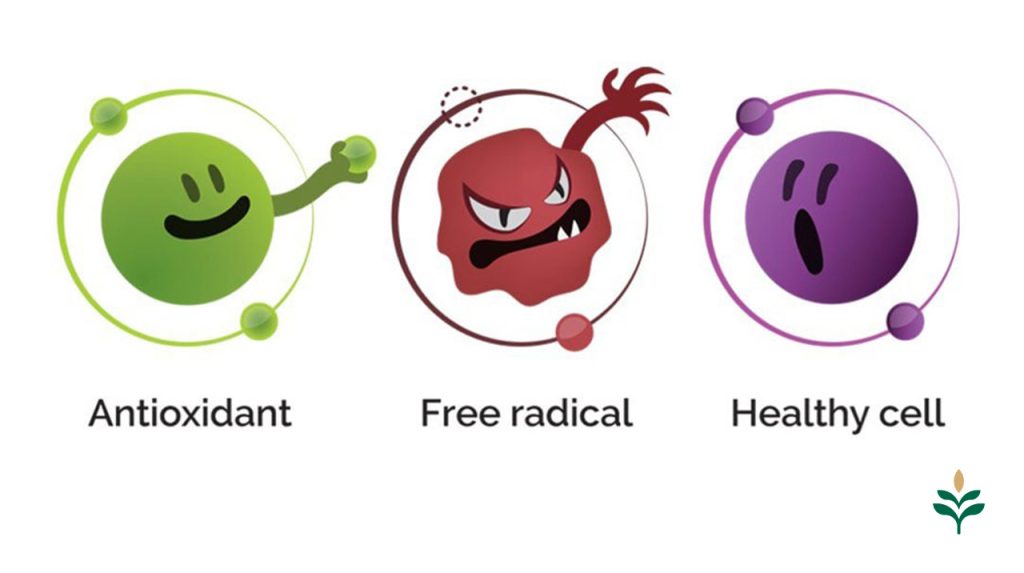
Antioxidants protect the body against the damage of destructive molecules called free radicals. Free radicals are formed by combining oxygen with body substances. In addition to being made naturally in the body, these molecules are also produced by environmental factors such as air pollution and cigarette smoke.
As you know, each molecule consists of a group of atoms, and atoms have electrons. As long as the electrons are paired, the molecule has a stable status, but if one or more electrons from a molecule remain single and unpaired, the molecule is very unstable, which is called a free radical. To achieve stability, the free radicals have to find a molecule with paired electrons so that it can remove an electron from it.
By losing an electron, the formerly stable molecule itself becomes a free radical and steals an electron from another nearby molecule. In this way, a chain reaction of stealing electrons is formed and more free radicals are produced. When free radicals receive one electron from antioxidants the chain will be stopped. However, there is a difference between antioxidants and other molecules. Since antioxidants are stable in both forms when lose their electrons do not become free radicals.
The destructive effect of free radicals is sometimes beneficial for the body. For example, immune system cells apply free radicals to kill pathogen viruses and bacteria. However, the free radicals often harm the body. They usually damage the cell membrane and interfere with transporting materials in and out of the cells. Free radicals also affect the substances inside the cell nucleus and disrupt the function of the cell by changing the shape of the proteins. All these reactions eventually lead to cell damage, disease progression, and accelerated aging.
Although our immune system tries to neutralize the damage caused by free radicals, this system is not perfect. In fact, with aging, its efficiency decreases and unrepaired damages accumulate over time.
Dietary antioxidants protect the body to some extent from free radical attacks, but if they are not available enough or the production of free radicals is too much, diseases such as dementia, cancer, cataracts, diabetes, high blood pressure, and heart disease may occur.
Key foods to defend the body against free radicals
A) Selenium, copper, manganese and zinc
The body has several defense lines to deal with the damage caused by free radicals. First, a set of enzymes that can disarm the most dangerous free radicals. These enzymes are dependent on selenium, copper, manganese, and zinc for their activity. If the diet does not provide sufficient amounts of these minerals, this defense line will be weakened. These minerals are generally found in whole bread and grains, seafood, seeds (such as sunflower seeds), nuts (such as walnuts, almonds, and hazelnuts), meat, and leafy vegetables.
B) Vitamins E, C and beta-carotene
Another line of defense of the body is antioxidant vitamins such as vitamin E, vitamin C, and beta-carotene.
B-1- Vitamin E
Vitamin E is effective in stopping the chain reaction of the production of free radicals in fats in the body such as cell membranes and nerve tissue. Good food sources of vitamin E include nuts, seeds, wheat germ, whole grains, and whole breads.
B-2- Vitamin C
Vitamin C is water soluble that protects other tissues such as skin and blood against free radicals and is especially effective in neutralizing free radicals caused by polluted air and cigarette smoke. Vitamin C also restores oxidized vitamin E to its active form. Good food sources of vitamin C are peppers, strawberries, citrus fruits, and kiwi fruit. Foods rich in vitamin C reduce the risk of certain types of cancer, especially head and neck cancers. However, it seems that vitamin supplements do not have such an effect.
B-3- beta-carotene
Beta-carotene, the precursor of vitamin A, also plays an antioxidant role in the cell membrane. Good food sources of beta-carotene are carrots, apricots, mangoes, and spinach.
C) Phytochemicals
Dietary antioxidants also include compounds called phytochemicals that occur naturally in plants. These compounds support the immune system in some ways including limiting the formation of free radicals or eliminating them. As a result, they play a key role in defending the body against chronic diseases such as cancer and heart diseases.
The role of antioxidants in fighting cancer
Cancer occurs when a compound called DNA in the cell is damaged. Sometimes this damage is caused by free radicals. Antioxidants reduce the risk of cancer by protecting DNA against the attacks of free radicals. Scientific findings have shown that consuming plenty of vegetables and fruits rich in phytochemicals and other antioxidant reduces the risk of cancer.
Although vitamin E can prevent the formation of cancer cells by attacking free radicals that damage DNA, evidence to show that vitamin E supplements prevent cancer is lacking. After all, some studies have shown that excessive consumption of vitamin E supplements has increased the risk of some cancers.
In the case of beta-carotene, the results of several studies indicate that the abundant consumption of vegetables and fruits rich in beta-carotene and its similar compounds (carotenoids) have protected against oxidation and damage to DNA and as a result, against cancer. Again, these findings are related to following a healthy diet rich in fruits and vegetables, and supplements did not play a role in preventing cancer.
The role of antioxidants in the prevention of heart diseases
LDL, also known as bad cholesterol, is one of the risk factors for cardiovascular diseases. It is interesting to know that one of the reasons why LDL is dangerous is its oxidation by free radicals in the walls of arteries, which changes its structure and function. LDL, when oxidized, accelerates the formation of artery-clogging plaques. Over time, these plaques cause stiffness, narrowing and reduction of blood flow in the arteries, resulting in atherosclerosis.
Free radicals also cause more changes in the walls of blood vessels by damaging the cell membrane, which disrupts blood flow. The damaging effects of free radicals on the walls of blood vessels are increased by the intake of foods rich in saturated fat (such as solid oils) and cigarette smoke. On the other hand, abundant consumption of fruits and vegetables, which are very good sources of antioxidants, especially when saturated fat is consumed less, protects the body against oxidation of LDL and, as a result, heart disease.
Vitamin E can protect the body against high blood pressure and heart disease. According to studies, mortality rates from heart disease are lower in people who consume foods rich in vitamin E. Vitamin C also prevents the oxidation of LDL by free radicals, increases the level of good cholesterol or HDL, improves blood pressure and reduces the activity of free radicals in the arteries. The reduction in the risk of heart disease and mortality that occurs due to the high consumption of fruits and vegetables can be partially related to the presence of vitamin C in food.
Which is better to consume to get antioxidants? Food or supplement?
Antioxidants, after neutralizing the effects of free radicals are damaged and so-called oxidized. Although after being oxidized they are recovered to some extent, to compensate for the continuous attacks of free radicals the storage of food antioxidants in the body needs to be replenished regularly and never be empty.
Foods, especially fruits and vegetables, provide us with not only antioxidants but also a series of other valuable vitamins and minerals. Another very important point is that the lack of any of these nutrients can damage DNA like free radicals. Therefore, the abundant consumption of fruits and vegetables prevents the lack of nutrients and diseases caused by it, and prevents damage to DNA.
As mentioned earlier, the antioxidant effects of vitamins and minerals when they are supplied through food are much more significant than when they are supplied through supplements. In other words, the antioxidant effect of foods is much more than the nutrients contained in them alone. Even if research shows that there is a particular nutrient in food that has a protective effect, it cannot be concluded that its supplement has the same effect.
Vitamin E is a good example. This vitamin contains several compounds that have similar activity, but their molecular arrangement is not completely similar. What is offered in the supplements of this vitamin is usually only limited to one form of vitamin E called alpha-tocopherol. What is naturally present in foods includes a wide range of compounds with similar activity to vitamin E, many of which can neutralize the effects of free radicals. In addition to the abundance of nutrients, the presence of phytochemicals in foods is also very important because they fight against many diseases.
Another thing to consider is that antioxidants behave differently in the body under different conditions. If they enter the body in the amount provided by a healthy diet, they act as antioxidants and have health benefits. But if they enter the body in very high amounts, i.e. as much as there is in the form of supplements and medicinal doses, they may stimulate the production of free radicals and change the metabolism of the body in such a way that the disease will not only decrease but increase. Therefore, as long as the optimal amount of antioxidant nutrients is not precisely determined, the risks of overuse of supplements remain unclear.
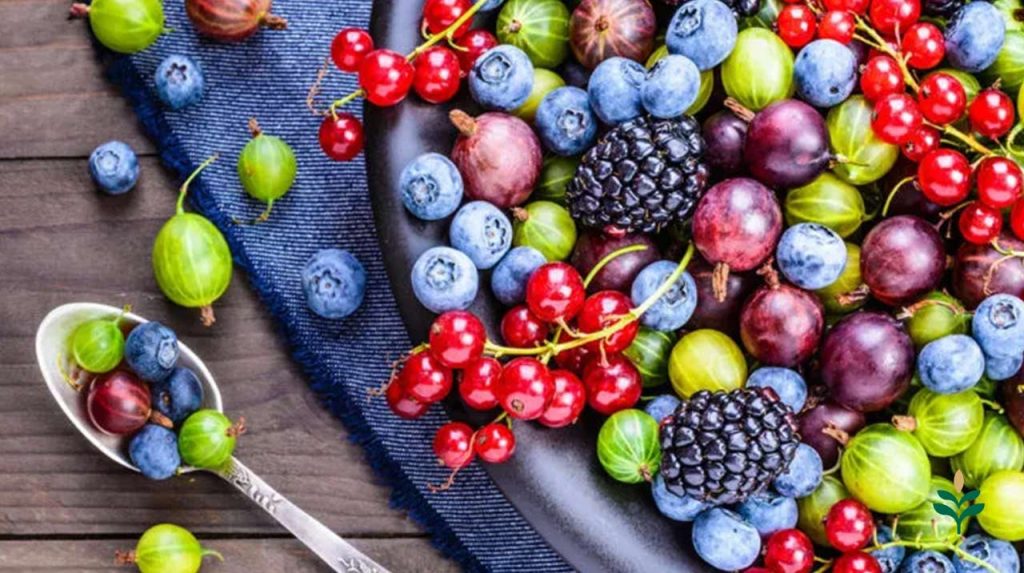
Therefore, the wisest way to add antioxidants to your diet is to enjoy eating a variety of foods that contain antioxidants. It should be noted that the antioxidant properties are different in diverse plants. Antioxidant-rich food sources were discussed before. In general, it should be added that pomegranates, berries, and citrus fruits among the fruits, kale, spinach, and Brussels sprouts among the vegetables, oats, pinto beans, and soybeans among the cereals and legumes, and walnuts among nuts rank high in terms of the content of the antioxidants.
Finally, it should be remembered that healthy eating is based on the principles of adequacy, diversity, moderation, and balance. Therefore, a particular food should not be preferred over other foods because of its miraculous properties. Instead, you should try to include a wide range of fruits and vegetables, grains, legumes, nuts, and seeds in your daily diet so that you can benefit from the properties of all foods.
References:
1.Whitney E, Rolfes RS. Understanding Nutrition, SIXTEENTH EDITION, 2022, Cengage Learning, Inc.USA. 349-351.
2.Ursell A. The complete guide Healing foods, Nutritional Healing for Body and Mind, 2000, A Dorling Kindersley Limited, London.
10025



When I originally left a comment I appear to have clicked the -Notify me when new comments are added-
checkbox and from now on whenever a comment is added I get four emails
with the exact same comment. There has to be an easy method you can remove
me from that service? Thanks!
Write more, thats all I have to say. Literally, it seems as though you relied on the video to make your point.
You obviously know what youre talking about, why throw away your intelligence on just posting videos to your site when you could be giving us something informative to
read?
Thanks, and please keep following us for more.
porfiro.co
porfiro.co
porfiro.co
porfiro.co
porfiro.co
porfiro.co
To the porfiro.co administrator, Your posts are always well-timed and relevant.
Thank you very much for your kind recognition of the timeliness and relevance of our posts. We truly appreciate your support and are committed to continuing to provide valuable and well-timed content for our community. Your encouragement inspires us to keep up the good work.