


The effect of sunlight on physical and mental health
General Information- 17 Benefits of Sunlight Exposure for Physical Health
- Production of vitamin D
- Life-cycle-sleep regulation
- Lowering blood pressure
- Improving immune system health
- Cancer Prevention
- Treating Skin Ailments
- Other Conditions
- 24 Benefits of Sunlight Exposure for Mental Health
- Mood Improvement
- Stress Reduction
- Anxiety and Depression Symptoms Relief
- Better Sleep Quality
- 3The link between sunlight and depression
- 4How much sunlight is needed per day to enjoy its benefits?
- Daily Sunlight Duration
- Geographic Latitude and Seasons
- A Bright Future - Limit Your Sun Exposure but Do Not Forget the Exposure
- Individual Considerations
- 55 Sunlight Alternatives for When Sun Exposure is Limited
- 6Frequently Asked Questions
- Is Too Much Sun Dangerous?
- Is 20 Minutes of Sunshine Enough?
Perhaps a lot has already been said about the benefits of sunlight for the body. Solar rays bring myriad benefits to our bodies, minds, and all living beings. There is an image of a free healer; we lucky lot have him on tap here in this country. Here Porfiro talks about benefits of sunlight for mind and body, depression-sunlight correlation, and how to get safe sun exposure; if you’re interested, go on reading this!
Being outside on a sunny day, be it for a casual summer picnic or just a stroll across the neighborhood, tends to fill one with good vibes. However, these positive vibes are not all in your head; the sunlight is capable of touching upon many aspects of our health, psychologically with mood to physically with health and vitality. Proper sunlight makes our bodies work better; then, serotonin can fit in. Serotonin is a chemical in the brain that engenders happiness and mental health.
But it has to be a fine balance, not too much, and not too little. There must be safe sun, shrugging off sunscreen, dangerous sun, or good unsafe sun-the right balance in the sun so that one can benefit from sunlight being in wonderland.
7 Benefits of Sunlight Exposure for Physical Health

Some of the benefits of sunlight are particularly important for the physical properties of the human body. Here are 7 of the most important benefits of sunlight for the body:
Production of vitamin D
One of the most important benefits of sunlight for humans is providing the body with the vitamin D it needs. The skin’s exposure to the sun optimizes absorption of vitamin D. It is one of those nutrients that help the body absorb calcium and phosphorus. Vitamin D helps in building and maintaining bone density – which protects against osteoporosis – as well as keeping teeth strong with good oral nutrition. Vitamin D also stimulates our immune system by helping our bodies fight disease and infections.
Life-cycle-sleep regulation
Sunlight plays a massive part in the tuning of the body clock that decides whether we feel awake or sleepy. An exposure to natural light during day time regulates the amount of melatonin released by our body. Syncing with the sun-led sleep-wake cycle, we not only get better sleep but also start the day energized.
Lowering blood pressure
Natural sunlight on our skin will also stimulate production of nitric oxide, which will result in dilation (expansion) of blood vessels. This effect lowers blood pressure, which lowers the chance of heart attack and stroke; thereby improving our cardiovascular health overall.
Improving immune system health
Light exposure beyond vitamin D production, has the potential to increase the count of white blood cells that work to combat infections. Spending prolonged time outside may turn on the body’s natural ability to strengthen the immune system.
Cancer Prevention
Research has shown that too much sun can raise the risk for skin cancer, but some sun exposure can be protective against some cancers. Scientists have learned that people who live in places where there is less sun have higher risks of developing certain cancers than people who live in sunnier places. The cancers are:
- Colon cancer
- Hodgkin’s lymphoma
- Ovarian cancer
- Pancreatic cancer
- Prostate cancer
Treating Skin Ailments
According to the World Health Organization (WHO), sun exposure can be used to treat several skin ailments. Physicians regularly use ultraviolet (UV) light exposure as a treatment for:
- Psoriasis
- Eczema
- Jaundice
- Acne
However, light therapy is not for everyone, and dermatologists will be able to determine if it can be useful to you for your specific skin ailments.
Other Conditions
There are preliminary studies demonstrating links between sunlight and its possible treatment options for other conditions such as:
- Rheumatoid arthritis (RA)
- Systemic lupus erythematosus
- Inflammatory bowel disease
- Thyroiditis
However, further research will be necessary before researchers can conclude that sunlight may be effective at treating these and other conditions.
4 Benefits of Sunlight Exposure for Mental Health
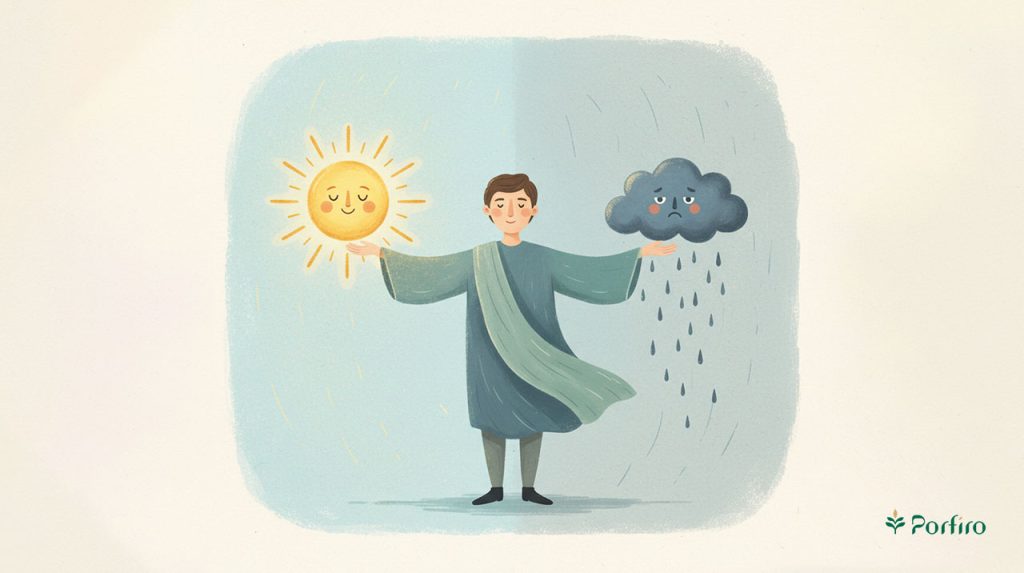
In addition to the physical benefits of sunlight mentioned above, various reputable scientific sources have also examined the mental health benefits of sunlight. Among their findings, we can mention 5 physical health benefits of sunlight:
Mood Improvement
Sunlight may actually influence mood through direct stimulation of the manufacture of the neurotransmitter serotonin. Often termed as the “feel-good” molecule, serotonin helps promote feelings of happiness and satisfaction. Getting exposed to sunlight on a daily basis can enhance your mood, reduce depression-like feelings, and elevate overall emotional stability.
Stress Reduction
Sunlight will also provide a calming effect through its regulation of stress hormones like cortisol, which will find it easy to relax. This calming aspect of sunlight enables difficult everyday situations to be less stressful and increase the mental clarity and ability to concentrate.
Anxiety and Depression Symptoms Relief
Higher levels of serotonin may lower anxiety by causing a sense of relaxation. Sunlight can also reverse symptoms caused by limited natural light during the winter months in people who have Seasonal Affective Disorder (SAD), or depression that occurs seasonally.
Better Sleep Quality
Sunlight controls the sleep hormone, melatonin, and thus facilitates falling asleep and also improves sleep quality.
The link between sunlight and depression
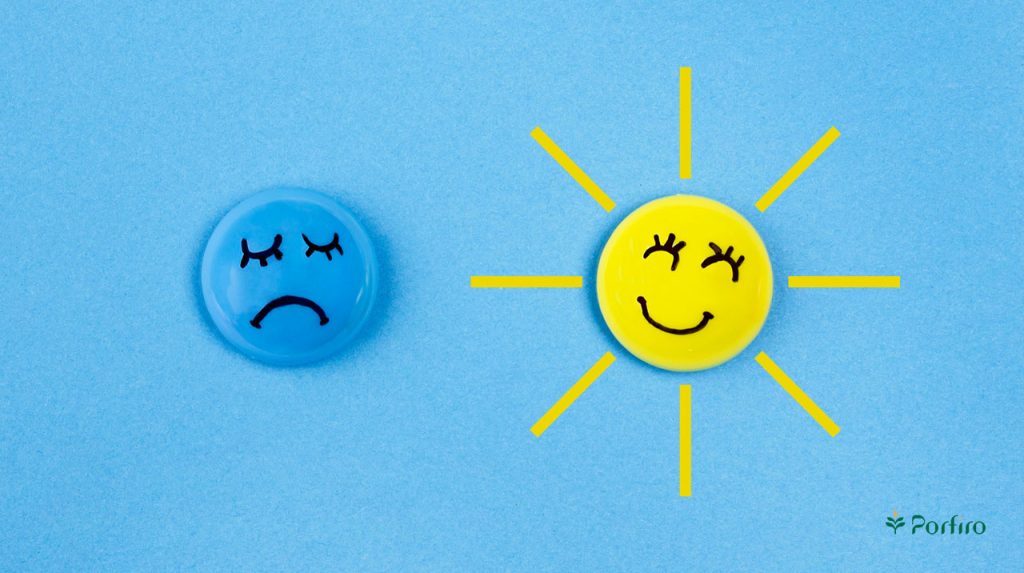
Although sunlight is not a cure for depression, it’s very much an adjunct to adding to your mental wellness. Not only does sunlight exposure help keep a person depression free, it can also reduce the level of symptoms of depression that have already developed especially in those vulnerable to Seasonal Affective Disorder (SAD).
Sunlight helps to balance serotonin levels that help enhance mood and also reduce the level of other accompanying symptoms. There are also sleep disturbances that are associated with depression and increased sleep quality can lead to improved mental health.
Simply being outside in the sun can get a person more active through walking, gardening, or any other outdoor endeavors that will improve their overall mental health and be that much more positive for people with depression.
How much sunlight is needed per day to enjoy its benefits?

Knowing how much time you are in the sun, and how you can benefit from its health-wise is critical as you look to safely add the natural sunlight into your daily activities.
Daily Sunlight Duration
Health professionals generally suggest that people receive 10 or 30 minutes of sun exposure several days a week, this is generally sufficient for people to receive enough vitamin D to maintain health.
However, someone time in the sun can be influenced by their skin type and color, where they live, and what time of year it is. For example, individuals with lighter skin, typically are able to synthesize vitamin D much quicker than individual with darker skin.
Geographic Latitude and Seasons
If you are at a high latitude, there is a chance that you will escape some skin-damaging UV exposure during the winter season which would also mean you may be able to get vitamin D from other means. If you are at a more southern latitude or are further south and or live in areas with a lot of sunny weather, then you need to be aware of your time spent in the sun. Here, as an example, the strength of the sun means we need to be aware of burning and perhaps even limit our time in the heat of the sun.
A Bright Future – Limit Your Sun Exposure but Do Not Forget the Exposure
While it is important to enjoy the many health benefits that ample sunlight provides, we need to protect our skin from all types of skin damage. Too much sunlight can cause sunburn, quadratic aging, or skin cancer. When sun exposure is the highest (normally 10 a.m. – 4 p.m.) protecting clothing or sun program or choosing shaded options is important if you are going to use sunlight, while being aware of other possibilities.
Individual Considerations
Those who have had a history of skin cancer or are very pale must take special care to stay out of the sun. Always discuss your exposure to the sun with your doctor to get benefit to health without compromise of safety.
5 Sunlight Alternatives for When Sun Exposure is Limited
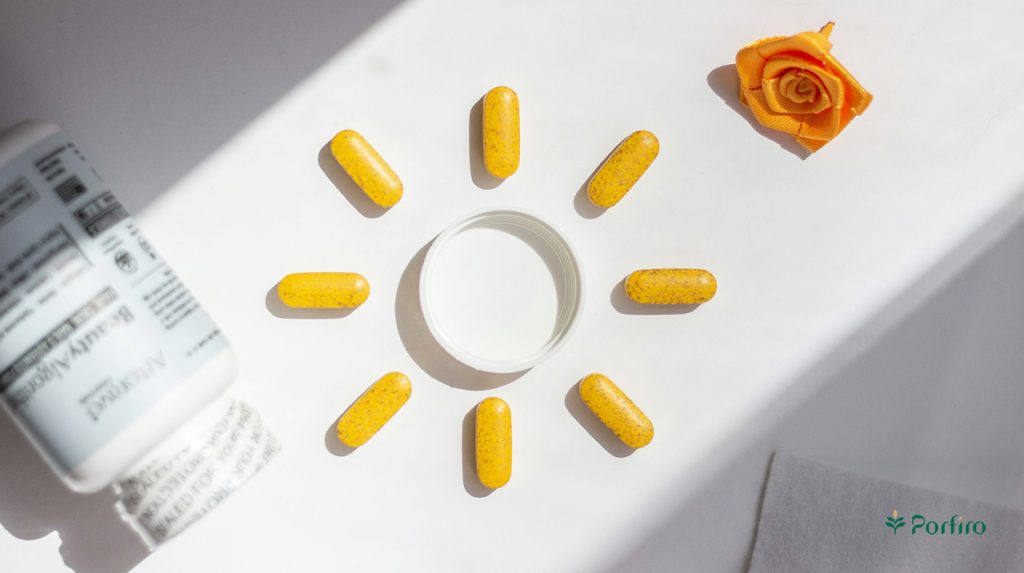
If you have limited access to natural sunlight, live in areas with long winters, or conversely, experience such intense sunlight at certain times of the year that direct exposure is difficult, finding effective alternatives to sunlight can help you stay healthy. Fortunately, there are options available that allow you to gain some of the benefits of sun exposure when natural sunlight is either limited or excessively strong.
- Light Therapy Boxes: Sunlight simulating light therapy boxes can be especially helpful for people with Seasonal Affective Disorder (SAD). Light therapy boxes provide a fixed quantity of intense light at a wide frequency, and this can be helpful to the body in adapting to its biological clock and reducing depression symptoms caused by insufficient sunlight exposure. Exposure to a light therapy box for 20 to 30 minutes in the morning period is reported to enhance mood and energy.
- Vitamin D Supplements: Vitamin D supplements can provide the sufficient quantity of vitamin D, which is necessary for healthy bones, healthy immunity, and a healthy body. Talk to a doctor about the right dosage and if there are any drug interactions with other diseases or medications.
- Vitamin D-Rich Foods: Add foods that are rich in vitamin D to your diet to compensate for the lack of sun exposure. Fatty fish such as salmon and trout, milk products that are fortified, and egg yolks are excellent alternatives that can add to your vitamin D levels.
- Reducing Indoor Artificial Light: On cloudless days, let light and open curtains at work hours, sit near windows, and remove any obstruction in the way of natural light to avail maximum sunlight accessible even within indoors.
- Activities Outdoors on Brighter Days: During autumn and winter when days are shorter and the sun is less accessible, utilize sunnier days by going out more. Going outdoors in sunlight, jogging, or cycling can be a vital means of deriving health gains and allowing vitamin D deposits to be accumulated when sunlight is low.
Frequently Asked Questions
Is Too Much Sun Dangerous?
There can be a lot of negative health consequences from too much sun exposure. Using the right sunscreen (with an SPF) and sun protective clothing, covering your skin with a sun protective hat and shirt, and seeking shade will help you reduce your risk. Oh, and drink plenty of fluids! Excess sun can cause:
Sunburn: Which can hurt and is damaging to the skin.
Premature Aging: Such as wrinkles and age spots.
Morbidity factors for skin cancers: Such as melanoma, basal cell carcinoma, and squamous cell carcinoma.
Is 20 Minutes of Sunshine Enough?
There are good reasons to get sun exposure, and don’t forget that there are ultraviolet (UV) rays in sunlight. UV rays are highly energetic and can penetrate the body through the skin and alter DNA in cells. The most serious consequence of this is skin cancer. For most people and most of the year, 20 minutes of sun exposure several times a week will adequately increase vitamin D content to a healthy level in the body, especially for lighter skinned populations. However, the proper amount of time^8 also depends on the type of skin you have, your latitude and how far north/exposed you are in the winter months, and the time of year. It is also important to note that in the case of darker-skinned people, higher levels of the pigment melanin (which determines skin color) can mean longer durations are needed to produce vitamin D.
Finally, some cannot deny the claim that sunlight might emotionally and physically affect human beings and, when used wisely, can contribute toward enhancement and benefit of well-being. Sunlight affects health by regulating hormones, enhancing vitamin D, and increasing immunity, and it can also affect mood and lessen depression. Hence, knowing the right amount of sunlight exposure and the pertinent protection measures can go a long way in optimally and safely getting its health benefit.
There is a wide and many-faceted way in which sunlight works for health; thus, it is advisable that each person comes up with the perfect balance between his/her sunlight exposure and skin protection, depending on his/her geographical location, skin, and life. Sound use of this free-for-all nature’s gift will certainly go a long way in supporting one’s physical and mental well-being and rendering an enhancement in the quality of life.
Resources
- https://www.calm.com/blog/benefits-of-sunlight
- https://www.healthline.com/health/depression/benefits-sunlight#outlook
10199