


What is carbohydrate, and introducing their useful types
General Information- 1What is Carbohydrates?
- 2How are Carbohydrates Best Obtained?
- 3What Is the Chemical Structure of Carbohydrates?
- Monosaccharides
- Disaccharides
- Polysaccharides
- 4What Are the Various Types of Carbohydrates?
- Simple Carbohydrates
- Complex Carbohydrates
- 5Why is it necessary to follow a low-carbohydrate diet?
- 6What is the relationship between obesity and carbohydrates?
- 7What do diabetes and carbohydrates have in common?
- 8What is a refined carbohydrate?
- 9How do refined carbohydrates affect health?
- 10What is the best carbohydrate? Comparison of two types of refined carbohydrates and refined carbohydrates
- 11Illustrations of processed carbs
- 12Reducing Risk
- 13What are some effective strategies for lowering carbohydrate intake?
- 14What is the role of the glycemic index of carbohydrates?
- 15Employing Low Glycemic Index Foods
Carbohydrates are a class of sugars, starches, and dietary fibers found in plant and dairy products. In the body of a living organism, these substances are broken down into glucose, whereby energy is released in the body. Among the plant foods, examples of starchy foods include bread, pasta, beans, potatoes, rice, and grains. The other products that contain carbohydrates are dairy products wherein it forms milk sugar, better known as lactose. Some diseases may be due to the byproducts of carbohydrate catabolism. Defects in activity in immune system, blood clotting, and reproduction may result.
Carbohydrates are one of the major energy sources for the human body, but not all of them have been considered in exactly the same light. Dietary fiber-the gut- and heart-friendly carbohydrate-helps to ensure health; on the other hand, added sugars have been linked with an increased risk of type 2 diabetes, heart disease, and weight gain. Therefore, it follows that a balanced diet with unprocessed carbohydrates, proper sleep, and physical activity with respect to nutrient intake or avoidance of it altogether tends not only to keep one healthy but also tends to keep the body weight normal.
The aim of Porfiro in this paper is to answer the question “What are carbohydrates?”, explore the types of carbohydrates, their nutritional values, and effects on health. It also attempts to discuss the relationship of carbohydrate with diabetes.
What is Carbohydrates?
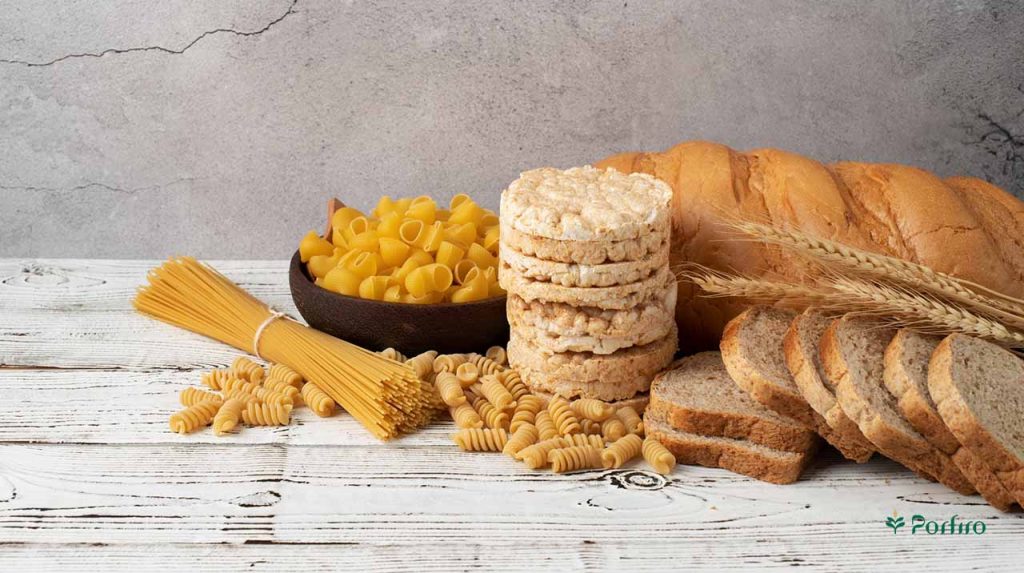
As mentioned previously in the text in response to the question “What are carbohydrates?”: Carbohydrates, otherwise referred to as saccharides, are a source of energy for the body. One gram of carbohydrate provides 4 calories. The body will break down the carbohydrates into glucose. Glucose is mainly responsible for supplying energy to the brain and muscles. Carbohydrates are among the three kinds of macronutrients that satisfy the body’s requirements. The other two macronutrients are protein and fat. Each gram of protein and fat contains 4 and 9 calories respectively.
As a rule of thumb, it is best for an average person to consume about 45 to 65 percent of his or her total daily caloric intake as carbohydrates. But the necessity of carbs varies from one person to another depending on such factors as body weight, level of physical activity and even control of blood sugar levels. In line with this, the Food and Drug Administration (FDA) recommends that 2000 calorie consuming persons take 275 grams of carbohydrates.
How are Carbohydrates Best Obtained?
Such sources may include fiber, total sugars, and added sugars found on packaging. Carbohydrates in foods come in different formats that include:
Fiber: There are multiple reasons dietary fiber is essential to the human body, including but not limited to controlling one’s weight, resisting constipation, promoting a healthy digestive tract, and preventing cardiovascular and type 2 diabetes. For example, dietary fiber helps in bowel movements, lowers sugars and cholesterol deposits in the body and can also assist in controlling a person’s food intake. In other words, it is the part of plant foods that cannot be digested, including the bulk of vegetables, fruits, whole grains, and other legumes. Two major fiber types exist, soluble and insoluble fiber, both being beneficial for health:
- Insoluble Fiber does not dissolve in any liquid. It bulks up the stool and aids in avoiding constipation.
- Soluble Fiber combines with water to get thick and soft in the stomach. Aside from that, it reduces cholesterol and moderates blood sugar levels as well.
On a 2000 calorie diet, the FDA suggests that people should consume 28g of fiber every day, which is an amount that can be obtained naturally from fresh fruits, vegetables, nuts and seeds, legumes and whole cereals.
Whole Sugars: This comprises sugars that are found in food naturally like gum, baked goods, and candies.
What Is the Chemical Structure of Carbohydrates?
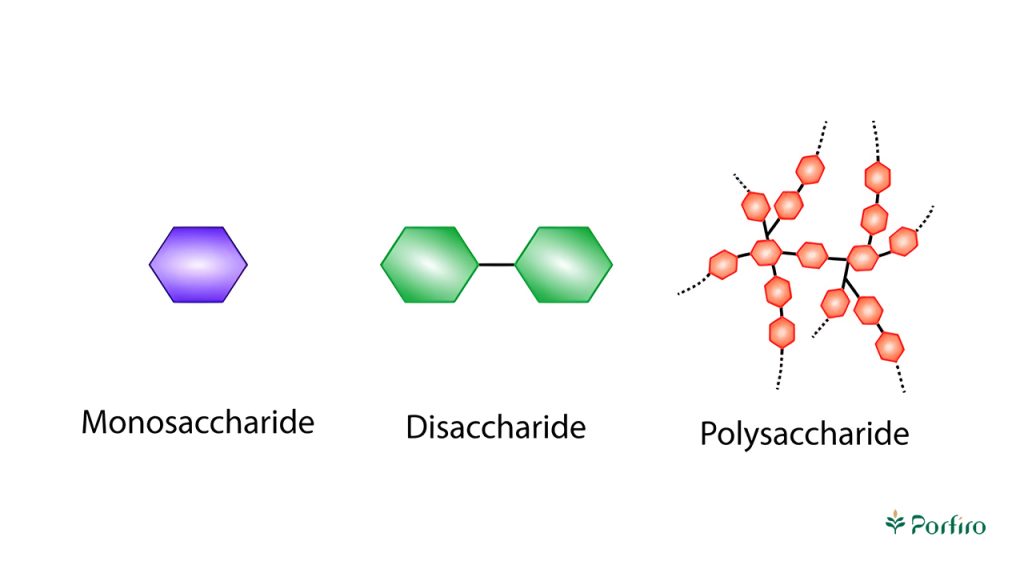
The composition of carbohydrates can be represented by their chemical formula which includes carbon, hydrogen and oxygen atoms. In principle, carbohydrates include two types of compounds: the first type includes aldehydes (a compound made of carbon, one of the oxygen atoms bonded to it with a double bond and one hydrogen atom adjacent). The other group includes the ketones that comprises the carbon and oxygen atoms bonded together with a double bond and two other carbon atoms attached. Carbohydrates have the ability to bind together and create chains (polymers), which results in the formation of different types of carbohydrates. They may be in the forms of mono oligo or polysaccharides.
Monosaccharides
What exactly is a monosaccharide carbohydrate? A monosaccharide is an individual sugar building block, for example:
- Glucose, is known to be the prime energizer of the body.
- Galactose which is mostly obtained from milk and its products.
- Fructose, mostly found in edible vegetation.
Disaccharides
Disaccharides are two sugar groups that are joined together, for instance:
- Lactose which is the sugar in milk consists of the sugar’s glucose and galactose.
- Sucrose, also known as table salt comprises glucose and fructose.
Polysaccharides
Polysaccharides are a polymeric sugar biology class that is composed of monosaccharide repeating units which may range from hundreds to thousands. Polysaccharides are used in storage of food both in plants and in animals for example:
- Glycogen which is an energy storing polysaccharide in the liver and muscles.
- Starch which can be found in large amounts in potatoes, rice, and wheat.
- Cellulose which is one of the main structural polymers found in higher plants.
What Are the Various Types of Carbohydrates?
Carbohydrates can be further divided into simple and complex types and this is an essential aspect that should be touched on in answering the question, “What are carbohydrates?”. Simple carbohydrates include monosaccharides and disaccharides, whereas polysaccharides are referred to as complex carbohydrates.
Simple Carbohydrates
Simple carbohydrates or sugar for example soft drinks, sugar, and white bread contains only one of two simples sugars. They are useful since they are a fast source of energy but this quickly wears off and individuals tend to get hungry again.
Complex Carbohydrates
Complex carbohydrates have an extended structure in terms of how the sugar is arranged and therefore include whole cereals, fruits vegetables, legumes, and even pasta. Complex carbohydrates are more nutritious than simple carbohydrates because they are more fibrous, and include more vitamins and minerals thus curbing hunger for a relatively longer period.
In the next sections we shall look at what is the best carbohydrate diet and in case you are interested please keep following us at Porfiro.
Why is it necessary to follow a low-carbohydrate diet?
Carbohydrates are a major component of any normal diet, as they supply the body with its general energy and act as fuel for all types of cells. Low-carbohydrate diets, such as the ketogenic diet, have been moderately accepted over the past years due to possible health benefits and the tendency of weight loss. Not all carbohydrates, however, are bad; in fact, some types do have considerable health benefits, such as whole grains and dietary fiber.
In fact, according to the Physicians Committee, those consuming the highest amounts of carbohydrates, mainly from natural sources such as beans, whole grains, and vegetables, have reduced risks for obesity, type 2 diabetes, and heart disease. Other classes of carbohydrates which include simple carbohydrate foods like white bread are a lot less nutritious. Another class of carbohydrate is added sugars, that are also injurious to health. As long as the consumption of large portions includes foods with added sugars, this results in obesity, type 2 diabetes, and cardiovascular diseases; therefore, dietary changes involve making one get a healthy eating pattern that would deal with the variety of nutrients required by the body.
What is the relationship between obesity and carbohydrates?

Some believe that the global increase in obesity is linked to the high consumption of carbohydrates. However, factors contribute to the increase in obesity rates, including:
- Lower physical activity levels
- More availability of ultra-processed or “junk food”
- Lack of access to fresh, affordable produce
- Large meals, which increase a person’s calorie intake
- Less hours of sleep
- Genetic factors
- Stress and emotional factors
What do diabetes and carbohydrates have in common?

Carbohydrate digestion after meals is turned into glucose, which raises blood sugar. This, in turn, activates your pancreas to release insulin-the “key” that allows cells to tap the sugar when it’s needed for fuel or for storage. Over time, the repeated surges in the levels of blood sugar can eventually damage those pancreatic cells that churn out insulin, exhausting themselves in the process.
Eventually, the body may either cease the production of insulin or may start utilizing the produced amount inefficiently, a condition medically termed as insulin resistance. This condition occurs when the cells in the human body fail to appropriately act upon the reception of signals by insulin.
The point to be noted here is that diabetes is never caused by mere intake of carbohydrates or sugar.
While carbohydrate is a major nutrient provider in the diets of most people, being overweight or obese predisposes someone to a greater risk for the development of insulin resistance and type-2 diabetes. If insulin resistance possibly causes metabolic syndrome, then the risks for heart disease and stroke will increase accordingly. In other words, if one’s blood sugar was high, theoretically speaking, reducing added sugars and refined carbohydrates should, in turn, lower blood sugar and improve insulin resistance; it may even actually produce healthy weight loss, where needed.
What is a refined carbohydrate?
The question is what carbohydrates are. In fact, unprocessed carbohydrates include fiber, vitamins, and minerals. However, all the nutrients mentioned above disappear during the time of processing, and such carbohydrates are included in a category called refined carbohydrates, which people sometimes call empty carbohydrates or empty calories. Refined carbohydrates have very few vitamins and minerals. The body digests refined carbohydrates fast; therefore, stable energy is not produced, and an individual’s blood sugar level is growing.
Examples of foods whose carbohydrates are refined include white bread and candy. Refined carbohydrates do not take long to give energy. Moreover, taking excessive refined carbohydrate food leads to health disorders. The human body digests and absorbs refined carbohydrates very quickly because of the high ratio of surface area to volume. This gives a rapid glucose rise in the blood. Such a condition can stimulate the pancreas to produce insulin leading to a drop in blood sugar levels. Table below lists several foods by their beginning in a natural state, then how they are processed to create a carbohydrate refined product.
| Example | Methods |
| Separating the Bran from the Grain and Grinding the Grain into Flour | Food Processing |
| Using sugar beet or sugar cane sucrose to prepare sugar | Extraction |
| Chop and blend the oranges, then extract the juice to make a thick juice. | Concentrate |
Large companies can also process food. The term “ultra-processed” defines foods made on an industrial scale, which include soda and cookies. Ultra-processed foods include those ingredients which people in their everyday cooking do not use, like additives. They can contain five times more added sugar than other foods.
How do refined carbohydrates affect health?
The body uses refined carbohydrates much more quickly than unrefined carbohydrates; therefore, refined carbohydrates produce a quick flash of energy whereas unrefined carbohydrates release energy more consistently throughout the day. Once this quick flash of energy is depleted, a person may have to eat again to feel energized.
As a result, this leads to higher calorie consumption, which causes overweight and obesity. Overweight or obese individuals are at a higher risk of getting heart diseases, type 2 diabetes, stroke, high blood pressure, asthma, chronic back problems, and osteoarthritis. In other words, refined carbohydrates are not as nutritious as unrefined carbohydrates. They do not have fiber in them, which helps in properly digesting and absorbing food and in maintaining blood sugar level without going up and down.
What is the best carbohydrate? Comparison of two types of refined carbohydrates and refined carbohydrates
What types of carbohydrates are generally regarded as healthy? Anyway, we can manage it. First of all, the carbohydrates can be classified into simple and compound categories. Compound carbohydrates have long chain structures and also contain some simple chain structures. However, a person can also manage his or her carbohydrate consumption with the help of glycerol index. Yes, more complex foods like oatmeal, and sweet potatoes, as well as fruits and vegetables, and peas have a lower glycemic index.
These types of carbohydrates are more nutrient dense and are digested in the body for a longer period of time; hence, they are usually good for the blood sugar levels of individuals. On the other hand, the refined types of carbohydrates found in white bread and rice cakes have a very low glycemic index. Such kinds of carbohydrates are known to be associated with the increased prevalence of diseases such as type II diabetes or even coronary heart disease.
Illustrations of processed carbs
What type of carbohydrate is better for the human body? The simplest carbohydrates, though, are age-old food products e.g. foods made with processed grains as well as foods containing sugars. Grain milling involves polishing the grain so that the larger bran and germ components are removed to enhance their storage and make the particles finer. But, during this process, they lose B vitamins, iron, and dietary fiber.
This classification encompasses bread and tortillas made from white flour, pies and cakes, waffles and biscuits, breakfast cereals, white rice, and enchiladas. In addition, alcohols of various kinds and easily refined sugars are also placed into many other dishes both sweet and savory. Some of these foods are also baked and include baking batter, puree fruits and vegetables, juices, and other boxed products, some soups and dry-set sauces and dips like ads.
Reducing Risk
In addition to eating healthy carbohydrates, getting adequate sleep, and engaging in regular physical activities, one can reportedly lower their chances of developing insulin resistance by including healthy carbs in their diet. These healthy carbs include fruits, vegetables, legumes, wholegrain, and some kinds of cereals. The foods consist of similar vitamins, minerals, fibers, and some essential phytonutrients.
This way of eating is one where carbohydrates natural, plus some animal protein or fish as in the case of the Mediterranean diet, has a wider variety of healthier sources (for more details regarding this type of nutrition, please visit Porfiro’s blog, where an article titled ‘Everything You Need to Know About the Mediterranean Diet. Rewards And Dishes’ can be found). This dietary plan does not impose high insulin requirements relative to the health concerns that usually follow such a diet which is common in American homes.
What are some effective strategies for lowering carbohydrate intake?
There are many obstacles that one can employ in order not to use refined carbohydrates. For this purpose, people may choose good options such as taking fruits instead, or selecting brown rice and whole meal bread instead of white rice and bread vegetables. Sugar should also not be added to food since it serves no purpose worth enhancing nutrition. There are cases of shopping where one is able to verify whether the item brands have been labelled. It is necessary to understand that even authorities can have different designations for refined sugars therefore people should ensure that such words as syrup, molasses, sweetener, fructose, sucrose, maltose and dextrose among others do not appear in their labels.
What is the role of the glycemic index of carbohydrates?
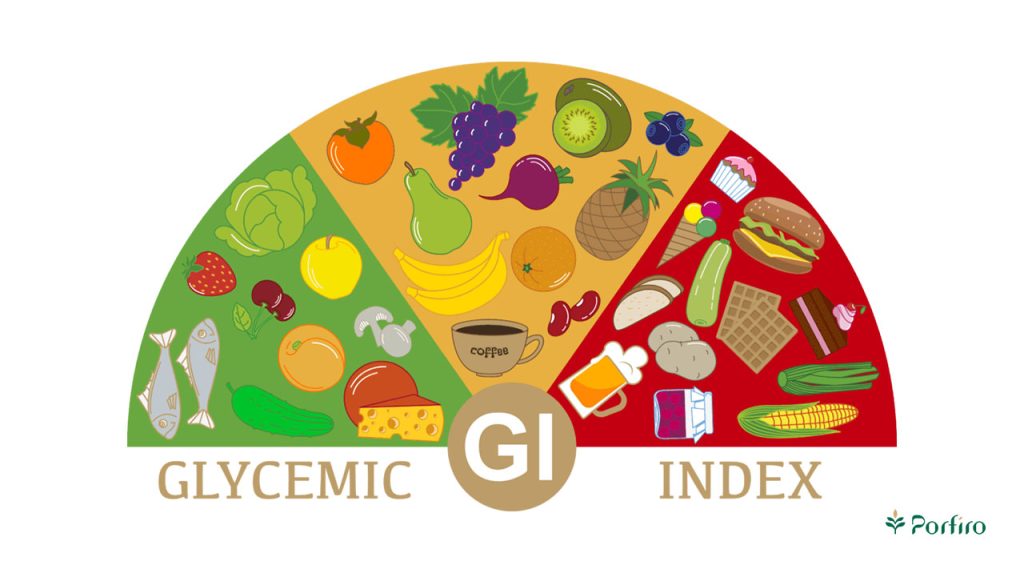
Carbohydrates do not all give energy at an equal rate. The glycemic index (GI) is a measurement tool that it allows one to know how quickly glucose from certain food is accessible in blood. It ranks the increase of blood glucose after the intake of food on a scale of 0 to 100. High GI foods, which are also referred to as fast foods, are those foods which easily pour a lot of food glucose into the body’s blood level causing an abrupt rise in the blood sugar levels. On the other hand, slow releasing foods or those that have low gill index are energy dense substances that provide energy release at a slower and more even way.
Energy consumption of food low in glycemic index is sustained for long periods helping to control the sugar level in the blood. Regular high GI food intake could also raise the odds of developing type 2 diabetes together with other conditions such as heart disease and obesity. There are many lifestyles related weight problems that can be prevented through the consumption of a diet high in low GI foods combined with physical activity and proper sleep (for lesser dietary weight gain, see the article entitled ‘Weight Management: How to Easily Achieve Weight Fitness?’ in the Porfiro page).
Employing Low Glycemic Index Foods
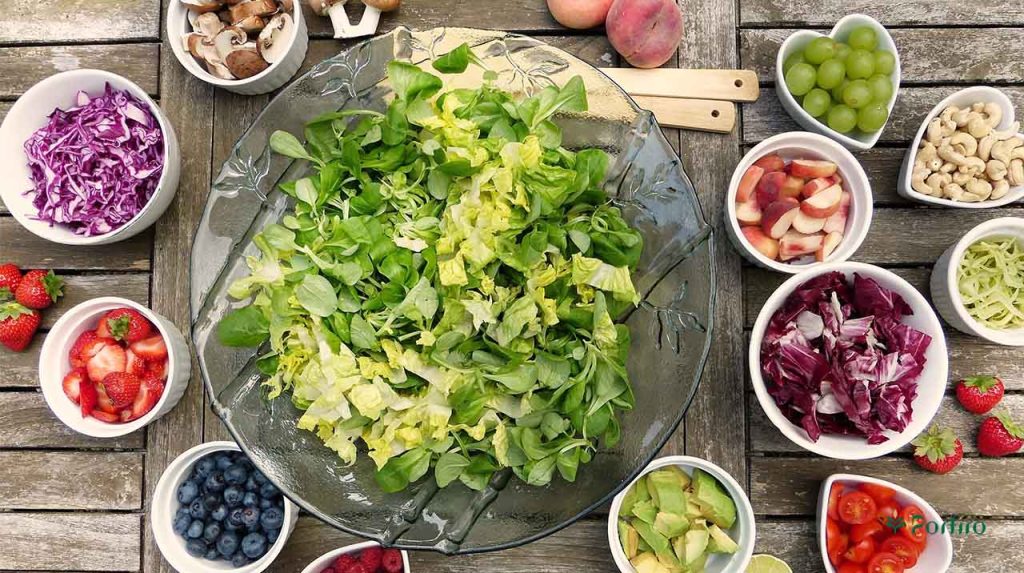
All foods can be ranked based on their GI scale, from a range of 0 up to as much as 100. Where is the highest GSI, 100 GSI indicate the lowest. As GFI is measured in different quantities, pure glucose is said to have a GSI of 100 in any measurable scale. Based on a publication by the American Diabetes Association (ADA) low glycemic index food are those where GIs are less than 55, foods that has medium glycemic index are ranged between GIs of 56-69 and food with high gylcemic index is deemed to have a GIs of 70 and above.
It is suggested that individuals who follow a diet consisting largely of low Glycemic index foods would be able to override their blood glucose levels as well as their energy levels over time. Stick to the ca. 40 – 45 GI. Use them to mix various corrections which have-focus-reducing variations.
In patients free from diabetes and obesity, various effects of low glycaemic foods are observed. Low-glycemic foods orally induce mild degrees of satiety and enhance fat burning.
- Cardiovascular system: Patients exhibit markedly improved blood circulation as a result of blood vessel wall remodeling.
- Inhibiting factors: Low Glycemic Index diets composed of high-fiber foods lower the levels of low-density lipoprotein or LDL (bad) cholesterol.
- Cerebration: Medium – fast digesting carbs ensure energy sustainment and alertness, and brain activity within that range is optimal for performance.
For a low-GI diet, more unrefined foods can be eaten:
Quinoa: a grain-like crop. Has a cooking method that is almost parallel and comprises a low GI of 53. Quinoa is a good source of proteins and has good amounts of potassium, iron, and vitamin B. This edible seed is quite ideal especially for people on a celiac diet.
There are numerous ways of preparing quinoa; it can be used in salads, added to soups, or accompanied with low GI fruits and nuts as quinoa porridge. To cook quinoa, it is imperative to wash it first where it will be rinsed until the water runs clear in order to get rid of the saponin toxins found in it. If cooked properly, this pseudo-cereal can be pressure cooked and one should not face any challenges when consuming it.
Fresh Fruits and Vegetables: Most fruits and vegetables are believed to have low glycemic levels; nonetheless, index levels of certain vegetables such as carrots, sweet potatoes, squash, medlar and sweet corn among others, are below 55. The following ingredients also determine the Glycemic index of the Vegetables:
- Ripeness and Storage- GIs of ripe products are higher.
- Processing: Carbohydrates of fresh fruits and vegetables are released at a slower rate than of their juiced, mashed or pureed counterparts.
- Cooking Methods – GIs of vegetables can vary with cooking methods used. For example: white boiled potatoes, GIs range between 74-82; instant mashed potatoes, GIs range between 84-90; fried potatoes, GIs range between 58-68.
Legumes: or more correctly, beans, peas, or lentils, are members of the Leguminosae family. This is true for many legumes that have a glycemic index of fifty or less. They also contain considerable fiber and protein content that keeps the individual satiated for longer duration which is why when these fit into the healthy Mediterranean style diet, they may assist in weight loss. Other than that, legumes contain wide range of organisms i.e. vitamins and minerals including B vitamins, iron, copper, magnesium, phosphorus, manganese and zinc. For instance:
| GI score | Legumes (per 150 grams) |
| 19 | Chickpeas |
| 21 | Red lentils |
| 33 | pinto beans |
| 36 | peas |
| 37 | green lentils |
Nuts and Nut Butters: Unsweetened nuts and nut butters are low carbohydrate foods. They have high fiber and protein content, which also increases the time taken to digest them; as such, nuts give out their energy over a long period without causing elevated blood sugar levels. Nuts can be considered a healthy snack for people suffering from type 2 diabetes. They have a low glycemic index not only as a good source of healthy unsaturated fats that could be beneficial for blood sugar levels and heart health.
In a 2013 study, it was found that women with type 2 diabetes who included peanuts or peanut butter in their diet everyday felt less hungry and managed their blood glucose levels better than those who did not eat these products. For low GI satiating, chewy snacks, one can use almond or peanut butter and spread it on the low GI fruit like sliced apples.
Fresh Fruits: In general, fresh fruits have a low GI and this keeps the blood sugar levels pretty controlled and increases gradually. However, certain tropical fruits have more GIs than other kinds of fruits. Plums, grapefruit, peaches, apricots, apples, oranges, strawberries, pears, and grapes are some of the fresh fruits with a glycemic index of below 50.
For those who want to keep their blood sugar from spiking, it is best to seek low GI fruits when available. When buying canned fruit, do not buy canned fruit that is packed in sweetened fruit juices or has added sugars because this additional packing would increase its GI. Dried fruits also tend to be higher in calories and on the GI scale.
Dairy Products: Almost all dairy products like milk, yogurt etc. tend to come on the lower scale of GI; for instance, full cream milk has glycemic index between 34 and 40 whereas flavored yogurt is about 37-40 in GI, with very little impact on blood sugar levels. In addition, calcium and protein content is high in most dairy meals. When having yogurt for breakfast which has low & GI – add lowGI fruits and nuts; otherwise mix the same for a healthier smoothie with vegetables. Soy milk whose glycemic index ranges from 30 to 38 comes in handy for vegans and those allergic to dairy products as it is a low GI milk substitute.
Refraining from Consuming White Bread: The glycemic index of white bread ranges between 73 and 77. Carbohydrates of this kind of bread is released so fast i.e. carbohydrates are present in simple sugars that cause a great surge of blood sugar levels and then following a dip.
10133