

What is Veganism and What Do Vegans Eat?
General Information- 1What is Veganism?
- 2Why Do People Become Vegan?
- Ethics
- Health
- Environment
- 3Types of Veganism
- 4What Do Vegans Eat?
- Foods That Vegans Eat
- Foods Vegans Avoid
- 5Scientific Benefits of Veganism
- 6Nutrient Density in Vegan Diets
- 7Veganism Can Help with Weight Loss
- Risk of Diabetes Complications May Also Be Lower
- Benefits of Increased Plant Food Consumption
- Benefits of Abstaining from Meat
- Consequences of Avoiding Dairy
- 8veganism is associated with a reduced risk of heart disease:
- 9A Vegan Diet May Lessen Arthritis Pain
- 10Vegan Recipe Ideas
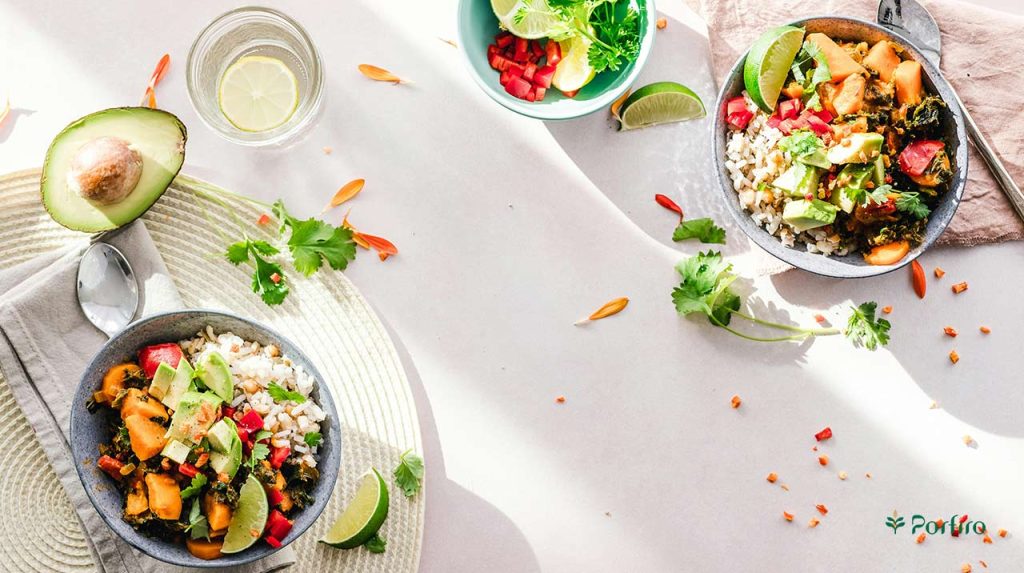
- Freezer-Friendly Curry
- Classic Comfort Food, Vegan Style
- Ingredients
- 11Comparing Vegan and vegetarian
- Vegetarian Diet
- Veganism Diet
- Similarities and Differences
- Health Impacts
- 12A Vegan Diet:
- 13Nutrition Concerns of Vegetarian and Vegan Diets
- 14Which is healthier?
- 15Veganism Is More Than What You Eat
- 16Frequently Asked Questions
- What is veganism?
- What is a vegan?
- What is a vegan diet?
- What do vegans eat?
- What is vegan food?
- What does a vegan diet include?
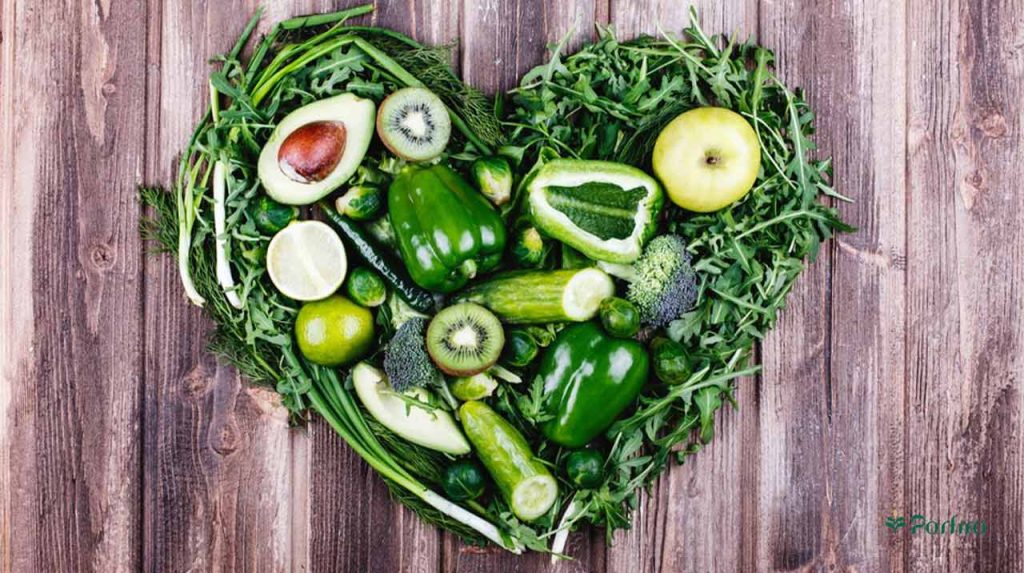
Most vegans avoid animal products for reasons related to ethics, health, or the environment, and sometimes these reasons are intertwined. On a vegan diet, you are likely to replaced with a variety of plant-based foods: meats, eggs, and dairy fruits, vegetables, whole grains, legumes, nuts, seeds, and fortified food products made from these.
A strict vegetarian or vegan diet excludes the consumption of meat, dairy products, eggs, and all food items coming from animal sources due to ethical, health, or environmental concerns. UK researchers from various studies highlight that veganism was once considered a fringe dietary option, but today, the number of people following a vegan diet has surged 350 percent over the last decade.
By definition, veganism is a lifestyle in which people avoid all forms of exploitation and killing of animals as much as possible. At first glance, a vegan diet may seem complicated or overly restrictive. Many individuals who are interested in adopting this diet initially worry about finding suitable plant-based alternatives for their favorite meals. However, most find that once they learn a few fundamental principles, the transition from a regular diet to veganism is easier than they think.
In this article, Porfiro defines what veganism is and shares several principles regarding the foods that should be consumed or avoided in a vegan diet. It is important to note that we do not recommend any specific type of diet other than healthy nutrition, and all the information provided is intended to raise awareness in the community. Ultimately, it is up to you to choose a specific type of these diets in consultation with your trusted physician or to incorporate only parts of each into your lifestyle.
What is Veganism?
The word ‘vegan’ itself originated in 1944 when a small group of vegetarians who broke away from the Leicester Vegetarian Society in England and started the Vegan Society. They abstained not only from meat but also from dairy, eggs, or anything derived from animals. The word was coined by taking the first and last letters of “vegetarian”. 1949 saw the birth of veganism into a definition. It has gone through a bit of a change over the years and has evolved to what is recognized today.
The Vegan Society describes it best when it describes it as “a philosophy and way of living which seeks to exclude-as far as is possible and practicable-all forms of exploitation of, and cruelty to, animals for food, clothing or any other purpose.” Most people use the word “vegan” as referring to a diet. With this latest definition, veganism transcends more than just eating a diet of plants.
Typically, vegans try not to exploit or harm animals in their lifestyles-from what they wear to cosmetics, even to forms of recreation. That is why many vegans also avoid purchasing wool coats, leather furniture, or pillows and bedding made from animal products. They also do not go on trips to the zoos and circuses, or even visits to factory farms, and instead frequent animal shelters.
Why Do People Become Vegan?
People typically choose to avoid animal products for one or more of the following reasons.
Ethics
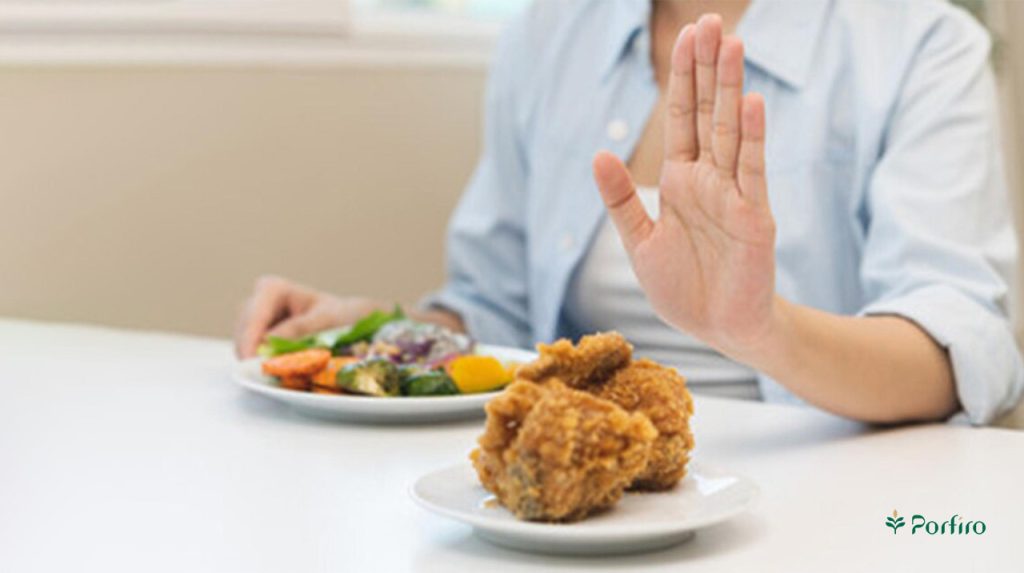
Ethical vegans strongly believe that all beings have the right to life and freedom. They view all animals as sentient beings that, like humans, wish to avoid pain and suffering. For this reason, ethical vegans oppose killing an animal for the purpose of eating its meat or wearing its skin or fur. Vegans also oppose the psychological and physical stress that animals may endure as a result of modern farming practices—such as small cages or pens where animals are often kept and rarely freed from birth until slaughter.
However, for ethical vegans, this concern extends beyond the cruelty of modern farming practices. Vegetarians oppose consuming products that heavily rely on the killing of other animals because alternatives are generally available. This behavior includes the slaughter of calves deemed surplus in the dairy industry or the culling of one-day-old male chicks common in egg production. Furthermore, ethical vegans generally believe that milk, eggs, honey, silk, and wool from exploited animals should not be exploited for human use regardless of their living conditions. This is why ethical vegans oppose drinking animal milk, eating its eggs, or wearing its wool, even in cases where animals are pasture-raised or fed freely.
Health
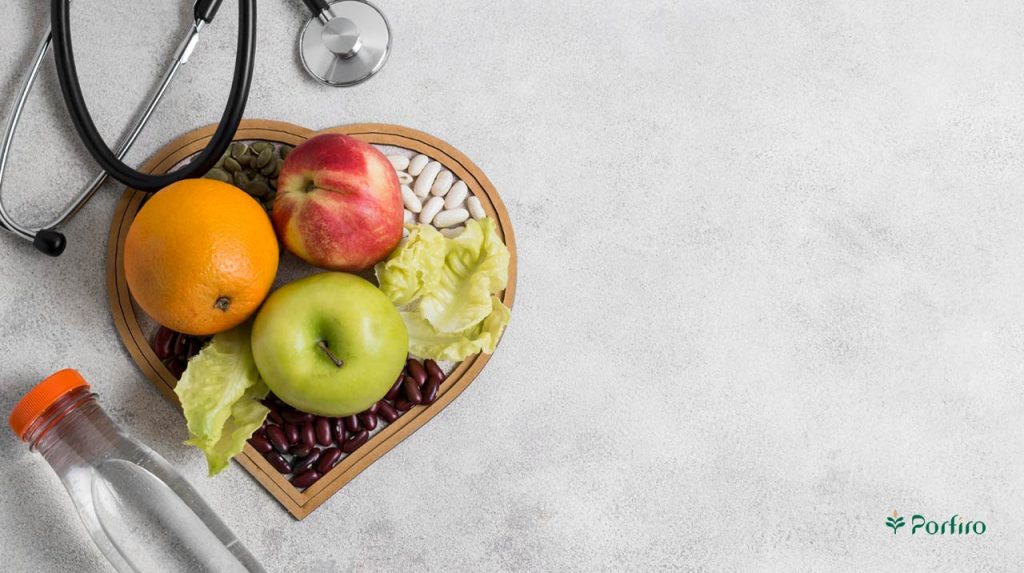
Some individuals choose a vegan diet due to its potential health benefits. Diets high in meat—especially red meat—are linked to cancer, heart disease, and type 2 diabetes. On the other hand, plant-based diets are associated with a lower risk of developing or dying from these diseases. Reducing animal product consumption in favor of more plant-based options may improve digestion and reduce the risk of Alzheimer’s disease. A vegan diet can also help mitigate side effects related to antibiotics and hormones used in modern animal agriculture.
Ultimately, vegan diets seem particularly effective in aiding individuals with unwanted weight loss. Several studies link vegetarian diets with a lower likelihood of obesity. However, if you follow a vegetarian or vegan diet, you may consume some nutrients less frequently. For this reason, planning is especially important. To plan a plant-based diet that helps you obtain your necessary nutrients, consult a healthcare professional such as a doctor or nutritionist. In vegan diets, the following nutrients are likely to be less abundant and should be obtained through other means:
- Vitamin B12
- Vitamin D
- Calcium
- Zinc
- Iodine
- Selenium
Individuals on vegetarian or vegan diets sometimes take supplements to ensure they receive nutrients that they may not get enough of in their diet.
Environment
People may also refrain from consuming animal products in order to reduce their impact on the environment. Recent reports suggest that animal production and industrial farming is considered one of the leading causes of climate change since it involves a tremendous volume of greenhouse gas emission. It is estimated that meat eaters contribute to producing 2 to 2.5 times more greenhouse gas than vegans or vegetarians.
Ruminant animals, such as cows, sheep, and goats, appear to produce the most greenhouse gases per gram of protein they produce. Thus, diets that reduce or entirely eliminate dairy products tend to generate much lower greenhouse gas emissions. One scientific study shows that a vegetarian diet generates 33% less greenhouse gas emissions than a typical American diet that includes meat, but with the same calories. A large part of the plant protein currently produced is used for animal, rather than human, feeding. It is because of this that land resource production of a diet high in animal products is greater compared to that of plant-based diets.
For instance, it would take 6 to 17 times more resources to produce animal protein than it does in making an equivalent amount of soy protein. Animal protein also requires 2 to 3 times more water, on average, depending on several factors like season and annual rainfall variations. In conclusion, with all these factors taken into consideration, experts estimate that we will likely exceed the resources of the planet by 2050 if nothing changes. Transitioning to a vegetarian diet may be one way to delay this outcome.
Types of Veganism
One important thing to realize is that just because something is vegan does not mean it is healthy. The quality of a vegan diet is determined by the foods that make it up. So, some vegan diets can offer considerable health benefits while others may not be healthy for you to eat. Following is a description of some subsets of the vegan diet that have been observed to be followed by different individuals.
- Dietary Veganism: Sometimes used as a synonym for “vegetarian,” it describes those who avoid products that come from animals in their diet but still would use them in other products, such as clothing and cosmetics.
- Whole-Food Veganism: Comprises mostly those who would like to have a diet rich in whole foods such as fruits, vegetables, whole grains, legumes, nuts, and seeds.
- Unhealthy Veganism: Others rely too much on processed plant foods, like vegan meats, French fries, frozen dinners, desserts like cookies, and non-dairy ice cream.
- Raw Veganism: The people in this group eat only uncooked food or foods that have been heated to no more than 118 degrees Fahrenheit (48°C).
- Low-Fat Raw Veganism: This subset is also called fruitarians because they may limit high-fat foods like nuts, avocados, and coconuts but rely mostly on fruits. They may consume other plants in small portions from time to time.
- Whole Food Vegan Diets: These are very great for good health. You may try a plant-based diet, but in finding the right dietary plan that suits your needs best, do it with the help of your healthcare professional.
What Do Vegans Eat?
Following are some of the key foods that vegans tend to eat and avoid.
Foods That Vegans Eat
Abstaining from animal products does not at all confine you to just salads and tofu. There is plenty of food that you can eat on a vegan diet that tastes fantastic. These include:
- Beans, Chickpeas, and Lentils: Examples include red, brown, or green lentils; chickpeas; split peas; black-eyed peas; black beans; white beans; and pinto beans. Soy Products: Fortified soy milk, soybeans, and items made from soybeans like tofu, tempeh, and natto. Nuts: For instance, pistachios, peanuts, almonds, cashews, and their respective butters.
- Seeds: sunflower seeds, sesame seeds and butter, flaxseeds, hemp seeds, and chia seeds.
- Whole Grains: Quinoa, whole wheat, bran oats, brown or wild rice, whole grain bread, crackers, pasta
- Starchy Vegetables: potatoes, sweet potatoes, corn, squash, beets, turnips.
This category includes nonstarchy vegetables such as broccoli, cabbage, asparagus, radish, leafy greens, and the like raw, frozen, canned, dried, or pureed. Fruits would include apples, pears, bananas, berries, mangoes, pineapples, oranges, and tangerines; these can be purchased fresh, frozen, canned, dried, or pureed. Other plant foods would be seaweed, nutritional yeast, fortified plant-based milk and yogurt, and maple syrup.
Most of the food items people love already have a vegan alternative, or are easily modifiable to suit a vegan’s dietary needs. For example, instead of animal-based entrees, you can have meals featuring beans, chickpeas, lentils, tofu, tempeh, nuts, or seeds. You can also replace dairy with plant-based milks, scrambled eggs with scrambled tofu, honey with plant-based sweeteners like molasses or maple syrup, and raw eggs with flaxseeds and chia seeds.
You can also choose from the increasing range of ready vegan products in the market, which include plant-based meats, vegan cheeses, and desserts. Just be aware that these are highly processed. It is, therefore, not wrong to consume them, only not as a big proportion of a healthy vegan diet.
Foods Vegans Avoid
Vegans avoid all foods of animal origin. Examples include:
- Meat and Fish: Such as beef, chicken, duck, fish, and shellfish.
- Eggs: Whole eggs and foods containing them, such as baked goods.
- Dairy: Milk, cheese, butter, and cream, and food products made with these ingredients.
- Other Animal-Derived Ingredients: Such as honey, albumin, casein, carmine, gelatin, pepsin, and whey.
Normally, to determine if food items contain animal products, it is always wise to check their ingredient labels. Fortunately, today many plant-based foods are labeled as such to allow for easy identification in grocery stores.
Scientific Benefits of Veganism
Therefore, vegan diets are associated with numerous health benefits. Vegan diet may help an individual to lose weight. Veganism may promote heart health too. This diet may protect the human body from type 2 diabetes as well as some cancers. In this section of the article, we are going to talk about some scientific aspects of vegan diets. We’ll enumerate some food ideas that show how diverse this diet can be on a plant-based and whole-food level, and if you’re thinking about how veganism is different from vegetarianism, we’ll talk about that too.
Nutrient Density in Vegan Diets
Moving from the typical Western diet onto a vegan diet, you will eliminate meat and animal products, which will have you relying heavier on other foods. In a whole-food vegan diet, some of the alternatives are whole grains, fruits, vegetables, beans, peas, nuts, and seeds.
Because these foods make up a greater part of diets for vegans than in typical Western diets, they can supply more of some of the more desirable nutrients in daily intake. Several reports commented that vegan diets provide more fiber, antioxidants, and useful plant phytochemicals. They reportedly are denser in potassium, magnesium, folate, and vitamins A, C, and E. Vegan diets seem to contain more iron, too; however, the form of iron coming from plants is not as bioavailable as it is from animal foods—meaning your body is not able to absorb it quite as well.
Not all vegan diets are created equal, however. A poorly planned vegan diet will not provide adequate vitamin B12, niacin, riboflavin (vitamin B2), vitamin D, calcium, iodine, selenium or zinc. This is the reason proper selection of whole plant foods and fortified foods is important. You may want to consider supplements for nutrients listed above since these may not be as readily available in a vegan diet.
Veganism Can Help with Weight Loss
It can certainly help shed pounds off. More and more people are trying to embark on plant-based diets in hopes of shedding weight. While one cannot say with complete assurance that going vegan will have you losing weight, there are various compelling reasons to give it a try. Many observational studies find vegans to be leaner and to have a lower body mass index (BMI) compared to non-vegans. Several scientific studies further report that, on average, vegan diets tend to be more effective for weight loss compared with other diets they were matched against. Some of these include:
- In the small study reported, those consuming a low-fat, high-fiber vegan diet lost more weight compared to those on a regular low-fat diet.
- For one vegan diet, weight loss of 13.6 kgs over 16 weeks was recorded for vegans whereas no weight loss was observed for those on a Mediterranean diet.
- In another study, vegans lost greater amount of weight as compared to those individuals who consumed meat or fish. In this same above-mentioned study, vegetarians lost an amount of weight equal to that lost by the vegans.
A small comparative weight loss study of five different diets reported that vegan and vegetarian diets were as effective for weight loss as semi-vegetarian and standard Western diets. Even when participants in the study had poor compliance to their diet, those in the vegetarian and vegan groups still lost more weight than those on a standard Western diet. More research is really needed to tease out exactly which aspects of the vegan diet make for the most profound impacts on weight loss. Vegan or not, so many factors can intervene in a weight loss diet, including:
- Fiber content
- Caloric levels
- Intake of whole foods as opposed to processed foods
A vegan diet has been associated with lower blood sugar levels and improved kidney function.
In particular, a diet devoid of animal products would improve type 2 diabetes mellitus and result in reduced decline in kidney function. Vegan subjects are indeed seen to have lower blood sugar while increasing insulin sensitivity; hence, type 2 diabetes risks are decreased. Even if you’re not full vegan, increasing your intake of healthy plant foods while reducing your meat and dairy consumption can help lower your risk for type 2 diabetes. One 2006 study went so far as to report that a vegan diet reduced blood sugar levels in diabetic patients more than the ADA recommended diet.
Risk of Diabetes Complications May Also Be Lower
Overall, evidence indicates that vegan diets are associated with a lower risk in some of the complications associated with type 2 diabetes. Individuals with diabetes who replace meat with plant-based protein may be lowering their risk for kidney disease; this requires more research. It also has been observed that vegan diets tend to decrease pain associated with peripheral neuropathy, a common condition in diabetic individuals.
Becoming Vegan May Protect You Against Certain Cancers
One-third of cancers can be prevented by factors in your hands, according to the World Health Organization, which includes diet.
Benefits of Increased Plant Food Consumption
Vegans consume more legumes, fruits, and vegetables than other non-vegans. This could explain why vegans are at a risk of 15% to develop cancers. For example, regular legume intake may reduce the risk of colorectal cancer by 9 to 18%. According to the National Cancer Institute, increased intake of plant foods decreases the risk of stomach, lung, mouth, and throat cancers. It possibly even reduces the risk of colon, prostate, and pancreatic cancers. Besides, vegan diets contain more soy products, which may be more protective against breast cancer.
Benefits of Abstaining from Meat
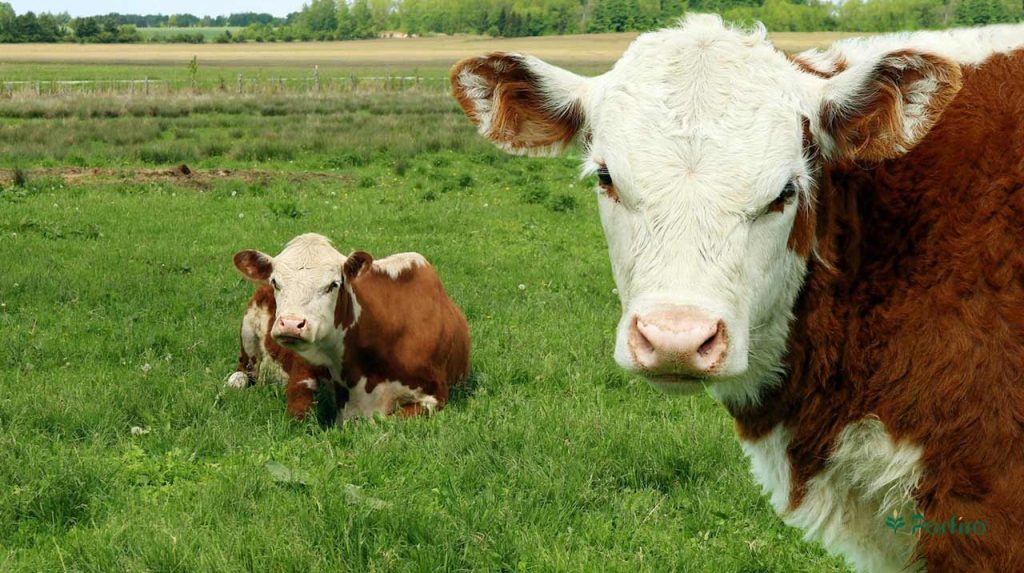
By avoiding certain animal products, an enormous risk of prostate, breast, stomach, and colorectal cancers can be avoided. Red meat, meats that have been smoked or processed, and high-heat cooked meats are carcinogens that can activate certain cancers. A vegan diet does not include meat; therefore these foods would not be a part of a vegan’s diet, hence ultimately reducing their potential cancer threat.
Consequences of Avoiding Dairy
Vegans also avoid dairy products, which some studies suggest may slightly raise the risk of prostate cancer. On the other hand, there is evidence that dairy may help lower the risk of other cancers such as colorectal cancer. Therefore, avoiding dairy may not be a factor that reduces overall cancer risk in veganism. Until scientists know more, however, it seems sensible to focus on upping your intake of fresh fruits, vegetables, and legumes, and holding back on processed meats and those cooked to high temperatures and smoked.
veganism is associated with a reduced risk of heart disease:
However, it is also noted that adequate intake of fresh fruits and vegetables, legumes, and fiber reduces the risk of cardiovascular disease. By nature, a well-planned vegan diet provides all this in larger portions than what the average Western diet consumes. Observational studies comparing vegans with vegetarians and non-vegetarians indicate that vegans may be at a risk of developing hypertension by as much as 75% less. They are also less likely to die from cardiovascular ailments.
Additionally, most of the studies reported that vegan diets are particularly very effective at reducing blood sugar, LDL (bad) cholesterol, and overall cholesterol when compared with the diets they have been pitted against. This will be particularly helpful for heart health since reduction in high blood pressure, cholesterol, and blood sugar could reduce heart disease by 46%. A varied vegan diet is also full of whole grains and nuts, protective against heart disease.
A Vegan Diet May Lessen Arthritis Pain
A vegan diet has a positive impact on patients with various forms of arthritis. Some research reports that arthritic sufferers maintained on a vegan diet for a span of six weeks felt more energetic and fared better overall than patients on a standard regimen. Other multiple studies reveal that a diet based on veganism may potentially reduce symptoms of rheumatoid arthritis, such as pain, joint swelling, and morning stiffness. It is above average due to the higher content of antioxidants, probiotics, and fiber within this diet, along with avoiding those foods that enhance inflammation.
Vegan Recipe Ideas
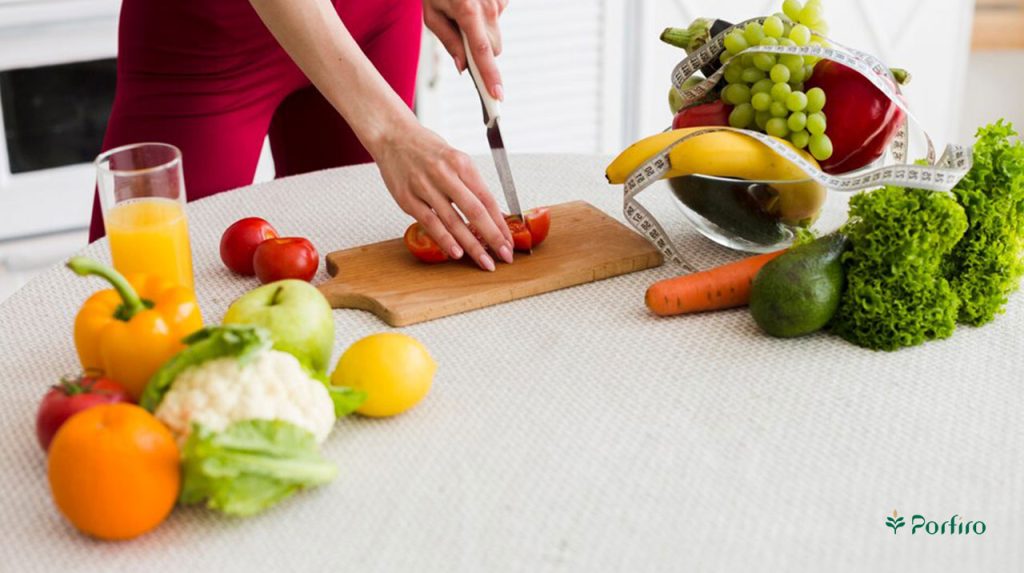
Now that you have seen its potential benefits, it is important to determine how you can fit more plant-based foods into your diet. Fortunately, you can get a lot of variety in a vegan diet. We have chosen some tasty recipes to inspire your vegan meal ideas.
Freezer-Friendly Curry
This potato and spinach curry is packed with vegetables and chickpeas, making it an excellent dish that can be prepared in advance and frozen for a quick dinner when needed. Serve it over cooked rice and try making garlic tortillas as a dip on the side. Here are the ingredients you will need:
Ingredients
- 1 tablespoon vegetable oil
- 1 medium onion, chopped
- 2 cloves garlic, minced
- 1½ crushed vegetable bouillon cubes
- 3 tablespoons (19 grams) roasted masala spice mix
- 3 medium potatoes, diced into 1 cm cubes
- 1 carrot, chopped
- 1 cup (164 grams) cooked chickpeas
- 1 cup (240 milliliters) canned diced tomatoes
- 1 cup (240 milliliters) water
- 1 cup (240 milliliters) canned full-fat coconut milk (optional)
- 2 cups (60 grams) fresh spinach
- 1 cup (134 grams) frozen green peas
Garlic Tortillas
- 2 tablespoons (10 milliliters) vegetable oil
- 2 cloves garlic, minced
- 2 large soft tortillas
- Served with well-cooked rice
Instructions
- In a large pot over high heat, add the oil and onion, sautéing for 3 to 4 minutes. Then add the garlic and sauté for another minute.
- Add the crushed vegetable bouillon and masala spice mix. Cook continuously for 30 to 60 seconds, stirring until the spices become slightly toasted.
- Add the potatoes, carrot, chickpeas, tomatoes, and water. Bring to a boil.
- Reduce the heat to a simmer, cover, and cook for 20 to 25 minutes or until the potatoes are fully cooked, stirring occasionally.
- To make the garlic tortillas, mix the oil and minced garlic in a small bowl. Brush the garlic oil on each side of the tortilla and toast in a large skillet over medium-high heat for 1 to 2 minutes on each side or until golden brown.
- Once the potatoes are cooked, add the coconut milk, spinach, and peas. Cook until heated through.
- Serve the curry with toasted garlic tortillas or some rice if desired. Enjoy!
Storage
The curry can be stored in an airtight container in the refrigerator for up to 3 days or in the freezer for up to 1 month.
Classic Comfort Food, Vegan Style
If you’re looking for a rich and comforting dish, this vegan mac and cheese will be a delightful option. Here are the ingredients you will need:
Ingredients
- 2 cups cooked/steamed or roasted butternut squash (roasted at 375°F for 30 minutes)
- 1 clove garlic, roasted with butternut squash at 375°F for 30 minutes
- 2 tablespoons cornstarch
- 1 cup unsweetened plain non-dairy milk
- 1 tablespoon grapeseed oil or canola oil
- 3 teaspoons Dijon mustard
- 1 teaspoon onion powder
- 1 tablespoon freshly squeezed lemon juice
- 1 cup nutritional yeast
- 1½ teaspoons sea salt
- Half a package of macaroni noodles
- 3 cups thinly sliced Brussels sprouts
- 1 tablespoon olive oil
- 1 teaspoon red pepper flakes
Instructions
- Prepare the Cornstarch Mixture: In a small bowl, mix the cornstarch with one-third cup of non-dairy milk. Make sure to eliminate any lumps. Set aside.
- Heat the Saucepan: In a saucepan, heat the oil over medium heat.
- Combine Ingredients: Add the remaining non-dairy milk along with the Dijon mustard, onion powder, lemon juice, nutritional yeast, and sea salt. Stir until well combined.
- Incorporate Cornstarch Mixture: Gradually whisk in the cornstarch mixture and continue stirring until everything is combined and the sauce thickens (this should take about 3 minutes).
- Cook the Pasta: Meanwhile, cook your macaroni noodles according to the package instructions.
- Drain and Cool: Drain the noodles and place them in a deep dish to cool.
- Blend Sauce: Pour the sauce into a blender, then add the butternut squash and roasted garlic.
- Blend Until Smooth: Blend until smooth and adjust seasoning with more nutritional yeast and salt if needed; it should be quite salty to balance out the noodles.
- Combine Noodles and Sauce: Pour the sauce over the noodles and mix well to coat each noodle evenly.
- Prepare Brussels Sprouts: Massage the sliced Brussels sprouts with olive oil and a pinch of sea salt.
- Top with Brussels Sprouts: Evenly distribute the Brussels sprouts on top of the mac and cheese, then sprinkle red pepper flakes over it.
- Bake: Bake for 20 minutes.
- Serve Immediately: Enjoy your delicious vegan mac and cheese right away!
This vegan mac and cheese are not only comforting but also packed with nutrients from the butternut squash and Brussels sprouts, making it a perfect meal for any occasion!
Comparing Vegan and vegetarian
Vegan and vegetarian diets are both plant-based eating plans, but they differ significantly in terms of restrictions and motivations.
Vegetarian Diet
According to the Vegetarian Society, a vegetarian is someone who does not consume meat, poultry, fish, or any by-products of animal slaughter. However, vegetarians may include various animal-derived products in their diets, such as:
- Lacto-ovo vegetarians: Avoid all meat and fish but consume dairy products and eggs.
- Lacto vegetarians: Avoid meat and eggs but include dairy products.
- Ovo vegetarians: Exclude all animal products except for eggs.
- Pescatarians: Do not eat meat or poultry but do consume fish.
Vegetarianism has been practiced since at least 700 B.C. for various reasons, including health, ethical considerations, environmental concerns, and religious beliefs. While vegetarian diets can be healthy, they can also include processed foods that may not provide essential nutrients if not carefully planned.
Veganism Diet
Veganism is a stricter form of vegetarianism that excludes all animal products. This means no meat, poultry, fish, dairy, eggs, or honey. Vegans often avoid any products derived from animals, including gelatin and certain vitamins. The motivation for adopting a vegan lifestyle typically encompasses ethical concerns regarding animal rights and environmental sustainability.
Similarities and Differences
Both diets emphasize fruits, vegetables, legumes, nuts, seeds, and whole grains. However, the key differences lie in the acceptance of animal by-products:
- Animal Products: Vegetarians may consume dairy and eggs; vegans do not allow any animal-derived foods.
- Ethical Considerations: Vegans generally adopt a lifestyle that seeks to eliminate all forms of animal exploitation, while vegetarians may accept animal by-products if they do not involve slaughter.
Health Impacts
Both diets have been associated with health benefits such as lower cholesterol levels and reduced risk of chronic diseases like heart disease and diabetes. However, careful planning is essential to ensure adequate intake of nutrients like vitamin B12, iron, calcium, and omega-3 fatty acids. Vegans may face a higher risk of deficiencies due to the stricter limitations on food sources. In summary, while both veganism and vegetarianism promote plant-based eating for health or ethical reasons, the extent of dietary restrictions varies significantly between the two.
A Vegan Diet:
A vegan diet is a diet that can be described as the very strictest form of vegetarianism. The vegan community defines veganism as a way of life that looks to, as far as possible, exclude all forms of exploitation and cruelty to animals whether for food or any other purpose. Thus, a vegan diet not only excludes animal meat but also eliminates dairy, eggs, and other substances derived from animals. This involves the following food items:
- Gelatin
- Honey
- Carmine
- Pepsin
- Shellac
- Albumin
- Whey
- Casein
- Some forms of Vitamin D3
Vegetarians and vegans often share the same motives for not consuming their respective forbidden foods. The biggest differentiation between the vegetarian and the vegan is that one can tolerate animal by-products while the other cannot. For example, vegetarians and vegans may eliminate meat from their diet because of health or environmental issues. In addition to this, vegans abstain from all animal by-products because they feel these do the most harm to their health and the environment.
Ethically speaking, vegetarians condemn killings of animals for food but find the use of animal by-products like milk and eggs acceptable so long as the animals are kept in humane conditions. On the contrary, vegans feel animals have the right to live independently of humans in taking foods, clothes, doing science with, or even entertainment. With that in mind, they try to avoid all animal by-products regardless of the conditions in which the animals are raised or kept.
Nutrition Concerns of Vegetarian and Vegan Diets
There are several studies that have been carried out that indicate vegetarian and vegan diets have lower levels of saturated fats and cholesterol. They have a high volume of vitamins, minerals, fiber, and phytochemicals. The diets also have numerous nutrients from different sources; such foods include fruits, vegetables, whole grains, nuts, seeds, and soy products. However, due to inadequate planning, vegetarian and vegan diets have been associated with deficiencies of many nutrients.
Most common are iron, calcium, zinc, and vitamin D. Vitamin B12 and long-chain omega-3 fatty acid intakes tend to be low in both diets; overall, nutrient intakes are often most inadequate among vegans compared with vegetarians. While vegetarian and vegan diets heavily rely on fruits, legumes, and vegetables, some items may be free from meat but still contain components that are very unhealthy, including the following:
- Highly processed foods
- High added sugars
- Methods of cooking which can add in excessive amounts of fat
Items included in this category are cookies, fries, candies, and nut-based ice creams-which may again be vegetarian or vegan-but nevertheless contain refined carbohydrates, high added sugars, or are fried. These should be consumed in moderation. In maintaining a balanced intake of essential nutrients on a vegan diet, special attention should be given to:
- Vitamin B12: Most abundant in animal products; vegans need to consider fortified foods or supplements.
- Iron: Less bioavailable from plant sources; dietary iron absorption is increased when vitamin C and iron are consumed together.
- Calcium: Most important nutrient for healthy bones; vegans obtain calcium from fortified plant milks and greens.
- Zinc: Lower bioavailability from plant sources, and vegans may need to increase zinc intake. Omega-3 Fatty Acids: These are essential to heart health; foods like flaxseeds and walnuts contain it.
A well-planned vegan diet with variety and consideration of supplements that may be required to prevent deficiencies is nutritionally adequate.
Which is healthier?
The Academy of Nutrition and Dietetics, along with many scientific reviews, concluded that vegetarian and vegan diets are appropriate for all of the life cycle stages if the diet is well-planned. Poor intake of several nutrients could result in health consequences that have an effect not only on mental but also on physical health. Both vegetarians and vegans have lower intakes of these nutrients.
On the other hand, studies do indicate that vegetarians consume more calcium and vitamin B12 than vegans do. Nevertheless, both vegetarians and vegans should be very attentive to getting the most from plant-based foods with nutritional strategies to enhance nutrient absorption, and also consider fortified foods and supplements. Following are some points vegetarians and vegans should consider with utmost care:
- Daily analysis of nutrient intake
- Monitoring of blood levels of nutrients
- Supplementation when necessary
Few studies have directly compared the diets of vegetarians and vegans, but they indicate that the vegans might possess a slightly lower risk for developing type 2 diabetes as well as heart disease, and maybe certain types of cancer. In a nutshell, both diets can be healthy, provided they are well planned; however, there are nutrients that one needs to pay close attention to for the sake of his overall health.
Veganism Is More Than What You Eat
While vegetarians and vegans may both avoid animal products for similar reasons, this choice is less about diet and more about lifestyle for vegans. Veganism is, in fact, often considered by many as a lifestyle that greatly stresses animal rights. Therefore, most vegans also do not buy any articles of clothing that are created from silk, wool, leather, or suede. Thirdly, most vegans also avoid companies which test on animals and use cosmetic products that contain no animal by-products.
A person considered an “ethical vegan” will not go to circuses, zoos, rodeos, horse racing, or any sports that employ animals for humans’ amusement. Finally, many environmentalists are becoming vegans since it puts less strain on the land and has its advantages in helping to combat global warming.
Frequently Asked Questions
What is veganism?
Veganism is a lifestyle and dietary choice that seeks to avoid all forms of exploitation and cruelty to animals, whether for food, clothing, or any other purpose. People who follow veganism abstain from consuming all animal products, including meat, dairy, eggs, and honey, and also avoid products made from animals or tested on them. Veganism is motivated by ethical, environmental, or health reasons and has become increasingly mainstream in recent years.
What is a vegan?
A vegan is someone who does not consume animal products or by-products and often avoids the use of non-food animal-derived items such as leather, wool, and products tested on animals. Vegans follow a plant-based diet and typically choose this lifestyle for ethical, health, or environmental reasons.
What is a vegan diet?
A vegan diet consists entirely of plant-based foods—including fruits, vegetables, grains, legumes, nuts, and seeds—with no meat, dairy, eggs, honey, or any products made from animals. Vegan diets are recognized for their potential health benefits, such as a lower risk of certain chronic diseases, and are also chosen for ethical and environmental purposes.
What do vegans eat?
Vegans eat a variety of plant-based foods, including vegetables, fruits, beans, lentils, grains, nuts, seeds, tofu, and plant-based alternatives to dairy and meat. They avoid all animal-derived foods, but modern stores and restaurants offer an expanding range of satisfying vegan options.
What is vegan food?
Vegan food is any food that does not contain ingredients derived from animals. This includes meat, fish, dairy, eggs, and honey. Vegan food options range from fresh produce to prepared meals such as plant-based burgers, vegan cheeses, nut milks, and a wide variety of baked goods that use plant-based ingredients.
What does a vegan diet include?
A vegan diet includes plant foods such as fruits, vegetables, whole grains, beans, legumes, lentils, nuts, seeds, and plant milks. Many vegans also enjoy vegan versions of familiar foods, like dairy-free cheese, vegan burgers, and plant-based desserts, which do not contain any animal products.
10117



It is the best time to make a few plans for the long run and
it’s time to be happy. I have learn this put up and if I could I want to suggest you some interesting issues
or suggestions. Perhaps you can write next articles relating to this article.
I wish to learn even more things about it!
Thank you very much for your thoughtful comment and valuable suggestions. We’re glad to hear that you found the post meaningful and that it inspired you to think about long-term plans and happiness.
We truly appreciate your interest in learning more, and we will definitely consider writing more articles related to this topic in the near future. Your feedback is very encouraging and helps us improve the content to better serve readers like you.
Please feel free to share any specific ideas or questions you have—we would be happy to hear them.
Thanks again for your support and engagement!