
Having a proper nutrition diet is essential to achieve and maintain optimal athletic performance. In addition to planning daily meals, sports nutritionists pay special attention to the needs of athletes before, during and after training sessions and competitions.
Nutrition science is actually the study of nutrients in food, how the body uses them and the relationship between diet, health and disease. So, if you want to know more about the importance of proper diet for athletes and especially tennis players, please follow the article with Porfiro.
Nutritionists use molecular biology, biochemistry, and genetics to understand how nutrients affect the human body. Nutrition focuses on how people can reduce their risk of disease by making the right food choices. Also, what happens if a person receives too much or too little nutrients and how allergies occur in the body. Nutrients i.e. proteins, carbohydrates, fats, vitamins, minerals, fiber and water are the basis of nutrition science.
If people do not have a proper balance of nutrients in their diet, the risk of some diseases increases in them; Therefore, a wide range of foods and nutritional products are available to the athlete to meet these needs. Having a proper diet gives the athlete enough energy and nutrients to respond to training and sport’s needs. Also, in addition to helping the optimal performance, it facilitates the recovery process of the body.
Important points of nutrition for athletes
- Their need for calories
- Amounts and proportions of macronutrients
- Timing of meals and snacks consumed in a day
- Vitamins and minerals needed for optimal recovery and performance
- Supplying water needed by the body
Adapting these considerations to the athlete’s weight and body composition, the amount of time spent training, and the type of sport they perform can improve their performance.
Macronutrients in the diet of athletes
According to the “Dietary Guidelines for Americans, 2020-2025“, the optimal proportions of macronutrients for adults are as follows:
- Carbohydrates: 45 to 65% of calories
- Protein: 10 to 35% of calories
- Fat: 20 to 35% of calories
From the point of view of the International Sports Science Association (ISSA), people can adjust these ratios based on their physical activity goals; For example, an endurance athlete will increase their carbohydrate intake, while a strength athlete will increase their protein intake.
The importance of consuming carbohydrates in sports

Carbohydrates are very important in sports nutrition because of the vital role they play in sports performance. These substances are usually the preferred fuel source for many athletes; especially for intense and long-term sports; Because they provide enough glycogen storage and blood glucose to meet the needs of exercise.
To maintain glycogen stores in the liver and muscles, athletes need different amounts of carbohydrates depending on their training volume. For moderate amounts in vigorous exercise (2 to 3 hours of vigorous exercise per day or 5 to 6 times per week), ISSN intake is 5 to 8 grams per kilogram (g/kg) of body weight, or 250 to 1,200 grams of carbohydrate per day for athletes. which weigh 50 to 150 kg, he suggests.
For high volume intense training (3 to 6 hours per day of intense training or 5 to 6 days per week) ISSN 8 to 10 grams per kilogram of body weight or 400 to 1500 grams of carbohydrate per day for athletes weighing 50 to 150 kg recommends; For example, a 150 kg athlete doing intense high-volume training will consume approximately 1200 to 1500 grams of carbohydrates. Healthy carbohydrates for an athlete’s diet can include whole grains such as brown rice, quinoa, oats and pasta, and starchy vegetables such as potatoes.
The importance of protein for athletes
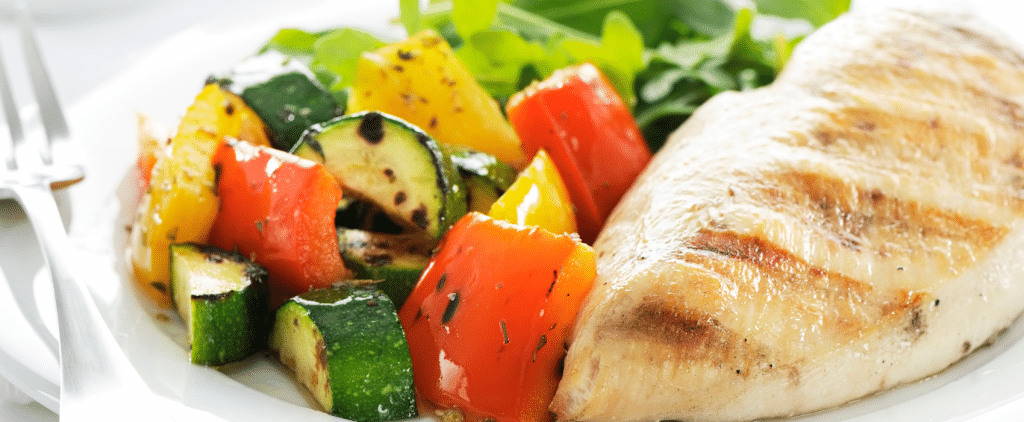
Protein plays an essential role in sports nutrition; Because it provides the body with the necessary number of amino acids to help build and repair muscles and tissues. Athletes who perform intense training may consume more than twice the Recommended Daily Allowance (RDA) of protein in their diet; For example, dietary intake is 46 grams for adult women and 56 grams for adult men; For this reason, consuming about 92 grams and 112 grams of protein may be useful for athletes.
ISSA suggests that many athletes can safely consume 2 grams of protein per 1 kilogram of body weight per day; While the RDA recommendation is 0.8 g/kg. Also, from ISSN’s point of view, optimal protein consumption may vary from 1.2 to 2 grams per kilogram of body weight per day. Higher amounts of protein can prevent protein catabolism and slow recovery in the body of athletes.
An athlete for moderate intense training should consume 1.2 to 2 grams of protein per 1 kilogram of body weight, which translates into 60 to 300 grams of protein per day for an athlete weighing 50 to 150 kilograms. For intense high-volume training, the ISSN recommends 1.7 to 2.2 grams of protein per 1 kilogram of body weight per day, or 85 to 330 grams of protein for an athlete weighing 50 to 150 kilograms.
Healthy protein sources for athletes
- Chicken and lean meat
- Fish and seafood
- Eggs and dairy products
- Beans and lentils
- Nuts and seeds
- Soy, including tofu and tempeh
The importance of fat consumption in sports
The presence of fat in the diet is necessary to maintain body processes such as hormone metabolism and neurotransmitter function. ISSN recommends that athletes consume a moderate amount of fat, which makes up about 30% of daily calories. However, they can consume up to 50% of their daily calories as fat to meet their higher volume training needs. Athletes looking to lose body fat may reduce fat intake by up to 20% of their daily calories. Some athletes may choose a ketogenic diet and consume higher amounts of fat. However, the ISSN review shows that there is insufficient evidence of the diet’s effectiveness. Sources of healthy fats include fatty fish, olive oil, avocados, nuts, and seeds.
Micronutrients, supplements and hydration
Athletes must ensure they are consuming the essential vitamins and minerals needed to support their overall health and athletic performance. They can usually get the necessary vitamins and minerals by eating a varied and balanced diet. Some athletes may choose vitamin or mineral supplements or ergogenic supplements such as creatine. ISSN recommends that consumers evaluate the credibility and scientific merit of manufacturers’ claims about dietary supplements. There is little evidence to support the effectiveness or safety of many dietary supplements, including:
- Adenosine 5′-triphosphate
- Branched chain amino acids
- Phosphatidic acid
- Glutamine
- Arginine
However, scientists believe other ergogenic aids, such as caffeine and creatine monohydrate, are safe and effective for athletes. Some sports associations prohibit the use of certain nutritional supplements. In addition, athletes should ensure that they keep their bodies fully hydrated. According to the ISSN and other sports nutritionists, when a person loses 2 percent or more of their body weight through sweat, their performance is significantly impaired. Since sweat loss is a combination of fluids and electrolytes such as sodium and potassium, athletes may use sports drinks, milk, or both to meet some of their hydration needs.
Calories needed for athletes
Athletes need enough calories to perform activities. According to ISSN, athletes who train hard for 2 to 6 hours a day or 5 to 6 days a week may burn more than 600 to 1200 calories per hour during exercise; As a result, athletes participating in this level of activity may need 40 to 70 calories per kilogram of body weight per day. In contrast, sedentary people usually need 25 to 35 calories per kilogram of body weight per day. According to ISSN, athletes weighing 50 to 100 kg may need 2000 to 7000 calories per day. Also, athletes weighing 100 to 150 kg may need 6000 to 12000 calories per day.
Eating time before and after exercise
The timing of eating meals and snacks can be critical to an athlete’s performance; Because it helps in achieving training goals, reducing fatigue and optimizing body composition. Guidelines for timing and amount of nutrition will vary depending on the type of athlete; For example, the ISSN recommends strength athletes consume carbohydrates and protein or protein alone 4 hours before and 2 hours after exercise.
The American College of Sports Medicine (ACSM) also notes the importance of protein intake before and after exercise for strength athletes. In contrast, endurance athletes should consume carbohydrates and a small amount of protein approximately 1 to 4 hours before exercise. Both the ISSN and ACSM sources emphasize the role of meal timing in optimizing recovery and performance and recommend that athletes consume nutrients evenly throughout the day, every 3-4 hours. In some people, consuming meals too close to the start of exercise may cause digestive discomfort in them; Therefore, it is important to eat the right amount of food and not exercise too quickly after eating.
The type of exercise and proper nutrition with it
Athletes have different nutritional needs according to the type of sport they do. People who are training or competing at high levels may find it challenging to consume enough food for their energy needs without causing gastrointestinal (GI) distress; especially immediately before an important training or competition; For example, the ISSA emphasizes the importance of hydration and carbohydrate loading for competitive swimmers.
At the same time, he emphasizes consuming easily digestible carbohydrates, such as bananas and pasta, before exercise to avoid gastrointestinal upset. Athletes may need to consult with a sports nutritionist to ensure they are consuming enough calories and nutrients to maintain their body weight, optimize performance and recovery, and plan a timing strategy that fits their body, sport, and schedule.
Sample diet for athletes
Athletes should have a healthy and varied diet that meets their nutritional needs. To increase the quality of nutrition, it is better to eat whole foods than processed foods. Choosing whole grains and other fiber-rich carbohydrates as part of your daily diet promotes overall health. However, immediately before and during intense training and competition, some athletes may prefer simpler carbohydrates and less fiber to provide the necessary fuel while reducing gastrointestinal distress.
Below is an example of what an athlete might eat in a day to meet their nutritional needs. The size and calories vary depending on the sex, weight and activity level of the person, and what follows is just an example. To have such a program, individual and specialized considerations must be made by a nutritionist:
- Breakfast: eggs (boiled, scrambled) with salmon, fresh spinach and whole grain toast or bagels.
- Lunch: chicken or tofu, brown rice, broccoli, green beans and baked tomatoes.
- Dinner: A baked sweet potato with turkey, kidney beans, or both, along with a salad of watercress, peppers, and avocado with olive oil, topped with hemp seeds.
Suitable snacks for athletes
Snacks are an effective way to provide calories, nutritional needs, and fuel throughout the day for athletes. Suitable snacks include the following:
- Carrot and whole grain pita dipped in hummus
- Smoothie with protein powder and fruit
- Whole grain crackers with cheese or canned tuna
- Greek yogurt with berries, nuts or granola
- An apple or banana with peanut butter or almonds
In this article, the sport of tennis has been chosen so that we can recommend the above-mentioned materials to the athlete who is active in this field.
Tennis sport
Tennis is a racket and ball sport played between 2 or 4 people. The sport is played internationally by men and women at a range of ages and competition levels from recreational to elite professional. Tennis matches are played in multiple sets (usually 3), but men compete in matches that go over 5 sets at major tournaments. At a professional level such as the Australian Open, matches can last up to 3 hours for women and 4-5 hours for men.
Tennis Players may only have a very short break (20 seconds) between each score. There is also a short break (90 seconds) with changing ends, as well as 2 minutes between sets. Competitive tennis play involves repeated short, high-intensity sprints for a match that can last many hours; Therefore, tennis is a sport that not only requires a high level of skill and coordination, but also requires a well-developed anaerobic energy system and excellent aerobic capacity.
Training diet for tennis players
Training for tennis can be intense and prepare athletes for increased energy and carbohydrate needs; Therefore, nutrition programs should be periodized to match the training needs of the tennis player; For example, a diet rich in carbohydrate-rich, nutrient-dense foods is critical to providing sufficient energy to maintain performance and promote recovery during periods of heavy exercise. When training loads are lighter, energy and carbohydrate requirements are correspondingly reduced.
In general, an athlete’s nutrition should focus on a combination of lean proteins aimed at muscle repair and recovery with nutrient-dense carbohydrates (timed to fuel). In addition, fruits, vegetables, nuts, seeds, and whole grains provide important vitamins and minerals along with some healthy fats.
The need to consume fluids in tennis
Staying hydrated is important for playing tennis; Because the intensity of the competition as well as the hot weather conditions can cause a lot of sweating, including the loss of water and electrolytes. Hydration becomes even more important if the competition lasts longer. Since dehydration can impair dexterity and decision-making, drinking fluids (especially water) regularly and paying attention to the color of your urine is a good place to start. During training and competition, having fluids available and making the most of them will restore water lost through sweating. Because athletes have unique fuel and hydration needs, it’s important to speak with a certified sports nutritionist for proper fluid intake.
Meal before tennis matches
It is important to start the race fueled and hydrated. Race times are unpredictable, which can make it challenging to know when to eat a pre-race meal. In general, eating a meal 3 to 4 hours before the start of the race, with small snacks if needed, is a good approach. The pre-race meal should contain some carbohydrates for energy as well as some fluids for hydration. Some suitable combinations are:
- Make a salad or sandwich with meat/fish/eggs.
- Birch muesli or porridge with fruit.
- Pasta with minced meat and tomato sauce.
- Chicken noodle soup served with bread rolls.
- English muffin with avocado and cheese.
Additional snacks should be high in carbohydrates, low in fat, and fiber so that they are easily digested. Some suitable snacks include:
- yogurt
- Fruit salad or fresh fruit
- Mixture of dried fruit and nuts
- Rice cake with peanut butter and banana
- Bread/fruit bread
If pre-match solids are not suitable for tennis players who are often very nervous, a liquid source of carbohydrates such as a fruit smoothie or a liquid meal can be a smart choice for these moments.
Eating and drinking during a tennis match
Because tennis matches are often played in hot conditions, it is important to replace lost fluids and stay cool during breaks in the game. Additionally, carbohydrates can enhance performance and delay fatigue. Due to the length and intensity of the competition, athletes should bring appropriate liquids and snacks to provide energy and hydrate the body. Suitable snacks are fresh fruit, dried fruit, muesli bar or sandwich with honey or jam.
Many tennis players do not like to eat during the game; Because their stomach becomes heavy. In these cases, specialized sports foods such as gels, energy bars and sports drinks can be useful; Because they are digested quickly. Players should consult with a certified sports nutritionist to ensure proper nutrition and hydration during training and competition and to know which foods and fluids are right for them.
Body recovery after tennis matches
If players have less than 8-12 hours between practice sessions or are playing in a tournament with multiple matches over multiple days, they should prioritize recovery as soon as possible after the match. Recovery meals and snacks should contain carbohydrates (fuel), protein (for muscle repair and growth), and plenty of fluids and electrolytes to replace lost water. Also, a lot of greens should be consumed to fully improve nutrition and gut and immune system health.
Some food suggestions for recovery include:
- Egg salad sandwich
- Flavored milk + potions
- Sandwich with chicken, cheese, avocado and salad
- Pasta with Bolognese sauce and side salad
- Homemade pizzas with ham, cheese + vegetables
Conclusion
In general, athletes should consider proper nutrition and diet to optimize their health and performance. They should consider their calorie and macronutrient needs and ensure they eat a varied diet that provides essential vitamins and minerals. Hydration and meal timing are also critical for good performance throughout the day. Some athletes may take nutritional supplements.
However, they should pay attention to the issues of safety and efficiency of nutrition and make sure that the sports association allows them to use these substances. Both amateur and professional athletes can consult a sports nutritionist to achieve an optimal diet to meet their individual needs and goals, but in general factors such as what sport is being played, who is playing the sport, age The athlete, the season and the health history of the person are very important.
10040












دیدگاهی در مورد “The remarkable effect of proper nutrition on sports and athletes (with an emphasis on tennis)”
porfiro.co
porfiro.co
porfiro.co
porfiro.co
porfiro.co
Hello porfiro.co admin, Excellent work!
Thank you very much for your excellent compliment. We at Porfiro.co are dedicated to providing quality products and valuable content rooted in authentic and healthy Iranian agricultural heritage. Your support encourages us to keep striving for excellence in serving our community with integrity and passion. We truly appreciate your kind words!