To express the importance of protein, it is necessary, above all, to have complete information about it. Protein belongs to the category of macronutrients. Macronutrient is a substance; it is also one of those nutrients in food that the body wants in quantity. It serves the body by maintaining and giving a build-up to tissues and muscles in the body. Basically, proteins consist of tiny substances commonly known as amino acids.
Basically, hundreds of amino acids occur naturally; however, the human body utilizes only 22 of these. The body can synthesize all amino acids it needs except for 9. These 9 are what are referred to as the essential amino acids: the only way to get them is from food. All foods contain a different combination of amino acids. Generally speaking, animal proteins like meats, dairy products, and eggs contain all the essential amino acids.
Some amino acids are abundant in plant proteins, sourced from foods such as legumes, grains, nuts, and soy. However, some amino acids might be scanty in those proteins. With a well-balanced diet containing a wide variety of foods, it is possible to have protein adequate for an individual’s bodily needs. If you go further in reading this, just wait until the end with Porfiro, as everything will be explained regarding the importance of this substance, using scientific research.
The importance of protein in the body
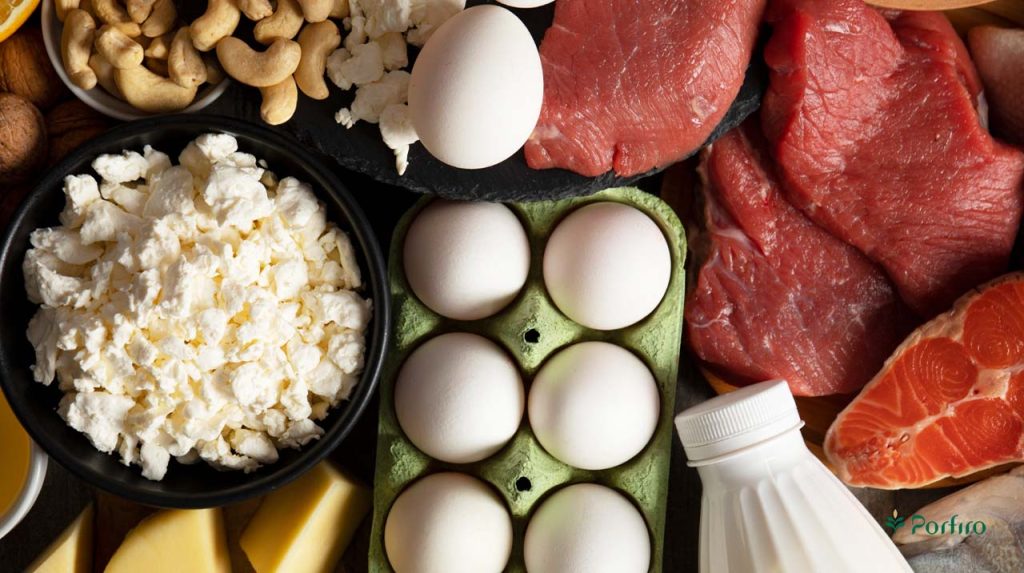
Protein is the main structural component of the human body. It builds and maintains body tissues. During growth periods, such as infancy, childhood, and pregnancy, the body requires more protein. Increased protein needs have also been reported for individuals who:
- Have injuries in their bodies.
- Have undergone surgery.
- Continuously break down their muscles during exercise or physical activities.
Protein Absorption: Is there an upper limit?
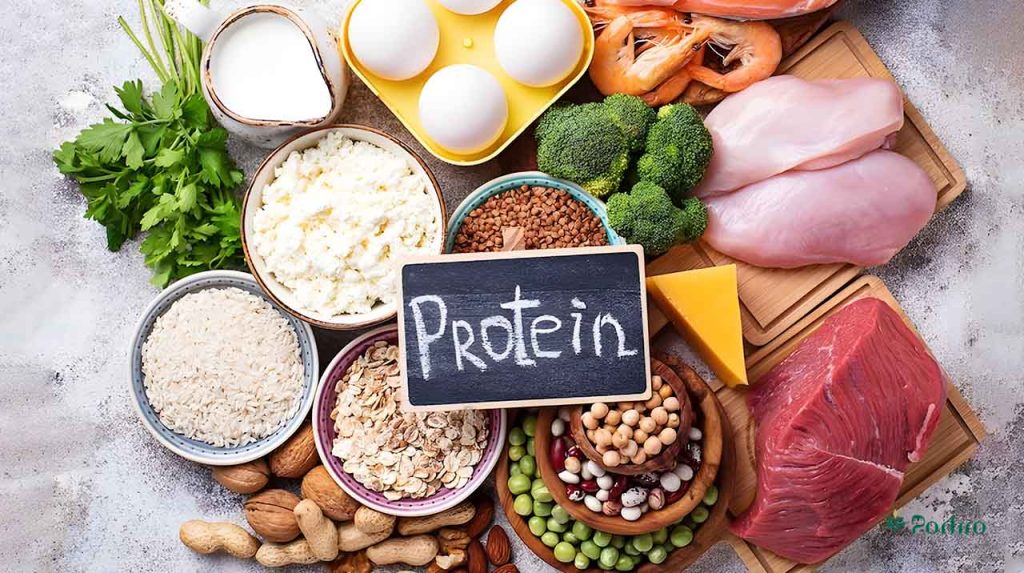
A common belief is that only about 20 or 30 grams of protein can be absorbed and utilized in one meal, but there is no credible source to support this theory. However, it may still be beneficial for many individuals to meet their protein needs and improve their energy and blood sugar levels by distributing their protein intake throughout the day (everything about diabetes; the easiest way to manage this disease). Various common dietary patterns can help individuals reach their minimum protein goals, for example:
Eating Pattern 1
A small amount of protein at breakfast, a moderate amount at lunch, and a large amount at dinner. On a typical day, an individual might consume the following in their diet:
- 10 grams of protein or less at breakfast, for example, in oatmeal, nuts, and various berries.
- 25 grams at lunch, for example, in a turkey sandwich with cheese.
- 5 grams in a snack (snack or main meal), like a granola bar.
- 40 grams at dinner, from a source of chicken or beef accompanied by sides that are mainly light salads.
This day provides approximately 80 grams of protein for the individual’s body.
Eating Pattern 2
Another common pattern is consuming protein in all meals—breakfast, lunch, dinner, and snacks (smaller meals or one larger meal but less?). On a typical day, an individual might eat as follows:
- 20 grams of protein at breakfast, for example, a vegetable omelet with 2 eggs along with some baked beans.
- 15 grams in a breakfast snack of cheese and fruit.
- 25 grams at lunch, for example, in a salad topped with a fillet of fish.
- 15 grams in a protein-rich snack like a protein shake.
- 10 grams at dinner, in lentil soup or meatless dishes.
This method also provides approximately 80 grams of protein for the body.
How Much Protein Do We Need in a Day?
Individuals can aim for an intake of protein at each meal to enhance protein utilization, muscle synthesis, and repair. The Recommended Dietary Allowance, or RDA, by the IOM, for protein based on a person’s weight in kilograms is 0.8 grams per kilogram of body weight per day. Again, this RDA is based on a minimal amount of protein to prevent deficiency in a healthy individual, not the maximum amount that could be used by an individual for optimal health.
Of course, this does vary on body size and activity level as well. A 6-foot, 250-pound man who does strength training five days a week will be able to absorb and utilize more protein than a 5-foot woman who does not exercise much. These could be variable from 1 to 1.6 grams per kilogram of body weight, depending on the exercise intensity.
Recommendations for strength training or power are from 1.6 to 2 grams per kilogram of body weight. IOM recommends 10 to 35 percent of total daily calories come from protein. It is not precisely known what consequence intake above this level will have on a person because its impact on chronic disease and long-term health is completely determined by the quality or type of protein that is consumed.
What Does Protein Deficiency Do to Our Bodies?
If a person does not consume enough protein, they may notice:
- Stunted growth
- Muscle wastage
- Loss of immunity
- Heart failure
- Respiratory problems
Protein deficiency can be fatal. In poor nations, individuals may experience a severe form of malnutrition called kwashiorkor. This results from a diet so poorly lacking in protein that the malady is virtually the face of malnutrition as it relates to children. Malnutrition in this form most often presents itself when there is a famine. Initial symptoms often involve swelling in the legs and, on occasion, the face as well.
This is due to edema, or a fluid gathering in the tissue beneath the skin. Other symptoms include a potbelly, listlessness, brittle hair and nails that easily crack. The individual will become more prone to diseases. In developed countries, the individuals most at risk of a deficiency of protein are those who don’t eat appropriately, for instance, with terribly bad weight-reducing diets, eating disorders, or those who cannot prepare their own food-for example, elderly people.
Protein sources
According to the United States Department of Agriculture (USDA), the following amounts of reliable protein sources can be found in common food items:
- 3 ounces of chicken contains 20 grams
- 3 ounces of ground beef contains 21 grams
- 1 cup of milk contains 9 grams
- 1 egg contains 6 grams
- 1 cup of black beans contains 15 grams
- 2 tablespoons of peanut butter contain 8 grams
- Half a block of tofu contains 18 grams
Some good sources of protein, for example, a boiled steak, can also contain high levels of fat and sodium. Other sources, like salmon, have less saturated fat and sodium. Beans, peas, lentils, tofu, and low-fat dairy are also good sources of protein as well as many other health-promoting nutrients like antioxidants and fiber. A diet that occasionally replaces meat with these options, especially red meat, leads to less weight gain and other health issues.
A scientific study has shown that women who primarily received protein from plant sources were 30% less likely to develop heart disease compared to women who had higher protein and lower carbohydrate intake mainly from animal sources (heart health and suitable foods for it). We will further explore the types of plant protein sources and compare them with animal sources.
Protein for weight loss
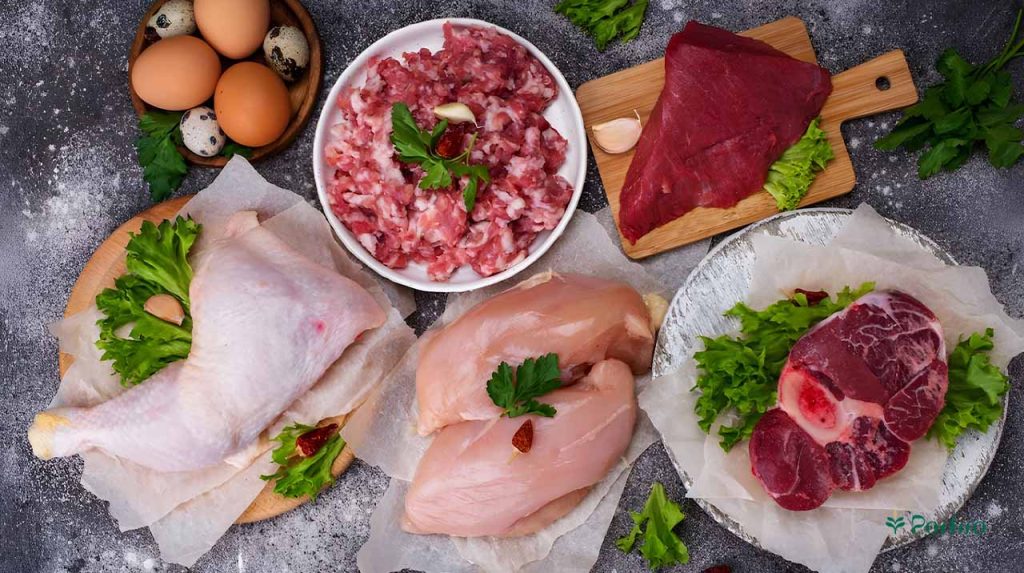
There is evidence suggesting that additional protein in the diet may assist with some factors that encourage weight loss or weight management, particularly in obese individuals. However, researchers have not yet proven that extra protein consumption leads to weight loss for everyone.
In 2016, research findings involving 40 young men were published, who engaged in “intense exercise” for one month while consuming 40% fewer calories than usual for this activity. Some of them also received more protein than what is typically recommended. Those on a high-protein diet lost more weight and body fat compared to those on a low-protein diet. However, researchers caution that this type of diet may not be suitable for everyone, as the conditions were unusual and the young men were monitored during this “intense” program.
In another small study in 2016, it was shown that women following a high-protein diet for weight loss did not experience the benefits of better insulin control typically associated with weight loss (weight loss challenges, suitable foods for it, and everything we need to know). The participants in this study were obese and postmenopausal. In fact, concerns regarding high-protein diets for weight loss include:
- Weight lost may return with reduced protein intake.
- Loss of valuable antioxidants, phytochemicals, and fiber found in plants.
- Higher costs associated with a higher protein diet, which may make it unsustainable for many individuals.
If someone is considering adopting a high-protein diet, it is essential to consult with their doctor first.
Risks of Excessive Protein Intake and Precautions
Most evidence suggests that intake levels up to 2 grams per kilogram of body weight do not pose any adverse or untoward effects. The intakes of more than 2.5 grams per kilogram of body weight may expose the body to the following risks:
- Dehydration
- Fatigue
- Weight gain
- Constipation
Where plant-based foods have nutritional value beaten by some animal-based foods, a diet high in animal products may be deficient in fiber, vitamins, minerals, and antioxidants from plants. A diet which consists of a high intake of animal products increases the excretion of calcium through urine. When consumption is more than 200 to 400 grams per day, it becomes a chore for the liver to metabolize excess nitrogen into a waste product called urea. The disorder or situation can result in nausea, diarrhea, among other side effects.
Some experts warn that, with high-protein diets, protein shakes included, people may be getting more protein than is healthy. Although protein supplements can help individuals with high needs meet their targets, in general it’s best for most protein to come from a well-rounded diet that contains a balance of whole foods. It is the nutritionist who can identify an appropriate pattern of eating for you, a suitable selection of proteins, and an overall pattern of diet which will permit you to feel good and maintain sufficient energy because of adequate intake of protein.
What is Plant Protein?
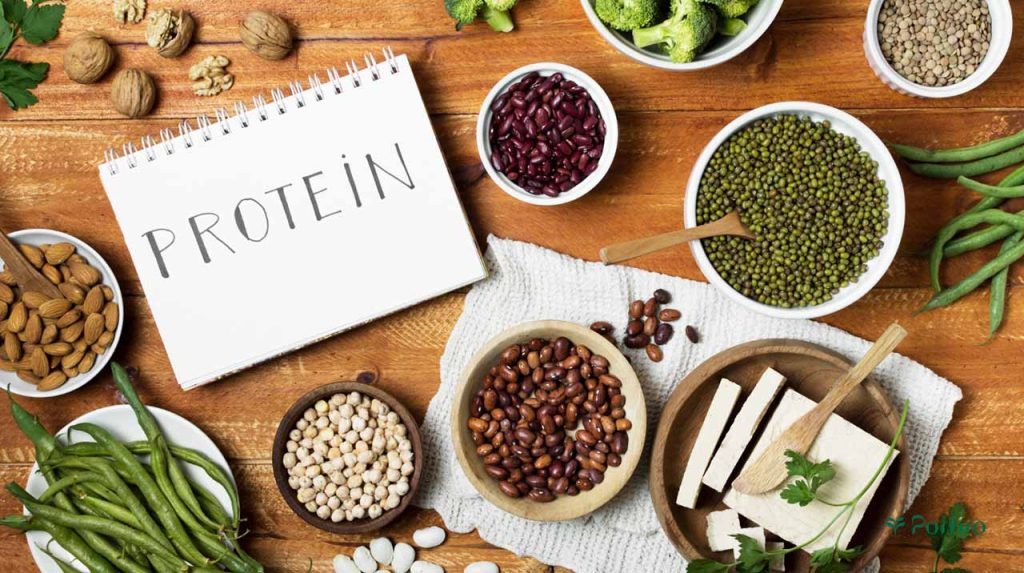
The Hidden Knowledge Behind Plant Protein
Many factors have to be taken into consideration when comparing plant protein to animal protein: taste and cost being most important. If you are turning to plant foods for health reasons, it’s good you take a glimpse at the hidden knowledge behind their benefits.
1. Is it as beneficial for health as animal protein?
The vegetarians (What is vegetarianism and what do vegetarians eat?) have long been concerned with getting “complete” protein from plant sources. Complete proteins contain all 9 essential amino acids that human bodies cannot synthesize and need to get from food. Many vegan proteins-most especially, (what is veganism and what do vegans eat) do not contain all of the amino acids, and for that reason, some people think that they must combine different foods in order to have proper balance. The most common example is that of rice and beans.
However, according to many experts today, pairing up specific plant foods based on their amino acids may simply not be necessary. A diet that has a balance of foods will more than likely provide the 20 essential and non-essential amino acids that the human body requires. In fact, in 2019 a study involving those on plant-based and vegetarian diets showed they received more than an adequate amount of protein and amino acids. The writers of this study went as far as to say the concept of amino acid deficiency was “significantly exaggerated.”
Vitamin B12
However, there is one nutrient that plant proteins cannot compete with their animal counterparts in providing: vitamin B12 (what are vitamins and what role do they play in the body?), which is responsible for proper brain function (mental health and the importance of pistachios) and the formation of red blood cells (what do you know about anemia? Benefits of dates, pistachios, and almonds). If you choose to go strictly vegetarian, this nutrient will probably be one that must be supplemented in your diet.
2. Does Protein Have Adverse Effects on Health?
Choosing plant proteins over animal proteins likely has positive effects on health. Studies have linked plant-based diets to maintaining a healthy weight, reducing the risk of type 2 diabetes, and even longer lifespans. However, there are a few caveats.
Processed Foods
Some plant-based protein foods (such as plant-based meats and cheeses) are highly processed, which can bring unpleasant surprises for health. Kristin Millieman, RDN, founder of Plant Powered You, says that depending on the type, the sodium and saturated fat content (substances many of us may want to reduce) can be comparable to or even higher than meat. However, the opposite may also be true. Amy Gorin, plant-based nutritionist, MS, RDN, owner of Plant-Based with Amy, agrees that it is better to limit the intake of ultra-processed plant foods. She states, “Options like plant-based meats are tasty and keep things interesting, but these are foods I recommend enjoying in moderation and not with every meal.”
Food Allergies
Individuals who are allergic to soy or nuts (two of the eight common food allergens) may also find it challenging to adhere to a diet rich in plant protein, and those with digestive issues like irritable bowel syndrome may need to exercise caution with the higher fiber content (why fiber is good for you) found in many plant foods.
What Are the Side Effects of Soy?
Another concern that needs clarification is the health effects of soy. For years, soy foods have been embroiled in rumors about altering hormonal balance or even causing cancer. Fortunately, current research indicates there is little reason for concern regarding the use of soy and its derivatives. A 2020 study involving over 300,000 women showed that consuming soy foods actually reduces the risk of breast cancer. Meanwhile, the American Cancer Society claims that foods containing soy are both healthy and safe.
Environmental Benefits of Plant Protein
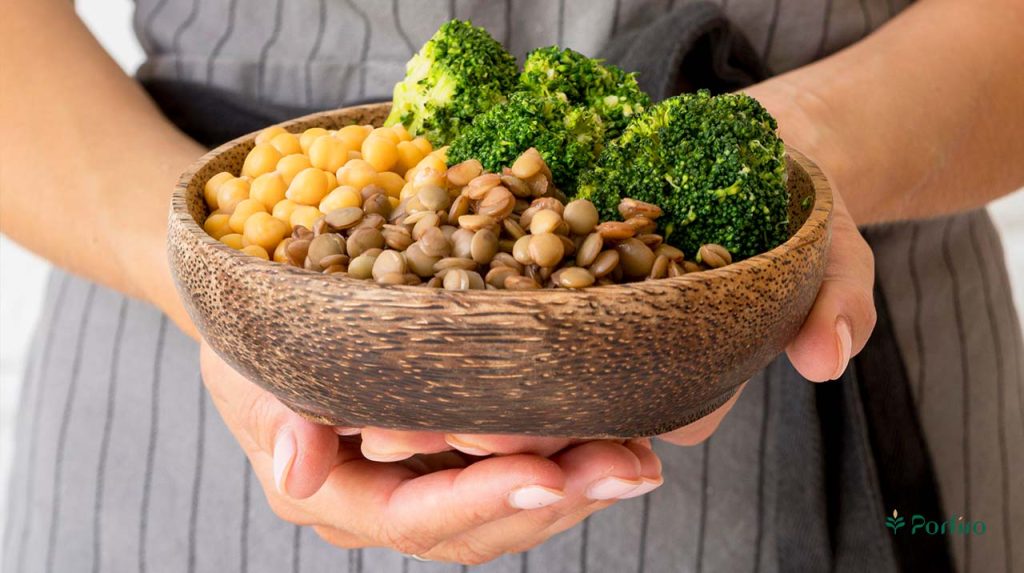
Consuming more plant proteins not only feeds your body but can also contribute to the restoration of your overall body system!
Carbon Emissions
A 2019 study showed that, compared with following an omnivorous diet, transitioning to a vegetarian diet resulted in a 50% reduction in personal greenhouse gas emissions, while a shift toward a lacto-ovo-vegetarian dietary pattern generated a 35% reduction.
Water Conservation
Water usage is another main area in which plant proteins have the upper hand compared to animal proteins. According to the Water Footprint Network-an informal group of science and practice that aspires to find solutions to the world’s water crisis-beef, chicken, and other red meats consume more water than plant proteins like legumes, nuts, and grains. For example, beef production has a water footprint that is six times higher compared to the production of legumes.
UN Support
The environmental impacts of meat reduction are so huge that the United Nations’ 2019 Climate Change Report called for a global scale-back of animal protein. Even if you cannot or do not wish to make your protein intake strictly plant-based, you may wish to make smaller changes and replace some of the other proteins in your diet with plant proteins as a contribution toward saving your planet.
Best Sources of Plant Protein
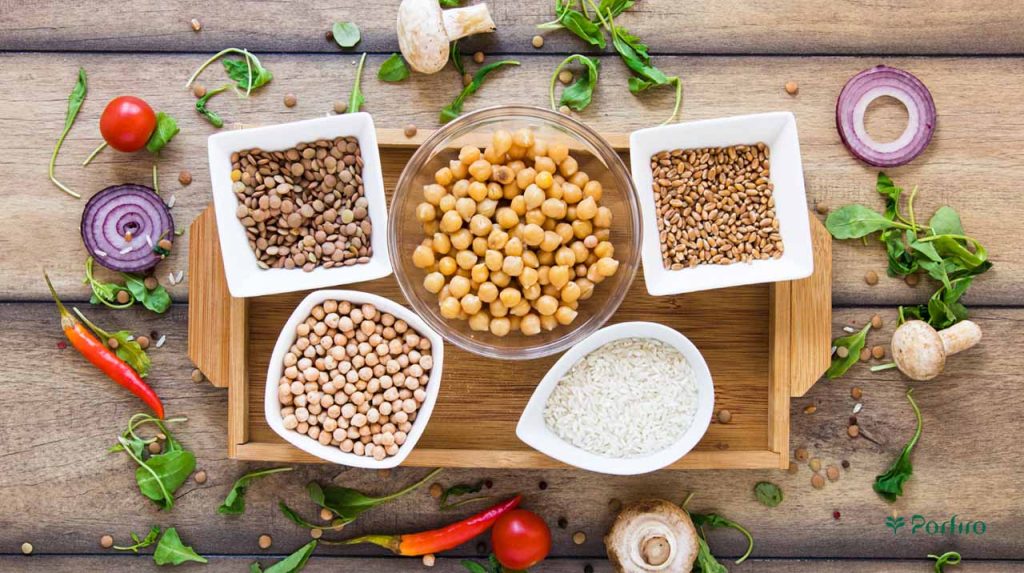
An increasing range of plant proteins is on hand for those looking to reduce their consumption of animal food. Soy, legumes, nuts, spirulina, and a host of other ingredients will serve up a nutritious, protein-rich meal for you. Appropriately combined plant foods can be robust sources of protein and other nutrients and will often be lower in calories than animal foods. Some vegetable products, such as soybeans and quinoa, are complete proteins and contain all 9 amino acids that the human body cannot synthesize.
Many others lack one or more of these essential amino acids so that a person needs to consume a variety of different types of foods to compensate for these deficiencies. People may follow a vegetarian diet for health reasons, animal welfare, or religious belief. In 2016, the Academy of Nutrition and Dietetics stated that vegetarian or vegan diets could “meet all the recommended dietary requirements for humans.” Even so, individuals who do not consume any animal products-for example, vegans-find it challenging to get enough protein and some essential vitamins and minerals.
An important consideration is that one must plan one’s intake in advance to assure adequate protein, calcium, iron, and vitamin B-12, nutrients for which animal food is a good source. The foods below are the highest value plant sources for protein. We will also discuss some differences between animal and plant proteins and whether plant protein powders are a good option for getting protein. The following healthful plant foods contain a high amount of protein per serving:
1. Tofu, Tempeh, and Edamame
Derivatives of soy are some of the most protein-dense aspects of a plant-based diet. The protein level depends on how the soy is prepared:
- Firm tofu-soybean curd-contains about 10 grams of protein per half cup.
- Edamame-immature soybeans-contains 8.5 grams of protein per half cup.
- A good source of protein, one-half cup of tempeh contains about 15 grams.
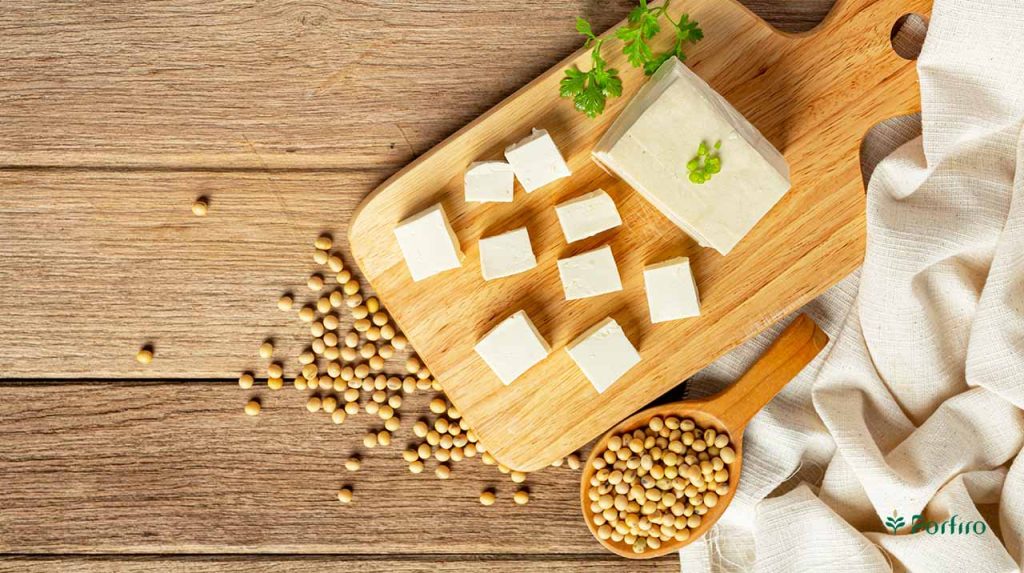
Since tofu takes on the flavor of the meal it is usually cooked in, it can be quite versatile in a meal. A person can try tofu in a favorite sandwich or soup as a way to get their meat. Tofu is a common ingredient in Kung Pao chicken and sweet and sour chicken when those foods are ordered without meat. Soy cheeses and milks also have good sources of calcium and iron to make them a healthy alternative to choosing dairy products.
2. Lentils
Red or green lentils are packed with protein, fiber, and important nutrients such as iron and potassium. A half cup of cooked lentils provides 8.4 grams of protein. They also form an excellent source of added protein in lunch and dinner-type dishes. They can be added to stews, curries, salads, or rice to increase protein intake.
3. Chickpeas
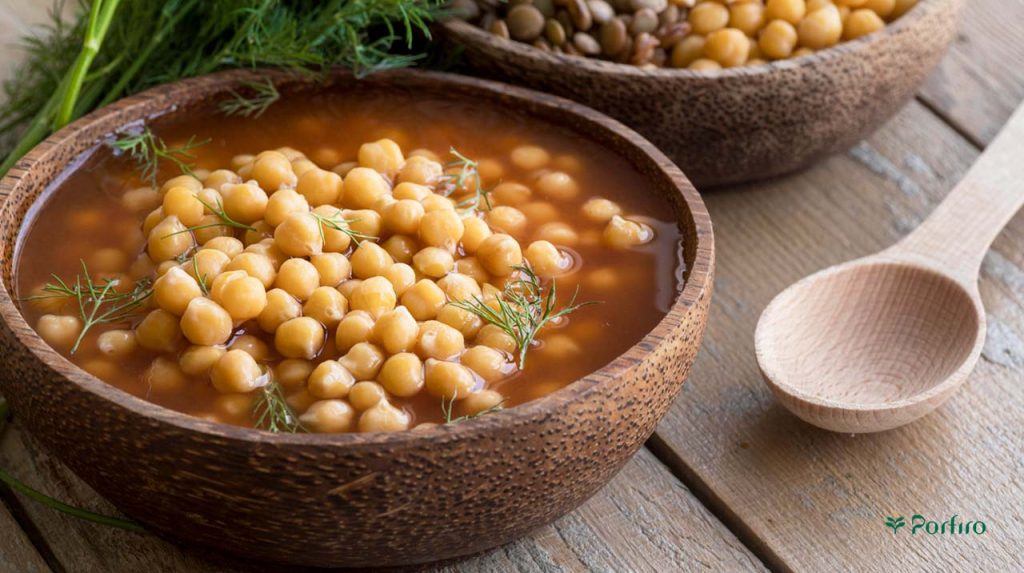
Cooked chickpea is a good source of protein-it contains, in fact, approximately 7.25 grams of this nutrient in every half cup. There are quite a few ways of making chickpeas, for instance, they can be used in stews, soups, curries, spiced with paprika and oven roasted, or even used cold. Chickpea paste may be made into hummus, which will not only make tasty but healthy sandwiches without the need for the high-fat content of butter.
4. Peanuts
Peanuts are highly rich in proteins and good fats; their consumption may also help your heart stay healthy. One half cup of peanuts provides approximately 20.5 grams of protein. About one tablespoon of peanut butter contains 3.6 grams of protein; hence, bread and peanut butter combine to give a full and healthful protein snack.
5. Almonds
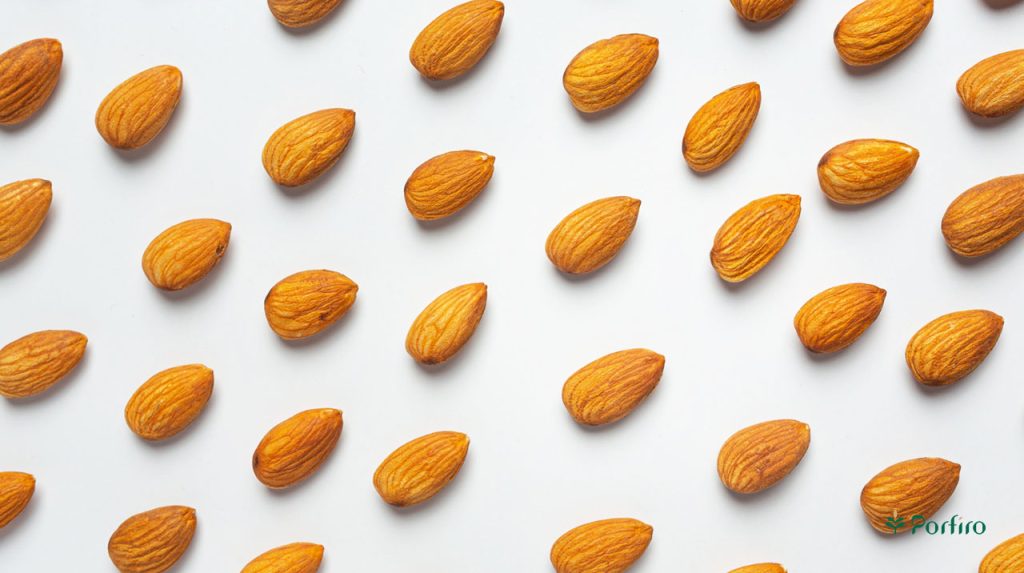
Almonds (almonds, their origin story, and types) hold 16.5 grams of protein in a half cup. They also make a good contribution to vitamin E (vitamin E, benefits, drawbacks, and the role of almonds in meeting daily needs), which is considered very important for skin (the secret to having healthy and radiant skin and the role of almonds in it) and eye health (what you need to know about vision loss).
6. Spirulina
Spirulina is one of the blue-green algae species that contains about 8 grams of protein in a serving size of 2 tablespoons. This product is rich in iron, B vitamins, especially vitamin B6 (so, though not vitamin B-12), and manganese. Spirulina is available as a powder or supplement. You may add it to water, smoothies, or juice. You may sprinkle it on salads and snacks to increase the protein value of your food.
7. Quinoa
Quinoa is a high-protein grain and one type of complete protein. One cup of cooked quinoa already has 8 grams of protein. Such a type of grain is also a very rich source of other nutrients, including magnesium-see the importance of magnesium for the body and the role of almonds, iron, fiber, and manganese, and is so versatile. You can make use of quinoa in soups and stews. Sprinkle it on salads or make it the main course.
8. Mycoprotein
Mycoprotein is a fungus-based protein. Mycoprotein-based products have roughly 13 grams of protein in half a cup. Products manufactured with mycoprotein are often marketed as meat substitutes and are available in such forms as nuggets, and patties, although most of these contain egg whites. Consumers should certainly read the label. Anyone who has ever suffered an allergy toward mushrooms or has a history of multiple food allergies might want to find another source for their protein intake.
9. Rice and Beans
Rice and beans are incomplete sources of protein on their own. But pair them together, and this classic becomes a complete protein with 7 grams per cup serving. Toss rice and beans together in a side dish, or mix rice, beans, and hummus together, before smearing it on Ezekiel bread made from sprouted grains for a tasty, protein-packed meal.
10. Potatoes
One large baked potato contains 8 grams of protein. Potatoes are also high in potassium and vitamin C. Drizzle with 2 tbsp of hummus for a tasty way to have a healthier snack than potatoes with butter, plus enhances the protein in your snack; two tbsp of hummus has about 3 grams of protein.
11. Protein-Rich Vegetables
Most dark, leafy greens and vegetables contain protein. While possibly not enough by themselves to help you reach a day’s ration of protein, several plant-based snacks can add protein to your diet when combined with other protein-rich foods. Some examples include:
- Medium stalk of broccoli – 4 grams of protein
- One cup of kale – 2 grams of protein
- Five medium-sized mushrooms have 3 grams of protein.
For a protein-heavy meal, top a salad made from vegetables you want to offer your child with some quinoa.
12. Seitan
Seitan is a complete protein made by combining wheat gluten with various spices. Its main ingredient being wheat, those with celiac disease and with non-celiac gluten sensitivity should avoid it. For everyone else, it can be a very healthy and high-protein meat substitute. Here is one complete protein cooked in soy sauce that is full of amino acid lysine. In 1/3 cup, one will get 21 grams of seitan.
13. Broccoli
Although broccoli itself is not a high-protein containing vegetable, when incorporated into a dish, it can enhance the protein content of such a meal. About 2.82 grams of protein per 100 g of raw broccoli and 2.84 g per 100 g of the cooked one. One cup of raw contains only 2.54 g of protein while a cup of cooked contains 4.54 g of protein.
14. Oats
Raw oats contain as much as 13.2 grams of protein in every 100 grams. A cup filled with raw oats contains 10.7 grams of protein. However, they have to first soak them before ingesting them as digestion would be much easier this way.
Protein Supplements
Some protein powders are plant-based. Depending on the plants used to produce the powders, they may be complete or incomplete proteins. The position of the Academy of Nutrition and Dietetics is that while dietary supplements can help individuals meet their daily nutritional goals, consuming a wide variety of protein-rich whole foods is generally a better strategy for achieving daily goals. Some protein supplements may have high sugar or sodium content to improve flavor, so reading nutrition labels is important.
What Is the Difference Between Plant Protein and Animal Protein?
The Academy of Nutrition and Dietetics recommends a minimum daily protein intake of 0.8 grams of protein per kilogram of body weight, or about 60 grams for a person weighing 165 pounds. Individuals looking to build muscle, pregnant or breastfeeding women, and older adults may require more protein. Animal products such as meat, eggs, and dairy are naturally high in protein, which is an essential nutrient made up of amino acids. This makes it easier for individuals consuming animal products to meet their daily protein needs.
The human body produces 11 amino acids but must obtain 9 other amino acids from food. Animal products are complete proteins, meaning they contain all essential amino acids. Some plant products, such as soybeans and quinoa, are also complete proteins, while others are incomplete. A person following a vegetarian or vegan diet should consume a diverse range of plant foods to obtain the required spectrum of amino acids. This diet should include high-protein foods such as tofu, tempeh, lentils, nuts, seeds, and quinoa.
Ways to Increase Protein Intake
Below, we outline seven ways to add more protein to your diet and provide tips on how to maximize the benefits of this nutrient.
Try Different Plant Proteins
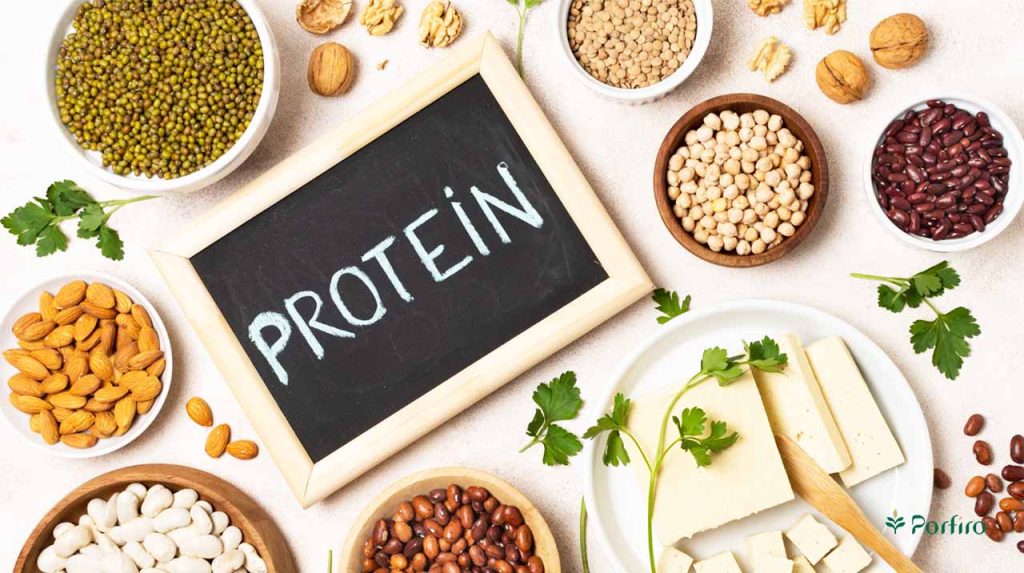
Different foods contain varying combinations and amounts of essential amino acids (EAAs). Compared to animal proteins, plant proteins often lack a complete range of EAAs. Therefore, individuals following a strict plant-based diet should consume a variety of plant proteins to meet their EAA needs. Some of the best sources of plant protein include:
Legumes: which is a good protein source for vegetarians and vegans. Examples of common legumes and their protein content in grams per cup are listed below:
| Legume Name | Protein Content per Cup |
| Cooked Chickpeas | 23.5 gr |
| Cooked Fava Beans | 12.9 gr |
| Cooked White Beans | 15 gr |
| Cooked Black Beans | 15.2 gr |
| Cooked Pinto Beans | 15.4 gr |
| Cooked Red Beans | 16.2 gr |
| Raw Edamame | 13.2 gr |
| Cooked Lentils | 17.9 gr |
| Cooked Soybeans | 31.3 gr |
Nuts and Nut Butters: Nuts and nut butters are rich in protein and an excellent source of other important nutrients such as essential fatty acids omega-3 and omega-6 (EFAs), magnesium, and vitamin E. Some common examples include:
| Raw Nuts | Protein Content per 100 grams |
| American Walnut | 17.9 gr |
| Hazelnut | 14.95 gr |
| Cashew | 18.22 gr |
| Walnut | 15.23 gr |
| Pistachio | 20.16 gr |
| Almond | 21.15 gr |
| Peanut | 25.8 gr |
Nut butters are also another option for those looking to increase their intake of plant proteins. For a quick and nutritious snack, try spreading one of these nut butters on slices of fresh apple:
| Nut Butter | Protein Content per Tablespoon |
| Almond | 3.35 gr |
| Cashew | 2.81 gr |
| Peanut (chunky) | 3.85 gr |
Eat More Dairy
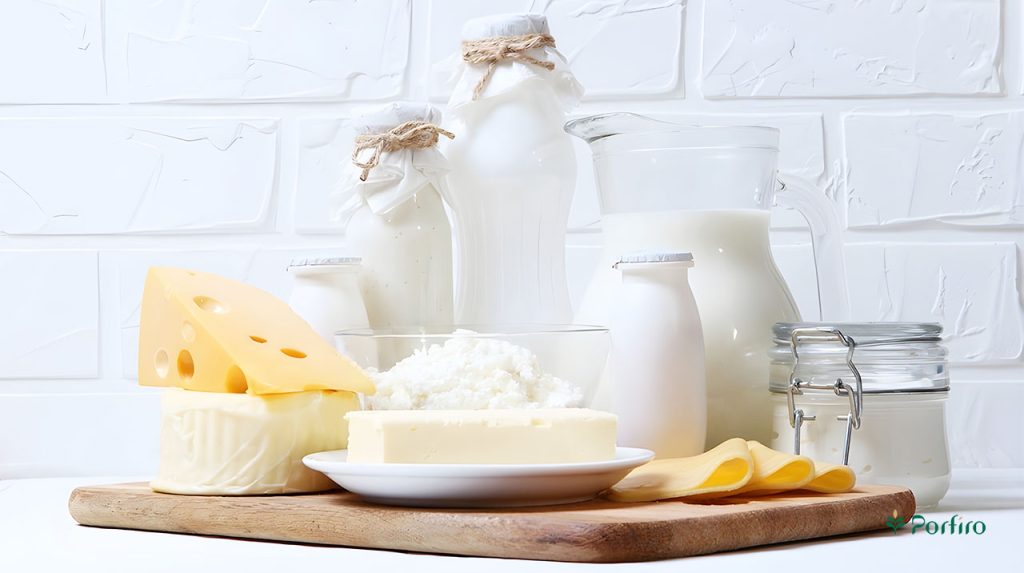
Dairy products are not only excellent sources of protein but also contain high levels of other important nutrients such as iron, calcium, and vitamin D. Additionally, according to a 2015 review, consuming milk and yogurt can prevent overeating and aid in weight loss. These products increase the concentration of hormones like peptide-1 glucagon-like peptide and peptide YY, which signal the brain that the stomach is full. Some popular dairy products and their protein content are as follows:
| Dairy Products | Protein Content per Cup |
| Whole Milk | 7.69 gr |
| Skim Milk | 8.26 gr |
| Plain Yogurt (whole) | 8.5 gr |
| Low-Fat Plain Yogurt | 12.9 gr |
| Plain Yogurt (skim) | 14 gr |
Cheese is another dairy product rich in protein:
| Cheese Type | Protein Content per Ounce |
| Feta Cheese | 4.03 gr |
| Mozzarella (whole milk) | 6.28 gr |
| Cheddar | 6.79 gr |
| Goat Cheese (hard) | 8.65 gr |
Consume more animal proteins
Meat is a very good source of protein but normally contains a high amount of saturated fats. These types of fats have the tendency to increase the levels of “bad” cholesterol in the blood (high cholesterol and proper nutrition) and increase the risks of heart disease in individuals.
Poultry: Barring red meat, chicken can be used as a healthier component to replace meat in cholesterol levels. A 100g skinless fried chicken contains 6.63g of fat and 25g of protein. The same portion of skinless roasted turkey has 3.84g of fat and 29g of protein.
Fish: Fish is good source of proteins. It also has very high levels of essential fatty acids, which have anti-inflammatory effects as well as increasing “good” cholesterol in the blood. More protein content than most fish, tuna contains more protein; a standard serving of half a fillet contains 43.6 grams.
Eggs: Eggs are also a good source of proteins and EFAs. A medium egg provides 5.53 grams of protein.
Add Protein Supplements
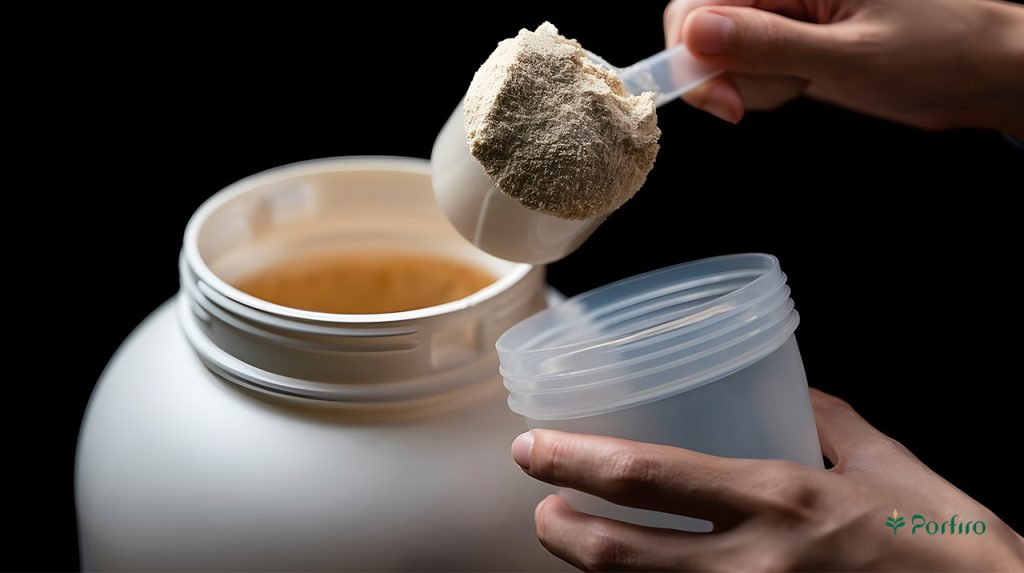
Protein powders have become a go-to dietary supplement for many athletes and others who want to build muscle. Because most people who consume enough calories to support their energy needs are getting a sufficient amount of protein in their diets, the Academy of Nutrition and Dietetics asserts that amino-acid supplementation is unnecessary for most athletes. Supplements may be helpful for athletes on a restricted diet who can’t get protein from food. A consideration when choosing a powder, is the BV score. The BV score refers to the rate at which the body can utilize the protein from a food source. If it has a score of 100, then the body could utilize all of the protein.
Try Protein Shakes
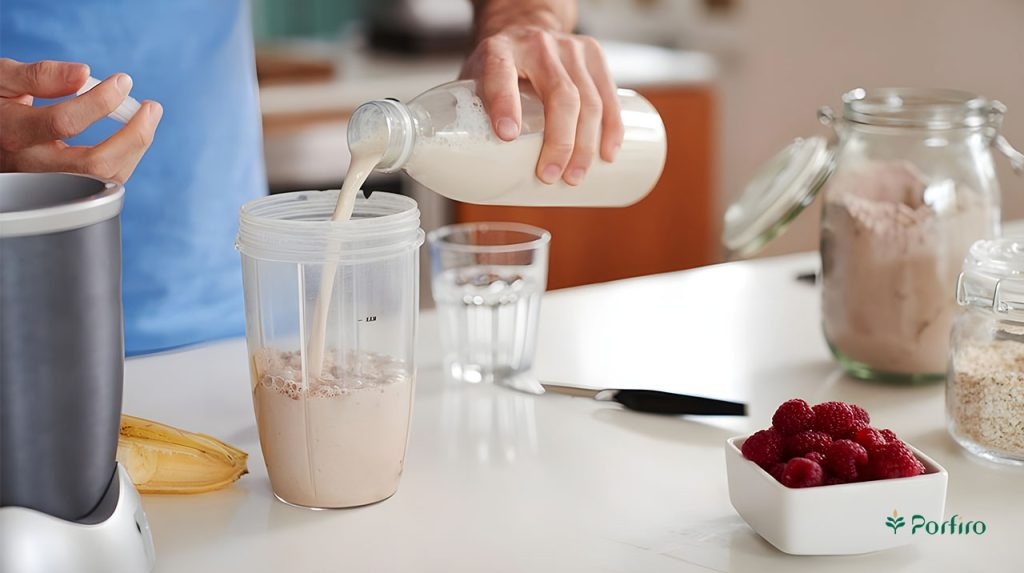
A convenience and easy way to increase protein in your diet is through protein shakes. A protein shake may involve the mere blend of fruits and fruit juice with milk or water, but adds a scoop of protein powder at the end. Instead of protein powder, users can utilize any other type of high-protein food material such as peanut butter, chia seeds, or Greek yogurt in their shakes. Having a protein shake for breakfast could suppress hunger and lower the risk of snacking during the morning hours.
This protein shake can also be a good snack if it’s going to the gym, and some scientists believe that taking 20 to 25 grams of protein right after exercise will lead to maximizing muscle growth and repair. Other research suggested that even taking 20 to 40 grams of protein every 3 to 4 hours in a day would maximize the ideal growth and repair of muscles. After all, what matters the most is to satisfy your daily protein requirements.
Consume Protein Before Carbs
Findings of this small study, conducted in 2015, indicate that its subjects may keep a healthier level of blood sugar by eating protein ahead of carbohydrates. The identical meals, fed to the participants on two different days, had the same protein and carbohydrate ratios, but for one of the subjects, the order of eating proteins and carbohydrates was swapped. It was observed that glucose and insulin levels were lower for those individuals who had received proteins before carbohydrates.
Boost your protein-rich foods at each meal
It’s now clear that protein can suppress appetite and prolong the sensation of fullness. This, in part, comes through its effect of reducing the level of ghrelin, the hunger hormone. A 2015 review said a 25-30-gram dose of protein per meal may serve for appetite control while generally contributing to weight management, thus diminishing risks for metabolic heart diseases like diabetes, heart disease, and stroke.
10143