


Nutritional information on food labels is considered one of the key tools that encourage consumers to make healthy choices in the process of buying foods. Nutrition information on food labels is one of the valuable sources of nutrition information, though most of the time this is poorly utilized by consumers.
The nutrition information on food labels may be an inexpensive means of providing nutrition information to consumers since this information is practically available on most packaged foods. Although the nutritional properties of food are considered by consumers in deciding which food to purchase, reading nutritional information on food labels can be complex if they are not aware of this matter, and it does not always have sufficient potential for effective communication.
Therefore, as informed consumers in today’s flashy food world, it is important that we have enough knowledge in this area. In this article, Porfiro teaches you how to be a more educated consumer. If this is a subject close to your heart, too, continue with us.
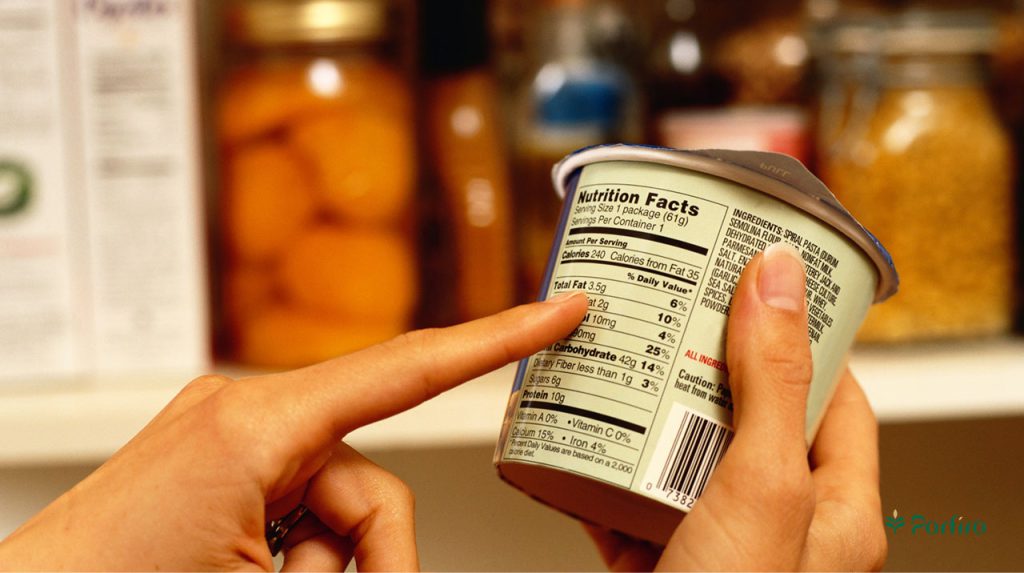
Of course, what people are consuming as food now has a forthright and undeniable relationship with their healthy or unhealthy states of mind and body. Understanding a food label on a commodity therefore becomes one of those elementary abilities that raise the level of knowledge related to nutrition and public health in populations around the world. These food labels, in fact, give us great information on ingredients and nutritional value but also enable us to make informed choices to avoid harmful or unhealthy substances and add healthier options to our diets.
It also contains the grams of calories, fats, sugars and proteins, the basic choices while on weight management and disease prevention. In reading food labels, we will also understand the contents which give way for us to know which ones to steer clear of their added preservatives and chemical ingredients that are toxic in our body and may cause poisoning. Reading food labels also will enable us to make changes for our particular need for nutrition.
For example, people with different types of allergies (Are allergies dangerous?) or food intolerance are informed about the type of product intake that could damage their health simply by paying closer attention to the ingredient list. It can turn people into smarter consumers in the long run by paying proper attention to their own and their family members’ health in making correct choices.
Food choices not only influence the physical conditions of individuals but also shape their mental health and quality of life. Food for mood. Healthy nutrition is generally ranked among the foremost preventive measures regarding diseases and promotion of public health. Nutritional effects on humans are partly presented in the following points:
The role dietary habits can be directly seen in the presence of chronic ailments such as heart health and food items suitable for keeping it in great shape, Type 2 Diabetes, and various forms of Cancer. Studies suggest that as much as 80% of heart diseases and strokes are related to improper ways of food habits and may be easily prevented by improving dietary patterns together with the pursuit of an appropriate lifestyle. Diets abundant in fruits, vegetables, whole grains, and healthy fats, to which the Mediterranean diet belongs, may dramatically reduce the risk of these diseases.
Similar to all other parts of the human body, the immune system is also affected by good nutrition. In fact, malnutrition, which is a state of nutrition caused by inadequate intake of nutrients, and poor nutrition, which is insufficient to provide the required amount of nutrients to the body, have equally adverse impacts on the immune system, making an individual more susceptible to infections and diseases. Hence, consumption of nutritionally adequate foods rich in vitamins and minerals can help an individual stay healthy.
Scientific research has identified that nutrition is directly related to mental health. A proper dietary regime helps in improving mood, reducing stress, and giving relief from anxiety. While the exact process by which certain nutrients function is still unclear, there is strong recognition that substances like omega-3 fatty acids, vitamin D, and proteins greatly influence brain functions and may, upon consumption in regular and balanced amounts, efficiently improve memory and increase concentration.
Correct food choices are also effectual in managing weight. High-calorie, low-nutrient food can lead to obesity and its resultant problems. In contrast, choosing low-calorie but nutrient-rich foods helps to keep the body weight in check.
After all, food choices do not affect physical health but also the general quality of life each human being deserves to have. The full understanding of nutritional consequences on health will truly allow people to make better choices that contribute to well-being and lead them to a healthier life. About time, audiences more than ever need to give attention to food labels.

In purchasing generally about food, products, there exists things noticed – brand and name of product. In a today’s world that almost all have been put for advertisement; a certain more or less popularize are noticed by their customer. These are not mere identity of name brand but show that it provides credibility and reputative. Well-known brands work towards gaining their customers’ trust by trying to retain them with quality products, maintaining the standards of health. You can thus assure the quality and safety of the product by depending on a well-known brand.
In addition, the brand name can give crucial information to you about the kind of product and its characteristics. Some brands are known for organic or gluten-free production. Therefore, knowledge of various brands and their features may be very helpful in making better choices. But can the mere fact of being well-known be a good reason to buy or reject a product? One of the possible answers to these questions is reading of food labels so that they would not be rejected or accepted based on the name only.
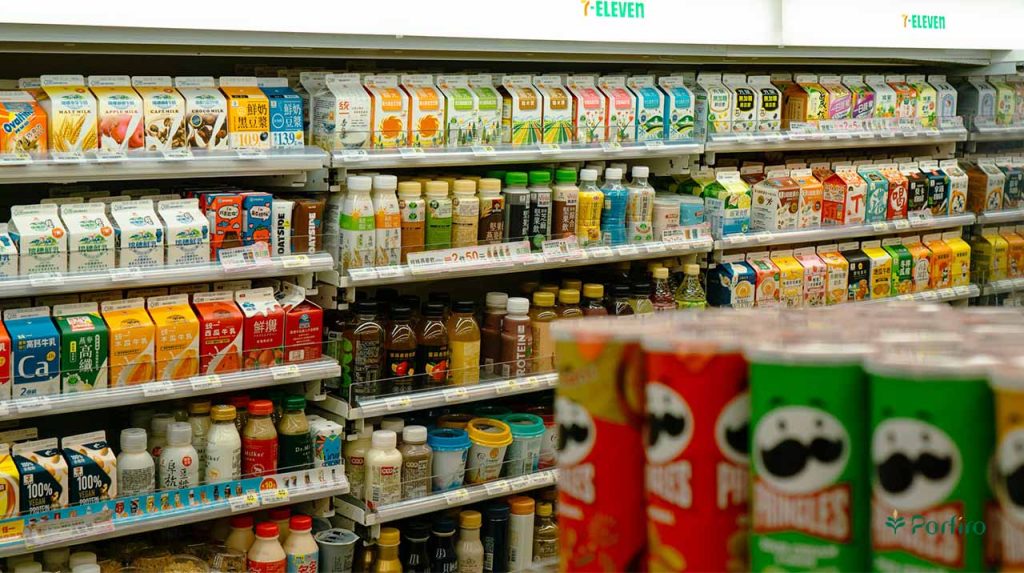
To choose a suitable food product, examining the credibility of brands is essential. In this regard, there are several factors that knowing them can be effective in assessing brand credibility:
For example, the Pofiro brand, which operates in the production and supply of healthy snacks, holds reputable certifications that can be seen in the “About Us” section.
Paying attention to these points can make you a more informed consumer who is adept at navigating the vast array of food products available for selection and procurement, helping you avoid purchasing low-quality food items. Recognizing brand names and their credibility not only aids your health but also makes the shopping experience more enjoyable.
The ingredient list is one of the most important sections of food labels, providing consumers with detailed and comprehensive information about the product’s components. When reading this list, paying attention to the following key points can be effective:
Additives and preservatives are usually applied to extend the life of any product, improve the taste and appearance, or to keep the texture of the food product. Awareness of such substances is much important as some of them might have adverse effects on the health of individuals. Identifying substances that are being used as additives and preservatives in the food industry is necessary for the following reasons:
Therefore, reading through and analyzing the ingredient list means guaranteeing the quality and safety of the product, but it also can enable wiser choices of food intake that are not compromising one’s health.
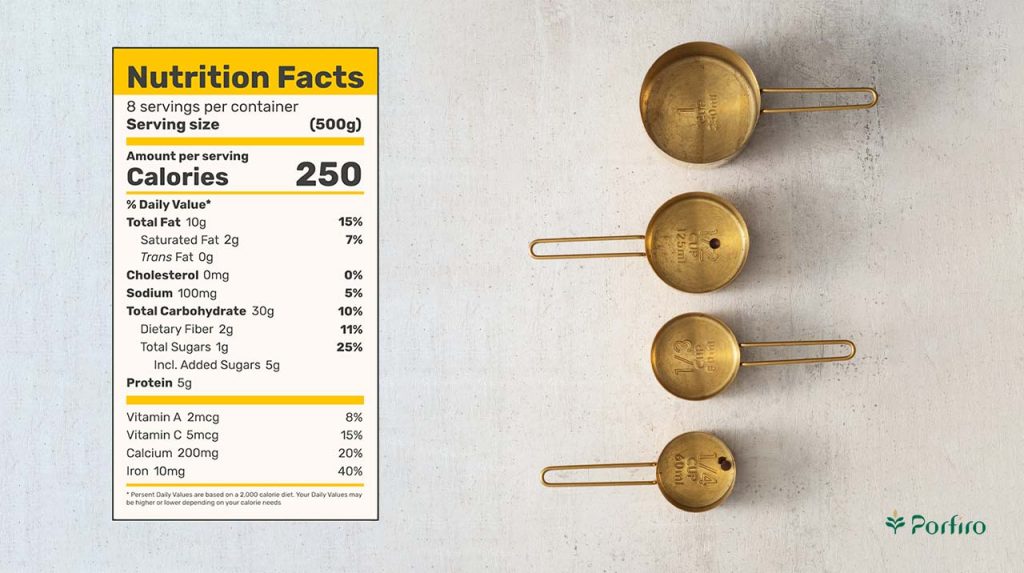
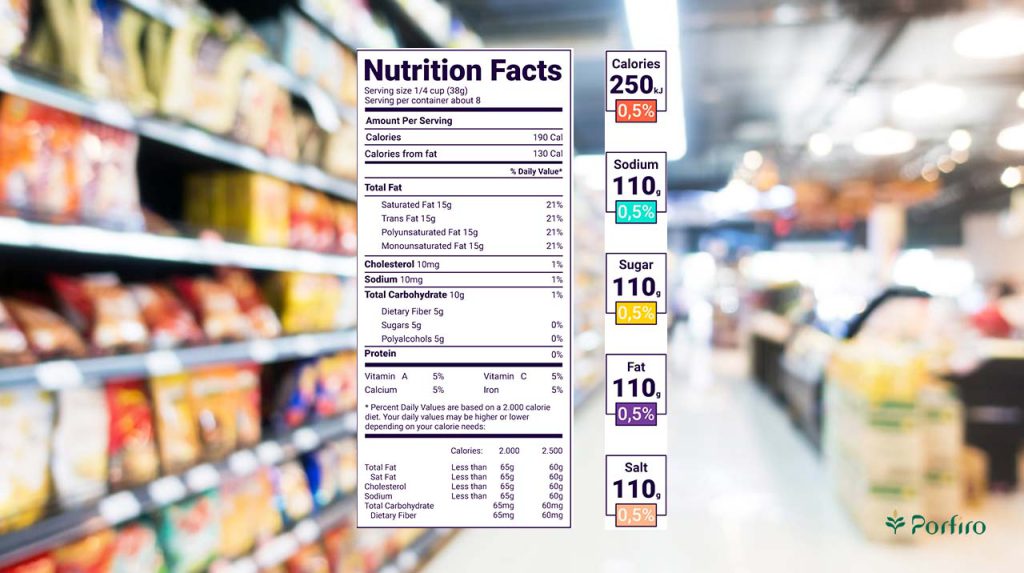
By this point in the article, you have become somewhat aware of the importance of food labels. Now, it is necessary to provide practical information on how to read the nutritional value table for consumers. This table, which is often printed on food packaging, provides detailed information about the nutritional composition of each product. The table usually contains certain quantities of the nutrients per serving-the amount recommended for consumption-and lets the user understand how much of each nutrient he is going to get with every serving. Following items can normally be seen in all these tables:
Knowledge of this will allow you a greater understanding of what your nutritional needs are and also will aid you in being able to make the better food choices.
Other factors like the level of sodium and trans fatty acids or other items are also usually on the product. Having this nutritional information in mind enables you to make more informed decisions about the kind of food that will satisfy your bodily needs and maintain good health.
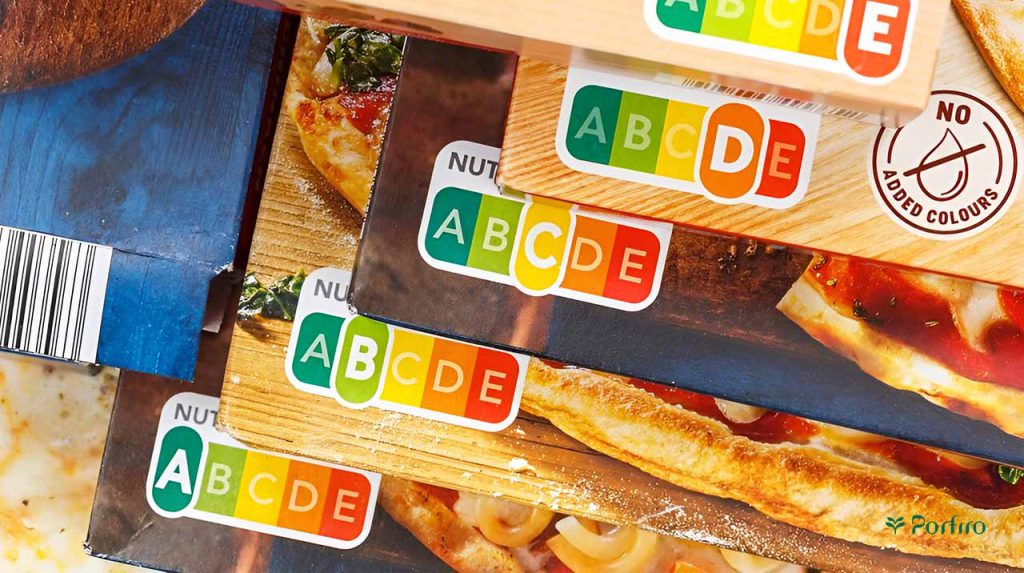
Actual Consumption Serving size is one of the most important things to be considered while reading food labels. It refers to the amount recommended to be consumed from the product and thus all the nutritional information given in the table of nutritional value is based on this size.
For example, if the food label on a package of Piarom dates from an Iranian brand indicates that the serving size is 40 grams and this amount contains 120 kilocalories, 27.92 grams of sugar, 0.16 grams of fat, and 0.05 grams of salt, it means that if you eat 80 grams of these dates, you need to double those amounts. Therefore, though often overlooked, this is one important factor you must pay much attention to.
It will also, eventually, provide a realistic serving size that will enable individuals to make healthier food choices and gain maximum benefit from the nutritional information on labels, so that informed choices about diet can be made.

Identifying nutrient-dense foods is one of the key skills for making healthy choices. To start recognizing these products, attention has to be focused on the following points:
Natural and processed products are two major groupings of food; knowing the difference between these categories can help you make healthier choices:
Identifying healthy products calls for patience in reading through food labels and knowing what ingredients are used in food. These will help you eat a healthier, more varied diet.
Relying on Misleading Advertisements and Claims Nowadays, advertisements regarding food items can be very catchy yet misleading. Many brands tempt consumers with beautiful phrases and claims, and these claims sometimes do not fit the reality at all. To not get misled by advertisements and to choose healthier products, attention should be given to the following points:
Follow these tips, and you won’t be fooled by ads, which means you will make better choices when buying foodstuffs. It is not only good for your health, but it will also make shopping more fun because you’ll be aware and read the food labels carefully.
Food choices play an important role in our health and quality of life in the modern world. It is by now time that more attention must be paid towards the importance these choices have in daily life, by considering the information and tips discussed in the article. Well, reading the food label can allow you to eat healthier food; read food labels on any product that allows you to appreciate what is eaten. These new ways will soon enable one to avoid not so healthy eating practices and go along towards a better option.
Another important consideration is the environmental impact that the food is having. With the organic and locally available products, you contribute to your health but also to sustainable agriculture and the reduction of pollution. These help in maintaining biodiversity and reduce the effect of climatic changes.
Besides, paying attention to food culture and local traditions can be quite rewarding and beneficial. You will be able to understand local ingredients better and use them in your diet to get delicious flavors, at the same time helping the local economy. Finally, it is very important to encourage continued learning about nutrition and food.
You will be better informed about nutrition through the books and articles you will read from reliable sources. Nutrition workshops or training courses that you participate in might also introduce you to new information that could help in improving your eating habits.
Remember that every step you take for healthier choices will have a positive impact on your health. So, let’s start together and seize every opportunity to learn and grow in the field of nutrition. A healthier life is not only possible but achievable with your informed choices!
10168