


Allergy or hypersensitivity, is it dangerous? types of allergens and ways to manage them
Healthy Lifestyle- 1What is Allergy?
- 2Allergy Symptoms
- Dust and Pollen Allergy Symptoms
- Food Allergy Symptoms
- Insect Sting Allergy Symptoms
- Medication Allergy Symptoms
- 3Allergy Causes
- 4Allergy Risk Factors
- 5Common Allergens
- Eggs, particularly the white
- Fish Allergy
- Milk Allergy
- Peanut Allergy
- Tree Nuts Allergy
- Shellfish Allergy
- Wheat Allergy
- Soy Allergy
- Sesame Allergy
- Other Types of Food Allergies
- 6Food Allergies
- Symptoms of Food Allergy
- Diagnosis of Food Allergy
- Allergy or Intolerance
- What Causes Food Allergy?
- Who Is at Food Allergy Risk?
- Why Do Some People Have Allergic Reactions?
- Food Allergy Treatments
- Medications for Food Allergy Emergency Reactions
- 7How Is Allergy Diagnosed?
- 8Allergy Tests
- 9General Allergy Medications
- Allergy Medications
- 10What is Anaphylaxis?
- Early Symptoms of Anaphylaxis
- Treatment for Anaphylaxis
- What Causes Anaphylaxis?
- When to See a Doctor About Anaphylaxis?
- Complications of Anaphylaxis
An allergen is the substance causing the allergic reaction, or hypersensitivity. Most allergens are common things the majority of people consider harmless. Anything can be an allergen, however, if the immune response has a particular kind of negative reaction to it. One of the many roles of the immune system is to eliminate from the body substances that are injurious to it.
In the event of an allergy, the body mistakenly interprets this substance as harmful and thus reacts to get rid of it. A possible outcome might be swelling, which could become deadly in the event of swelling of the airways. In this article, Porfiro explains the risk factors, symptoms, and treatments involved with allergies and makes an attempt to provide, in simple language, the scientific information these audiences need.
Of course, like any other topic related to health, if one has a specific condition or undergoes treatment, one should consult the doctor for any change in it.
What is Allergy?
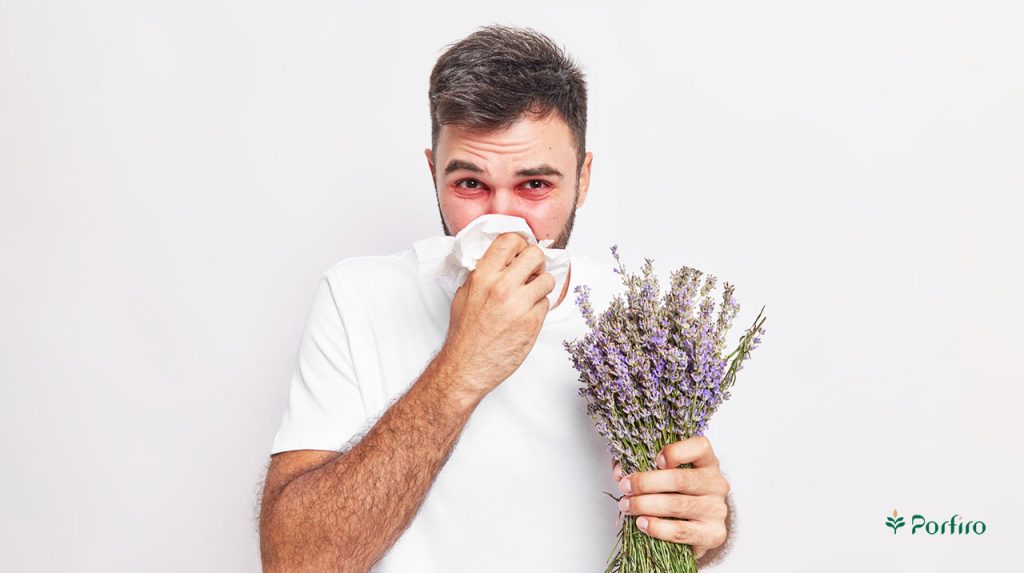
Allergy is the reaction of a person’s immune system when it starts overreacting to substances that generally don’t hurt people. The first contact with an allergen, the individual generally doesn’t react to it. Sometime should pass for the immune system to become sensitive to this substance.
Time teaches the immune system to recognize and remember the allergenic substance. It does so by making the antibodies for it so that next time it enters, it gets combated. This heightened sensitivity now is called sensitization. Some allergic reactions are seasonal in nature. For example, hay fever symptoms may be most acute during April and May when the tree and grass pollen counts in the atmosphere is very high. If the pollen count increases, one is likely to have a worse reaction.
Allergy Symptoms

Allergic reactions often cause inflammation and irritation. However, specific symptoms depend on the type of allergen. For example, allergic reactions may occur in the intestines, skin, sinuses, airways, eyes, or nasal passages. Below are some triggers and the symptoms they may cause in individuals with allergies:
Dust and Pollen Allergy Symptoms
- Blocked or congested nose
- Itchy eyes and nose
- Runny nose
- Swollen and watery eyes
- Coughing
Food Allergy Symptoms
- Vomiting
- Swollen tongue
- Tingling in the mouth
- Swelling of the lips, face, and throat
- Stomach cramps
- Shortness of breath
- Rectal bleeding, mainly in children
- Itching in the mouth
- Diarrhea
Insect Sting Allergy Symptoms
- Wheezing
- Significant swelling at the sting site
- Sudden drop in blood pressure (high blood pressure and proper nutrition)
- Itchy skin
- Shortness of breath
- Restlessness
- Hives, or red and very itchy rashes that spread across the body
- Dizziness
- Coughing
- Tightness in the chest
Medication Allergy Symptoms
- Wheezing
- Swelling of the tongue, lips, and face
- Rash
- Itching
If symptoms become severe, anaphylaxis can occur.
Allergy Causes

In any allergic reaction, allergens attach to the antibodies produced by the body’s defense mechanism, known as immunoglobulin IgE. Antibodies fight against foreign and sometimes damaging substances in the body. When an allergen attaches itself to IgE, some kinds of cells, including mast cells, release chemicals that bring about symptoms in allergic reactions. Histamine is such a chemical. It causes the airway muscles to constrict and the walls of blood vessels to shut tight. It also signals the nasal lining to produce additional mucus.
Allergy Risk Factors
Those who are under age 18 or have a personal or family medical history of asthma or allergies are more likely to develop allergies. Some researchers have also begun to theorize that infants delivered via cesarean section have increased allergy susceptibility since they never were exposed to the mother’s microbiome during delivery.
Common Allergens
Potential allergens are everywhere. Technically, one can be allergic to any food. Other specific components may also cause reactions, including gluten, a protein in wheat. The following eight foods account for the most food allergies:
Eggs, particularly the white

Like most of the food allergic conditions, allergy to eggs is a common problem encountered in childhood. Major egg allergens include ovomucoid, ovalbumin and ovotransferrin. Though some individuals exhibit an allergic reaction when eggs are cooked, others do not. Individuals with an allergy to birds or their feathers may also show an allergic reaction to eggs, a condition known as egg syndrome.
Signs and Symptoms of Egg Allergy
Common symptoms of egg allergy are vomiting, stomach pains, indigestion, wheezing, or coughing. The only real way to avoid an allergic reaction to eggs is by avoiding eating eggs and any food products that may contain them. Sometimes individuals identify egg allergy with intolerance to eggs.
Fish Allergy

Allergic reactions to fish and shellfish are more common in adults than in children. Some people have allergic reactions only to certain types of fish, while others have allergic reactions to all fish. Depending on the type of fish eaten, the severity of the reaction may vary. Parvalbumin is an allergenic protein to which most people allergic to fish react. It is the protein that does not get removed by cooking; therefore, people can also react to cooked and raw fish.
Symptoms of Fish Allergy
The symptoms of food fish allergy can also include skin rashes. A person may experience a runny nose, sneezing, and asthma symptoms. One of the very important things is to avoid fish and its by-products in case of an allergy.
Milk Allergy

Cow’s milk allergy is the most common food allergy during childhood. A person can react to even tiny amounts of milk or any other dairy product. If a mother consumes cow’s milk or any other dairy product, then some breastfed infants can develop colic or eczema. Many children have increased sensitivity to milk. The ACAAI estimates that 53% of infants under one year have an allergy to milk, while only 15% of teens have this reaction.
Symptoms of Milk Allergy
Hives, diarrhea and vomiting are associated symptoms with milk allergy. There are two different proteins within milk: casein and whey. Many foods that do not obviously contain milk or dairy products may also contain these proteins. Persons with a milk allergy should avoid drinking milk and eating food containing milk or dairy products. A milk allergy is different from lactose intolerance. This does not mean that people with lactose intolerance are allergic to milk; it simply means they lack sufficient of an enzyme called lactase, responsible for the digestion of lactose.
Peanut Allergy

One of the prevalent causes of food allergy is due to peanut consumption. Generally, persons who are allergic to peanuts have this for their lifetime. However, it is now believed, with recent research indicating that as many as 20% of allergic individuals may outgrow the allergy. The allergic reaction to peanuts is particularly severe, and even traces of peanut can produce a reaction in sensitive individuals. A small minority of people with peanut allergies may also react to other legumes, including green peas. Though peanuts aren’t considered a tree nut, many people with peanut allergy also are allergic to some tree nuts.
It is believed that the heat of cooking breaks down some allergenic foods and renders their proteins harmless, but it seems that roasting, boiling, and frying have no such effects on peanuts. Scientists believe peanut oil is safe for those with peanut allergies because processing breaks down the proteins into harmless fragments. However, cold-pressed or unrefined peanut oil may retain traces of peanut allergens and hence pose a danger to those suffering from severe peanut allergies.
Symptoms of Peanut Allergy
Peanut allergy is going to result in many symptoms similar to other food allergies. This includes stomach problems, weak pulse, swelling, hives, dizziness, and confusion. For all those allergic to it, consumption of peanuts in any form should be carefully handled.
Tree Nuts Allergy
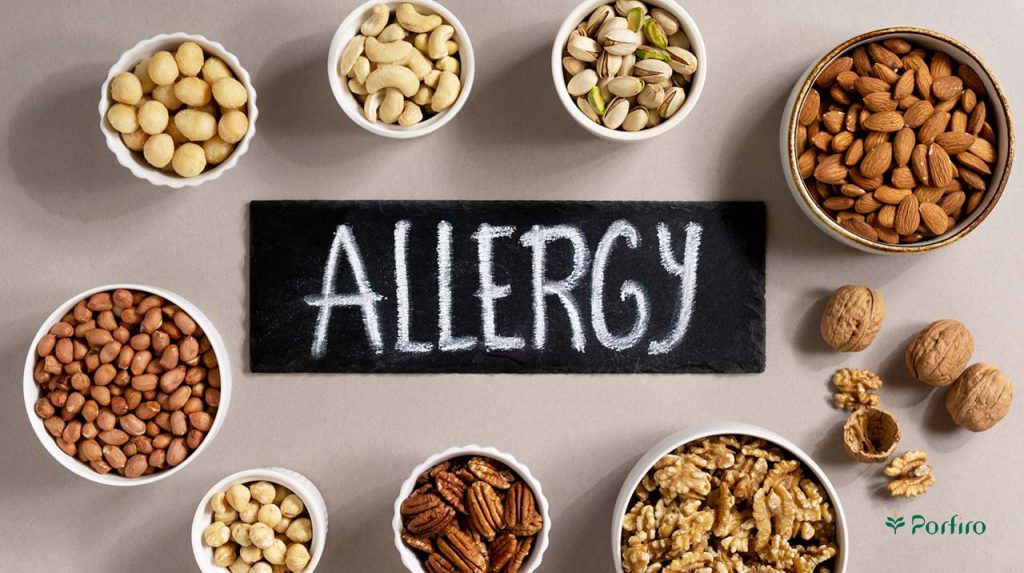
Tree nut allergy is likely to be lifelong. Along with shellfish and peanut allergies, tree nut allergy constitutes the majority of the most common causes of anaphylaxis resulting from food. Certain nuts that commonly provoke allergic reactions include:
- Cashews
- Pistachios (Pistachio: The Story of the Heavenly Branch)
- Walnuts
- Hazelnuts
- Almonds (Almonds, The Story of Their Origin and Types)
- American walnuts
- Brazil nuts
Sometimes people allergic to one type of tree nut will also react to other nuts.
Symptoms of Tree Nut Allergy
People allergic to tree nuts react differently. One may experience hives, vomiting, or low blood pressure, among other symptoms such as difficulty swallowing. Some also have itching of the mouth, throat, skin, eyes, or some part of the body. Those allergic to tree nuts must avoid the nut itself, as well as any food that may contain nuts.
Shellfish Allergy

Shellfish allergy is different from fish allergy. Many types of shellfish may cause a reaction in individuals allergic to these foods, including:
- Shrimp
- King Shrimp
- Spiny Crab
- Crab
- Mussels
- Abalone
Those allergic to one type of shellfish are likely to react to another types of shellfish.
Symptoms of Shellfish Allergy
Those who are allergic to shellfish have symptoms which include vomiting, wheezing, and other similar symptoms common with most food allergies. In fact, many times allergies to shellfish can be extremely severe. Some individuals will even react to vapors when others are cooking the shellfish. For most food allergies, the way to avoid the allergy is to avoid contact with the food in question. This is generally pretty easy to do when it comes to shellfish.
Wheat Allergy

Wheat allergy is the other most common food allergy in children. Approximately 65% of children develop this allergy by age 12. One of the main allergens of wheat is a protein called gliadin, which can be found in gluten. That is why some wheat-allergic people have to go gluten-free.
Symptoms of Wheat Allergy
Anaphylaxis from wheat allergy rarely occurs but can happen sometimes. Asthma symptoms, gastrointestinal issues, and rashes also include wheat allergy symptoms. As in all food allergies, people who are suspected of having a wheat allergy must consult their doctor first before making changes in their diet. Wheat allergy is different from celiac disease, wherein the latter is an autoimmune disease.
Soy Allergy

Soy allergy is one of the common allergies during childhood. Most individuals with an allergy to soy are under 3 years of age, though rarely the allergy happens to adults as well.
Symptoms of Soy Allergy
Individuals with a soy allergy may experience rashes, vomiting, diarrhea, and stomach cramps. In some cases, soy can lead to anaphylaxis. The best way to prevent a reaction is to avoid consuming soy. Some individuals with a soy allergy may tolerate highly refined soybean oil or foods that include soy lecithin. Soy lecithin is a product extracted from soybeans during processing. An individual allergic to foods must check with his or her doctor whether it is safe to consume these products.
Sesame Allergy

Sesame allergy is thought of as one of the most hazardous food allergies, in particular for children. According to the FDA, only about 20 to 30 percent of children with this allergy continue having it as adults. This allergy has only recently been well recognized. In April 2021, the U.S. government passed the FASTER Act, which identified sesame as the ninth major food allergen in the country. That is to say, for the very first time, manufacturers have to label sesame as a potential allergen in case it becomes an ingredient in foods produced.
Symptoms of Sesame Allergy
Like all food allergies, sesame allergy can cause a wide range of symptoms. These may include but are not limited to rashes, hives, or vomiting. In its severe forms, it can lead to throat swelling and anaphylaxis. Because many of these symptoms can also be signs of other food allergies, sesame allergy is not always that easy to diagnose reliably. In 2019, though, a study in pediatric allergy and immunology estimated that of 88 children with confirmed food allergies, 17% were allergic to sesame.
Other Types of Food Allergies
In addition to these major food allergies, people can be allergic to almost any food. There are many other allergies that affect quite a lot of people and include allergies to grains other than wheat, for example, barley. Other foods that can cause allergies include coconut, fruits and vegetables, meat, and spices like cinnamon.
Some of the other common allergens are:
- Pet dander, fur, skin flakes, or saliva
- Mold and mildew
- Antibiotics such as penicillin
- Insect bites and stings
- Cockroach, fruit fly, mites, and butterfly
- Pollen from plants
- Household chemicals
- Metals such as nickel, cobalt, chromium, and zinc
- Latex
Food Allergies
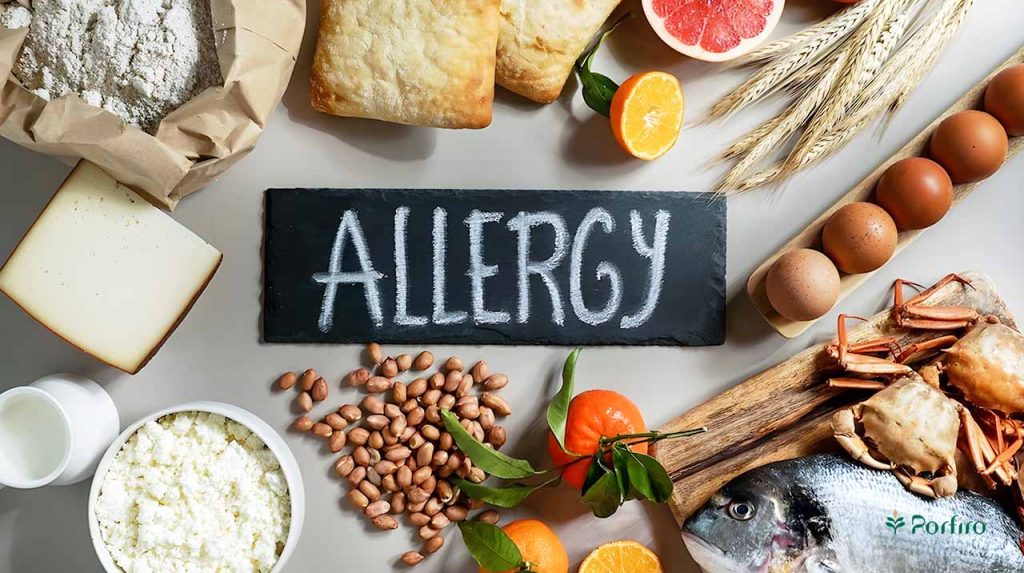
In individuals with food allergies, their immune system reacts as though the specific proteins of certain foods were dangerous pathogens. There are many types of food allergies, but some food allergens are more common than others.
Symptoms of Food Allergy
Symptoms can range from mild to severe and vary from person to person. Everybody will not experience every symptom, and each may be a little different. However common signs and symptoms include:
- Tingling in the mouth
- Burning sensation in the lips and mouth
- Swelling of the face
- Skin rashes known as hives
- Wheezing
- Nausea or vomiting
- Diarrhea
- Runny nose and eyes
The most common food allergens have already been identified. According to the American College of Allergy, Asthma & Immunology, three foods are responsible for the majority of food allergies in children: milk, eggs, and peanuts. The most common childhood food allergies are to milk, eggs, soy, and wheat, according to the college. Up to 25% of children may be allergic to peanuts. In European countries, other foods that are also known to cause allergies include sesame, celery, lupins—a legume—and mustard. Sesame is among the most common food allergies in the United States.
Diagnosis of Food Allergy
To diagnose an allergy, the physician will ask a set of questions to the individual regarding their reaction to food. They would like to know:
- What symptoms appear?
- How much time is elapsed before the reaction begins?
- What foods are responsible?
- Was the food cooked?
- Where was the individual eating?
The doctor will also consider other types of allergies the person already has, like seasonal allergies or asthma, or if someone in their family has ever had an allergy. One of the following tests can be used to diagnose food allergy by a doctor:
- Skin Prick Test: A health professional will, in this case, place diluted foods on an individual’s arm and lightly prick the skin. The itching, swollen, or red reactions will reveal that one might be allergic. Some may have to take this test many times.
- Blood Test: Detects specific antibodies against some food proteins that may indicate an allergy.
- Food Diary: The patient keeps a chart of everything that they consume and describes symptoms experienced subsequently.
Supervised Oral Food Challenge: This is the most scientific approach towards the accurate diagnosis of a food allergy. Under the doctor’s direct supervision, the patient is given gradually increased amounts of an allergenic suspect food, all the while monitoring symptoms. By this method, psychological reactions cannot occur.
Allergy or Intolerance
Lots of people think they are allergic to foods but actually have food intolerance. Food intolerance is not an immune reaction, like an allergy, and does not cause the same symptoms. If you have a food allergy your immune system sees the food as a foreign body and makes antibodies called immunoglobulin E (IgE) to fight it. When you eat the food and digested molecules go into your bloodstream these IgE antibodies latch onto the food molecules forming complexes.
IgE antibodies are not present in food intolerance, although in some cases other components of the immune system may be involved. The symptoms of food intolerance are often much like those of food allergies, but they tend to set in more slowly. Because it does not require an immune response, food intolerance can be due to a protein, chemical, or even a carbohydrate in a food. Food intolerance may also sometimes be due to enzyme deficiencies or poor gut permeability.
In contrast to people with food allergies, who will therefore have even a minute quantity of certain foods provoke the immune system to manifest an allergic reaction. Food intolerance allows the person usually to take small amounts without it disturbing them. With celiac disease being an exception, even a small amount may provoke a reaction in gluten intolerant people. Though doctors consider celiac disease an autoimmune, rather than allergic, condition, the immune system is involved.
What Causes Food Allergy?
In individuals with food allergies, the immune system mistakenly identifies a particular protein present within the food as something harmful that will cause them illness. In response to this perceived harm, their immune system produces IgE antibodies for waging an attack against the protein in question. The next time they eat the same food, the antibodies are there, ready to go, so the immune system is able to react right away by releasing histamine and other chemicals into the blood stream.
These chemicals give rise to the signs and symptoms of food allergy. Histamine allows blood vessels to dilate and inflames the skin or allows it to swell. It affects the nerves, too, allowing the skin to feel itchy. The nose can be affected with increased mucus production, leading to itching, burning, and a runny nose.
Who Is at Food Allergy Risk?
Anyone can have a food allergy. However, there are certain risk factors that increase the possibility of a person developing one:
- Family History: Many food allergies tend to run in the family. The presence of first-order relatives-a parent or sibling with asthma or any allergic condition such as food allergies, eczema, and seasonal allergies-increases the chances of a food allergy in a person.
- Other Allergic Conditions: A child is often noted to develop one allergic condition and then others. Common conditions include food allergies, asthma, and seasonal allergies.
- Early Experience: Literature reviewed so far has indicated that food allergy may carry a greater risk in cesarean-delivered infants. Early life exposure to common allergens, such as peanuts, reduces the food allergy risk.
- Intestinal Bacteria: A few studies have found that individuals suffering from nut allergies, as well as seasonal allergies, may have different bacteria in their intestines. They have more Bacteroidales, but fewer Clostridiales strains. Researchers are trying to see whether the effect of the gut bacteria might help treat or even prevent allergies.
Why Do Some People Have Allergic Reactions?
Food allergies do appear to be on the rise. For example, the Centers for Disease Control and Prevention (CDC) state that in children, “the prevalence of food allergies increased from 3.4% in 1997-1999 to 5.1% in 2009-2011.” Scientists are not aware of why these percentages are on the rise, but a few theories include:
- Diet: It is suggested that in Western countries, a factor could be the change in diet—less animal fats and more plant fats.
- Antioxidants: Most people eat fewer fresh fruits and vegetables compared to the preceding generations. Fresh fruits and vegetables contain a vast amount of antioxidants, which help protect against cell damage. There is some evidence to believe that a diet low in antioxidants may be linked with allergies.
- Vitamin D: The prevalence of food allergies is higher in countries farther away from the equator, where there is less sunlight, which is an important source of vitamin D. It is suggested that low consumption of vitamin D may be associated with an increased risk of food allergy.
- Early Allergen Exposure: This has been referred to as the hygiene hypothesis. According to this theory, most children these days live in highly sanitized environments exposed to much fewer microbes compared to former years. Countries in the developed world do indeed exhibit significantly higher rates of food allergies because people use more antibacterial products and also have less healthy bacteria around them.
But all the above are mere theories and are not supported by convincing evidence.
Food Allergy Treatments

The traditional way of addressing food allergies is to avoid the offending food. Individuals can also help manage some of the symptoms of an allergic reaction. Oral immunotherapy is an emerging treatment for food allergies, which involves increasing doses of allergens that desensitize the body so it no longer reacts to the food.
Oral immunotherapy is approved for all foods, but the FDA has approved one for a peanut allergy known as Palforzia. The avoidance could be not only mere ingestion of the specific food but also the total avoidance of inhalation, contact, and ingestion of foods containing minute traces. It could mean utensils, dishes, cooking surface, or a cutting board have to be free from these allergens as well.
People on an elimination diet may have to seek out other sources for a specific nutrient. For example, milk contains calcium and protein; individuals who eliminate milk must make sure they get these nutrients from other sources. Careful reading of food and beverage labels is important. Even soaps, pet foods, and adhesives can contain small amounts of food allergens. It is also important to be aware of food eaten outside the home.
Medications for Food Allergy Emergency Reactions
The following medications are useful under medical supervision in the event of an allergic reaction:
- Antihistamines: These come in gel, liquid, or pill form. In general, they are effective in patients with mild to moderate symptoms of food allergy. Antihistamines block the effects of histamines, which are chemicals that cause most symptoms associated with allergies.
- Adrenaline (Epinephrine): This is a medication kept for those who have food allergy symptoms of anaphylaxis. Epinephrine works by increasing blood pressure through the constriction of blood vessels. It also loosens airways.
How Is Allergy Diagnosed?

If someone thinks he or she might have an allergy, a doctor can determine what is causing the reaction. The person should be prepared to tell the doctor:
- What symptoms he or she has noticed
- When and how often these symptoms occur
- What seems to trigger them
- Whether anyone in his or her family has allergies
- Whether others in his or her family have had similar reactions
The doctor may recommend tests or refer the patient to see an allergist.
Allergy Tests
Some of the allergy tests include:
- Blood Tests: This test measures how much IgE antibodies the body’s immune system is producing against a certain allergen.
- Skin Tests: The doctor pricks the skin with a small amount of possible allergen. If the skin reacts with itching, redness, or swelling, one could be allergic.
- Patch Test: In the case of contact dermatitis, the physician may apply a few millimeters of a suspected allergen to a metal disk and then attach that disk to the subject’s back. They allow this for 48 hours and then review the skin reaction; they will further check again in two days.
General Allergy Medications

The most effective treatment for allergy disorders is avoidance of the allergens, although this often is not practical. In this case, medication, as advised by the physician, may be helpful.
Allergy Medications
Although medications cannot cure allergies, they do help in managing the symptoms of an allergic reaction. Most treatments are available over-the-counter. Before taking any medication, a person should speak with a pharmacist or doctor to know what might be the best treatment option. A doctor may recommend the following:
- Antihistamines: These block the action of histamine that the immune system releases during an allergic reaction.
- Decongestants: These can relieve nasal congestion.
- Corticosteroids: Available in pill, cream, nasal spray, or inhaled forms, corticosteroids basically reduce inflammation.
- Immunotherapy: Treatment that may allow the development of long-term tolerance. The patient takes an increased dose of the allergen in pill or injection form.
- Leukotriene modifiers (Anti-leukotrienes): If other treatments are not working, these may help with some allergies. These medications block some chemicals that cause swelling.
Worth noting though, is that medications should be done under the close supervision of the doctor, and this article is mostly informational.
What is Anaphylaxis?
Anaphylaxis is the most severe form of an allergic reaction. It is a medical emergency and can be life-threatening. Anaphylaxis can develop rapidly, with symptoms appearing within minutes or hours after exposure to an allergen. Research shows that anaphylaxis primarily affects the skin and respiratory system. Some symptoms include:
- Hives, flushing, and itching
- Difficulty breathing
- Wheezing
- Swelling
- Low blood pressure
- Changes in heart rate (heart health and suitable foods for it)
- Dizziness and fainting
- Loss of consciousness
Recognizing these symptoms can be crucial for receiving timely treatment.
Early Symptoms of Anaphylaxis
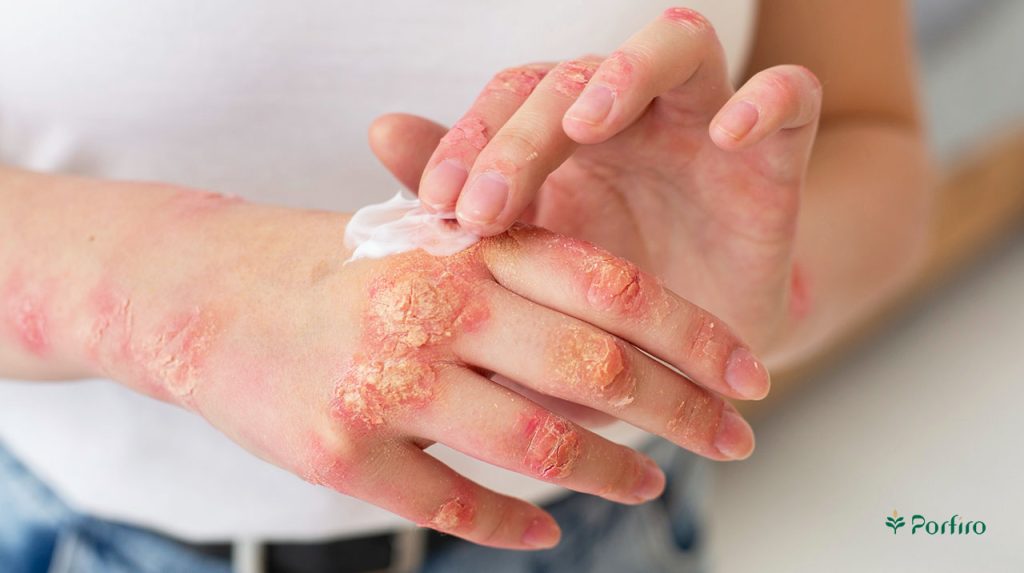
The early symptoms of anaphylactic shock can vary and may initially seem relatively mild. They may include hives, itching, or a sense of impending doom. Individuals with a history of severe allergic reactions often experience similar symptoms each time they react. Early warning signs that an individual may be experiencing anaphylactic shock include:
- Blue or pale skin on the face
- Swelling of the lips or face
- Coughing
- Wheezing
- Breathing difficulties
- Hives, especially if present in multiple areas
Treatment for Anaphylaxis
Injection of epinephrine is the primary treatment for individuals experiencing anaphylaxis. These injectors, also known as EpiPens, carry a single dose of the hormone epinephrine. Epinephrine reverses the effects of substances produced during an allergic reaction. It can also prevent shock from occurring or reverse it if it has already begun. EpiPens are typically injected directly into the thigh and are only available by prescription.
Individuals experiencing or suspecting an anaphylactic reaction should call emergency medical services. Treating anaphylaxis at home or taking someone to the hospital is not safe. Delaying treatment can be fatal. Treatment always begins with the administration of epinephrine. In cases of severe anaphylactic shock, the individual may require additional treatment.
What Causes Anaphylaxis?
Individuals experience anaphylactic reactions due to allergies. The body produces proteins that can attack dangerous invaders, including viruses and bacteria. A person with allergies produces immunoglobulin IgE proteins in response to harmless substances. These substances stimulate white blood cells called mast cells to release specific chemicals, often histamines that cause allergic reactions. Some allergens are more likely than others to trigger such reactions. Common allergens may include:
- Insect stings
- Foods, including peanuts, tree nuts, shellfish, and eggs
- Latex
- Medications, including penicillin, some anesthetics, and aspirin
However, any substance to which a person is allergic can potentially cause an anaphylactic reaction.
When to See a Doctor About Anaphylaxis?
After the first anaphylactic reaction, follow-up with a doctor is essential. This may include obtaining a prescription for an EpiPen and assessing the risk of future reactions. Individuals who already know they have allergies should also consult a doctor after any anaphylactic reaction. They should discuss planning for future emergencies with a healthcare provider. A person experiencing anaphylaxis should treat it as a medical emergency. Individuals with EpiPens should administer epinephrine as soon as possible before going to the emergency room.
Complications of Anaphylaxis
Anaphylaxis and anaphylactic shock can lead to life-threatening respiratory complications. Without prompt treatment, a person may be unable to breathe. If someone cannot breathe for an extended period, they may experience brain damage. Some individuals with anaphylaxis may experience a secondary allergic condition known as biphasic reaction. This secondary reaction can occur 12 to 72 hours after the initial allergic reaction. Those who have experienced anaphylaxis should be monitored in the hours following for signs of biphasic reaction. The biphasic reaction is usually less severe than the first reaction but can sometimes be life-threatening.
10147