



Sleep is an essential function that allows the body and mind to recharge, so that when you wake up, you feel refreshed and alert. Sleep health also helps the body stay healthy and prevent illnesses. Without enough sleep, the brain cannot function properly.
This can disrupt your abilities; on the other hand, modern life in many countries today does not always meet the need for sufficient sleep. However, it is important to strive for regular adequate sleep to support overall sleep health. In this article, Porfiro discusses sleep health, the role of nutrition, and foods that improve sleep, seeking to clarify their true importance for us, as many of us do not have enough information about them.
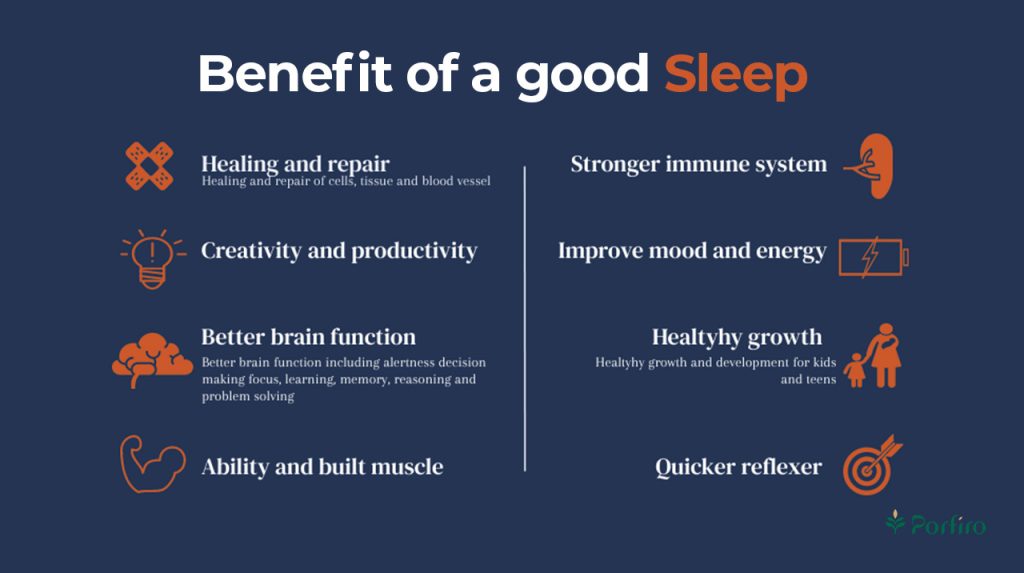
The following are some of the many benefits that health experts associate with having a good night’s rest:
Researchers believe that sleep is linked to several brain functions and can enhance them, including:
A study published in 2015 in the Journal of Child Psychology and Psychiatry found that children’s sleep patterns can directly influence their behavior and academic performance.
The relationship is not very well realized between weight gain, obesity, and short sleep patterns. A number of studies over these years link obesity to poor sleep pattern habits. A 2018 study reported that those who consistently sleep less than seven hours per night are more likely to have a higher BMI and become obese than those who sleep more.
They indicated that sleep deprivation is associated with increased levels of the hunger hormone ghrelin, salt retention, and inflammatory markers. They also added that poor sleep would result in fatigue, which could affect an individual’s ability or willingness to exercise and maintain a healthy lifestyle.
Like with weight gain, there is evidence that good nighttime sleep can help individuals consume less. For example, overweight adults who extended their sleep duration consumed less than a group that did not. On average, the adults extended their sleep by 1.2 hours and consumed about 270 fewer calories compared to the control group. Researchers believe improving and maintaining a healthy sleep duration can help with weight loss and prevent obesity.
Adults need 7 to 9 hours of sleep each night, but recent studies have shown that athletes may require more sleep. Sleep is crucial for athletes and individuals participating in sports because the body improves during sleep. Other benefits include:
One risk factor for heart disease is high blood pressure (hypertension and proper nutrition). According to the Centers for Disease Control and Prevention (CDC), adequate rest each night allows the body to regulate its blood pressure. Good nighttime sleep can also reduce the chances of developing sleep-related conditions such as apnea and improve overall heart health.
Sleep is associated with individuals’ emotional and social intelligence. Someone who does not get enough sleep is likely to struggle with recognizing the emotions and feelings of others. For example, individuals who regularly experience higher quality sleep tend to perceive themselves as having better emotional intelligence, such as performing well in social interactions, maintaining relationships, feeling positive, and managing shocks.
The connection between sleep and mental health has been a long-term research topic. Researchers concluded in 2016 that insomnia is significantly associated with an increased risk of depression. This review indicates that sleep loss may lead to cognitive changes that increase the risk of depression. Sleep disorders may also disrupt emotional regulation and stability, as well as alter neural processes, all of which may result in depressive symptoms.
There are associations between adequate sleep and lower inflammation of the body. For example, there is a positive significant correlation between greater sleep misalignment and higher levels of inflammation, especially in women. Sleep misalignment includes inconsistent times of going to bed or rising at different hours of the day and may interfere with the body’s process for regulating inflammation during sleep.
Sleep serves the healing, restoration, and recuperation of the body. This relation involves the immune system also. Some studies find deep sleep to help in serving through self-repair and the fortification of the immune system. Scientists need further research on the mechanisms clearly involved with sleep, as this contributes to its effect on the immune system.
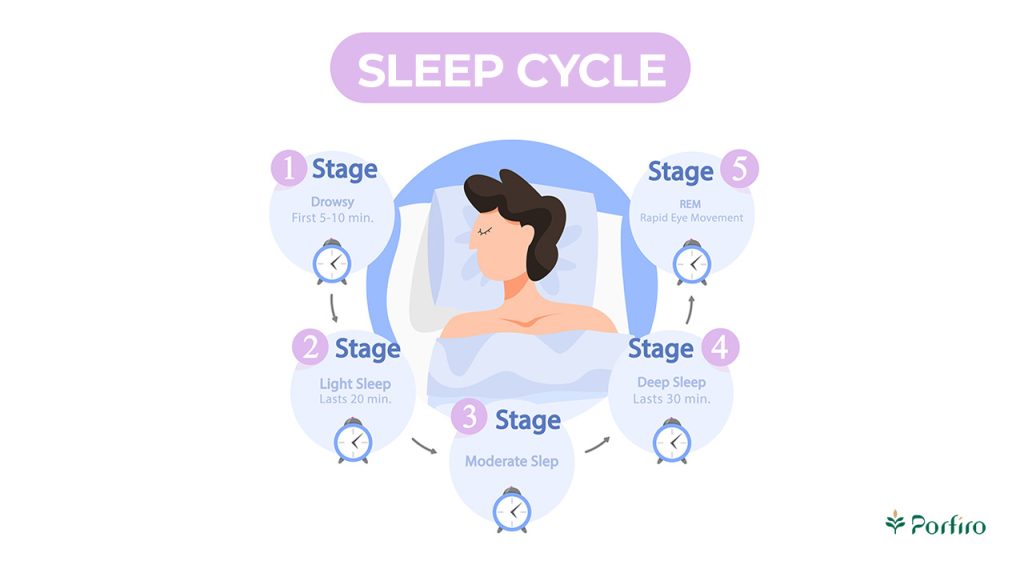
When we fall asleep, the body goes through four stages:
Three of these stages are non-rapid eye movement (NREM) sleep, each with deeper levels of sleep. The final stage is rapid eye movement (REM) sleep, where most dreaming occurs. The body cycles through each stage about four to six times during a night.
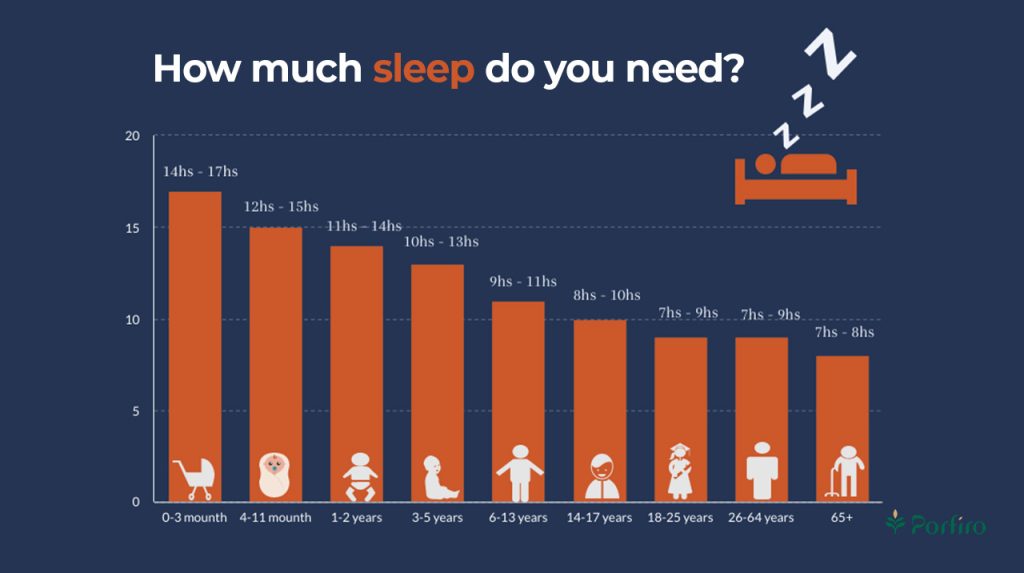
The amount of sleep needed varies from person to person depending on which age group they fall into. As one gets older, they need less sleep to function properly. According to reports, the breakdown is as follows:
In addition to the number of hours, the quality of sleep is also important. Signs of poor sleep quality include:
Understanding these recommendations can help individuals assess their own sleep needs and make adjustments for better health and well-being.
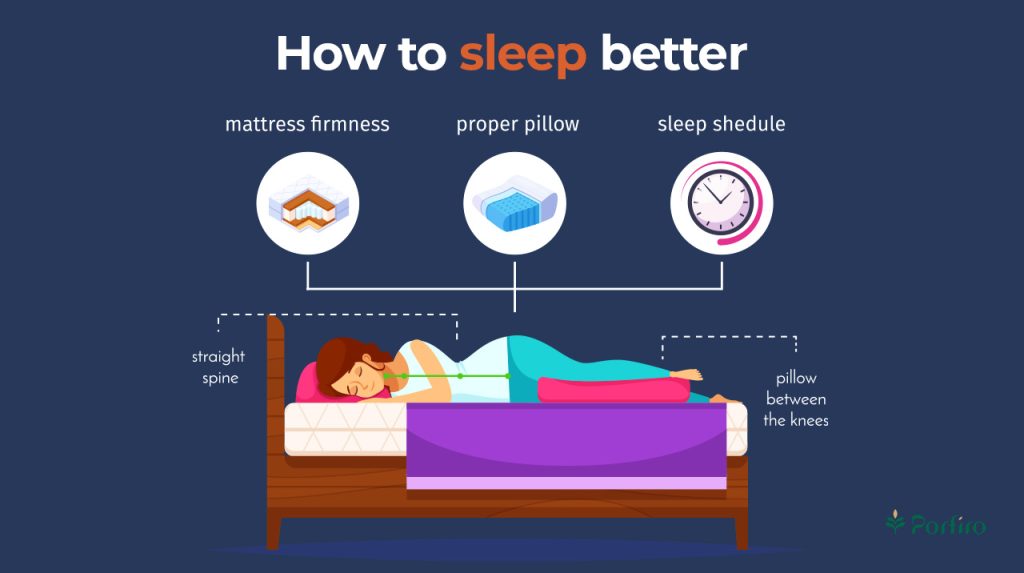
Adequate and quality sleep is important for the physical and mental health of an individual. A few simple sleep hygiene practices and home remedies can be followed to have better sleep. Chronic sleep deprivation can increase the risk of certain diseases such as obesity, heart disease, depression, and diabetes.
Fatigue can also increase the likelihood of injuries; for instance, drowsiness while driving or operating heavy machinery can be very harmful. Below in the article, we look at some tips and home remedies for better sleep. We also cover when to see a doctor. That said, here are some things one can do to sleep better:
These provide a good number of health benefits by reducing cardiovascular diseases, building body muscles, and enhancing weight management. Practicing moderate physical activities for 20-30 minutes each day may help achieve better sleep quality. However, one is advised to avoid serious physical work 2-3 hours before sleeping; this may lead to the opposite effect.
A worn-out or low-quality mattress is detrimental to good sleep. A good-quality mattress, on the other hand, may only last around 9 to 10 years as per the National Sleep Foundation. While replacing an old mattress with a new one, comfort and support become critical considerations.
The human body works on a sleep-wake cycle. Sleeping and waking up at varying times on different days of the week will disrupt such a cycle, which can affect sleep. Whenever possible, sleep and wake time should be as consistent as possible, including weekends.
: The bedroom should be made to become a sleep haven. It can be done by:
Down Winding down before bed can help a person get better sleep at night. The relaxing activities may involve:
This will include avoiding the night exposure to television, phones, and tablets to help the mind be quiet.
Indigestion caused by having big meals or spicy foods before going to bed disrupts one’s sleep. Generally, one should avoid heavy meals a few hours before sleeping. If they feel hungry during this time, they can opt for a light snack instead.
Consuming a large amount of liquids before going to bed may disrupt sleep time and quality. Drinking too much liquid will wake people up many times in the middle of the night for urination.
Individuals who have difficulty falling asleep at night should try to avoid napping during the day, as this can make it harder to sleep at night. If someone needs to nap, it is best to limit the nap to less than 1 hour and avoid napping after 3 PM.
Another effective method of improving sleeping is to develop a close link between sleeping and the bedroom. This involves:
Caffeine is a stimulant that would heighten the energy level and alertness of an individual. However, caffeine intake at night reduces an individual’s ability to sleep and it also affects the quality of sleep. According to a small study in 2013, ingesting caffeine even up to 6 hours before bedtime decreases sleep quality.
Melatonin is a hormone accessed through the body that helps to establish the sleep-wake cycle in an individual. Melatonin is accessible as a dietary supplement, and is often taken to promote sleep, remedy insomnia, treat jet lag, and other sleep issues. Some research shows melatonin may help children with sleep disorders or attention deficit hyperactivity disorder (ADHD) to more quickly fall asleep. Melatonin is found at health stores and other places of commerce. However, it is recommended to consult a doctor before taking melatonin or giving it to the child.

People who have continued sleep problem even after observing tips aimed at getting good sleep must seek medical care. A physician would thereby diagnose the persons for sleep disorder and other condition that may hinder normal sleeping. They could also advise one on possible treating measures.

Sleep affects every condition of health. Fortunately, certain foods that improve sleep and beverages contain chemicals that act to either induce or sustain parts of the sleep cycle, and hence could help promote both falling asleep and staying asleep. Quality and duration of sleep may affect many disease states, including the following:
However, not always is sufficient sleep possible. Several chemicals, amino acids, enzymes, nutrients, and hormones are concerned with the providing of good sleep and maintenance of sleep cycle. These are:
Although many foods contain low levels of these sleep-conducive compounds, not all have high concentrations that could actually impact an individual’s normal sleep cycle. Drawing from traditional wisdom and scientific research, besides nutritional profiles, here are the best foods and beverages for sleep:
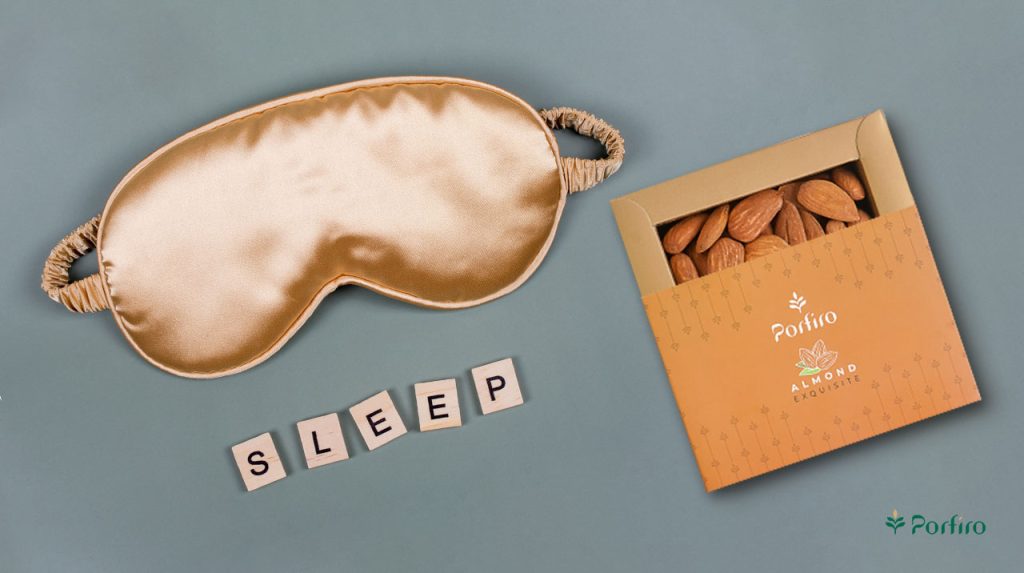
Foods that improve sleep often include nuts, that are a rich source of melatonin, a hormone that regulates your sleep-wake cycle. One ounce of whole almonds also contains 77 milligrams of magnesium and 76 milligrams of calcium, two minerals that may help relax muscles and promote sleep. Almonds are also a healthy afternoon snack (almond health benefits) because they are high in good fats (high cholesterol and proper nutrition) and low in sugar and saturated fats (fats and health). You can buy the best almonds from Porfiro in:
Foods that improve sleep include traditional remedies like warm milk, which has long been used to combat insomnia. There are four sleep-promoting compounds in milk: tryptophan, calcium, vitamin D, and melatonin. However, the childhood association that most people have between a cup of warm milk and bedtime may be more effective in improving sleep than tryptophan or melatonin. Like a cup of tea, a cup of warm milk drunk before bed can be a soothing night-time ritual. Low-fat milk is also a great snack because it is healthy and low in calories. One cup of 1% low-fat milk has approximately:
Some few studies have focused on the relation between kiwi intake and sleeping. In the small study, the people who consumed two kiwis an hour before going to bed over a four-week period improved their overall sleep time and sleep efficiency but also tended to fall asleep quicker. Indeed, if kiwi may help with sleep, it is because of a variety of those substances in this fruit that promote sleep, which are:
The herb chamomile has traditionally been used to treat insomnia. While the reason is not known, researchers believe that a flavonoid chemical called apigenin acts as a sedative in chamomile. Apigenin binds to GABA A receptors, which helps sleep to be initiated. Only weak evidence supports the hypothesis that chamomile improves sleep quality, but a warm cup of tea is a soothing way to end the day and initiate the mental act of falling asleep.
Walnuts contain a number of sleep-enhancing and regulating chemicals and compounds in them, such as melatonin, serotonin, and magnesium. Other than magnesium, in every 100 grams of walnuts, more sleep nutrients can be found, including the following:
are packed with four sleep-modulating compounds, including melatonin, tryptophan, potassium, and serotonin. It is also hypothesized that antioxidants by the name of polyphenols in tart cherries could also impact regulating sleep. This fruit has been confirmed by researchers to contain anti-inflammation properties promoting reduced pain post extreme exercises and improving mental performance. Because tart cherries are also full of fiber, vitamin C, and vitamin E, they make an excellent bedtime snack as well.
Foods that improve sleep often include fatty fish, which might help promote good sleep because they are an excellent source of vitamin D and omega-3 fatty acids. Both these nutrients help regulate serotonin. Serotonin is responsible for providing a stable sleep-wake cycle in a person to a great extent. The fatty fish usually contains a substantial amount of other sleep nutrients also. For instance, 3 ounces fillet of salmon contains the following:
Researchers believed that these could be attributed in the main to enhanced levels of vitamin D and the possible improvement of heart rate by omega-3.
Leaves of lettuce and lettuce seed oil may be used to treat insomnia and sleep at night. Lettuce reportedly exerts a sedative-hypnotic effect that is considered mild in nature. Researchers have attributed most of the sedative effects of lettuce to the n-butanol fraction of the plant, which contains a compound known as lactucin. The 2013 study also demonstrated that mice treated with the n-butanol fraction increased sleep time and decreased sleep latency or time taken to fall asleep. From these results, researchers concluded that lettuce increases not only the sleep time of mice but also protects cells from inflammation and stress-related damages during sleep disturbances.
Among foods that improve sleep, turkey stands out as tasty, nutritious, and a good source of protein, which is vital for maintaining strong muscles and controlling appetite. It also contains other nutrients such as riboflavin, phosphorus, and selenium. It also comprises the amino acid tryptophan, which increases melatonin production and can induce drowsiness. The protein in turkey may also be one of the contributing factors that make it enhance fatigue. Yet, the evidence does support that consuming moderate amounts of protein in a late meal promotes better sleep quality, with minimal nocturnal wakings.
Traditionally, passionflower herbal tea is used to treat several disorders. The herbs have a great content of flavonoid antioxidants, which are known for their properties in inflammation reduction. Besides, the antioxidant-rich passionflower tea has been examined against anxiety, depression, and other mental ailments. Due to the sedative nature of passionflower tea, it causes sleep; hence, taking the tea at bedtime may be beneficial.
White rice is a common kind of grain, and it is included as one of the staple foods in most countries, including our own. The main difference between white rice and brown rice is that white rice is without bran and germ. That means it has fewer fibers, nutrients, and antioxidants. It nonetheless contains a fair amount of minerals and vitamins. It falls in the category of high-carbohydrate food.
Its carbohydrate content and low fiber contribute to its high glycemic index (GI). Older research suggests that eating high-GI foods like white rice at least 1 hour before sleep may help improve sleep quality. It is said that this research was conducted on professional athletes who may need to consume more than an average person.
There are numerous foods that improve sleep and drinks that induce sedation. In some instances, they simply contain significant sleep-promoting nutrients like tryptophan. Nevertheless, research regarding their sleep-enhancing qualities might be scant.
Besides, mentioned foods that improve sleep, some other alternative/ traditional methods may help in improving sleeping:
It is always recommended to consult a doctor before adding any new supplement to one’s diet, as it may interfere with other medications or medical conditions. Certain life and dietary changes can also positively impact an individual’s sleep and sleep cycle, such as:
Although consumption of any of the aforementioned foods in this article can help improve sleep quality, there’s some debate about whether such foods are well-consumed right before bedtime. Studies show that it is actually eating too close to bedtime that hinders sleep, but it is rather advisable to consume food 4 to 6 hours before sleep.
Eggs are a good source of protein, and protein is great for sleep. Therefore, having eggs for dinner may have a positive effect on your sleep.
Sugar-filled foods have shown through studies that they may effectively hinder sleep. Similarly, spicy or processed foods should be avoided from being taken. Additionally, it is best to avoid caffeine and alcohol around bedtime since these could cause disruption of sleep.
Making conscious decisions, including choosing foods that enable and encourage sleep, will allow you to improve your health. These are nutrient-rich foods containing melatonin, tryptophan, magnesium, and omega-3 fatty acids, which help improve the quality of sleep by calming down the central nervous system or keeping the sleep-wake cycle on track.
By eating foods high in these nutrients such as almonds, fatty fish, warm milk, and some fruits, your body can be helped to work in harmony with its internal rhythms, increasing the speed with which it falls asleep and attaining restorative uninterrupted sleep. A diet to encourage sleep, in addition to good sleep hygiene, could help sharpen cognition, keep emotions balanced, keep the body feeling well, and thus be safeguarded against the health difficulties associated with bad sleep.
10171













دیدگاهی در مورد “Sleep health and diet; foods that improve sleep quality”
I am really enjoying the theme/design of your web site. Do you ever run into any web browser compatibility problems? A number of my blog visitors have complained about my website not operating correctly in Explorer but looks great in Firefox. Do you have any advice to help fix this problem?
Thank you very much for your kind words. Unfortunately, we have no comment on specific browser compatibility issues, but we hope your site runs smoothly for all users. Thank you for your support and we look forward to your visit!