What Is Hydration: Why Should We Drink Enough Water?
توضیحات
24
شهریور
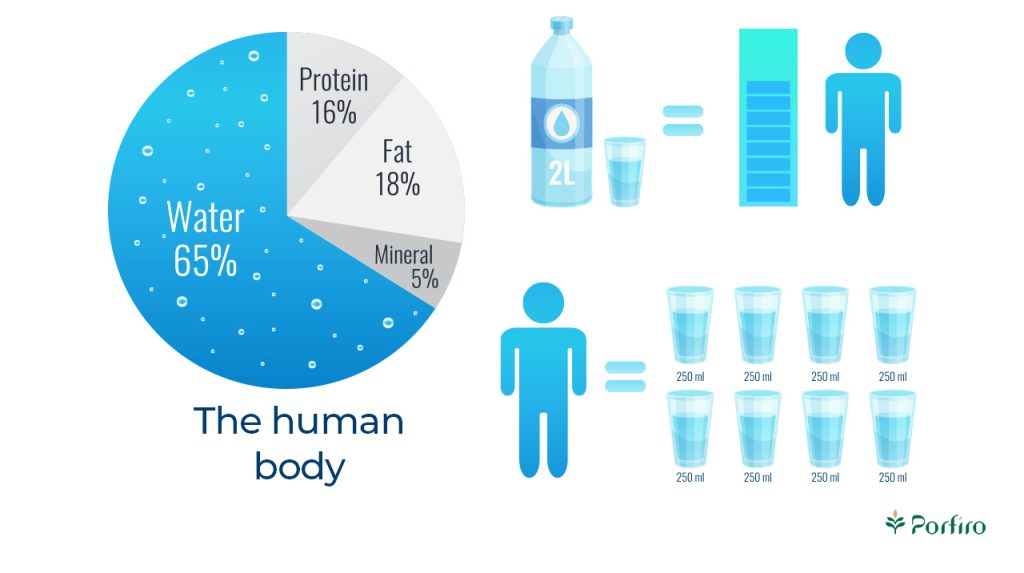
Water has many advantages. It is necessary for many functions of the body, such as lubricating joints, delivering oxygen to the body, kidney issues, and more. The human body is composed of around 60% water. The surface of the Earth is covered by about 70% water. Maybe because of how much of it is available, drinking adequate amounts of water each day is not a priority for a lot of people.
Join Porfiro to explore what is hydration and discuss the benefits of water beyond quenching thirst, how much water someone needs, the advantages of drinking water first thing in the morning, and which foods contain more water compared to others.
Benefits of drinking water for the body
All cells and organs in the body need water to function properly. Here are some reasons why the body needs water:
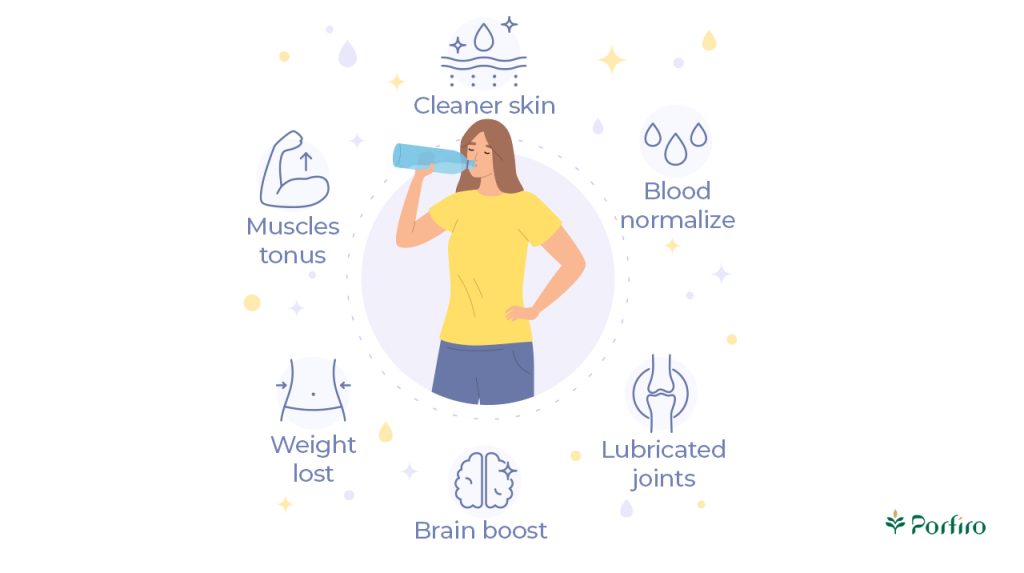
Joint Lubrication: Joints and spinal discs are made up of cartilage, which is roughly 80% water, so chronic dehydration may diminish the body’s ability to absorb shock in those joints and thereby exacerbate joint pain.
Saliva and Mucus Production: Saliva is important for digestion, of course, as well as in keeping the mouth, nose, and eyes moist. Wet tissues are less likely to rub against each other to cause injury. In addition, drinking water cleanses the mouth of food and dirt, without the potential of bacteria and sugar contributing to cavities.
Oxygen Transport in the Body: Blood is over 90% water, and oxygen is delivered to every part in that fluid.
Better Skin Health: Hydration is associated with better skin barrier function. Dehydration can exacerbate the risk of skin conditions.
Maintaining the Structure and Function of the Brain, Spine, and Other Structures: Dehydration has an impact on brain structure and function and also plays a role in hormone and neurotransmitter production. Extended episodes of dehydration could result in impaired thought and reasoning.
Setting Body Temperature: Water stored in the middle levels of the skin travels to the surface as sweat when body temperature rises. Sweating, in turn, evaporates off of the skin and allows the body to cool itself down. Some researchers suggest that dehydration contributes to heat storage and diminishes heat tolerance. While it is generally agreed upon that successful hydration diminishes physical exertion when overheated, further research is warranted.
Digestion depends on water: The intestines require water to adequately process the food we consume. If you do not possess available water within your intestines, you are at risk of producing digestive problems, suffering constipated conditions, and elevated stomach acid that leads to greater risk of experiencing heartburn and ulcers.
Waste Removal: Water is essential for sweating, urination, and waste removal.
Blood Pressure Support: Dehydration may cause your blood to thicken, causing low blood pressure.
Support for the Respiratory Tract: When the body becomes dehydrated, it narrows respiratory pathways to conserve water, possibly causing asthma and allergy symptoms to worsen.
Access to Nutrients and Minerals: Minerals and nutrients can only circulate through the body when they dissolved in water.
Kidney Protection: Kidney stones are painful mineral crystals that form in the urinary tract. Drinking water increases urine output. Increased urine output dilutes the minerals and limits the possibility of crystallization. More research is needed to establish this relationship.
Improving Exercise Performance: Some researchers have proposed that drinking more water may enhance performance in lengthy bouts of intense activity. Research supports that dehydration negatively affects performance in activities over 30 minutes in duration.
Weight Loss Assistance: Drinking an adequate amount of water is thought to help with weight loss in two ways: helpful volumetric increase in fullness sensations and an increase in resting metabolism that will not be significant, but nonetheless additive. The most effective way to drink water for weight loss is to drink water about 30 minutes before meals. Drinking water in this manner has been shown to reduce calorie intake.
Maybe Useful in the Prevention and Treatment of Headaches: Dehydration can cause headaches and migraines in some individuals. Research shows that headaches are common symptoms of dehydration. Drinking water can reduce headaches for some individuals who experience headaches regularly.
Enhances Physical Performance: Too little water can seriously impede physical performance. This is especially true when exercise and/or heat is involved. Losing as little as 2% of water can have a big impact on performance. An athlete can lose anywhere from 6 to 10% of their body weight in sweat. Dehydration can impair temperature regulation, reduce motivation, increase fatigue, and make exercise feel more difficult both mentally and physically.
Substantially Impacts Energy Levels and Brain Function: The brain is very sensitive to hydration status. Dehydration even at the very mild level of 1–3% body weight, can affect mood, memory, concentration, and increase headache and anxiety. This level of fluid loss can occur from daily activities, let alone exercise or heat.
Might Help with Relief for Constipation: Constipation, constipation is defined as reduced or difficulty with bowel movements and is often treated with increasing fluid consumption. Low water consumption is a risk factor for constipation in elderly and young individuals. Mineral water high in magnesium and sodium can improve the frequency and consistency of bowel movements.
How Much Water Should You Drink?
How much daily water intake recommended for individuals will depend on age, sex, level of physical activity, and other factors. Asking how much water the average person needs to drink in a day has no conclusive answer, but there is strong agreement on what constitutes healthy fluids. The Academy of Nutrition and Dietetics recommends total fluid intake from both food and beverages each day that averages:
11.5 cups of fluids daily for females
15.5 cups of fluids daily for males
5 to 11 cups of fluids depending on age for children
This total also includes tone fruit and vegetable servings, or any non-alcoholic drinks and water. Of greater note, the total average also represents about 20% of a person’s daily intake of fluids.
When Should You Drink Even More Water?
When you are sick with a fever
In extremely hot weather
If you have diarrhea and/or vomiting
When you are losing even more water than usual from sweating due to physical activity
If you encounter one of these situations, be sure to drink more water.
Your Body May Need More Water – Signs
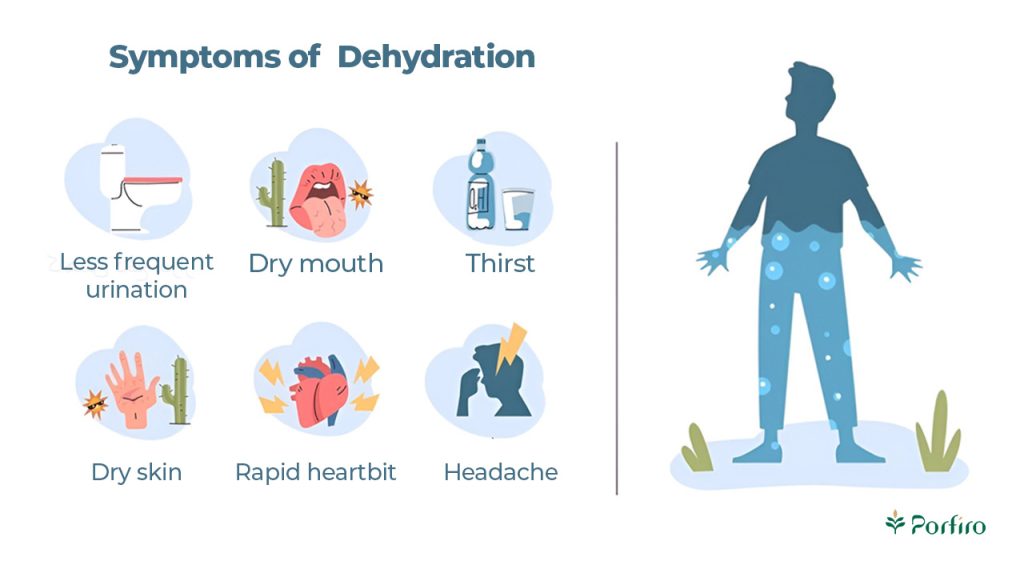
Mild to Moderate Dehydration Symptoms:
Thirst
Muscle cramps
Less urination
Dark yellow urine
Headache
Dry mouth
Cool, dry skin
Severe Dehydration Symptoms:
Weakness or fainting
Dizziness
Confusion
Drowsiness
Irritability
Rapid, shallow breathing
Rapid heart rate
Very dark yellow urine
If you see any of these signs, drink more fluids and get medical attention if symptoms are severe.
What you need to know about dehydration
Dehydration is a result of water/fluids leaving the body exceeding what is consumed. Symptoms can be darker urine, a headache, fatigue, dizziness, and/or constipation. We know we are about 60% water as humans cannot live without water. Water is contained in the intra-cell component, vascular (i.e. in blood) and extra-cell fluid component.
A complex system and processes manage water in the human body to maintain certain levels of water. The thirst mechanism signals the need to have more fluids. The body constantly loses water through breathing, perspiration, urinating, and pooping, but we can replenish it by drinking lots of fluids. At the early stages of dehydration, the body can allocate water to priority areas. Generally, it is only mild dehydration that can be corrected with increased fluid intake. Severe dehydration will require medical attention as soon as possible.
Facts about dehydration
The human body is 60% water.
There are several avenues in which one can become dehydrated. Not drinking enough, diarrhea, vomiting, exorbitant sweating etc.
The people most prone to dehydration are athletes, people who live at high altitudes, and the elderly.
Dehydration is evident when there is a dry mouth, fatigue, and dizziness.
Symptoms of dehydration
Thirst, darker urine, and less frequent urination are the first signs of dehydration. Urine color is one of the best indicators of hydration status—clear urine demonstrates that you are well hydrated, and dark urine signifies dehydration. Bear in mind especially in the elderly, dehydration may occur without the sensation of thirst. This is why fluid consumption must be regular, especially in the context of illness or warm weather. Signs & Symptoms of Mild to Moderate Dehydration:
Dry mouth
Fatigue
Weakness
Headache
Dizziness
Constipation
Signs & Symptoms of Severe Dehydration:
In addition to the signs and symptoms of mild to moderate dehydration listed above, individuals with severe dehydration may also experience:
Dry mouth
No sweating
Sunken eyes
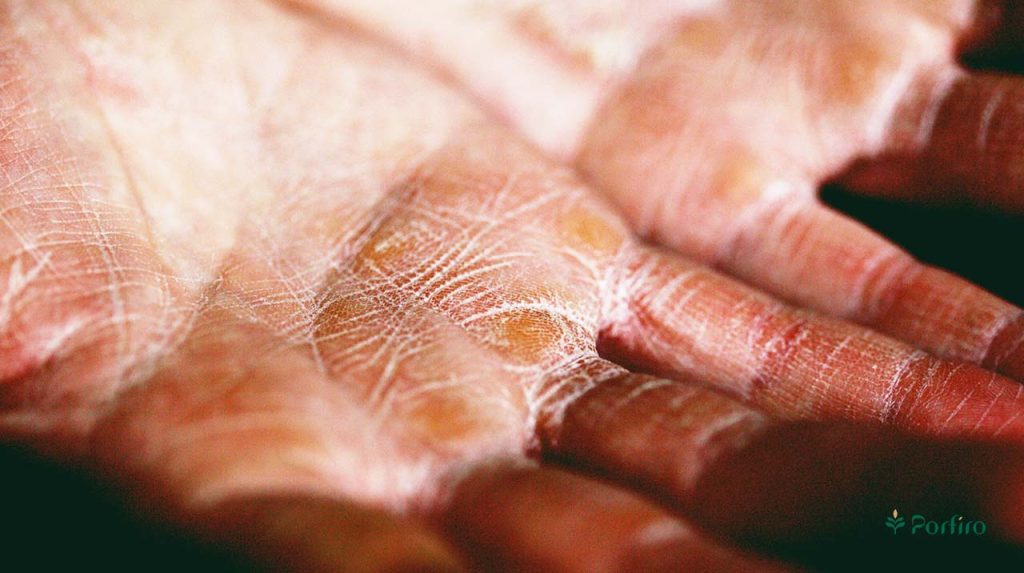
Dry skin
Hypotensive (low blood pressure)
Tachycardiac (rapid heart rate)
no fever
Confusion or delirium
Unconsciousness
Indicators of Dehydration in Infants and Children
In infants: sunken fontanelle (soft spot on the top of the head)
dry tongue and mouth
irritable
crying without tears
sunken cheeks and/or eyes
fewer wet diapers than usual
constipation
If you observe any of the following symptoms, seek medical attention without delay as dehydration is rapid in young children and treatment may be urgent.
Causes of Dehydration
There are three main causes of dehydration, which are not drinking enough water, excessive water loss, or a combination of both. For example, some may not maintain a proper balance of fluids within their body for various reasons, such as under taking various activities, not having access to or not being able to drink water, or they are just living in a part of the world where the drinking water is dirty.
Some of the other causes of dehydration are:
Diarrhea: Water from food is absorbed back into the body via the walls of the colon or large intestine, and when diarrhea is present this absorption does not take place. This results in a loss of significant amounts of water via the large intestine, in turn leading to dehydration.
Vomiting: Vomiting leads to liquid loss from the gastrointestinal tract. If a person is vomiting more than once, it becomes very difficult to replace the lost liquid.
Sweating: The body’s cooling mechanism leads to an insensible loss of liquid, with additional loss exacerbated by extra environmental and physical factors (high heat, the humidity effect, dehydration, and exercise can elicit fluid loss from perspiration; fever also elicits fluid loss from perspiration, and can exacerbate fluid loss resulting from diarrhea or vomiting).
Diabetes: Having glucose in your blood stream results in the production of more urine, resulting in loss of fluid.
Frequent Urination: Not only can diabetes cause frequent urination, but alcohol and some drugs, such as diuretics, antihistamines, some medications for high blood pressure, and antipsychotic drugs.
Burns: Burns damage blood vessels, leading the fluid to leak into the adjoining tissue around the blood vessels.
Who is at risk for dehydration?
Though dehydration can strike anyone, some people are more prone. The most vulnerable are:
Those living in high-altitude locations
Athletes, especially those engaged in endurance sports such as marathons, triathlons, and biking events
Patients with chronic conditions such as diabetes, kidney disease, cystic fibrosis, alcoholism, and adrenal disorders
Babies and young children, typically due to diarrhea and vomiting
Older adults, who on purpose drink less water to reduce the need to urinate
These groups require special attention to be properly hydrated since they are at higher risk for fluid loss or reduced capacity to feel and respond to thirst.
How to Avoid Dehydration
Typically, an adult male would need about 3 liters of water daily, while an adult female requires about 2.2 liters. These are approximate values and can vary with the size of the body and age of the person. Fluids can be derived from food as well as beverages. Dehydration may be prevented by:
Ingesting fluids slowly but at regular intervals throughout the day
Increasing the water content on hot days or excessive perspiration
Eat fruits and vegetables with high water content
Complications of Dehydration
Severe dehydration can lead to serious complications, including:
Low Blood Volume: Depletion of blood volume will lead to low blood pressure and suboptimal delivery of oxygen to the tissues, which could be fatal.
Seizures: Electrolyte imbalance leading to seizures. Electrolytes are the substances that regulate the balance of water within the body and are also required for nerve and muscle functions.
Kidney Problems: Dehydration leads to kidney stones, urinary tract infection, and failure of the kidneys.
Heat-Related Illness: They can progress from cramping to heatstroke.
Water Content as a Percentage
Food or Beverage
100 percent
Water
90–99 percent
Skim milk/ Juicy fruits like strawberries, watermelon, and cantaloupe/ Vegetables such as lettuce, celery, spinach, cabbage, and pumpkin
80–89 percent
Fruit juices/ Yogurt/ Fruits like apples, grapes, pineapple, and oranges/ Vegetables such as carrots and broccoli
Pasta/ Legumes, like beans and chickpeas/ Fish such as salmon/ Chicken breast
30–39 percent
Bread/ Pastries/ Cheddar cheese
20–29 percent
Cake/ Biscuits/ Pepperoni
10–19 percent
Raisins/ Butter/ Margarine
1–9 percent
Nuts like walnuts and dry roasted peanuts/ Crackers/ Cereals/ Pretzels/ Peanut butter/ Oils/ Sugar
Frequently Asked Questions
What are the advantages of drinking plenty of water?
Drinking plenty of water comes with many benefits, which include: • Lubricating the joints • Preventing damage to the kidneys • Helping with cognition and reasoning • Aiding in weight loss
Is 4 liters of water a day too much?
Although not common, the symptoms of drinking an excess of water are known as water intoxication. The maximum amount of water that can lead to intoxication on average is approximately 5.3 liters in a time-period of four hours. This would be an average amount though and cannot be applied to everyone exactly. On average, women should drink 2.7 liters of fluids a day; men should drink 3.6 liters; children should drink at least 1 liter of fluid every day.
Should I drink a sports drink during exercise?
Sports drinks enjoy a great deal of advertising claiming that they help with endurance and replace lost nutrients during vigorous exercise. Sports drinks typically have electrolytes (sodium, potassium, calcium), a form of simple sugars (some are sugar-free) and really do help people who do vigorous exercise for long duration, especially if someone sweats a lot. But there are also replacement nutrients that may be lost in only large amounts during intense exercise to sustain beyond one hour. So, sports drinks may be helpful to people doing intense, long-duration exercise, but for non-athletes, a sports drink is really the same as any other sweetened beverage and is not water. Most people will want to drink water not sports drinks during their workouts.
Is a caffeinated beverage counted as hydration?
Caffeinated beverages include coffee as well as certain tea, energy drinks, or sodas. While caffeinated drinks may make you urinate more, you are not losing more fluid than you are taking in from that caffeine drink. For some, caffeine causes headaches and sleeping problems. If you are not having negative side effects from caffeine, water is the best way to hydrate. Water is caffeine-free, has no calories, and is accessible for most of us.
Is it safe to keep drinking water in your car?
Before drinking water from a plastic bottle sitting in a hot car, consider how long it sat in the heat. The heat does affect storage of water in the plastic bottle. When water is stored under high temperatures, the chemical connections of the plastic bottles may break down. This increases the risk of chemicals leaking into the water. The U.S. Food and Drug Administration (FDA) says that it is an extremely small quantity that will unlikely raise any health issues, with some exceptions. So, when you keep water for later, you can store your water bottle at the same temperature as other food items. As you want to avoid keeping plastic water bottles in a hot car in summer settings, consider investing in a sports water bottle. This way, you will not forget to bring the water bottle with you when you are leaving the car. Keeping a bottle of water in your bag, or by the door, may better help you remember to take the water with you.