


Phenylketonuria and its Nutritional Considerations
General InformationPhenylketonuria, commonly referred to as PKU, is a rare yet potentially severe inherited condition. The human body metabolizes the protein found in various foods, such as meat and fish, into amino acids, which serve as the fundamental components of proteins. These amino acids are subsequently utilized to synthesize our own proteins.
Any excess amino acids that are not required are further metabolized and eliminated from the body. Individuals with Phenylketonuria are unable to metabolize the amino acid phenylalanine (Phe), resulting in its accumulation in the bloodstream and brain. This accumulation can ultimately lead to significant health complications.
Typically, PKU arises from mutations in the gene responsible for producing the enzyme phenylalanine hydroxylase (PAH), which is essential for the breakdown of Phe.
A hazardous accumulation of Phe can occur when individuals with PKU consume protein-rich foods, including milk, cheese, nuts, or meat, as well as grains like bread and pasta, or aspartame, an artificial sweetener.
Individuals with PKU—encompassing infants, children, and adults—must adhere to a lifelong diet that restricts Phe, predominantly found in protein-containing foods. Recent advancements in medication may enable some individuals with PKU to consume a diet with a higher or unrestricted Phe content.
In numerous countries, including Iran, newborns are screened for PKU shortly after birth. While there is currently no cure for PKU, early detection and prompt treatment can help avert limitations in cognitive functions, such as thinking, understanding, and communication (intellectual disability), as well as significant health issues.
Epidemiology
Phenylketonuria (PKU) is recognized as the most prevalent inherited metabolic disorder in Iran, occurring at a rate of 1 in every 6,000 live births. In contrast, the overall incidence of PKU in the United States is approximately 1 in 15,000. This rate is notably higher among Caucasian and Native American populations, while it is lower in African American, Hispanic, and Asian groups. There exists considerable global variation in the incidence of PKU.
Symptoms of Phenylketonuria
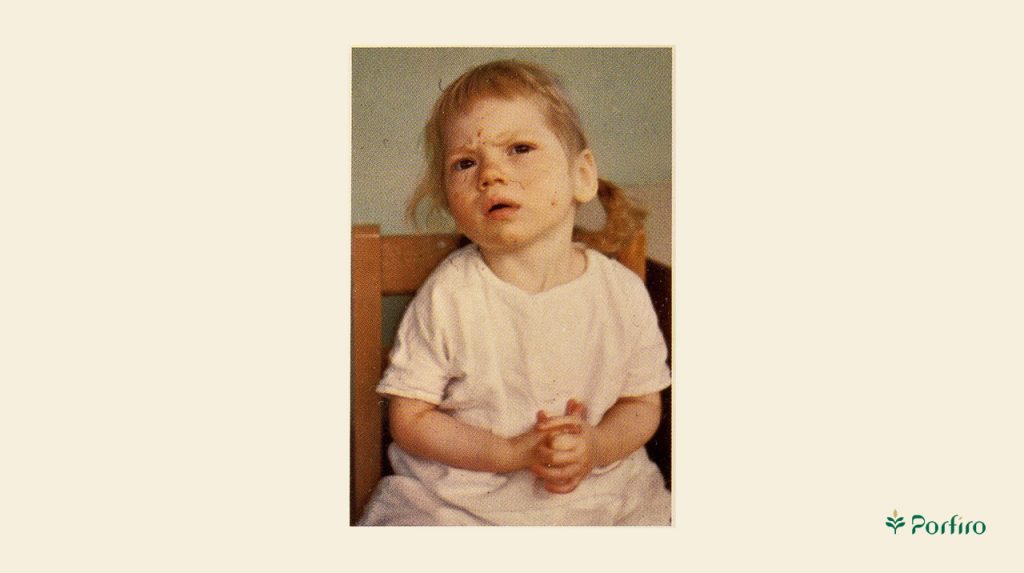
At birth, infants diagnosed with PKU typically exhibit no symptoms. Nevertheless, in the absence of treatment, these infants generally begin to show signs of PKU within a few months. The manifestations of untreated PKU can range from mild to severe and may include a musty odor emanating from the breath, skin, or urine, which is attributed to elevated levels of Phe in the body.
Neurological complications may arise, including seizures, as well as skin conditions such as eczema. Affected individuals may also present with lighter skin, hair, and eye color compared to their family members, due to the inability of Phe to convert into melanin—the pigment responsible for hair and skin coloration.
Other potential symptoms include microcephaly (unusually small head size), hyperactivity, intellectual disabilities, developmental delays, behavioral and emotional challenges, social difficulties, and various mental health disorders. The severity of PKU is contingent upon its type and can vary significantly.
The most severe variant is termed classic PKU, characterized by the absence or significant reduction of the enzyme necessary for Phe breakdown. This deficiency leads to elevated Phe levels, which can result in profound brain damage. In cases of mild or moderate PKU, the enzyme retains some functionality, resulting in lower Phe levels and a reduced risk of severe brain injury.
Management or treatment of the condition in Phenylketonuria

When identified at an early stage, classic PKU can be managed through lifelong dietary therapy aimed at sustaining low levels of Phe and sufficient intake of Tyrosine (Tyr) (as Phe is essential for Tyr production). These dietary measures are generally successful in averting the most severe cognitive deficits associated with elevated Phe levels.
However, dietary management for PKU has been linked to deficiencies in selenium, copper, magnesium, and zinc. Regardless of the specific type, the majority of infants, children, and adults with this condition still necessitate a specialized PKU diet to avert intellectual disability and other related complications.
It is advised to adhere to a low-protein diet throughout the lifetime of an individual diagnosed with PKU. Although new food products, strategies, and management tools are being introduced, this remains a lifelong challenge.
The standard approach to treating PKU usually involves following a diet low in Phe and consuming specialized foods, including specific formulas. Initiating treatment promptly and strictly following it can facilitate normal development. While a definitive cure has yet to be discovered, emerging treatment options can assist in regulating blood Phe levels.
Phenylketonuria Diet

Adhering to a low-phenylalanine diet can prevent intellectual disability and other complications in individuals with phenylketonuria. This diet emphasizes low-protein foods while avoiding those high in protein. The primary treatment for PKU is a specialized diet designed to minimize Phe intake while ensuring adequate overall nutrition. The objectives of the PKU diet include:
- Adhering to a low-protein diet and steering clear of high-protein foods.
- Utilizing a protein substitute: While the PKU diet seeks to restrict Phe intake, it remains crucial for individuals with PKU to obtain other amino acids from their diet. This is typically accomplished through the use of a protein substitute formula. A specialized phenylalanine-free formula is available, which contains protein, vitamins, minerals, and energy without any Phe. This formula allows individuals with PKU to obtain sufficient protein without the adverse effects associated with the high Phe content found in most foods. The phenylalanine-free formula constitutes a crucial component of the PKU diet.
- Ensuring good nutritional status: It is essential for individuals with PKU to maintain a balanced diet. To achieve this, it may be necessary to take vitamin and mineral supplements or incorporate them into the protein substitute formula.
The management of PKU primarily seeks to maintain blood Phe levels within a range of 120–360 micromoles per liter. If you are diagnosed with PKU, it is essential to consult with your physician and dietitian for effective disease management. Your physician will routinely monitor your blood Phe levels, which entails obtaining a small blood sample from your fingertip and placing it on a specialized card. This card is subsequently sent to a laboratory for analysis.
A dietitian will collaborate with you to create a PKU dietary plan tailored to your individual requirements. This plan may be modified periodically, as your blood Phe levels and nutritional needs can fluctuate during periods of growth.
Individuals with PKU are permitted to consume a variety of foods, including most fruits and vegetables, sweeteners such as honey, jams, and syrups, fats like butter, margarine, and vegetable oil, low-protein starches such as cornstarch, tapioca, and arrowroot, as well as herbs and spices. Beverages such as coffee, green or black tea, and fruit juice are also included.
Phe is classified as an essential amino acid, which means that the body cannot synthesize it naturally; thus, it must be obtained through dietary sources. Consequently, it is not feasible to completely eliminate Phe from your diet. To ensure some intake of dietary Phe, individuals with PKU can consume carefully regulated portions of specific foods, such as potatoes or cereals.
Consulting with a dietitian can provide further insights into the permissible foods for those with PKU. Moreover, low-protein substitutes specifically designed for individuals with PKU are available for certain food items and can be prescribed by your healthcare provider. Examples of these substitutes include flour mixes, breads, pastas, pizza bases, and alternatives to eggs and milk.
Pregnancy and Phenylketonuria

Women diagnosed with PKU who become pregnant face the risk of a related condition known as maternal PKU. If these women do not adhere to the specialized PKU diet both prior to and during their pregnancy, elevated blood Phe levels may occur, potentially harming the developing fetus. Even those with milder forms of PKU can jeopardize the health of their unborn children by neglecting the PKU dietary guidelines.
Infants born to mothers with elevated Phe levels typically do not inherit PKU. However, if the mother’s blood contains high levels of Phe during pregnancy, the child may experience significant health issues. At birth, the infant may present with low birth weight, an abnormally small head, and cardiac complications. Moreover, maternal PKU can lead to developmental delays, intellectual disabilities, and behavioral issues in the child.
Read more:
Principles of nutrition during pregnancy and the amazing properties of dates
Inheritance in Phenylketonuria
For a child to inherit PKU, it is necessary for both parents to possess and transmit the altered gene. This mode of inheritance is referred to as autosomal recessive.
A parent may be a carrier, meaning they possess the altered gene responsible for PKU without exhibiting the disease themselves. If only one parent carries the altered gene, there is no risk of the child developing PKU, although the child may become a carrier.
Typically, PKU is transmitted to offspring from two parents who are both carriers of the altered gene, often without their knowledge.
Risk factors in Phenylketonuria
The risk factors associated with inheriting PKU include:
- Having both parents with a genetic alteration that leads to PKU. For a child to manifest the condition, both parents must pass on a copy of the altered gene.
- Belonging to a specific racial or ethnic group. PKU can affect individuals from various ethnic backgrounds globally; however, in the United States, it is most prevalent among individuals of European descent and significantly less common among those of African descent.
Preventing phenylketonuria
If you have PKU and are contemplating pregnancy, it is essential to adhere to a low-phenylalanine diet. Women diagnosed with PKU can mitigate potential harm to their developing fetus by either maintaining or reverting to a low-phenylalanine diet prior to conception. Nutritional supplements specifically formulated for individuals with PKU can provide adequate protein and nutrition throughout the pregnancy. If you are affected by PKU, it is advisable to consult your healthcare provider before initiating attempts to conceive.
Consider seeking genetic counseling. If you have PKU, or if you have a close relative or child with PKU, you may find it beneficial to engage in genetic counseling prior to pregnancy. A medical genetics specialist (geneticist) can assist you in comprehending the hereditary nature of PKU within your family. This expert can also evaluate your risk of having a child with PKU and aid in family planning.
It is never too late to resume a dietary regimen. A low-phenylalanine diet can significantly enhance the well-being of most young adults with PKU, leading to improvements in attention span, concentration, and memory. Generally, young adults who have adopted these dietary changes report enhanced cognitive and emotional states. The effort required to lower blood phenylalanine levels is invaluable for everyone, regardless of how long they have been off the diet.
Challenges Associated with Phenylketonuria
Phenylketonuria undoubtedly presents challenges for both children and adults. For instance, the preparation and consumption of specialized foods, as well as dining out at home, school, and work, can prove to be quite challenging. Additionally, encountering the ignorance of others can pose risks. Moreover, dietary challenges may escalate, particularly as children mature and become more inclined to consume foods favored by their peers. The financial implications of providing specialized formula and diet foods can also be burdensome.
Nevertheless, with the support of their surrounding community (including family, relatives, friends, and educational or workplace environments), these challenges can be effectively managed. For children, educating them about the condition and dietary requirements in age-appropriate language is extremely beneficial. Participating in support groups for individuals with PKU can facilitate the sharing of experiences, the acquisition of information, and the fostering of empathy.
Conclusion
PKU is a rare inherited metabolic disorder characterized by the body’s inability to metabolize the Phe, leading to its accumulation and potential severe health complications. This condition is primarily caused by mutations in the gene responsible for the enzyme phenylalanine hydroxylase (PAH).
Individuals with PKU must adhere to a lifelong low-phenylalanine diet, avoiding protein-rich foods such as meat, dairy, nuts, and certain grains, to prevent cognitive impairments and other health issues. Management of PKU involves strict dietary therapy to maintain low Phe levels and ensure adequate intake of other essential nutrients.
This includes the use of specialized protein substitutes and dietary supplements to prevent deficiencies. Women with PKU face additional risks during pregnancy, as elevated Phe levels can harm fetal development, necessitating adherence to dietary guidelines before and during pregnancy.
Risk factors include having parents who are carriers of defective gene and being part of certain ethnic groups, particularly those of European descent. Preventive measures for prospective parents with PKU include genetic counseling. Maintaining a low-phenylalanine diet before conception prevents the growing infant from damage.
Challenges associated with PKU include dietary restrictions, social pressures, and financial burdens related to specialized foods. Support from family, friends, and community resources can help individuals manage these challenges effectively. Overall, early detection and adherence to dietary management are crucial for preventing the severe consequences of PKU.
10202
References
- https://www.ncbi.nlm.nih.gov/books/NBK535378/
- https://ijogi.mums.ac.ir/article_20044.html
- https://vmom.ir/blog/phenylketonuria-in-children/
- https://www.npkua.org/about-pku/
- https://www.healthline.com/health/phenylketonuria-diet
- https://depts.washington.edu/pku/about/diet.html
- https://www.nhs.uk/conditions/phenylketonuria/