


The history of tea and its importance in the culture of the Silk Road and the Middle East
General Information
- 1The History of Tea on the Silk Road to the Middle East
- China
- Tibet
- Kashmir
- Kashgar
- Afghanistan
- 2Tradition of three cups in the history of tea
- 3Tea traditions in the Middle East
- Moroccan Mint Tea (Maghrebi Tea)
- Iranian tea
- Turkish Tea (Çay)
- Yemeni Tea (Qishr)
- 4The Evolution of Tea Culture in the Middle East
- 5The symbolism and social significance of tea
- 6The importance and integration of tea into contemporary culture
- 7What to eat with each type of tea?
- Black tea
- Green tea
- Herbal teas
- Purple tea
- 8Snacks to go with tea
- Cheese and Tea
- Tea and Chocolate
- Honey and Tea
- Tea and Dates
- Iced Tea
- 9And finally, we need to remember:
The history of tea goes back thousands of years. A popular Chinese tale tells how Emperor Shennong, the first person to drink tea, was boiling some water one day when a few leaves blew in from a breeze. Upon tasting it, the emperor not only liked it, but felt refreshed. The leaves were from the tea plant.
Today, there are many kinds of tea and a multitude of ways to drink it. The types we acknowledge as different (white, yellow, green, oolong, and black) all come from the same Camellia sinensis tea plant. The leaves come from the same plant but are processed in different ways that produce vast flavors from delicate and aromatic white, green and oolong teas to very strong bold black teas. If you want to know the story behind this favorite drink, stay with Porfiro.
All of these teas traveled across the Silk Road to people of different countries and continents. (The Silk Road is the name applied to a system of major trade routes and caravan routes that connected China and the Far East westward across Central Asia, India, the Middle East, and the Mediterranean Sea through mountains and deserts.) The expression “Silk Road” was coined by the German geographer Baron Ferdinand von Richthofen in the 19th century.
As the name implies, silk was one of the main products traded on the Silk Road. The path extended from the Taklamakan desert, to Kashgar, Kashmir, Afghanistan, and finally at the Mediterranean Sea and of these geographic locations we noticed that tea earned a place of prominence in some of these locations. The Middle East was one of those locations that accepted tea, loved tea, and began to incorporate it into their culture.
Upon arriving in this part of the world, tea—which has a long and storied past along with cultural significance— has been an important part of Middle Eastern culture for hundreds of years. The ever-changing world of Middle Eastern tea encompasses a virtually endless ocean of flavors, traditions, and social customs that represent the impact that tea (as an ancient drink) has played in everyday life, social gatherings, and in diplomatic situations. After tea was introduced to the Middle East by the busy trade routes of the Silk Road, it was accepted and constructed into the culture’s make-up and later turned into a respected symbol of hospitality, warmth, and connection.
Tea, prized for its medicinal effects, arrived to the Middle East quickly by Arab merchants traveling by sea along the Silk Road to China. The adventurous traders understood the value of tea and returned home with it. And what started as an important drink for medicinal purposes began to spread through word of mouth as its seasoned value spread through the Middle East. Eventually, tea became more than just a drink, and became an inseparable part of the region’s culture.
In this article, Porfiro speaks about the history of tea introduces the common cultures along the Silk Road and in the Middle East with a focus on tea, and strives to scientifically address one of the most frequently asked questions about whether eating tea and dates together is right or wrong. So, join us on this journey through tea along the Silk Road and the Middle East.
The History of Tea on the Silk Road to the Middle East
China
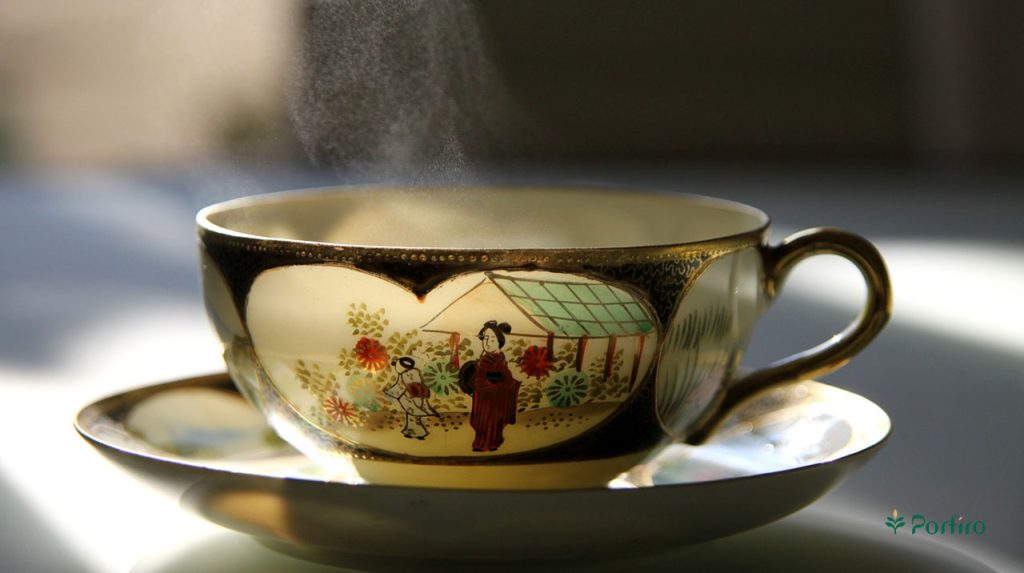
The History of Tea in our story begins with the Tang Dynasty in the beautiful capital of Chang’an in northern China. Large trade caravans left Chang’an with their goods. The goods were regularly transported on camel backs, which were often called the “ships of the desert.” The caravans traveled large distances through high mountain passes and desolate deserts. Consider that when tea drinking first began in China, tea was often formed into brick-shaped items. Compressed teas were usually made from dried and ground tea leaves, compacted into brick or varied compact forms, then sold or traded in dry form.
Tea bricks were preferred in market trade in Asia before the 19th century since they were compact unlike the standard loose-leaf tea and much less prone to damage. They were sewn into yak skin to guard against shock and bad weather. The universal use of tea bricks even led them to becoming forms of tender in trade. Some tea bricks were also mixed with binding commodities such as blood, flour, or yak dung to help keep their rigidity for use as money.
During this time, tea was a bitter medication to treat multiple ailments ranging from stomach ailments and fatigue to even eyesight. Then, during the Song Dynasty (960-1279 AD) brick tea had been taken out of the spotlight. Tea began to have a more delicate flavour as experts ground the tea leaves into a fine powder, added it to boiling water, with a whisk that created the froth.
Tea houses began popping up in major cities, and through Zen Buddihists it spread to the middle and lower classes where some had come from lower social classes, and it was a beverage drank in the Zen religious ceremonies that many customs were passed on by the Japanese in their tea ceremonies, and soon tea would always be found in the household that was drank daily, and served to guest.
However, during the Ming Dynasty (1368-1644), mostly due to the Mongol conquest of China in 1280, tea drinking had receded. Fermented black tea had developed because of the-fermentation process was developed and became popular in this era.
By and large tea utensils had developed into an art form like multiple dishes and charcoal burners were made in multiple unguided and unguided shapes. Distinct teapots were created and had various shapes, with the round teapot based on one of the Ming designs and as tea became an important part of everyday life in China and became a major trade during the Tang Dynasty (618-907).
Tibet
Tea was brought from China to Tibet. It is said that the tea beverage was first introduced to Tibet through a royal marriage alliance in 641 AD. The Tibetan people did not drink tea the Chinese way but came up with various types of tea that served not only warmth but also provided sustenance.
Tea, called po-ja or po-cha in Tibetan (known as butter tea in the West), can be prepared in many variations. Butter tea is typically made from a compressed brick of tea. The brick is broken into pieces and placed in a fire to smoke it and kill mold and insects. The pieces of tea are boiled with water for 5-10 minutes until it is dark and strong. Then the tea is strained through a wooden or bamboo tea strainer.
Yak milk (or cow’s milk), cow butter, and salt is then added to the tea and stirred with a wooden whisk. The teapot may also be special when it is served ceremonially. The lovely teapot is made almost entirely of copper and decorated with silver and even gold detail.
Kashmir
The fascinating history of tea traveled the Silk Road from Tibet to Kashmir in what is now India. In Kashmir tea is made in three different forms. Kahwa is the favorite among the people and is most often served during celebrations such as festivals and weddings. Kahwa is traditionally made in a samovar. Kahwa is made by boiling green tea with water and adding cardamom, cinnamon, crushed almonds (optional), saffron and sweetened with sugar or honey. Kahwa is served in small shallow cups called khus.
The second type of tea, Double Tea, is made from green tea, too. It is mixed with sugar, cardamom, almonds and milk. Sometimes, Double Tea is called Bombay Tea; it was once imported via Bombay.
The third and final type, Clear Tea, is also called Gulabi Tea (Pink Tea). This is also made from green or oolong tea. Cleat tea is brewed over fire and, if salted, and baking or soap is added with milk or cream, it turns into a foamy pink drink. Clea tea is most often served at breakfast.
Kashgar
Kashgar has always been a busy cross road and a key trading stop on the Silk Road. While a merchant or traveler rested or traded goods in Kashgar, they presumably laid down their heads but might have been able to grab a few more supplies before heading off on their arduous journeys ahead. Many people laid their heads in a teahouse – which primarily served tea, but also offered lodging and other basics. Kashgar is right in the middle of the Uyghur world.
The Uyghurs are a people of ancient Turkic ethnicity who settled along the Silk Road a long time ago, for example, in the Xinjiang region. The Uyghurs have their own unique methods of tea preparation. There are times that they drink tea with salt and milk, or with cream, sour cream, or butter. Black tea is flavored with cinnamon and served with sweet foods after a hearty meal – unless a Uyghur prefers green tea!
Afghanistan
From Kashgar, the road then proceeds south toward northern Afghanistan, getting over the high Pamir passes. The Kyrgyz nomads were living here, and for them tea was a kind of luxury. Sabrina and Roland Micha bring the following quotation from their Caravans to Tartary:
”…it is so valuable that every camel driver carries it in a small, beautifully embroidered bag, carefully prepared for placing the tea into the kettle. Sugar is so precious that tea is drunk with salt instead of sugar; and salt is so scarce that it is used only in tea.”
This leads down to the southwest toward the plains and to Tilism-e-Heyrat, the ancient city of Balkh, an extremely important trading center on the Silk Road. Tea is prepared in the same way as in Kashmir, though sugar is usually added instead of salt.
On special occasions such as weddings and engagements, a richer kind of tea called Qaymaq (meaning cream) is prepared. Qaymaq is made with green tea leaves; however, baking soda is added and the tea is aerated—poured from one pan into another several times—causing the tea to turn dark red. Then milk is added that gives a pink color.
Sweetened with sugar and flavored with cardamom, it tastes potent and rich. Qaymaq is clotted cream, much like the kaymak of the Middle East, that floats on the surface. Green tea and black tea are both used for regular drinking (black without milk, usually flavored with cardamom). Tea is served in tiny cups or bowls called ustekhan (a Persian word for estekan).
The tradition is to drink the first cup sweetened with sugar, and with each cup after that, less sugar is used, so that the last cup has bitter and unsweetened tea in it. For guests, sugar should typically be poured generously-the more sugar, the greater you are honored-and sweets are often provided, such as almond candies called noql.
Tradition of three cups in the history of tea
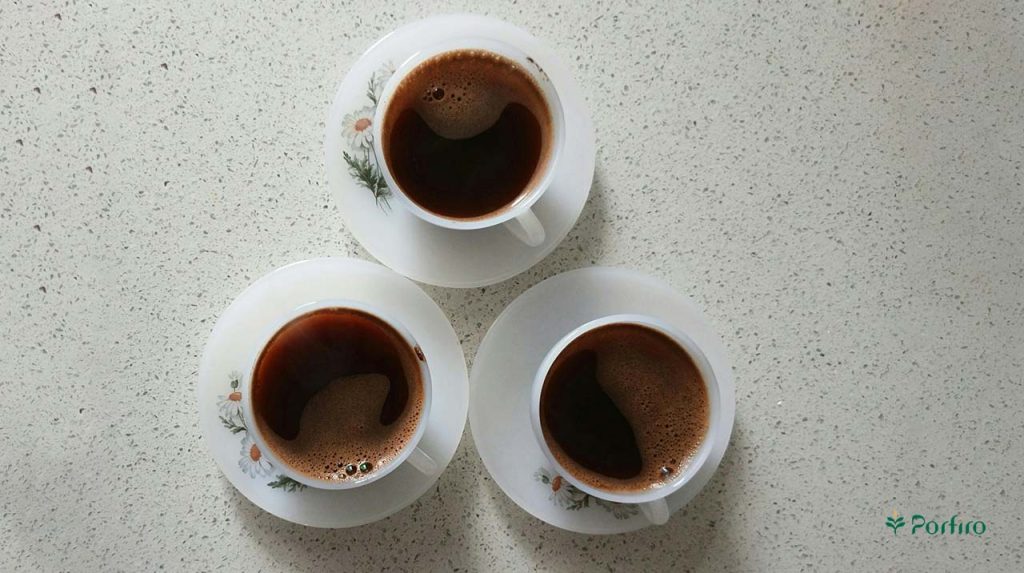
There are a number of regions along the Silk Road with their own customs and traditions concerning drinking tea. Tea is a beverage enjoyed during the entire day and is also a prominent part of hospitality and business practices. In many places, tea is accompanied with sugar cubes to be placed on the tongue and the tea is sipped through the sugar cubes—accompanied with presumably a bit of noise the entire time! One tradition prevalent in those areas is referred to as “three cups of tea.” Greg Mortenson’s book, Three Cups of Tea, goes on to tell the story of Haji Ali, the leader of a remote mountain village in northern Pakistan:
“Here, we drink three cups of tea to do business. The first cup, you are a stranger; the second a friend; and the third, you become our family—and we would do anything for family, including die.”
In contrast, Louis Dupree, one of the foremost experts on Afghanistan, makes a slightly different assertion in an encyclopedia he authored in 1973:
“…the first cup quenches your thirst, the second offers the possibility of friendship, and the third is purely performative.”
The same custom, though with a few varying meanings, is also found in Morocco and the other North African nations. Tea houses, or “chaihanas,” remain an important part of life in the majority of the Silk Road nations. The tea in tea houses is normally poured from a samovar that is kept perpetually boiling, into separate teapots for each guest.
Tea traditions in the Middle East
Moroccan Mint Tea (Maghrebi Tea)
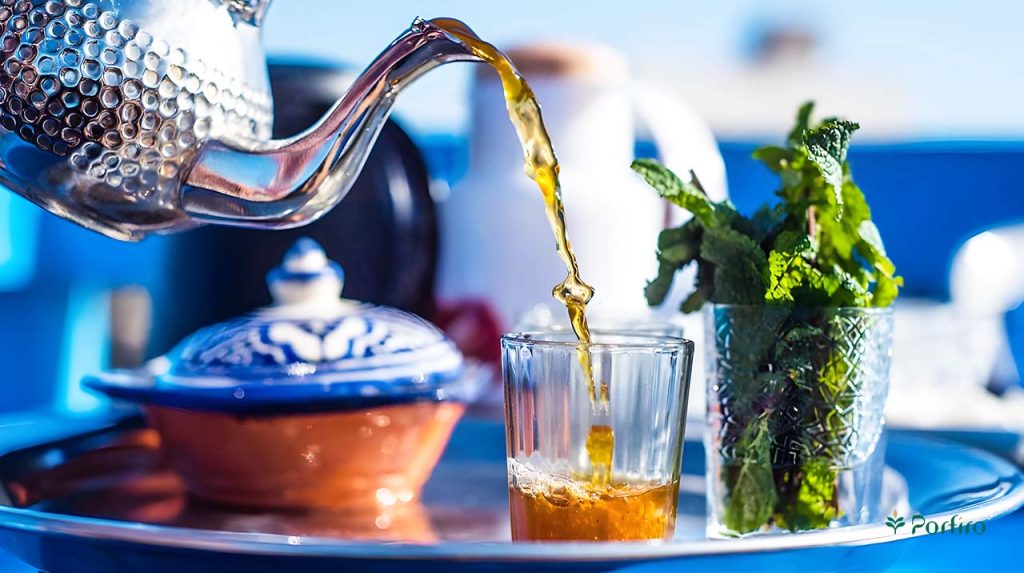
Arab Middle Eastern tea culture regards this particular tea as an honored condiment. The origin dates as far back as the 9th century during the popularity of tea amongst the Arab rulers of North Africa. The Maghrebi tea series uses Chinese green tea leaves, fresh mint leaves, and a great deal of sugar since the result is a marvelous brew-full of refreshing aroma. Preparation is well taken care of by allowing the tea to infuse inside a teapot so that its taste may fully develop.
An international-name gathering recognized for serving the famous Maghrebi mint tea for which the Maghreb has become identified is the “North African Tea Party.” It is in the northwestern part of Africa, where one would find countries such as Morocco, Tunisia, Algeria, Libya, and Mauritania. The Maghrebi tea culture is endemic to North Africa, also spread to places such as Egypt, Sudan, and even southern Spain.
Tea holds a rather special place in Moroccan culture and is even regarded as an art. Drinking Moroccan mint tea amid the hot, green weather is best for refreshing oneself and is downright thirst-relieving. This green tea, served with fresh mint leaves and copious amounts of sugar, is not taken only as a side beverage with meals but also throughout the day. It’s also a part of hospitality, and refusing it is rude.
Interestingly, tea is not native to Morocco. It arrived there following the Crimean War. British traders were looking for new markets to sell their tea, and Moroccans embraced this new drink with open arms, turning it into their own authentic brew. Mint was grown in large quantities and enjoyed throughout the region because it is medicinal. They added the tea to fresh sprigs of mint and prepared what we now call Moroccan mint tea. China remains the leading exporter of tea to Morocco to date.
How to brew Moroccan tea
The green tea that is most prevalent is a gunpowder tea, which is a type of green tea from China. It is prepared by:
- In a teapot, put 2 teaspoons of tea leaves and half a liter of boiling water.
- Let it steep for a minimum of 10 minutes.
- Strain it and then pour into a separate stainless-steel pot to throw away the leaves and coarser powder.
- Add sugar which is about one teaspoon for each 100 ml.
- Heat up the pot and bring to boiling point over medium heat.
- You can put fresh mint leaves either in the teapot or in the cup.
Iranian tea
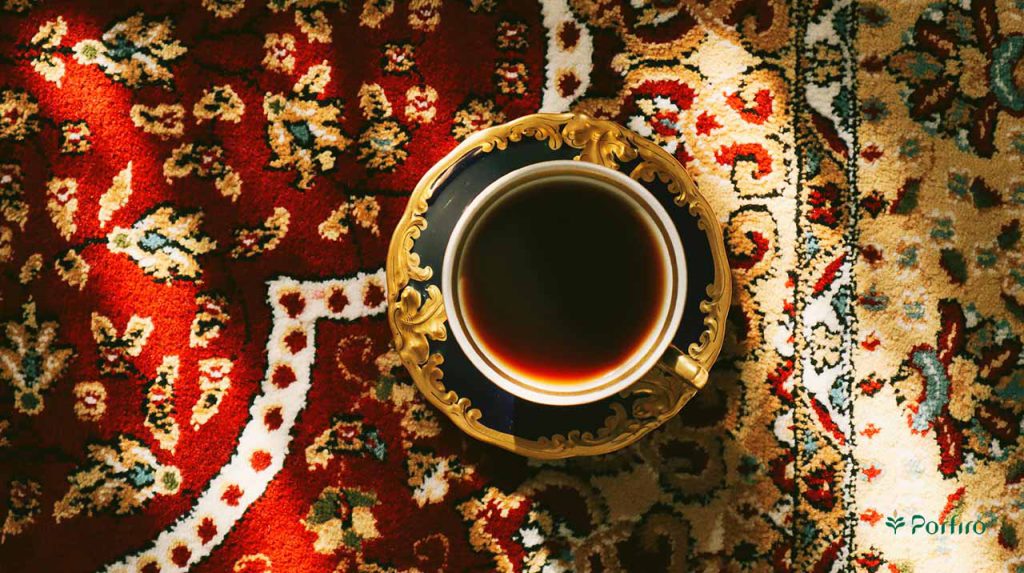
Tea has been a staple of Iranian life for centuries. It was introduced to Iran in the 16th century by trade with other countries. But it did not become suspect until the 1920s when Reza Shah grew concerned that coffeehouses were becoming venues where people went to discuss political complaints.
He then embarked on convincing people to switch over to tea consumption.
To this end, he imported some new teas from China and brought Chinese families to oversee and expand tea production in Iran. His efforts were fruitful, and tea soon became the nation’s favorite drink. Tea was grown in the Caspian Sea region but was expensive and not in enough quantities to meet demand. As a result, enormous amounts of tea were imported.
Tea in Iran is nowadays served in a glass or in a tiny cup called an “estekan.” Iranians sometimes flavor their tea with cinnamon or garnish it with crushed rose petals and other spices like cardamom and ginger. Black tea is the most popular tea in Iran.
Iranian tea is brewed in a teapot which is placed on top of a samovar. The samovar, originally imported from Russia, literally means “self-boiler.” Water is boiled in the lower chamber of the samovar, and black tea leaves are steeping in the teapot that sits atop. The tea is traditionally strong and dark, reflecting Iranians’ preference for strong, bold flavors.
In Iranian culture, tea is so prevalent, that tea is often the first thing offered to guests. It is consumed at breakfast, lunch and dinner, and any time in between. Iran is one of the countries in the world with the highest per capita tea consumption.
Historically, every street had a teahouse, and while many of these fundamentally alter, they still play a highly desirable role in Iranian society. Iranian tea—imported almost exclusively from the same eight or nine south Asian subcontinent tea gardens—comes in a myriad of tastes, all with its characteristic reddish-brown hues. Most drinkers like to dilute it with water to modify its strength to their taste.
Tea is served strong at teahouses—as concentrated as possible. The thicker denomination cup of tea likely has more tannins and potentially caffeine—an Iranian tea is very much like a strong cup of coffee! Most Iranians enjoy having sugar with tea because of its general intensity.
The traditional way is to place the sugar cube in your mouth between your teeth, and sip on the tea slowly, until it dissolves to your liking. Drinking Iranian tea is almost a ritual; many formal gatherings and ceremonies begin with serving tea, and most meals end with tea.
Turkish Tea (Çay)
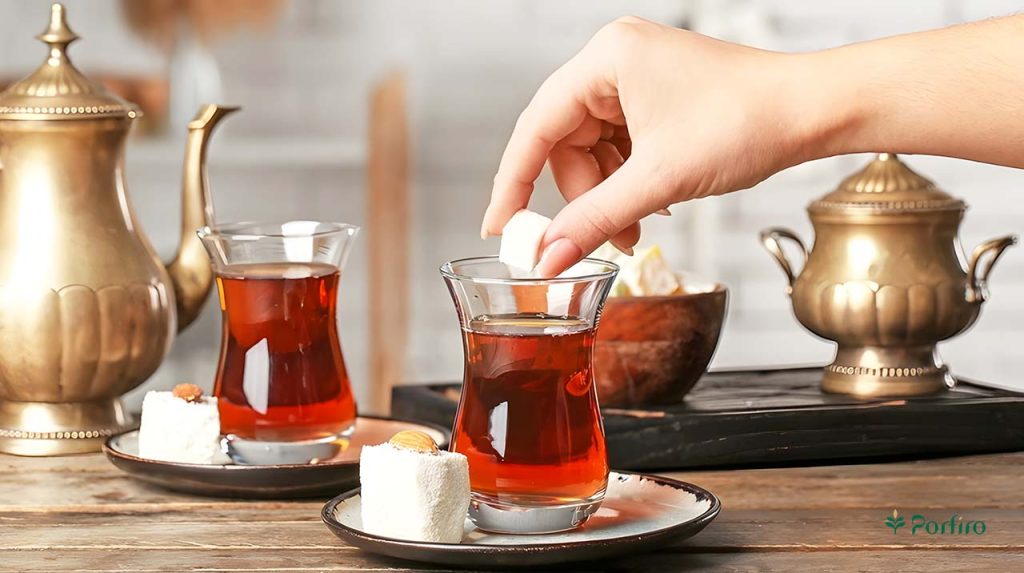
The Silk Road reaches its final destination in Turkey. The northern route of the Silk Road passed through Tabriz, Trabzon, Istanbul. There is evidence that tea was first brought to Anatolia in approximately the early 12th century.
The first known reference to tea in Turkish literature comes from the famous travel writer Evliya Çelebi. He noted, in 1631, that servants at Istanbul’s customs offices poured tea with coffee from Yemen for the Sultan’s officials. Tea soon became prominent in the daily life of the Ottoman Turks in both their homes and tea houses.
Sultan Abdulhamid II (1876–1909), though a coffee drinker, had a keen interest in tea. Numerous attempts were made to plant seedlings and seeds from various parts of the Ottoman Empire. The eastern Black Sea coastal region presented an opportunity for tea sampling due to its mild climate, plentiful rain, and fertile soil. Mustafa Kemal Atatürk encouraged drinking domestic tea as a replacement for coffee after World War I, coffee became pronely expensive and unavailable.
Tea in Turkey is traditionally prepared in a samovar or special teapot called çaydanlık. They warm water and allow it to cascade over the tea leaves in the top pot, demlik, and then stand back and let it steep. Either weak or strong tea is served as desired. Turkish tea has become part of Turkish culture and society. Azerbaijani and Turkish tea culture encompasses hospitality and the creation and establishment of social relationships, often being involved in the celebration of life’s important events.
Though there are many tea types and ways of brewing, both nations’ societies mainly produce and drink black tea. Turkey is now one of the world’s largest tea consumers. Turkish tea is traditionally made from Camellia sinensis leaves, which are widely cultivated in the Black Sea area. The tea is often boiled in different kettles, which are also mainly handmade traditional items.
The actual process of brewing tea, in a teapot which consists of a two-part system: boiling water in the lower pot and steeping tea leaves in the upper pot. Once brewed, the tea is poured into small, tulip-shaped glasses and typically sweetened with sweets, sugar, lemon slices, jam, or dried fruit, i.e. dates.
In some provinces of Azerbaijan people put spices and herbs in their tea such as cinnamon, ginger, and thyme. Tea culture is an integral part of daily life at all social strata and it relates directly to identity. From tea farmers, and tea harvesters to tea house owners, tea makers, and artisans who make all of the accoutrements for tea and sweets.
Yemeni Tea (Qishr)
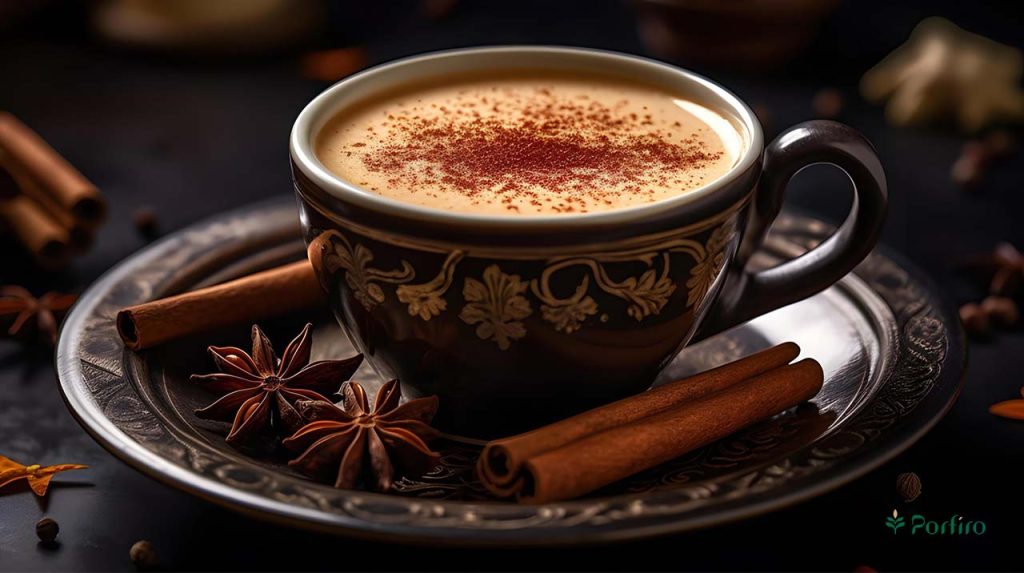
Yemen has a rich coffee culture and beyond coffee, the Yemenis have an important tea tradition of Qishr. Qishr is not tea made with typical tea leaves, but is made from dried coffee husks, the skin from coffee beans or seeds. Yemenis roast the dried coffee husks, grind them, and brew them as a warm aromatic drink. The taste experience of dried coffee husks can be especially delicious with spices such as ginger, preferably dried, cinnamon, cardamom, cloves, and nutmeg. Together they produce an aromatic, comforting, and warm drink that is not exactly tea but something similar and enjoyable.
The Evolution of Tea Culture in the Middle East
The introduction of tea to the Middle East was the start of a shift in terms of cultural and culinary practices in the region. Trade networks expanded and tea began to arrive from Ceylon (Sri Lanka), India, and later British colonies, so that now different tea blends from different origins illustrated and represented colourful Middle Eastern tea culture.
Tea drinkers in the region drew upon their own community customs and, complemented with tea blends from the region, set about constructing a tea drinking experience with their own unique blends and customs associated with boiling and brewing teas.
Social customs involving tea drinking established tea drinking rituals and it created cordial informal occasions and become imbedded in hospitality and everyday life. As tea became prevalent and more accessible tea houses flourished and cafés became bustling eateries that served as locations for intellectual conversations, stimulating debates, and cultural exchange as people began gathering to talk, creating a communal space where people came together, to share their stories continued their discussions, socialize into friendships, and meeting socially happened on a more frequent basis. Tea became a social lubricant.
The symbolism and social significance of tea
Tea has importance beyond taste and smell. The drink reflects human values of warmth, hosting, and vitality in Middle Eastern cultures. In tea houses, humans engage in discussions that contain greater connotations than their differences – their discussions build relationships and connections. The act of offering tea represents the invitation to dialogue, to promote understanding and mutual respect for one’s varied experience. It is indeed, a powerful representation of hospitality, and friendship – and even community.
The importance and integration of tea into contemporary culture
In contemporary Middle Eastern culture, tea remains central to our daily lives and customary practices. People share tea with family or friends, at home or in crowded tea houses, but tea unites us. A cultural bridge, tea is an indicator of social, religious, and national connection. Therefore, whether we share our tea drinking experiences at a common relative level or the tea culture remains a means for social bonding and fellowship.
Tea remains contemporary, also, it engages with the present in exciting new varieties, innovative blending and infusing, and imaginative preparation including contemporary seasonal differences while maintaining tradition. The tea culture of the Middle East continues to operate as a meaningful collective experience passed down to its next generations and from various social occasions.
What to eat with each type of tea?
Different types of tea are served alongside a variety of ingredients. From traditional, strong brews to flavored blends made with various spices, people have always found ways to make tea drinking more enjoyable. In this section, we’ll introduce some of the common modern teas along with the snacks that pair well with each of them.
Black tea
Black tea is the most common type served alongside breakfast, and no black tea menu would be complete without delicious sweets for an afternoon snack. Various breads, pastries, jam-filled cookies—if made with flour and sugar—biscuits, and dried fruits like dates and berries make perfect companions for black tea. Because of its strong flavor, black tea also pairs well with meals containing red meat, different kinds of lasagna, and creamy dishes.
Green tea
Green tea isn’t just the healthiest tea to drink—it also enhances the flavors of lighter dishes. Its earthy and sometimes nutty notes pair wonderfully with salads, rice, mild curries, chicken, and vegetable-based meals. So, the next time you enjoy a plant-based meal loaded with fresh veggies, you’ll know that green tea might just be the perfect companion.
Herbal teas
Herbal infusions are one of the healthiest beverages possible due to them being composed of dried flowers, spices, and/or herbs. The flavor of the infusion is first consideration for best paired teas. A floral or fruit herbal infusion, such as jasmine, chamomile, or lavender will be best paired with citrusy and tart snacks and foods. Herbal teas with earthy flavor will pair well with frostier mild foods such as soups, and stews.
Purple tea
The sweet, woody flavor of purple tea makes it a good accompaniment to desserts and light dishes such as white fish or vegetable dishes. These pairings for purple tea ensure that its delicate flavor is not overshadowed by the taste of the food.
Snacks to go with tea
Cheese and Tea
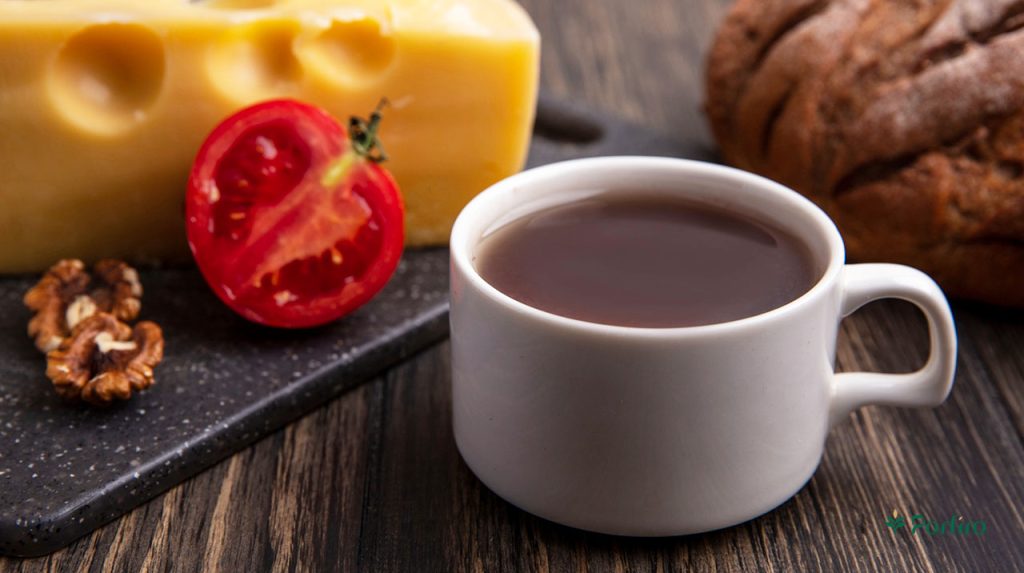
When pairing cheese and tea, black tea has the ability to diminish the salty taste of hard cheese, because black tea is astringent. Soft cheese seems to pair well with some green teas, for instance, brie pairs well with green tea. The nutty and subtle fruity notes in a cheese like brie contrast nicely with the nutty aspects in a green tea!
Tea and Chocolate
Who doesn’t love a melting piece of chocolate after taking a nice warm sip of delicious hot tea? The best tea to pair with chocolate really depends on what type of chocolate you have. Mint tea is a great herbal tea to balance with some strong, bitter chocolate. If you had milk chocolate, any tea which has milk works great. Black teas like Persian tea, English Breakfast tea and Earl Grey tea work well with milky chocolate treat.
Honey and Tea
Honey can be great with any tea you may want to use, but it seems to work especially well with herbal and black teas. In any event, if you use fresh tea, you will want to brew the tea, allow the tea to drop to a lower temperature, and then add the honey. Honey contains natural compounds that are good for your body, and while these compounds and their benefits will not make you sick when added to something hot like tea, they can lose their beneficial value if broken down.
Tea and Dates
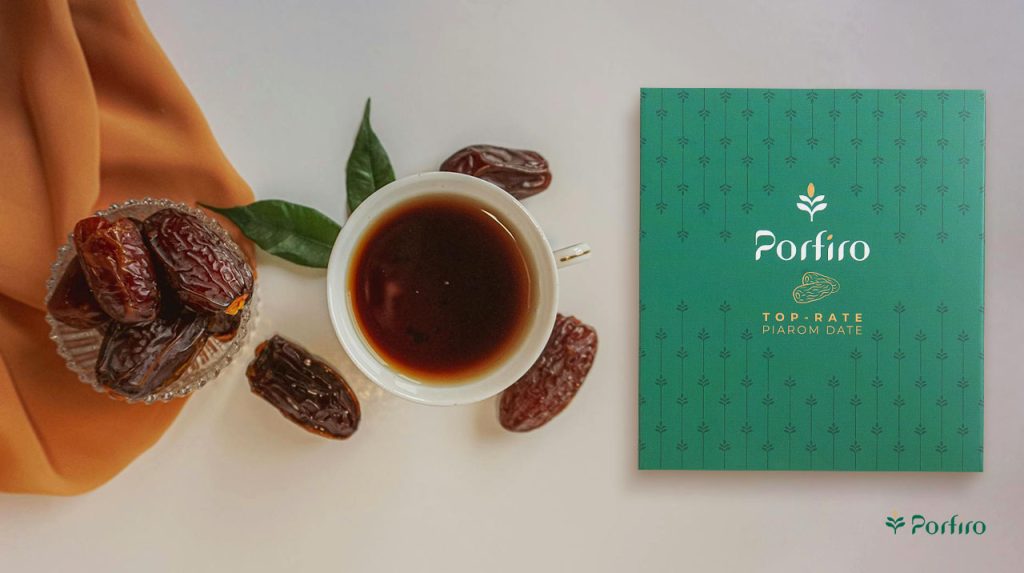
There are experts that say dates and berries should not be consumed with tea as the sugars in dates, berries, etc. will be absorbed in the body when exposed to boiling water/hot tea, although they may not provide energy, and therefore be useless in regard to their benefits.
Luckily, this can easily be debunked. Boiled and refined fruits have been used for centuries to produce syrups (date syrup, fig syrup, mulberry syrup, grape syrup) and retain all the vitamins and minerals (from the fruit).
Boiling fruit in water allows the nutrients from dates and other fruits above to move into the water, and then the water is boiled down into a syrup (concentrated). Again, experts agree that the very best syrups are made at temperatures around 60-70 degrees celsius, because they want to avoid boiling the fruits, and therefore have the energy component of the nutrients contained in the fruit. Because of this, industrial syrup production for dates is now recommended to be made at around 65 degrees.
Since people instinctively drink tea when it’s very hot, in the range of 60 to 70 degrees Celsius, it is not just the heat of the water that will not kill the important benefits of a date. Dried fruits in general, such as dates, mulberries, and others, are a good substitute for sugar for everyday use. Dried fruit offers a source of much needed energy for the body without negative health effects, as well as other nutrients.
Of course, as with any other food it is important to keep your consumption of dried fruits in moderation because while they do contain sugars, sugars that are mostly fructose, and they do contain some glucose. When our bodies absorb sugars, fructose is preferable over multi-sugars and glucose from refined sugar and industrial sweeteners.
Iced Tea
Although tea is usually served hot, everyone loves a refreshing iced tea on a hot summer day. Any type of tea can be brewed as usual and then chilled with ice. Now that you know what snacks to pair with tea, you can enjoy the iced version of any tea you like with one of the great pairings suggested in this article. Porfiro offers you a recipe for serving iced tea with Piarom dates that can be a new taste for you and your loved ones. So, stay tuned:
Iced tea recipe with Piarom date syrup
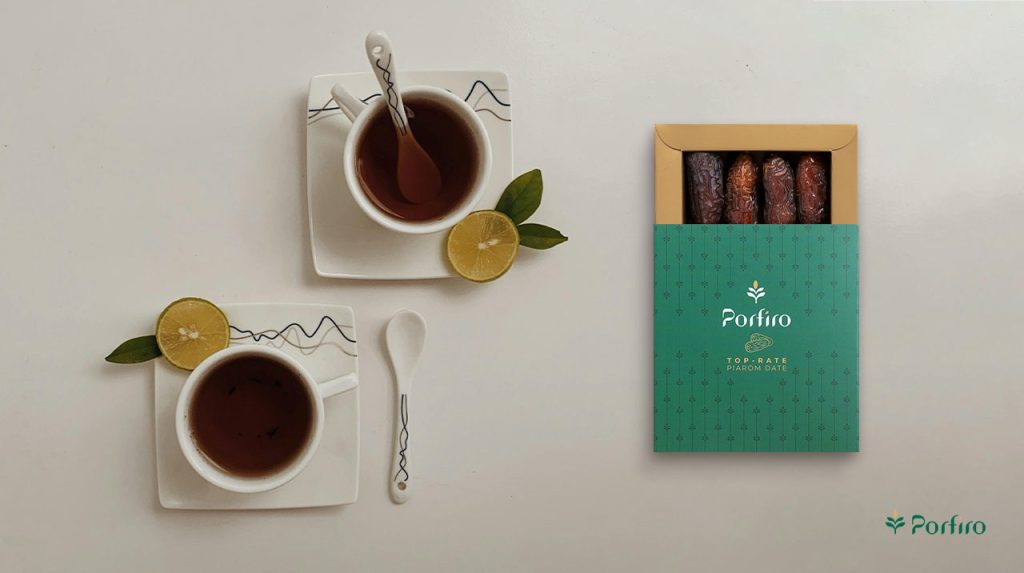
Ingredients:
- 10-12 pitted Piarom dates
- 1 cup boiled water, at room temperature
- Iced tea (1 tea bag per 1 cup of water)
To Prepare Date Syrup:
Soak Piarom dates in one cup of boiled water (cooled to room temperature) overnight—roughly 6 to 8 hours; after they have soaked, blend the dates and water together in a food processor or blender until smooth and pourable. Pour the syrup in a sterilized jar or container and consume in about a week.
To sweeten your iced tea, use as much syrup as you like! Porfiro suggested about one tablespoon per glass, but you can add as much as you like if you prefer a sweeter tea. Stir well before drinking, or the date fibers will settle down to the bottom and leave you with a sweet, pulpy bite at the end. This Piarom date syrup is delicious, too, on pancakes, toast, and crackers, and you can add it for natural sweetness in your cooking or salads.
And finally, we need to remember:
The history and significance of tea in Middle Eastern culture and the Silk Road area, illustrates the historical and cultural richness of this part of the world, which acted as a gateway of cultural interchange, and tea culture itself, from ancient times along the Silk Road, to modernity, and everything in between – tea culture has a powerful place in the Middle Eastern cultural identity. All the unique approaches to tea—Moroccan mint tea, Iranian tea, Turkish tea, Yemeni tea, and others—are inspired by the unique brew, flavor, and symbolic significance.
Through the ritual of tea drinking, various Middle Eastern communities have become closer, shared their stories, and have celebrated important life events for generations—each one, in variations of tea-drinking ritual, has demonstrated the importance of tea drinking and its potential to create an environment of socialization, fellowship or community, a way to symbolize connections made with others, as well as hospitality and friendship. So why not continue exploring flavors of Middle Eastern teas and invite you, the reader, to attempt a sensory experience to the heart of the Middle Eastern countries by trying the above teas?
10158