

How to Manage Fatty Liver with Proper Nutrition: A Complete Guide
General Information- 1Symptoms of Fatty Liver Disease
- 2Types of Fatty Liver Disease
- Non-Alcoholic Fatty Liver Disease (NAFLD)
- Alcoholic Fatty Liver Disease
- Cirrhosis
- 3Causes and risk factors of fatty liver disease
- 4Fatty Liver Treatment
- 5Pregnancy and Fatty Liver Disease
- 6Fatty Liver Diagnosis
- 7Lifestyle Changes and Prevention of Fatty Liver
- 8Liver Regeneration
- 9What to eat with fatty liver
- 10Useful Foods and Drinks for Fatty Liver Improvement
- Garlic
- Omega-3 Fatty Acids
- Coffee
- Broccoli
- Green Tea
- Nuts to Help Reduce Inflammation
- Soy or Whey Protein
- Legumes and Soy
- Fish to Reduce Inflammation and Fat Levels
- Whole grains, for their fiber content
- Turmeric to Reduce Markers of Liver Damage
- Sunflower Seeds
- Unsaturated Fats
- 11Foods and Drinks to Avoid
- 12Sample Diet Plan for Fatty Liver Disease
- 13Other Ways of Treating Fatty Liver Disease
- Regular and Consistent Exercise
- Control of Food Calories Intake
- Lowering Blood Fat Level
- Use a Healthy Diet
- Manage Your Diabetes
- 14Diabetes and Liver Health: How to Reduce Your Chances of Liver Disease
- Keep a Healthy Weight
- Control Your Blood Sugar
- Eat a Balanced Diet
- Regular physical activity
- Lower High Blood Pressure
- 15When to see a doctor for fatty liver disease?
- 16What You Should Know About Liver Cleansing
- Myth1: Liver cleansing is necessary
- Myth 2: Liver cleansing promotes weight loss
- Myth 3: Liver cleansing provides a protection against liver disease
Fatty liver disease is when fat builds up within one’s liver. Fat can build up in the liver due to a number of reasons, and the outcome could be impaired functioning of the liver. Fatty liver disease does not normally make people feel unwell; possible symptoms include weight loss, loss of appetite, and tiredness. The major factors for fatty liver disease, related to obesity are over-weight and obesity.
The liver always contains some fat, but when one ends up having too much accumulation of that fat in the liver, it leads to fatty liver disease. Fatty liver disease decreases the functioning of the liver and may result in pains, loss of weight, lethargy, and swelling of the abdomen. Any time there is more than 5% of fat present in your liver, you end up getting fatty liver disease. Herewith, symptoms, causes, treatments, and prevention-even more about the disease of the fatty liver-will be reviewed in detail as an attempt to provide a closer approach to the scientific resources that deal with the description of the appropriate diet for it.
Symptoms of Fatty Liver Disease
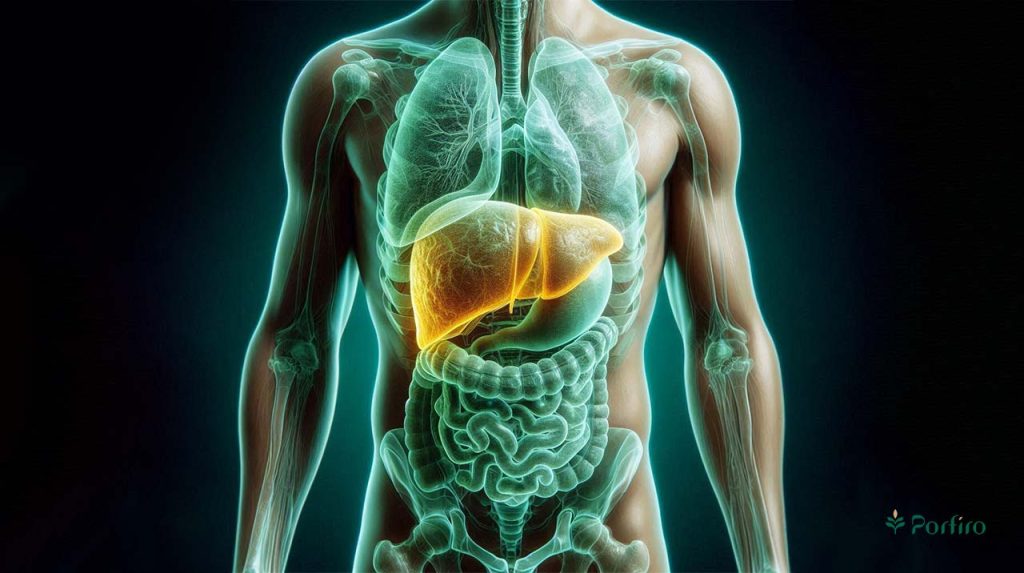
Fatty liver disease is sometimes called a silent disease. An individual may not have special signs and symptoms of the condition, even when the disease is in development. Because fatty liver disease inflames your liver, you may feel some pain or discomfort in the upper right part of your abdomen-the area between your hip joint and your rib cage. Early signs and symptoms of fatty liver might include the following:
- A feeling of no appetite
- Nausea or vomiting
- Loss in weight
- Fatigue
Types of Fatty Liver Disease
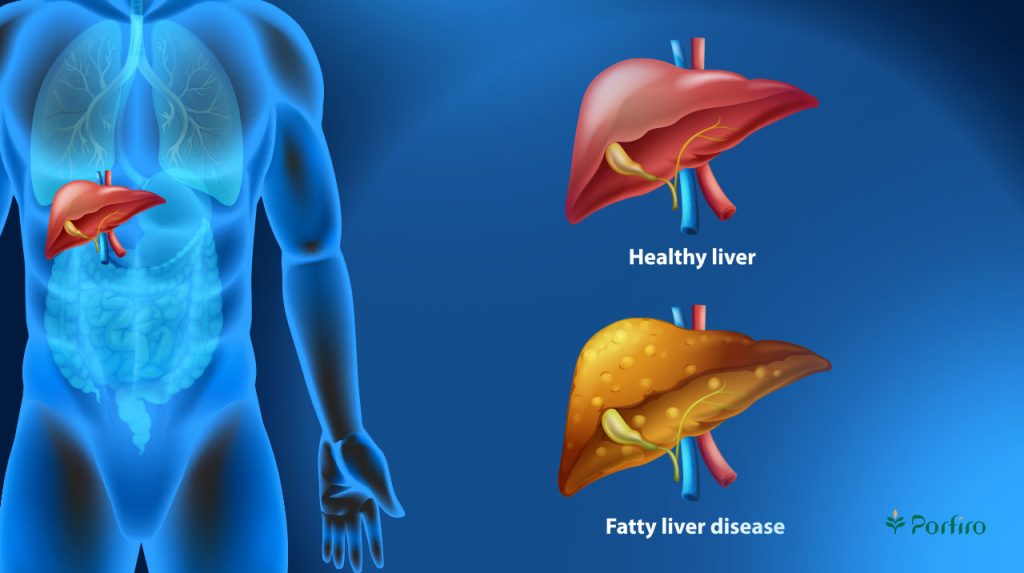
There are two forms of fatty liver disease:
Non-Alcoholic Fatty Liver Disease (NAFLD)
This is the major form of the disease. It is estimated that 80 to 100 million people have NAFLD in the United States, whereas 40% of Iranians have been suffering from fatty liver disease. This type of fatty liver, in turn, is divided into two categories:
- Simple Fatty Liver: Occurs when fat is present in the liver but causes little or no damage to liver cells. Simple fatty liver usually doesn’t progress to a more serious medical condition.
- Non-Alcoholic Steatohepatitis: Also referred to as NASH, this is the inflammation of the liver together with injury to the liver cells that contain fat. NASH can progress to such serious diseases as liver cancer and cirrhosis.
Alcoholic Fatty Liver Disease
It is also known as alcoholic steatosis. In this condition, the liver of a person who frequently consumes too much alcohol starts accumulating fat. The breakdown of excess alcohol in the liver forms harmful substances inside the body that may lead to death in liver cells and inflammation in them. It presents the first stage of liver disease caused due to alcohol intake. The disease may not progress further, and the condition could be reversed if he were to stop drinking alcohol. Alcoholic fatty liver disease may progress into either alcoholic hepatitis or cirrhosis.
Cirrhosis
This is the most advanced stage of liver disease. It usually sets in when healthy liver tissue has been taken over and replaced by scar tissue and can result in liver failure. In its advanced stages, it may also manifest with symptoms such as the following:
- Itchy skin
- Bruising or bleeding
- Problems related to memory and confusion
- Swelling in the legs or calves
- Bloating
- Jaundice, which is the yellowing of the skin and eyes
This is because cirrhosis can reach a point where it becomes life-threatening and hence needs to be checked by a doctor.
Causes and risk factors of fatty liver disease
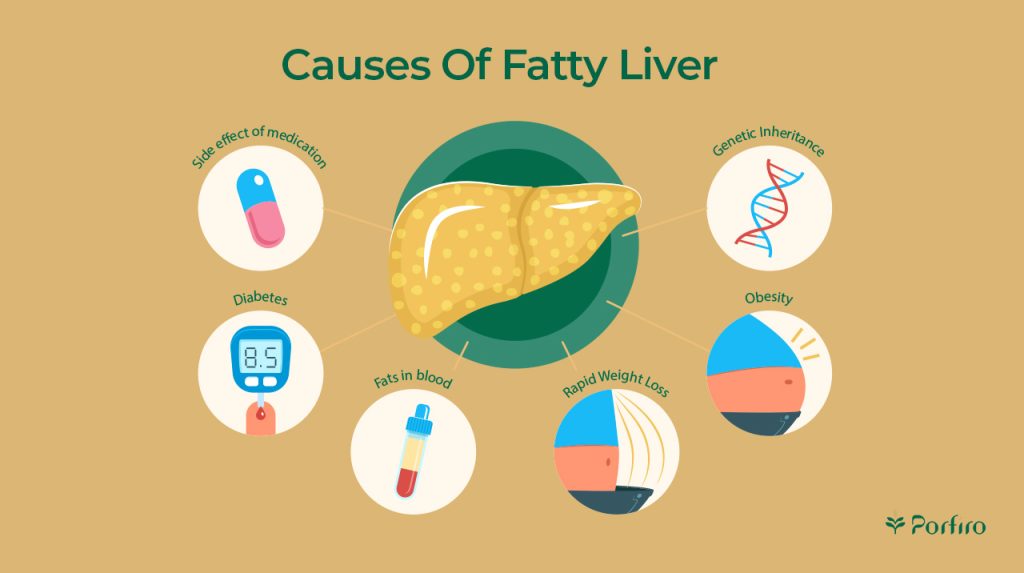
The specific causes and risk factors of fatty liver disease are idiopathic, but genetic nonetheless. Quoted by the World Journal of Gastroenterology, there is a possibility of certain genes in increasing one’s chance of acquiring NAFLD by 27%. Other medical conditions can put a person at risk of developing NAFLD as well, and these include the following:
- Being overweight or obese
- High Blood Pressure
- Type 2 diabetes
- Metabolic syndrome
- Insulin resistance
- High content of blood fats, including high levels of cholesterol and triglycerides, adding to the predisposition toward fatty liver disease.
Other less common causes include hepatitis C virus infection, rapid weight loss, and certain medications. The main cause of alcoholic fatty liver disease is extra intake of alcohol. Alcohol is considered a liver toxin that the liver processes and removes from the human body. At the time of breakdown, it produces harmful byproducts that can lead to the damaging of liver cells and create an inflammatory response.
Fatty Liver Treatment
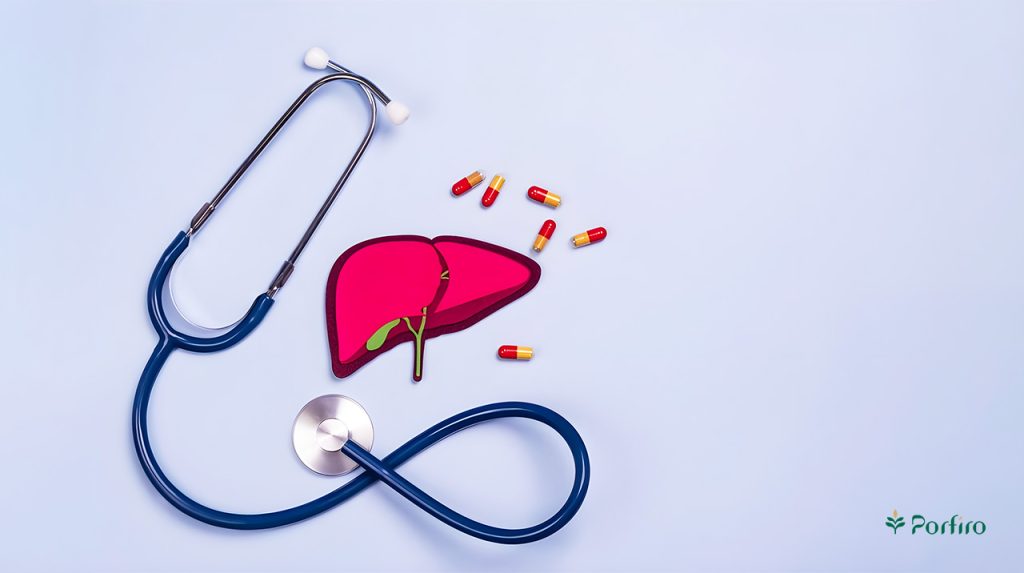
There is currently no medication to treat NAFLD. The reversibility of the disease depends on the stage in some individuals. A reduction in body weight by at least 7 to 10 percent, through gradual weight loss, may improve disease activity. On the other hand, NAFLD could be exacerbated by rapid weight loss. The healthy way of gradual weight loss would be through proper diet and routine exercises. The two aspects will be discussed more below.
Abstaining from alcohol intake may allow patients with alcoholic fatty liver disease to reverse the damage in the liver and inflammation or at least to prevent worsening. This, however does not reverse the progression of cirrhosis. Stopping alcohol can be quite difficult for some; however, this is done under a doctor’s guidance on how to go about it safely and supported. Complications of NASH and alcoholic fatty liver disease include cirrhosis and liver failure. Both medical and surgical treatment are options at this stage. Liver failure may necessitate a liver transplant.
Pregnancy and Fatty Liver Disease
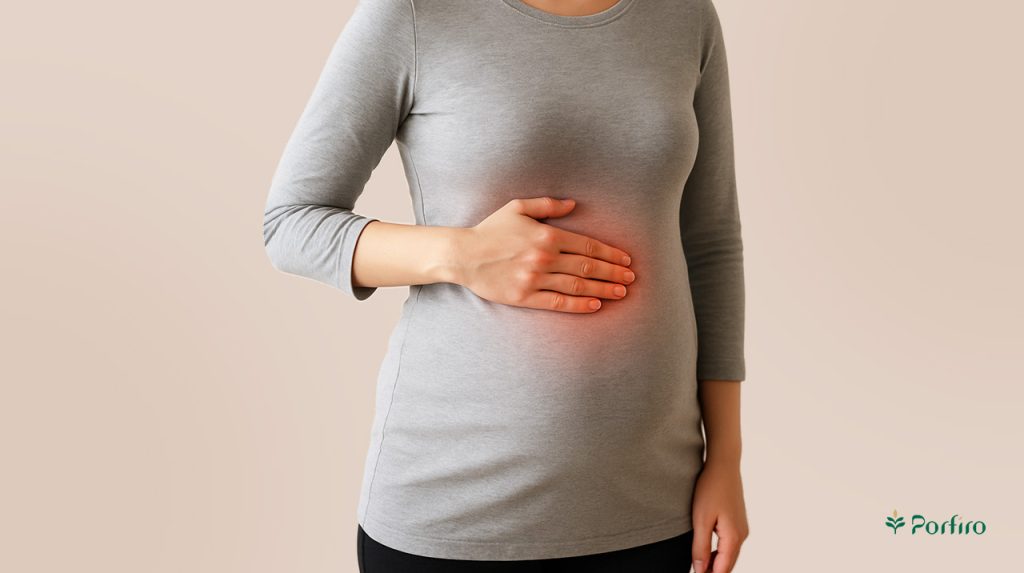
Acute fatty liver of pregnancy is a distinct type of the disease. Approximately 3% of women will have this type of fatty liver during pregnancy. Symptoms include:
- Abdominal pain
- Loss of appetite
- Extreme tiredness
- Jaundice
- Nausea
Any pregnant woman with such symptoms should immediately go for medical help. Acute fatty liver of pregnancy can be dangerous, and early diagnosis along with treatment is very crucial. For that, expert medical opinion is essential.
Fatty Liver Diagnosis
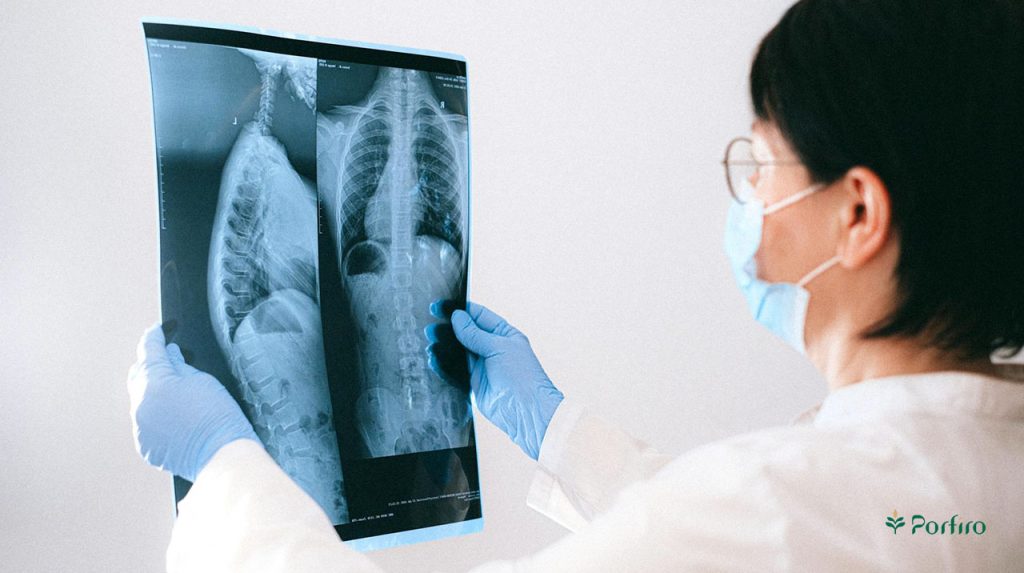
It may be difficult for a person to know when to see a doctor as, in most cases, there are no symptoms regarding the fatty liver disease. The physician will consider the patient’s medical history and his dieting and lifestyle behaviors. The doctor will also carry out a physical examination and other tests that will help in coming to the diagnosis of fatty liver disease.
In the physical test, the doctor may measure height and weight to determine one’s body mass index. He will further investigate for possible symptoms of jaundice, insulin resistance, and enlargement of the liver. Blood tests show whether certain liver enzyme levels are high than usual within the individual. Imaging studies, such as ultrasound, CT scan, or MRI of the liver can detect fat deposit in the liver or other signs of fatty liver disease.
The physician may also perform a biopsy. A needle is inserted into the liver to take a small sample of its tissue. This tissue is examined by a lab technician for evidence of disease. The painful procedure is taken care of by using a local anesthetic.
Lifestyle Changes and Prevention of Fatty Liver
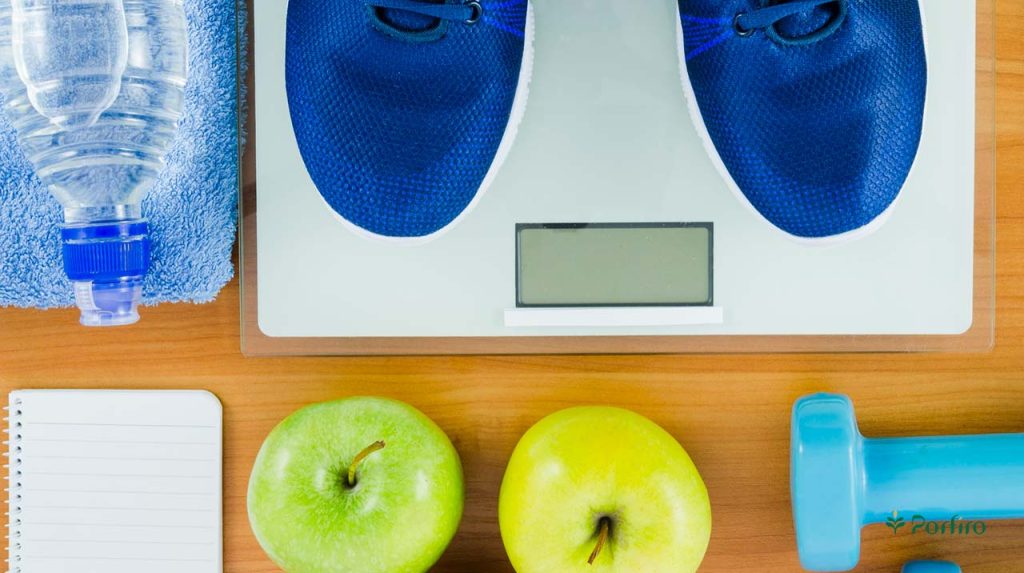
One of the most important modes of treatment in fatty liver disease involves a change in lifestyle. Lifestyle changes may involve:
- Abstaining from alcohol
- Following a balanced diet that would help an individual keep up with healthy weight management (for details regarding weight management, see an article under the title “How to Manage Weight” on the Porfiro blog).
- Smaller meal size. For details on this subject, see the article “Smaller Meals or One Big Meal?” in the Porfiro blog.
- Regular gymnastics
- Foods useful for preventing NAFLD such as Garlic, almonds, coffee, leeks, asparagus, and probiotics. Whole grains should be used; fruits and vegetables should be eaten in abundance.
- Food containing high amounts of saturated fats, refined carbohydrates, or artificial sugars should not be consumed. To the researcher, simple sugars, red meat, manufactured foods, and low-fiber food can enhance NAFLD development.
- Regular exercise is required. One needs to have about 2.5 hours of physical activities per week. The exercises should be activities which raise the heart rate-for example, cycling. It can be prevented by keeping active, staying within the range of a healthy weight, and avoiding alcohol.
Liver Regeneration

One unique feature of your liver is that it has the ability to regenerate itself. This means that after an injury or after tissue is removed during surgery, liver tissue can actually regrow. The liver accomplishes this by enlarging existing cells called hepatocytes. Then, new liver cells initiate formation and multiplication on the site taken out or hurt. Chronic liver disease can affect liver regeneration. In other words, chronic liver diseases may cause disruption in the process of regeneration because of scarring and chronic inflammation.
What to eat with fatty liver
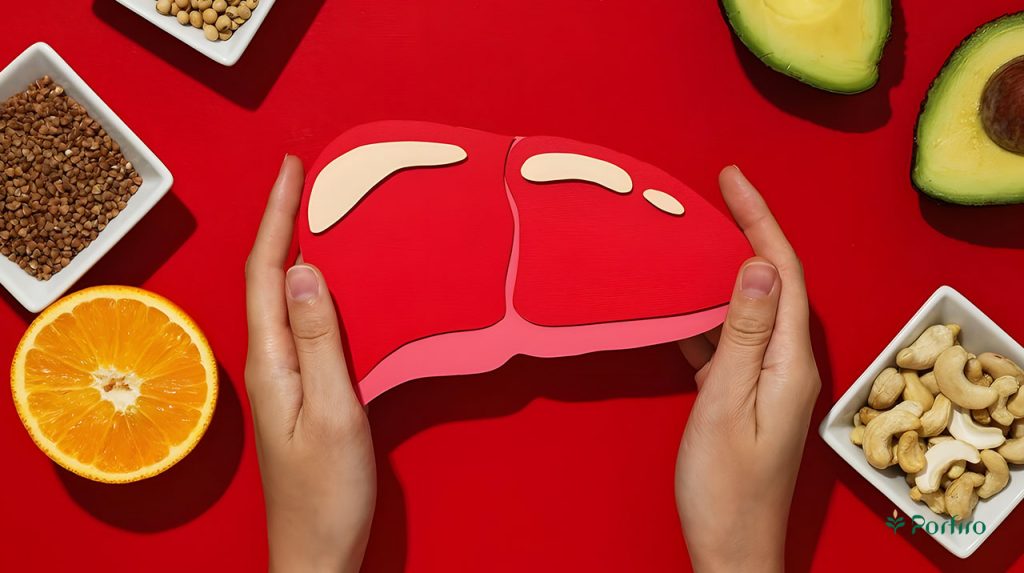
We know by now that our body keeps fat for energy and protection in many parts, including in the liver. High levels of fat in the liver may be a sign of liver steatosis, more commonly referred to as fatty liver disease. Treatments for this disease are dietary in nature and are considered first-line treatments. This condition impairs the liver and its function to detoxify blood and interfere with sending good bile for the digestive system; therefore, if the liver is not capable of performing then the individual has a risk to have other problems throughout the body.
The American Gastroenterological Association insists that the key to NAFLD management is lifestyle, largely thru diet and exercise. A healthy diet may also prevent malnutrition in cases of ARLD with accompanying cirrhosis. Indeed, studies have found that as many as 92 percent of patients with liver cirrhosis are malnourished. In the succeeding parts of this article, we will enumerate foods that should be consumed or avoided by people with fatty liver.
Useful Foods and Drinks for Fatty Liver Improvement
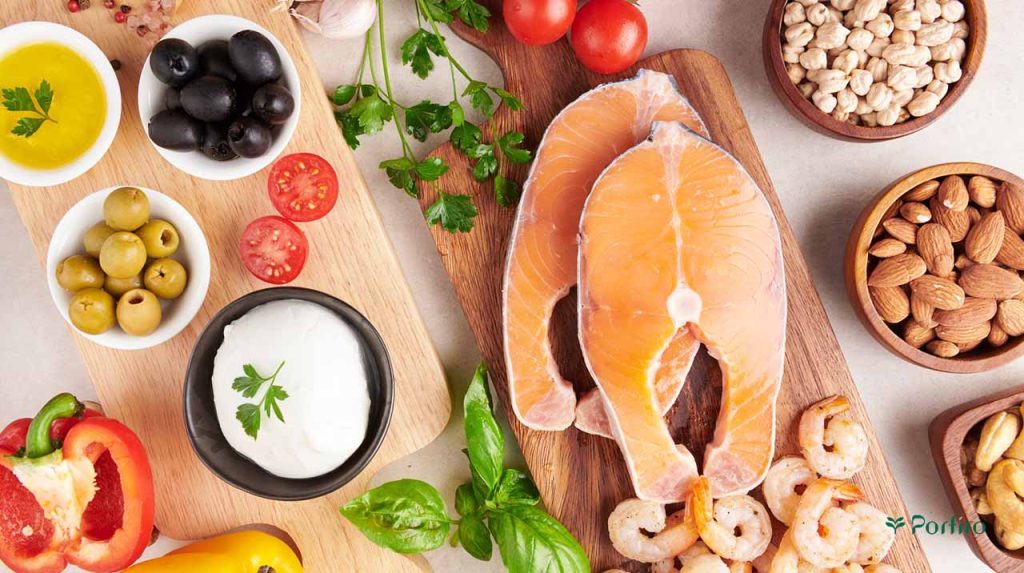
A good start can be made by consuming natural foods that are not processed, containing complex carbohydrates (more on this topic is available in the article “What You Should Know About Carbohydrates” published in the Porfiro blog), fiber, and protein. All these nutrients can provide stable energy for the body and create a feeling of fullness. Some people prefer special diets, like the Mediterranean diet. In fact, it is beneficial for NAFLD patients because it reduces the intake of processed foods, added sugars, and saturated fatty acids. The Porfiro blog has an article titled “All About the Mediterranean Diet: Everything You Need to Know” which features all the necessary information with respect to this diet for our erudite audience.
With the help of a nutritionist, depending on the kind of fatty liver disease a person may have, each can have a personalized meal plan focused on taste, symptoms, and health status. Some examples of specific foods which may be most of particular value to those with fatty liver disease include:
Garlic
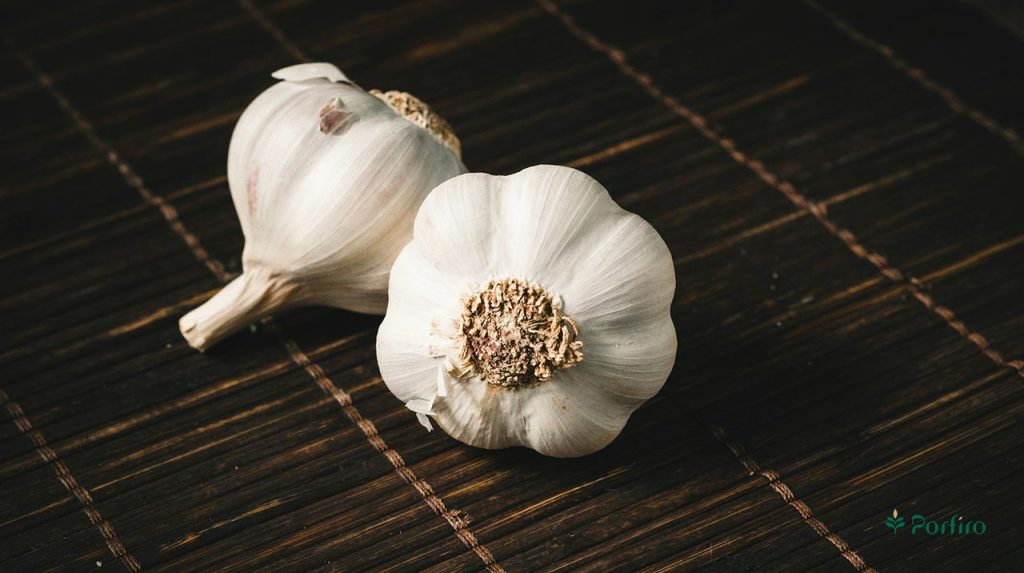
Not only does this vegetable add flavor to your food, but studies show that supplements of garlic powder may help reduce weight and fat in those people who suffer from fatty liver disease. Indeed, garlic is one ingredient in many diets all over the world and probably therefore a beneficial herb for those suffering from FLD. Indeed, the review in 2022 showed that garlic supplementation significantly impacts metabolic status in patients with NAFLD.
Omega-3 Fatty Acids
Omega-3 fatty acids improve liver fat and high-density lipoprotein cholesterol level and BMI in NAFLD patients. Omega-3 fatty acids may be obtained from the following food items:
- Salmon
- Sardines
- Walnuts
- Flaxseeds
- Almonds
Coffee
The day starts with a ritual of coffee for most people. But with fatty liver disease, it can help more than an energy boost. Research findings indicate that frequent coffee consumption is significantly associated with a reduced risk of liver fibrosis in individuals with NAFLD. So, your normal cup of coffee might even be good for the liver. It appears that the numbers of abnormal liver enzymes being produced by individuals at risk of liver diseases are reduced by coffee.
Broccoli
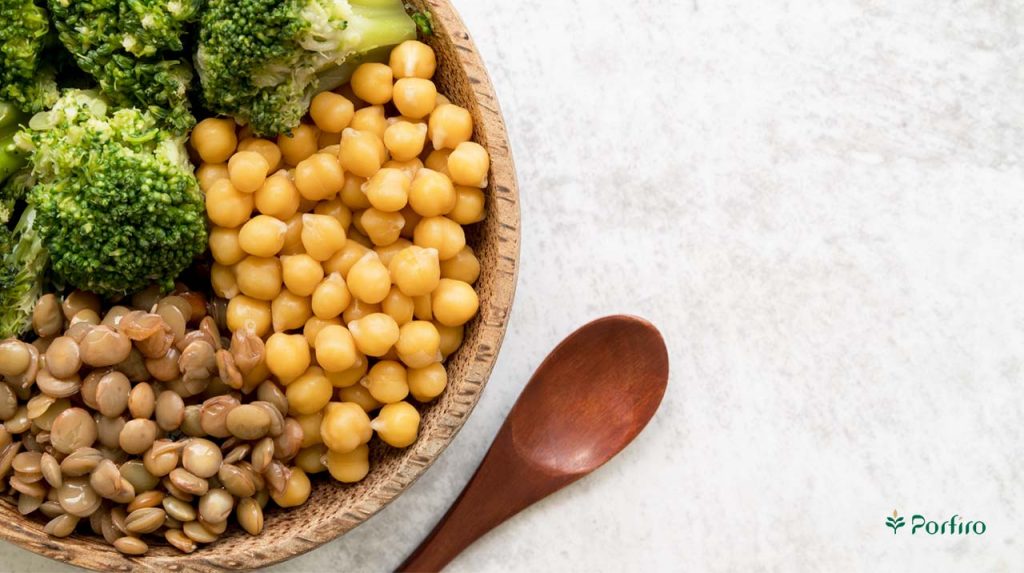
Though whole vegetables are useful in many ways for fatty liver patients, broccoli is one of the vegetables to be consumed. In fact, broccoli helps decrease fat deposition by promoting lipolysis.
Green Tea
The use of tea as medicine dates back several thousand years. For the purpose of history about tea culture, see the article “The Culture of Drinking Tea with Dates in the Middle East”. Green tea has a host of antioxidants including catechins. In some instances, research seems to show that these antioxidants have a tendency to improve symptoms associated with fatty liver disease.
Nuts to Help Reduce Inflammation
A diet heavy in nuts is related to lower levels of inflammation, insulin resistance, and oxidative stress, together with a lower prevalence of NAFLD. In this respect, different studies highlighted that increased nut consumption is significantly associated with reduced NAFLD risk; besides, walnut consumption ameliorates liver function test results among those suffering from fatty liver.
In fact, all kinds of tree nuts are a great addition to any diet. Walnuts do have an unusually high level of omega-3 fatty acids, which would be beneficial for a person with fatty liver disease. Other kinds of nuts that are suitable for providing omega-3 fatty acids are pistachios and almonds; their organic best varieties can easily be found in the product range of Porfiro.
Soy or Whey Protein
Soy and whey protein help decrease fat accumulation in the liver. Antioxidants are in the form of isoflavones in soy protein, which have a great influence on enhancing insulin sensitivity and decreasing body fat.
Legumes and Soy
Beans and soy have been beneficial in reducing the chance of NAFLD. Moreover, the addition of legumes increases not only nutritional value but also resistant starches, which in turn promote gut health. The intake of legumes has also been claimed to reduce blood glucose and triglycerides in the case of obesity.
Furthermore, the intake of soy-isolated meals replacing either meat or fish or miso soup containing fermented soy may protect the liver because soy contains high levels of the protein beta-conglycinin, which recently has received attention due to its lowering of the triglyceride level and thus may protect against visceral fat accumulation. Moreover, it is a food containing very small amounts of fat and is a good source of protein; it is, therefore, a very good option in case one wishes to cut down on his or her fat intake.
Fish to Reduce Inflammation and Fat Levels
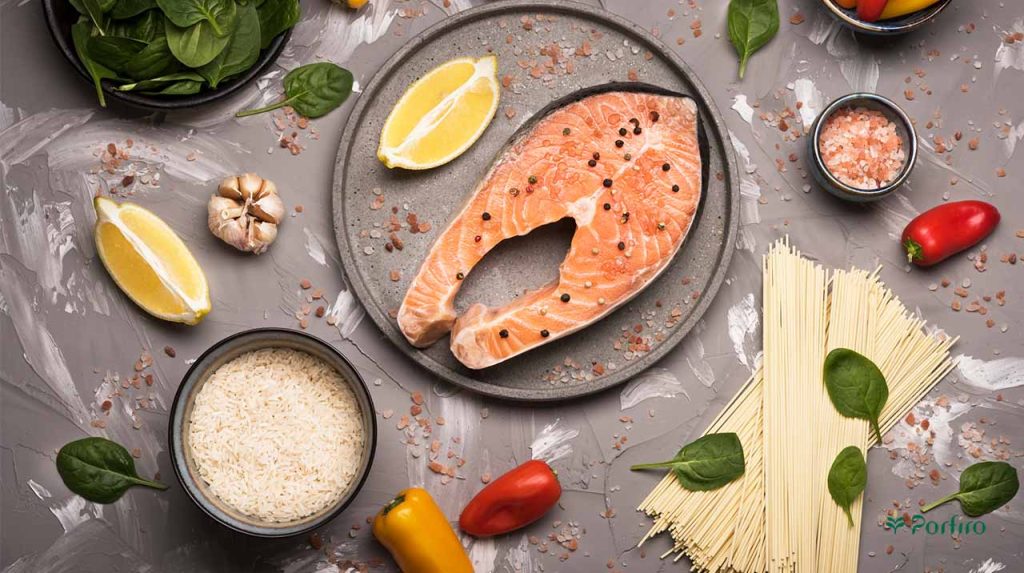
Salmon, sardines, tuna, and trout are all fatty fishes that are a rich source of omega-3 fatty acids. Omega-3 may be helpful for those with NAFLD as it cuts down liver fat levels, raises good HDL cholesterol level, and cuts down triglyceride levels.
Whole grains, for their fiber content
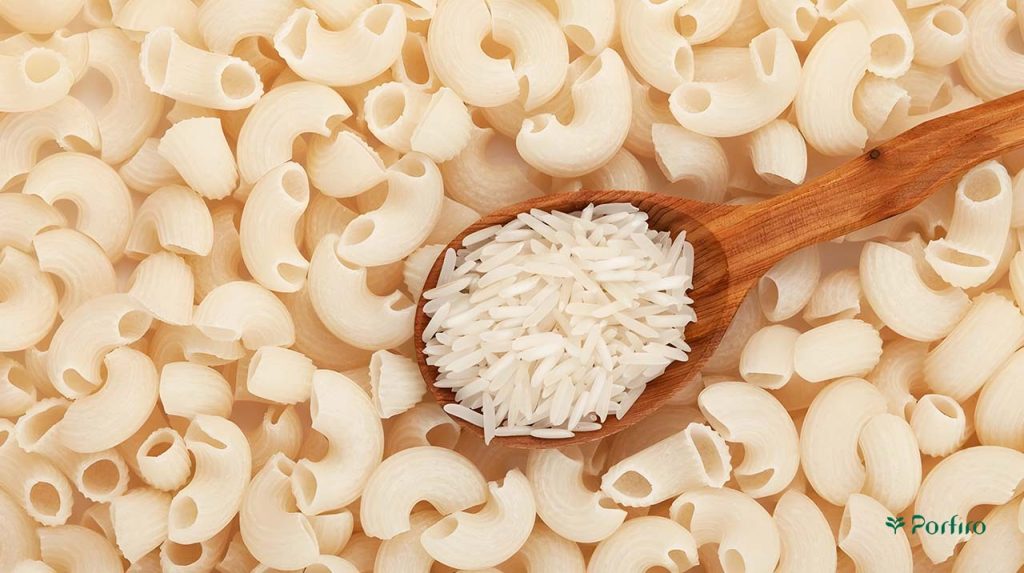
It has been documented those diets high in whole grains and fiber, like oatmeal, reduce the risk of diseases stemming from NAFLD. Diets high in fiber, as is the case with diets containing oats, are useful to NAFLD patients, as it can reduce triglycerides.
Turmeric to Reduce Markers of Liver Damage
Among patients with NAFLD, high doses of curcumin may reduce markers of liver damage. Most supplementation studies of turmeric conducted hint at this extract as helping to lower serum ALT and AST-two enzymes found abnormally in individuals with fatty liver disease.
Sunflower Seeds
Sunflower seeds rank as one of the richest sources of vitamin E, a powerful antioxidant one can always supplement for the treatment of NAFLD. Most studies done on NAFLD and supplementations involving vitamin E generally address supplements, but 100 grams of sunflower seeds will provide you with approximately 20 mg of vitamin E, well over 100% of the daily value. Sunflower seeds are actually one of the best ways to increase your intake of vitamin E naturally. Another best vitamin E-rich food is almonds. Organic almonds will be great for healthy livers because they contain no pesticide residues; Porfiro has packaged them beautified, so that one can always access them.
See here:

Unsaturated Fats
There is a place for NAFLD individuals to replace sources of saturated fats with sources of unsaturated fats. These would include sources such as avocados, olive oil, nut butter, and fatty fish. This is one of the reasons the Mediterranean diet is advisable in patients with NAFLD, apart from the fact that such diets are rich in vegetables, fruits, and legumes, most foods belonging to this diet genre contain unsaturated fats, all of which help in maintaining liver health and are also helpful in reducing cholesterol levels.
Foods and Drinks to Avoid
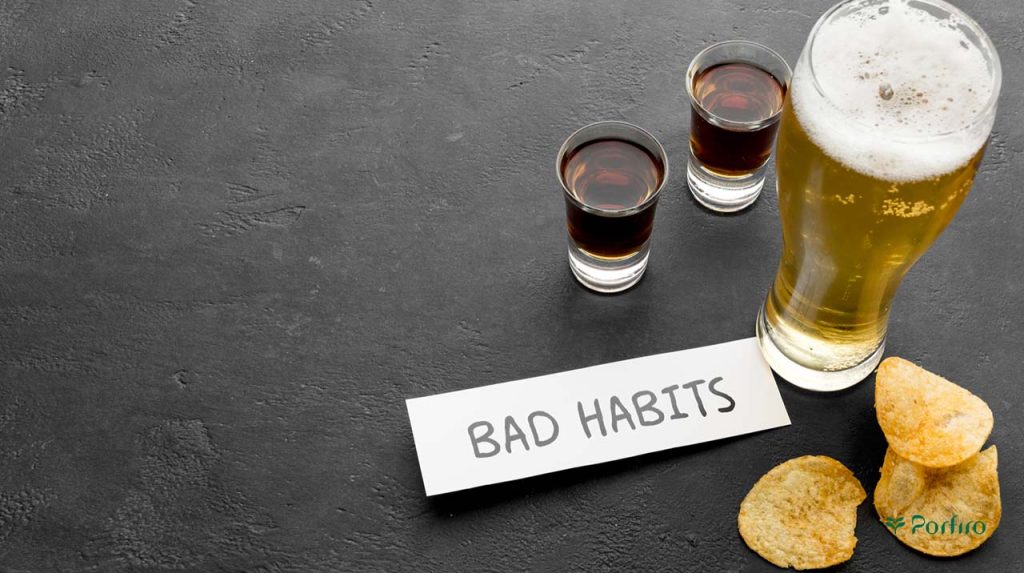
Incorporating healthy foods into the diet is one key to dealing with fatty liver disease. Equally important is the avoidance or limitation of intake of certain other foods by persons with the condition.
- Sugar and Added Sugars: Those who have fatty liver disease, especially NAFLD, need to avoid added sugars. These chemicals may lead to more sugar in the blood, followed by sugar fat accumulating in the liver. Food industries usually infuse sugar into candies, ice cream, sweetened drinks such as soda and fruit juices, processed foods, bakeries, and even commercially made coffee and tea. Fructose and corn syrup are some other forms of sugars one can eliminate to avoid fat build-up in the liver.
- Alcohol: Excessive alcohol consumption is one of the leading preventable causes of death. Alcohol affects the liver and is one of the most frequent causes of fatty liver diseases, among others such as cirrhosis. Not consuming alcohol has huge health importance. A patient with fatty liver disease should avoid drinking alcohol at all.
- Refined Grains: White bread, white pasta and white rice are examples of processed and refined grains. The fiber has been removed from these highly processed grains. Without fiber to slow down their digestion, these refined grains can cause blood sugar levels to sky rocket in the body. In fact, studies have consistently shown that people who consume fewer refined grains have less of an overall risk for developing metabolic syndrome—a collection of risk factors that predispose a person to cardiovascular disease and type 2 diabetes. Individuals can replace the consumption of refined grains with potatoes, legumes, or with whole wheat and whole grain type.
- Greasy, Fried, or High-Sodium Foods: Greasy, fried, or high-sodium foods contribute to increased calories if taken more than required and tend to lead to obesity, which is one of the causes for fatty liver. Sprinkling additional herbs and spices on a food may boost flavor without salt. High consumption of salt can increase the risk for NAFLD. Sodium should not be consumed more than 2,300 milligrams per day. Individuals with high blood pressure can reduce their salt consumption to more than 1,500 milligrams per day. Foods should be baked or steamed instead of frying.
- Meat: Consumption of saturated fat increases the level of fat around the organs to a maximum, which includes the liver. Red meats, such as beef and meats in fast-food restaurants, are all saturated fatty foods. People with fatty liver disease should avoid these types of food as much as possible. Lean meats, fish, tofu, or tempeh are variants that are appropriate. However, wild-caught and oily fish may be the best variant because, through them, the body also gets the required amount of omega-3 fatty acids.
Sample Diet Plan for Fatty Liver Disease
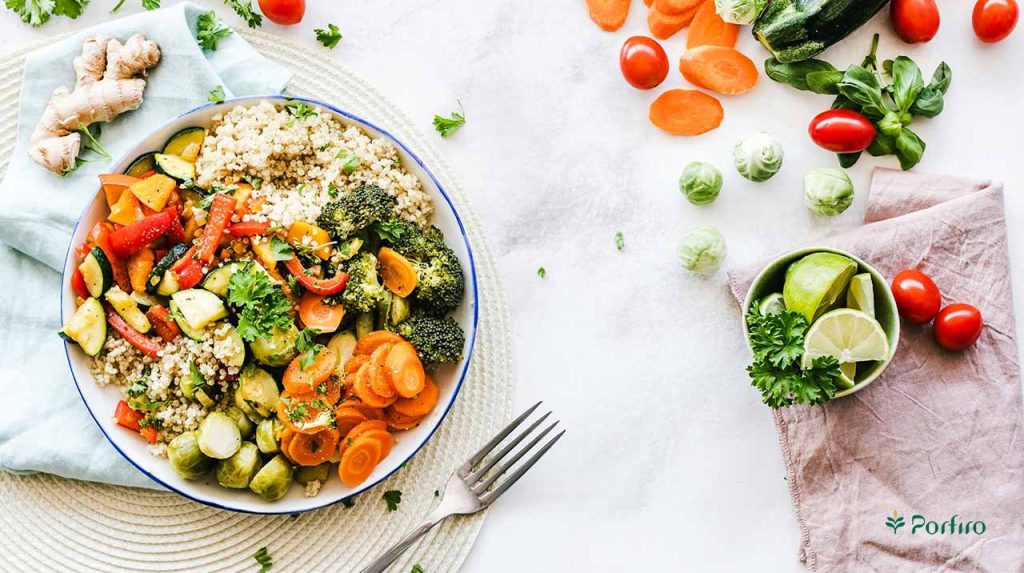
If you have been diagnosed with fatty liver disease, your doctor may recommend working with a dietitian to create a dietary plan. Here is a typical daily menu suitable for individuals with fatty liver disease:
| Meal | Suggested Food Type |
| Breakfast | • 8 ounces of hot oatmeal mixed with 2 teaspoons of almond butte • 1 tablespoon of chia seeds • 1 cup of mixed berries • 1 cup of black coffee or green tea |
| Lunch | • Spinach salad with balsamic vinegar and olive oil dressing • 3 ounces of grilled chicken • 1 small baked potato • 1 cup of cooked broccoli, carrots, or other vegetables |
| Snack | • 1 tablespoon of peanut butter on sliced apples • 2 tablespoons of hummus with raw vegetables |
| Dinner | • Small mixed bean salad • 3 ounces of grilled salmon • 1 cup of cooked broccoli • ½ cup of cooked quinoa • 1 cup of mixed berries |
Other Ways of Treating Fatty Liver Disease
Regular and Consistent Exercise

Regular exercise is essential for any individual. However, for people suffering from fatty liver disease, it has added advantages in managing the symptoms. For example, experts recommend that individuals with NAFLD engage in at least 150 to 300 minutes of moderate aerobic exercise or 75 to 150 minutes of vigorous exercise every week.
Control of Food Calories Intake
Weight loss remains the most important treatment for patients with NAFLD. A body weight loss of at least 5% reduces liver fat storage. Patients with NAFLD usually need 1200 to 1500 calories per day or a daily reduction in intake of 500 to 1000 calories to see positive outcomes. These values are dependent on the patient’s body mass. As malnutrition is one of the general problems of the patients suffering from ARLD, according to research, the ideal intake of calorie for an individual suffering from this disease is around 2000 calories/day that contain around 1.2 -1.5 gm/kg body weight of protein. Taking small quantities of meals with short frequency can enhance the absorption of the food.
Lowering Blood Fat Level
To reduce levels of cholesterol and triglycerides, be mindful of the intake of saturated fats and sugars. If diet and exercise are not sufficient to lower cholesterol, speak with your doctor about your medication options.
Use a Healthy Diet
Another way to take it easy on your liver is to consume a liver-friendly diet, which includes:
- Getting adequate fiber from whole grains, fruits, and vegetables.
- Knowing lean protein sources such as seafood, skinless chicken, or beans that do not have added fat instead of fattier meats.
- Limit food and drinks that have high amounts of added sugars, salt, and saturated and trans fats.
- Limit foods that are high in process and adding more whole foods.
- Do not eat raw or undercooked shellfish.
- Drink enough water every day to stay hydrated.
- Depending on your liver disease, your diet may need to be tailored even closer.
- Be sure to discuss what can help and hurt you with your doctor.
Manage Your Diabetes
Often, diabetes occurs along with fatty liver disease. You are able to control both of these by eating properly and exercising. If the blood sugar remains high, your doctor may put you on medication in order to bring it down. Since diabetes is such an important concern in our country, we will discuss this further in the next sections.
Diabetes and Liver Health: How to Reduce Your Chances of Liver Disease
Type 2 diabetes is a chronic disease that affects the way your body is supposed to process blood sugar. It happens when your body becomes resistant to insulin. Possible complications from this could be liver diseases. As mentioned, in most cases, liver disease doesn’t produce symptoms bothersome enough until it has already reached an advanced stage. Thus, the early diagnosis and treatment of liver diseases becomes more challenging. Fortunately, there are things you can do to lower your risk for liver disease with type 2 diabetes. Continue reading as we unfold the dynamics of liver disease in type 2 diabetes and the ways of mitigating its risks.
Individuals with type 2 diabetes are susceptible to several liver-related conditions such as non-alcoholic liver disease or NAFLD, advanced scarring of the liver, liver cancer, and liver failure. Among the above-mentioned conditions, NAFLD is more common in people with type 2 diabetes. Therefore, here are a few ways to take good care of the liver if you have diabetes type 2. All these tips will let you lead a healthy lifestyle. They may also contribute to reducing some of the other complications of type 2 diabetes.
Keep a Healthy Weight
Many people with type 2 diabetes are overweight or obese. This can help cause NAFLD. This also raises the chances of getting liver cancer. Losing weight may help cut down liver fat and your chances of liver disease. Talk to your doctor about healthy ways to lose weight.
Control Your Blood Sugar
Monitoring and controlling your blood sugar through collaboration with a health care provider is yet another line of defense against NAFLD. Following will help you in keeping your blood sugar in control:
- Foods containing high fiber and good carbohydrates must be consumed
- Eat at frequent intervals
- Eat only when hungry
- Regular Exercise
Eat a Balanced Diet
Many people with type 2 diabetes need to make changes in their diet. Your doctor can help you understand dietary changes that can lower your risk for liver disease and other complications, as well. These changes may include avoidance of foods with a high fat, sugar, and salt content and intake of a wide variety of nutrient-dense and fiber-rich foods, such as fruits, vegetables, and whole grains.
Regular physical activity
Regular physical activity burns triglycerides for energy and also may reduce liver fat. Aim for at least 30 minutes of moderate aerobic physical activity, five days a week.
Lower High Blood Pressure
Regular aerobic physical activity and maintaining a healthy diet can help prevent and lower high blood pressure. People can also lower high blood pressure by:
- Reducing sodium in the diet
- Quitting smoking
- Reducing caffeine
When to see a doctor for fatty liver disease?

Many times, NAFLD does not present any symptom. It comes as a surprise for many people when they are diagnosed with liver disease. If you have type 2 diabetes, you should regularly visit your doctor. He will screen you for all the complications that might arise due to diabetes and advise on liver disease.
For example, your doctor may advise you to undergo tests for liver enzymes, or an ultrasound test of the liver. NAFLD and other liver conditions often have been found when blood tests or ultrasound studies done for other reasons indicate there is a problem, such as when liver enzymes are too high or when there is scarring of the liver. You also need to tell your doctor if you experience any of the following:
- Yellowing of the skin and eyes, known as jaundice
- Pain and swelling in the abdominal area
- Swelling in the legs and ankles
- Itchy skin
- Dark-colored urine
- Pale or tar-colored stools
- Blood in the stool
- Chronic fatigue
- Nausea or vomiting
- Decreased appetite
- Increased bruising
What You Should Know About Liver Cleansing
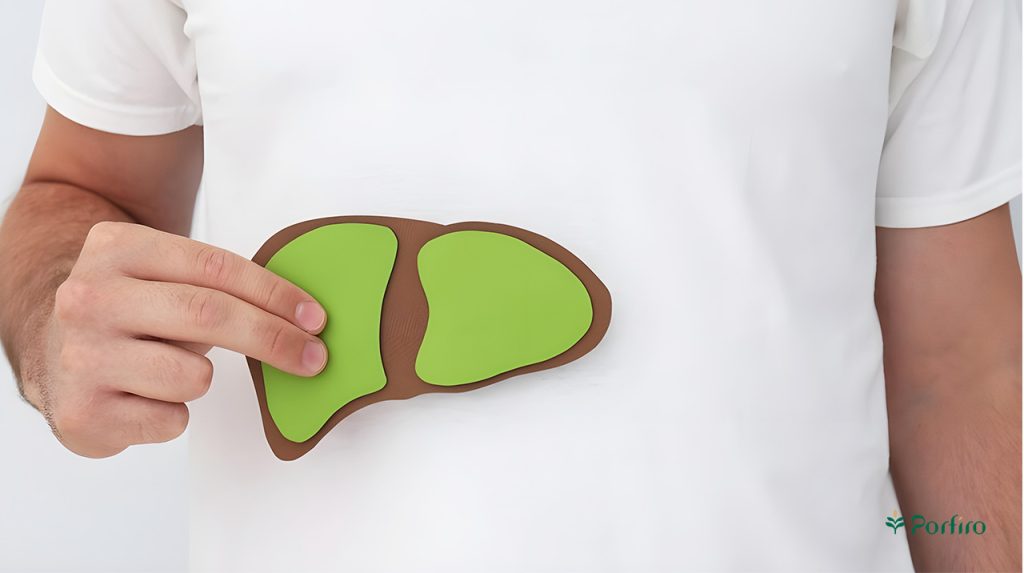
These days, a lot is said about something called “liver cleansing,” but is any such thing possible? The fact is, toxins are even in the air that we breathe and almost everywhere around us, and our body has a natural tendency to protect us from damage due to these toxins. Of course, there are things you can do to improve your health and promote healthy liver function. Therefore, we will discuss some of the common myths and facts being heard or known about the liver, and we will try to get scientific answers to them:
Myth1: Liver cleansing is necessary
Most of the liver cleansing products and supplements are sold over-the-counter, or even online. Few of them, if not none, have undergone clinical testing or been monitored by the Food and Drug Administration. It follows, therefore, that there is no evidence whatsoever that liver cleansing has any real value.
Reality: Some substances can be helpful to your health. A good example:
Milk Thistle: Milk thistle, rich in antioxidants and anti-inflammatory substances, is considered one form of liver cleaning supplement that may reduce inflammation of the liver.
Turmeric: Turmeric has also been found to reduce some inflammatory molecules related to the development, progression, or exacerbation of a wide range of diseases and may contribute to reducing the risk of liver disease.
Myth 2: Liver cleansing promotes weight loss
There is just no evidence showing that liver cleansing does, in fact, help a person with weight loss. In fact, studies have identified that certain detox diets lower the metabolic rate of the body, which in turn decreases weight loss. Weight loss can be claimed by people through liver cleansing. In most instances, however, this is merely a loss of fluid, as well. These same individuals, once going back to normal dietary habits, often pick up the weight they lost right back up again in record time.
Reality: Some ingredients will, in fact, help you lose weight.
Many reasons exist why one person gains weight or loses weight; they all relate to the balance between caloric intake and caloric expenditure, diet quality, genetics, and hormones:
Caloric Intake: The estimated daily calorie need is around 1,600 to 2,400 calories a day for adult women and 2,000 to 3,000 calories for adult men. Your doctor can provide a range that fits your individual health profile.
Expenditure of Calories: Exercise becomes most essential to expend calories and achieve weight loss. This can never be possible or successful for a long period by just making dietary changes. The more active you are, the more calories you expend, hence allowing your body to shed the excess fat.
Diet Quality: While calories count, even if you are on a low-calorie diet, and all those calories come from processed foods, then you might still not be able to lose weight. Processed, unhealthy foods are low in quality. To help your liver function better and assist with weight loss, choose high-quality foods instead, including:
- Vegetables
- Fruits
- Unrefined whole grains
Examples include the following: Healthy fats like olive oil and nuts; proteins such as chicken, fish, and eggs. The shift to high-quality foods without processing is one of the finest ways to lose weight. It reduces your calorie intake naturally and increases the amount of vitamins, minerals, and beneficial compounds you take in.
Myth 3: Liver cleansing provides a protection against liver disease
No proof is yet available indicating that cleansing would protect the liver against disease. As of today, there are over 100 types of liver diseases. Some of the common ones include:
_ Hepatitis A, B and C
_ Alcohol-related liver disease
_ Non-alcoholic liver disease
Some of the major risk factors to liver disease include alcohol consumption, obesity, certain medications, chronic hepatitis C infection, and genetic conditions that cause liver disease.
Reality: There are things you can do to protect against liver disease.
You can’t do much about genetic factors, but you can consider life style changes for the protection against liver diseases:
- Use medications judiciously: Since it’s your liver that processes medications, use them judiciously-both prescription and over-the-counter-and discuss alternatives with your doctor.
- Practice chemical exposure safety: Your skin can absorb chemicals and poisons. Toxins can be taken into your body with respiration and through the skin; therefore, the use of masks, gloves, and long-sleeved shirts or pants is recommended while using any chemical, pesticides, fungicides, and paint.
- Keep a healthy weight: Metabolic issues, such as being overweight or developing type 2 diabetes, can contribute to the possibility of getting non-alcoholic liver disease. You can reduce the risk by adopting healthier lifestyle habits.
10155