


Skin Health and the Impact of Nutrition on skin care (Ensuring continuous regeneration of skin cells with proper nutrition)
General Information- 1Skin Structure
- 2Skin Health and Function
- 3Role of Nutrition in Skin Health
- 4The role of Vitamins and Minerals on skin health
- 5Foods to Boost Skin Health and skin care
- Broccoli
- Dark chocolate
- Green tea
- Red grapes
- 6Water and Skin Health
- 7The Gut-Skin Connection
- 8Foods to avoid
- 9Special Considerations for Skin Conditions
- Acne and Dairy
- Eczema and Food Sensitivities
- 10Conclusion
Skin Structure
The epidermis, dermis and hypodermis consist three primary layers of the skin. The outer layer which is called the epidermis is primarily composed of keratinocytes. It acts as a protective barrier. The second layer, the dermis, provides strength and elasticity, is located beneath the epidermis, and contains collagen and elastin fibers. The innermost layer, the hypodermis, contains fat cells that insulate the body and serve as an energy reserve.
Skin Health and Function
Skin as the largest organ of the body, acts as a barrier that protects us from various factors. It defends against ultraviolet rays, pathogens, chemicals, mechanical, thermal, and physical injuries. Skin has other important roles such as the regulation of several important physiological processes of the body, sensing stimuli, synthesis of vitamin D, and immune surveillance. Aging, diseases, and environmental conditions dramatically change skin health.
Role of Nutrition in Skin Health
Recently, there is a growing body of knowledge about the role of diet and nutrition on skin health. As scientists learn more about diet and the body, it’s increasingly clear that nutrition has a pivotal role in the overall well-being of the skin. The food we eat fundamentally impacts the appearance, structure, and function of the skin. Skin health is related to the consumption of key nutrients and dietary habits. The turnover of skin cells is influenced by essential nutrients that guarantee the constant renewal of skin.
The role of Vitamins and Minerals on skin health
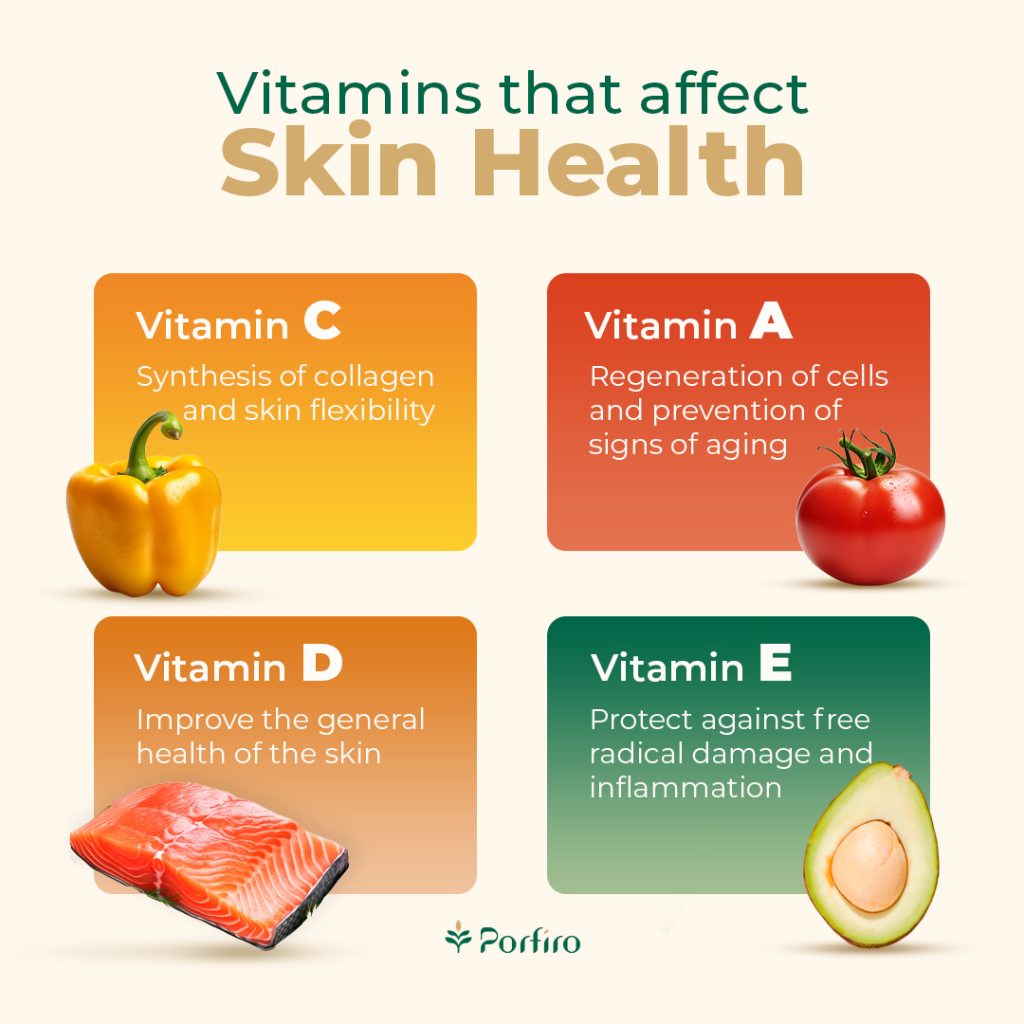
Vitamin A: It is needed for skin repair and maintenance. The vitamin promotes cell turnover and helps prevent signs of aging. Carrots, mango, cantaloupe, and spinach are good sources of vitamin A. Liver is a rich source of vitamin A, as well.
Beta carotene, a nutrient found in plants namely carrots, bell peppers, spinach, and sweet potatoes, is provitamin A which can be converted into vitamin A in the body.
Carotenoids like beta carotene help keep our skin healthy by acting as a natural sunblock. Beta carotene, lutein, and lycopene have been shown to protect our skin against damage from the sun. They may also help prevent wrinkling.
Since tomatoes are rich in carotenoids including lycopene, and are a great source of vitamin C they are an excellent food for maintaining skin health .
Fat increases the absorption of carotenoids. Therefore, pairing carotenoid-rich foods like tomatoes with a source of fat, such as cheese or olive oil improves carotenoid absorption.
Vitamin C: As an antioxidant, vitamin C helps synthesize collagen, promotes elasticity and resilience of skin and combats the aging process. Rich sources of vitamin C include citrus fruits, berries, red or yellow bell peppers, kiwi fruit, and broccoli.
Vitamin C is also an antioxidant that maintains hydration and helps protect your skin from oxidative damage caused by the sun and the environment, which can lead to signs of aging.
Vitamin D: Vitamin D is essential for overall health. Moderation in sun exposure and dietary sources like fatty fish contribute to maintaining optimal levels.
Vitamin E: The vitamin is known for its antioxidant properties and protects the skin from oxidative stress and provides overall skin health. Rich sources of vitamin E include wheat germ oil, nuts, seeds, turnip greens, and avocados. Avocados are high in healthy fats. These fats benefit many functions in your body, including the health of your skin. A study followed healthy women consuming one avocado daily for 8 weeks. The researchers found that daily avocado consumption may may lead to enhanced elasticity and firmness of facial skin.
Fatty fish is also a source of vitamin E which is essential for helping protect your skin against damage from free radicals and inflammation.
Copper: The mineral contributes in the synthesis of collagen and elastin and causes skin elasticity. Seafood, nuts, seeds, and whole grains are good sources of copper.
Selenium: Selenium contributes to the protection of skin cells against oxidative stress and promotes overall skin health. It is found plentifully in Brazil nuts and seafood.
Zinc: This mineral is essential for wound healing and the maintenance of skin integrity. Foods rich in zinc include meat, dairy, nuts, and legumes.
Omega-3 Fatty Acids: Found in fatty fish, flaxseeds and walnuts, omega-3 fatty acids contribute to skin hydration and help manage inflammatory skin conditions. Omega-3 fatty acids are necessary to help keep skin thick, flexible, and moisturized.
In fact, an omega-3 fatty acid deficiency can cause dry skin.
Walnuts have many characteristics that make them an excellent food for healthy skin. They’re a good source of essential fatty acids, which are fats that your body cannot make itself. Omega-3 fats, magnesium, and the amino acid arginine (all of which are found in walnuts) may also decrease inflammation in the body, including our skin.
The omega-3 fats in fish reduce inflammation, which can cause redness and acne. They can even make skin less sensitive to the sun’s harmful UV rays. Some studies show that fish oil supplements may help fight inflammatory and autoimmune conditions affecting our skin, such as psoriasis and lupus.
Omega-6 Fatty Acids: These fatty acids, present in oils such as evening primrose and safflower oil, support skin barrier function and prevent moisture loss.
Sunflower seeds also contain high levels of both monounsaturated and omega-6 fats, and may help reduce inflammation and cholesterol levels.
Antioxidants: Antioxidants play a crucial role in protecting the skin from damage caused by free radicals – unstable molecules that contribute to premature aging and skin diseases. Various fruits and vegetables, such as berries, and tomatoes, are rich sources of antioxidants. Including these foods in the diet can help combat oxidative stress and contribute to a youthful complexion.
Dark green leafy vegetables are a daily must for maximum anti-ageing power. The darker the green the better as this usually indicates higher levels of antioxidants. These fight the free radicals that damage cells and accelerate aging of the skin. Spinach, kale, watercress, and dark green cabbage varieties all qualify.
Foods to Boost Skin Health and skin care
Broccoli
Broccoli is full of many vitamins and minerals important for skin health, including zinc, vitamin A, and vitamin C. It also contains lutein, a carotenoid that works like beta-carotene. Lutein helps protect your skin from oxidative damage, which can cause your skin to become dry and wrinkled. Broccoli florets also pack a special compound called sulforaphane, which boasts some impressive potential benefits. It may even have anti-cancer effects. Sulforaphane is likewise a powerful protective agent against sun damage.
Dark chocolate
After 6–12 weeks of consuming a cocoa powder high in antioxidants each day, participants in one study experienced thicker, more hydrated skin. Their skin was also less rough and scaly, less sensitive to sunburn, and had better blood flow which brings more nutrients to your skin.
Another study found that eating 20 grams of dark chocolate per day could allow your skin to withstand over twice as much UV radiation before burning, compared with eating low-antioxidant chocolate.
Several other studies have observed similar results, including improvements in the appearance of wrinkles. Make sure to choose dark chocolate with at least 70% cocoa to maximize the benefits and keep added sugar to a minimum.
Green tea
Green tea may help protect your skin from damage and aging. The powerful compounds found in green tea are called catechins and work to improve the health of your skin in several ways.
Like several other antioxidant-containing foods, green tea can help protect your skin against sun damage.
While green tea is a great choice for healthy skin, you may want to avoid drinking your tea with milk, as there’s evidence that milk could reduce the effect of green tea’s antioxidants.
Different teas contain different antioxidants, but they all have the potential for anti-aging benefits. Green tea has even been shown to help rejuvenate skin cells. However, tannins in tea can reduce the absorption of minerals in food, so drink tea between rather than with meals.
Red grapes
Red grapes are famous for containing resveratrol, a compound that comes from the grapes’ skin.
Resveratrol is known with a wide range of health benefits, among them is reducing the effects of aging. Studies suggest it may also help slow the production of harmful free radicals, which damage skin cells and cause signs of aging.
This beneficial compound is also found in red wine. And since red wine is an alcoholic beverage, it’s not recommended to start drinking red wine just because of its potential health benefits. Instead, you should increase your intake of red grapes and berries.
Water and Skin Health
Water is essential for maintaining skin moisture, preventing dehydration and supporting the elimination of toxins through sweat. External moisturizers and adequate water intake are equally beneficial. Water-rich foods (e.g. watermelon and cucumber) and herbal teas contribute to the overall hydration of the skin.
The Gut-Skin Connection
Recent research has revealed the relationship between gut health and skin conditions. The gut microbiome, a diverse community of microorganisms residing in the digestive tract, influences various aspects of health, including skin. A balanced and diverse microbiome contributes to a well-functioning immune system, reducing the likelihood of inflammatory skin conditions.
Probiotics, beneficial bacteria that support gut health, can positively impact the skin. Fermented foods like yogurt and kefir are rich in probiotics and can aid in maintaining a healthy gut-skin connection. Additionally, prebiotic-rich foods, such as garlic, onions and bananas, provide nourishment for the beneficial bacteria in the gut.
Foods to avoid
Certain foods can contribute to inflammation, which may manifest as skin conditions like acne, eczema, or psoriasis. Processed foods, high in refined sugars and trans fats, are potential culprits.
Excessive sugar intake can lead to the formation of products contributing to skin aging. Collagen and elastin, crucial proteins for skin elasticity, are particularly vulnerable to damage caused by these products. Limiting the consumption of sugary foods and beverages can contribute to maintaining youthful skin.
Special Considerations for Skin Conditions
Acne and Dairy
Some studies suggest a link between dairy consumption and acne. Hormones and bioactive molecules in dairy products may contribute to increased sebum production and skin inflammation. Individuals with acne-prone skin may benefit from reducing or eliminating dairy from their diet.
A research has recently shown that a low GI (GI: is a measure of how fast a food can make your blood sugar rise) diet containing wholegrains such as barley helps to relieve acne and improve skin health. Barley also provides the antioxidant mineral selenium and good levels of several other vitamins and minerals that play roles in the growth of healthy skin, hair and nails.
Eczema and Food Sensitivities
Eczema, characterized by dry, itchy skin, may be influenced by certain foods. Common triggers include dairy, eggs and gluten. Identifying and eliminating specific trigger foods can aid in managing eczema symptoms. Food rich in the essential omega-3 fats reduces inflammation and provides essential nourishment to the skin.
Conclusion
A diverse diet including a variety of fruits, vegetables, whole grains, and lean proteins ensures a wide range of nutrients essential for skin health. Incorporating complex carbohydrates into your diet also provides a steady source of energy for skin cells, supporting their optimal function. The connection between nutrition and skin health is undeniable. A well-balanced and nutrient-rich diet provides the building blocks necessary for skin structure, function, and resilience.
Antioxidant-rich foods protect against environmental damage, while hydration maintains skin moisture. Additionally, the gut-skin axis emphasizes the importance of a healthy digestive system for radiant skin. By understanding the impact of specific nutrients, adopting healthy dietary habits, and considering individualized approaches for skin conditions, individuals can proactively contribute to their skin’s health and appearance.
References
- https://integrishealth.org/resources/on-your-health/2023/december/the-role-of-nutrition-in-skin-health
- https://www.healthline.com/nutrition/12-foods-for-healthy-skin
- https://skinhealthinstitute.org.au/healthy-skin-guide/nutrition-for-healthy-skin/
10109