


What is nutritional science and why is it important?
General Information- 1Why is nutritional science important?
- 1. Nutrition Science Saves Lives
- 2. Nutrition Science Is Becoming More Widespread Across Societies
- 3. Nutrition Science Is a Fascinating, Multidisciplinary Field
- 2A look at the types of nutrients and their importance in nutrition science
- Macronutrients in nutritional science
- Micronutrients in Nutritional Science
- 3What are essential minerals for the body?
- 4Water-soluble vitamins
- 5Fat-soluble vitamins
- 6Antioxidants in nutritional science
- 7Types of Diets in nutritional science
- Vegetarian Diet
- 8Why is nutrition science so difficult?
- 9A changing world
- 10Final words
In 2016, the European Commission, together with over 60 specialists, examined several scenarios of how to develop the food system with future climate and political changes between now and 2050. One would think that food production in the year 2050 must be the most important aspect of nutritional science, but the most important elements of future development – assuring health and well-being – are safety and nutrition.
In this article, Porfiro broadly elaborates on the types of nutrients a person needs and why, suggesting that to independently verify the presence or absence of any of these nutrients, one should seek a medical specialist. Furthermore, the items mentioned in this article are purely for illustrative purposes. Thus, relying exclusively on this article will not meet the requirements of diagnosing or treating any diseases.
Why is nutritional science important?
Maintaining a healthy society in the future depends on healthy nutrition. Let’s explore why healthy nutrition is so important and everyone should care about nutritional science.
1. Nutrition Science Saves Lives
Thanks to the efforts of nutrition experts, consumers today understand that following a healthy diet reduces their risk of premature death. According to a report by The LANCET, an unhealthy diet is the second leading risk factor for early death after smoking. Health and a balanced diet are inseparable; consuming the right nutrients provides the best foundation for a long and healthy life. Even during and after the COVID-19 pandemic, scientists have identified dietary factors linked to higher mortality risk from the virus, such as obesity.
2. Nutrition Science Is Becoming More Widespread Across Societies
Based on a PubMed report, in 1930 there were only 25 publications featuring the word “nutrition” in their title or abstract. By 2018, this number had grown to nearly 13,000. It seems nutrition science is just beginning to gain momentum.
3. Nutrition Science Is a Fascinating, Multidisciplinary Field
Nutrition isn’t just about food or eating; it looks at the world through medical, economic, and social lenses. It covers topics like food production, food technology, distribution, chemistry, physiology, sociology, psychology, legislation, and macroeconomics — all crucial for the future of our planet.
Nutrition science is a multidisciplinary field, as a matter of fact. Food, nutrition, and health are interlinked by biological, environmental, socio-economic, cultural, and behavioral determinants. Due to the variation in nutritional needs depending on age, gender, weight, genotype, activity, physiological status, and disease, nutrition can be both helpful and harmful to an individual from preconception to adulthood. The population expansion of the world, along with climate change and unequal opportunity to obtain the correct nutrients, contributes to the complexity.
Given that a healthy diet for sustainability is a key need throughout the lifecycle and throughout the world, nutrition is at the core of the Sustainable Development Goals (SDGs) for “ending hunger, achieving food security, improving nutrition, and promoting sustainable agriculture.” Nutrition is at the core of the success of most of the other goals. Overall, the nutrition aspect of the SDGs aims for healthy and sustainable diets and global food security.
Nutrition science is the study of food nutrients, how they are metabolized in the human body, and how diet relates to health and disease. Nutrition practitioners found their knowledge on molecular biology principles, biochemistry, and genetics to know how nutrients influence the human body. Nutrition science also includes how human beings can utilize food selection to minimize disease risk. It also covers what happens when one consumes excessive or inadequate amounts of certain nutrients and mentions allergic mechanisms.
A look at the types of nutrients and their importance in nutrition science
Nutrients nourish the body. Proteins, carbohydrates, fats, vitamins, minerals, fiber, and water are nutrients. If people do not have the proper balance of nutrients in their diet, they have a higher risk of certain illnesses. In the following sections, you will learn about the types of nutrients.
Macronutrients in nutritional science
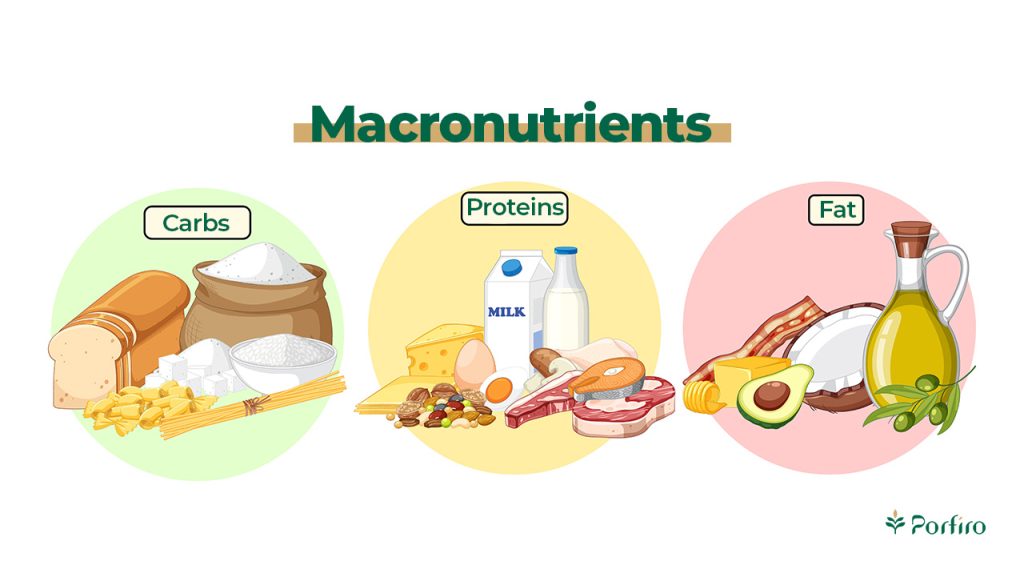
Macronutrients are the nutrients that individuals require in fairly substantial quantities, and they provide energy:
1. Carbohydrates in nutritional science
Carbohydrates consist of sugars, starches, and fiber.
2. Sugars
Sugars are the simple carbs. The body readily absorbs the sugars and the refined starches, and it provides instant energy but not fullness. They also raise the levels of blood sugar, which raises the risk of type 2 diabetes and its consequences.
3. Fiber
Fiber is a carbohydrate. Part of the fibers is digested and used as energy by the body, and some of them are fermented by gut bacteria. There are some fibers that are not broken down by the gut and pass directly through it. Unprocessed starches and fiber are both complex carbohydrates, and these are digested and absorbed more slowly by the body. Eat fiber and you will be satisfied for a longer duration. It may even lower the risk of colon cancer, heart diseases, and colon cancer. Complex carbohydrates are better than sugars and refined carbs.
4. Proteins
Proteins are made up of amino acids, which are organic food substances found naturally in foods. There are 20 amino acids, some of which the body needs to obtain them from foods since the body cannot manufacture them and the remaining ones it can produce.
Some of the food items are sources of complete proteins, and they contain all the amino acids that the body requires. Others have different combinations of amino acids. Plant foods are not a source of complete proteins, and therefore those who take vegetarian diets must consume a wide variety of foods throughout the day so that they can obtain all the essential amino acids.
5. Fats
Scientific studies on nutrition indicate that fat plays a very crucial role in:
- Oilifying joints
- Helping organs to secrete hormones
- Assimilating some vitamins
- Suppressing inflammation
- Maintaining the brain
Eating too much fat can lead to obesity, high blood cholesterol, liver disease, and other diseases. Still, all fats are not equal. Unsaturation, for example, is a major difference between olive oil and saturated fats, which tend to have their origin in animals.
6. Water
Nutrition studies have indicated that the adult human body consists of about 60% water, which is utilized for various functions in the body. Water by itself contains no calories and no energy content. Different sources have recommended that one needs to consume some 2 liters (or 8 cups) of water daily, but the same may be obtained from fruits and vegetables. Proper hydration is if the urine is pale in color. The body’s water need depends upon body size and age, climate, activity, and health.
Micronutrients in Nutritional Science
Micronutrients are essential in small amounts and include vitamins and minerals. Manufacturers sometimes add these substances to foods; for example, fortified cereals and rice.
What are essential minerals for the body?
To function well and maintain the health of the system, the body requires other nutrients, carbon, hydrogen, oxygen, nitrogen, and also minerals such as iron, potassium, etc. In general, a varied and balanced diet should provide any needed minerals; if there is a deficiency in a specific mineral, a doctor may recommend adding a mineral supplement. Below are some of the most important minerals needed for function and health of the organ systems of the body, per nutrition science:
- Potassium: Similar to sodium, potassium is an electrolyte that helps the kidneys, heart, muscles, and nerves to function. The 2015-2020 dietary guidelines state that Americans should consume 4,700 mg of potassium from reliable sources. It is possible for potassium to have associated problems with health, such as high blood pressure, stroke, and still possible to develop stones in the kidneys; accidental excessive potassium among patients with kidney diseases and disorders may not always be tolerated. There are reliable food sources of potassium in fruits such as avocado, coconut water, bananas (1 mg per banana), in dried fruits, in pumpkin, in beans and lentils.
- Sodium: Sodium is an electrolyte that we must have to function normally. Sodium helps to maintain fluid volume and keeps our nerve and muscle function working. A sodium deficiency can lead to hyponatremia, which can have symptoms such as fatigue, confusion, and weakness. Too much sodium can increase blood pressure, and blood pressure is a risk factor for cardiovascular disease and stroke. The two are related since table salt is both seasoning and a combination of sodium and chloride and since most foods frequently provide all the sodium required naturally, sodium levels in meals are often too high. Nutrition experts would not add sodium to a meal. Sodium recommendations for people is general less than 2,300 mg (about a teaspoon) total sodium intake for a whole day. This total sodium intake is both natural and added sodium. In fact, if you already have high blood pressure or kidney disease, you should have even less sodium.
- Calcium: Calcium is an important mineral that is required for developing bones and teeth. It is important for the nervous system and heart health and several other functions. A calcium deficiency will weaken bones and teeth over time. Symptoms of calcium deficiency, especially severe deficiency, may include tingling or numbness in fingers and an irregular heart rhythm – both of which can be concerning. Too much calcium can cause constipation, form kidney stones, and reduce the body’s ability to absorb other minerals. The current nutritional guidelines suggest that adults consume about 1,000 mg of calcium per day and women over the age of 51 should consume around 1,200 mg. Calcium is found in dairy products, tofu, legumes, and green leafy vegetables.
- Phosphorus: Phosphorus is found in each cell of the body and has a vital role in keeping bones and teeth healthy. That said, a deficiency of phosphorus can result in bone diseases; it also can affect an individual’s appetite, muscle strength, and coordination. In extreme cases, there may also be an increased risk of anemia, increased chance of infections, burnt skin sensations, and confusion. While phosphorus consumption from food is ultimately not detrimental to health (although toxicity by supplements, medications, or metabolic disorders of phosphorus can cause harm), adults should be aiming for about 700 milligrams of phosphorus from food each day. Some food sources of phosphorus include dairy products, salmon, lentils, and cashew nuts.
- Magnesium: The muscle and nerves and the blood pressure and sugar level exist for display purposes. This essential micronutrient is important for the synthesis of protein, bone, and DNA. Magnesium deficiency, in view of nutrition research, can set off symptoms such as weakness, nausea, fatigue, restless legs, and poor sleep, among other things. Too much magnesium can cause digestive problems or even heart problems. Nuts, spinach, and beans are excellent dietary sources of magnesium. About 320 milligrams of magnesium per day are required for an adult woman, and about 420 milligrams for an adult man.
- Zinc: Zinc is necessary for normal cellular function, a healthy immune system, healing, and protein synthesis, so deficiency leads to hair loss, skin problems, and diarrhea, none of which are common. Too much zinc may lead to gastrointestinal upset and headaches. Adult males require 11 milligrams of zinc per day, while adult females require 8 milligrams. Zinc should not be too difficult to find because good dietary sources include oysters, beef, fortified breakfast cereal, or cooked beans.
- Iron: The blood uses iron to form new red blood cells to transport oxygen to all parts of the body; iron also contributes to connective tissue formation in the body and the production of hormones. Symptoms of iron deficiency anemia include anemia and other digestive concerns such, weakness, and mental fog. Too much iron may result in digestive upset, and excessive amounts may be fatal. Adult males should get 8 mg Iron/day and adult females of childbearing age should consume 18 mg of iron a day (fortified cereal, beef liver, lentils, spinach, tofu).
- Manganese: Manganese is crucial to the body for its energy producing process, the clotting of blood, and support for the immune system. Deficiency will cause in children a softening of the bones; in male it will cause rash, and in female the deficiency will cause mood disorders. In adults, toxicity will cause tremor or spasms of muscles and other negative impacts. The following will provide food sources of manganese: oysters; hazelnuts; brown rice; chickpeas; and spinach. In terms of manganese requirements, adult males require 2.3 milligrams/day and in adult female about 1.8 milligrams/day.
- Copper: Copper is needed in the form of energy and is also needed to allow the body to build connective tissue and blood vessels. Copper deficiency occurs very rarely, but will create fatigue, pale skin color, increased cholesterol levels, and impact connective tissue integrity. An adult who has excess copper from foods creates overload of the liver, and it can be chronic. Symptoms of eating excess copper will cause abdominal cramps, nausea, and diarrhea. Excess copper will also influence the body’s absorption of zinc. Some best food sources of copper are beef liver, oysters, potatoes, mushrooms, sesame seeds, and sunflower seeds. The body will require approximately 900 micrograms (0.9 milligrams) of copper per day in adult.
- Selenium: Selenium is present in more than 24 selenoproteins, and has implications for reproductive and thyroid health. Selenium is an antioxidant that protects the cell from destruction. Excess selenium may lead to diarrhea, irritation, rash, brittle hair or nails and more. Deficiency has been linked with heart disease, male infertility, arthritis. Adults require about 55 mcg (micrograms) per day. Selenoproteins are found in food rich in selenium such as spinach, oatmeal, cooked kidney beans, tuna, ham, and fortified pasta.
- Vitamins: Humans, in general, require a small amount of several vitamins in nutrition. Some vitamins have antioxidant properties whereas others do not. The vitamins serve as antioxidant components to protect the cells of the body from damage from dangerous particles (free radicals). The vitamins can be sorted into one of two categories:
- Water soluble: There are eight types of B vitamins and vitamin receives (vitamin C).
- Fat soluble: This group contains vitamins A, D, E, and K.
This discusses current dietary information and recommended daily intake for adults, encouraging intake to achieve balance for health and prevention of deficiency or toxicity.
Water-soluble vitamins
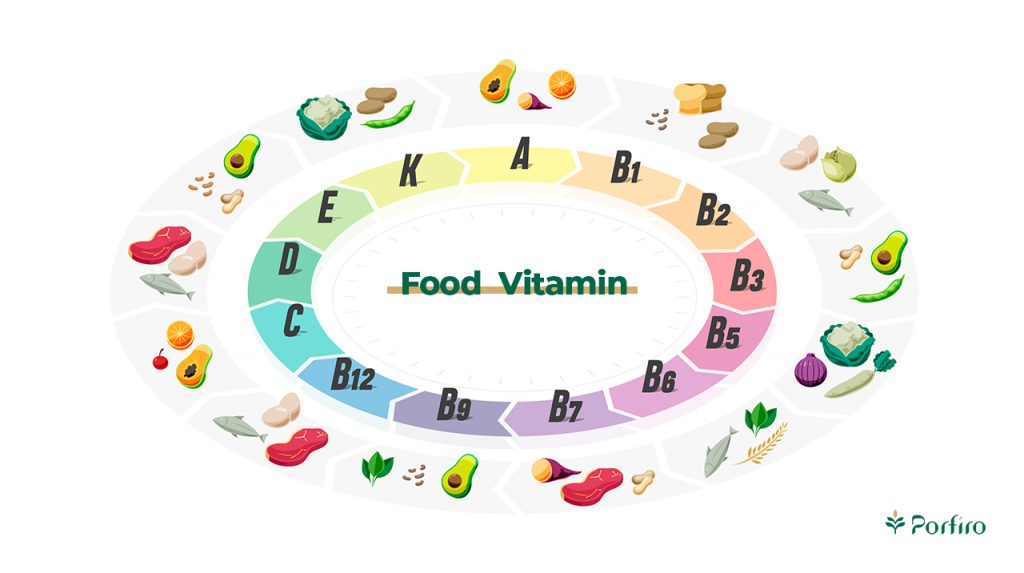
Everyone needs regular intake of water-soluble vitamins because the body excretes them more quickly and cannot store them easily.
| Food Sources | Effects of Excess Intake | Effects of Deficiency | Vitamin Type |
| Fortified cereals and rice, trout, black beans | Unknown; excess is excreted through urine | Beriberi; Wernicke-Korsakoff syndrome (short-term memory loss) | B-1 (Thiamine) |
| Beef liver, breakfast cereals, oats, yogurt, mushrooms, almonds | Unknown; excess is excreted through urine | Hormonal problems, skin disorders, swelling in mouth and throat | B-2 (Riboflavin) |
| Beef liver, chicken breast, brown rice, fortified cereals, peanuts | Flushing of face, burning, itching, headache, rash, dizziness | Pellagra: skin changes, red tongue, digestive and neurological symptoms | B-3 (Niacin) |
| Breakfast cereals, beef liver, shiitake mushrooms, sunflower seeds | Digestive issues at high doses | Numbness and burning in hands and feet, fatigue, stomach pain | B-5 (Pantothenic acid) |
| Chickpeas, beef liver, tuna, chicken breast, fortified cereals, potatoes | Nerve damage, loss of muscle control | Anemia, itchy rash, skin changes, swollen tongue | B-6 (Pyridoxamine, Pyridoxal) |
| Beef liver, eggs, salmon, sunflower seeds, sweet potatoes | Unknown | Hair loss, rashes around eyes and other body openings, conjunctivitis | B-7 (Biotin) |
| Beef liver, spinach, black-eyed peas, fortified cereals, asparagus | May increase cancer risk | Weakness, fatigue, difficulty concentrating, palpitations, shortness of breath | B-9 (Folic acid, Folate) |
| Oysters, beef liver, fortified yeasts, plant milks, breakfast cereals, some oily fish | No reported side effects | Anemia, fatigue, constipation, weight loss, neurological changes | B-12 (Cobalamin) |
| Citrus fruits, berries, red and green peppers, kiwi, broccoli, baked potatoes, fortified juices | Nausea, diarrhea, stomach cramps | Scurvy: fatigue, skin rash, gum inflammation, poor wound healing | Vitamin C (Ascorbic acid) |
Fat-soluble vitamins
The body absorbs fat-soluble vitamins through the intestines with the help of fats (lipids). It can also store them, but it does not excrete them quickly. People who follow a low-fat diet may not be able to absorb enough of these vitamins.
| Vitamin Type | Deficiency Effects | Effects of Excess Intake | Food Sources |
| Vitamin A (Retinoids) | Night blindness | Increased intracranial pressure, nausea, dizziness, skin irritation, joint and bone pain, orange skin discoloration | Sweet potatoes, beef liver, spinach and other dark leafy greens, carrots, winter squash |
| Vitamin D | Poor bone formation and osteoporosis | Loss of appetite, weight loss, irregular heartbeat, cardiovascular and kidney damage | Sun exposure plus foods like cod liver oil, oily fish, dairy products, fortified juices |
| Vitamin E | Peripheral neuropathy, retinopathy, weakened immune response | May reduce blood clotting ability | Wheat germ, nuts, seeds, sunflower and safflower oils, spinach |
| Vitamin K | Bleeding | No known side effects, but may interact with blood-thinning and other medications | Leafy green vegetables, soybeans, edamame (young soybeans), okra, natto (fermented soy food) |
Multivitamins can be purchased at stores, pharmacies, or online, but people should talk to their doctor before taking supplements to see if they need them.
Antioxidants in nutritional science
Some nutrients also function as antioxidants. Antioxidants include vitamins, minerals, proteins, and other molecules. These compounds assist in detoxifying the body of toxic substances called free radicals (or reactive oxygen species). If too many of these substances remain in the body, they can cause damage to cells and disease.
Types of Diets in nutritional science
Here are some of the different diets:
Vegetarian Diet
- Mediterranean Diet (Everything About the Mediterranean Diet: From Zero to One Hundred).
- DASH Diet
- Vegan Diet (What is Veganism and What Do Vegans Eat?)
- Raw Food Diet
- Paleo Diet
- Gluten-Free Diet
- Keto Diet (Ketogenic Diet: A Step-by-Step Guide to Getting Started)
Why is nutrition science so difficult?
Is it healthy to consume dairy foods? Is dietary cholesterol bad? Is red meat bad or is it a health tonic? Does the ketogenic diet support human health or does it actually pose a health hazard? Can vegetarian, vegan, and raw diets provide a roadmap to a life free from disease?
The infancy of development and will likely provide much greater insight into these issues to improve health particularly in the United States than previously thought. In the meantime, the public is understandably concerned, confused and even angry with the state of health care related to dietary interventions.
Nutrition science then becomes vitally important; not only about food and health, but also about the research conducted in this field, and how that survey results can assist people to define diet at a personal, healthy level of food and health. Beyond providing a path to a better diet, research has allowed us to observe the public interest in nutrition. With rapid advancements in food nutrition in the field of genetic engineering, food-processing engineering, computer science, information technology, and personalized health, personalization is just within reach of higher quality dietary interventions.
A changing world
Although the waters are turbid and difficult to swim in, incredible achievements have been achieved through nutrition research. For example, scientists in the field have determined that vitamin C prevents scurvy, beriberi is caused by a lack of thiamine, and rickets is caused by a lack of vitamin D. This is especially true when observing diseases influenced by multiple causes, such as obesity, osteoporosis, diabetes, or heart disease.
Nutrition disorders have changed over time. Whereas previously the most common health risk was the absence of required nutrients and factors, today in the West the primary concern is excessive eating. Scientific studies in nutrition revealed useful evidence upon which we make our numerous diet recommendations today.
According to study findings, proper nutrition is one of the most affordable ways to avoid a multitude of diseases and is the key to understanding fully the root causes of non-communicable diseases such as obesity, cardiovascular diseases, diabetes, and cancers. And yet, nutritional science remains in its early stages despite such significant advances.
In order to remain up-to-date and progress with how humans live, it must address global public health challenges of the world according to the Sustainable Development Goals of the United Nations and the post-COVID-19 world. Current nutrition science already possesses solutions to prevent most diseases of the modern world and enhance human and global economic health.
This science requires revolutionary action and thought to continue making progress and advancing research. Increased interdisciplinary and cross-sectoral collaboration will be critical to enable the research foundation to be best positioned to tackle the most important challenges facing global nutrition science. It is time to reflect on past efforts and consider how nutritional science must evolve.
Now we understand that not only nutritionists but even policymakers and business players all know the need to have intelligent innovations in nutrition. That is, nutritional science is an essential discipline to possess so that we can design a world where every individual has access to safe and healthy food—a world where each individual can make diverse food options supported by education and sustainability. Finally, we must realize that knowledge of the function of food in disease and health, though complicated and challenging, is absolutely required and well worth focused efforts.
Final words
Nutrition science deals with the characteristics of food and the effects of food on humans. Humans need various foods in their diet to supply the nutrients they need to carry out various functions. Many people are conscious of how much they consume, but some people are conscious of what they consume based on a specific diet that may limit or possibly restrict certain food items while varying quantities.
If a person limits their diets, they may need help from a medical doctor, medical doctor-monitored testing, and/or medical doctor-supervised meal planning to obtain certain vitamins or supplements that permit them to maintain a good state of being. A healthy diet generally includes a greater variety of plant foods, less animal fat, and less processed foods, added sugars, and sodium, all of which can improve diet quality.
10211