


The effect of nutrition on the immune system
General Information- 1What is the immune system?
- Innate immunity
- Adaptive immunity
- Conditions That Trigger an Immune Response
- 2Interesting facts about the immune system
- River of Blood and Lymph
- Your Body's White Knights
- Good Signs of Fever and Inflammation
- Sleep or Get Sick
- Immune System Booster Laughter
- Microbes Keeping You Healthy
- Allergies
- Autoimmune Disorders
- 314 factors that weaken the immune system
- 4Diet to boost the immune system
- Citrus Fruits
- Red Bell Pepper
- Broccoli
- Almonds
- Garlic
- Ginger
- Spinach
- Yogurt
- Turmeric
- Green and Black Tea
- Poultry Meat
- Sunflower seeds
- Papaya
- Kiwi
- Shellfish
- 5Strengthening children's immune systems
- 6Strengthening the immune system during pregnancy
Immune system boosting foods and supplements are often sought after during illness or flu season. People tend to turn to certain foods and vitamins known to stimulate the immune system and help the body fight infections more effectively.
But our immune system is complex in its structure and is established by the optimal balance of many variables, and not by diet whatsoever, and certainly not by one food or vitamin. A healthy diet with a wide range of vitamins and minerals, along with proper lifestyle habits like proper sleep and exercise and minimal stress, however, best prepare the body to fight infection and disease.
So, if you would like to learn more regarding this topic or you are among those individuals who wish to strengthen the immune system and fight or improve the issues which we mostly face during cold seasons, continue reading the rest of this article with Porfiro to learn more regarding this topic.
Of course, one has to mention that the products being discussed in this article, just like in all of Porfiro’s articles, are for awareness issues only and for increasing the general knowledge of the audience and are explained from original scientific sources, yet diagnosis, intervention, or treatment is only and strictly within the expertise of a specialist physician or healthcare professional, and Porfiro never crosses this line. But this material is an extremely suitable manual for the general population who have no specific health condition and want to take care of, preserve and improve their health.
What is the immune system?
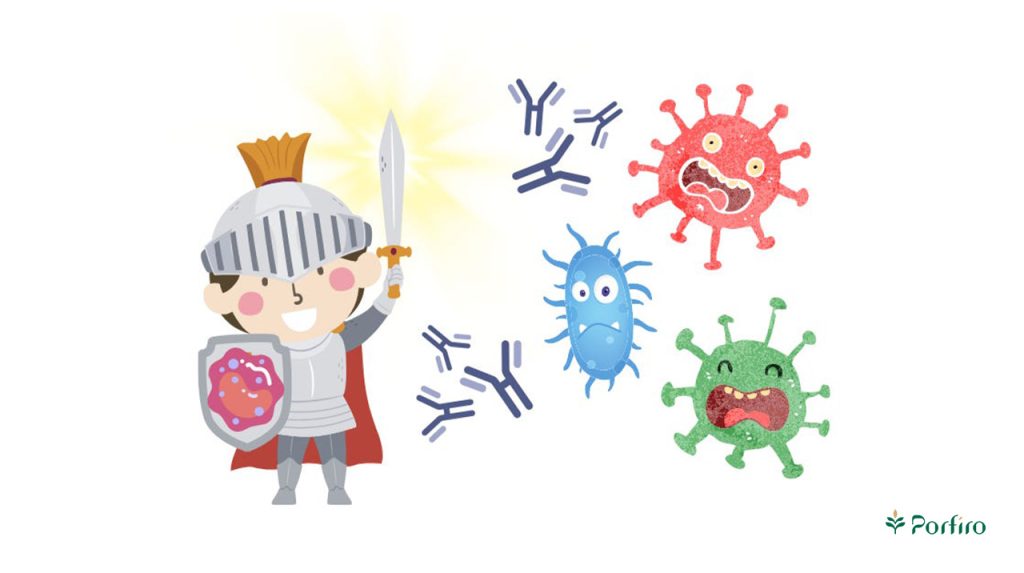
From dawn to dusk, we are constantly surrounded by various microbes that could potentially harm us. The immune system is an intricate combination of processes and pathways in our bodies that keeps us safe from pathogenic microbes and certain diseases. The immune system detects foreign invaders such as bacteria, viruses, and parasites and acts rapidly to fend them off. Or in more technical terms, we may say: Immunity in humans is of two types: innate and acquired, through adaptation within the body.
Innate immunity
The first line of defense against pathogens that try to enter our bodies is achieved through protective barriers. These barriers include:
- The skin: which keeps most pathogens out and is the longest organ in the body.
- Mucus: which traps pathogens.
- Stomach acid: which kills pathogens.
- Enzymes in sweat and tears: which help create antibacterial compounds.
- Immune system cells: which attack any foreign cells that enter the body.
Adaptive immunity
Adaptive immunity is the process that gains the capacity to identify a pathogen (a disease-causing agent). It is regulated by cells and organs of our body such as the spleen, thymus, bone marrow, and lymph nodes. When a foreign substance enters the body, such organs and cells create antibodies and induce the production of immune cells (such white blood cells as) that specialize to fight against that harmful agent and target specifically and kill solely that pathogen. Our immune system then adapts by remembering the foreign object so that when that pathogen enters the body again, these cells and antibodies will be even faster and more efficient at destroying it.
Conditions That Trigger an Immune Response
Antigens are substances that have been identified as foreign and deleterious, stimulating immune activity. Allergens, which include grass pollen, dust, food particles, and pet dander, are types of antigens. Antigens can trigger an exaggerated response, with massive numbers of white blood cells being released. Individuals vary considerably in their sensitivity to different antigens. For example, in one person, exposure to a particular mold may stir wheezing and coughing in a very sensitive patient, while the same allergen may not induce any reaction in another.
Inflammation is an important organ system response that occurs naturally in the innate immune system. Mast cells are immune cells that counterattack by releasing proteins called histamines; this process is one of the wins against inflammation whenever pathogenic organisms attack healthy cells and tissues. Inflammation can cause pain, swelling, and fluid secretion to wash out the pathogens in question, while histamines may also signal the release of more white blood cells to get rid of the pathogens.
In addition, inflammation acts in reverse; if prolonged, it may lead to tissue destruction and subsequently cause havoc in the immune system. Autoimmune disorders such as lupus, rheumatoid arthritis, or type 1 diabetes are multi-factorially inherited and result in hypersensitivity where immune cells attack healthy cells. Immunodeficiency disorders impair or completely inhibit the working of the immune system so that they are either inherited or acquired. Acquired forms are more common, for instance, AIDS and some cancers, such as leukemia or multiple myeloma. In this state, the body defense works at such a low level that a person becomes highly susceptible to rampant diseases or disease-causing antigens.
Interesting facts about the immune system
Your immune system is the army that protects your body: sworn to defend against any internal or external forces that threaten your existence. Here are a few interesting facts about this system and how it functions:
River of Blood and Lymph
The immune system is an extraordinarily complex fighting machine fed by five liters of blood and lymph. Lymph is a clear fluid that is colorless and runs through all of the tissues of the body. The two liquids together carry all the components of the immune system throughout the body for them to perform their function.
Your Body’s White Knights
White bloods like white knights who slay dragons come into action when trouble strikes. There are two types of white blood cells: phagocytes and lymphocytes. Phagocytes are able to travel through blood vessels and tissues to engulf or digest. Phagocytes harm disease-causing organisms (or pathogens) and produce toxins. Toxins are natural poisons released by certain organisms for their protection. Sometimes when a phagocyte engulfs a pathogen, it releases a chemical that helps the lymphocytes recognize the pathogen. Every pathogen has a specific antigen on it, and our lymphocytes have antibodies that respond to those antigens. There are three main types of lymphocytes in the body: B cells, T cells, and natural killer cells.
- B cells make antibodies that attack anything that is seen as foreign-including bacteria, viruses, and toxins-that enter the body.
- T cells kill any cell in the body that has been transformed by a virus or gone cancerous.
- Natural killer cells destroy infected or cancerous cells like T cells. Instead of antibodies, natural killer cells secrete a unique enzyme or chemical capable of killing the aforementioned cells.
These noble soldiers survive only a few weeks but at least there are plenty of them-a single drop of blood can have 25,000 white blood cells.
Good Signs of Fever and Inflammation
Although it is not pleasant having a fever and inflammation, it shows that your body is doing its work. A fever releases white blood cells and increases metabolism while also preventing certain organisms from multiplying. Inflammation occurs when damaged cells release histamines, causing the expansion of the cell walls, leading to redness, heat, pain, and swelling associated with inflammation, thus limiting damage or effect from the offending agents.
Sleep or Get Sick
You have probably been running around and are sadly sick all over again; It’s your immune system doing it for you because it mostly doesn’t account for more than five hours of sleep each night, depressing your immune system almost as well as you are-supplyingly more vulnerable than others for colds, flu, and bacteria.
Immune System Booster Laughter
They say that laughter is the best medicine; indeed, it is true for much of the suffering of human existence. Indeed, laughter causes the release of dopamine and other feel-good chemicals by the brain, all acts that help relieve stress. Twenty minutes of laughter daily will not guarantee you won’t need a doctor’s visit tomorrow.
Microbes Keeping You Healthy
Your insides are fuller than that, and much of it helps in digestion. Anything from bacteria to other things have increased in your intestines. However, almost every microbe of the outside environment is regarded as harmful. The most part probably is true; you do need them to stay well. It is that adaptability of your immune system that has persuaded humans to live so many years in this world of nature without any contact with many microbes.
An invading body on your body is met with destruction, and memory is formed. Recall it for future reference-your body knows how to deal with it if it returns. It works well with the likes of measles: just one case of infection is usually sufficient to pave a clear path to lifelong protection.
Allergies
them. It is these tiny particles that trigger the release of histamine, which then gives rise to several troubling symptoms of allergy. Not everybody suffers from allergies. They occur when your body mistakes something harmless such as pollen or a type of food for something harmful. Your body mounts an immune response against it, and you have allergy symptoms (everything you need to know about allergies).
Autoimmune Disorders
Sometimes, the immune system works against your very own body tissues for its own good; this is called autoimmunity. In most people, the immune system learns to recognize their own tissues before birth. The body does this by silencing the cells that attack them. Autoimmune disorders involve destruction by the individual of normally protective tissues. Other examples of diseases or disorders falling under this group constitute:
- Multiple sclerosis
- Lupus
- Rheumatoid Arthritis
- Psoriasis
The majority of these diseases are treated by suppressing the immune response with medicines.
14 factors that weaken the immune system
Aging: is one of the core processes of slower efficiency in our internal organs. The organs related to immune function such as the thymus or bone marrow produce a decreased number of immune cells; these immune cells are needed to fight infections. Thus, the deficiency may weaken the body’s ability to fight pathogens. Aging is sometimes accompanied by micronutrient deficiencies that can worsen immune function.
Environmental toxins: such as smoke and other particles in air pollution, and alcohol; These can inhibit or disrupt the usual activity of immune cells.
Obese Being overweight: Obesity comes with chronic low-grade inflammation. Adipose tissue secretes adipocytokines that can potentiate the inflammatory stimulus. Research on these substances is still in its infancy; there was, however, a correlation found between obesity and its risk of flu virus as independent factors, possibly due to T-cell impairment function (type of a white blood cell).
Poor diet: Malnutrition or a single nutrient-poor diet may impair the generation as well as operation of immune cells and antibodies. High-fat diet: Fats can impair white blood cells to combat germs. And a high-fat diet will disturb the balance of bacteria in your gut over time that can help with the immune response.
Chronic conditions: Autoimmune diseases and immunodeficiencies attack immune cells and can disable them.
Chronic psychological stress and anxiety: Stress releases hormones such as cortisol, which suppress inflammation (necessary for the initial activation of immune cells) and white blood cell function. Stress and anxiety can actually mount an immune response within 30 minutes of being experienced; this chronic state of stress functions much worse, hindering the body’s ability to fight off viruses, including influenza, cold sore, shingles, and others.
If you feel unable to control worrying thoughts in your health and daily life, speak with your physician. Having healthy ways of coping with stress is important because it helps keep stress at bay and health-related issues down the line. Here are some good stress-busting suggestions:
- Meditate
- Yoga (yoga and all about it)
- Acupuncture
- Talk therapy
- Art therapy
- Get physical
- Proper nutrition
Lack of Sleep and Rest: Sleep is the body’s recovery time during which a type of cytokine is released that fights infection. Sleep (sleep health and diet) greatly reduces the levels of these cytokines and other immune cells. Therefore, not getting enough sleep can increase the likelihood of contracting viruses or germs and may also require more time for recovery; because under conditions of sleep deprivation, your body cannot produce cells and anti-infection proteins called antibodies that protect the body by defending against disease.
Vitamin D deficiency: Most of us are aware that the body requires vitamin D for strong bones (bone density) and vigorous blood cells. Yet another reason why vitamin D is essential is that it helps to boost your immune. Foods such as eggs, fatty fish, and fortified foods such as milk and cereals, can provide a source of vitamin D. Sun is another way of getting vitamin D, which in summer, typically 5-15 minutes of exposed hands, face and arms 2-3 times a week is sufficient. You may require slightly more in the winter.
Some Medications: Medications used for allergies, arthritis, lupus, IBS, and organ transplants. These medications are corticosteroids, as well as TNF (tumor necrosis factor) inhibitors for inflammation, and some chemotherapy for cancer. Your doctor can modify those medications in relation to the needs of your body.
Low intake of fruits and vegetables: These foods may help increase white blood cells needed to attack infections. Fresh fruits, nuts, seeds, and vegetables provide our body, among other nutrients, with a lot of zinc, beta-carotene, Vitamins A, C, E, and more important the nutrients to maintain a healthy body. Plant-based foods also give our body fiber (why is fiber good for you?) which helps to gain lean muscle mass, reduce body fat % and boost your immune response.
Smoking: Nicotine from cigarettes, chewing tobacco or any other reason can hinder your body’s ability to combat microbes.
Grieving and Sadness: There is research showing that grieving, especially prolonged grieving, can reduce your immune system. The lower immune system response may persist for at least 6 months in your body, yet if you are grieving deeply or not resolved, this time may continue indefinitely. In those situations, please discuss your feelings with your doctor or health care professional as needed.
Inactivity: Routine aerobic exercise seems to assist your body in combatting diseases instigated by viruses and bacteria. One reason for this could be that exercise and physical activity get blood moving through your body more efficiently making it possible for antimicrobial substances to reach those areas where they are needed most.
Diet to boost the immune system
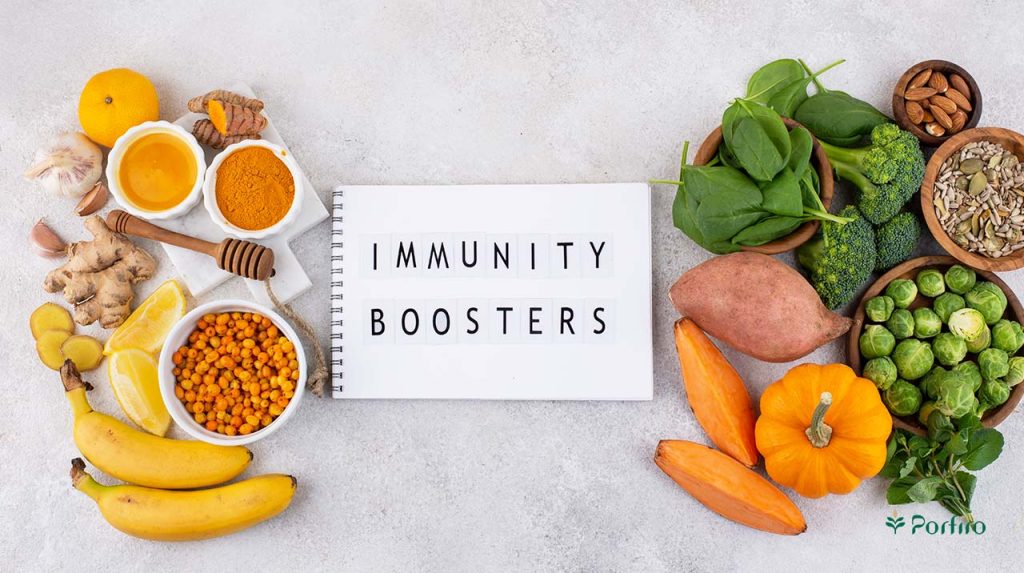
The intake of sufficient nutrients as part of a balanced diet is essential to the health and functioning of all cells, including immune cells. Certain dietary habits might prepare the body for microbial infections and long-term inflammation, but it is doubtful that any one food per se provides specific protection to the body. Each step of the immune response is dependent on many micronutrients. Examples of nutrients known to be crucial for immune cell development and function include:
- Vitamin C
- Vitamin D
- Zinc
- Selenium
- Iron
- Protein (including glutamine, an amino acid)
These nutrients are found in a variety of plant and animal foods. Diets with limited diversity and lower nutrients, including those with high levels of ultra-processed foods, can have negative effects on a healthy immune system. The Western diet with high levels of sugar and processed red meat but low levels of fruits and vegetables is also believed to damage healthy gut microbes, leading to chronic intestinal inflammation and associated immune suppression. Certain foods usually beneficial for boosting the immune system are listed below:
Citrus Fruits
Most people turn to vitamin C the moment they develop a cold since it helps improve your immune system. Vitamin C allegedly triggers white blood cell development, which then fights infection. Most citrus fruits are rich in vitamin C. With so many options, having some of this vitamin in each meal is only natural. Some popular citrus fruits include:
- Grapefruit
- Orange
- Clementine
- Tangerines
- Sweet lemon
- Sour lemons
Since the body does not store or produce vitamin C, you need to take it daily to stay healthy. Suggested daily intake for most adults is:
- 75 mg for women
- 90 mg for men
If you are on supplements, do not exceed recommended since 2000 mg a day.
Red Bell Pepper
Red bell peppers have nearly three times as much vitamin C (127 mg) as a Florida orange (45 mg). Red bell peppers are also rich in beta-carotene. Aside from supporting the immune system, vitamin C could support healthy skin. Beta-carotene, which your body will convert to vitamin A, promotes your eye and skin health.
Broccoli
Broccoli is full of vitamins and minerals. It is rich in vitamins A, C, and E, fiber, and many other antioxidants (the role of antioxidants in nutrition), and it is one of the healthiest vegetables you can put on your plate. The key to preserving its power is to heat it as little as possible—or better still, not at all. Studies show steaming or microwave cooking as the best way to preserve most of its nutrients.
Almonds
When it comes to prevention and overcoming colds, vitamin E (benefits of vitamin E, drawbacks of vitamin E, and how almonds help reach the daily requirement) might even surpass vitamin C. Having said that, the powerful antioxidant has a lot of roles to play in a sound immune system. It is fat soluble, i.e., it requires fat to be digested. Nuts, especially almonds, contain a lot of this vitamin and also possess healthy fats. Only 15 mg of vitamin E is needed by adults each day. A half cup of almonds, or about 46 whole peeled almonds, provides roughly 100% of the daily value.
Garlic
Garlic increases the flavor of food and has been used for centuries as a medicine. It was valued in early cultures because it was found to fight off infections. Garlic also slows the hardening of arteries, and people use it to assist with lowering blood pressure (high blood pressure and good diet). The immune effects of garlic seem to be due to its high level of sulfur-containing compounds such as allicin.
Ginger
Another medicine that a lot of people have relied on after they have fallen ill. Ginger may reduce inflammation, which is helpful in easing sore throats and inflammatory diseases. Ginger can relieve nausea too. While ginger is included in a lot of sweet food, it provides the body with a bit of heat through gingerol. Ginger also can alleviate chronic pain and may reduce cholesterol levels (high cholesterol and proper nutrition).
Spinach
Not only because it is full of vitamin C, but also it is rich in antioxidants and beta-carotene, which help our immune system fight off infections very effectively. Like broccoli, spinach is best when cooked the shortest time necessary to maximize vitamins. While brief cooking does improve the bioavailability of vitamin A, it does release other nutrients from the antinutrient oxalic acid.
Yogurt
It can also be an excellent source of vitamin D, therefore try to find brands that offered the vitamin D as an additive. As noted above, vitamin D is important, as it regulates the immune system and is said to boost the body’s natural defense system against disease. When buying yogurt, buy yogurts with “live and active cultures”, including Greek yogurt. These cultures could actually help to enhance your immune system against disease. Try to stay away from flavored yogurts with a lot of sugar, and instead, find plain yogurt. You can sweeten plain yogurt with healthy fruits or honey.
Turmeric
Turmeric: You probably know turmeric as the main ingredient whose majestic color charms any curry or stew. Bitter and bright yellow-orange in color, turmeric has been used for countless years as an anti-inflammatory agent in the treatment of arthritis and rheumatoid arthritis (what you need to know about joint pain and the importance of pistachios). Studies suggest that the high concentration of curcumin (the one coloring turmeric) might reduce exercise-related muscular devastation. Curcumin, having immune-boosting (as observed in animal studies) and antimicrobial properties, has found itself in many holistic remedies.
Green and Black Tea
Both are rich in flavonoids, a sub-class of antioxidants. In this respect, green tea does particularly well, being rich in epigallocatechin gallate (EGCG), one of the strongest antioxidants. Publications have suggested that EGCG may confer some antiviral protection on the immune response. Fermentation in black tea destroys much of the EGCG, while green tea leaves are steamed to prevent such breakdown of antioxidants (The history of tea and its importance in the culture of the Silk Road and the Middle East).
Poultry Meat
: A lot of people feel like chicken soup makes them better-from the time they are ill, and some of them say that it’s just a placebo effect. The soup may act to reduce any inflammation that could otherwise be making cold symptoms worse. Poultry sources like chicken and turkey are rich in vitamin B6. Some 3 oz of light turkey or chicken meat gives you about one-third of your daily recommended intake of B6.
Vitamin B6 has many roles in the body, while it is also important in forming new, healthy red blood cells. Old-time broth and stews, made by boiling chicken bones down for a long time, are rich in gelatin, chondroitin sulfate, and other nutrients beneficial to gut health and immunity.
Sunflower seeds
are high in minerals like phosphorus, magnesium (the importance of magnesium for the body and the role of almonds), and vitamins B6 and E, all of which aid immune function. Other foods high in vitamin E include avocado and dark leafy greens. Sunflower seeds are also an excellent source of selenium. One ounce has about half of an adult’s daily requirement from a reliable source. Various studies, mainly animal studies, have been done on its potential, in treating viral infections such as swine flu (H1N1).
Papaya
A small papaya has 100% of your recommended vitamin C thanks to a digest enzyme called papain that has anti-inflammatory effects. Papaya also contains decent amounts of potassium, magnesium, and folate that can help strengthen your entire health.
Kiwi
: has a high level of nutrients like potassium, vitamin K, folate, and vitamin C. While vitamin C improves the effectiveness of your white blood cells to fight infections, the other nutrients in kiwi have the overall health of the rest of your body in mind.
Shellfish
is not the first thing that comes to anyone’s mind for immune support. The fact is that some shellfish is very high in zinc, which helps with immune support. Shellfish you want to focus on that have zinc:
- Clams
- Crabs
- Lobster
- Mussels
And, just like before, do not go overboard in zinc consumption. The tolerable upper intake limits for zinc are:11 mg for adult men8 mg for most adult women. Yes, too much zinc will also inhibit your immune cells!
Strengthening children’s immune systems

Parents often ask themselves: What can we do to keep our children healthy? Are there ways to strengthen their immune system and prevent illnesses? The answer is yes—but there is no magic wand or miracle supplement. The best approach to maintaining a strong immune system essentially involves taking the necessary steps to stay healthy. No matter how repetitive it may sound, this tried-and-true method is the right one. Below are some points that can help boost children’s immune systems. While some are similar to those for adults, generally following these guidelines can help your child maintain a healthy immune system and, as a result, a healthy body:
- Feed Them an Appropriate Diet: A healthy diet for me would mean a diet loaded with fruits and vegetables (recommendation is five servings a day and half should constitute every plate), whole grains, and lean protein. A healthy diet also incorporates dairy or other calcium sources, healthy fats like vegetable oils, and is free of processed foods, added sugars, or unhealthy fats such as those saturated in animal products. Having said that, that doesn’t mean that a child can never indulge in cookies or ice-cream, but if you want your child to be healthy, it’s best to limit acquisition of such foods to occasions. Most nutritionists would have healthier cooking methods or some, perhaps even all, of the other tips towards improving your family’s diet, and you can take advantage of those, too. It is worth remembering that many of these supplements promise to strengthen the immune systems of children; however, none can substitute for a healthy diet. With a child who refuses vegetables and has a limited diet, a multivitamin with iron might be a reasonable choice. Check with your doctor about the advisability of giving your child vitamins or supplements.
- Teach the importance of sleep: Every physical body needs sleep to regain energy, and children fall into the category as well. Each specifies its amount of sleep, e.g., 12-16 hours for an infant; 10 for a toddler, etc., with every child varying from the next (some need more). Healthy sleeping hours could further be ensured by screen time restrictions: at least for the teens, off time should be taken an hour or two before bedtime and preferably the device should stay out of the bedroom during the night. Make sure to stick to a routine.
- Keep Them Active: Exercise keeps us healthy and helps us stay sick less often. Kids should engage in one hour of activity every day. Active does not mean playing a sport or working out; it means having a good time with some activity in a playground or daily walks. More is not really better. If your child is a dedicated athlete, spending hours daily exercising, putting him or her to bed early and preventing burnout that affects immunity because of overdo exercise are very important considerations.
- Coping up with Stress: Every person in stress becomes unhealthy and susceptible to illness. For children, ensure time to play, entertains and stays with happy people. Spend some quality time as a family and create instances for children to discuss any worries. Consult your doctor if you have a really worried thought about your child’s emotional well-being or mental health.
- Supervised Vaccinations: Immunizations defend from diseases. Check with your Doctor to ensure that the vaccinations are current for your child.
- Simple Steps Not to Forget: Simple steps can be taken by everyone in the family in order to be healthy. Wash your hands; cove snack into your elbow when you cough or sneeze; avoid sick contact if possible. Masks are an extra help as well, especially in a crowded indoors area.
Strengthening the immune system during pregnancy

Boosting one’s immunity during pregnancy for oneself and the unborn child remains one of the greatest fears among pregnant women. Under normal conditions, the immune system works full-time to protect the body against millions of bacteria, viruses, germs, and parasites; however, they really need to give more attention to what they eat during pregnancy. Here are a few very useful things to boost the immunity of a pregnant woman, strongly advised to consult a doctor before changing any lifestyle during such a sensitive period in pregnancy.
But under normal circumstances, the following are recommended to have a strong immune system during pregnancy, which your doctor will definitely discuss with you:
- Iron Supplements: Iron is one essential mineral during pregnancy. It helps to increase energy levels and resistance against infections and illnesses. According to studies, the average recommendations that a pregnant woman should consume daily are 27 milligrams of iron. Meat in moderate amounts and doctor-recommended portions should include red meat, green leafy vegetables such as spinach and beet greens, and whole grains in a pregnant woman’s diet. For better absorption of iron, it is better to eat vitamin C-rich foods with these sources of iron.
- Zinc Supplementation: Zinc is the mineral that brings cellular activities into action inside the body. This mineral is used in the production, division, and protection of cells. It is also a major contributor to bolstering the immune system. The meat and milk from beef, lamb, or a turkey would ensure that someone has enough zinc.
- Vitamin D Supplements: Dubbed as the “sunshine vitamin” because it helps the immune system in fighting infections, vitamin D could be obtained through sun exposure, two servings of fatty fish such as salmon in a week, and daily eggs- according to what the doctor recommends.
- Probiotics: Indeed, a healthy diet enhances gut health, which in turn has a very good impact on the immune system. Probiotics are the friendly bacteria that are necessary for healthy microbiome functioning. You can get naturally acquired probiotics through home-made yogurt, kefir, and fermented foods. Another option is to take probiotic supplements which can be prescribed by a healthcare provider during the period of pregnancy.
- Adequate Antioxidant, Vitamin, and Mineral Supplements: During pregnancy, fresh fruits and vegetables of at least five servings must be eaten every day to support the body’s immune system. The diet should consist of leafy greens such as spinach, beet greens, and parsley; sulfur-rich foods such as broccoli, cauliflower, onions, and garlic; antioxidant-rich foods such as beets and red cabbage; fruits such as oranges, kiwi, pomegranate, and tangerine, all rich in vitamin C.
- Raw and Dry Nuts: Raw nuts very important because it has a great role in giving support to the immune system because of the richness of manganese, copper, and riboflavin. Pregnant women should target consuming raw almonds (https://porfiro.co/fa/product/), hazelnuts, and walnuts every day.
That is the immune system. This is a complex, efficient network of cells, tissues, and organs that serves as the first line of defense for the body towards germs, such as bacteria, virus, fungi, and parasites. Proper immune function is ensured by the fact that this body can differentiate between self-cells and foreign cells. This is through antibodies and activating defense cells. Then, this immune system can be strengthened by disciplined nutrition, good physical exercise, and enough sleep.
Resources
- https://nutritionsource.hsph.harvard.edu/nutrition-and-immunity/
- https://www.healthline.com/health/food-nutrition/foods-that-boost-the-immune-system#Immune-system-boosters
- https://www.webmd.com/cold-and-flu/ss/slideshow-how-you-suppress-immune-system
- https://www.healthline.com/health/cold-flu/fun-facts
- https://www.health.harvard.edu/blog/boosting-your-childs-immune-system-202110122614
- https://www.drozandogan.com/en/diet-to-boost-immune-system-during-pregnancy
10193